Hyundai Verna vs Hyundai Creta - Which One Should You Buy
Hyundai Verna vs Hyundai Creta Comparison at CarHP India. Compare Hyundai Verna and Hyundai Creta Prices, Mileage, Features, Specs, Colours and much more.
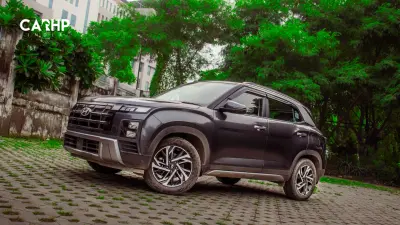
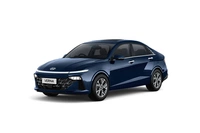
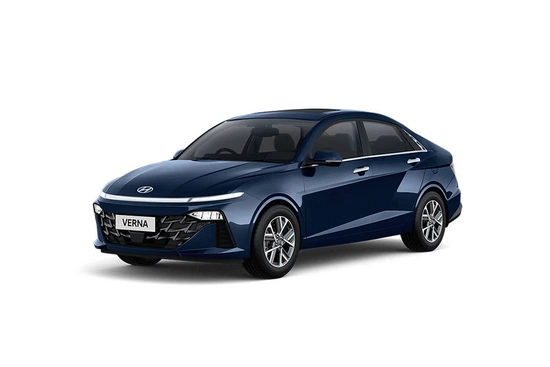
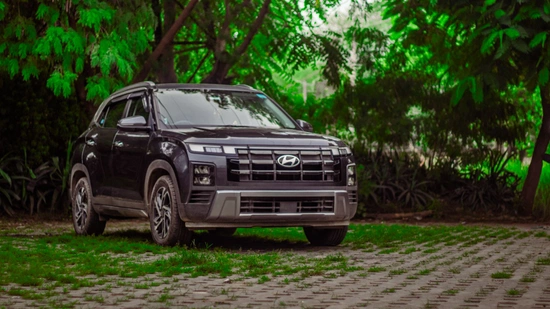
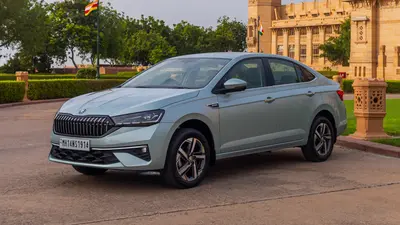
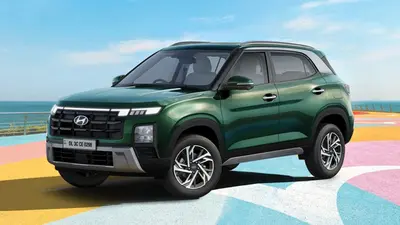
The Hyundai Verna is available in 18 variants, while the Hyundai Creta comes in 70 variants. Both cars start at an identical price of ₹10.79 Lakh. The Verna top model goes up to ₹17.13 Lakh, while the Creta top trim reaches ₹20.32 Lakh. Under the hood, the Verna features a powerful 1482cc turbo petrol engine. This engine produces 157.57bhp and 253Nm of torque. It uses a 7-speed DCT automatic gearbox for very quick gear shifts. The Creta diesel uses a 1493cc engine with 114bhp and 250Nm of torque. This SUV comes with a 6-speed automatic transmission. The Creta offers a mileage of 19.1 kmpl, which helps keep running costs low for long commutes. The Verna provides a massive 528-litre boot for luggage. Both vehicles offer comfortable seating for 5 people. Inside the cabin, both cars provide power steering, cruise control, and automatic climate control. Keyless entry and an engine start-stop button are standard features for convenience. The Verna stands out with LED headlamps, LED DRLs, and a sleek digital cluster. It also includes wireless Android Auto and Apple CarPlay for easy phone connectivity. The Creta focuses on a premium entertainment experience with a 10.25-inch HD navigation screen and a Bose 8-speaker sound system. It also features JioSaavan music streaming and Bluelink connectivity. Safety is a strong point for both models. Each car comes with 6 airbags, ABS, ESC, and Hill assist. They also include TPMS and Lane keep assist. The Verna holds a solid 5-star safety rating. For daily metro driving, the Verna is an excellent choice for those who want high performance and a stable sedan feel. The Creta is better suited for drivers who prefer a high seating position and better fuel efficiency in heavy traffic. If speed and safety ratings are the main priorities, the Verna is the clear recommendation. For a feature-loaded SUV experience with lower monthly running costs, the Creta is the right pick. Book a test drive through this platform before making a final decision to get exclusive benefits, special discounts, and the best available offers by booking here.
₹ 10.99 Lakh
₹ 10.91 Lakh

Compare Minimum 2 Cars At Once — Tap To Activate / Deactivate
Smart Summary for Car Selection
 Why Choose Hyundai Verna?
Why choose
- A 528-litre boot is substantially larger than the Creta's 433 litres, and the sedan's low loading lip makes heavy items easier to slide in than the Creta's higher floor
- The 1.5-litre turbo-petrol produces 160PS and 253Nm and provides a more connected, driver-focused experience than the Creta's equivalent engine in the same body class; the lower centre of gravity makes the Verna more settled in corners
- Level 2 ADAS including adaptive cruise, forward collision avoidance, lane departure warning and blind-spot monitoring is available on upper variants, matching the Creta's ADAS capability
- No diesel cross-shopping required at comparable prices; the Verna's turbo-petrol covers most of the use cases the Creta's diesel addresses, and the petrol running costs are close enough over normal commuting distances
- Ventilated rear seats and a fully flat folding rear bench — the latter available on select variants — are comfort and practicality additions the Creta does not offer
Why not choose
- No diesel option; the Creta's 1.5-litre diesel is the engine for buyers who cover 1,500 or more kilometres per month, and the Verna cannot provide that running cost relief
- Lower ground clearance than the Creta creates a real daily limitation on deeply pockmarked roads, waterlogged lanes, and speed breakers; sedan buyers in cities with poor road quality notice this within the first week
- The Creta's SUV seating height gives a more commanding view of traffic, which some buyers specifically want in dense urban conditions where the Verna's lower seating feels less assured
- Panoramic sunroof is not available on the Verna, where the Creta provides it on upper variants; this is a noticeable feature gap for buyers who specifically want that addition
Why Choose Hyundai Creta?Why choose
- Higher ground clearance handles urban potholes, speed breakers and waterlogged roads more confidently than the Verna's sedan profile allows
- The 1.5-litre diesel producing 116PS and 250Nm is available across the Creta's range and is the economically sensible engine for high-mileage buyers — a fuel type the Verna does not offer
- Elevated seating height gives a more commanding driving position in urban traffic, which a significant proportion of Indian SUV buyers specifically prefer over a sedan's lower seating
- Panoramic sunroof, Bose audio system and rear sunshades are available on Creta upper variants and create a more premium-feeling rear passenger experience than the Verna provides
- The Creta's 3-star Global NCAP result is lower than expected, but the body-on-monocoque construction handles rough road abuse better than the Verna's lower-clearance sedan profile on typical Indian terrain
Why not choose
- 3-star Global NCAP adult occupant protection rating versus the Verna's current safety credentials — buyers using a crash test result as a criterion should investigate the Creta's score carefully before deciding
- A 433-litre boot is noticeably smaller than the Verna's 528 litres; buyers who travel frequently with checked bags will feel the difference every trip
- The 1.5-litre turbo-petrol DCT in the Creta attracts the same slow-traffic hesitation complaints that the Verna's DCT does, but on a heavier body where the calibration issue is marginally more noticeable
 Our Recommendation For Most Buyers
Hyundai Verna
The Verna is the better car for buyers who approach their decision as drivers first. The turbo-petrol's delivery in a lower, stiffer body is more engaging than the same engine in the Creta, the boot is noticeably larger, and the lower loading lip makes regular use more convenient. Buyers who cover highways regularly and value a car that feels planted at speed will prefer the Verna's chassis to the Creta's softer, taller setup.
The clear limitations are ground clearance and the absence of a diesel; buyers on very poorly maintained roads or those who need diesel economy should end the Verna conversation here. For buyers who want sedan proportions, a large boot, and ADAS in the same price band as a Creta, the Verna makes a persuasive case that is often overlooked.
Hyundai Creta
The Creta's structural advantage over the Verna is the combination of higher ground clearance and a diesel engine — both of which answer real daily requirements for a large segment of Indian buyers. Potholes and speed breakers that are daily features of most Indian roads affect the Creta significantly less than they affect the Verna. The diesel's running cost advantage for buyers above 1,500 kilometres per month is real and cumulative over three years.
For buyers who want an SUV seating position, a panoramic sunroof, and rear-seat comfort for regular passengers, the Creta is the more versatile daily car. The 3-star crash rating is the honest concern; the Verna has not published a comparable result for the current generation, but buyers should weigh both cars' safety credentials carefully before deciding.
Engine and Performance
Performance Specifications
Fuel Specifications
Dimensions and Design
Interior Specifications
Wheels & Tires
Suspension, Brakes & Steering
Safety Features
Interior Features
Comfort & Convenience
Infotainment Features
Exterior Features
Brochure

EMI Cost Comparison
Assuming 20% down payment, 9.5% interest, 60-month tenure
 Loan Amount
 Interest: 9.5%
 Down Payment (20%)
 Loan TenureLoan AmountInterest: 9.5%Down Payment (20%)Loan Tenure
Pros & Cons Comparison
Things We Like in Hyundai Verna
- The turbo engine is the most powerful in its segment, and it never stops feeling smooth and refined while doing it.
- Ride quality strikes the best comfort balance for Indian roads that I've come across in this segment.
Things We Like in Hyundai Creta
- The dual 10.25-inch infotainment-and-cluster setup is integrated into a single panel.
- Automatic and DCT variants feature paddle shifters, with multiple drive and traction control modes.
Things We Don't Like in Hyundai Verna
- Interior plastics don't quite live up to what you're paying on-road.
- Rear headroom is tight enough that it suits two adults far better than three.
Things We Don't Like in Hyundai Creta
- The 2022 Global NCAP crash test revealed an unstable bodyshell that remains untested recently.
- The 158 hp turbo-petrol engine is only available with the 7-speed DCT.
Hyundai Verna Comparisons
Hyundai Creta Comparisons
Hyundai Creta
₹10.91 - 20.46 Lakh
Maruti Suzuki Grand Vitara
₹10.77 - 19.77 Lakh
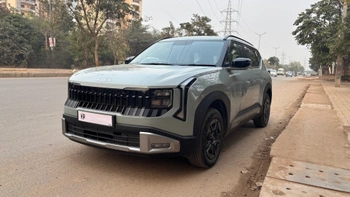
Hyundai Creta
₹10.91 - 20.46 Lakh
Kia Seltos
₹11 - 21.82 Lakh
Hyundai Creta
₹10.91 - 20.46 Lakh
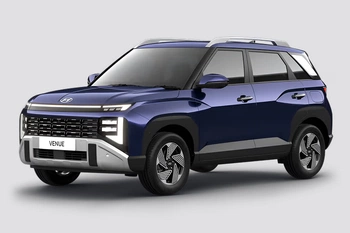
Hyundai Venue
₹8 - 15.83 Lakh
Hyundai Creta
₹10.91 - 20.46 Lakh
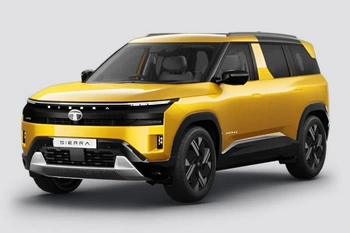
Tata Sierra
₹11.49 - 21.59 Lakh
Hyundai Creta
₹10.91 - 20.46 Lakh
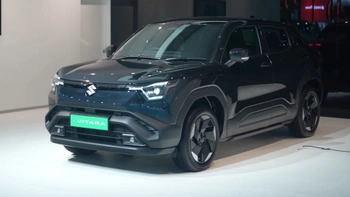
Maruti Suzuki e Vitara
₹16.19 - 20.21 Lakh
Hyundai Creta
₹10.91 - 20.46 Lakh
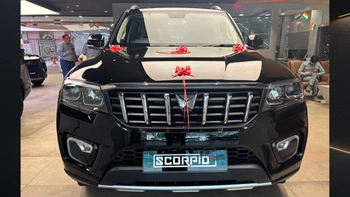
Mahindra Scorpio N
₹13.50 - 25.49 Lakh
Car News
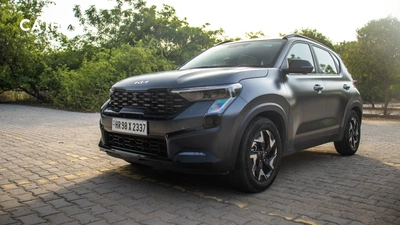

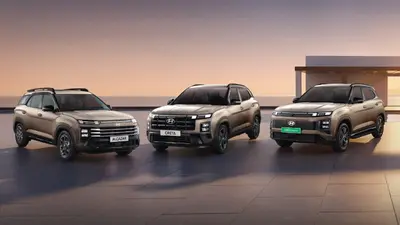
Hyundai Creta, Alcazar and Creta Electric Lounge Edition Launched, Prices Start at Rs 19.21 Lakh
Hyundai has launched the Lounge Edition across the Creta, Alcazar, and Creta Electric in India. The big addition is an 11.6-inch Rear Seat Entertainment System, along with lounge-exclusive interiors and black exterior treatment.
Anmol Kumar
September 10, 2026
BS7 Emission Norms Draft Expected in Two Months, Says MoRTH
The BS7 draft is expected within two months, MoRTH confirmed at SIAM's annual convention. Timelines remain the industry's biggest concern, but unlike the BS4-to-BS6 jump, this transition should be considerably less disruptive for carmakers and buyers.
Anmol Kumar
September 4, 2026