Maruti Suzuki e Vitara vs Hyundai Creta Electric - Which One Should You Buy
Maruti Suzuki e Vitara vs Hyundai Creta Electric Comparison at CarHP India. Compare Maruti Suzuki e Vitara and Hyundai Creta Electric Prices, Mileage, Features, Specs, Colours and much more.
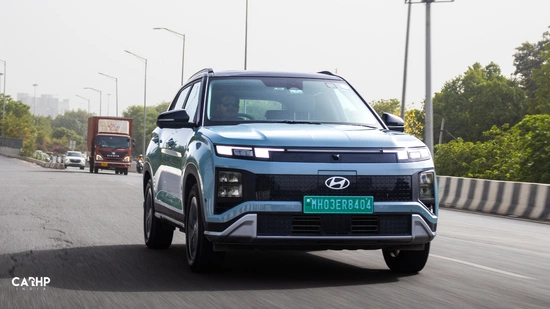
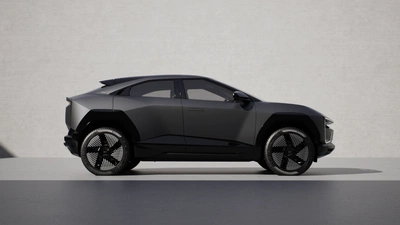
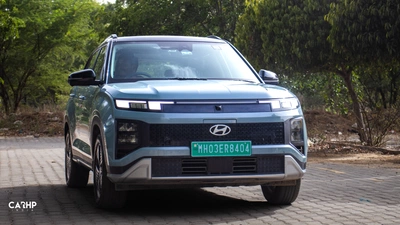
The Maruti Suzuki e Vitara comes in 4 variants. The selected variant is priced at ₹16.19 Lakh. The cheapest variant, Delta, costs ₹16.19 Lakh, while the top-end variant, Alpha Dual Tone, is priced at ₹20.21 Lakh. The Hyundai Creta Electric comes in 29 variants. The selected variant is priced at ₹18.03 Lakh. The cheapest variant, Executive, costs ₹18.03 Lakh, while the top-end variant, Excellence LR HC Lounge Edition DT, is priced at ₹25.22 Lakh.
₹ 16.19 Lakh

₹ 18.03 Lakh

Compare Minimum 2 Cars At Once — Tap To Activate / Deactivate
Smart Summary for Car Selection
 Why Choose Maruti Suzuki e Vitara?
Why choose
- The 61kWh pack claims up to 33km more range than the Creta Electric's top version, so on a long run you stop later
- The motor makes 174hp against the Creta Electric's 171hp
- The 2,700mm wheelbase is 90mm longer than the Creta Electric's, and in an EV with a flat floor that length goes almost entirely into rear legroom
- Seven airbags are fitted, one more than the Creta Electric's six
- A 10-way power-adjustable driver's seat, a 10-speaker sound system, multi-colour ambient lighting and auto up and down on all four windows are all included, and the Creta Electric matches none of them
- 18-inch alloy wheels are fitted, a size up on the Hyundai's, and front fog lamps are included where the Creta Electric skips them
Why not choose
- Home charging caps at 7.4kW against the Creta Electric's 11kW, which means a meaningfully longer overnight top-up on the same wallbox
- DC fast charging tops out at 70kW where the Creta Electric accepts 100kW, so on a highway stop you wait longer despite the bigger battery
- Boot space is 127 litres down on the Creta Electric's, and there is no frunk at all
- Peak torque is 193Nm against the Creta Electric's 255Nm, a 62Nm gap that shows in how each car pulls away
- At 15mm lower than the Creta Electric, headroom is marginally tighter
- Maruti's EV service and charging support is newer and thinner than Hyundai's
Why Choose Hyundai Creta Electric?Why choose
- DC fast charging accepts up to 100kW and home charging up to 11kW, so both the highway stop and the overnight charge are quicker, and the smaller battery compounds that advantage
- Torque is 255Nm against the e Vitara's 193Nm, which is why it feels stronger off the line despite making 3hp less
- Boot space is 127 litres larger than the e Vitara's, and a frunk adds storage the Maruti does not have at all
- At 65mm longer and 15mm taller it is the bigger car in the dimensions that affect luggage and headroom
- A panoramic sunroof, dual-zone climate control, dual wireless phone chargers, a 6-way power co-driver's seat and a larger touchscreen are all offered, none of which the e Vitara includes
- Hyundai's EV dealer and charging network is more established, which matters across years of ownership rather than at purchase
Why not choose
- Claimed range on the top version falls up to 33km short of the e Vitara's
- The motor's 171hp is 3hp below the e Vitara's
- The 2,610mm wheelbase is 90mm shorter, so rear legroom trails
- Six airbags against the e Vitara's seven
- Smaller 17-inch alloys and no front fog lamps
 Our Recommendation For Most Buyers
e Vitara
The e Vitara suits the driver who charges at home overnight and wants the longest possible gap between charges. Its 61kWh pack claims up to 33km more than the Creta Electric's best, the 90mm longer wheelbase gives rear passengers noticeably more legroom, and the seven airbags and 10-way driver's seat are real equipment advantages.
The problem is how slowly it takes electricity. A 7.4kW home limit and a 70kW DC cap mean the bigger battery takes longer to fill at both ends, so on a long trip the e Vitara's range advantage is partly cancelled by the time you spend recovering it. Anyone relying on public fast chargers should weigh that carefully.
Creta Electric
Charging speed is what to buy the Creta Electric for. Accepting 100kW on DC and 11kW at home, with a smaller battery to fill, it recovers charge substantially faster than the e Vitara at both a highway stop and in your own parking space. That turns a shorter claimed range into a practical advantage on repeated long runs.
The 255Nm of torque and 127 litres of extra boot space, plus a frunk the e Vitara does not have, reinforce it. What you give up is outright range and rear legroom, since the shorter wheelbase is felt by adults in the back. Buyers who charge only at home and rarely travel far may prefer the Maruti's extra distance.
Engine and Performance
Performance Specifications
Fuel Specifications
Dimensions and Design
Interior Specifications
Wheels & Tires
Suspension, Brakes & Steering
Safety Features
Interior Features
Comfort & Convenience
Infotainment Features
Exterior Features
Brochure

EMI Cost Comparison
Assuming 20% down payment, 9.5% interest, 60-month tenure
 Loan Amount
 Interest: 9.5%
 Down Payment (20%)
 Loan TenureLoan AmountInterest: 9.5%Down Payment (20%)Loan Tenure
Pros & Cons Comparison
Things We Like in Maruti Suzuki e Vitara
- Maruti is promising 1 lac charging stations by 2030
- Top Spec 61 kwh model can do 543 KM
Things We Like in Hyundai Creta Electric
- Fast charging from 10-80% takes 39 minutes with compatible chargers.
- Six airbags including side and curtain are standard on every single variant.
Things We Don't Like in Maruti Suzuki e Vitara
- No AWD as of now, may come in future
- Expect no more than 300KM on a single charge as ARAi numbers are grossly inflated
Things We Don't Like in Hyundai Creta Electric
- Hyundai SmartSense ADAS is absent on the entry level base variants of both battery packs.
- The 11 kW wallbox home charger remains an optional extra across all variants.
Maruti Suzuki e Vitara Comparisons

Maruti Suzuki e Vitara
₹16.19 - 20.21 Lakh
Tata Curvv EV
₹17.19 - 19.69 Lakh
Maruti Suzuki e Vitara
₹16.19 - 20.21 Lakh
Tata Nexon EV
₹12.49 - 17.89 Lakh
Maruti Suzuki e Vitara
₹16.19 - 20.21 Lakh
MG Windsor EV
₹14.85 - 19.15 Lakh

Maruti Suzuki e Vitara
₹16.19 - 20.21 Lakh
VinFast VF6
₹17.29 - 19.19 Lakh
Maruti Suzuki e Vitara
₹16.19 - 20.21 Lakh
Maruti Suzuki Victoris
₹10.50 - 19.99 Lakh
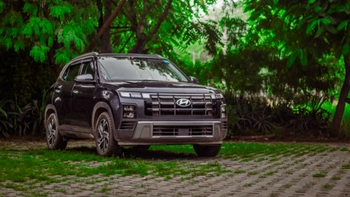
Maruti Suzuki e Vitara
₹16.19 - 20.21 Lakh
Hyundai Creta
₹10.91 - 20.46 Lakh
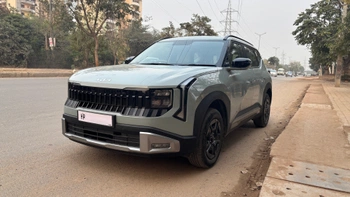
Maruti Suzuki e Vitara
₹16.19 - 20.21 Lakh
Kia Seltos
₹11 - 21.82 Lakh
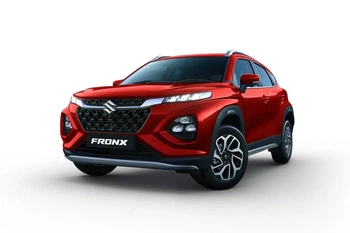
Maruti Suzuki e Vitara
₹16.19 - 20.21 Lakh
Maruti Suzuki Fronx
₹6.90 - 12.03 Lakh
Hyundai Creta Electric Comparisons
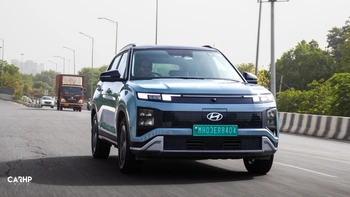
Hyundai Creta Electric
₹18.03 - 25.22 Lakh
MG Windsor EV
₹14.85 - 19.15 Lakh
Hyundai Creta Electric
₹18.03 - 25.22 Lakh
Tata Nexon EV
₹12.49 - 17.89 Lakh
Hyundai Creta Electric
₹18.03 - 25.22 Lakh
Tata Curvv EV
₹17.19 - 19.69 Lakh
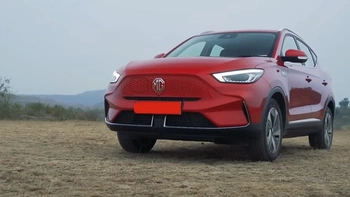
Hyundai Creta Electric
₹18.03 - 25.22 Lakh
MG ZS EV
₹17.99 - 20.75 Lakh
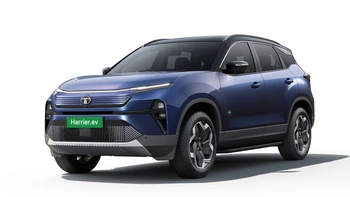
Hyundai Creta Electric
₹18.03 - 25.22 Lakh
Tata Harrier EV
₹21.79 - 30.54 Lakh
SUV Comparisons
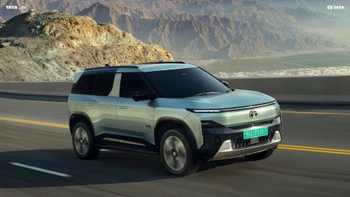
Maruti Suzuki e Vitara
₹16.19 - 20.21 Lakh
Tata Sierra EV
₹18.79 - 26.48 Lakh
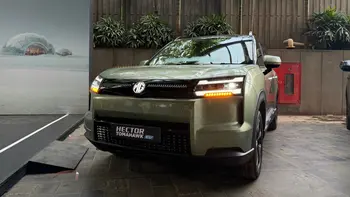
Maruti Suzuki e Vitara
₹16.19 - 20.21 Lakh
MG Hector Tomahawk EV
₹19.49 - 23.49 Lakh
Maruti Suzuki e Vitara
₹16.19 - 20.21 Lakh
Mahindra BE 6 SPORTEQ
₹19.45 - 26.95 Lakh
Maruti Suzuki e Vitara
₹16.19 - 20.21 Lakh
Tata Punch EV
₹9.79 - 12.99 Lakh
Maruti Suzuki e Vitara
₹16.19 - 20.21 Lakh
Mahindra XUV 3XO EV
₹13.89 - 14.96 Lakh
Maruti Suzuki e Vitara
₹16.19 - 20.21 Lakh
Mahindra XEV 9S
₹20.65 - 29.95 Lakh
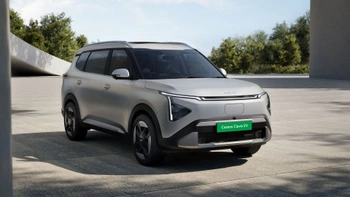
Maruti Suzuki e Vitara
₹16.19 - 20.21 Lakh
Kia Carens Clavis EV
₹18.04 - 25 Lakh
Car News
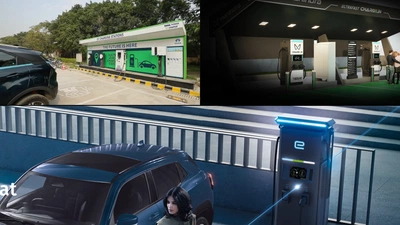
Top 5 EV Makers With Most Charging Stations
Our EV ecosystem is expanding fast, and these five automakers are leading the charge with the widest and most accessible charging networks. Here’s a look at the charging infrastructure from Tata Motors, Maruti Suzuki, Mahindra, Hyundai and MG Motor India.
Salil Kumar
September 24, 2026
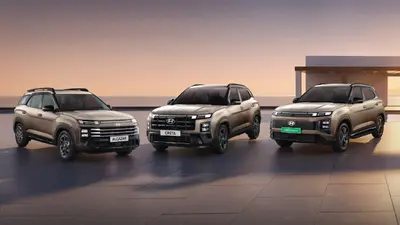
Hyundai Creta, Alcazar and Creta Electric Lounge Edition Launched, Prices Start at Rs 19.21 Lakh
Hyundai has launched the Lounge Edition across the Creta, Alcazar, and Creta Electric in India. The big addition is an 11.6-inch Rear Seat Entertainment System, along with lounge-exclusive interiors and black exterior treatment.
Anmol Kumar
September 10, 2026
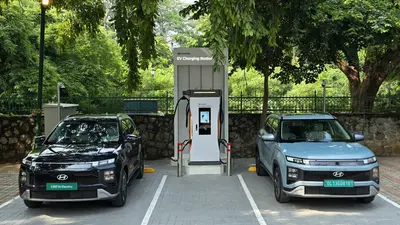
Hyundai Expands EV Charging Network With 120kW Delhi Stations, Plans to Hit 600 Stations by 2030
Hyundai Motor India has installed 120 kW DC fast chargers across New Delhi on World EV Day, in partnership with Statiq. It also plans to grow its public charging network to 600 stations by 2030 and is training thousands of dealers ahead of a new localised EV SUV.
Anmol Kumar
September 9, 2026
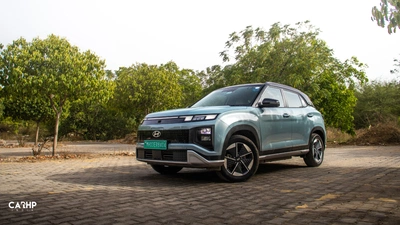
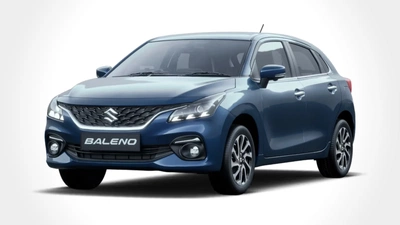
Maruti Suzuki Hikes Car Prices by Up to ₹30,000 in August With Baleno, e Vitara and Jimny Getting Costlier
Maruti Suzuki has increased prices across its Arena and Nexa lineup in August 2026, with hikes ranging from ₹2,500 on entry-level models to as much as ₹30,000 on the Baleno. Here is a full breakdown of what has changed and by how much.
Anmol Kumar
August 19, 2026