
Renault Duster
Overall Rating

Renault Duster
Overall Rating
EMI Loading
Renault Duster Key Specifications
Renault Duster Highlights
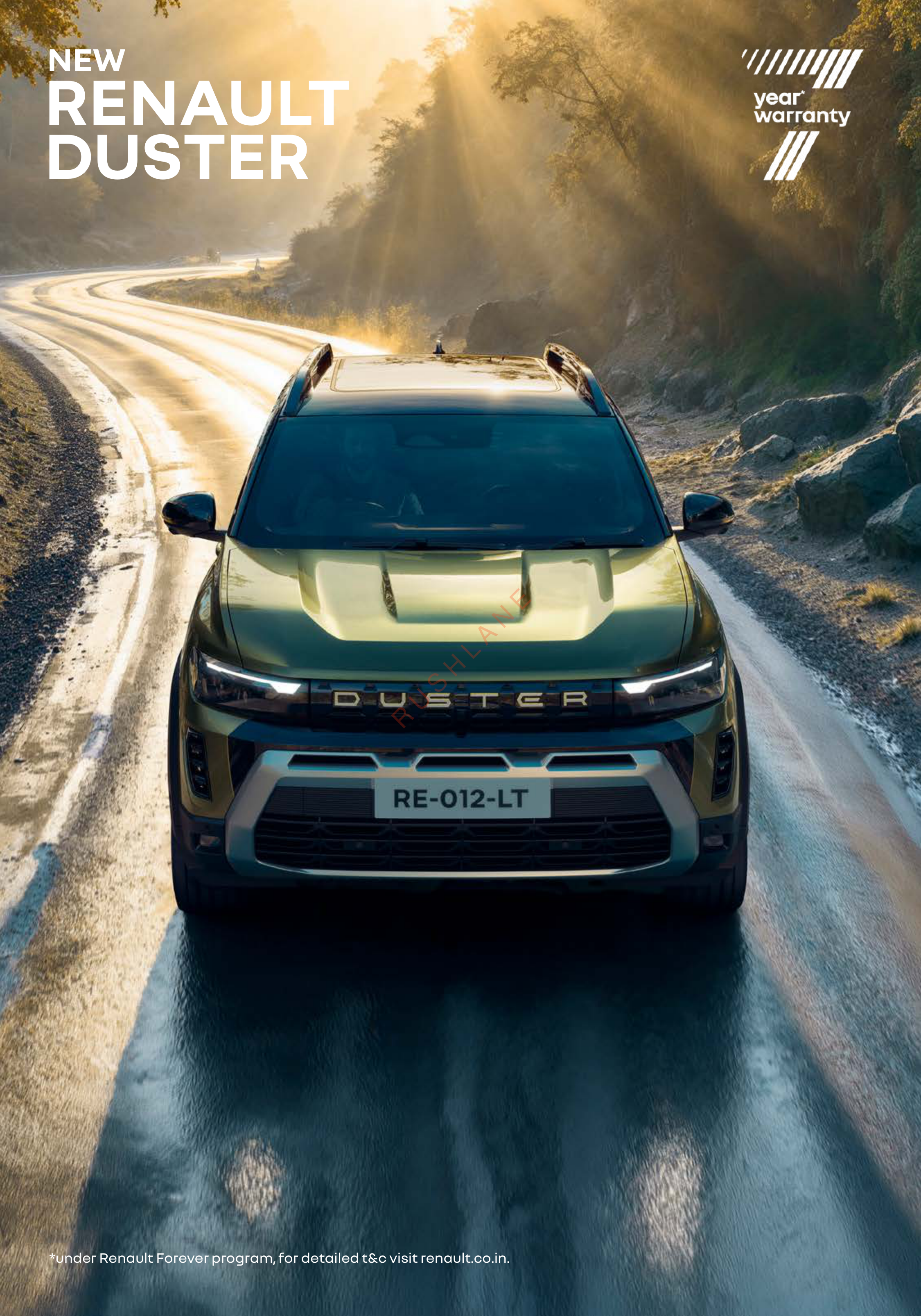
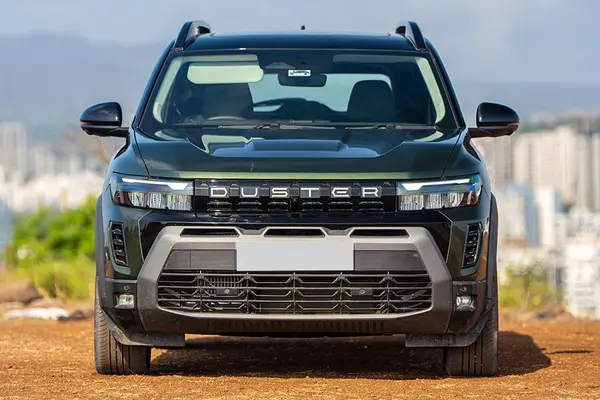
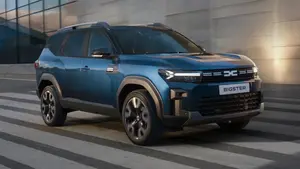
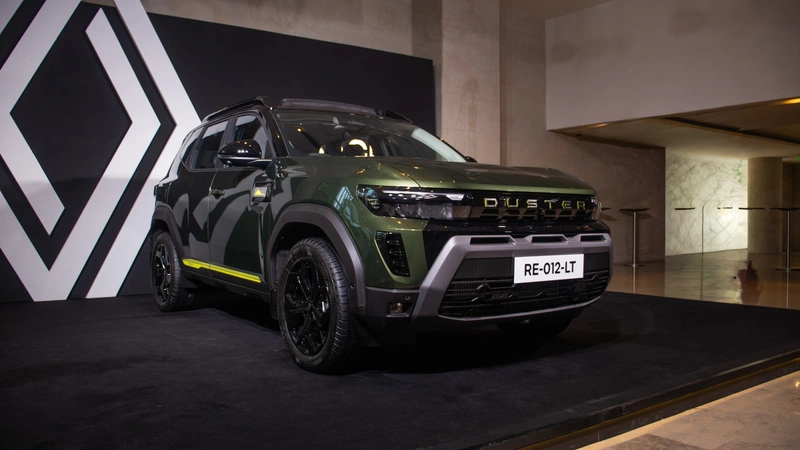
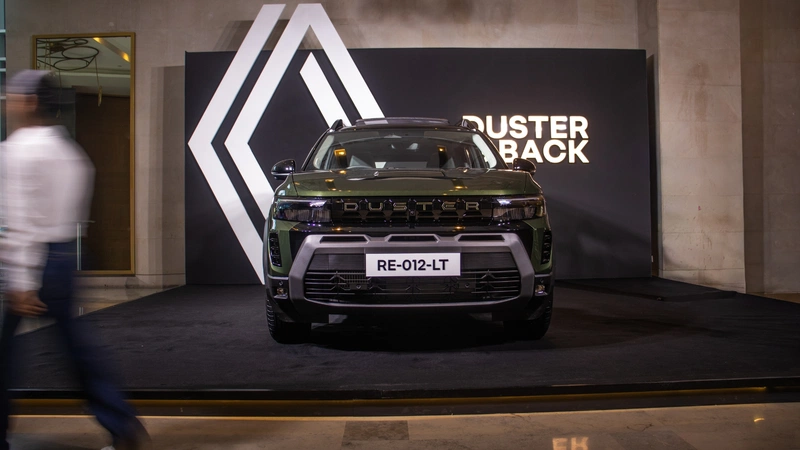
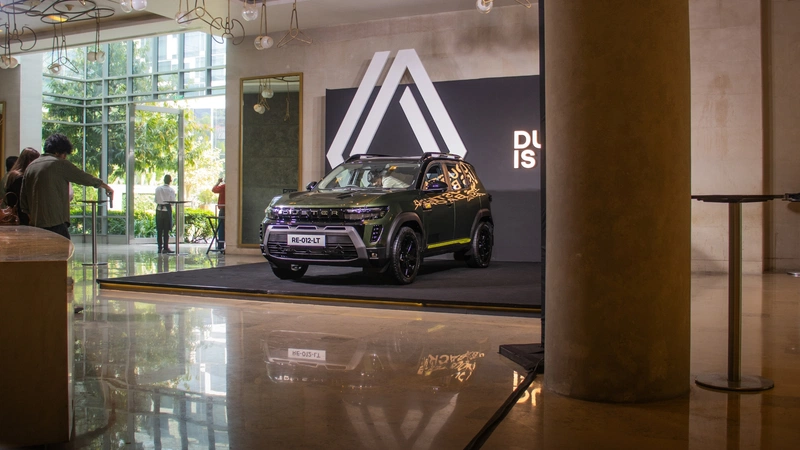
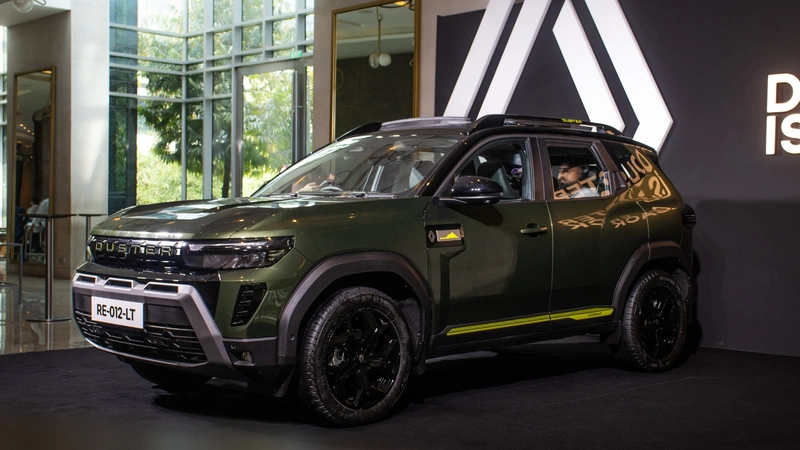
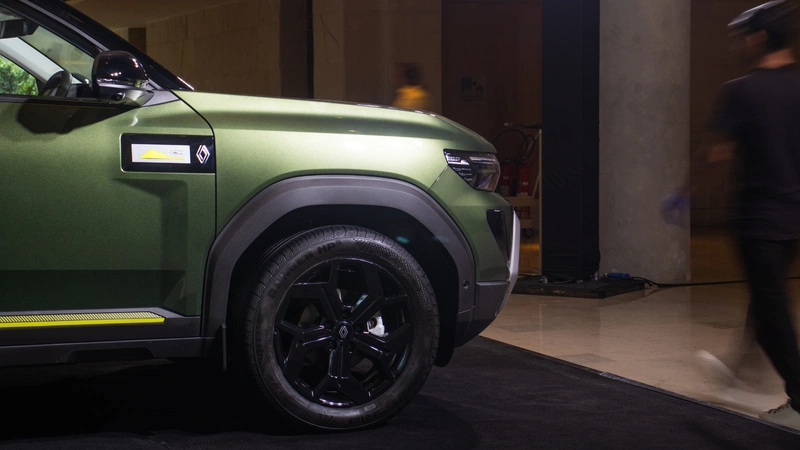
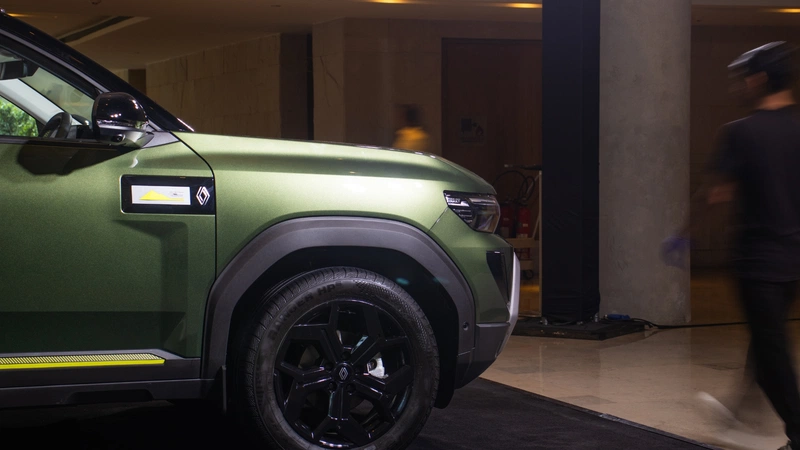
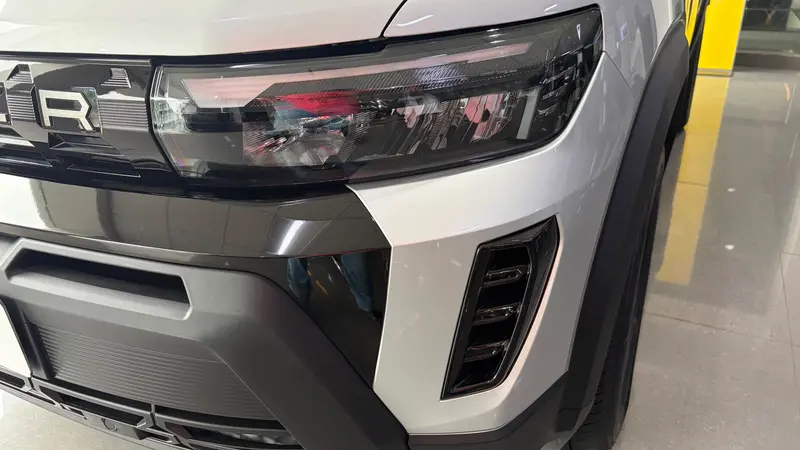
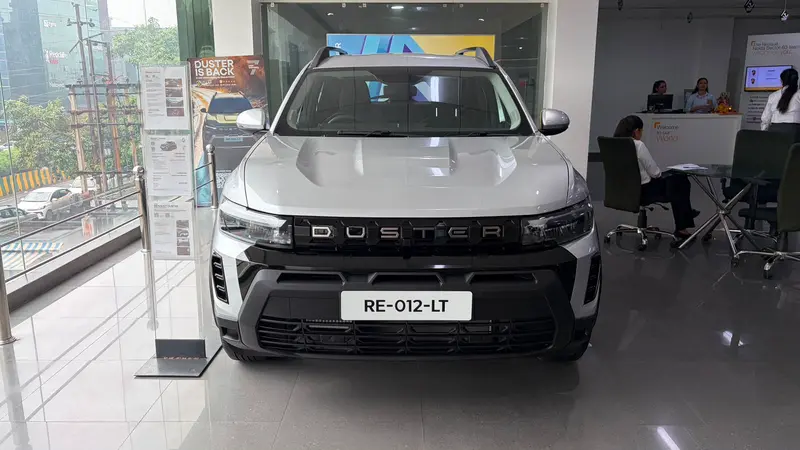
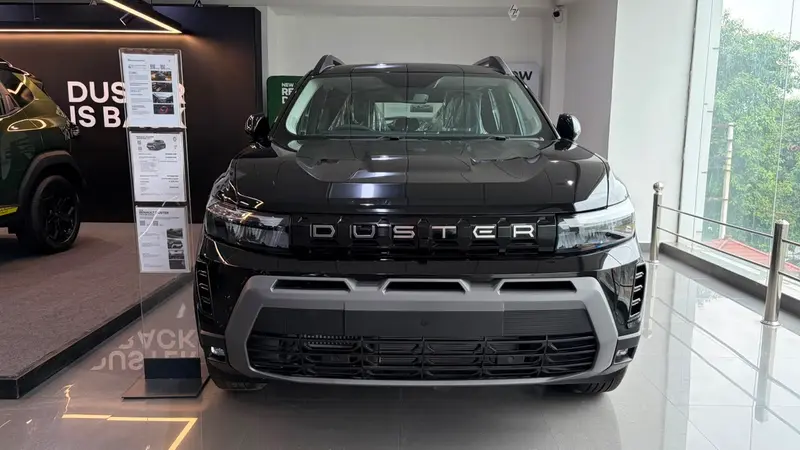
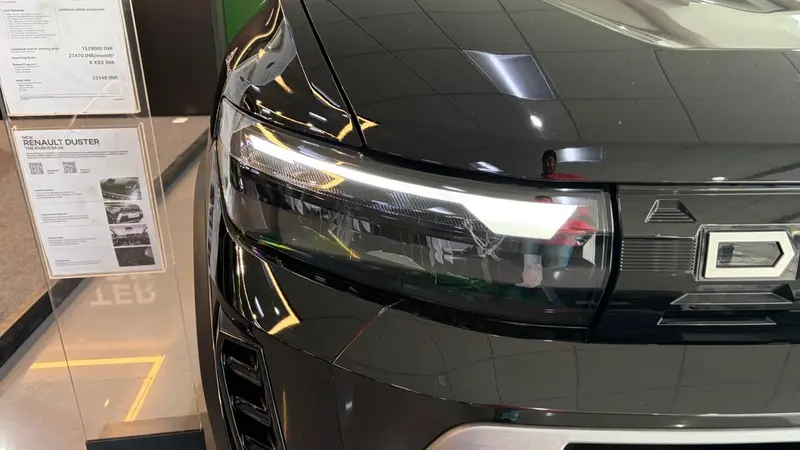
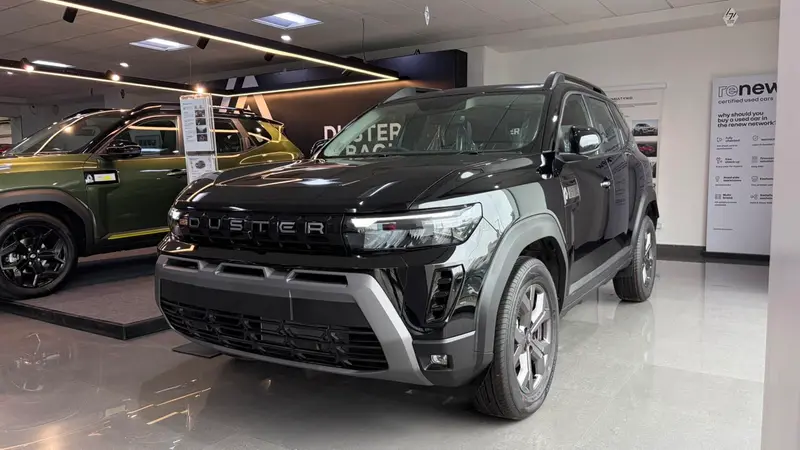
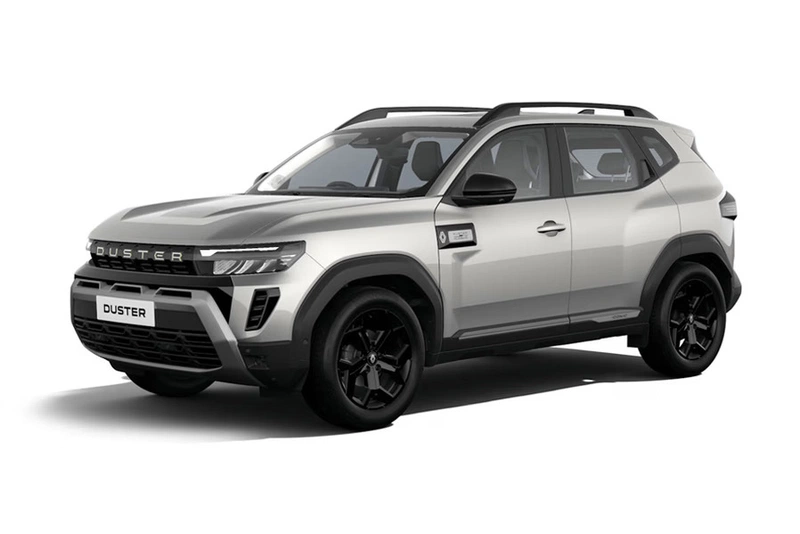
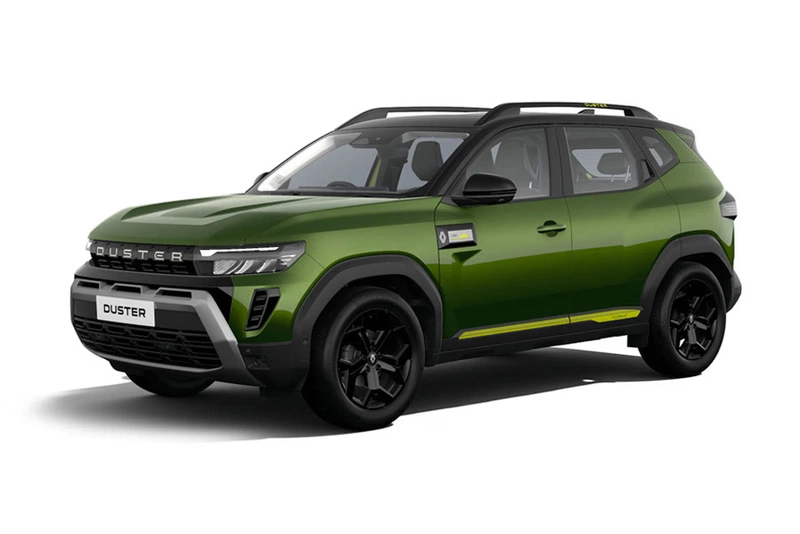
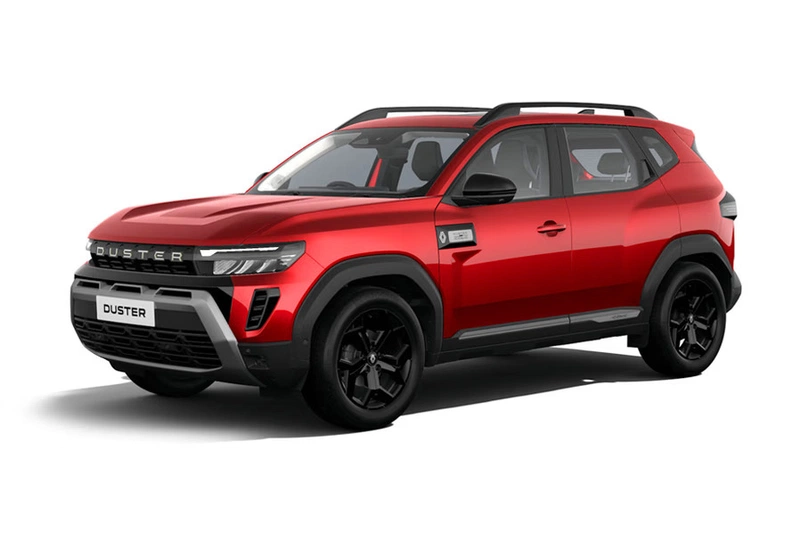
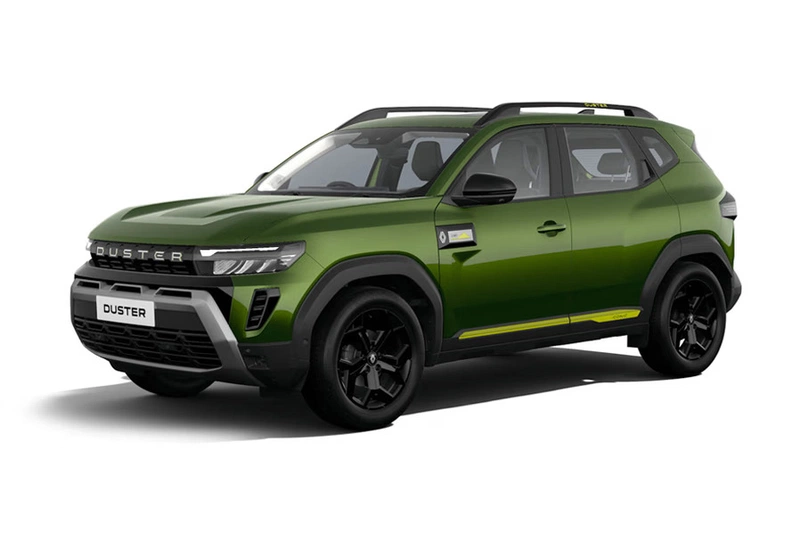
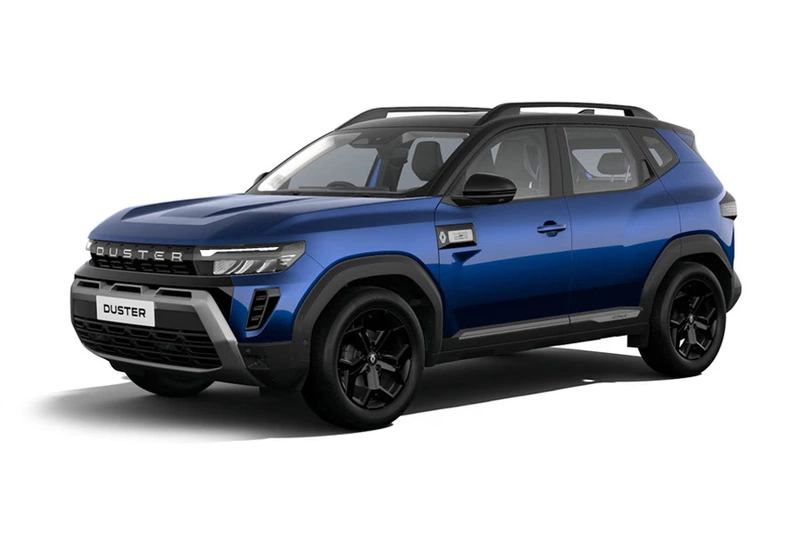
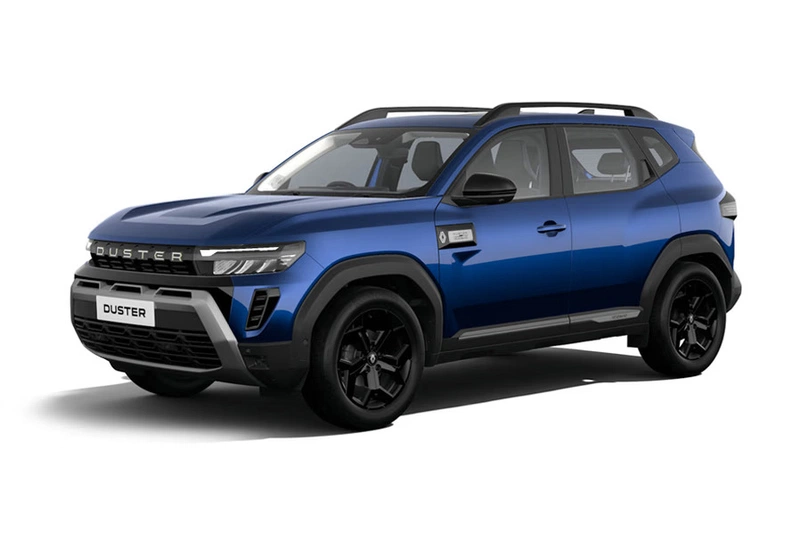
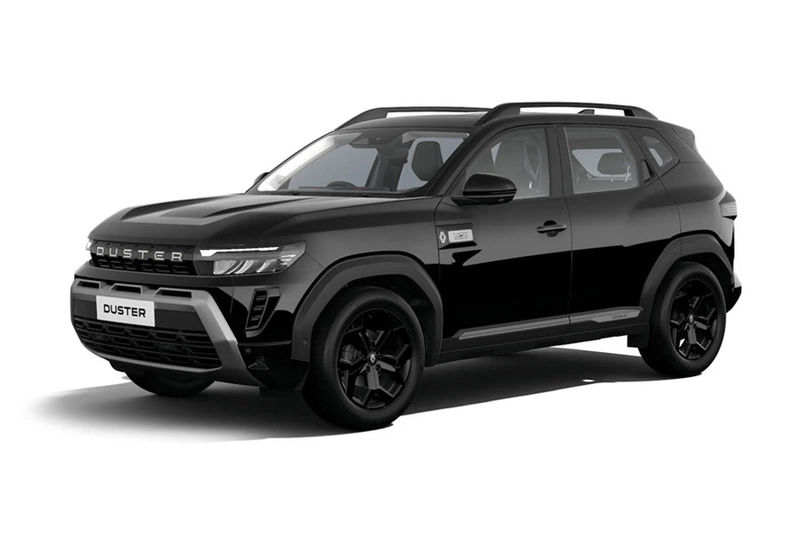
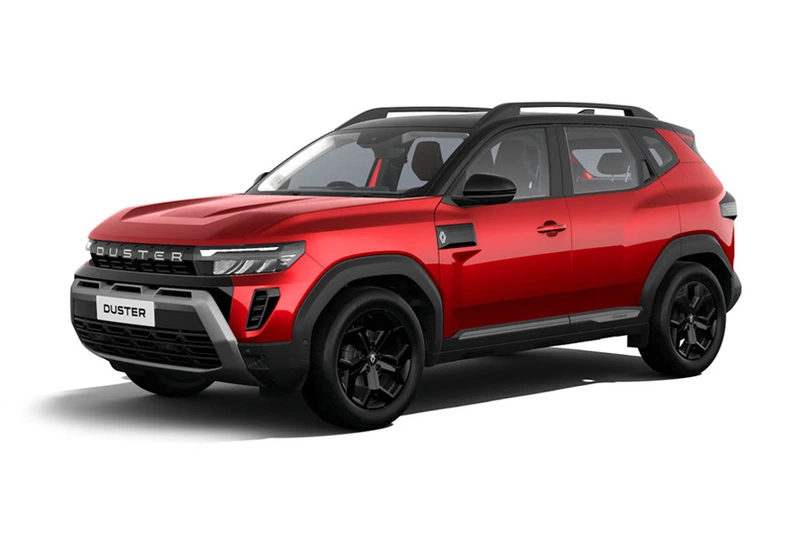
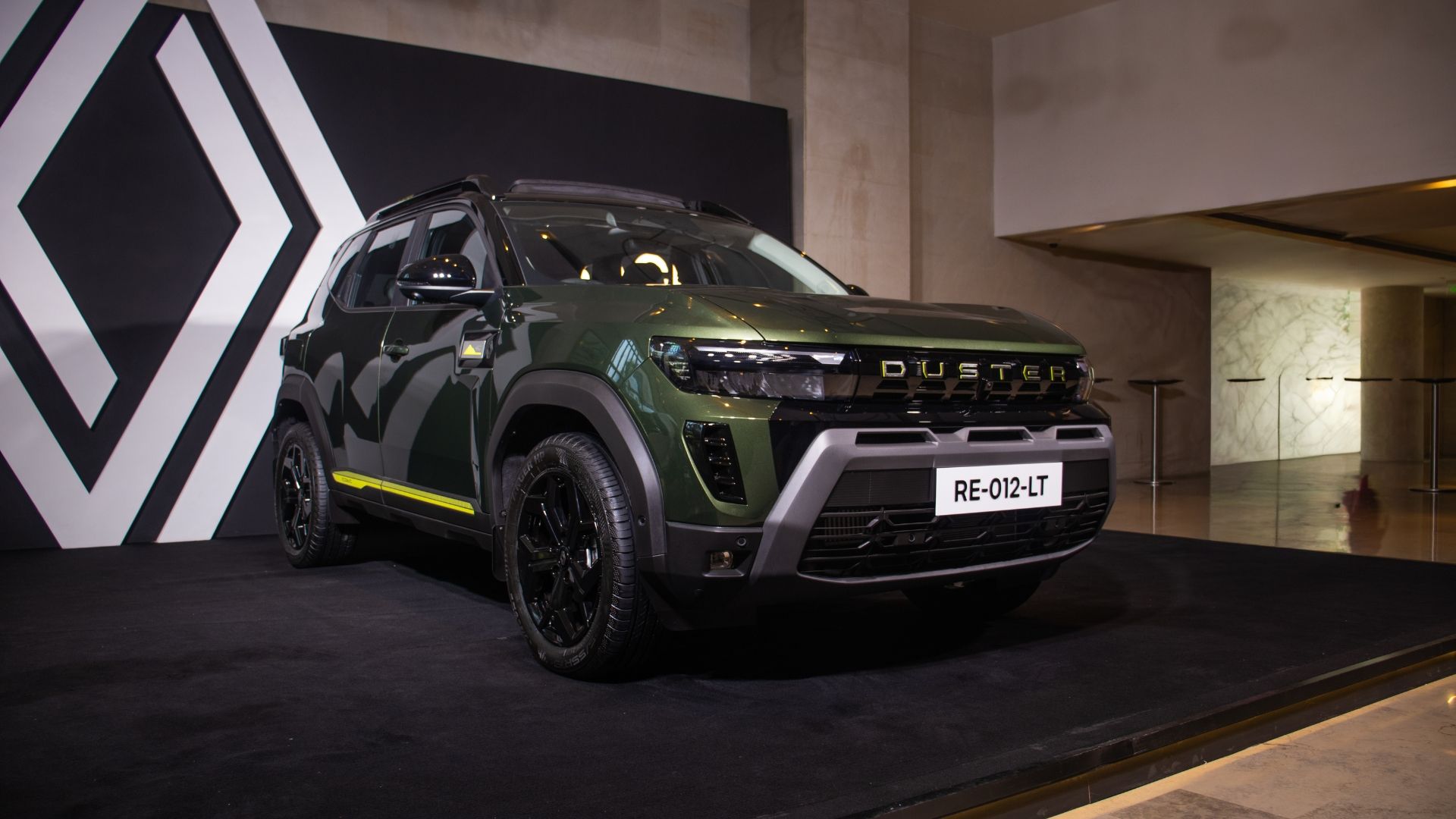
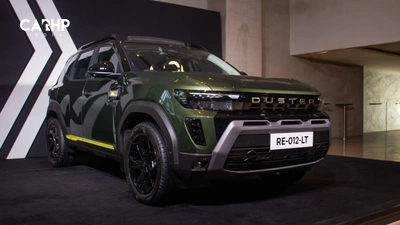
Its front fascia gets aggressive LED DRLs, bumper and bonnet design along with Duster lettering.
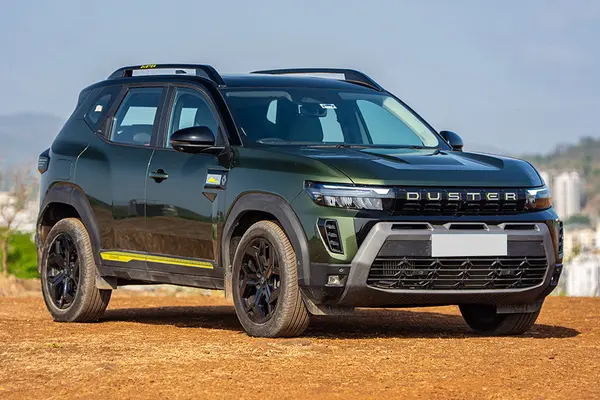
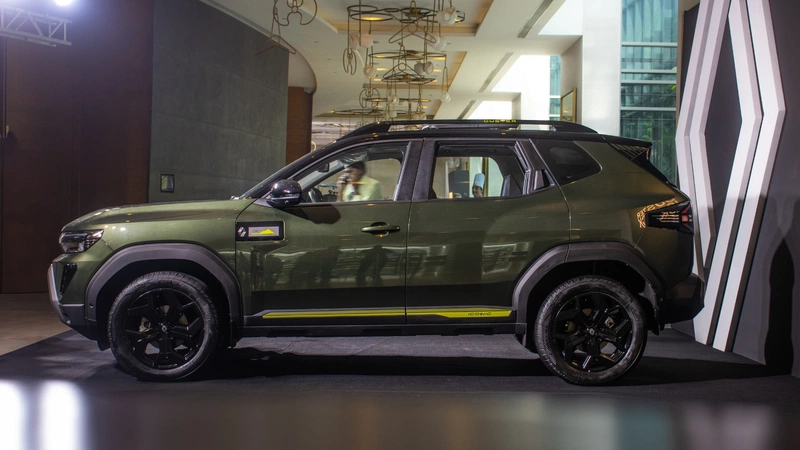
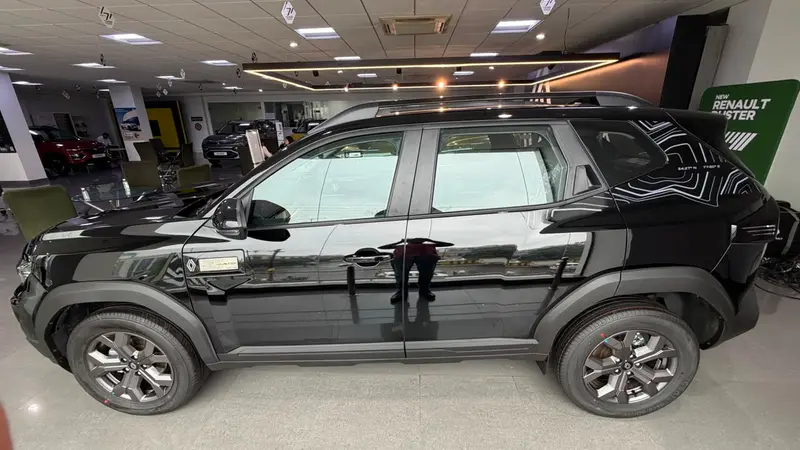
The new Renault Duster gets 212mm of ground clearance.
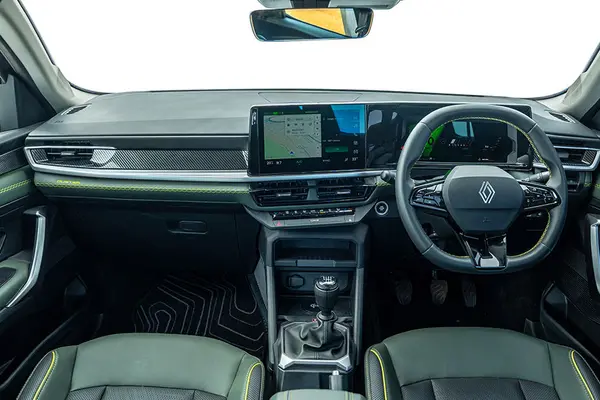
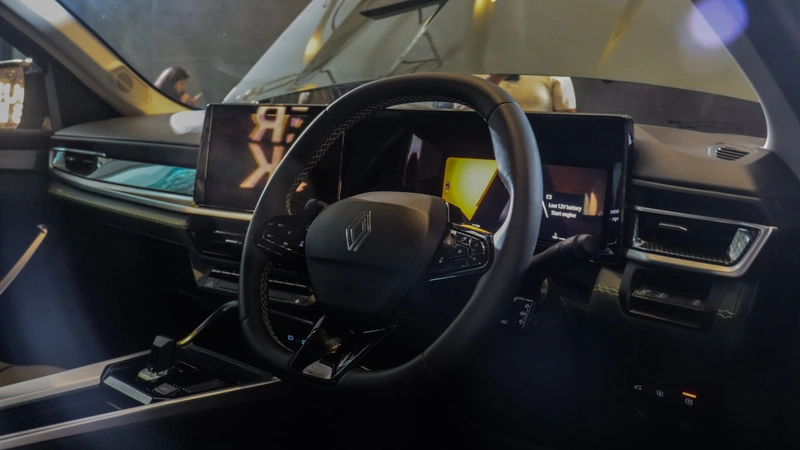
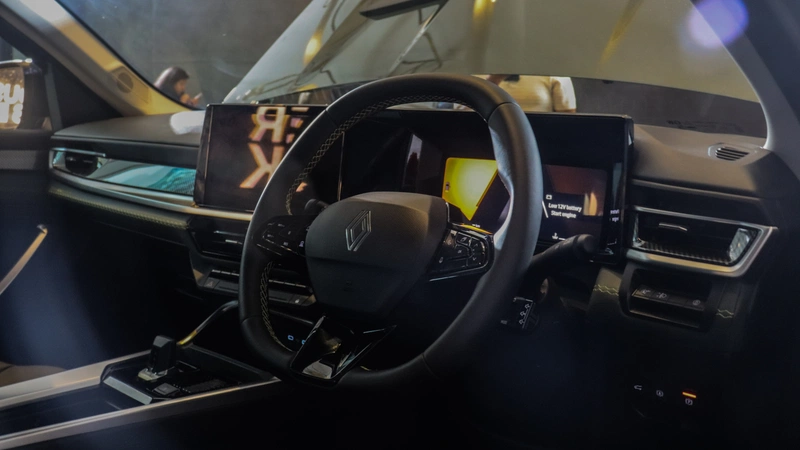
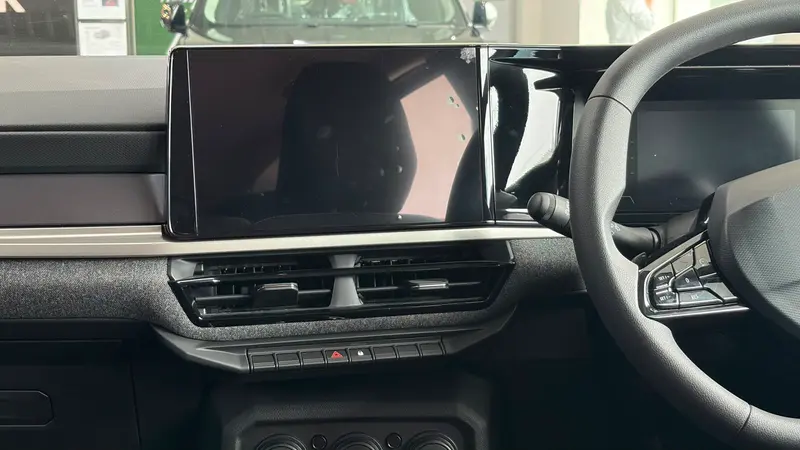
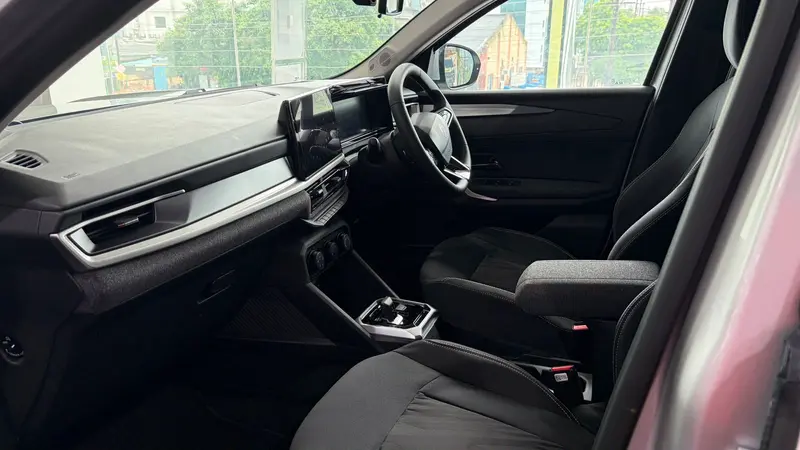
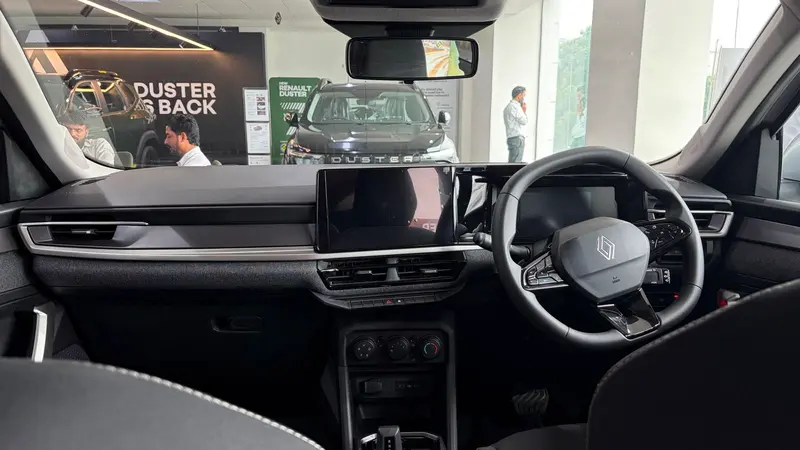
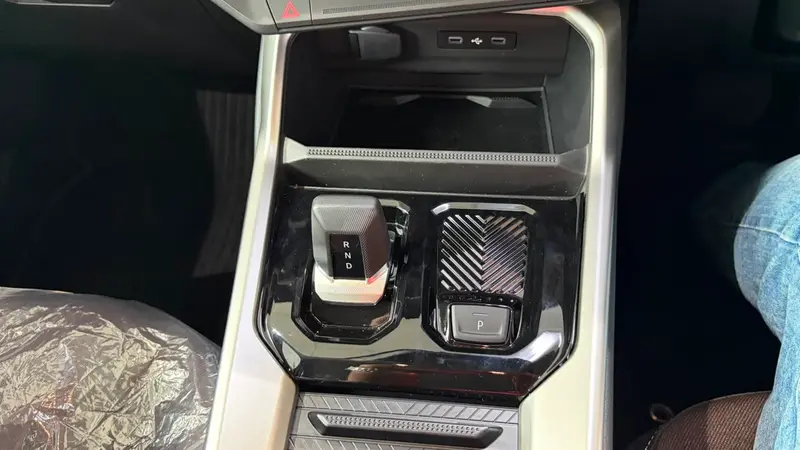
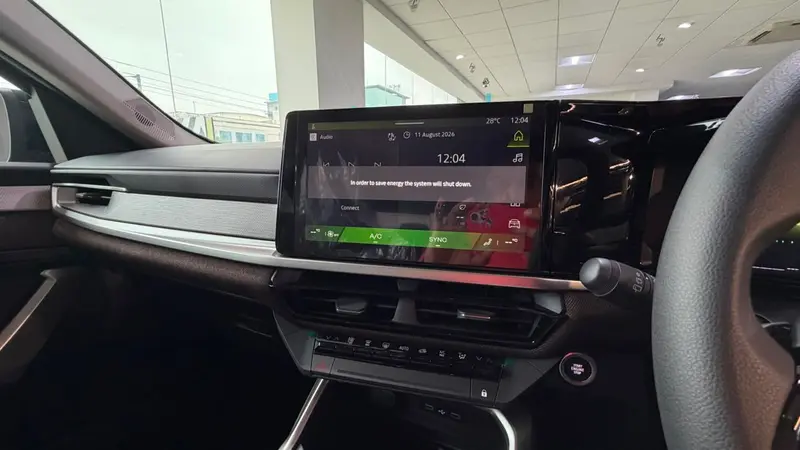
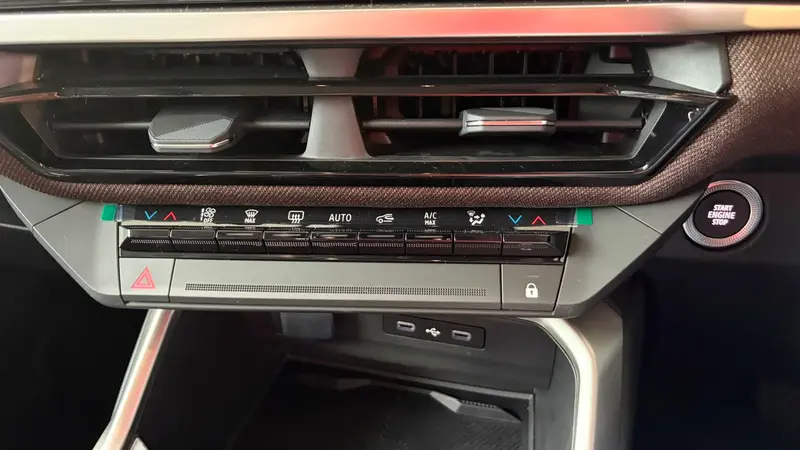
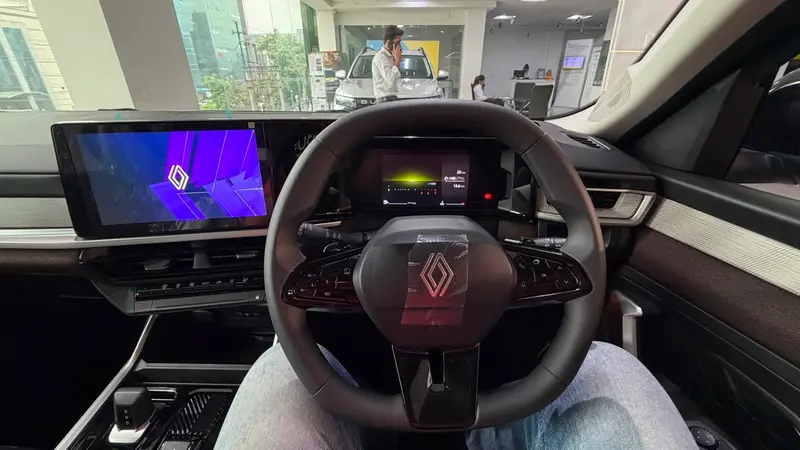
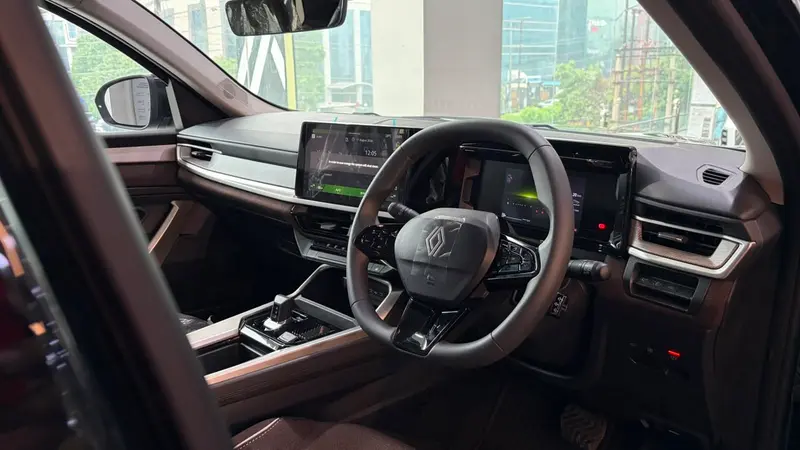
The Duster gets a modern and feature-rich dashboard with updated infotainment systems.
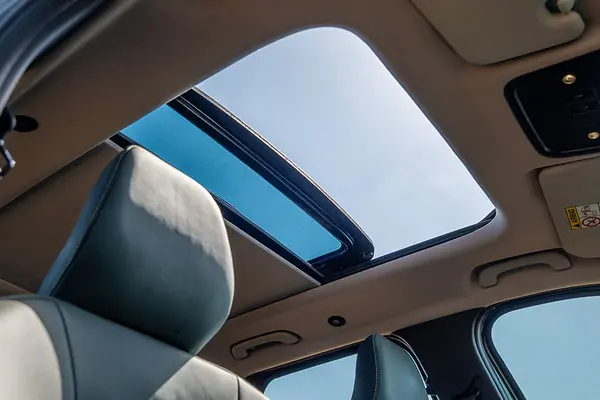
It features a big panoramic sunroof, an addition over the international model.
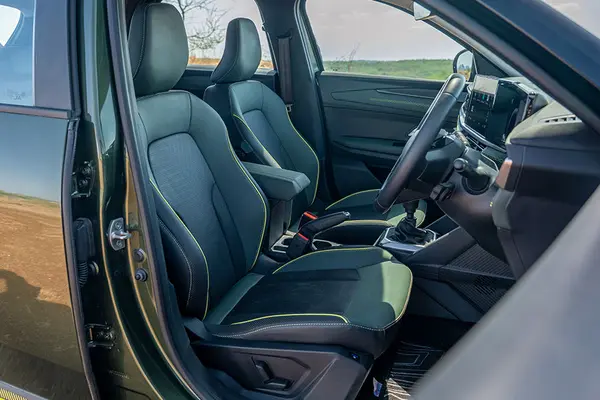
The Renault Duster comes equipped with six-way powered front seats.
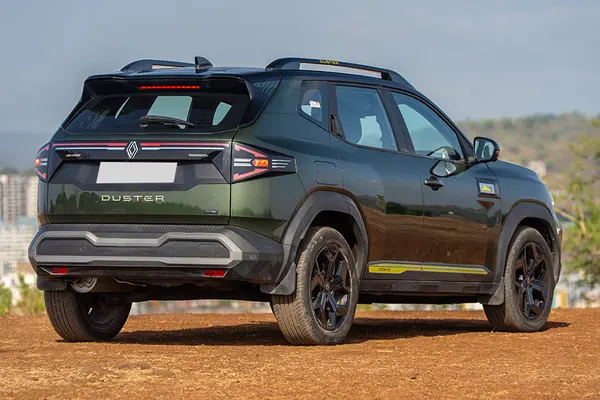
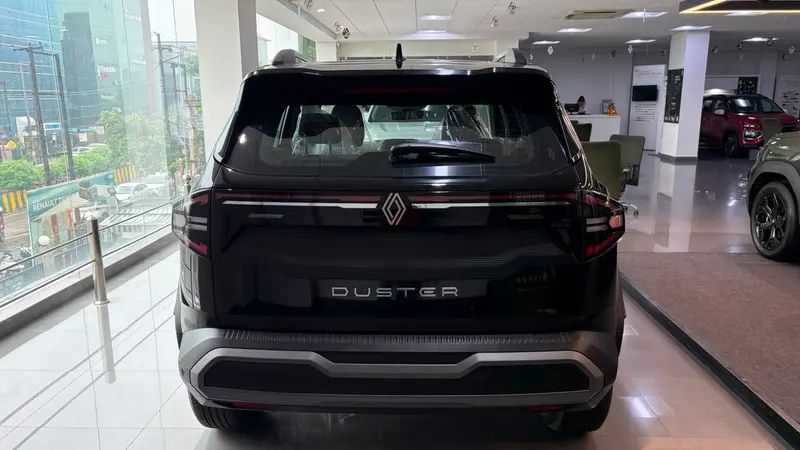
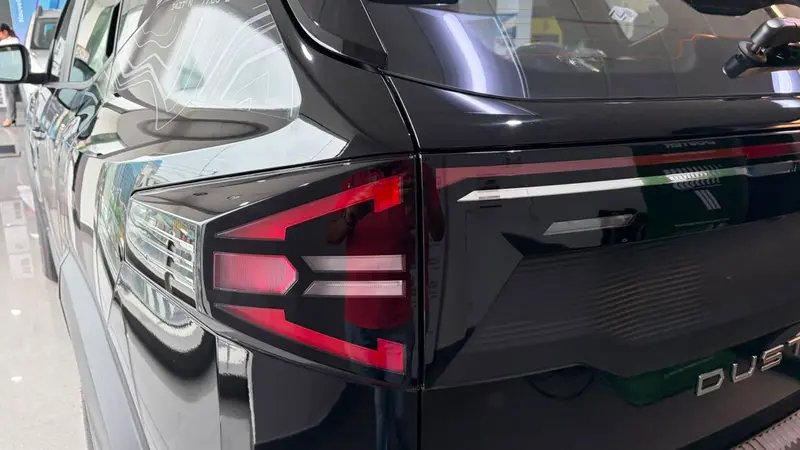
It gets connected tail lights, a new addition to the India-spec version.
Renault Duster Overview

The original Renault Duster was one of the most consequential SUVs India has seen.
When it launched in 2012, it established the mid-size compact SUV segment that the Hyundai Creta now dominates, and it did so with a combination of ride quality, high ground clearance, multiple powertrain options including a frugal and punchy diesel, and value that no rival matched at the time.
Its eventual discontinuation left a gap, and its return with the third generation was consequently one of the more anticipated launches since the past few years.
The new Duster is a substantially more modern product than the car it replaces. The new Renault Group Modular Platform (RGMP) shares it core structural elements with the European Dacia Duster's CMF-B platform. The RGMP is stiffer, more refined, and more capable as a handling platform than the previous generation's architecture.
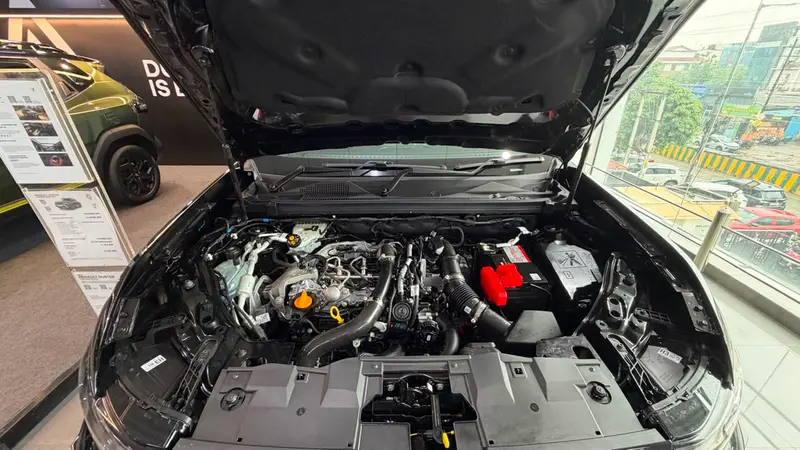
The 1.3-litre turbo petrol co-developed with Mercedes-Benz is the engine that defines the car, with smooth, punchy performance across the rev range, also paired with a well-sorted 6-speed DCT. A smaller, 1.0-litre turbo petrol covers the entry to mid level trims, but is only available with a 6-speed manual. Renault is set to launch a strong Hybrid variant this October.
Space on the inside is decent, even though not class-leading. The 518-litre boot however, is the largest in the segment by a significant margin.
The 212 mm ground clearance, approach and departure angles, and rugged SUV character give the Duster a presence on rough roads that its monocoque construction does not typically suggest.
The five-star Bharat NCAP rating across both adult and child occupant categories, six airbags as standard, and a Level 2 ADAS suite with 17 functions on the top trims make the Duster one of the most safely equipped mid-size SUVs currently on sale at this price.
However, there is no AWD option anymore, the rear seat is not as spacious as some rivals, the suspension is firmer than the previous model, and crucially, it only offers two turbo petrol engine options in a segment where many buyers still opt for a diesel.
Engine and Performance
Engine and Performance
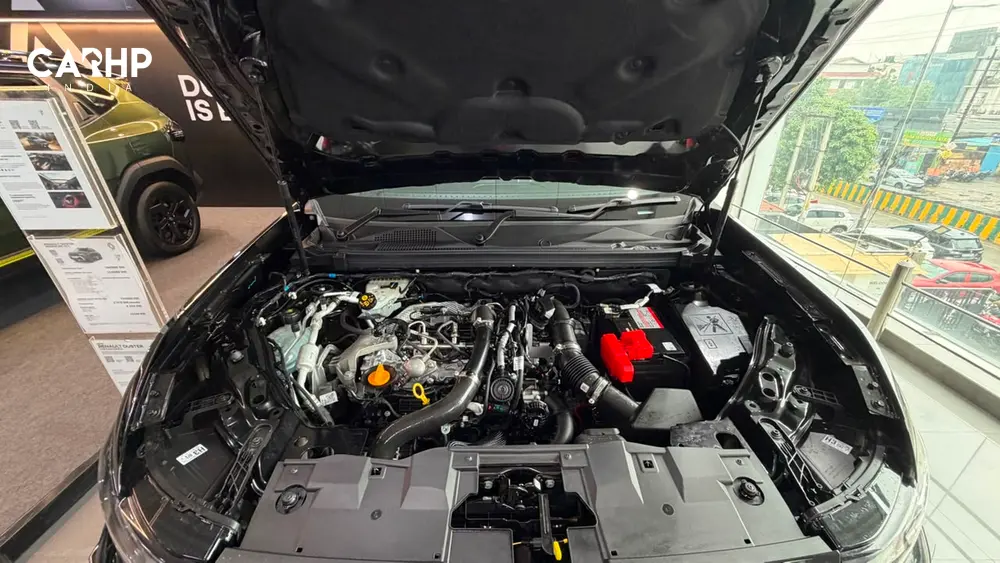
The Duster is currently only offered with two turbo petrol engines.
| Specification | 1.0L TCe 100 | 1.3L TCe 160 |
|---|---|---|
| Engine | 1.0L HR10 three-cylinder turbo | 1.3L four-cylinder turbo petrol |
| Displacement | 999 cc | 1333 cc |
| Power | 99 bhp at 5000 rpm | 160 bhp at 5250 rpm |
| Torque | 160 Nm at 2000-3750 rpm | 280 Nm at 1750-3250 rpm |
| Transmission | 6-speed manual only | 6-speed manual / 6-speed DCT |
| Drivetrain | Front-wheel drive | Front-wheel drive |
| Suspension (F) | MacPherson struts | MacPherson struts |
| Suspension (R) | Twist beam | Twist beam |
| Brakes (F/R) | Front Disc / Rear Drum | All 4 Discs (DCT); Front Disc / Rear Drum (MT) |
The 1.0-litre HR10 is the same three-cylinder turbo unit found in the Kiger, producing 99 bhp and 160 Nm in Duster trim. It is paired exclusively with a 6-speed manual and is limited to the Authentic, Evolution, Techno, and Adventure Edition variants. Despite the modest displacement and performance figures on paper, it suits the Duster well in city and mixed-use conditions.
Peak torque arrives from 2000 rpm, the engine pulls smoothly at moderate speeds, and the 6-speed manual's light clutch and shorter throws make it easier to manage than the bigger 1.3-litre's gearbox in stop-and-go traffic. At highway speeds and under overtaking load with a full passenger complement, the 1.0-litre's lower output compared to the 1.3-litre becomes noticeable, and the engine needs to be worked through its rev range to maintain strong progress.
The 1.3-litre TCe 160 is the more characterful and capable of the two engines. Co-developed with Mercedes-Benz through the Renault-Nissan-Mitsubishi Alliance and Daimler (the parent company of Mercedes-Benz), it produces 160 bhp and 280 Nm, with the torque arriving from 1750 rpm and holding through to 3250 rpm.
The engine is smooth and refined for its class, with a willingness to rev that the 1.0-litre does not quite match. Power delivery is strong across the mid-range, and at highway speeds the 1.3-litre feels effortlessly composed, dispatching overtakes without needing any planning.
The 6-speed manual pairing with the 1.3-litre is the one combination that requires the most driver involvement. Its tall gearing means that at urban speeds in higher gears, the engine can drop below its optimal torque band, requiring a downshift sooner than most drivers expect. In the real world, the 1.3 manual demands more attention to gear selection than a well-mapped DCT would, and drivers transitioning from less powerful, lighter clutch cars may stall it frequently before adapting to it.
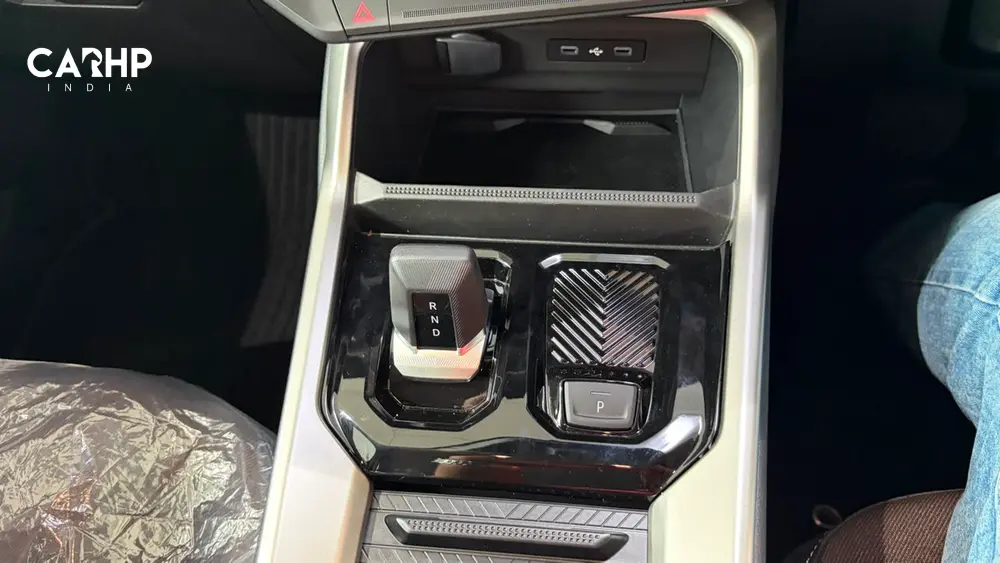
The 6-speed DCT, by contrast, is a considerably more relaxed and rewarding experience with the same engine. Gear shifts are quick and smooth, the transmission correctly anticipates gear requirements in most driving situations, and the strong power and torque output makes the Duster one of the quicker SUVs in its price bracket in normal road conditions.
Renault is all set to launch the Duster 1.8-litre Strong Hybrid E-Tech 160 on October 17, producing 160 bhp and close to 170 Nm of torque. This was much-needed, as not offering a fuel-efficient powertrain in an SUV that encourages long distance touring made little practical sense, and was the likely reason for the Duster's modest sales figures.
Ride and Handling
Ride quality remains among the Duster's most distinctive attributes. The original Duster's soft, long-travel suspension was a defining characteristic of the nameplate, offering a flying carpet-like ride over rough roads while also offering good high speed stability.
The new RGMP supports a stiffer suspension tuning which makes the SUV less forgiving of sharp edges and corrugations at low speeds, though still superior than many rivals. The stiffer setup means driving dynamics see a noticeable improvement, and at highway speeds, the new car is composed and assured, ironing out any rough patches effortlessly.
Handling is a genuine strength. The new platform's structural stiffness gives the Duster a chassis composure the previous generation did not have. The steering weights up progressively at speed and provides feedback that is one of the best in this segment, closely matching its Skoda and Volkswagen rivals.
The Duster corners with confidence and well contained body roll, and for a buyer who values driving engagement from their SUV, it is one of the most rewarding choices in its class.
fuel economy
fuel economy
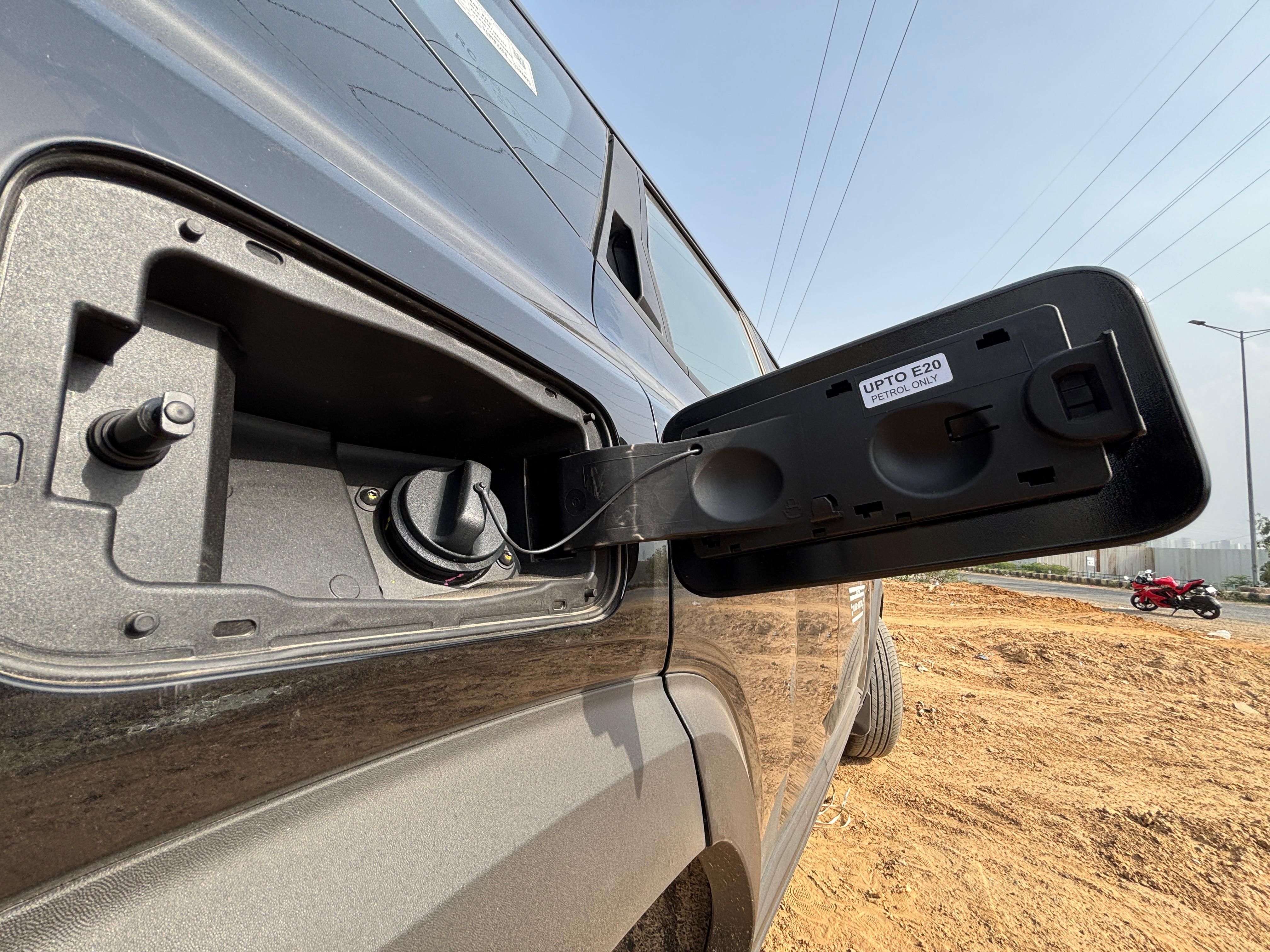
The 1.0-litre's 19.4 km/l ARAI figure is the most efficient in the current Duster range and reflects the smaller engine's lower friction losses at steady cruise. Real-world returns in mixed driving conditions range broadly between 13 and 17 km/l depending on driving style and load.
The 1.3-litre manual's 17.75 km/l ARAI claim is achievable in the real world, but requires disciplined highway cruising, as the engine's character encourages use of the rev range more than the 1.0-litre does. The DCT's 18.45 km/l ARAI figure is higher than the manual's, though real world driving conditions only allow figures of around 15-16 km/l on highways, and 10-11 km/l in busy cities.
The upcoming strong-hybrid is expected to deliver significantly higher efficiency than both petrol options.
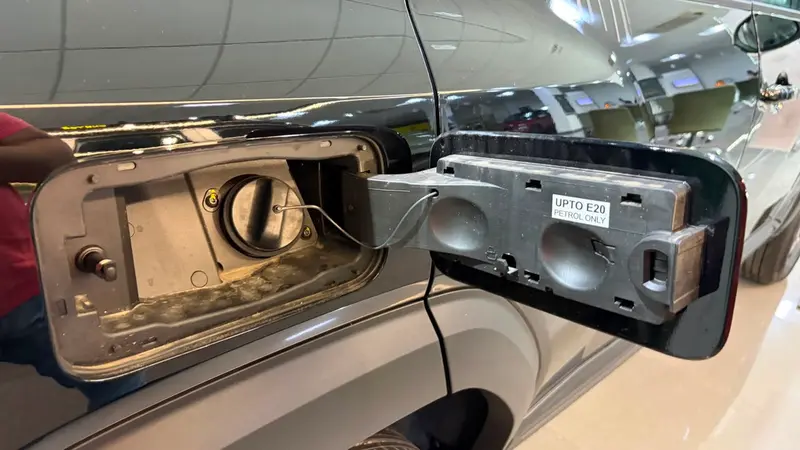
A 50-litre fuel tank provides generous range buffer across all powertrain configurations, making the Duster one of the more range-capable vehicles in the segment between refuelling stops.
interior
interior
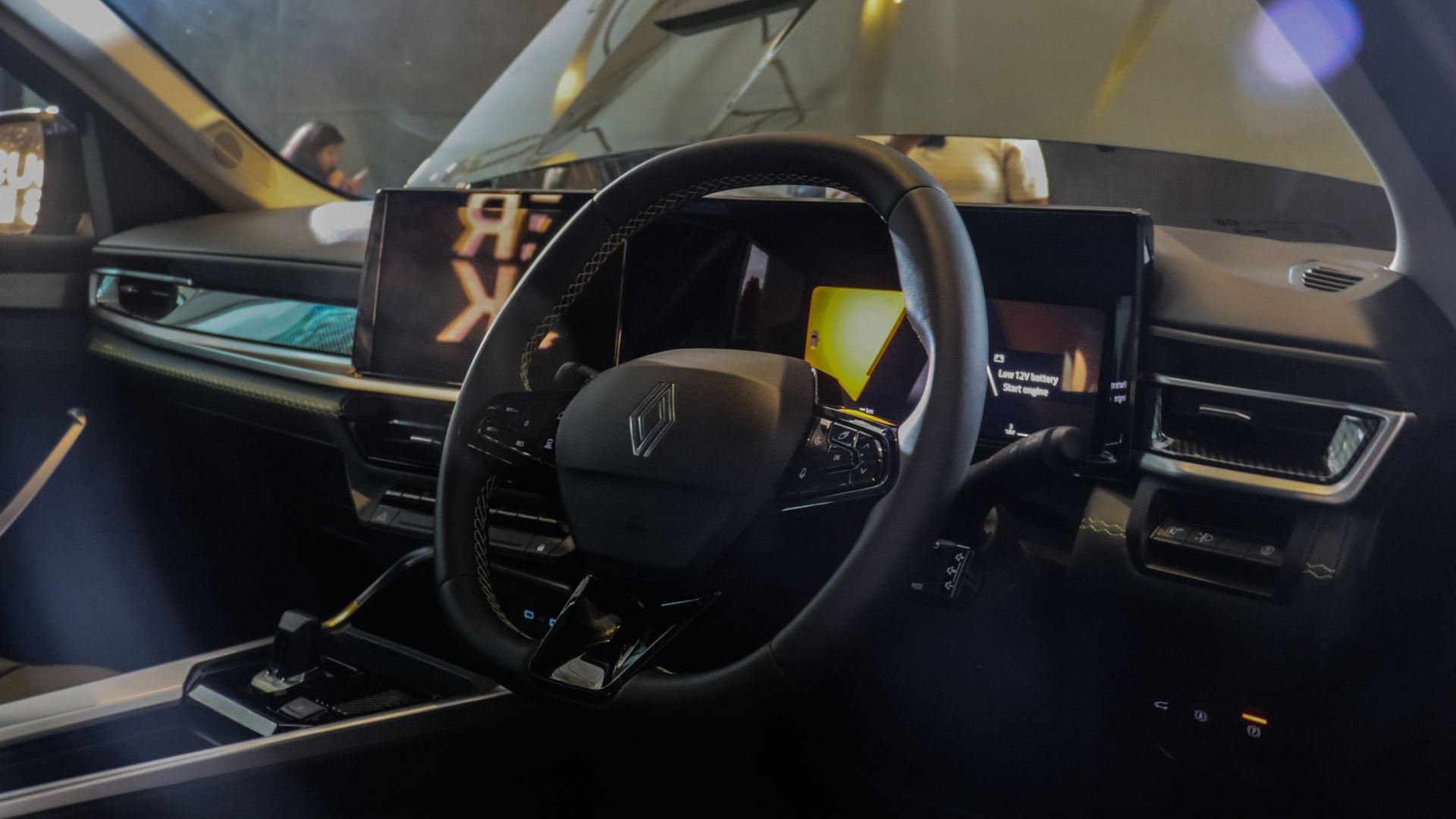
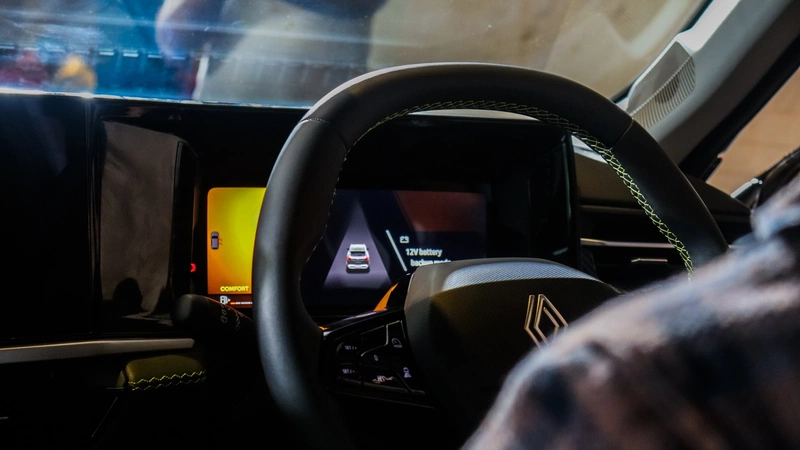
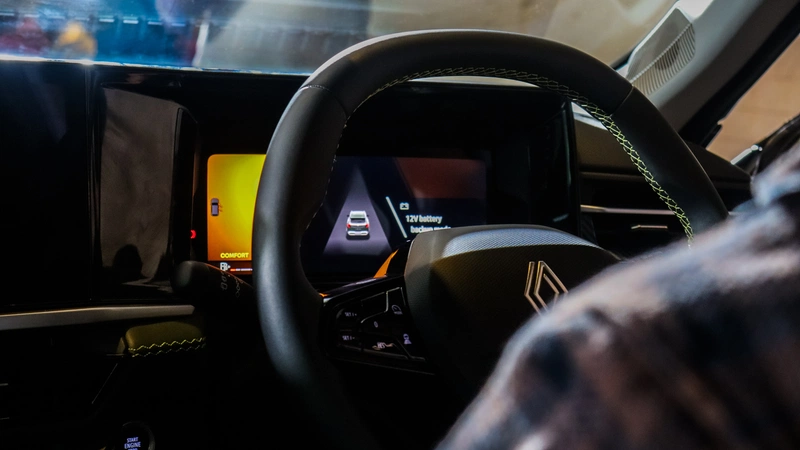
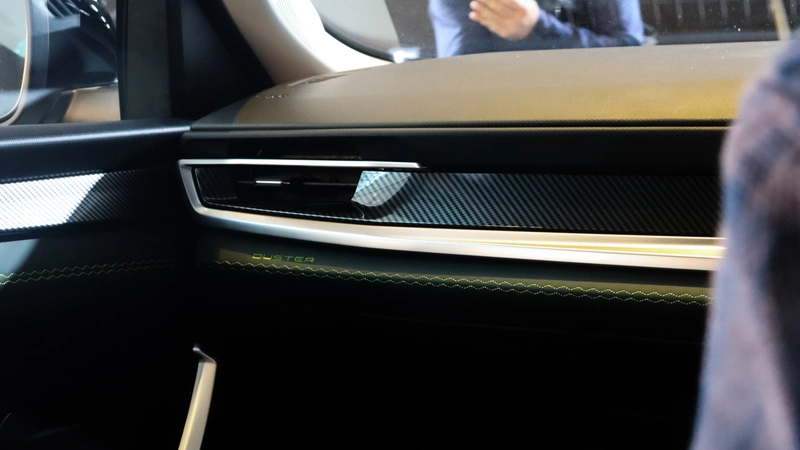
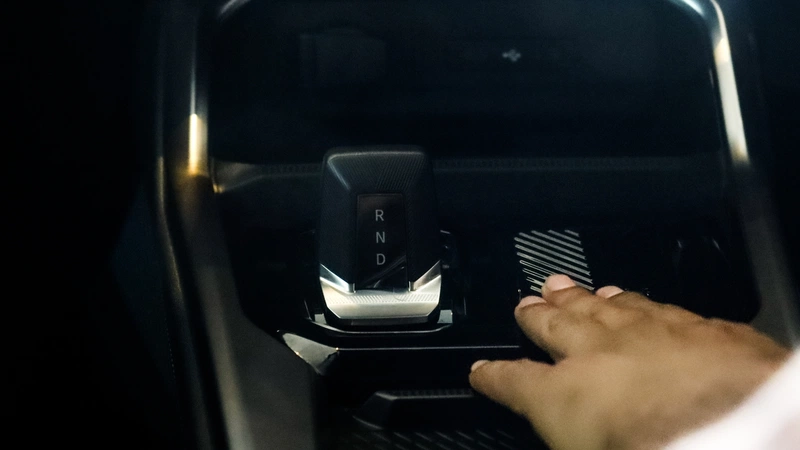
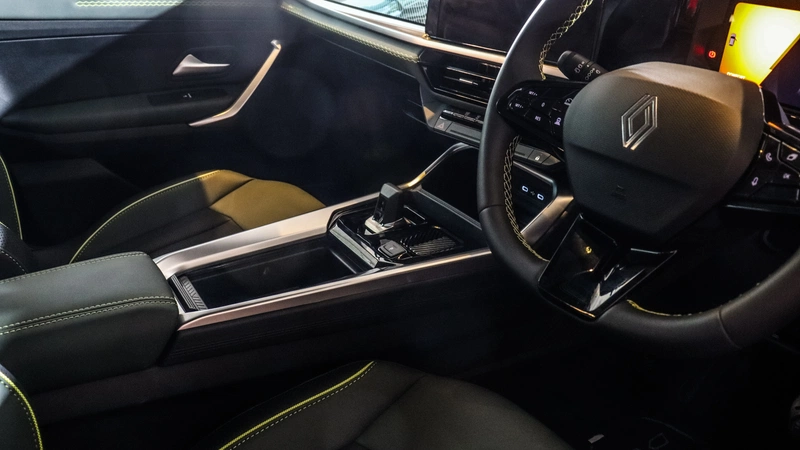
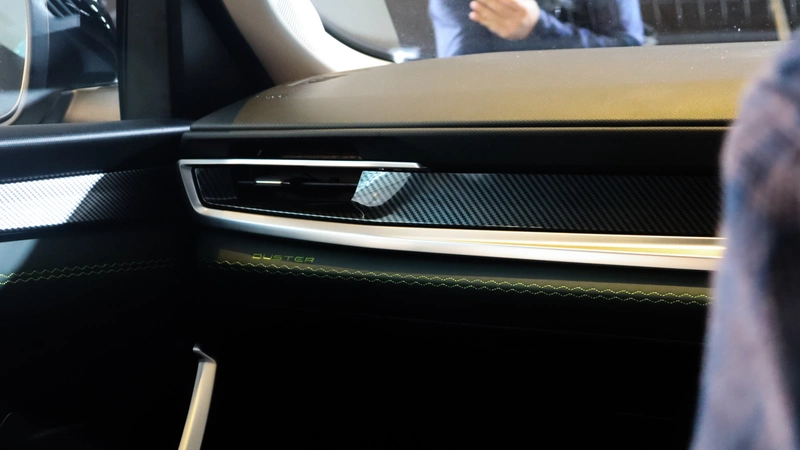
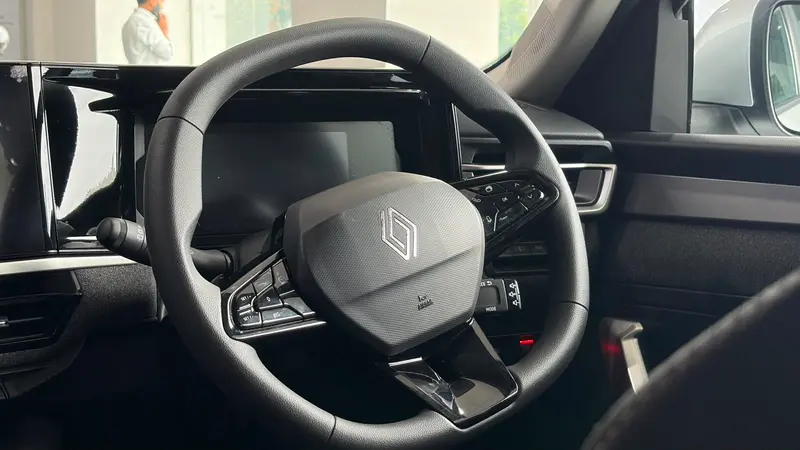
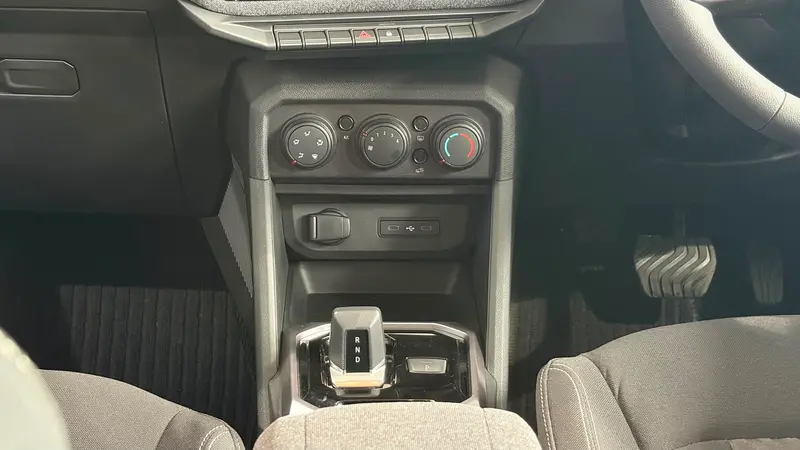
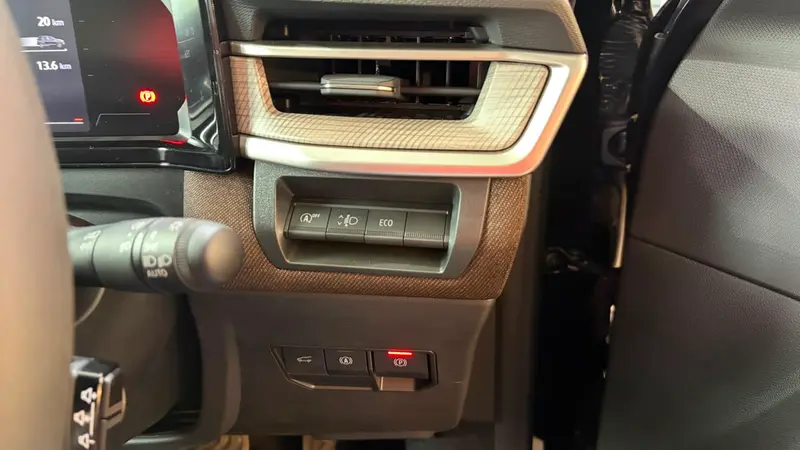
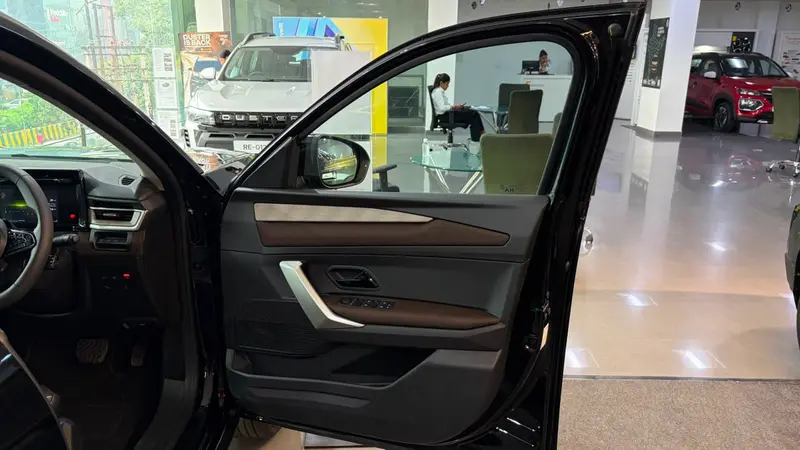
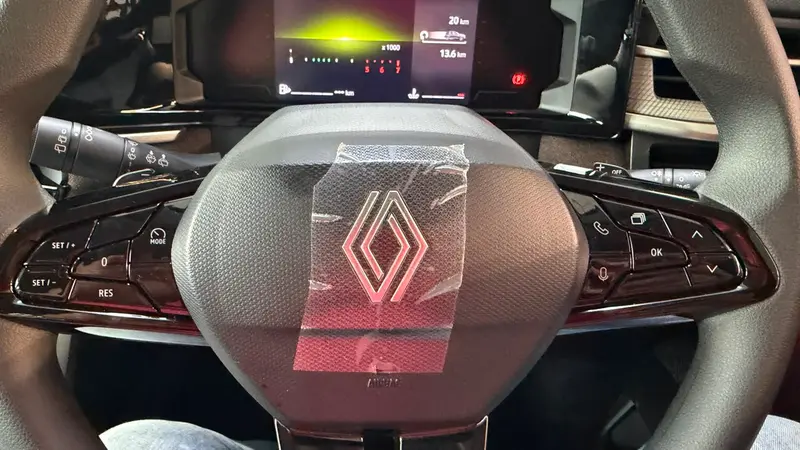
The Duster's cabin looks premium at first viewing, with a distinctive, sleek dashboard with Y-shaped AC vents, a sporty flat-bottomed steering wheel, an infotainment screen and climate controls tilted towards the driver, and a digital driver driver's display.
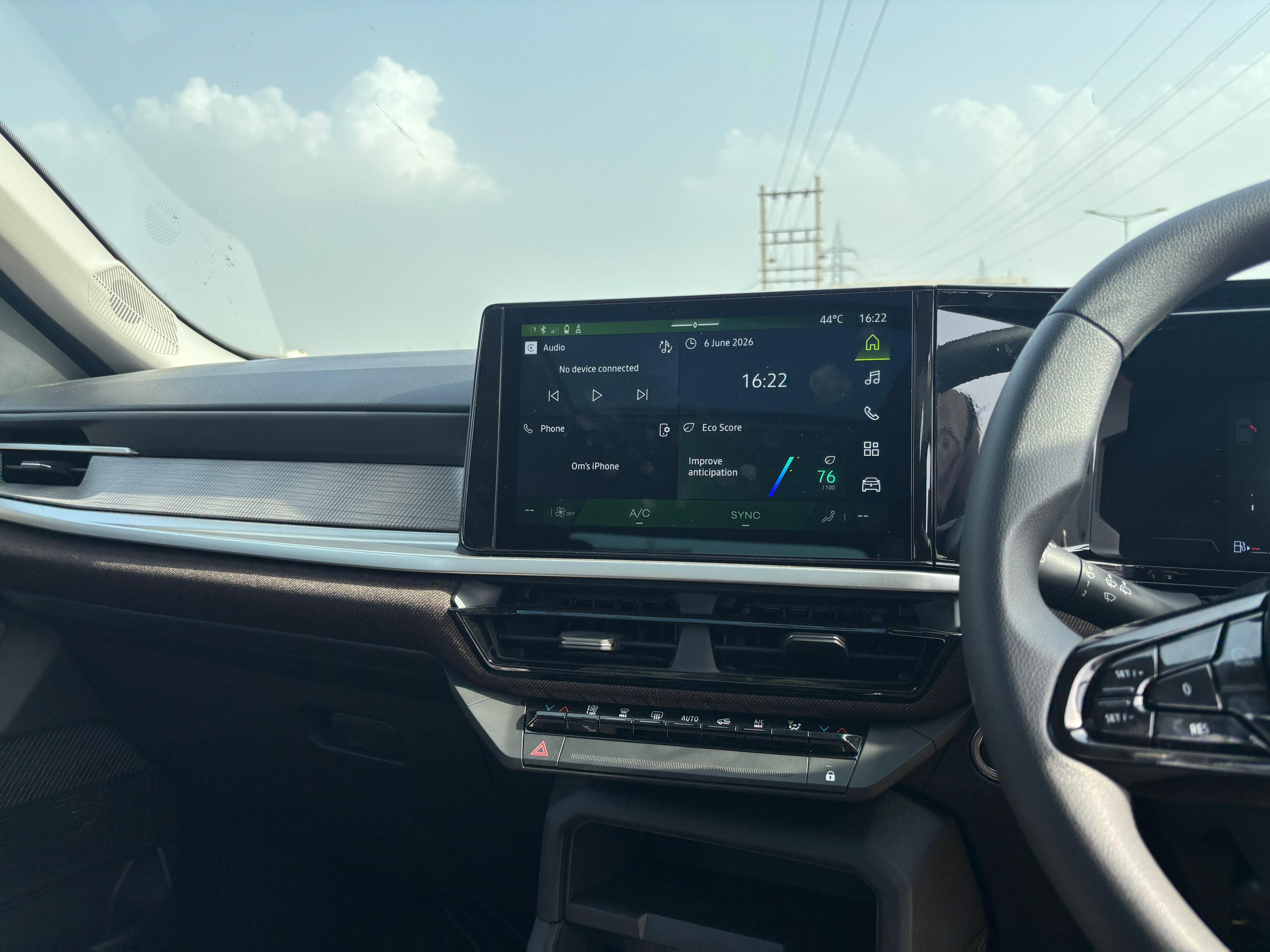
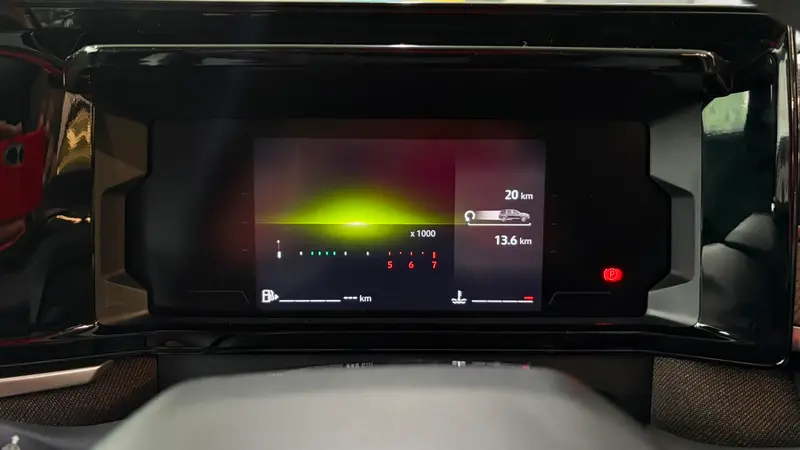
The OpenR Link system in the Evolution and above is a full-featured 10.1-inch unit with Google built-in capability on the Iconic variant, enabling native Google Maps, Google Assistant, and app integration without requiring a phone connection. The 7-inch digital driver display is clear and informative across all variants.
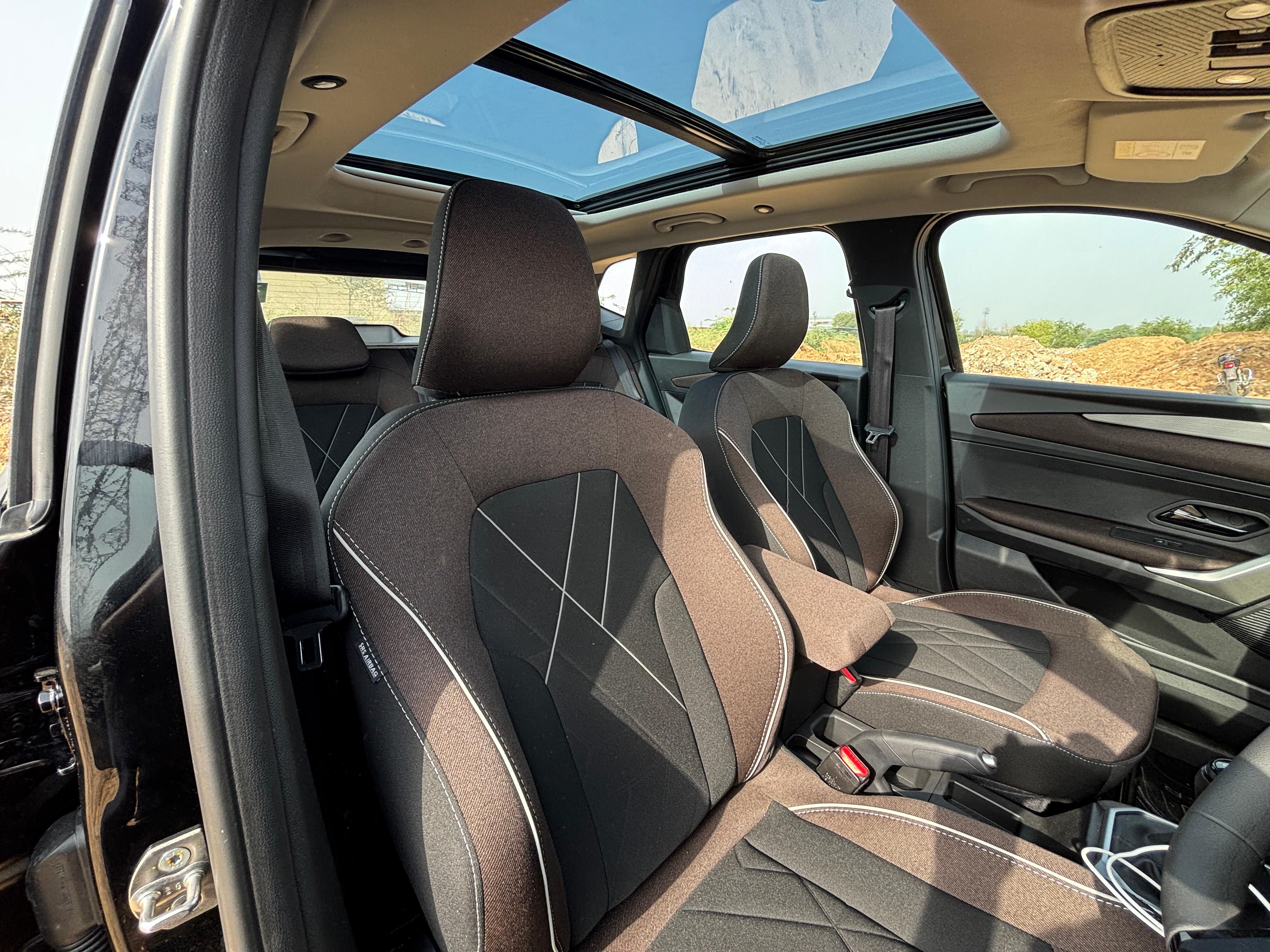
The dual-zone climate control, wireless charger, and the powered tailgate on the Techno trim collectively make it the most practically complete package in the range. It also adds a panoramic sunroof.
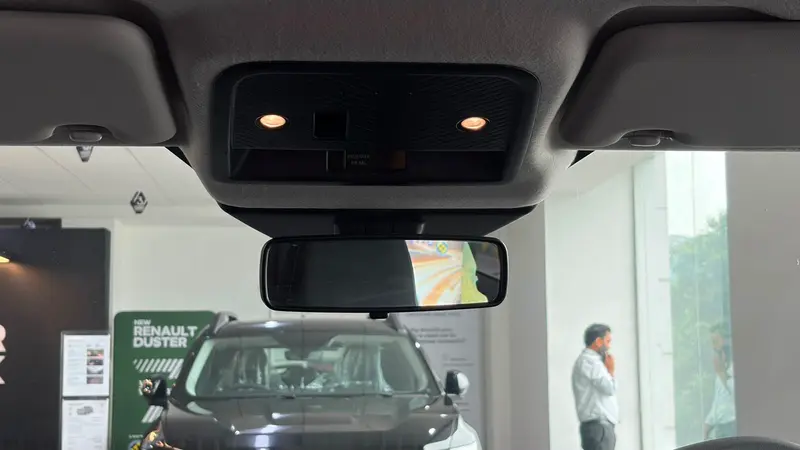
The flagship Iconic trim adds ventilated front seats, a powered driver seat, a 360-degree camera with multiple viewing modes, and JBL audio, making the top-trim Duster the most feature-complete vehicle in its price bracket from a technology and comfort standpoint.
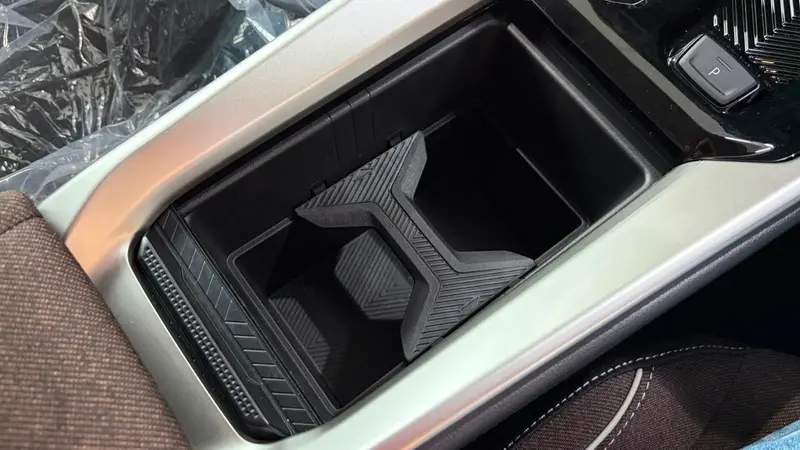
Where the Duster's cabin falls short is in material quality relative to the price it commands in upper trims. While Renault has used leatherette padding and metallic-look trim inserts to lift the cabin's appearance, some plastics around the AC panel and storage covers feel functional rather than premium. The overall finish is decent but does not match the perceived quality of its Korean rivals at comparable price points.
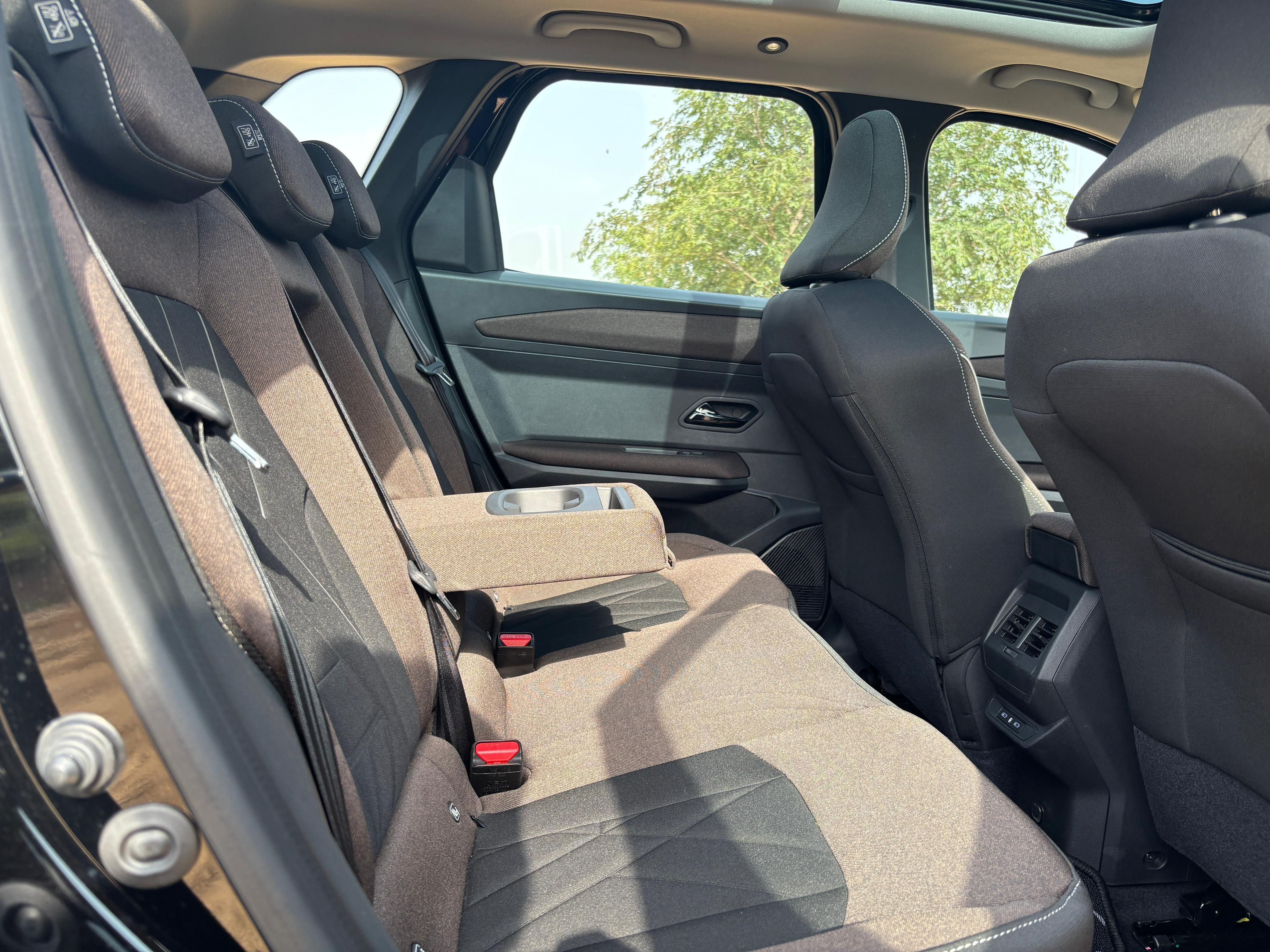
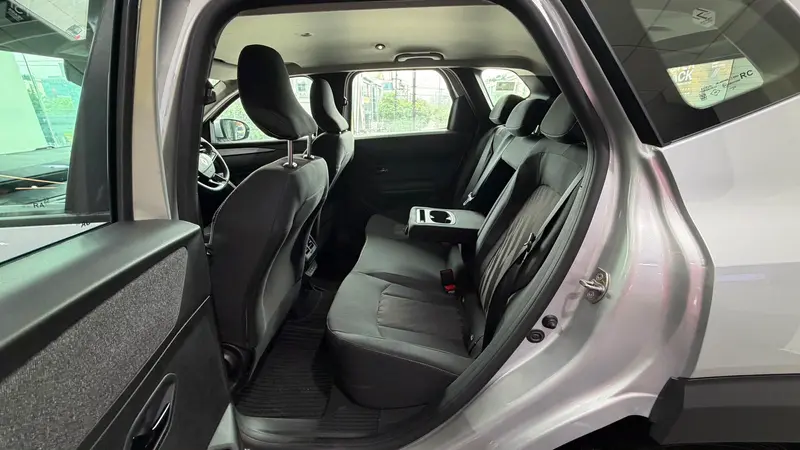
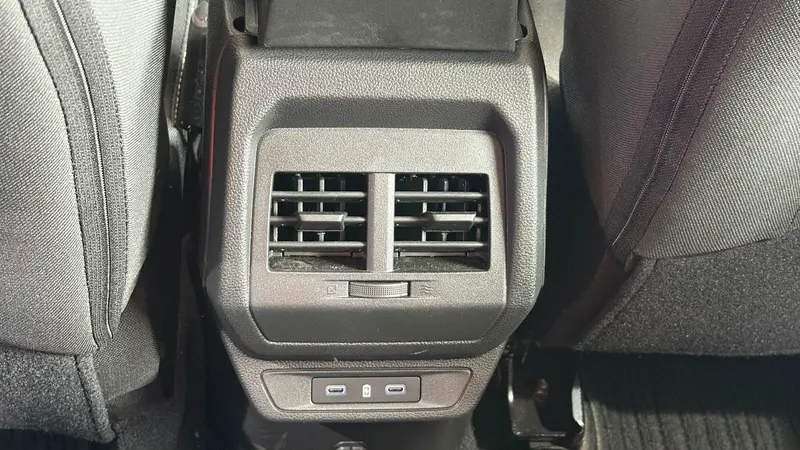
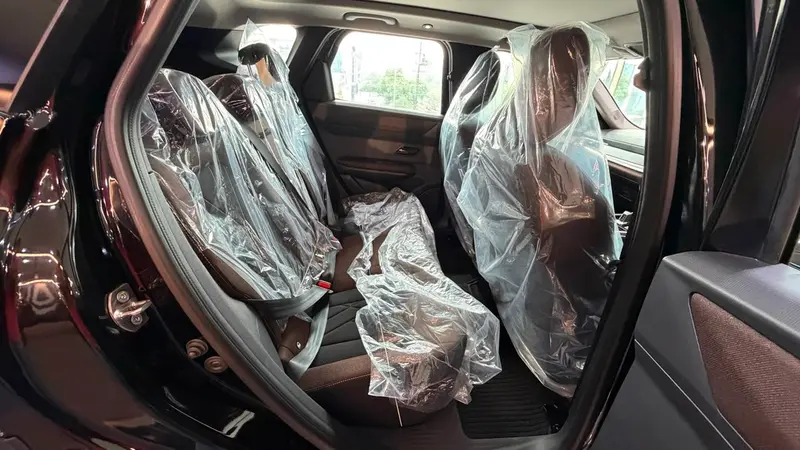
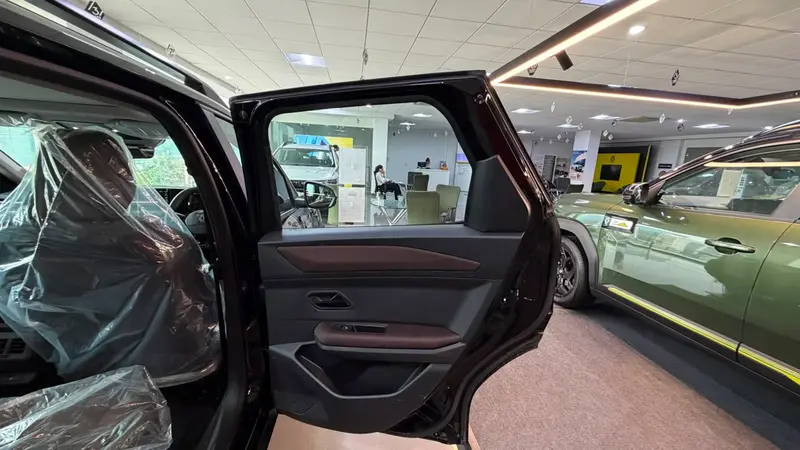
Rear seat space is a genuine limitation, with a narrow rear bench that offers less legroom than more spacious rivals like the Kia Seltos, Hyundai Creta, or Tata Sierra. For two rear adults it is comfortable enough, but three across the bench will feel tight at the shoulders. The relatively short rear door aperture and the tall sill make ingress and egress less straightforward than in wider-bodied rivals.
Boot space is where the Duster makes up for its lack of rear seat space. The 518-litre boot measured to the parcel shelf is the segment's largest by a clear margin, expanding to a claimed 700 litres when loaded to the roof level with the parcel shelf removed. The rear seats fold in a 60:40 split to further expand cargo capacity to 1,789 litres.
The powered tailgate from the Techno makes loading practical in both hands-full situations and for taller occupants who want remote opening.
exterior
exterior
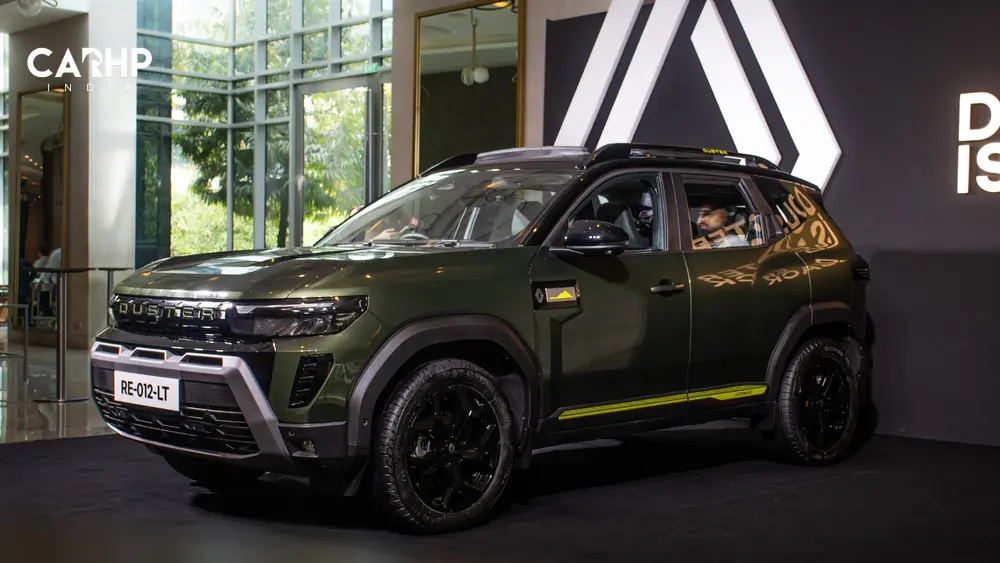
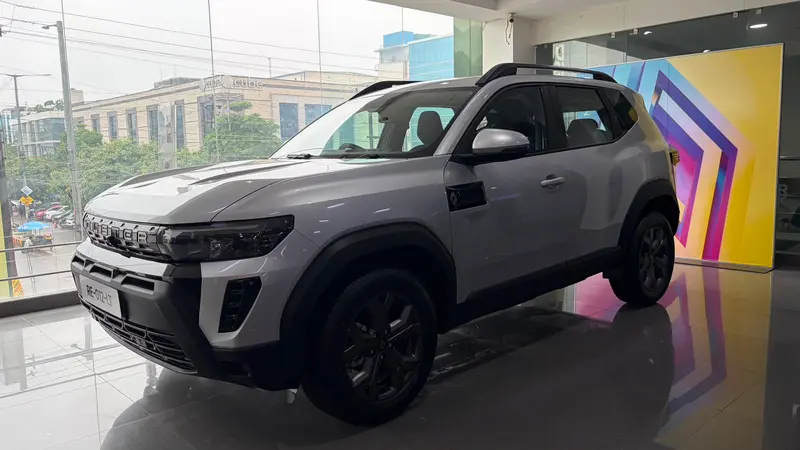
The third-generation Duster's exterior is a confident modern interpretation of the nameplate's rugged identity.
The front carries a wider, more angular face, with a prominent horizontal bar connecting the LED headlamps with integrated L-shaped DRLs, a full-width lower air intake treatment, and body-coloured and black elements across the bumper that emphasise width and stance.
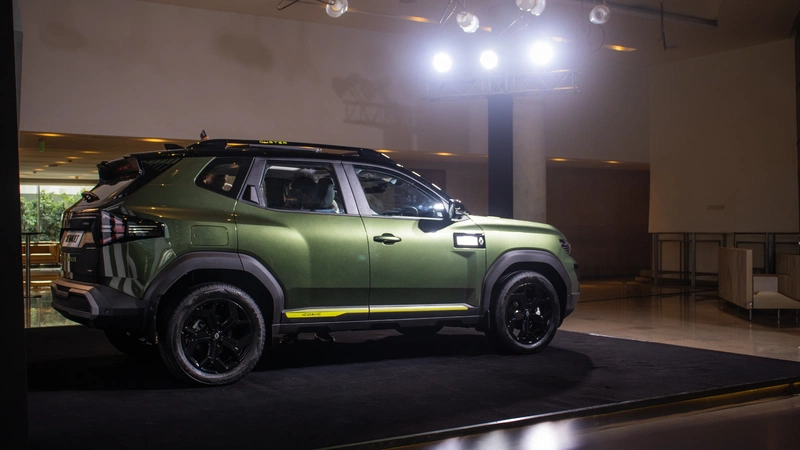
The raised bonnet line, short front overhang, and the 212 mm ground clearance give the Duster a planted, purposeful appearance on the road.
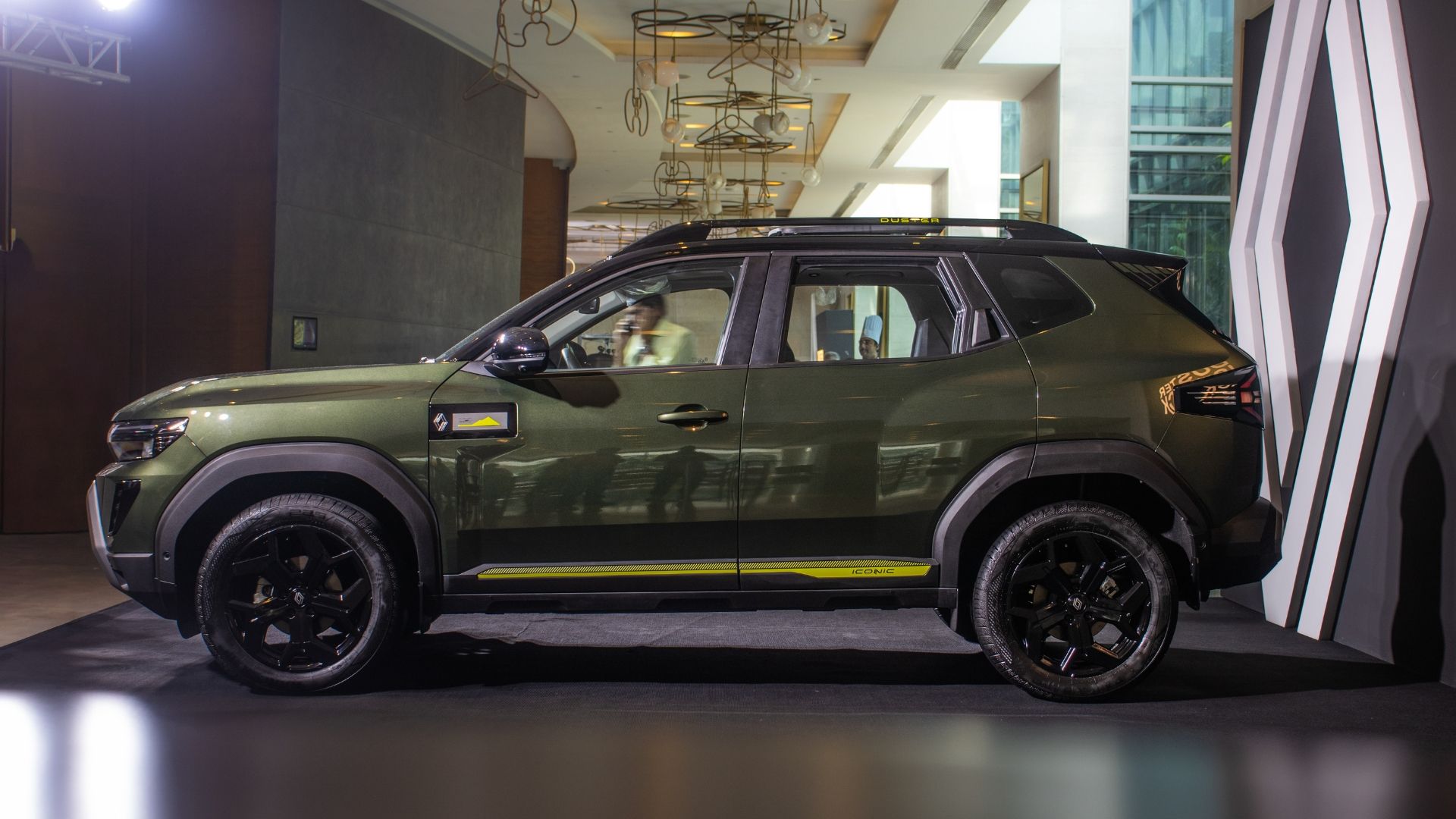
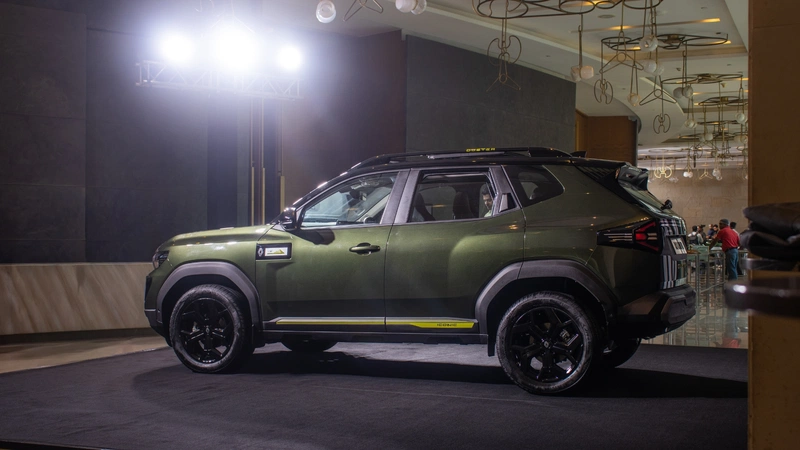
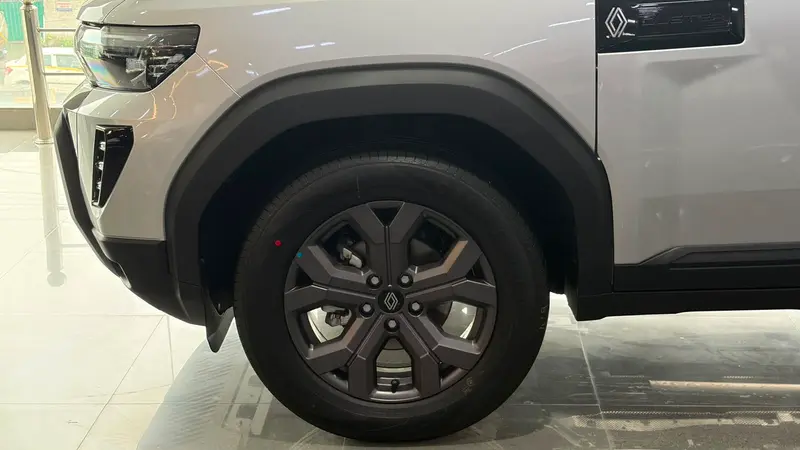
Along the sides, raised body cladding on the sills and wheel arches, a strong shoulder line, roof rails from the Evolution variant, and available dual-tone roof options in upper trims create a layered exterior texture that avoids the anonymous crossover styling of many rivals.
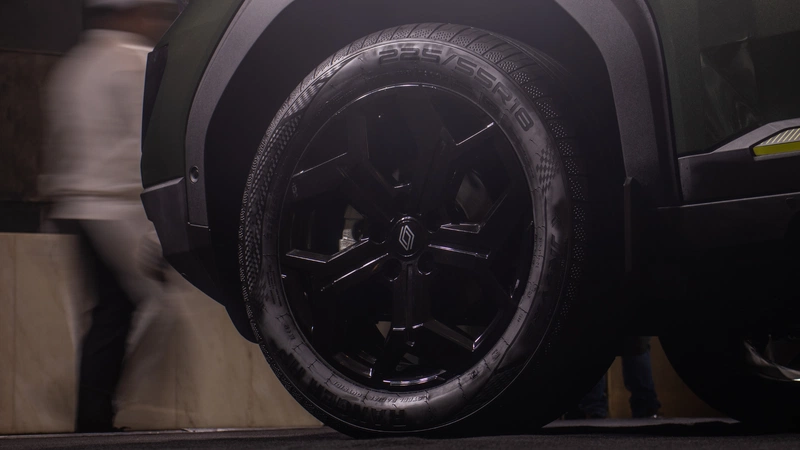
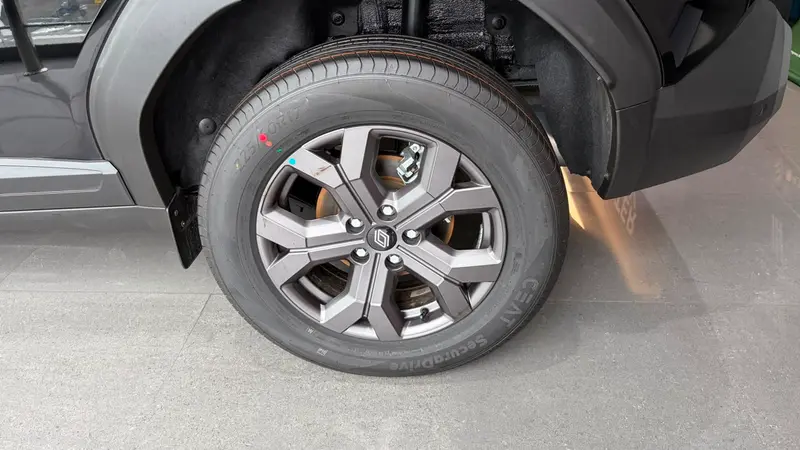
The 18-inch alloy wheels on the Iconic are proportionally the most satisfying configuration visually. Evolution and Techno trims get 17-inch alloys.
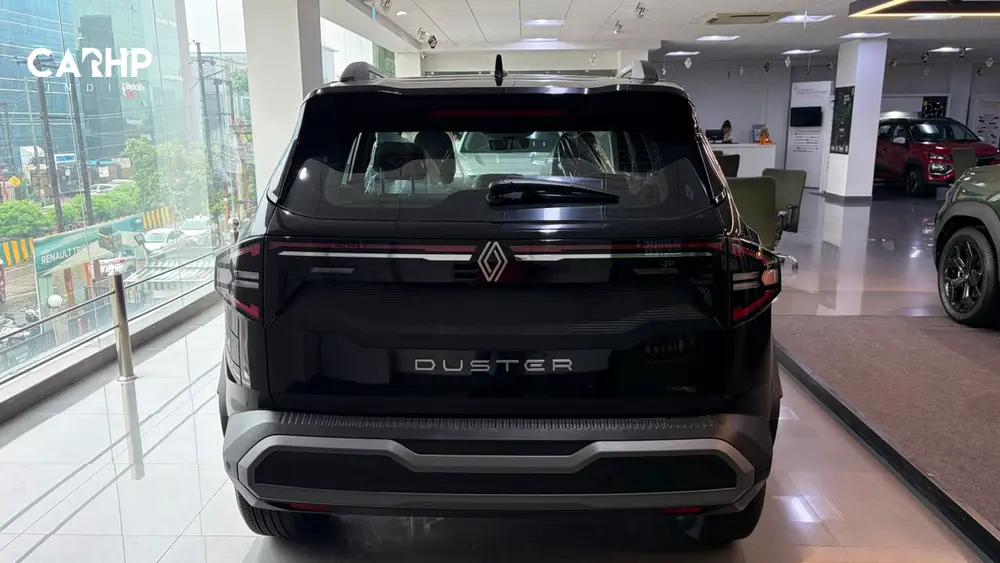
At the rear, a full-width LED light bar connects the two tail lamp clusters, giving the Duster a distinctive rear signature at night.
safety
safety
The Duster comes with six airbags, ABS with EBD and Brake Assist, ESP, traction control, cornering stability control, TPMS, ISOFIX child seat anchors, three-point seat belts for all seats, seat belt reminders, rear occupant alert, and speed warning as standard across all variants.
ADAS is progressively introduced across the range. The Techno+ adds blind spot warning, lane departure warning, and rear cross traffic alert as initial driver assistance features. The Iconic's full Level 2 suite with 17 functions adds adaptive cruise control with stop-and-go, autonomous emergency braking, lane centring, and multiple additional intervention systems.
Its five-star Bharat NCAP rating across both adult and child occupant categories is among the strongest crash safety credentials available in the mid-size SUV segment at this price.
competition
competition
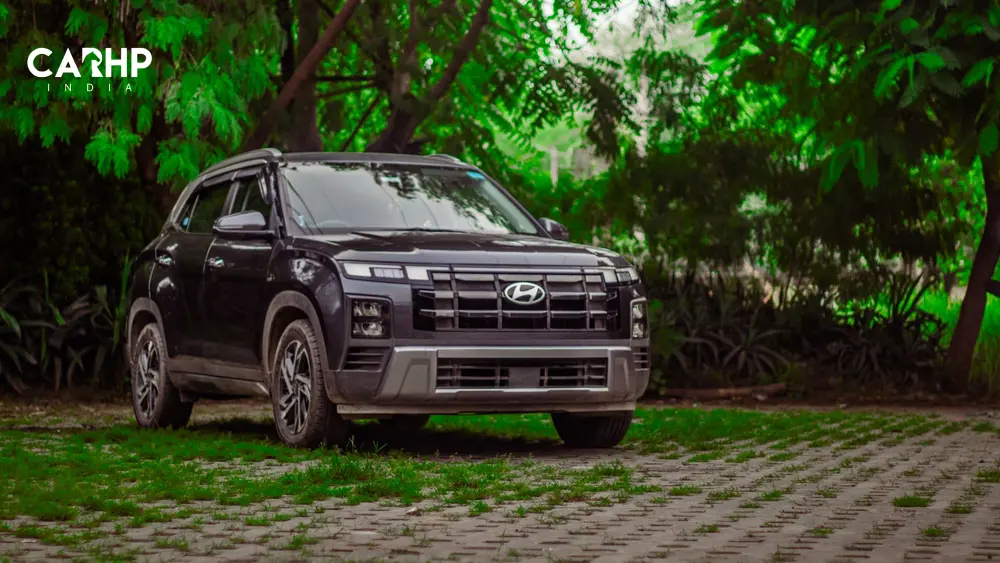
The Hyundai Creta is the segment's consistent bestseller and the Duster's primary volume rival.
It offers a broader powertrain range including a diesel, along with the segment's widest feature spread across its many variants, ADAS in upper trims, and a significantly more spacious rear seat. Its residual values, service network, and brand recognition give it a practical ownership advantage that the Duster cannot yet match.
The Duster offers better driving dynamics, a larger 518-litre boot, and gets the 1.3-litre turbo with a manual as well, which the Creta only offers in its N Line avatar.
Buyers who prioritise rear passenger comfort, brand assurance, and resale value will likely favour the Creta. Those who value driving dynamics, the largest boot, and a more characterful SUV will find the Duster the more rewarding choice.
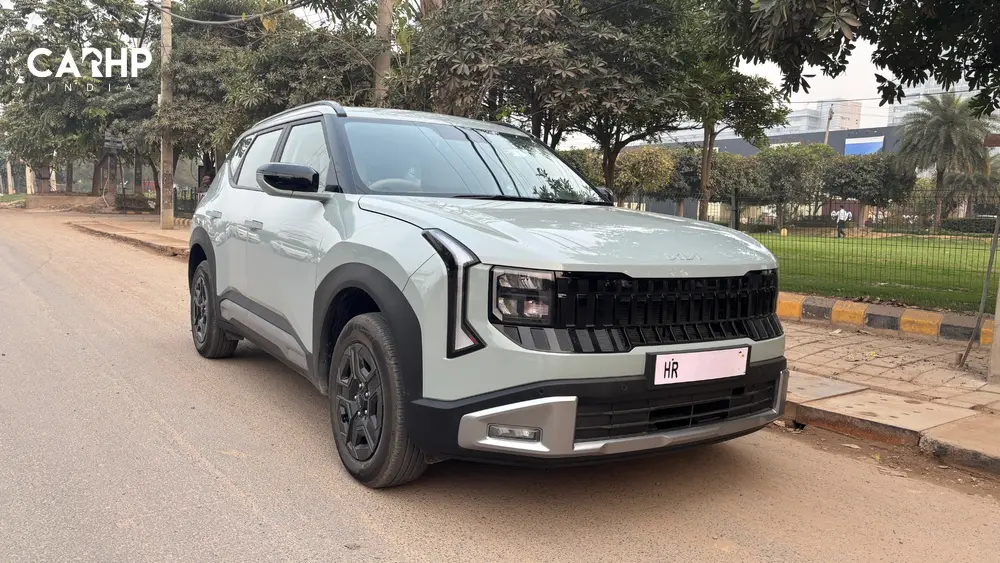
Kia Seltos is the premium-focused rival and the Duster's most feature-comparable competitor in the upper range.
The Seltos offers the Trinity Panoramic Display cabin architecture, a more comprehensively equipped interior at comparable prices, and a five-star Bharat NCAP result of its own. Its rear seat space is noticeably more generous than the Duster's, and its feature content in the HTX and above matches or exceeds the Iconic Duster on most criteria.
The Duster leads the Seltos on ride quality over broken roads, boot capacity, and driving engagement.
For buyers who want the most feature-rich cabin in the segment, the Seltos is a stronger proposition. For buyers who want the most rewarding driving experience, the Duster makes a compelling argument.
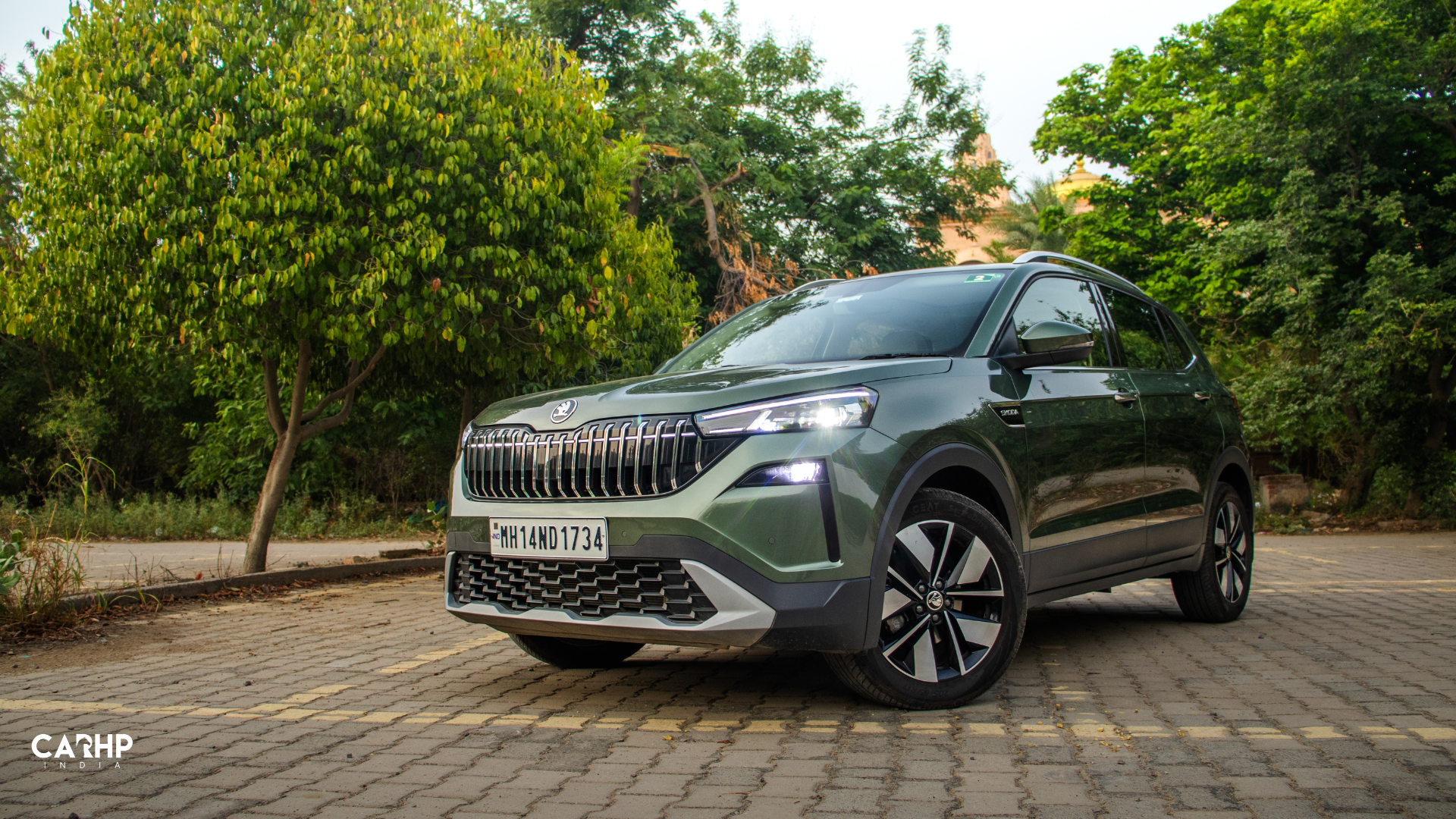
The Skoda Kushaq and Volkswagen Taigun are the performance-focused alternatives, both offering 1.0-litre and 1.5-litre TSI engines. Both are the sharpest driver's cars in this price bracket, their cabins are well-built, both received a five-star GNCAP safety rating, and the 1.0-litre TSI is superior to Renault's 1.0-litre HR10.
Where they fall short relative to the Duster is in boot space, ground clearance, ride quality on poor surfaces, and overall road presence. The Duster's 212 mm ground clearance and more forgiving bump absorption make it more suited to the range of road conditions most Indian buyers encounter regularly.
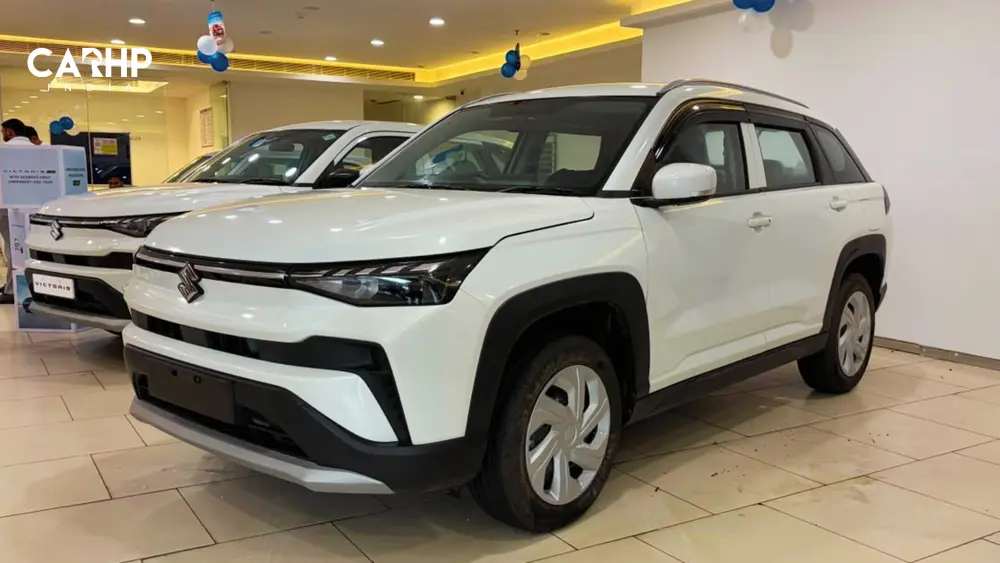
The Toyota Hyryder, Maruti Grand Vitara, and Maruti Victoris represent the strong-hybrid alternative. All three offer 27 km/l plus efficiency in hybrid form, which gives them a compelling running-cost argument for high-mileage urban users that the Duster's petrol engines cannot match.
The Duster's strong hybrid will directly address this gap when it launches. Until then, buyers who want strong-hybrid efficiency should factor these two into their comparison.
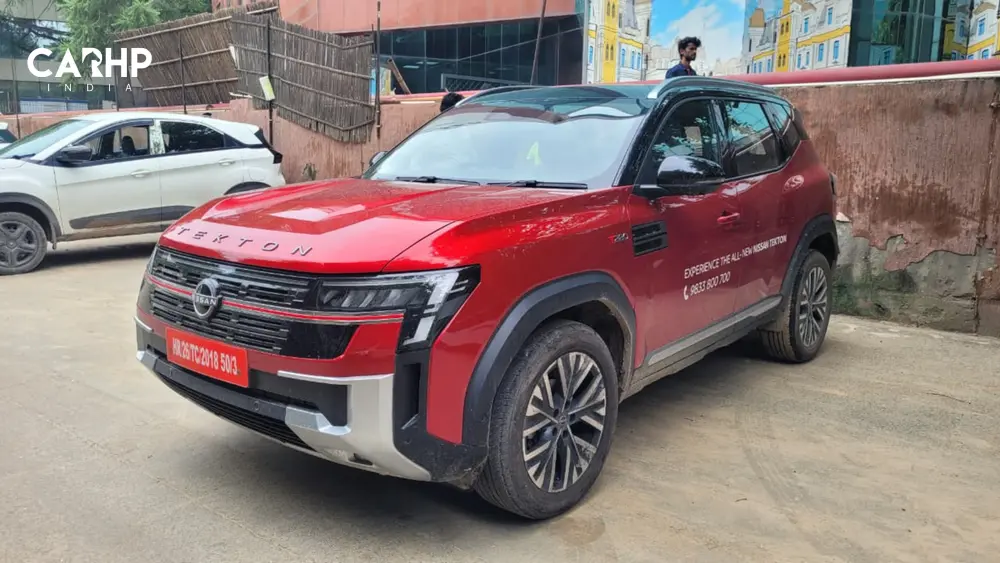
Finally, the Nissan Tekton is the Duster's latest rival, and also its badge-engineered sibling.
This is the most apples-to-apples comparisons here, as both SUVs share the exact same mechanical and feature package, with only the exterior design, interior theme, and dealership and service network differing. The choice for buyers ultimately comes down to which SUV's design they prefer more, which one they are getting better dels on, or which brand's dealership and service network is more accessible to them.
However, unlike the Duster, the Tekton will not be getting a strong hybrid option.
final verdict
final verdict
The Renault Duster's return has been one of the more talked about Indian automotive stories of 2026.
The third generation is genuinely excellent in the areas that define it. The RGM Platform delivers a ride-handling balance that is the most engaging in the segment, the 1.3-litre TCe 160 DCT is one of the best engine-gearbox pairings available in a sub-Rs. 20 lakh SUV, the 518-litre boot is in a class of its own, and the five-star Bharat NCAP rating with six standard airbags across the range confirms that safety was not traded for value.
Limited rear seat space, a challenging to drive 1.3-litre manual, a stiffer than before low speed ride quality, absence of an AWD option, and the absence of a diesel engine option are its major gaps to well-established rivals.
The Techno 1.3-litre DCT represents the best balance of features, performance, and value in the range for most buyers, combining the panoramic sunroof, dual-zone auto climate, wireless charging, powered tailgate, and the 1.3 DCT powertrain at a price well below the Iconic.
The Iconic is the right choice for buyers who want Level 2 ADAS, the 360-degree camera, and ventilated seats, and who see the Google built-in system and JBL audio as meaningful additions.
The 1.0-litre manual variants offer the Duster's chassis and character at the most accessible price, and for buyers who primarily drive in the city and on mixed roads with occasional highway runs, the 1.0-litre is a practical and efficient entry into the Duster.
Renault Duster Expert Reviews
Renault Duster News
Renault Duster Strong Hybrid to Launch on October 17
Renault has locked 17 October at Fairmont Mumbai for the Duster strong hybrid, a 160hp E-Tech setup that answers the missing diesel. Prices are still under wraps, though early expectations point well above the current range.
Arjun Nair
October 9, 2026
Renault Offering Up to Rs. 1.30 Lakh Benefits in September 2026
Renault India's September 2026 offers cover all four models in its lineup, with benefits ranging from Rs. 40,000 on the Kwid to Rs. 1.30 lakh on the Duster. Here is the full breakdown for every model, including state-wise differences where applicable.
Anmol Kumar
September 7, 2026
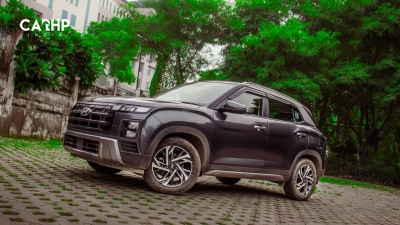
Mid-Size SUVs Overtake Compact SUVs in India for the First Time
Mid-size SUVs have quietly eaten into compact SUVs' slice of the Indian passenger vehicle market, climbing to 18.2% share in Q1 FY27 from 12.4% two years ago, as buyers prioritise cabin space and features over size-driven tax savings.
Anmol Kumar
August 24, 2026
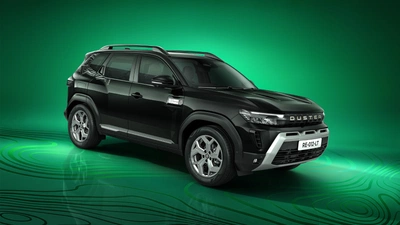
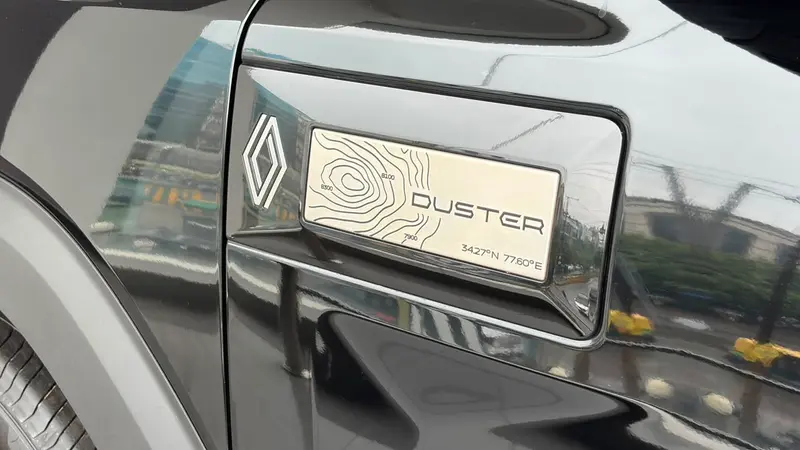
Renault Duster Adventure Edition Launched At ₹12.99 Lakh With Exclusive Styling
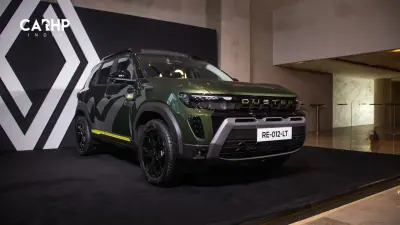
Renault has launched the Duster Adventure Edition at ₹12.99 lakh, a cosmetic-only special variant offering Leh-inspired decals, panoramic sunroof, and dual-zone climate control, priced ₹50,000 below the comparable Techno trim. It rivals the Hyundai Creta, Kia Seltos, and Nissan Tekton.
Arjun Nair
July 14, 2026
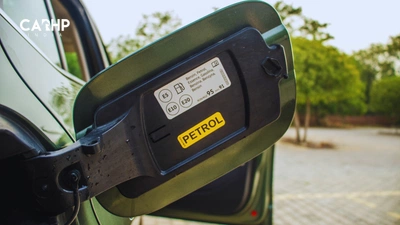
Renault Duster FAQs
What are the engine options for the new Renault Duster?
−The Duster offers two turbo petrol engine options. The 1.0-litre turbo-petrol makes 99 bhp and 160 Nm, and is paired to a 6-speed manual transmission. The 1.3-litre turbo-petrol produces 160 bhp and 280 Nm, paired to a 6-speed manual or 6-speed DCT.
What is the boot space of the Renault Duster?
+518 litres measured to the parcel shelf, and 700 litres measured to the roof. The rear seats fold in a 60:40 split for 1,789 litres.
Does the new Duster come with an automatic transmission?
+Yes, a 6-speed DCT automatic is available, but only with the 1.3-litre turbo petrol engine.
Does the Renault Duster get ADAS?
+Yes, the Duster's top-end Iconic and Iconic Launch Edition trims come with Level 2 ADAS suite with 17 features.
What standard safety features does the Renault Duster get?
+The Duster gets six airbags, ABS with EBD and Brake Assist, ESP, traction control, cornering stability control, TPMS, ISOFIX child seat anchors, three-point seat belts for all seats, seat belt reminders, rear occupant alert, and speed warning as standard across all variants.
Does the Duster have a sunroof?
+Yes, the Duster features a panoramic sunroof from its Techno trim.
What is the ground clearance of the Renault Duster?
+212 mm.
Does the Renault Duster have a crash test safety rating?
+Yes. The third-generation Duster received a five-star Bharat NCAP rating in 2026 in both adult and child occupant protection categories.
Does the Renault Duster get AWD?
+No, unlike the previous generation model, the new Duster doe not offer an AWD option.
When is Renault Duster hybrid launching?
+Renault is set to launch the Duster strong hybrid on October 17, 2026.