

EMI Loading
Honda City Key Specifications
Honda City Highlights
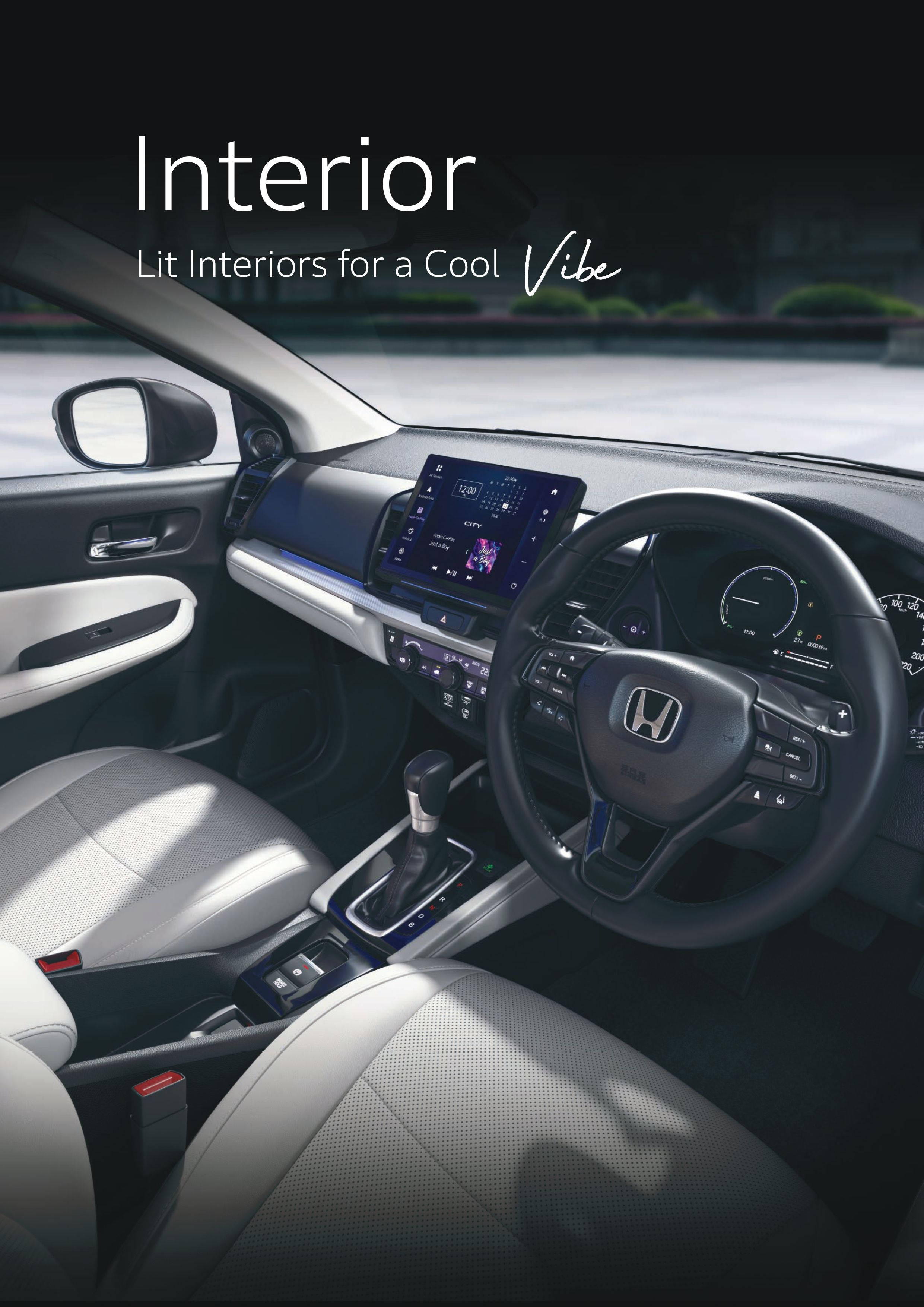
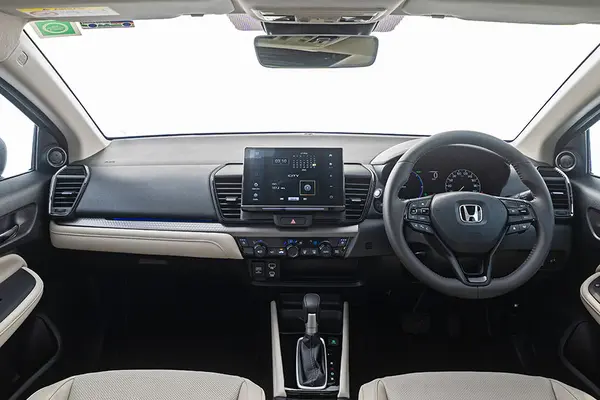
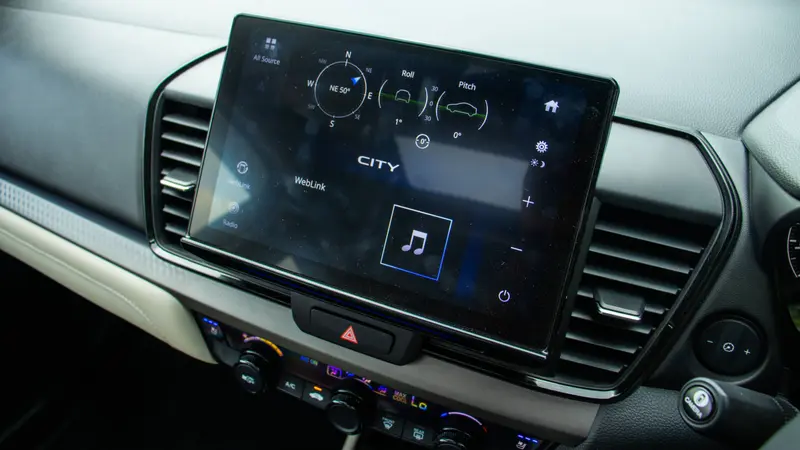
It now gets a 10.1-inch infotainment system with Android Auto and Apple CarPlay.
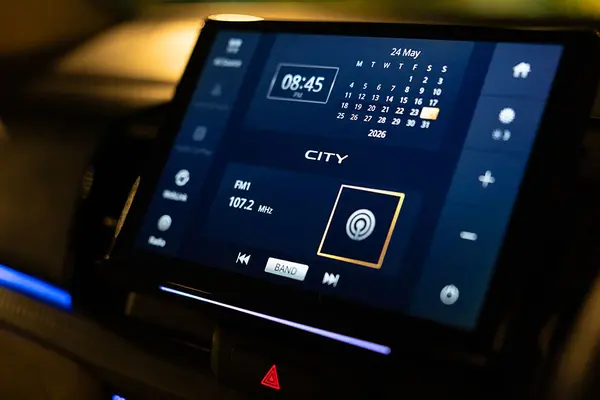
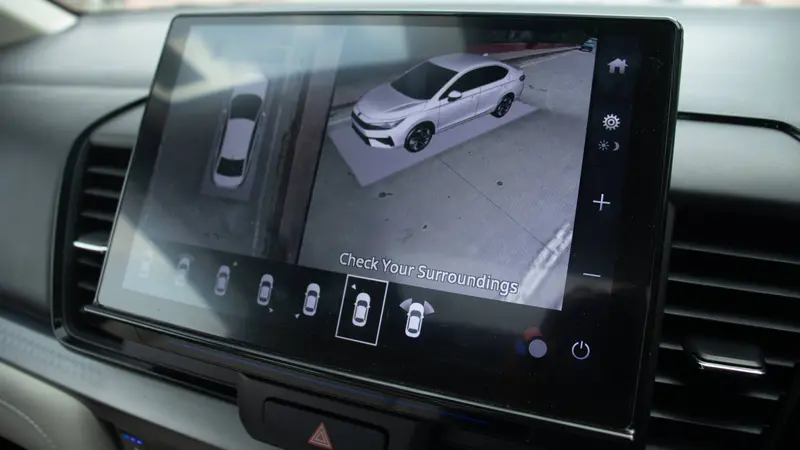
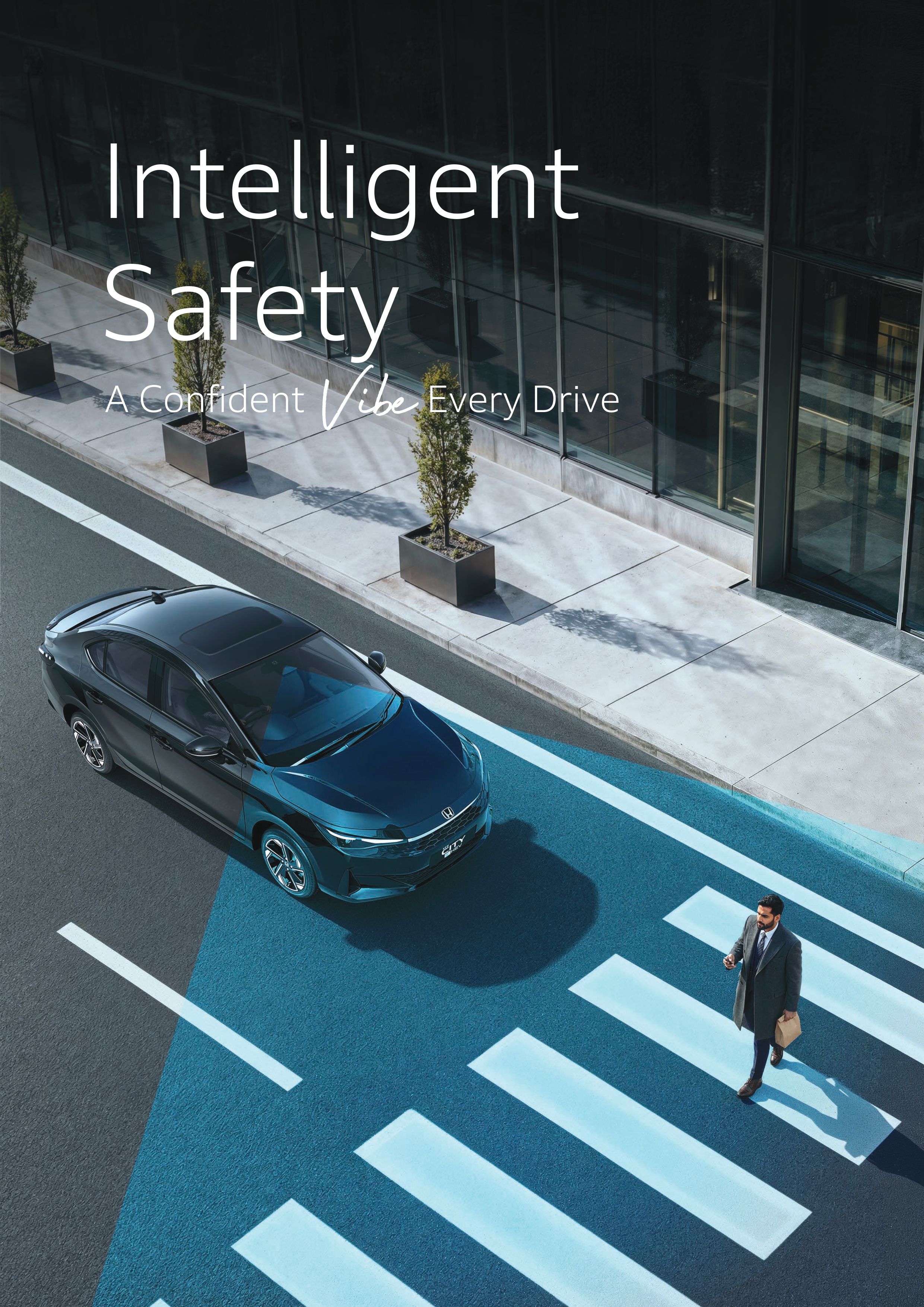
It now gets a 360-degree surround-view camera system.
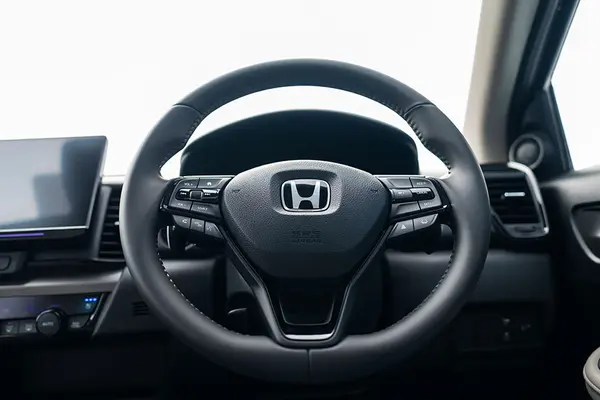
For safety, it features six airbags as standard.
What's new in Honda City
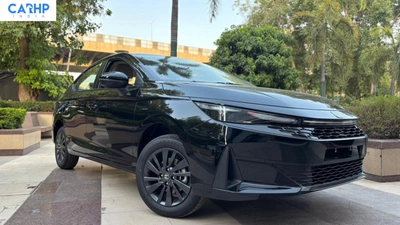
- The 2026 Honda City gets a new black colour option, a full-width LED light bar with projector headlamps, and an updated ivory white interior theme. It also adds a 360-degree camera system, a more efficient hybrid powertrain, and a larger infotainment touchscreen.
Honda City Overview

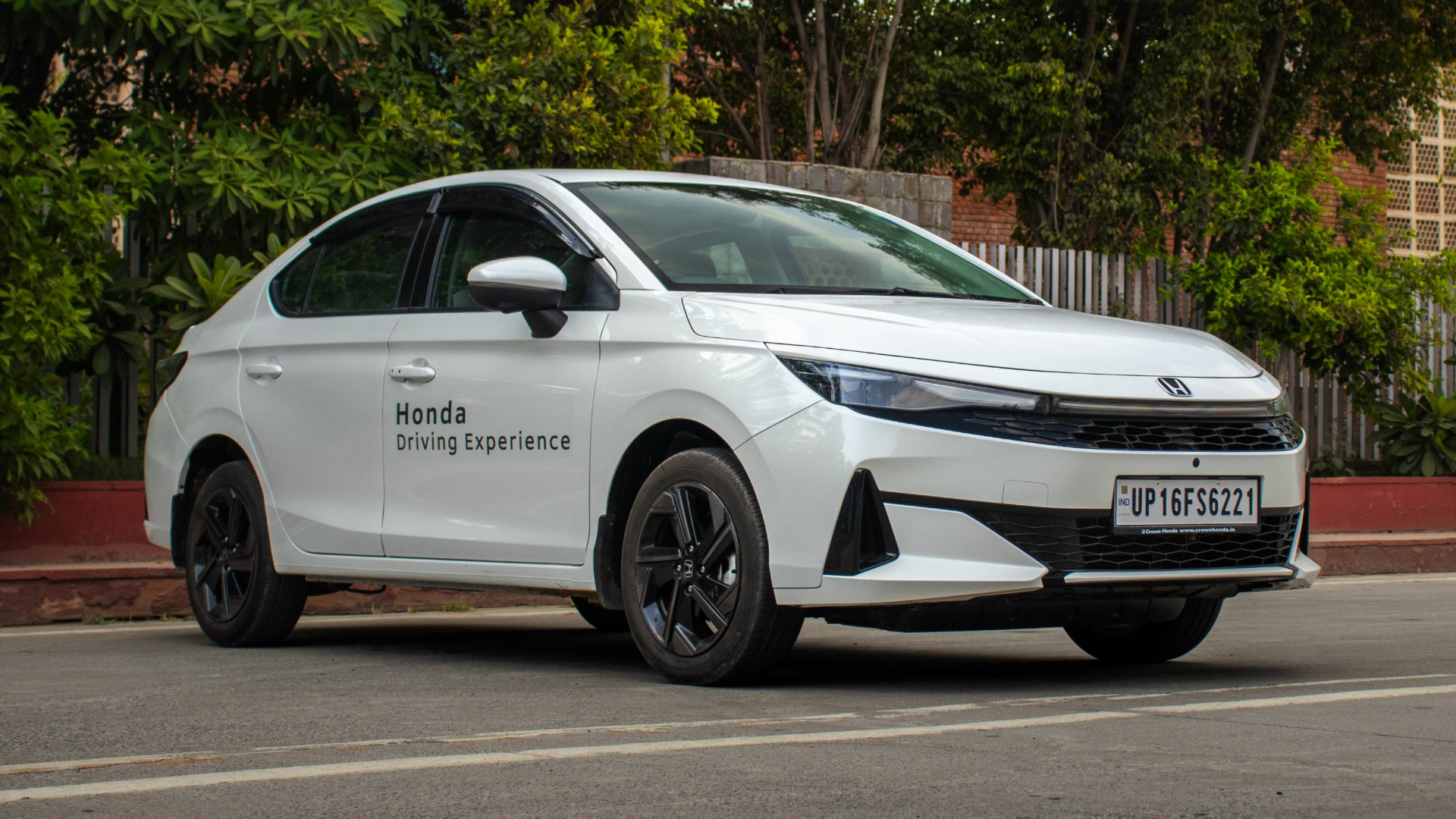
The Honda City has been in continuous production in India since 1998, making it the longest-running nameplate in the mass-market sedan segment. That kind of longevity is not accidental.
The City has, across each generation, managed to be precisely the car its target buyer needs: refined, comfortable, dependable, easy to own, and well-priced relative to what it offers. It has never tried to be a performance car, and it has never pretended to be. What it has always tried to be is the best everyday sedan for a working family, and it has consistently come close to that goal.
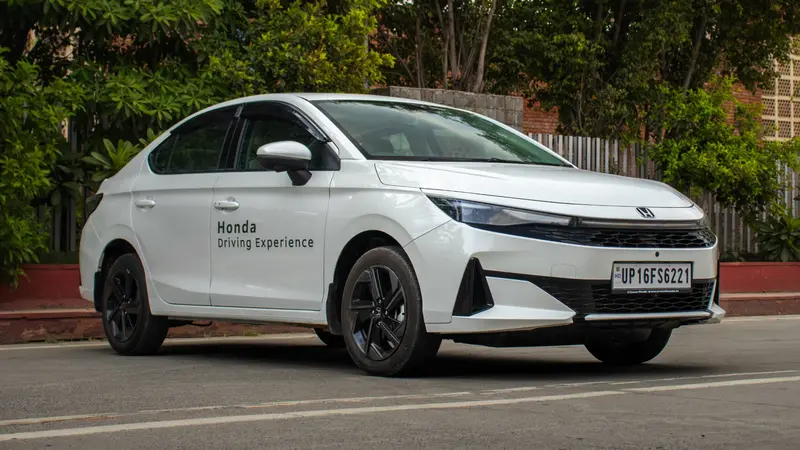
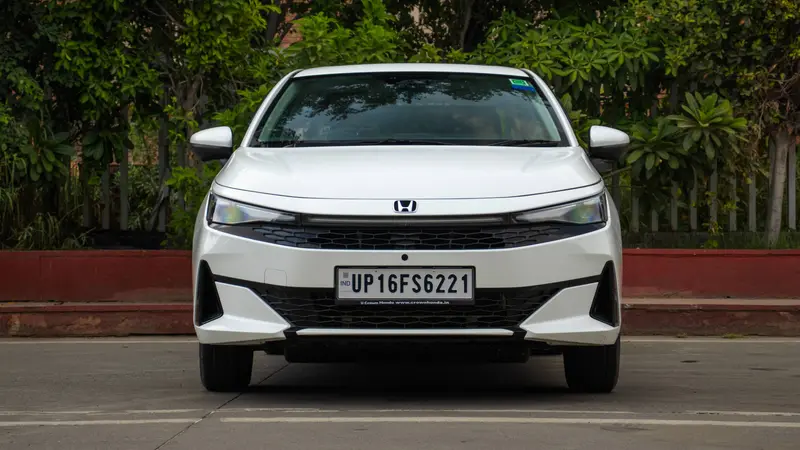
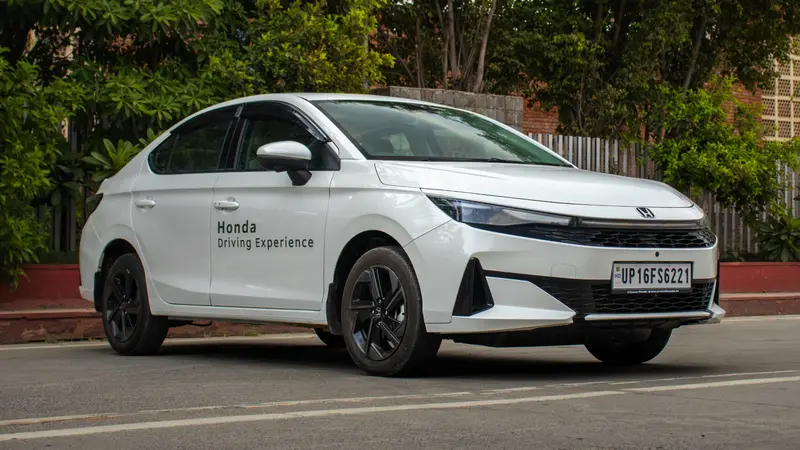
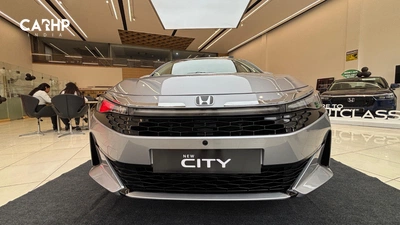
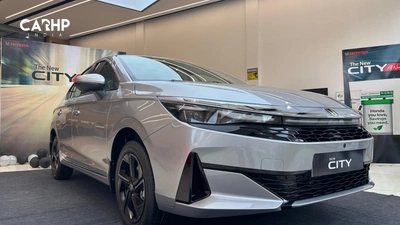
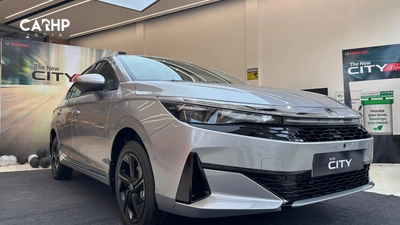
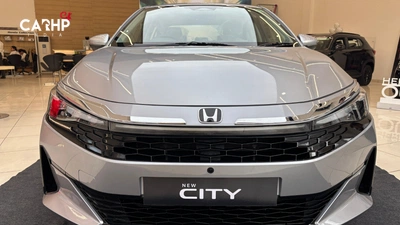
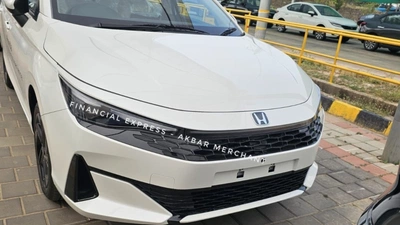
The 2026 facelift is the most comprehensive visual refresh the fifth-generation City has received since its 2020 debut. The front end has been substantially redesigned, and the new face makes the City look noticeably sharper and more premium, even if it splits opinion among buyers who preferred the previous version's softer lines.
Inside, the cabin updates are meaningful rather than cosmetic. A 10.1-inch touchscreen replaces the older 8-inch unit across the range's higher trims, ventilated front seats arrive at the top of the petrol range, a 360-degree camera adds urban practicality, and wireless smartphone connectivity is now standard higher up the trim ladder.
Six airbags are standard across every variant, and the Honda Sensing ADAS suite, available from the V (second) variant onwards, now includes radar-based and camera-based inputs with recalibrated lane keep assist.
The 1.5-litre i-VTEC naturally aspirated petrol carries over, paired to a 6-speed manual or 7-step CVT. This is not a weakness in daily use, but it is the City's clearest competitive gap against rivals like the Hyundai Verna turbo and the Skoda-Volkswagen siblings, which offer turbo-petrol engines with meaningfully more power and livelier performance.
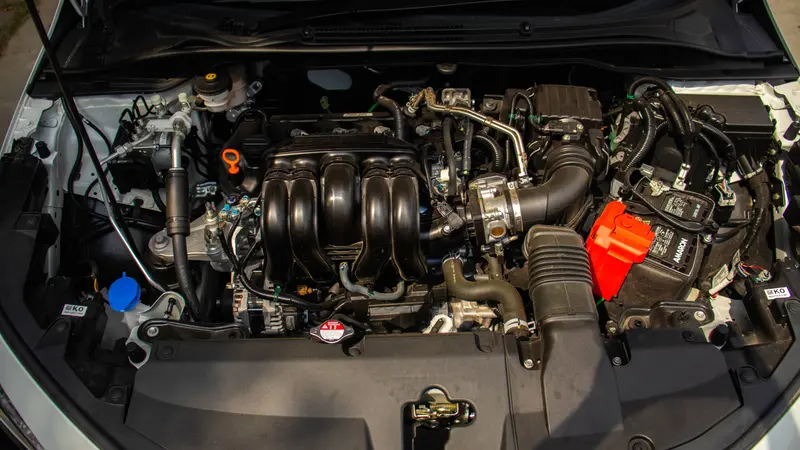
Above the standard petrol engine sits the i-MMD strong hybrid, which uses a 1.5-litre Atkinson-cycle petrol engine working in concert with two electric motors and a battery pack. The hybrid is a significantly more expensive purchase but a completely different ownership experience. It is smoother, quieter, more efficient and in many ways more modern as well.
Overall, while its rivals boast strong turbo petrol options, the City answers with smoothness, efficiency, and a reputation for long-term reliability that surpasses its turbo petrol rivals.
For the buyer who wants a five-seat family sedan with a large boot, a comfortable rear seat, low running costs, modern safety equipment, and the peace of mind that comes from buying Honda, the City remains the most complete and logical choice in its segment.
Engine and Performance
Engine and Performance
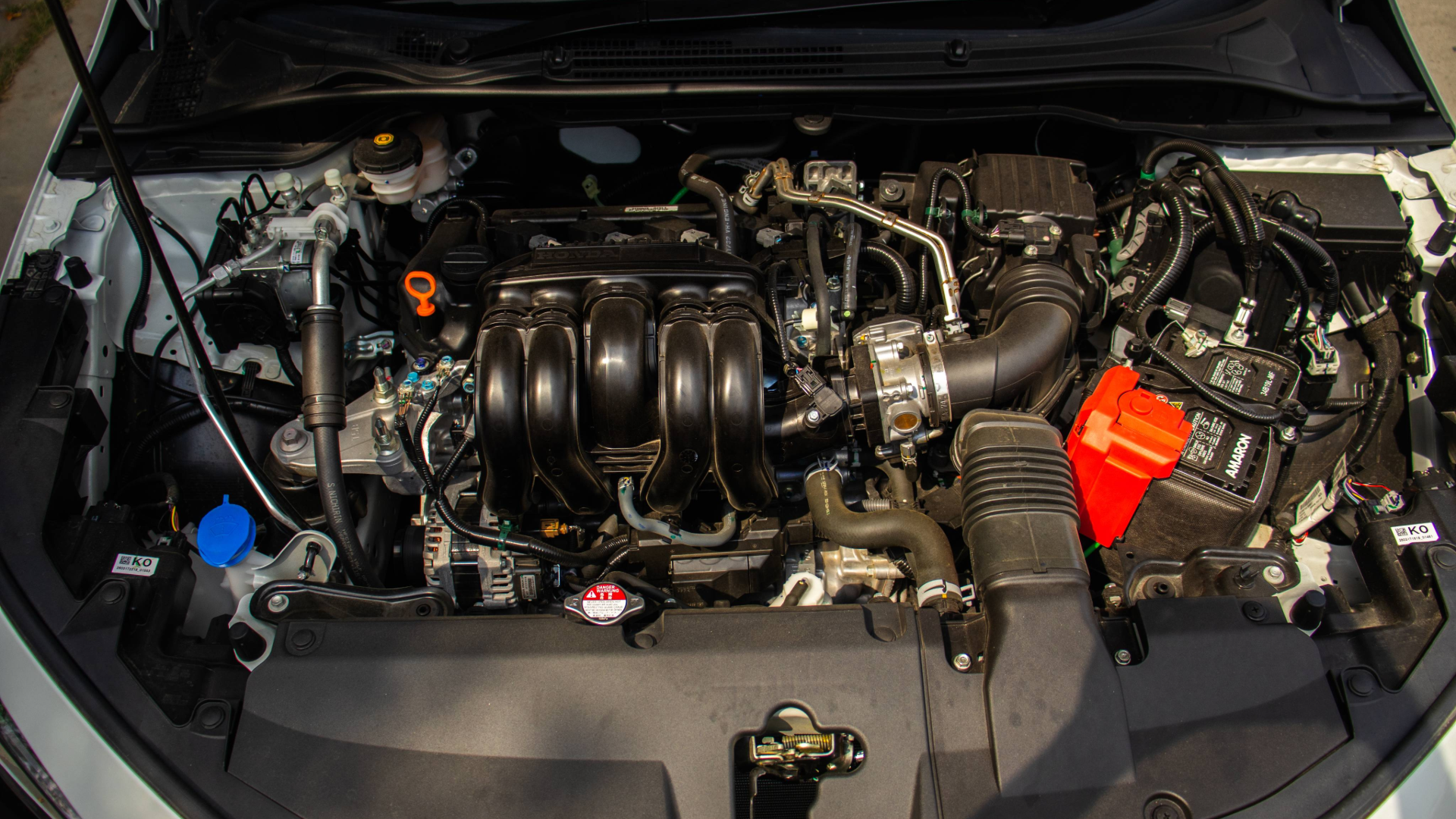
| Specification | 1.5L i-VTEC Petrol | 1.5L i-MMD Hybrid (e:HEV) |
|---|---|---|
| Displacement | 1498 cc | 1498 cc (Atkinson cycle) |
| Max Power | 119 bhp @ 6600 rpm | 98 bhp (petrol) + electric assist; Combined 125 bhp |
| Max Torque | 145 Nm @ 4300 rpm | 131 Nm (engine), 253 Nm (motor) |
| Transmission | 6MT / CVT | e-CVT |
| Fuel Type | Petrol | Strong Hybrid (Petrol + Electric) |
The 1.5-litre i-VTEC is a naturally aspirated four cylinder petrol engine with a character shaped almost entirely around refinement and everyday usability rather than outright pace.
It produces 120 bhp at a high 6600 rpm, which means the power arrives toward the upper end of the rev range. In day-to-day driving, where most people operate between 1500 and 4000 rpm, the engine delivers its 145 Nm of torque in a smooth, linear fashion. The power builds predictably as revs climb, and the engine's VTEC mechanism gives a mild but noticeable shove in the upper registers when pressed.
In city traffic, both transmission options work well. The 6-speed manual is one of the more pleasant units in the segment, with a light clutch, short throws, and a smooth gearchange action that makes stop-and-go driving less tiring than rivals with heavier setups.
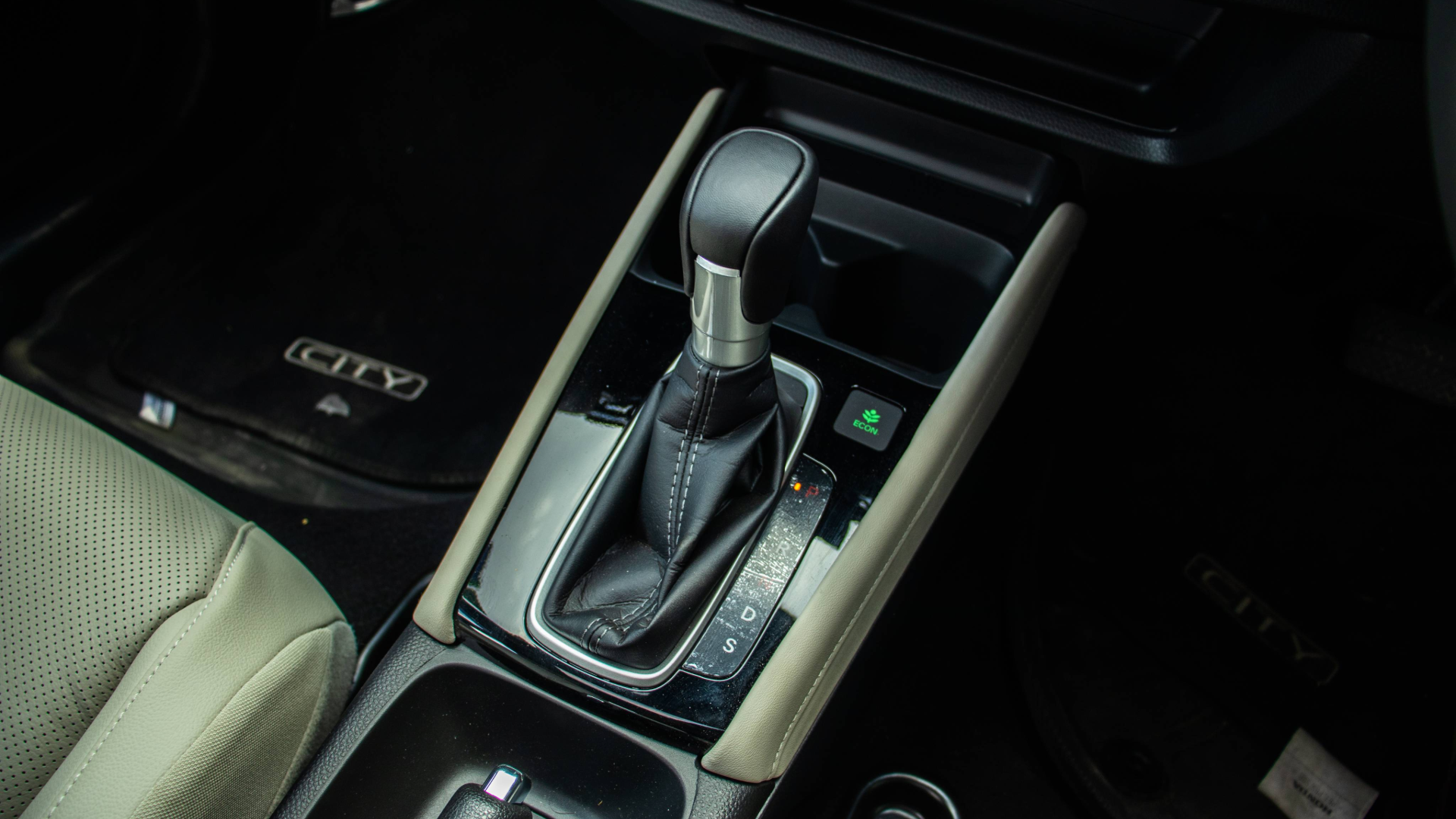
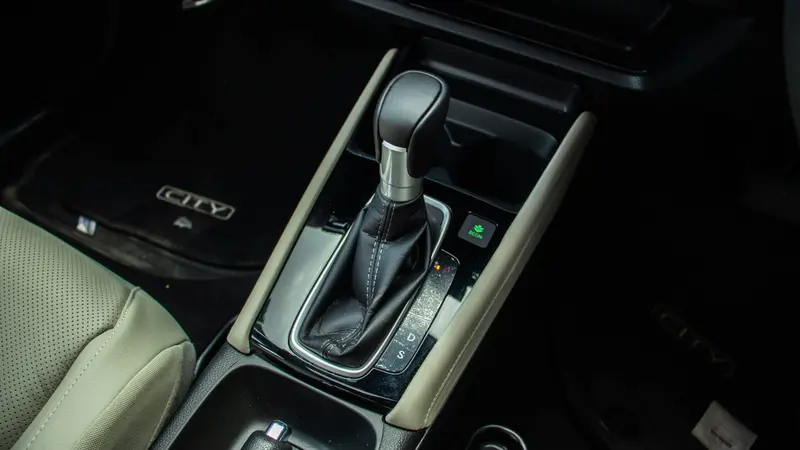
The CVT is the more popular choice for urban buyers, and it suits the engine's character well. Power delivery is smooth, the transmission holds the right ratio in most situations, and it contributes meaningfully to real-world efficiency. Under hard acceleration, the CVT's tendency to hold revs high while the engine sounds busy (popularly known as the rubber band effect) is one factor that buyers find less appealing. However, it is a typical CVT trait and not specific to the City.
On the highway, the City is composed and capable. High-speed stability is confident, the cabin is well-insulated from wind and road noise, and the engine sits at around 2,300 rpm while cruising at 100 km/h in sixth gear, without feeling strained.
Overtakes at highway speeds do require planning and a downshift, particularly with the CVT. The City is not a car you can pass vehicles with by simply pressing the accelerator, which is where the turbo petrol units on the Verna, Slavia, and Virtus establish a clear edge in terms of outright driving energy.
The i-MMD hybrid is where Honda's engineering pedigree becomes most visible.
Unlike mild-hybrid systems that merely reduce fuel consumption at the margins, the City e:HEV can drive on electric power alone at low speeds and during light cruise. The petrol engine primarily acts as a generator, with the electric motor delivering the propulsive force to the wheels in most conditions. The result is a silent, smooth, and effortless driving experience that feels almost EV-like in traffic.
At higher speeds, the petrol engine locks to the wheels directly, but the transition is imperceptible. The combined output figures mean the hybrid is also meaningfully quicker than its petrol counterpart in the mid-range, which is a pleasant surprise for buyers who expect it to be merely economical.
Ride and Handling
The suspension is tuned strongly towards comfort. MacPherson struts up front and a torsion beam at the rear handle typical Indian road conditions well. Potholes and broken surfaces are absorbed without making occupants feel unsettled, and the chassis does not produce the nervous secondary bounce over repeated undulations that some rivals exhibit.
High-speed stability is confident up to indicated speeds of 120 km/h, and the car does not feel nervous or vague at those speeds.
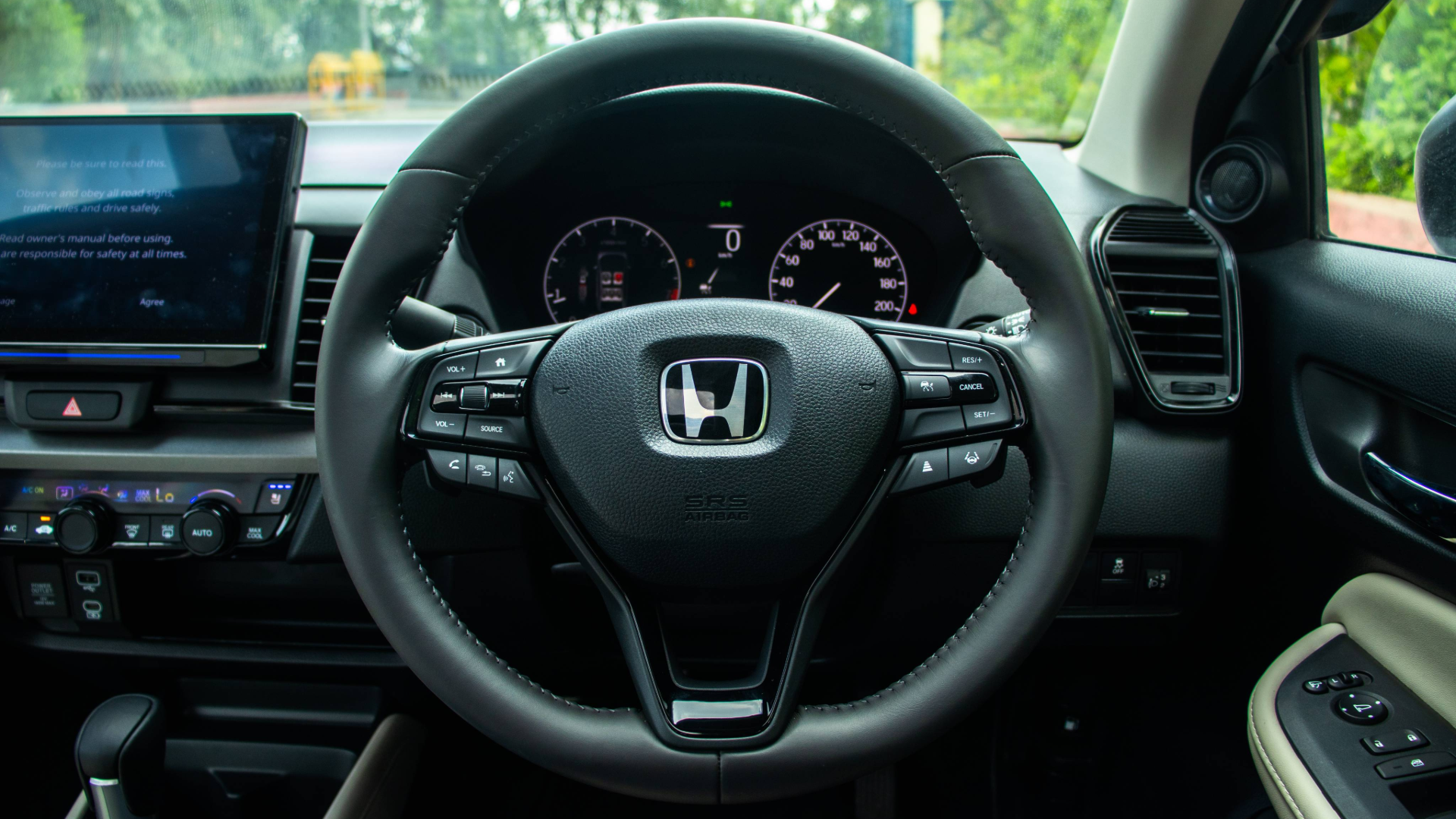
The steering is light, precise, and accurate, which suits the City's urban-oriented mission well. It does not provide the feedback or weight that driving enthusiasts look for, but it is never imprecise or difficult to place.
First-time car buyers and those returning to the segment from a long absence will find the City the easiest car in the segment to get comfortable with quickly.
fuel economy
fuel economy
The City petrol's ARAI figures of 17.8 km/l (manual) and 18.4 km/l (CVT) are among the best in the naturally aspirated petrol sedan segment. Real-world returns depend significantly on driving conditions and style.
In dense city traffic with frequent stops, owners typically report 13 to 14 km/l with either gearbox. On mixed city-highway driving, returns of 15 to 16 km/l are common. Disciplined highway cruising at 80 to 100 km/h can yield figures closer to the ARAI number, particularly with the CVT.
The naturally aspirated engine's efficiency advantage over turbocharged rivals is real in steady-state driving but narrows in aggressive city use, where the Verna NA petrol and the City return broadly similar figures.
The City e:HEV is in a different class entirely, with Honda claiming 27.26 km/l under ARAI test conditions. Real-world figures of 22–24 km/l are consistently reported by owners, and the hybrid makes the most of stop-and-go traffic because the regeneration system charges the battery while braking or simply lifting off the throttle.
The 40-litre fuel tank is a rare constraint for a car in this class. Most rivals carry around 45 litres, giving them a meaningfully longer range between refuelling stops. For buyers who travel long distances regularly, the smaller tank requires more frequent fuel stops, which is a practical inconvenience worth knowing about.
Running costs are consistently flagged as a City strength by long-term owners. Service intervals are reasonable, genuine spare parts pricing is moderate, and the engine has a strong reputation for going well beyond 150,000 km without major attention when maintained properly.
interior
interior
| Feature | Petrol | Hybrid (e:HEV ZX+) |
|---|---|---|
| Infotainment | 8-inch (SV) / 10.1-inch (ZX, ZX+) touchscreen with wireless Android Auto and Apple CarPlay | 10.1-inch touchscreen with wireless Android Auto and Apple CarPlay |
| Instrument Cluster | Semi-digital TFT multi-information display | Semi-digital TFT with e:HEV power flow display |
| Seating Layout | 5 seats (2 front + 3 rear) | 5 seats (2 front + 3 rear) |
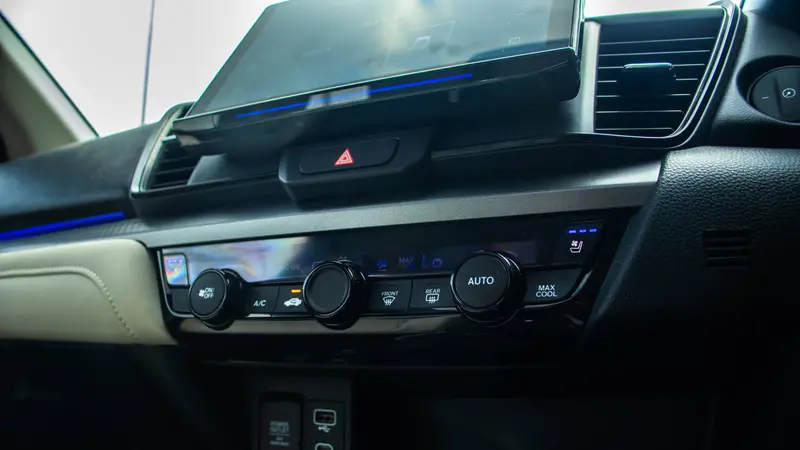
| Climate Control | Manual AC (SV) / Auto climate control with rear vents (V and above) | Auto climate control with electric compressor |
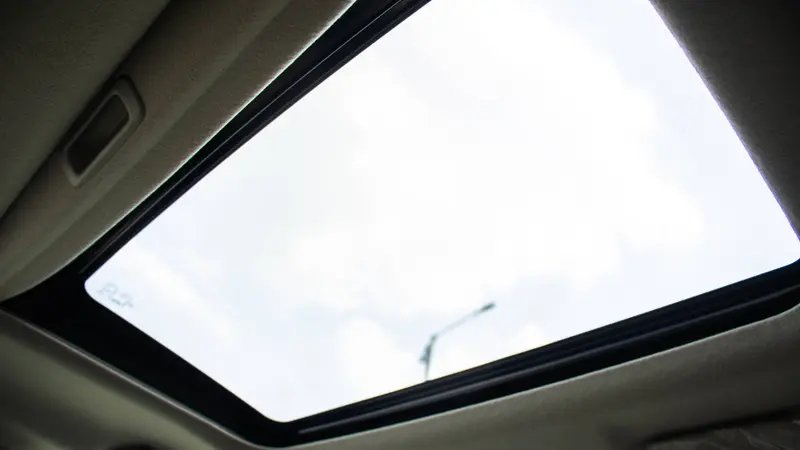
| Sunroof | Single-pane (V and above) | Single-pane |
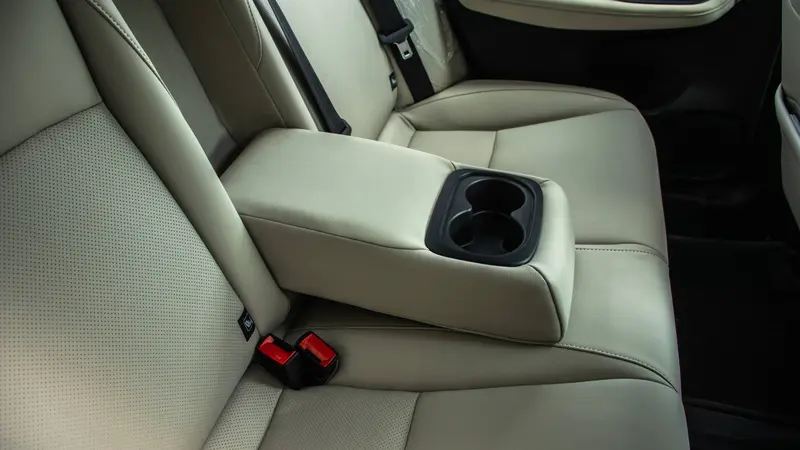
| Seat Upholstery | Fabric (SV, V) / Leather (ZX, ZX+) | Ivory leatherette |
| Ventilated Seats | Front seats (ZX+ only) | Front seats |
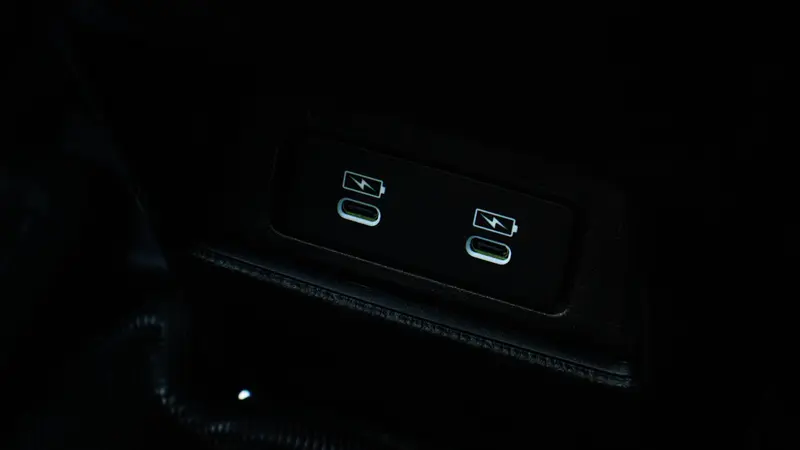
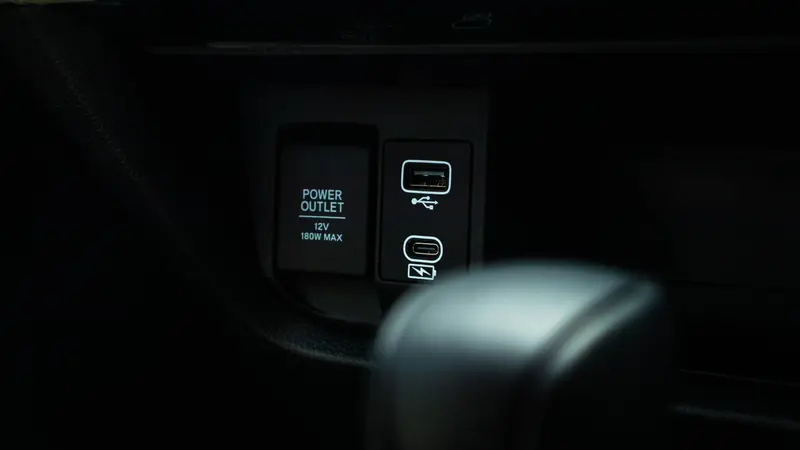
| Charging | USB-A (all variants) / USB-C and wireless charger (ZX and above) | USB-C and wireless charger |
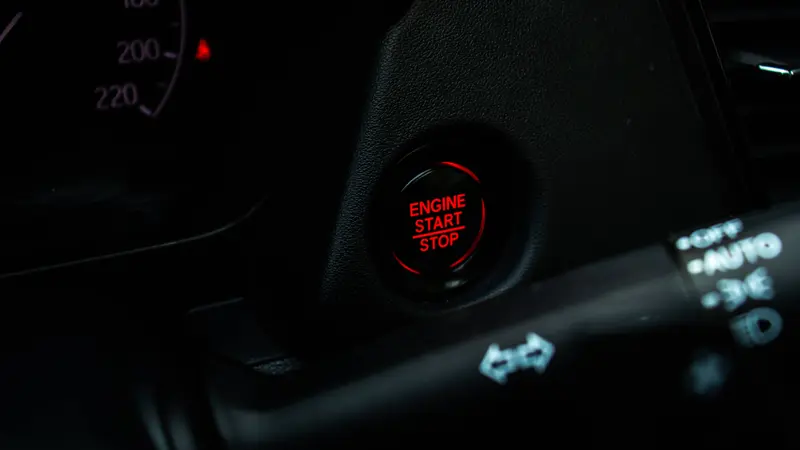
| Convenience | Keyless entry and push-start (V and above), auto-dimming IRVM, rain-sensing wipers, power-folding ORVMs | Adds AVAS, deceleration selector paddles, auto engine start/stop |
| Boot Space | 506 litres | 306 litres (battery pack reduces floor space) |
| Other | LaneWatch blind-spot camera (ZX and above), 360-degree camera (ZX+), connected car tech (V and above) | LaneWatch camera, connected car tech; no 360-degree camera |
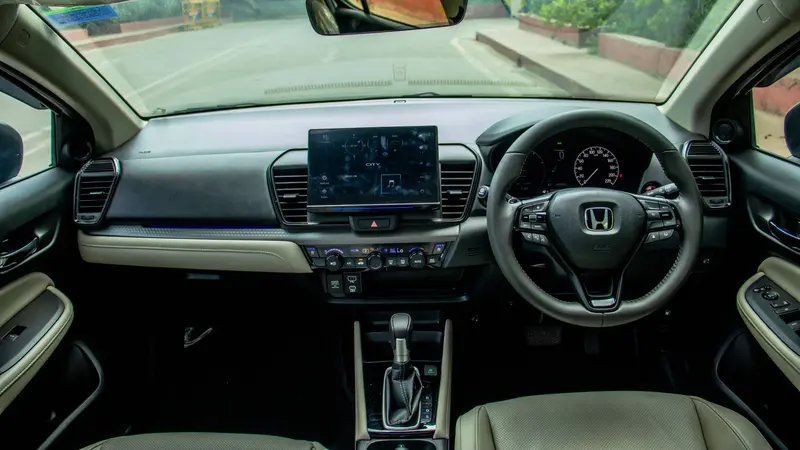
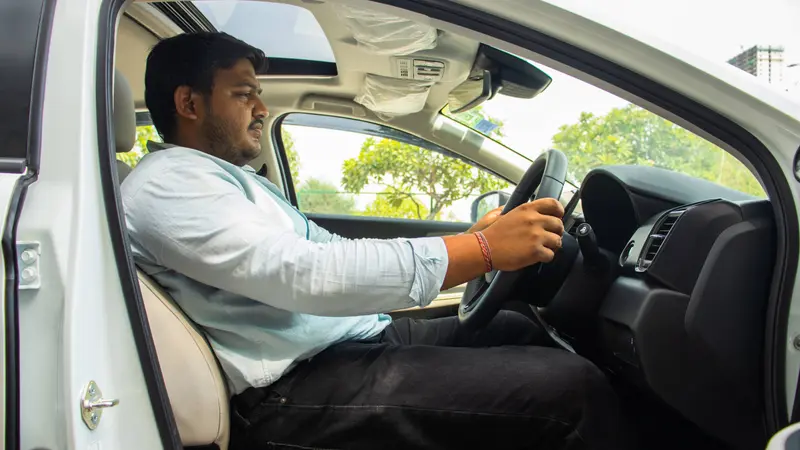
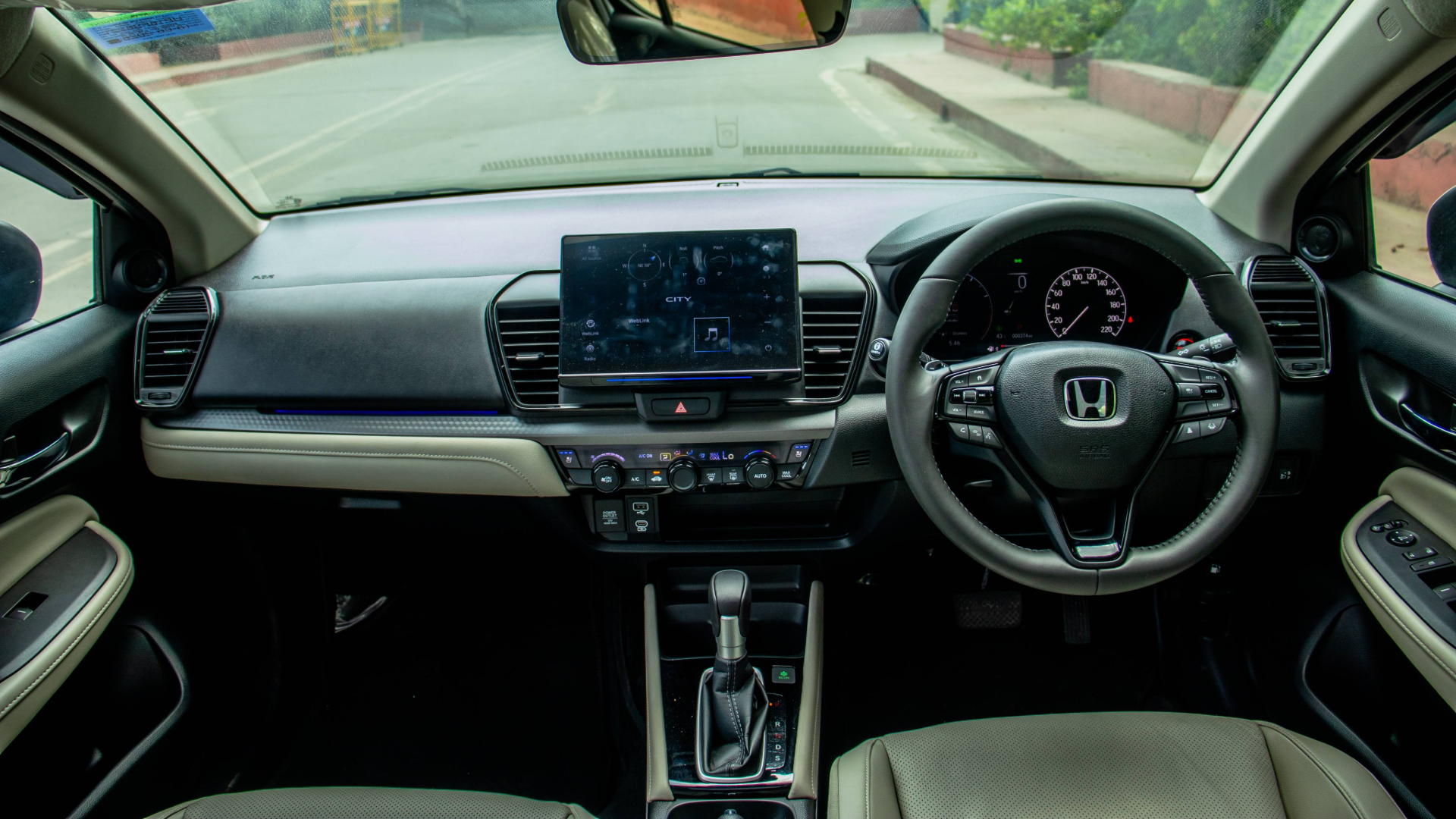
The City's interior is the product of genuine thought about how people spend time in a car, particularly in the rear seat, which is where families spend the most time.
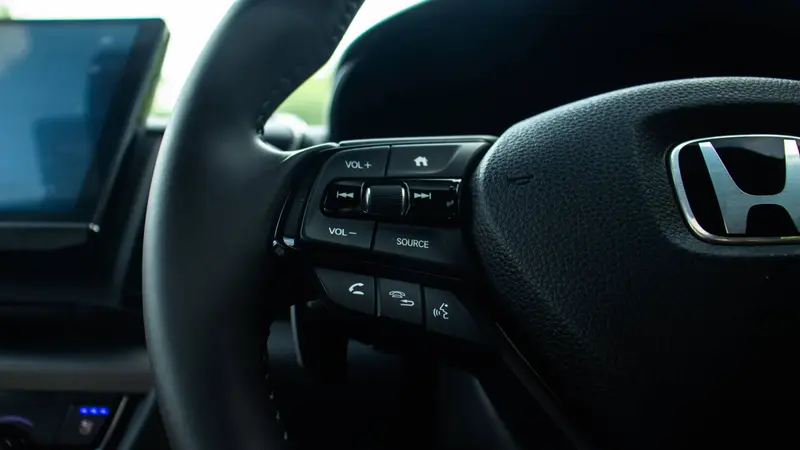
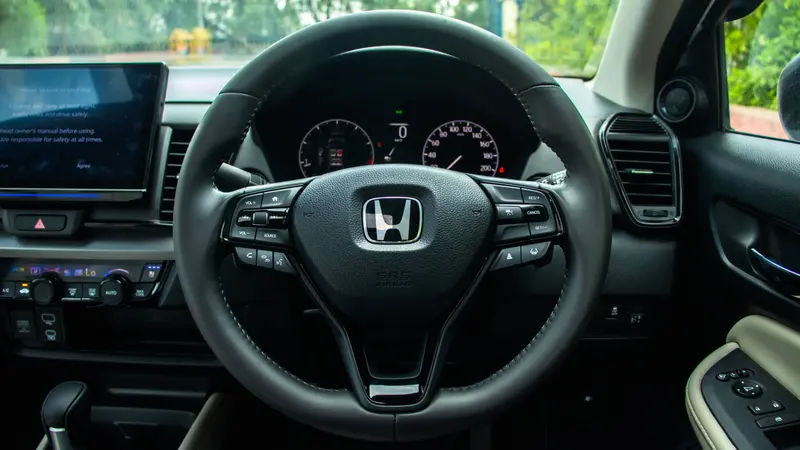
The cabin is clean and well-organised at the front. Honda's approach to interior layout is typically conservative, with physical controls for the climate system and audio adjustments, a simple but good looking dashboard design, and a focus on ergonomics over visual drama.
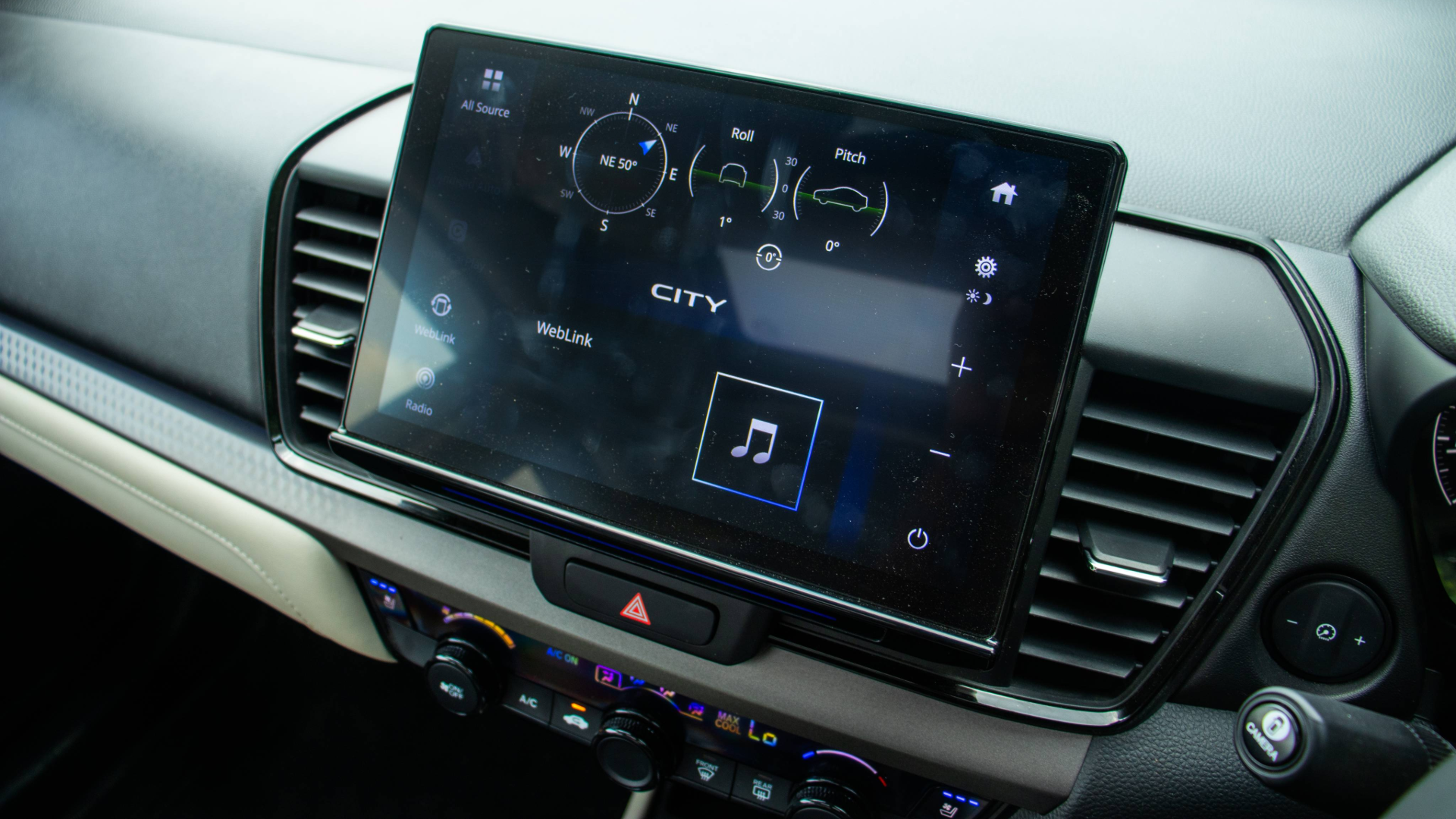
The 10.1-inch touchscreen in ZX and ZX+ variants is an upgrade over the earlier 8-inch unit and is well-positioned and easy to reach, though some reviewers note that the interface and graphics feel a generation behind rivals. The semi-digital instrument cluster provides clear readouts and ADAS status information without being overly complex. Though, the driver's display on the hybrid can feel cluttered with the energy flow visualisation.
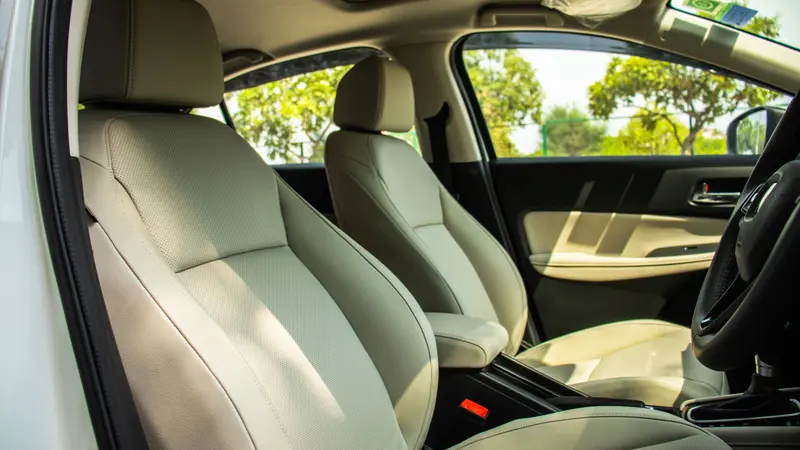
Soft-touch materials on the dashboard, centre console, and door pads in ZX variants above give the cabin a tangibly more premium feel compared to the harder plastics in the entry trims. The leather upholstery in ZX and ZX+ is well-stitched and holds up over time. Ventilated front seats in the ZX+ are a welcome addition for Indian summers, though the blower speed range is limited at the upper end.
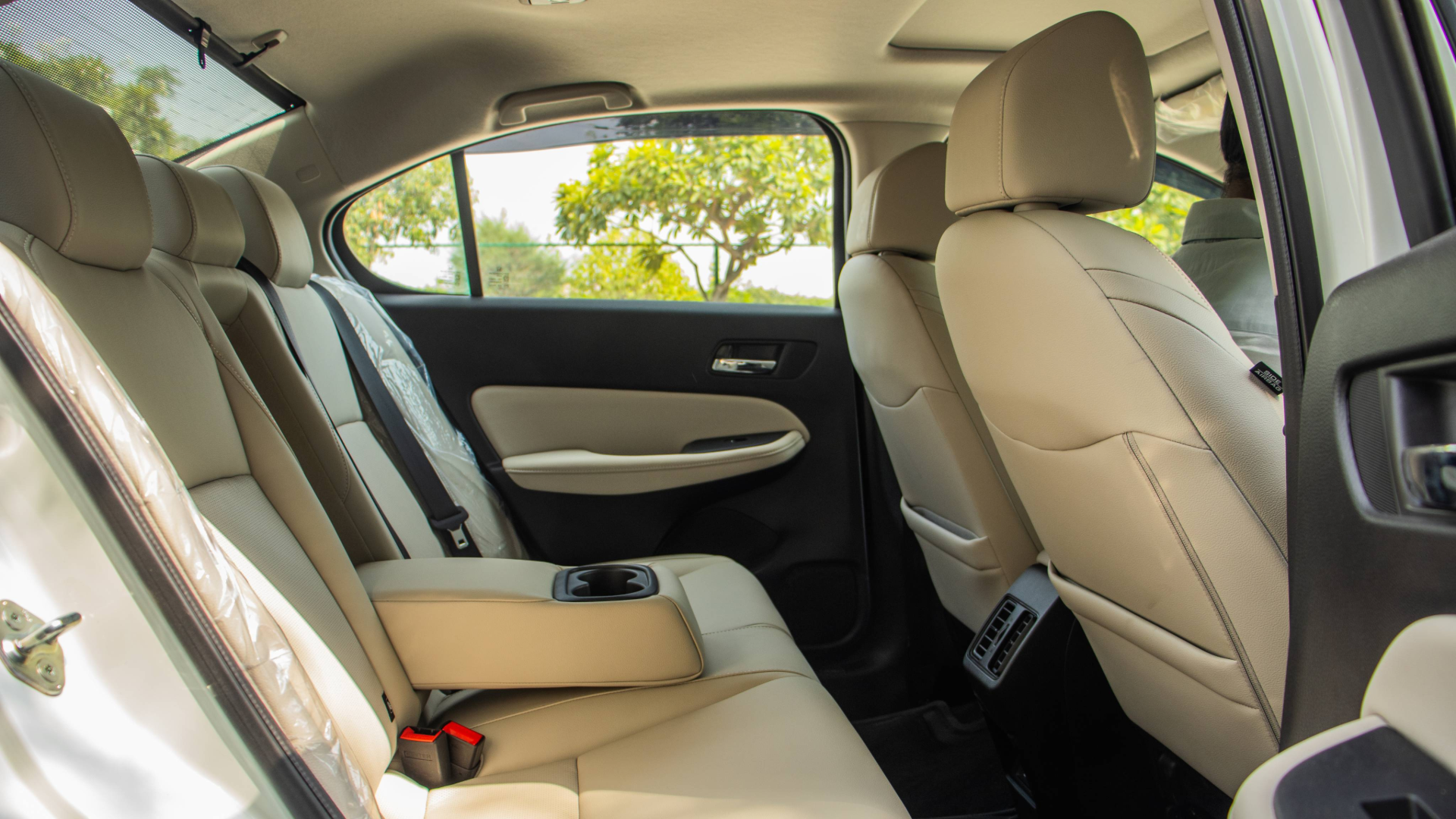
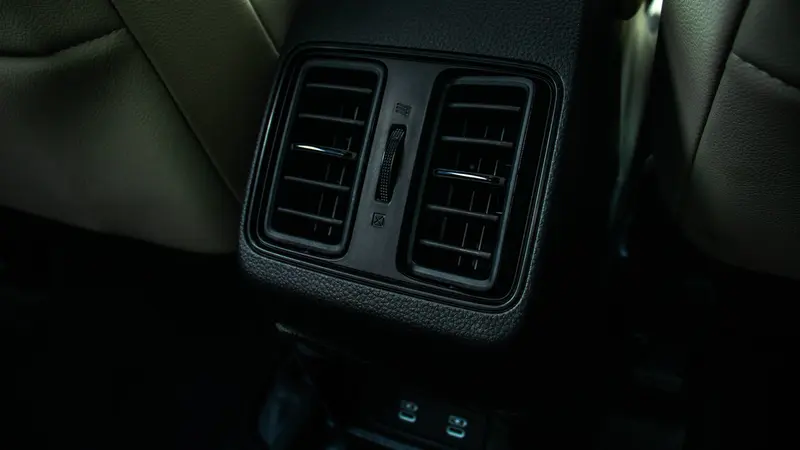
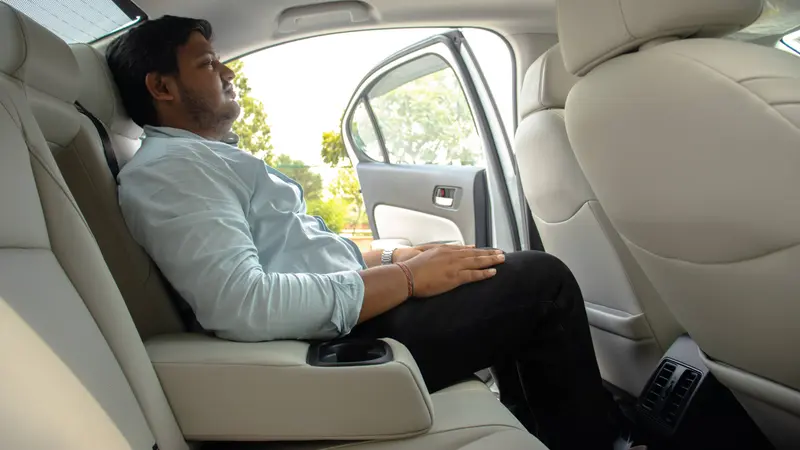
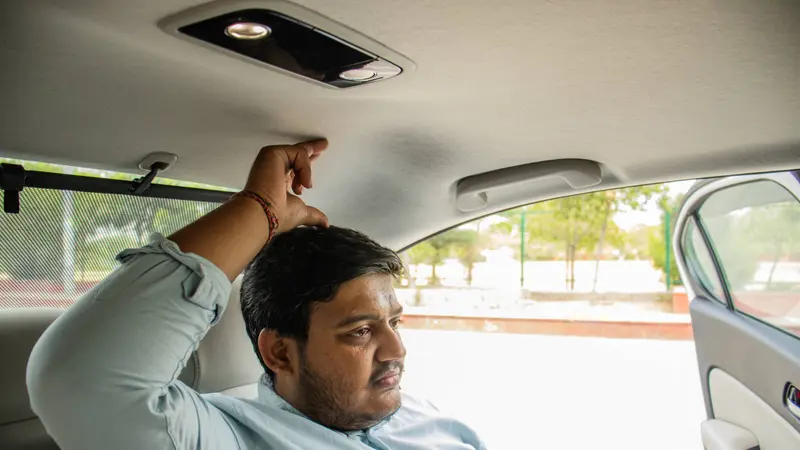
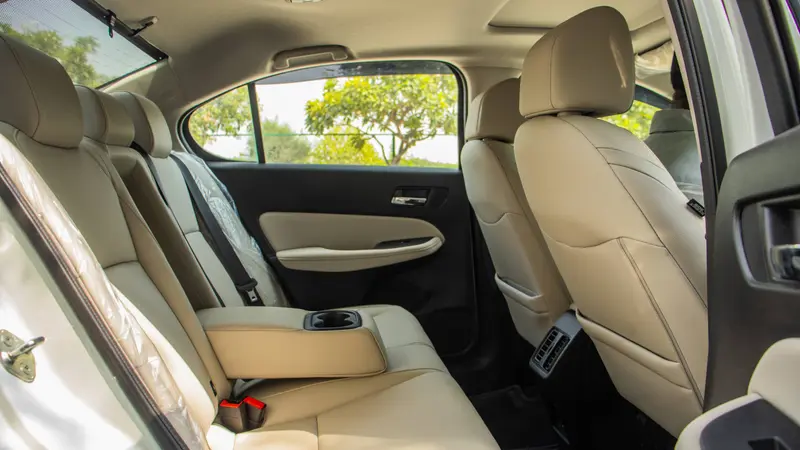
The rear bench is wide, long, and well-cushioned, with good knee room even behind a taller driver, a relatively flat floor for the centre occupant, and decent headroom under the roofline. It is consistently rated as one of the more comfortable rear seats in the midsize sedan segment, and long-distance occupants rarely complain about it.
The sunroof is a single-pane unit with a standard tilt and slide mechanism, available from the V variant. It lets light in and serves the purpose, though it is not a panoramic unit and the opening is modestly sized compared to some compact SUV rivals.
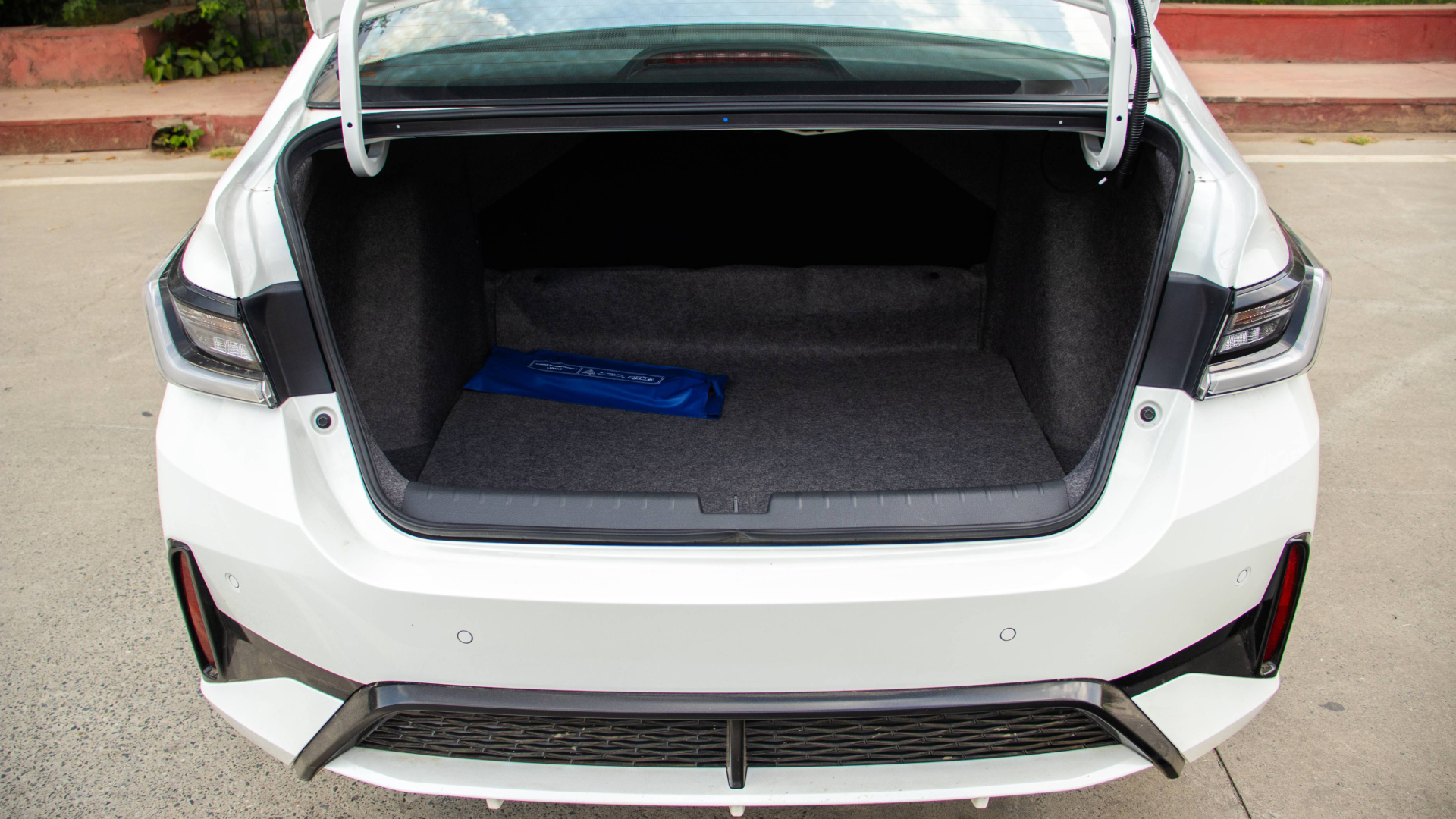
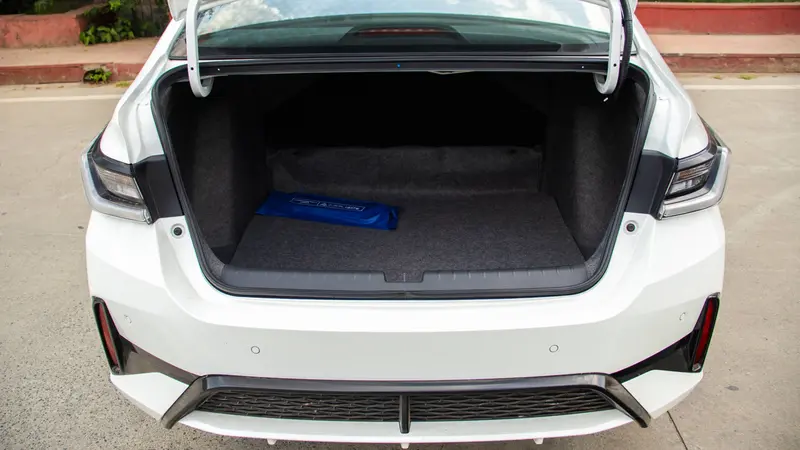
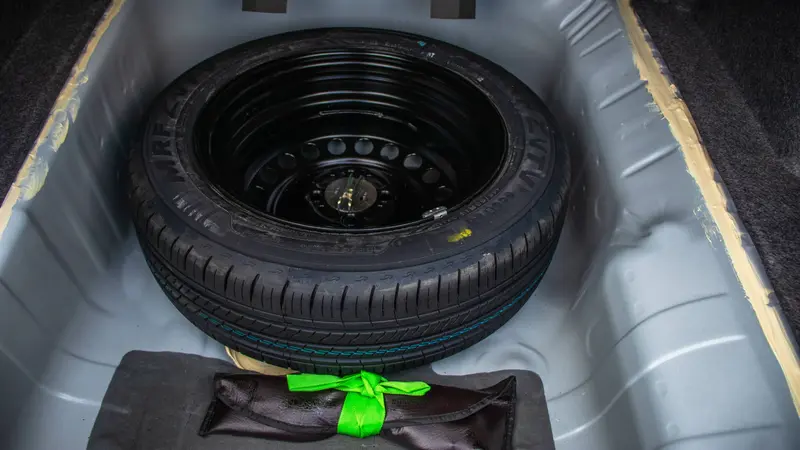
Boot space of 506 litres is outstanding for the segment. Three full-size suitcases fit without needing to reorganise, which is a practical advantage for families and frequent travellers. The hybrid's 306 litres is significantly reduced due to the battery pack positioned under the floor, and buyers who regularly carry large luggage should factor this in before choosing the hybrid.
Cabin storage is well-distributed across door pockets, a front armrest bin, a centre console tray, and seat-back pockets.
NVH levels are well-controlled.
Road noise and tyre noise are managed effectively at typical Indian road speeds, and wind noise is minimal at highway speeds. Engine noise does filter into the cabin when the accelerator is held down firmly, which is an inherent characteristic of the high-revving i-VTEC unit rather than a noise insulation deficiency.
Hybrid owners will notice the noise of the petrol engine cutting in abruptly when the battery depletes under spirited driving.
exterior
exterior
| Specification | Petrol | Hybrid (e:HEV) |
|---|---|---|
| Length | 4594 mm | 4594 mm |
| Width | 1748 mm | 1748 mm |
| Height | 1467 mm | 1467 mm |
| Wheelbase | 2600 mm | 2600 mm |
| Ground Clearance | 165 mm | 165 mm |
| Tyres | 185/60 R15 (SV) / 185/55 R16 (V and above) | 185/55 R16 |
| Fuel Tank | 40 litres | 40 litres |
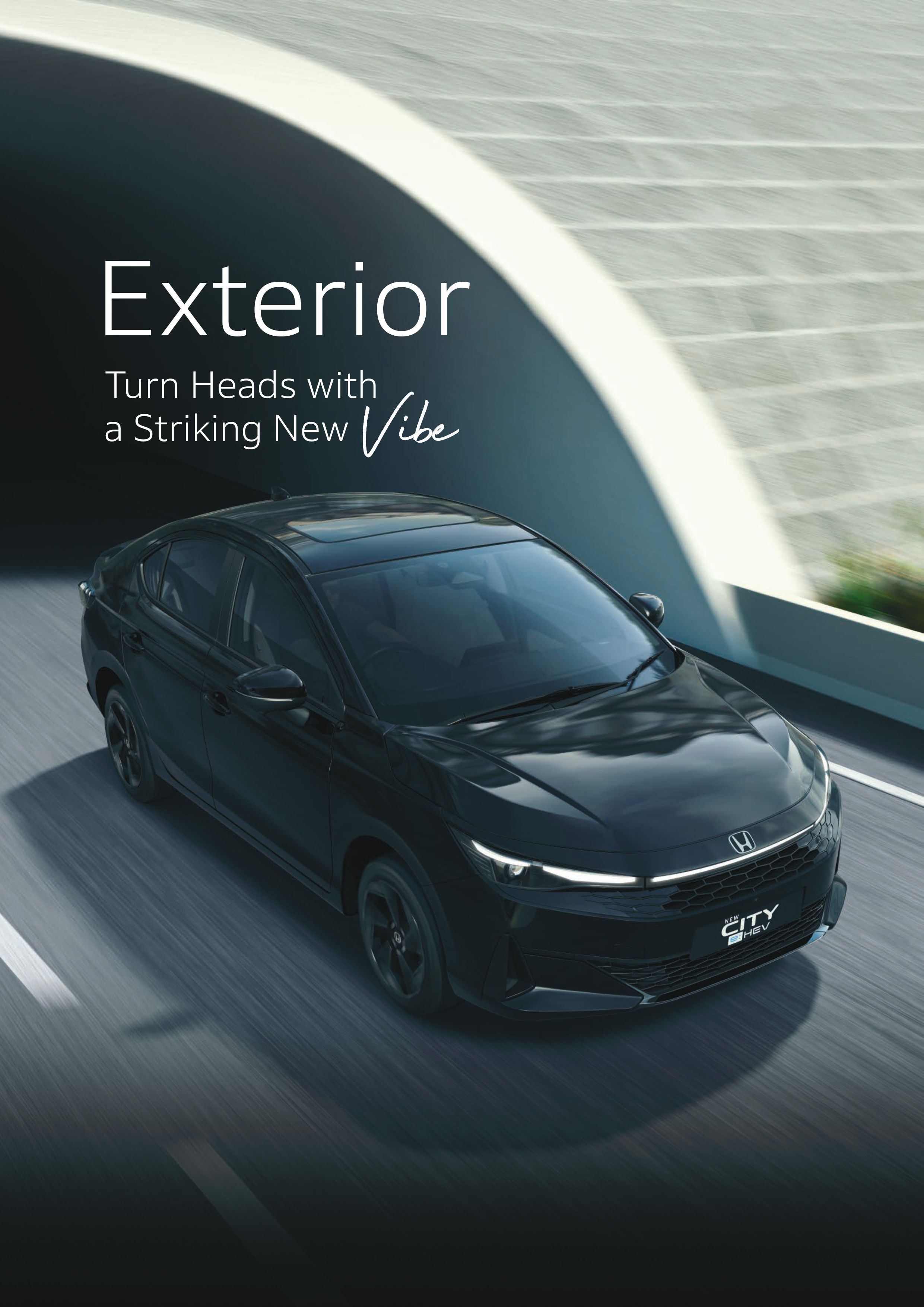
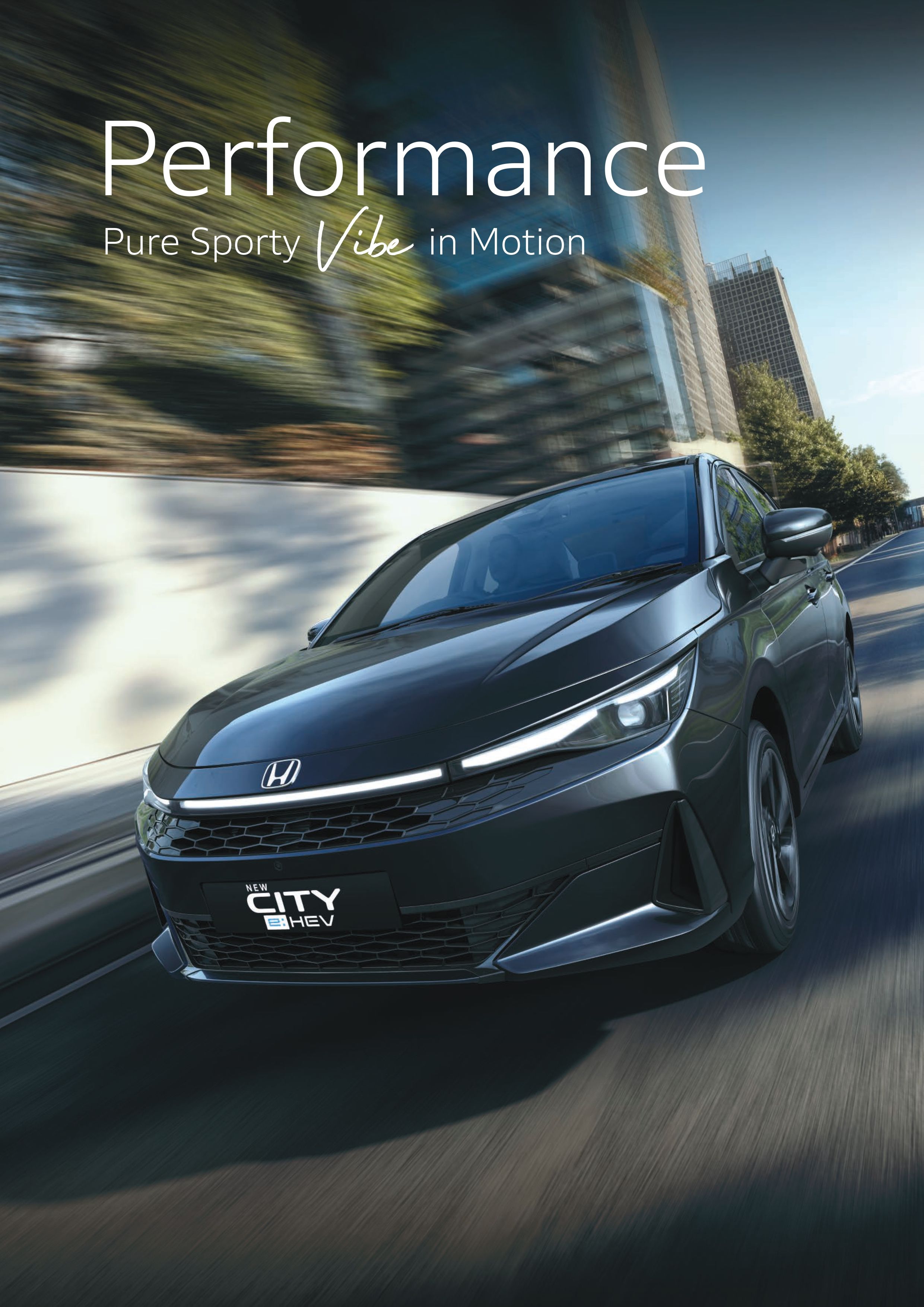
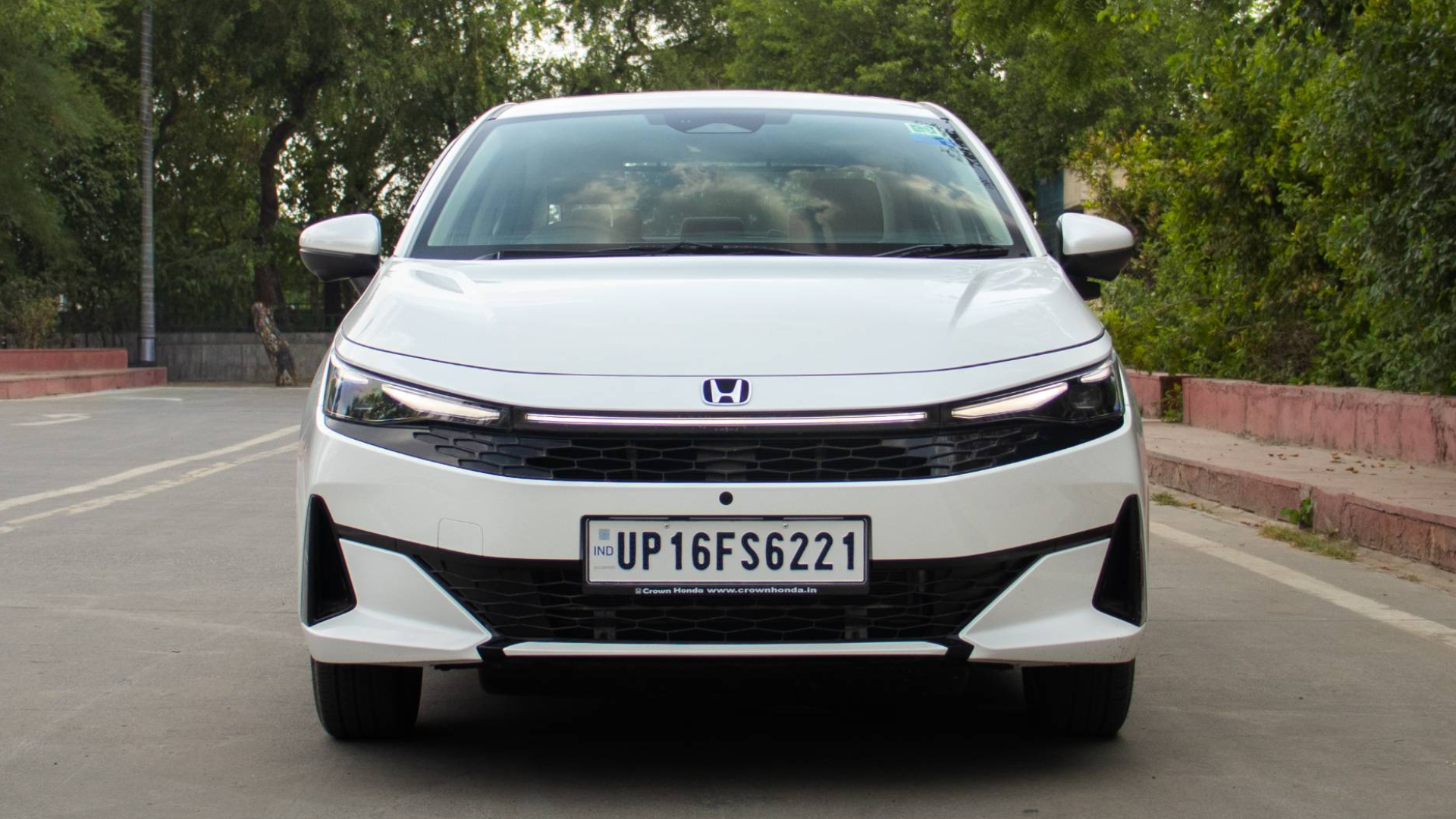
The 2026 facelift represents the most significant exterior change the fifth-generation City has received.
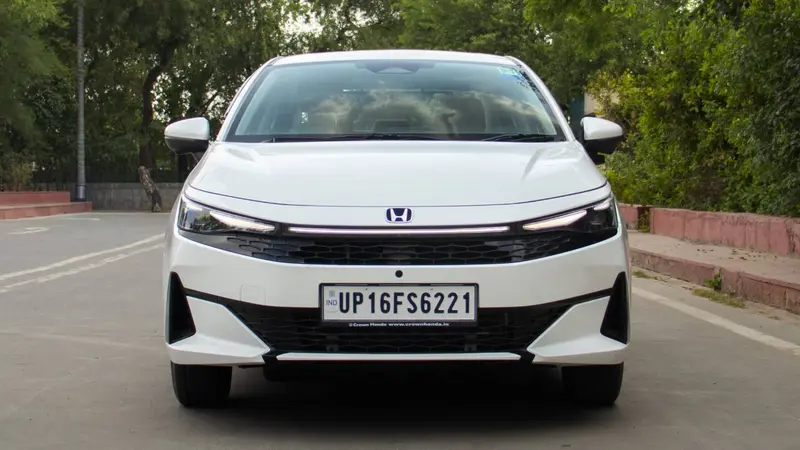
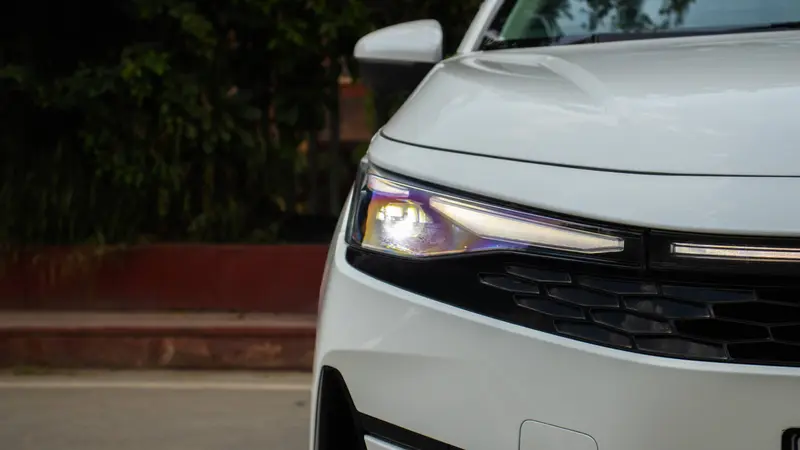
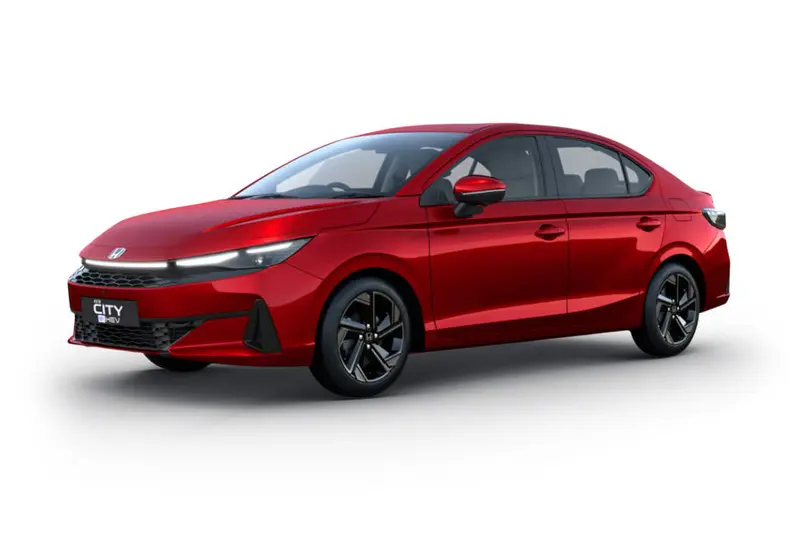
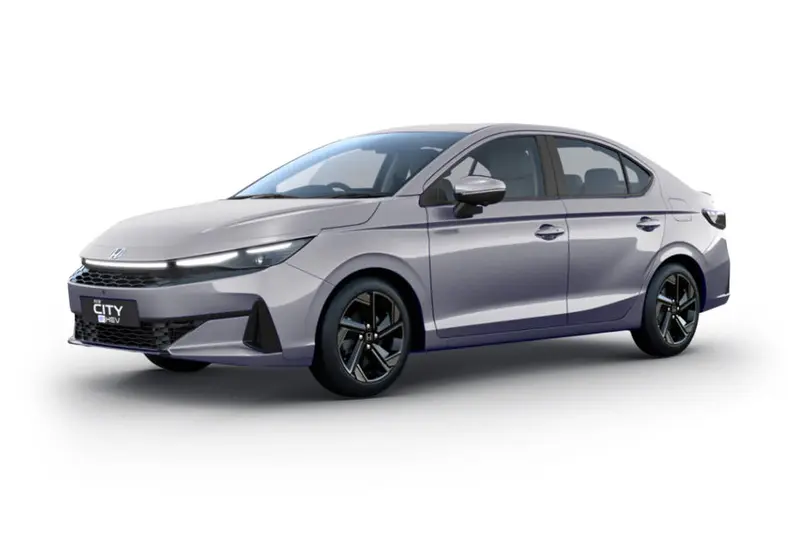
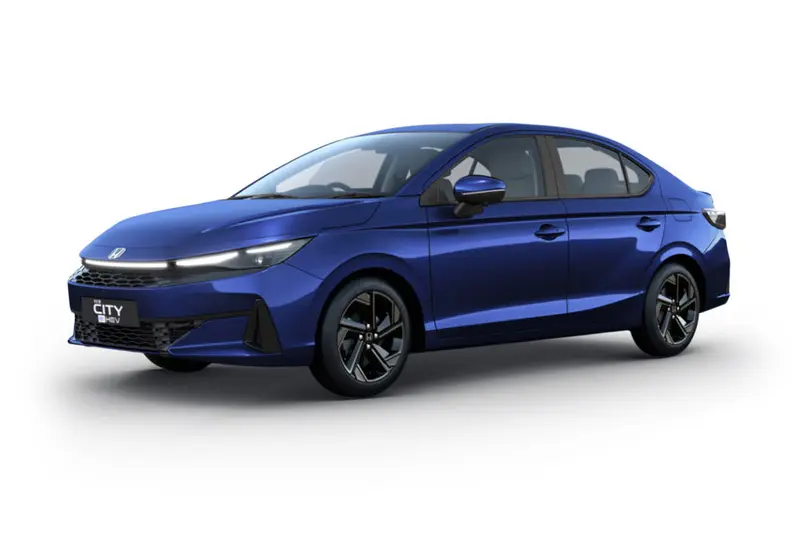
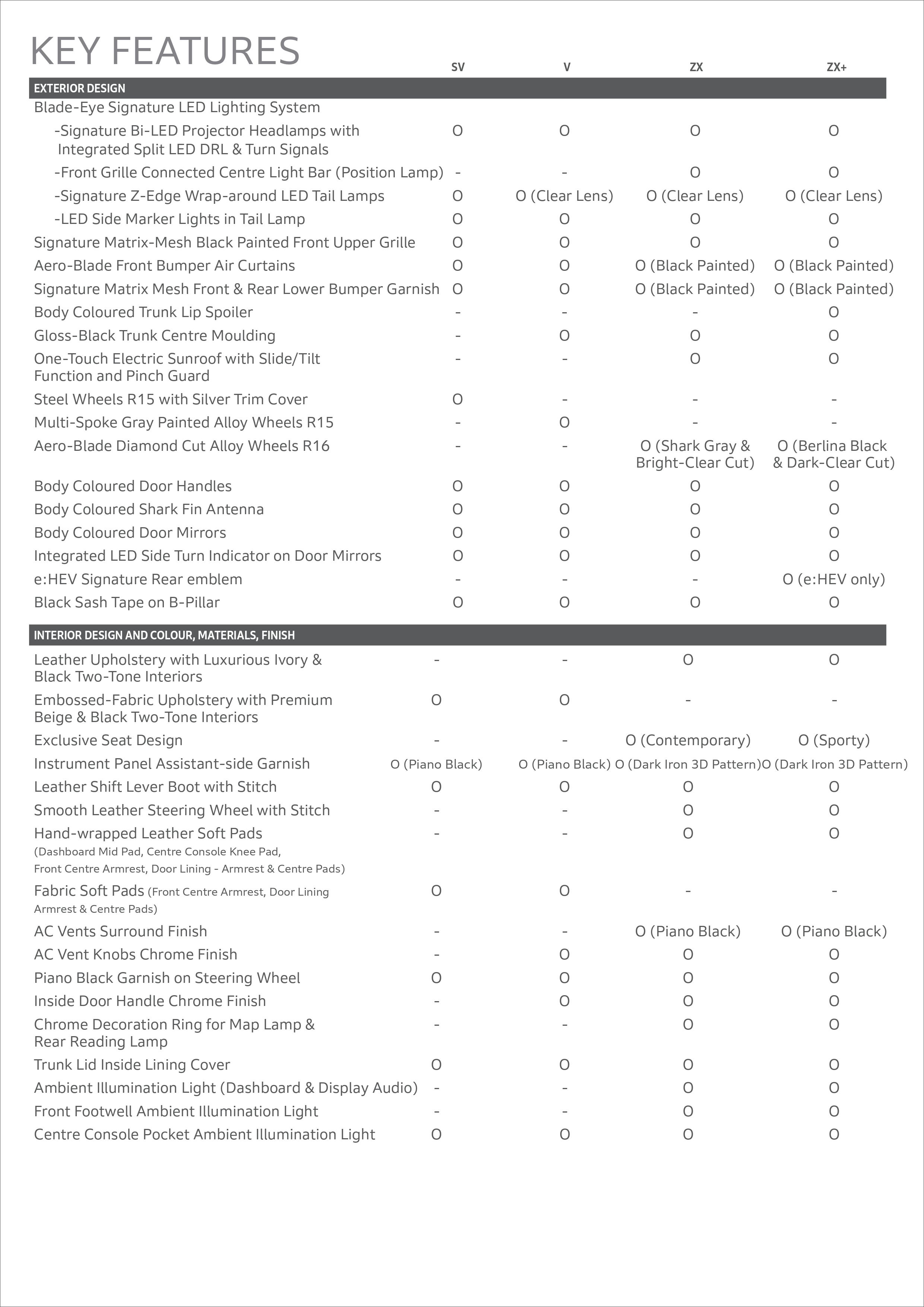
The previous model's softer, rounded front has been replaced with a sharper, more angular face. A connected full-width LED DRL bar links the bi-projector headlamps across the upper grille area, a gloss black honeycomb grille sits below, and redesigned bumpers with integrated air dams replace the earlier fog lamp housings. The clamshell bonnet design is retained. The result is a front elevation that reads as notably more contemporary and assertive than before, and one that stands out more distinctly from the City's earlier iterations.
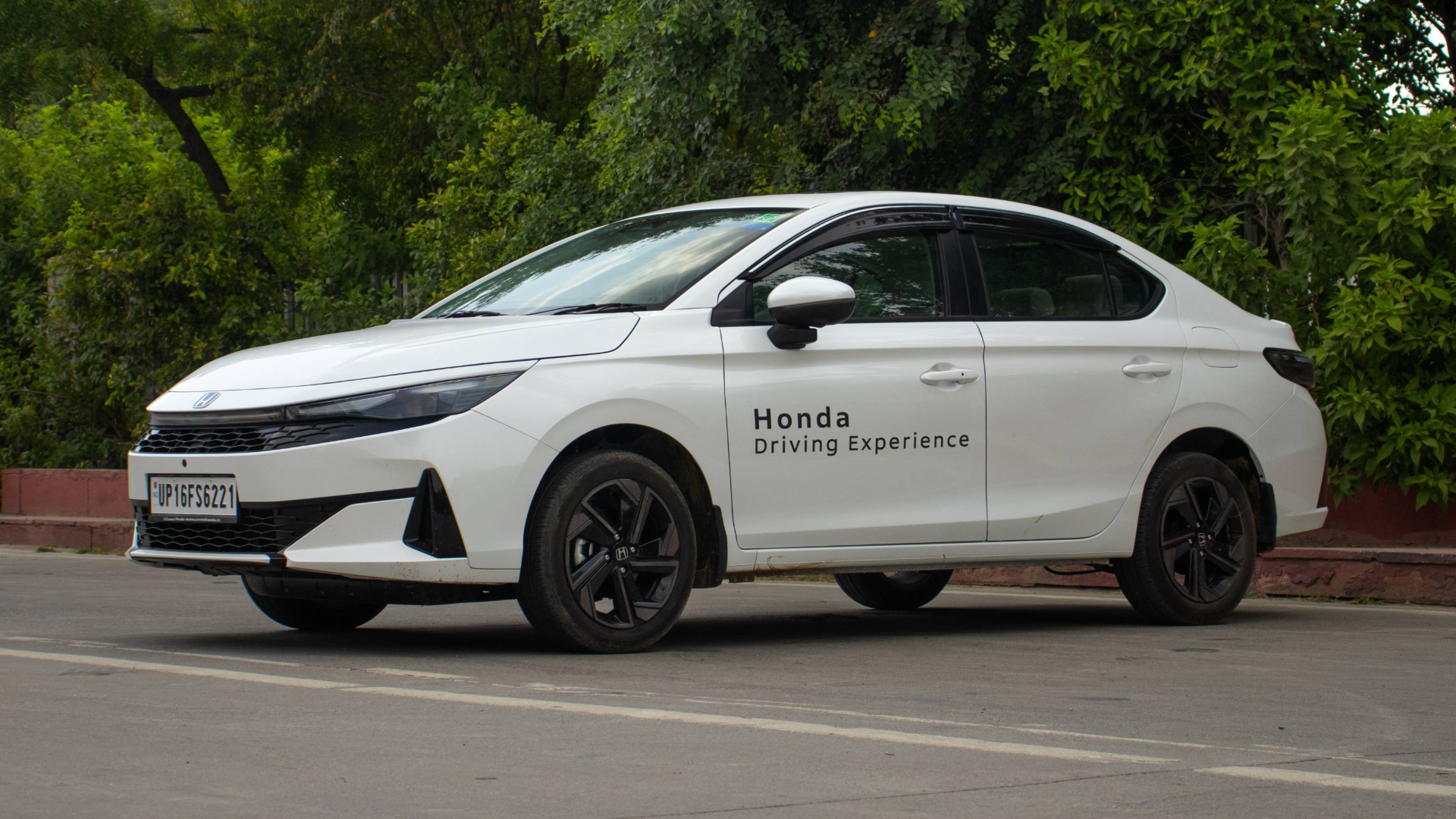
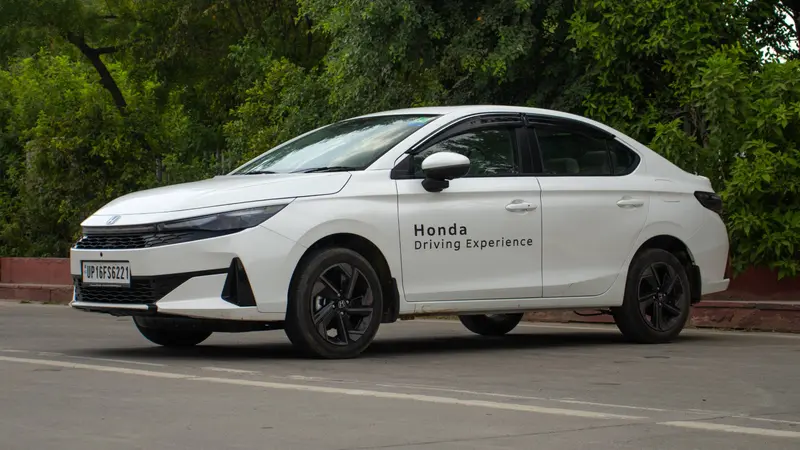
The side profile is largely unchanged, as the body structure carries over.
New 16-inch dual-tone diamond-cut alloy wheels with an aero-blade design refresh the side view, and the chrome exterior trim has been eliminated in favour of a cleaner, darker finish that suits the updated front design better. At 4594 mm in length, the City is now the longest sedan in the segment by a small margin.
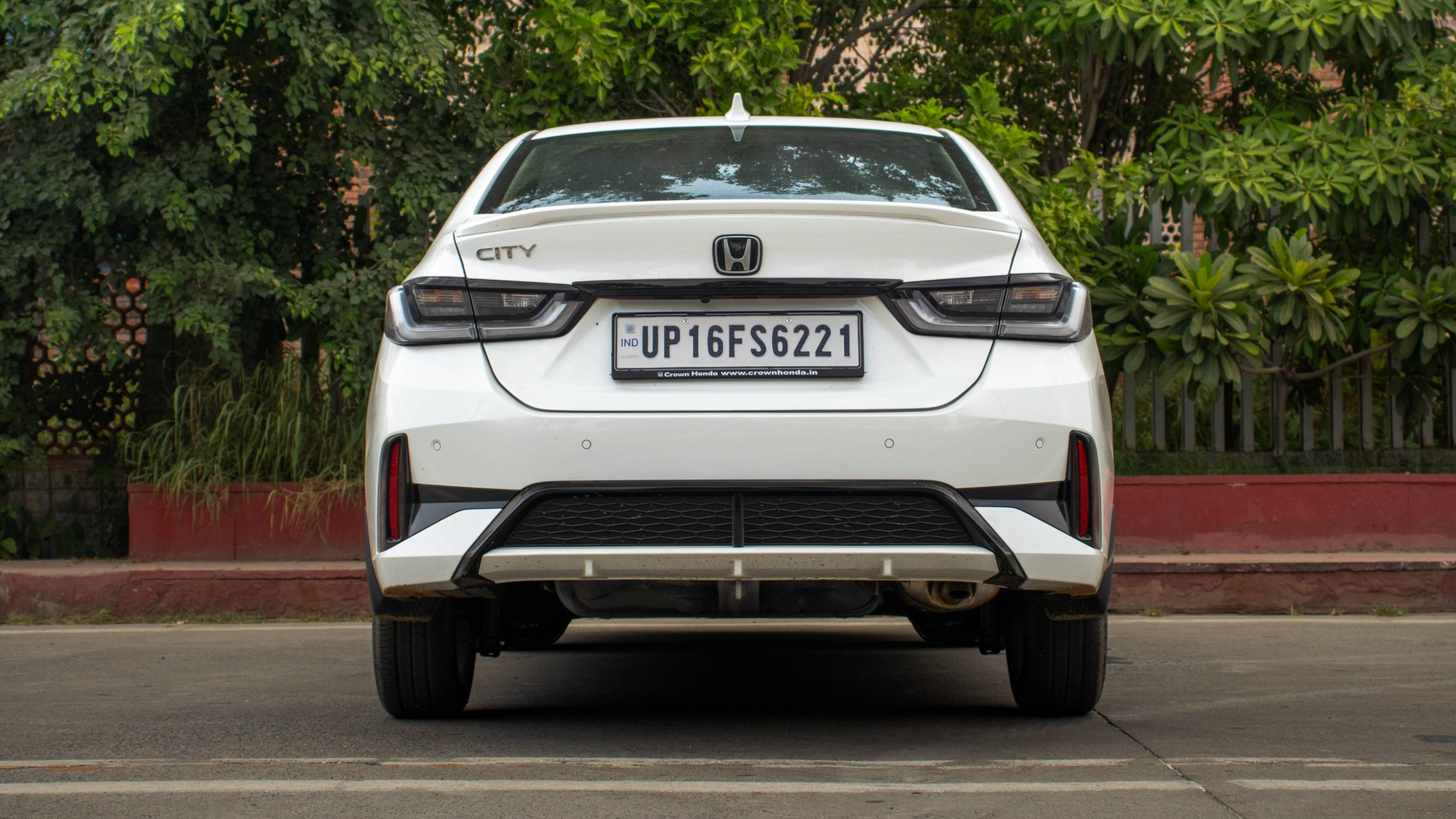
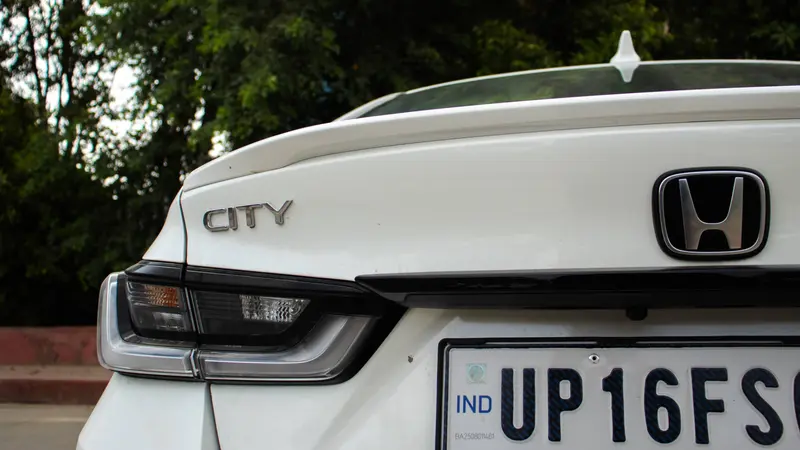
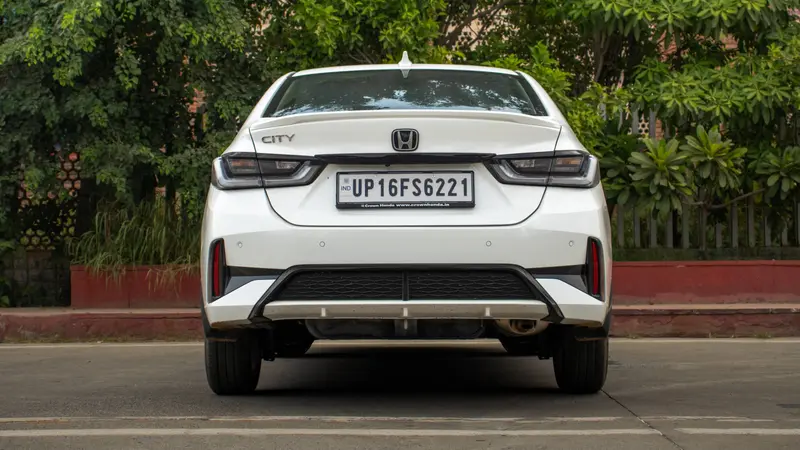
The rear receives smoked-finish tail lamps and a revised bumper with a honeycomb pattern that ties in with the front. The changes are less extensive than at the front but contribute to a coherent visual update across the car.
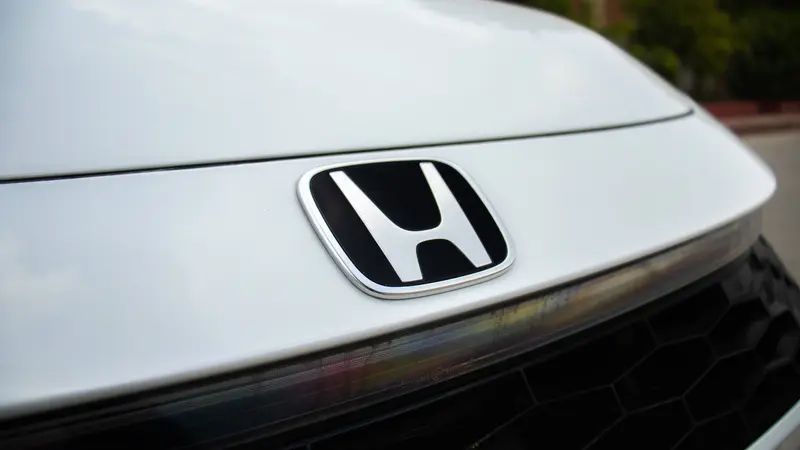
Blue accents inside the Honda logos at the front and rear and e:HEV badging on the tailgate are the only design elements that differentiate the City Hybrid from the petrol variants.
Ground clearance of 165 mm is the lowest in the immediate competitive set. The Skoda Slavia and Volkswagen Virtus clear 179 mm, and the Hyundai Verna manages 172 mm. In practice, the City's clearance is adequate for most Indian road conditions, but it requires more care on sharply crowned speed breakers and rough rural roads than rivals. It is a genuine consideration for buyers in cities with poor road conditions or those who frequently travel on poorly maintained routes.
The narrower 185-section tyre profile, though contributing to fuel efficiency, provides a smaller contact patch than the wider tyres on all its rivals. This is reflected in slightly less lateral grip in fast corners, though it is not noticeable in normal driving.
safety
safety
| Features | Petrol | Hybrid (e:HEV) |
|---|---|---|
| 6 Airbags, ABS-EBD, ESP, Hill Hold, ISOFIX, TPMS, Seatbelt Alert | Standard across all variants | Yes |
| Rear Camera | Standard; 360-degree camera on ZX+ only | Rear camera only (no 360-degree) |
| ADAS | Level 2 Honda Sensing (V and above) | Level 2 Honda Sensing + Low Speed Follow |
| Brakes | Front Discs, Rear Drums | All Four Discs |
| Parking Brake | Manual handbrake | Electronic parking brake with auto hold |
| AVAS | NA | Yes (pedestrian alert in EV mode) |
The Elevate gets six airbags, ABS with EBD, ESP, hill hold, ISOFIX mounts, and TPMS as standard across all variants.
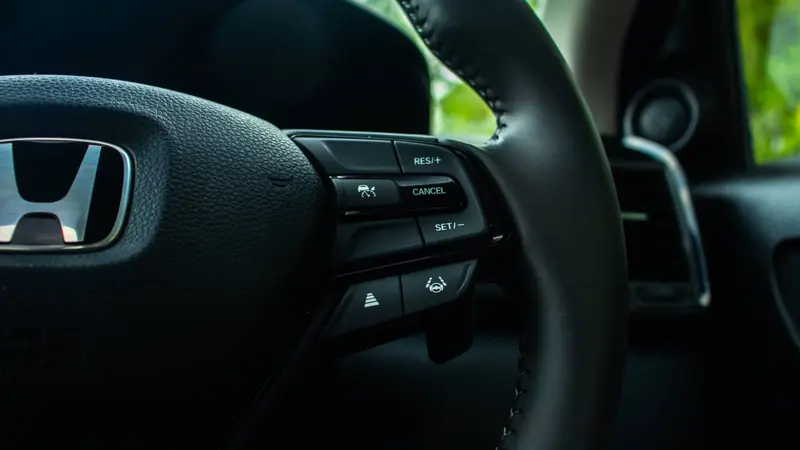
Honda Sensing ADAS suite (Level 2), available from the V variant, adds radar-based and camera-based inputs for adaptive cruise control, autonomous emergency braking, lane keep assist, and automatic high beam control. The system is functional and generally well-regarded, though reviewers note that the lane keep assist can be inconsistent in poor lane marking conditions, which is a realistic assessment given typical Indian road infrastructure. The 2026 update includes recalibration aimed at improving consistency in adverse conditions.
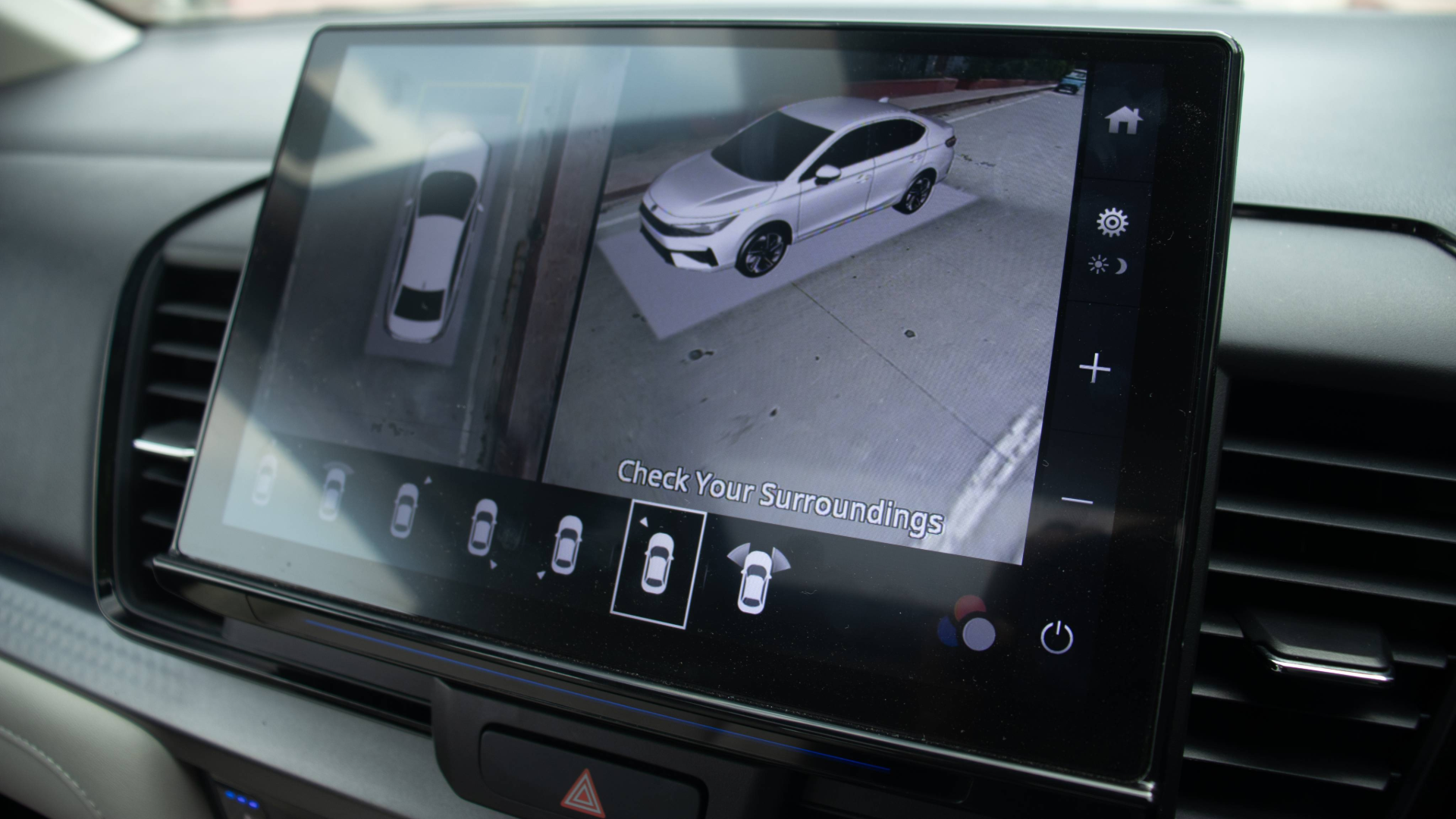
The 360-degree camera introduced with the 2026 facelift is a useful addition given the City's length, but reviewers note that the image resolution and stitching quality are not class-leading. It gets the job done but does not match the quality of the systems its rivals offer.
The LaneWatch blind-spot camera, a Honda system that displays the left-side blind zone on the infotainment screen when the left indicator is activated, is practical and well-implemented, adding genuine safety value in urban lane-change situations.
The fifth-generation City has not been independently tested by Bharat NCAP or Global NCAP. The 4-star Global NCAP rating referenced in marketing materials belongs to the previous fourth-generation model. The fifth-generation platform is understood to meet equivalent or higher structural standards, and Honda's application of six airbags and active safety systems across all variants reflects that confidence.
The rear drum brake setup on petrol variants is the one safety-adjacent gap that rivals exploit in comparisons. Front disc brakes on the petrol City are adequate in normal conditions but provide slightly less consistent stopping performance under repeated heavy braking compared to all-disc setups.
The e:HEV adds disc brakes on the rear wheels, an electronic parking brake (EPB), and AVAS (Acoustic Vehicle Alerting System), which emits a subtle sound at low speeds when running purely on electric battery mode to alert pedestrians.
competition
competition
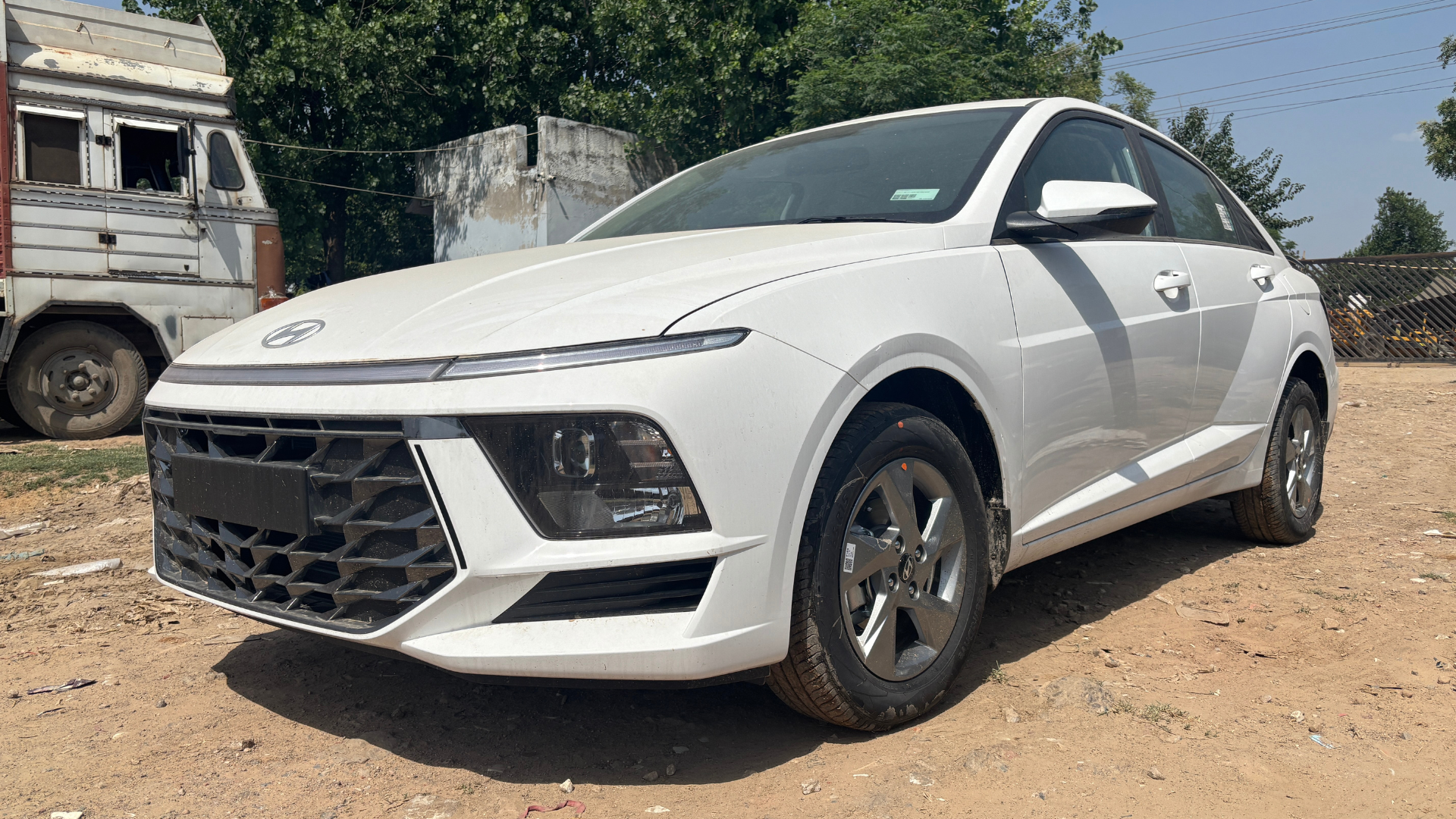
The Hyundai Verna is the City’s oldest rival and the segment's bestseller. It offers more powertrain variety, including a 158 bhp turbo-petrol with a DCT that is considerably more engaging to drive than the City's naturally aspirated unit.
The Verna's feature list in upper trims is longer, its wheelbase is the longest in the segment at 2670 mm, and its boot at 528 litres edges past the City's. It also boasts a Bharat NCAP 5-star rating. The City counters with a more refined and predictable powertrain character, stronger long-term reliability reputation, and significantly better resale value as a result.
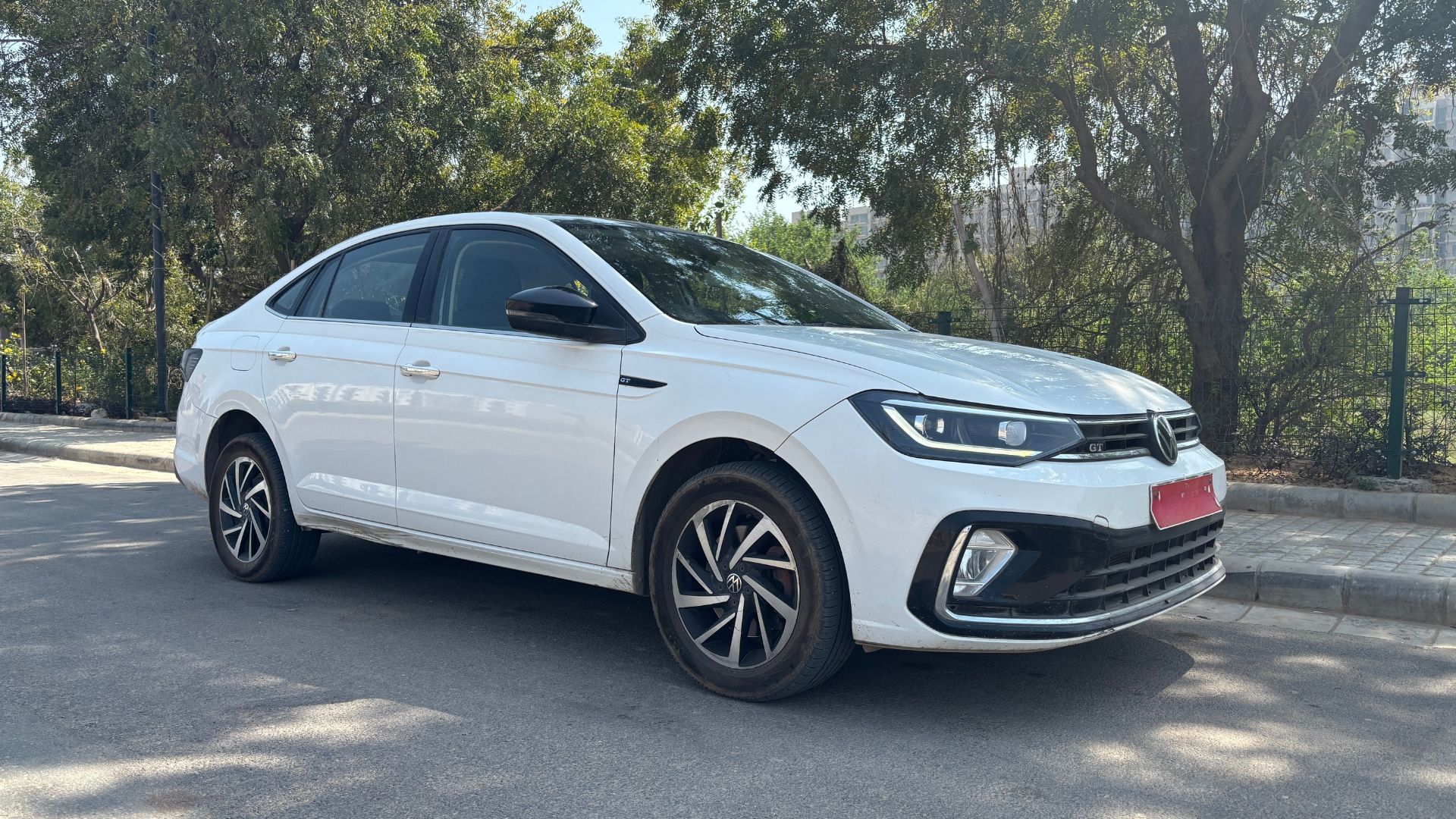
The Skoda Slavia and Volkswagen Virtus share the same MQB-A0-IN platform and are the performance-oriented choices in the segment. Both offer a 1.5-litre turbo-petrol with 158 bhp and a 7-speed DSG that delivers genuinely spirited performance, and a 1.0-litre turbo-petrol entry option.
Ground clearance of 179 mm is a highlight, being the highest in the class. Neither currently offers an ADAS suite or a hybrid option, and their long-term ownership costs and service network depth do not match Honda's in many markets.
For buyers who want driving engagement, these two are the segment's most compelling choices. For buyers who prioritise efficiency, reliability, and comfort, the City is the more logical answer.
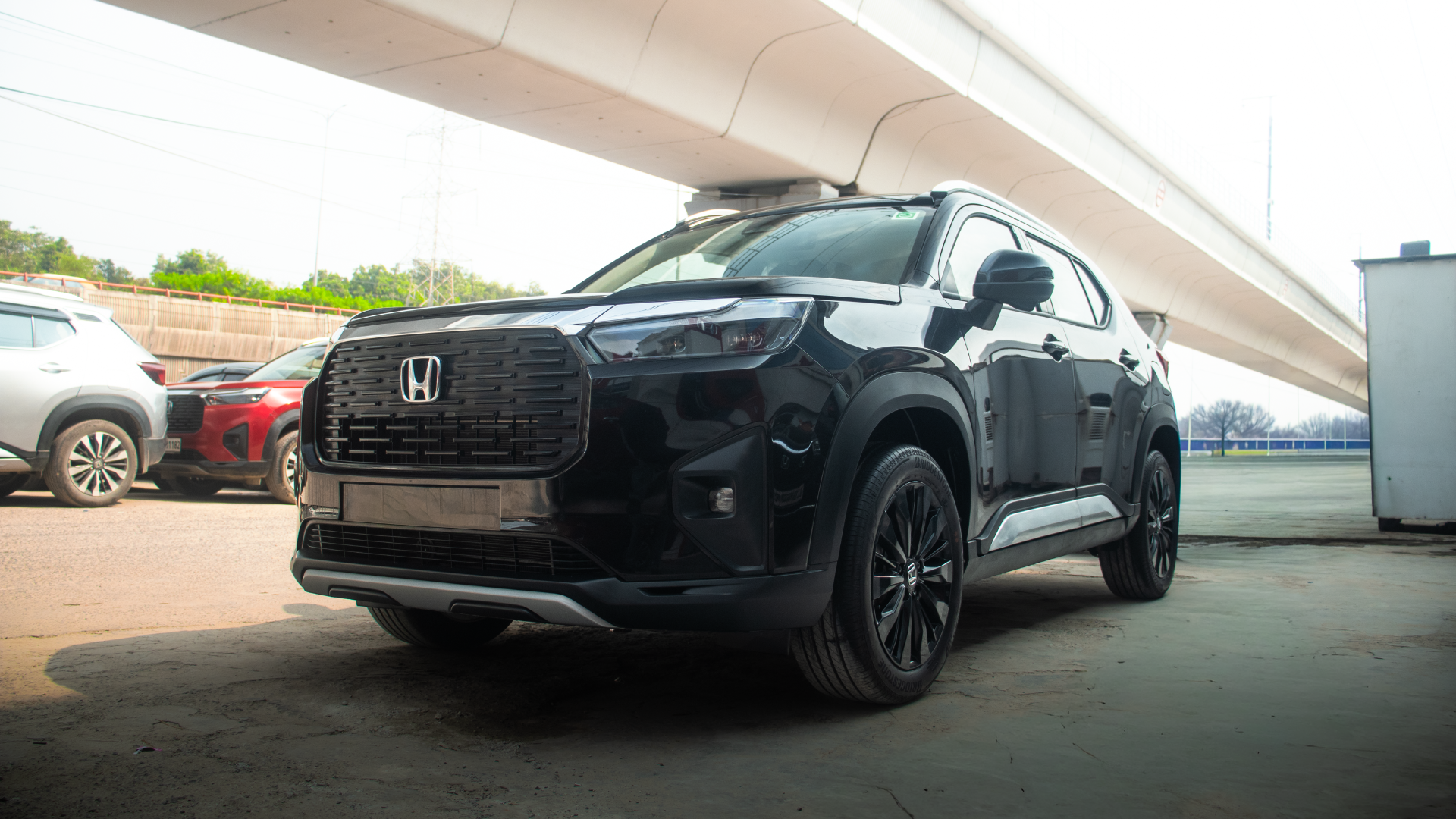
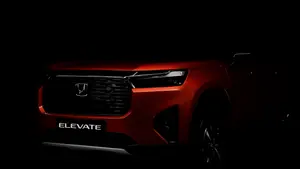
While they are from completely different segments, the Honda Elevate is definitely worth a look for prospective City buyers.
It is an ideal pick for those who want the Honda badge, refinement and service experience but are worried about the City's ground clearance limitation. The Elevate is built on the same platform, uses the same petrol engine and transmissions, and offers a similar driving character, but in an SUV body with more ground clearance (220 mm).
Both cars are priced quite similarly throughout their variant range, though the Elevate does not come with a hybrid option yet.
For high-mileage users or buyers who can absorb the higher upfront cost, the City hybrid's running cost advantage makes a compelling case throughout the life of the vehicle.
final verdict
final verdict
The Honda City has been the midsize sedan benchmark in India for most of the past two decades, and the 5th generation with the recent facelift is its most convincing version yet.
The exterior is sharper than it has been in years, the interior has been meaningfully upgraded with a larger screen, ventilated seats, and a 360-degree camera, Level 2 ADAS are now available from the second trim, and the powertrains continues to deliver the refined, fuss-free performance the City has always been known for.
The gaps are real but predictable. There is no turbo-petrol option, the 40-litre fuel tank is the smallest in the segment, ground clearance at 165 mm is the lowest in the class, boot space in the hybrid is seriously lacking for a sedan of this segment, the rear drum brakes on petrol variants are a compromise against rivals offering all-disc setups, and the fifth-generation platform has not been formally crash-tested by Bharat NCAP or Global NCAP, which is a gap that Honda should address.
None of these are reasons to dismiss the City. In fact, these are reasons to buy it knowingly, understanding what it is and what it is not. It is not the most powerful sedan in this space, and it is not the most feature-loaded in terms of sheer spec-sheet length.
What it is, and has consistently been, is the most refined, reliable, the easiest to live with daily, and the most trusted sedan over the long term.
For a first-time sedan buyer, a family looking for a comfortable, efficient daily driver, or anyone who values dependable ownership experience above all else, the Honda City remains the most sensible choice in its segment. Buy the V CVT for the best everyday value, or the ZX+ for the full feature experience.
Those who drive a lot and prioritize fuel economy above everything else should spend the extra and get the hybrid. It is a different car to drive and with real world mileage figures surpassing 20 km/l, its long-term economics are difficult to argue with.
Honda City mileage
The Honda City mileage ranges from 17.8 to 27.26 kmpl. The Manual Petrol variant has an ARAI mileage of 17.8 kmpl. The Automatic Petrol variant has an ARAI mileage of 27.26 kmpl.
| Fuel Type | Transmission | ARAI Mileage | * City Mileage | * Highway Mileage |
|---|---|---|---|---|
| Petrol | Manual | 17.8 kmpl | - | - |
| Petrol | Automatic | 27.26 kmpl | - | - |
Honda City News
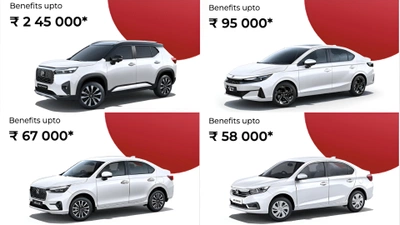
Honda Cars Available With Benefits of Up to Rs. 1.79 Lakh This September 2026
Honda India's September 2026 offers cover the Elevate, City, and Amaze, with the Elevate getting up to Rs. 1.79 lakh in benefits or up to Rs. 2.44 lakh on specific ZX variants with accessory packages. Here is the full breakdown.
Arjun Nair
September 9, 2026
Honda City FAQs
What is the claimed mileage of the 2026 Honda City?
−The petrol manual returns 17.77 kpl and the petrol CVT does 17.97 kpl as per ARAI figures. The hybrid e:HEV tops the chart at 27.26 kpl claimed. All variants share a 40-litre fuel tank.
What is the real-world mileage of the Honda City?
+For the hybrid Honda City e:HEV, you can expect anywhere between 22 to even 30 kmpl on highways. In city conditions, the mileage usually drops to around 20 to 21 kmpl. For the regular petrol Honda City, 10 to 14 kmpl is achievable in daily driving, while highway mileage can go up to around 15 to 16 kmpl.
What colours is the 2026 Honda City available in?
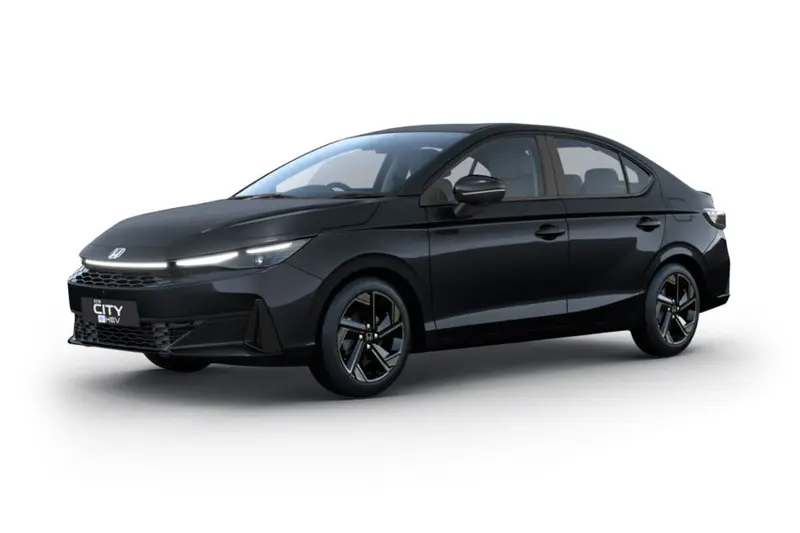
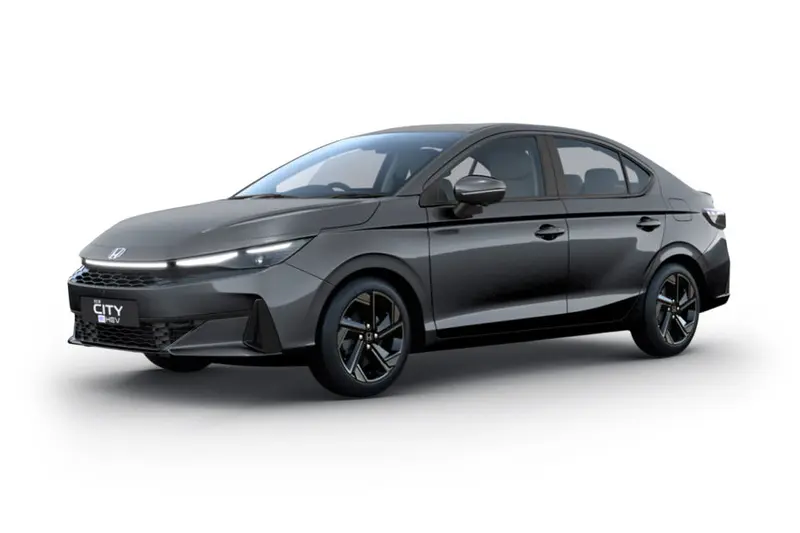
+Six colours are on offer: Crystal Black Pearl, Radiant Red Metallic, Obsidian Blue Pearl, Platinum White Pearl, Lunar Silver Metallic, and Meteoroid Gray Metallic. The evil looking Crystal Black Pearl is a new addition for this facelift
What is the power and torque of the 2026 Honda City?
+The petrol i-VTEC produces 121 hp and 145 Nm. The hybrid e:HEV makes 126 hp system power and 253 Nm, using a 1.5-litre engine paired with a lithium-ion battery and dual electric motors.
What is the EV-only range of the Honda City hybrid?
+The City e:HEV is not a plug-in hybrid, so there is no defined EV-only range figure in km. Below 30-40 kmph in city traffic with light loads, the car drives entirely on battery power from the main electric motor with the engine off and zero fuel consumption. This is why city owners consistently report 23-25 kpl. The battery self-charges while driving and cannot be plugged in
What transmission options does the Honda City get?
+The petrol variants of the Honda City come with a 6-speed manual or a 7-step CVT. The hybrid gets an e-CVT.
What is the ground clearance of the 2026 Honda City?
+The ground clearance is 165 mm, unchanged from the pre-facelift model.
Which variants of the Honda City get ADAS?
+The V variant (and all higher variants) carries the full Honda Sensing Level 2 ADAS suite including Collision Mitigation Braking, Adaptive Cruise Control, Auto High-Beam, Lane Keeping Assist, and Road Departure Mitigation. The V petrol MT is thus the most affordable City with ADAS.
How much boot space does the Honda City offer?
+The Honda City offers 506 litres of boot space in its petrol variants. The City Hybrid only gets 306 litres due to the battery placement.