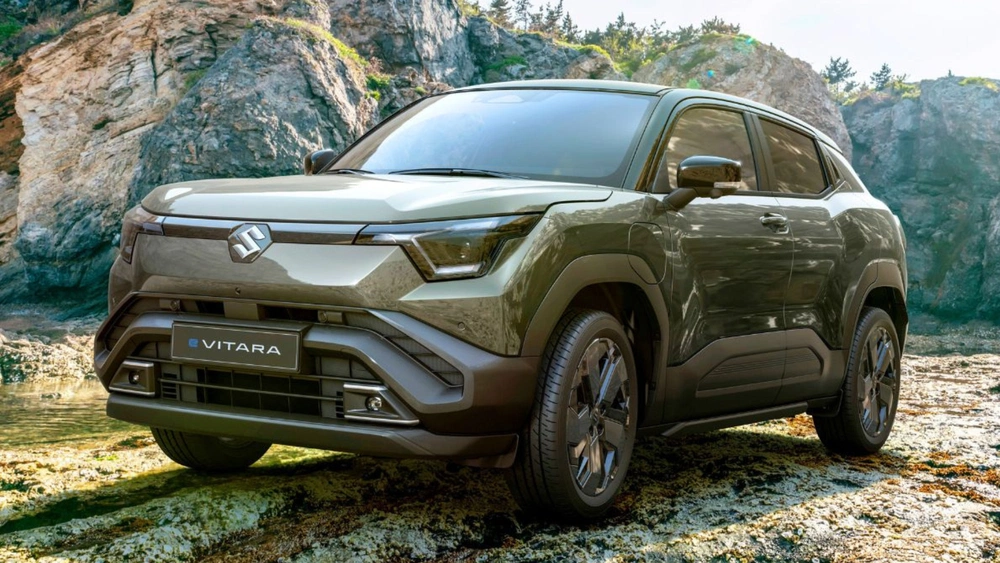
Maruti Suzuki has launched its first fully electric SUV, the e‑Vitara, marking a major step into India’s EV market. With an aggressive pricing strategy, the e‑Vitara competes directly with electric rivals like the Tata Nexon EV and MG Windsor.
It comes with two battery options that deliver a range of up to 543 km and includes safety and comfort features, making it a compelling option for families and city drivers alike.
Update- Maruti’s eVitara Delta variant has now arrived at dealerships. Its base price is ₹15.99 lakh, while the price with the battery subscription model is around ₹10 lakh. It comes with a smaller 43 kWh battery pack and offers a claimed range of 440 km. In real world conditions, you can expect a range of around 350 km.
What Is the Battery-as-a-Service (BaaS) Model?
The Battery-as-a-Service (BaaS) model separates the battery cost from the car’s upfront price. Traditionally, the battery makes up a significant portion of an EV’s cost, often 30–40%. With BaaS, buyers pay for the vehicle body at a lower price and rent the battery via a per-kilometre fee, similar to fuel costs.
This approach lowers the entry barrier for new buyers, shifts battery maintenance and degradation risks to the manufacturer, and helps maintain resale value.
How the e-Vitara BaaS Works
Maruti has introduced a “dual-loan” finance option for the e‑Vitara. The base SUV can be booked at an introductory price of ₹10.99 lakh. Battery usage is charged at ₹3.99 per kilometre, which means for a typical 1,500 km monthly drive, the battery cost would be around ₹5,985, excluding electricity.
Also Read- Which EVs Are Available With BaaS Scheme?
This applies to both the 49 kWh (440 km range) and 61 kWh (543 km range) battery packs, though the entry price is for the smaller 49 kWh Delta variant.
Key Terms and Conditions
Maruti bundles the e‑Vitara with the NEXA Edge package to make EV ownership easier. The battery comes with an 8-year or 1,60,000 km warranty, while the vehicle has a standard 3-year warranty extendable up to 8 years. Home charging is included with a 7.4 kW wall box, and one year of public charging is complimentary. Buyers also get an assured buyback, up to 60% of the car’s value after three years.
| Feature | Details |
|---|---|
| Assured Buyback | 60% after 3 years or 50% after 4 years |
| Battery Warranty | 8 years or 1,60,000 km |
| Vehicle Warranty | 3 years standard, extendable up to 8 years |
| Home Charging | Free 7.4 kW wall box + installation |
| Public Charging | 1 year free via app |
| Eligibility | Primarily for personal use; finance approval required |
Pricing Overview
The e‑Vitara is available with two ownership options. With BaaS, the starting price is ₹10.99 lakh plus ₹3.99/km for battery usage. For buyers who prefer to own the battery outright, the estimated total cost is around ₹15.99 lakh. A booking amount of ₹21,000 secures the SUV. This flexible approach allows buyers to choose the model that best fits their driving habits and budget.
| Variant | Battery | Price with Battery (ex-showroom) | Price with BaaS (ex-showroom) + Battery Rental Fee |
|---|---|---|---|
| Delta | 49 kWh | ₹15.99 lakh | ₹10.99 lakh + ₹3.99/km |
| Zeta | 61 kWh | ₹17.49 lakh | ₹11.99 lakh + ₹4.39/km |
| Alpha | 61 kWh | ₹19.79 lakh | ₹14.29 lakh + ₹4.39/km |
| Alpha Dual Tone | 61 kWh | ₹20.01 lakh | - |
Full Disclosure
The Rs 3.99 per km headline sounds attractive, but it only works if you drive 60 km every single day, every month, without fail. That is 1,800 km a month Maruti says you have to drive every month minimum
At that usage (₹3.99 *1800km Delta model), the battery EMI per month comes to roughly Rs 7,182 on top of 10.99 lakhs you paid upfront or took an EMI for example of 10,000 per month.
Drive 30 km a day instead? Your real per kilometer cost effectively doubles because the EMI stays the same and Maruti will charge you for 1800 km a month minimum
The math does not change just because the marketing sounds good.
The table below shows the kind of monthly Vitara EV running cost you can expect depending on whether you drive the full 1,800 km or less, assuming a fixed EMI.
| Metric | 60 km/day Usage | 30 km/day Usage |
|---|---|---|
| Daily Distance | 60 km (given) | 30 km (given) |
| Actual Monthly Distance (Km*30 days) | 60 × 30 = 1,800 km | 30 × 30 = 900 km |
| Billed Distance (minimum per month even if you drive less than 1800 km) | 1,800 km | 1,800 km |
| Running Cost (@ ₹3.99/km) | 1,800 × 3.99 = ₹7,182.00 | 1,800 × 3.99 = ₹7,182.00 |
| EMI (Fixed) | ₹10,000.00 | ₹10,000.00 |
| Total Monthly Cost | 7,182 + 10,000 = ₹17,182.00 | 7,182 + 10,000 = ₹17,182.00 |
| Effective Cost per km | 17,182 ÷ 1,800 = ₹9.55/km | 17,182 ÷ 900 = ₹19.09/km |
Upgrade to the 61 kWh battery? The EMI goes up. The per km cost goes up. So the advertised number applies only to the base battery under fixed usage assumptions. It is a calculated projection, not a guaranteed real world running cost.
The Rs 3.99 per km figure also excludes RTO, insurance, TCS and other statutory charges. You still pay taxes on the full vehicle value because you own the battery. This is not a battery rental where risk sits with the company. The financial responsibility sits with you.
Now the warranty. Globally, the battery gets 10 years in some markets. In India, it is 8 years. That is two years less coverage on the most expensive component of the car.
There is no scam here. But there is heavy framing. If whoever reading this article has decided to buy the E-Vitara, please look very hard before you leap!
Source- Maruti, NEXA
Table of Contents
- What Is the Battery-as-a-Service (BaaS) Model?
- How the e-Vitara BaaS Works
- Key Terms and Conditions
- Pricing Overview
- Full Disclosure
Join the Conversation
Trending

Hyundai Bayon Unveiled With 115 HP, Bookings Open at Rs. 11,000
Hyundai has unveiled the India-spec Bayon with dual 12.3-inch screens, a generative AI voice assistant and a 115 PS 1.5-litre petrol engine. Bookings are open at Rs 11,000, but the price is yet to be revealed.
Anmol Kumar
October 12, 2026
Upcoming Car Launches in October 2026
Upcoming car launches in India in October 2026 include the Toyota Glanza facelift, Mahindra XUV 3XO CNG, new-generation Audi Q3 and Renault Duster Strong Hybrid.
Anmol Kumar
October 12, 2026
Renault Duster E-Tech 160 Hybrid Explained
The Renault Duster E-Tech 160 strong hybrid combines a 1.8-litre petrol engine with two electric motors, delivering 160 PS and a claimed 29 kmpl. Here is how it compares with the Maruti Suzuki Grand Vitara strong hybrid.
Salil Kumar
October 12, 2026
Featured
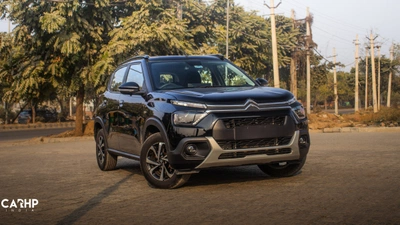
Citroen C3 Review: Who Should Consider This Car?
A few days ago, I took the Citroen C3X out for a spin in the city and on the highways. I travelled long distances and checked its fuel efficiency, features, comfort, and other factors. Today, I’ll briefly share my overall experience with the C3X and will tell you whether you should consider it or not and which is the most value-for-money variant of the lot.
Vatsal Agrawal
May 19, 2026
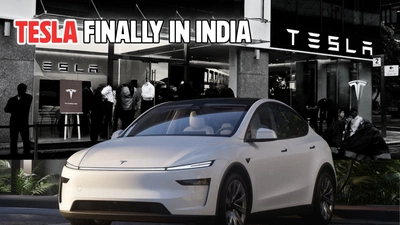
Tesla Finally In India Officially. Why Now And What Does It Mean For EVs?
The much-anticipated 2025 Tesla Model Y has officially arrived in India, marking a pivotal moment for the nation's burgeoning electric vehicle market. Launched on July 15, 2025, the Model Y Juniper facelift offers cutting-edge technology, impressive range, and signature Tesla performance. Positioned as a premium electric SUV, its entry will intensify competition and reshape consumer expectations for EVs across the subcontinent.
Author
July 17, 2025
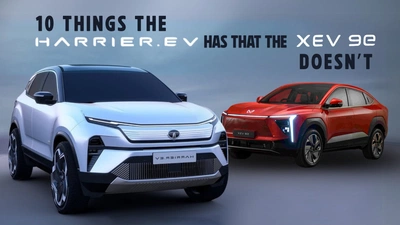
Here Are 10 Things The Harrier.EV Offers That The Mahindra XEV 9E Doesn't
The Harrier.EV is an incredible new offer from Tata. Its most popular competitor would be the Mahindra XEV 9E, priced similarly. With these two incredible offerings from home grown brands available, here is a list of everything the Harrier.EV offers that the XEV 9E doesn't.
Author
June 13, 2025
Write a comment
Comments
1Manikandan
April 28, 2026Good content to read. This gave me a good awareness and I have to dig more deeper before buying any ev car. Thank u
Team CARHP
Hello, Mr. Manikandan, Thank a lot, please share the article so that more people can make a smarter buying decision.