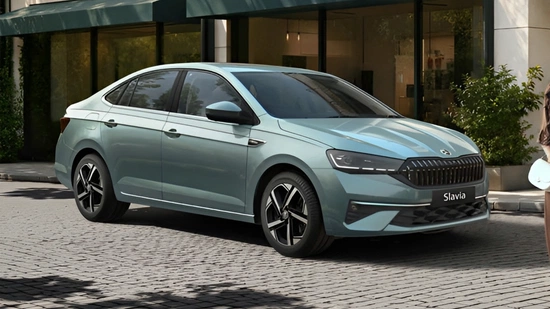
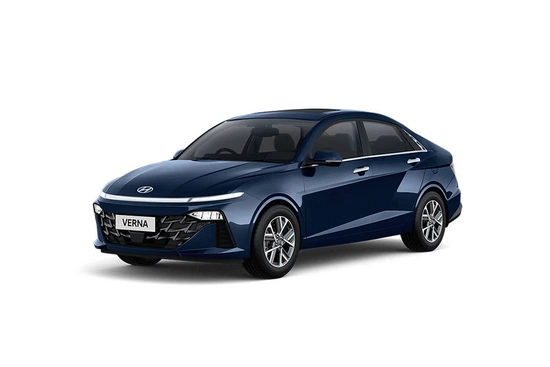
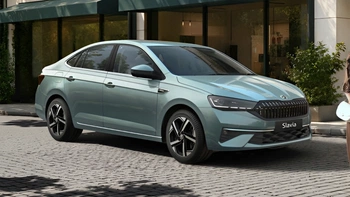
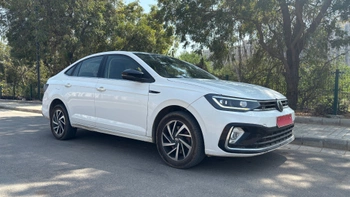
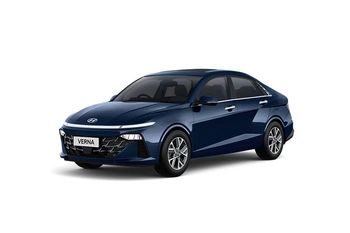
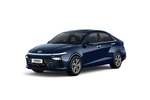
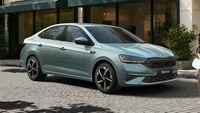
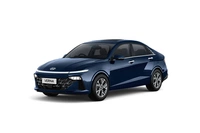
Skoda Slavia vs Hyundai Verna - Which One Should You Buy
Skoda Slavia vs Hyundai Verna Comparison at CarHP India. Compare Skoda Slavia and Hyundai Verna Prices, Mileage, Features, Specs, Colours and much more.
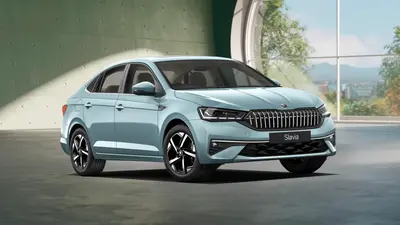
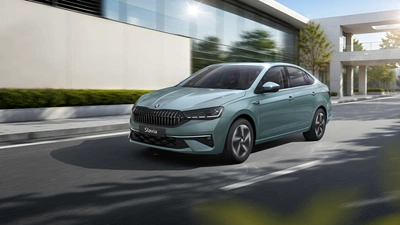
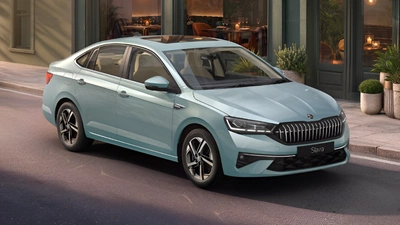
Skoda Slavia is available in 12 variants, while Hyundai Verna comes in 18 variants. The Slavia is priced between ₹10.00 Lakh and ₹18.33 Lakh, while the Verna costs from ₹10.79 Lakh to ₹17.13 Lakh. Both of these stylish five-seater sedans are made for a smooth and comfortable ride. The Slavia runs on a 1498cc engine that generates 147.51bhp and 250Nm of torque with a 7-speed automatic gearbox. In comparison, the Verna has a 1482cc engine that produces 157.57bhp and 253Nm of torque with a 7-speed DCT. For carrying luggage, the Slavia offers a 521-litre boot, whereas the Verna provides a slightly larger space of 528 litres. On the inside, both cars come with premium features such as automatic climate control, cruise control, and a start-stop button for the engine. The Slavia features a 25.4 cm infotainment system with wireless connectivity, while the Verna offers a leather-wrapped steering wheel and sharp LED DRLs. Safety is a major highlight as both sedans have earned a 5-star safety rating and include six airbags, ABS, ESC, and Hill assist. The Verna also includes lane keep assist for better safety in heavy city traffic. These vehicles are very well-suited for daily metro commutes and long highway drives with the family. The Slavia is a great option for people who like a strong European build, while the Verna is perfect for those wanting more power and advanced safety features. Both sedans provide a perfect mix of luxury and daily practicality for modern urban families. Book a test drive through us before the final decision to get exclusive benefits, special discounts, and the best available offers.
₹ 10 Lakh

₹ 10.99 Lakh


Compare Minimum 2 Cars At Once — Tap To Activate / Deactivate
Smart Summary for Car Selection
Why choose
- Holds a 5-star rating from Global NCAP for both adult and child occupant protection, making it one of the most completely verified sedans in India for structural safety
- The 1.5-litre TSI with a 7-speed DSG produces 150PS and 250Nm; in manual form it is the most driver-focused powertrain in this segment and covers 0-100kmph faster than the Verna
- Boot space at 521 litres is larger than the Verna's, which matters for families who regularly travel with luggage
- The 1.0-litre TSI entry engine is paired with a 6-speed manual or a 6-speed automatic torque-converter, giving buyers a smooth auto option at the lower price point
- Skoda's build quality and switchgear feel is consistently rated above the Verna's by owners who cross-shop the two
Why not choose
- No ADAS of any kind on the current Slavia; the Verna offers radar-and-camera-based driver assistance across its upper variants, which the Slavia cannot match
- Skoda's service network is considerably smaller than Hyundai's, and owners in tier-2 cities regularly report long wait times for parts that Hyundai dealers stock routinely
- The 1.0-litre TSI DSG combination has attracted a small but consistent number of owner reports about hesitation during slow-speed manoeuvring that appeared after software updates
- No diesel option; the Slavia is petrol-only, which removes it from consideration for buyers who cover very high monthly distances
- Resale values trail the Verna's in the used car market, reflecting the service network gap and Skoda's smaller buyer base in India
Why choose
- Level 2 ADAS including adaptive cruise with stop-and-go, autonomous emergency braking, lane departure warning, and blind-spot monitoring is available on higher variants and represents a genuine safety advantage over the Slavia
- Rear seat space and comfort are better than the Slavia's in practical terms: more recline in the backrest, rear AC vents, and optional rear seat ventilation on top variants
- 64-colour ambient lighting, a panoramic sunroof, a 10.25-inch infotainment system and a Bose sound system create the more feature-rich cabin experience in this comparison
- Hyundai's service network is among the widest for any non-Maruti brand in India, with strong parts availability in cities where Skoda's presence is limited
- A 1.5-litre naturally aspirated petrol with a CVT gives a very smooth, low-effort option for urban buyers who find DCT calibration concerning
Why not choose
- No independent 5-star crash test rating from Global NCAP or Bharat NCAP has been published for the current Verna; the Slavia holds a verified 5-star result that the Verna cannot currently match
- The naturally aspirated 1.5-litre CVT combination is fuel-efficient but feels uninspired on fast-moving roads; buyers who enjoy driving will find the Slavia's 1.5 TSI significantly more engaging
- The 1.0-litre turbo-petrol produces 120PS but its DCT calibration in slow traffic is less settled than the Slavia's equivalent, and owners in congested metros report the hesitation more frequently
- Top-end Verna variants carry pricing that can feel difficult to justify against the feature-per-rupee calculation when rival SUVs are available for similar money
- The CVT's elastic feel on uphill sections under load is a characteristic that some buyers find unsatisfying compared to a proper step-gear automatic
Skoda Slavia
Buyers who want the most driver-focused experience in the mid-size sedan segment and place structural safety above ADAS technology will find the Slavia hard to argue against. The 1.5 TSI with the DSG or the manual is the most engaging powertrain in this comparison, and the 5-star Global NCAP result for adult and child protection gives the Slavia a verified safety credential the Verna does not yet carry.
The boot advantage over the Verna is real and noticeable. The non-negotiable limitation is the complete absence of ADAS: buyers for whom adaptive cruise or automatic emergency braking is a requirement should end the Slavia conversation here. Service network reach is the other concern; buyers outside the major metros should map the nearest Skoda service centre before deciding. The Slavia suits the driver who values a settled chassis, a properly calibrated gearbox, and a verified crash rating.
Hyundai Verna
For buyers who want ADAS in a mid-size sedan, the Verna is currently the only credible option in this segment that offers it. Adaptive cruise, autonomous emergency braking and lane-keep assist on higher variants represent a technology lead the Slavia does not hold and cannot answer. The rear seat comfort advantage is also real: ventilated rear seats, better recline and the panoramic sunroof create a more premium back-seat experience that families will appreciate.
The trade-off is that the Verna has not published a Global NCAP or Bharat NCAP result, and the Slavia's 5-star result creates a structural safety question that the Verna's ADAS advantage cannot fully resolve. Buyers who want an undemanding, smooth sedan primarily for city use will find the CVT 1.5 the lowest-effort option in the comparison. For feature completeness and ADAS access, the Verna is the more contemporary answer.
Engine and Performance
Performance Specifications
Fuel Specifications
Dimensions and Design
Interior Specifications
Wheels & Tires
Suspension, Brakes & Steering
Safety Features
Interior Features
Comfort & Convenience
Infotainment Features
Exterior Features
Brochure
EMI Cost Comparison
Assuming 20% down payment, 9.5% interest, 60-month tenure
Pros & Cons Comparison
Things We Like in Skoda Slavia
- Very well‑tuned 1.0‑liter engine in terms of power and NVH
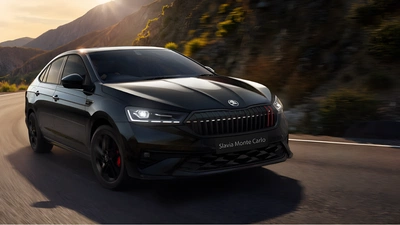
- Sharp styling and the now‑available Monte Carlo trim is pretty hot‑looking
Things We Like in Hyundai Verna
- Turbo variant produces 158 hp and 253 Nm.
- 45-litre fuel tank suits highway use.
Things We Don't Like in Skoda Slavia
- Skoda service network is still sporadic; it's improving as we speak
- Drum brakes on even the top‑tier trims are a joke that I have never laughed at
Things We Don't Like in Hyundai Verna
- Spare tyre is a 15-inch steel unit on all trims.
- Electric parking brakes are limited to some variants.
Hyundai Verna Comparisons
Car News