Kia Syros vs Mahindra XUV 3XO - Which One Should You Buy
Kia Syros vs Mahindra XUV 3XO Comparison at CarHP India. Compare Kia Syros and Mahindra XUV 3XO Prices, Mileage, Features, Specs, Colours and much more.
The Kia Syros comes in 17 variants. Engine options include Petrol and Diesel as per the selected variant, paired with manual or automatic transmissions. The selected variant is priced at ₹8.42 Lakh. The cheapest variant, HTE Turbo, costs ₹8.42 Lakh, while the top-end variant, HTX Opt Diesel AT, is priced at ₹15.82 Lakh. The Mahindra XUV 3XO comes in 41 variants. Engine options include Petrol, Diesel and CNG as per the selected variant, paired with manual, automatic, or auto transmissions. The selected variant is priced at ₹7.79 Lakh. The cheapest variant, MX1, costs ₹7.79 Lakh, while the top-end variant, AX7 L Turbo AT, is priced at ₹15.04 Lakh.
₹ 8.42 Lakh

₹ 7.79 Lakh


Compare Minimum 2 Cars At Once — Tap To Activate / Deactivate
Smart Summary for Car Selection
 Why Choose Kia Syros?
Why choose the Kia Syros
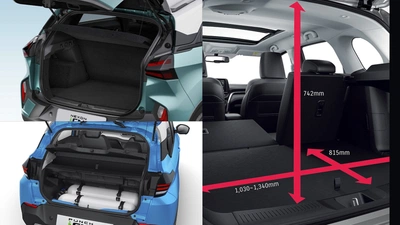
- Its 465-litre boot is 101 litres bigger than the XUV 3XO's 364 litres, so a family of four packs full-size suitcases where the Mahindra forces a rethink.
- The rear seat reclines and fits a six-footer, so a tall passenger on a four-hour drive can angle the backrest instead of sitting bolt upright.
- Cabin fit and finish leads its segment, so the surfaces you touch daily feel a grade above what the money usually buys.
- Ventilated seats are offered front and rear, so passengers in the back also get relief on a humid afternoon rather than waiting for the front vents.
- Both engines come with a manual or an automatic, the turbo petrol with a dual-clutch and the diesel with a torque converter, so fuel choice never dictates the gearbox.
- A triple-screen layout with crisp Harman audio and a panoramic sunroof are available, so long drives are easy to navigate and pleasant to sit through.
Why not choose the Kia Syros
- The ride turns bouncy and rolls on bad roads, so a broken stretch on a city ring road unsettles the car where the XUV 3XO stays composed.
- The turbo petrol sinks to 10 to 13kmpl in city traffic, so the engine most buyers pick costs noticeably more to run in daily use.
- Its upright, boxy design divides opinion, so resale interest depends on finding a buyer who takes to the look.
- At 1,805mm wide it is 16mm narrower than the XUV 3XO, so three across the rear bench is the tighter squeeze of the two.
- Its 2,550mm wheelbase is 50mm shorter than the XUV 3XO's, so rear knee room has less to work with despite the tall cabin.
Why Choose Mahindra XUV 3XO?Why choose the Mahindra XUV 3XO
- Its suspension deals with broken roads easily, so the potholed approach to an older colony is absorbed rather than passed into the cabin.
- Rear seat kneeroom and width are among the best in its segment, so three passengers across the back are less cramped than in most sub-four-metre SUVs.
- Five-star ratings from both Global NCAP and Bharat NCAP cover adult and child protection, and six airbags, stability control and ISOFIX mounts on every version mean the cheapest car protects a family as well as the costliest.
- Three engines are offered, a 1.2-litre petrol, a 131hp direct-injection turbo petrol with 230Nm and a 1.5-litre diesel making 300Nm, so there is a fit for city, performance and distance buyers.
- The diesel with the automated manual is rated at 21.2kpl, the best figure in its range, so a high-mileage owner keeps monthly fuel costs down.
Why not choose the Mahindra XUV 3XO
- Its 364-litre boot cannot take large suitcases, so a family holiday means packing soft bags or folding the rear seat.
- Petrol versions dip to around 8 to 10kmpl in city traffic, so the engine many buyers choose is expensive to run in daily crawl.
- There is no telescopic steering adjustment, so a tall driver cannot pull the wheel closer and ends up compromising the seating position.
- Diesel buyers get an automated manual rather than a full automatic, so the most economical engine cannot have the smoothest two-pedal gearbox.
- The 360-degree camera feed lags on the top version and the ADAS menu sits in the instrument dials, so both aids are slower to use than they should be.
- It holds a highway line like a bigger car but its three-cylinder petrol sounds strained when pushed, so a spirited overtake comes with more noise than pace.
 Our Recommendation For Most Buyers
Who should buy the Kia Syros
The Syros suits buyers who want space, cabin quality and gearbox freedom in a compact SUV. Its 465-litre boot is 101 litres larger than the XUV 3XO's, the rear seat reclines to fit a six-footer, and fit and finish leads the class. Ventilated seats front and rear, triple screens and a manual or automatic option on both engines round out a well-judged package.
The compromises are ride quality and running costs. It turns bouncy and rolls on bad roads, the turbo petrol falls to 10 to 13kmpl in traffic, and the boxy look divides opinion. The narrower body and shorter wheelbase also leave less room across the back. For a buyer on mostly decent roads who wants luggage space and a plush cabin, the Syros is the better compact SUV.
Who should buy the Mahindra XUV 3XO
The XUV 3XO is the stronger choice for families on rough roads who put tested safety first. Its suspension absorbs broken surfaces easily, rear kneeroom and width lead the segment, and five-star ratings from both Global NCAP and Bharat NCAP come with six standard airbags and stability control. Three engines including a 300Nm diesel rated at 21.2kpl cover every kind of driving, and it holds a highway line like a bigger car.
The drawbacks are boot space and cabin details. The 364-litre boot cannot take large suitcases, petrol versions dip to 8 to 10kmpl in traffic, and there is no telescopic steering for tall drivers. Diesel buyers get an automated manual, and the camera feed and ADAS menu are both slow to use. For a family that values ride comfort, rear space and crash protection, the XUV 3XO fits better.
Engine and Performance
Performance Specifications
Fuel Specifications
Dimensions and Design
Interior Specifications
Wheels & Tires
Suspension, Brakes & Steering
Safety Features
Interior Features
Comfort & Convenience
Infotainment Features
Exterior Features
Brochure

EMI Cost Comparison
Assuming 20% down payment, 9.5% interest, 60-month tenure
 Loan Amount
 Interest: 9.5%
 Down Payment (20%)
 Loan TenureLoan AmountInterest: 9.5%Down Payment (20%)Loan Tenure
Pros & Cons Comparison
Things We Like in Kia Syros
- Very thoughtful design with tons of space and solid powertrain options
- Loaded with every feature you can expect from rear seat ventilation to Level 2 ADAS
Things We Like in Mahindra XUV 3XO
- Four powertrain options: TCMPFi petrol, TCMPFi petrol-CNG, TGDi petrol, and a turbo-diesel give buyers genuine flexibility.
- 1.5-litre diesel producing 300 Nm torque surpasses diesel SUVs from a segment above.
Things We Don't Like in Kia Syros
- Will get quite pricey, top variants are 22 lakhs on-road!
- Design is very divisive, function over form mantra is followed here
Things We Don't Like in Mahindra XUV 3XO
- Polarising exterior design
- CNG variants are currently manual only
Kia Syros Comparisons
Kia Syros
₹8.42 - 15.82 Lakh
Skoda Kylaq
₹7.59 - 12.99 Lakh
Kia Syros
₹8.42 - 15.82 Lakh
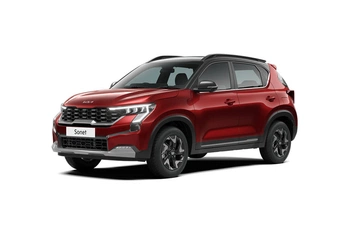
Kia Sonet
₹7.41 - 14.37 Lakh
Kia Syros
₹8.42 - 15.82 Lakh
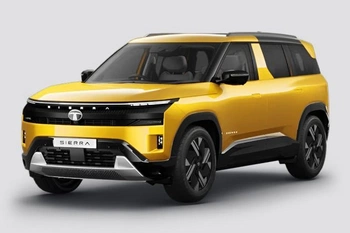
Tata Sierra
₹11.49 - 21.59 Lakh
Kia Syros
₹8.42 - 15.82 Lakh
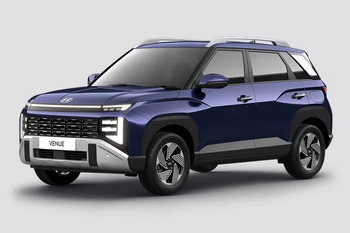
Hyundai Venue
₹8 - 15.83 Lakh
Kia Syros
₹8.42 - 15.82 Lakh
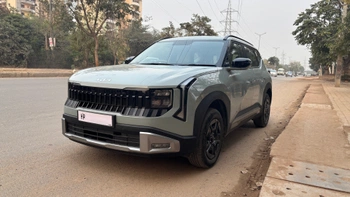
Kia Seltos
₹11 - 21.82 Lakh
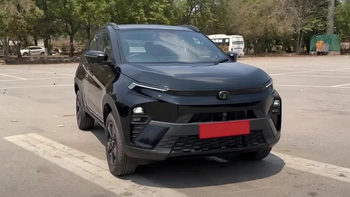
Kia Syros
₹8.42 - 15.82 Lakh
Tata Nexon
₹7.40 - 14.52 Lakh
Mahindra XUV 3XO Comparisons
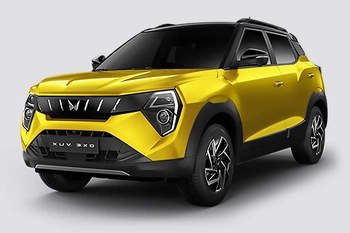

Mahindra XUV 3XO
₹7.79 - 15.04 Lakh
Renault Kiger
₹5.81 - 10.40 Lakh
Mahindra XUV 3XO
₹7.79 - 15.04 Lakh
Tata Nexon
₹7.40 - 14.52 Lakh
Mahindra XUV 3XO
₹7.79 - 15.04 Lakh
Skoda Kylaq
₹7.59 - 12.99 Lakh
Mahindra XUV 3XO
₹7.79 - 15.04 Lakh
Kia Sonet
₹7.41 - 14.37 Lakh
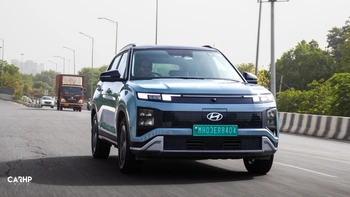
Mahindra XUV 3XO
₹7.79 - 15.04 Lakh
Hyundai Creta Electric
₹18.03 - 25.22 Lakh
Mahindra XUV 3XO
₹7.79 - 15.04 Lakh
Hyundai Venue
₹8 - 15.83 Lakh

Mahindra XUV 3XO
₹7.79 - 15.04 Lakh
Maruti Suzuki Brezza
₹7.40 - 15.88 Lakh
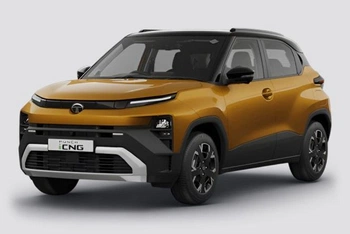
Mahindra XUV 3XO
₹7.79 - 15.04 Lakh
Tata Punch
₹5.70 - 10.67 Lakh

Mahindra XUV 3XO
₹7.79 - 15.04 Lakh
Hyundai Creta
₹10.91 - 20.46 Lakh


Car News

What Is CBG? Know About Its Production, Engine Performance, Prices and Future in India
Compressed biogas (CBG) is gaining attention in India as a renewable alternative to CNG. Here's how it is produced, its impact on engine performance and mileage, current pricing factors, and its future in India's automotive sector.
Salil Kumar
October 21, 2026