All You Need to Know About Suzuki's New Turbo Engine for India
By Salil Kumar
Published October 8, 2026
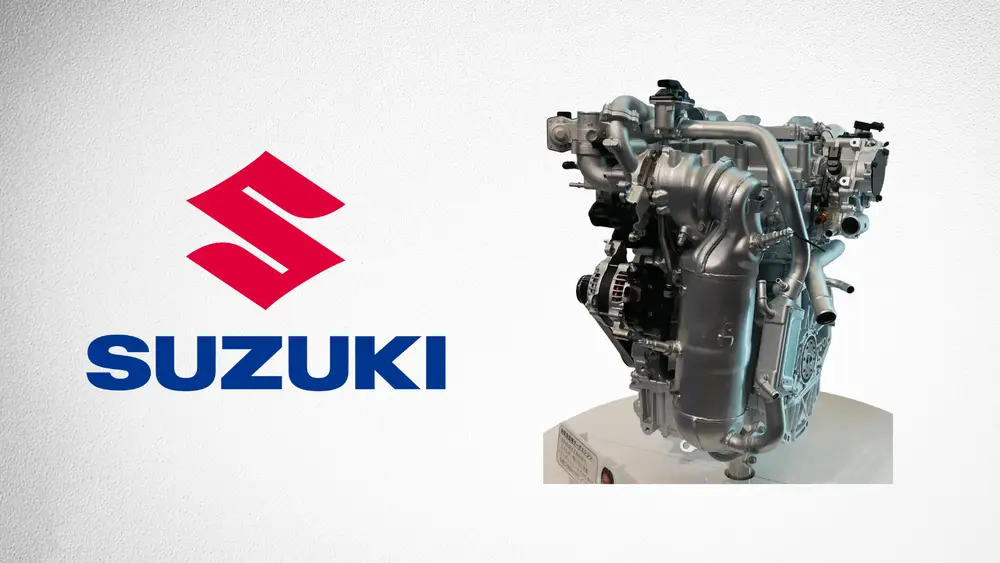
Quick Read - Maruti Suzuki is developing new direct injection turbo petrol engines for India, including a 1.2-litre three-cylinder and 1.5-litre four-cylinder. The engines could bring more power and efficiency to future Maruti SUVs and other models.
Maruti Suzuki has been saying for years that petrol still has a long life left in India. At a technology briefing in Japan, part of its 'Technology Strategy 2026: Looking 10 Years Ahead' roadmap, the company confirmed it is developing a new family of direct injection turbo petrol engines, called DITC, and named India as one of the markets it is specifically building them for.
Two engines have been shown so far, a 1.2 litre three cylinder and a 1.5 litre four cylinder. Here is what is confirmed, what is likely, and what it actually means for the cars you can buy.
Also Read - All You Need To Know About Honda-Horse Powertrain's 1.2-Litre Engine
Suzuki has confirmed the engine family and shown prototypes, not production cars. The company has not disclosed the first model application.
What it did share is a 1.2 litre three cylinder turbo petrol prototype and the specifications of a larger 1.5 litre turbo petrol, both built on the same direct injection turbo principle, plus a series hybrid system and a 0.66 litre engine for kei cars sold in Japan. India was called out by name as a growth market for the turbo programme, which is the part that matters here.
What does DITC mean in plain language?
DITC stands for direct injection turbo charged. Direct injection means petrol is sprayed straight into the cylinder at high pressure instead of into the inlet port, which gives finer control over the burn.
Turbocharged means an exhaust driven turbine forces extra air in, so a small engine can behave like a bigger one when you ask it to, and sip fuel when you do not. Put together, you get more power per litre and better efficiency from the same displacement.
A report from Japan's MotorFan says the 1.2 litre unit uses a variable geometry turbocharger and a water cooled intercooler, which are both aimed at cutting turbo lag and keeping intake air cool in heat like ours.
Why does Maruti need a new turbo engine at all?
Because its current petrol engines are good at being cheap to run and not great at being quick. Maruti walked away from diesel in 2020, so petrol and CNG carry the entire portfolio, including the expensive end of it.
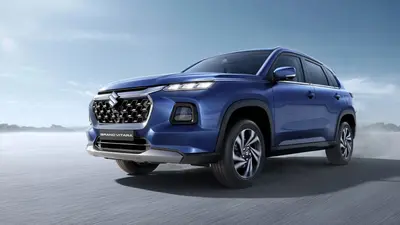
The clearest example is the midsize SUV space. The Grand Vitara and Victoris use a 1.5 litre naturally aspirated engine that makes 102bhp and 139Nm, while Hyundai's Creta turbo petrol offers 160 PS. Buyers at that price now expect an engine that pulls hard on a highway overtake, and Maruti has had nothing to answer with except a strong hybrid tuned for mileage rather than punch.
Also Read - Most Powerful Turbo Petrol SUVs Under ₹20 Lakhs
As the company pushes further upmarket with bigger SUVs and a seven seater, that gap becomes a sales problem, not just a spec sheet problem.
What are some of the likely specifications of these new Suzuki Turbo engines?
| Engine | Cylinders | Power | Torque | Efficiency target |
|---|---|---|---|---|
| 1.2L Turbo | 3 | Up to 126 hp | Up to 230 Nm | 40% at launch, 50% by 2035 |
| 1.5L Turbo | 4 | Up to 160 hp | Up to 280 Nm | Not specified |
The prototype is designed to produce up to 126hp and 230Nm, with thermal efficiency targeted at up to 40 percent at launch and up to 50 percent by 2035. It is based on the Z12E three cylinder engine, the same unit sold in naturally aspirated form in the Swift, Baleno and Dzire. To put 230Nm in perspective, that is more torque than most sub four metre turbo petrols in India make today, and it is roughly 90Nm more than the 1.5 litre engine in the Grand Vitara.
From a 1.2 litre three cylinder, that is a serious jump.
Suzuki is also developing a 1.5 litre four cylinder aimed at up to 160hp and 280Nm. That would put it level with the turbo petrol engines Hyundai, Kia, Renault, Tata and Mahindra already sell here, which is exactly the point.
Unlike the three cylinder 1.2, this one has four cylinders, so it should also feel smoother at the top of the rev range, which matters in cars priced above ₹15 lakh.
Also Read - Every 4 Cylinder Cars You Can Buy Under 10 lakhs
Both engines are being developed to run on E100, which is 100 percent ethanol, as well as CNG and CBG, or compressed biomethane gas. India has already finished its E20 rollout and the policy direction is clearly towards higher ethanol blends, so an engine that can handle pure ethanol is future proofing rather than a science project.
The CNG angle is even more practical. CNG is a huge part of Maruti's business, and a factory engineered turbo plus CNG combination barely exists in the Indian market today.
What is thermal efficiency and why does Suzuki keep bringing it up?
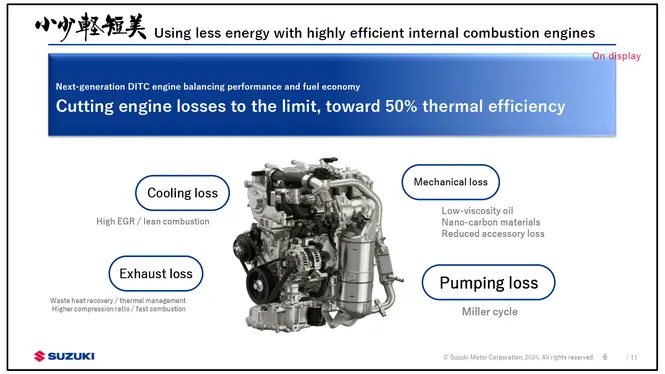
Thermal efficiency is simply how much of the energy in your fuel ends up turning the wheels instead of escaping as heat. Most petrol engines sit around 35 to 40 percent. Suzuki says it is working towards 50 percent, looking at heat lost through cooling and exhaust, internal friction, and the energy needed to pull air in, and it has cited lean combustion, waste heat recovery and lower viscosity oil among the measures under study.
By 2030 the target is about 40 percent using the Miller cycle, higher compression ratios and faster combustion, and by 2035 the 50 percent goal is tied to a dedicated hybrid engine and pre chamber combustion. Translated into buyer language, this is how you get more power without the mileage falling off a cliff.
Also Read - Top 10 Petrol Cars With Best Mileage You Can Buy
Which cars are likely to get the new engines?
The logical candidates are the Brezza, the Fronx, and the Baleno and Swift at the hot hatch end, since the engine's base unit is already in those cars.
A next generation Brezza with 126hp and 230Nm would move from being the slowest car in its class to the fastest.
The Grand Vitara and the Victoris are the obvious homes for 1.5L, with MPVs like the XL6 and Ertiga also able to use the extra torque given how often they run fully loaded. Add Maruti's upcoming larger SUVs to that list, because a three row petrol SUV is precisely the kind of car that struggles with a naturally aspirated 1.5.
Will these engines come with a hybrid system?
Very likely, in stages. Suzuki showed a series hybrid built around the Z12E, where the engine generates electricity and an electric motor drives the wheels, using a generator motor rated at 83hp, a drive motor at up to 88hp and a 0.6kWh battery.
It is also considering pairing that series hybrid system with the new 1.2 litre turbo in a future plug in setup, with a combined system output of up to 177hp. That would give Maruti a performance hybrid without buying it from Toyota.
When will it actually launch in India and likely prices?
There is no official date, and anyone quoting one is guessing. What the timeline suggests is this. The engines are at prototype stage now, the efficiency target is set at launch level of around 40 percent with that figure pegged to 2030, and Maruti is separately trying to cut its development cycle from 48 months to 36 months while Suzuki targets about 4 million units of annual capacity in India from FY2030.
Reading those together, a realistic first appearance is somewhere between 2028 and 2030, most likely on a next generation model rather than a mid life facelift. Until Maruti names a car, that window is an expectation and not a commitment.
Under the current GST structure, petrol cars up to 1200cc and under four metres long are taxed at 18 percent, while cars above those limits attract 40 percent.
The Z12E is a 1,197cc engine. If the turbo version stays at that displacement, Maruti can sell a 126hp sub four metre car in the cheapest tax bracket in the country.
That is also exactly why the Brezza got the 1.0 Boosterjet in 2026, since its 1.5 litre engine sits in the 40 percent slab. A 1.2 DITC lets Maruti offer real performance without pushing the car into luxury tax territory.
Also Read - Why Maruti Suzuki Isn't Betting Big on EVs Yet
Should you wait for it?
If you are buying in the next year, no. This engine is years away and the Brezza turbo, the Fronx turbo and the strong hybrid Grand Vitara and Victoris are what Maruti has on sale right now. If you are a Maruti loyalist who has been quietly buying a Hyundai or Kia because you wanted more power, this is the first solid sign that the wait is ending.
Image Source:
Table of Contents
- What does DITC mean in plain language?
- Why does Maruti need a new turbo engine at all?
- What are some of the likely specifications of these new Suzuki Turbo engines?
- What is thermal efficiency and why does Suzuki keep bringing it up?
- Which cars are likely to get the new engines?
- Will these engines come with a hybrid system?
Join the Conversation
Trending
MG Windsor EV Indulge Limited Edition Teased, Here’s What to Expect
MG has teased a limited edition Windsor EV called Indulge. Expect cosmetic updates to the exterior and cabin, though power figures are likely to stay put on both battery options.
Anmol Kumar
October 8, 2026

Renault Duster Strong Hybrid to Launch on October 17
Renault has locked 17 October at Fairmont Mumbai for the Duster strong hybrid, a 160hp E-Tech setup that answers the missing diesel. Prices are still under wraps, though early expectations point well above the current range.
Arjun Nair
October 8, 2026
Mahindra XUV 3XO CNG Set For 15 October Debut As Its Fourth Powertrain
Mahindra has teased a CNG version of the XUV 3XO ahead of a 15 October debut. It adds a fourth powertrain to the brand's most affordable SUV and enters a segment where CNG options remain rare.
Anmol Kumar
October 8, 2026
Featured
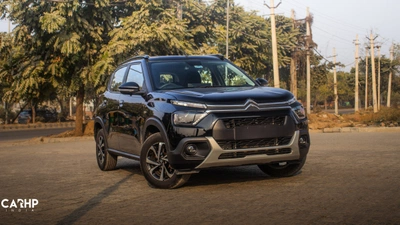
Citroen C3 Review: Who Should Consider This Car?
A few days ago, I took the Citroen C3X out for a spin in the city and on the highways. I travelled long distances and checked its fuel efficiency, features, comfort, and other factors. Today, I’ll briefly share my overall experience with the C3X and will tell you whether you should consider it or not and which is the most value-for-money variant of the lot.
Vatsal Agrawal
May 19, 2026
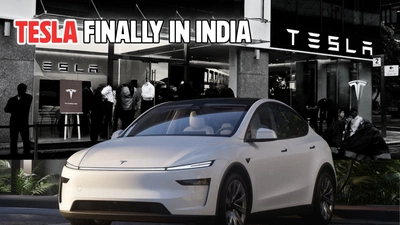
Tesla Finally In India Officially. Why Now And What Does It Mean For EVs?
The much-anticipated 2025 Tesla Model Y has officially arrived in India, marking a pivotal moment for the nation's burgeoning electric vehicle market. Launched on July 15, 2025, the Model Y Juniper facelift offers cutting-edge technology, impressive range, and signature Tesla performance. Positioned as a premium electric SUV, its entry will intensify competition and reshape consumer expectations for EVs across the subcontinent.
Author
July 17, 2025
Here Are 10 Things The Harrier.EV Offers That The Mahindra XEV 9E Doesn't
The Harrier.EV is an incredible new offer from Tata. Its most popular competitor would be the Mahindra XEV 9E, priced similarly. With these two incredible offerings from home grown brands available, here is a list of everything the Harrier.EV offers that the XEV 9E doesn't.
Author
June 13, 2025
Write a comment
Comments
No comments yet. Be the first to comment!