Kia Syros vs Kia Sonet - Which One Should You Buy
Kia Syros vs Kia Sonet Comparison at CarHP India. Compare Kia Syros and Kia Sonet Prices, Mileage, Features, Specs, Colours and much more.
The Kia Syros comes in 17 variants. Engine options include Petrol and Diesel as per the selected variant, paired with manual or automatic transmissions. The selected variant is priced at ₹8.42 Lakh. The cheapest variant, HTE Turbo, costs ₹8.42 Lakh, while the top-end variant, HTX Opt Diesel AT, is priced at ₹15.82 Lakh. The Kia Sonet comes in 23 variants. Engine options include Petrol and Diesel as per the selected variant, paired with manual or automatic transmissions. The selected variant is priced at ₹7.41 Lakh. The cheapest variant, HTE, costs ₹7.41 Lakh, while the top-end variant, GTX Plus Diesel AT, is priced at ₹14.37 Lakh.


Compare Minimum 2 Cars At Once — Tap To Activate / Deactivate
Smart Summary for Car Selection
 Why Choose Kia Syros?
Why choose
- The 465-litre boot is far larger than the Sonet's and among the biggest in the sub-four-metre class, which for a family using this as their only car is the most useful difference between the two
- The 2,550mm wheelbase is 50mm longer than the Sonet's, and in a car restricted to four metres that length goes almost entirely into rear knee room
- At 1,665mm tall it is noticeably taller than the Sonet, giving more headroom and a more upright seating position
- A 12.3-inch touchscreen is fitted from the base variant upward, which is unusual generosity at the bottom of a range
- The 1.0-litre turbo makes 118bhp and 172Nm with a six-speed manual or a seven-speed dual-clutch, so power and gearbox choice are not traded against each other
- A diesel is offered alongside the turbo-petrol, giving three gearbox options across the range
- Flush door handles and 17-inch diamond-cut alloys are fitted
Why not choose
- Kia has removed driver assistance features, the 360-degree camera and ambient lighting from the current Syros, so the car is less equipped than earlier examples and than its price history suggests
- It costs more than the Sonet at the entry point, so a fixed budget reaches a lower Syros trim
- No naturally aspirated petrol is offered, so the cheapest engine in the Sonet range has no equivalent here
- No CNG is available
- Being the newer nameplate, it has less resale history than the long-established Sonet
Why Choose Kia Sonet?Why choose
- Three engines are offered, a 1.2-litre naturally aspirated petrol at 82bhp, a 1.0-litre turbo at 118bhp and 172Nm, and a 1.5-litre diesel, so there is a cheaper engine below the Syros's starting point
- Driver assistance features are offered here, and Kia has removed them from the current Syros, so the older car is now the better equipped of the two on that front
- The diesel makes it efficient for heavy or long-distance use, and it pairs with both manual and automatic gearboxes
- A six-speed clutchless manual is offered on the turbo alongside the seven-speed dual-clutch, giving two-pedal driving without a full automatic
- It costs less than the Syros at the entry point, so the same budget buys a higher trim
- A wide range of variants and colours means the specification can be matched closely to budget
Why not choose
- The rear bench is not spacious enough for three passengers to sit comfortably, and the Syros's longer wheelbase and taller body both address this
- The boot is far smaller than the Syros's 465 litres
- The ride becomes bouncy at higher speeds, which on a long highway run is tiring
- Thick C-pillars create noticeable blind spots when changing lanes or reversing
- It sits lower than the Syros, so headroom and ease of entry both trail
 Our Recommendation For Most Buyers
Syros
The Syros is the better car for a family, and the reasons are structural rather than cosmetic. A 465-litre boot, a wheelbase 50mm longer than the Sonet's and a noticeably taller body mean luggage, knee room and headroom all improve together, which no amount of equipment on the Sonet compensates for. A 12.3-inch touchscreen from the base variant is generous too.
The thing to know before buying is that Kia has removed driver assistance, the 360-degree camera and ambient lighting from the current Syros, so it is now less equipped than the Sonet on driver aids despite being the newer and more expensive car. Check exactly what the version in front of you has.
Sonet
The Sonet is now the better equipped of these two siblings, which is an odd thing to say about the older car. Kia has stripped driver assistance, the 360-degree camera and ambient lighting from the current Syros, so the Sonet holds features its newer stablemate has lost. Three engines including a cheaper naturally aspirated petrol also mean a lower entry point and more choice.
What it cannot fix is space. The rear bench does not seat three comfortably, the boot is far smaller than the Syros's 465 litres, and the ride turns bouncy at speed. Thick C-pillars also create blind spots that take getting used to.
Engine and Performance
Performance Specifications
Fuel Specifications
Dimensions and Design
Interior Specifications
Wheels & Tires
Suspension, Brakes & Steering
Safety Features
Interior Features
Comfort & Convenience
Infotainment Features
Exterior Features
Brochure

EMI Cost Comparison
Assuming 20% down payment, 9.5% interest, 60-month tenure
 Loan Amount
 Interest: 9.5%
 Down Payment (20%)
 Loan TenureLoan AmountInterest: 9.5%Down Payment (20%)Loan Tenure
Pros & Cons Comparison
Things We Like in Kia Syros
- Very thoughtful design with tons of space and solid powertrain options
- Loaded with every feature you can expect from rear seat ventilation to Level 2 ADAS
Things We Like in Kia Sonet
- Six airbags are standard on every single variant, not just the top variants.
- The powertrain lineup of three engines and up to six transmissions is among the widest in the segment.
Things We Don't Like in Kia Syros
- Will get quite pricey, top variants are 22 lakhs on-road!
- Design is very divisive, function over form mantra is followed here
Things We Don't Like in Kia Sonet
- The Sonet hasn't been independently crash tested by Global NCAP or Bharat NCAP.
- All-wheel disc brakes are offered on higher variants, while lower variants get rear drum brakes.
Kia Syros Comparisons
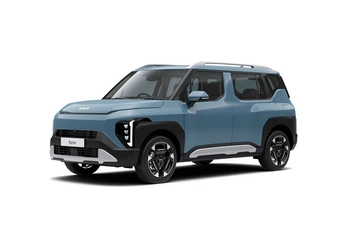
Kia Syros
₹8.42 - 15.82 Lakh
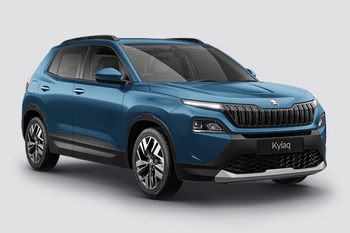
Skoda Kylaq
₹7.59 - 12.99 Lakh
Kia Syros
₹8.42 - 15.82 Lakh
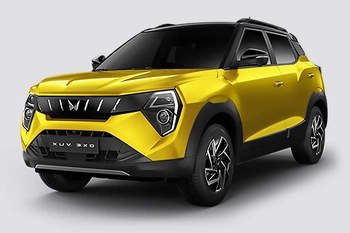
Mahindra XUV 3XO
₹7.79 - 15.04 Lakh
Kia Syros
₹8.42 - 15.82 Lakh
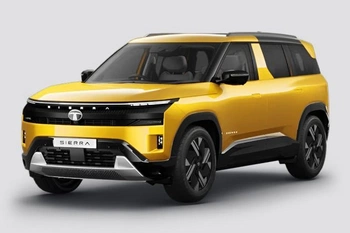
Tata Sierra
₹11.49 - 21.59 Lakh
Kia Syros
₹8.42 - 15.82 Lakh
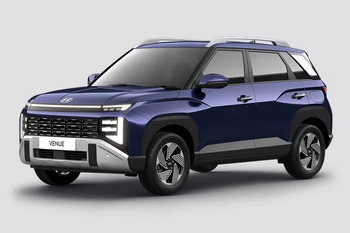
Hyundai Venue
₹8 - 15.83 Lakh
Kia Syros
₹8.42 - 15.82 Lakh
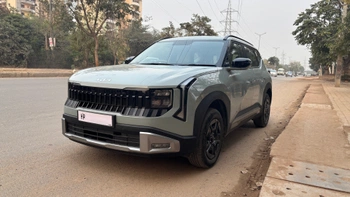
Kia Seltos
₹11 - 21.82 Lakh
Kia Syros
₹8.42 - 15.82 Lakh
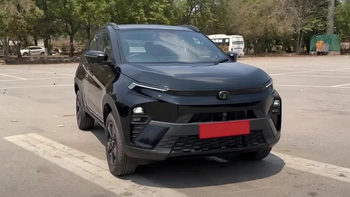
Tata Nexon
₹7.40 - 14.52 Lakh
Kia Sonet Comparisons
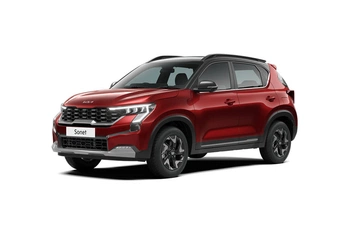
Kia Sonet
₹7.41 - 14.37 Lakh
Tata Nexon
₹7.40 - 14.52 Lakh
Kia Sonet
₹7.41 - 14.37 Lakh
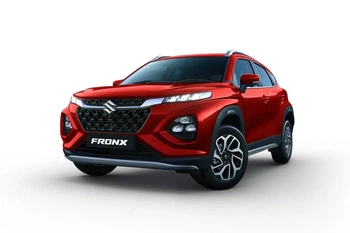
Maruti Suzuki Fronx
₹6.90 - 12.03 Lakh
Kia Sonet
₹7.41 - 14.37 Lakh
Hyundai Venue
₹8 - 15.83 Lakh
Kia Sonet
₹7.41 - 14.37 Lakh
Kia Seltos
₹11 - 21.82 Lakh
Kia Sonet
₹7.41 - 14.37 Lakh
Mahindra XUV 3XO
₹7.79 - 15.04 Lakh
Kia Sonet
₹7.41 - 14.37 Lakh
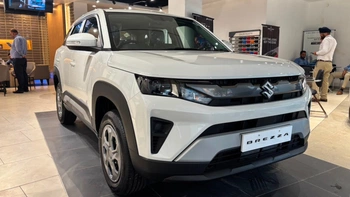
Maruti Suzuki Brezza
₹7.40 - 15.88 Lakh

Car News


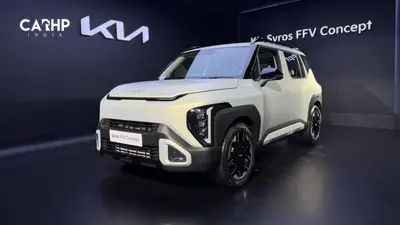
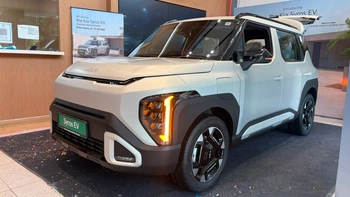
Kia Announces Syros Flex-Fuel Concept, Engineered to Run on E100
Kia revealed the Syros FFV Concept at its India event today, showing a flex-fuel version of its sub-4-metre SUV capable of running on any ethanol blend from E0 to E100. No production date or pricing was announced.
Salil Kumar
September 4, 2026
Kia Plans to Bring Sonet and Carens Clavis Hybrids to India Before 2030
At Kia's 2026 CEO Investor Day, president Ho Sung Song confirmed strong hybrid powertrains for the Sonet and Carens Clavis in India by 2029, a new locally developed B-segment electric SUV, and the Carnival hybrid arriving this year.
Arjun Nair
August 21, 2026


