Also Read- BMW Leads Luxury Car Segment In January 2026
Mercedes-Benz Group
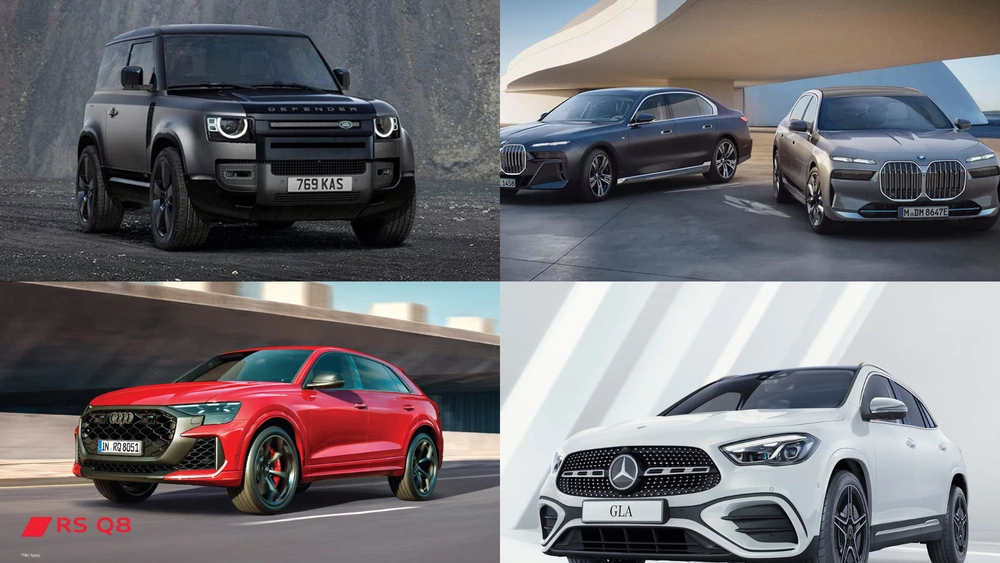
Mercedes-Benz remained the best-selling luxury carmaker in India in CY2025 with 18,026 units sold and a 0.40 percent market share, improving slightly over CY2024. Growth was driven by sustained demand for the E-Class long wheelbase, which continues to lead the luxury sedan segment, along with healthy volumes from the GLC, GLE, and GLS SUVs.
The brand also benefited from a wide and well-spread portfolio covering entry luxury to ultra-premium models, consistent supply across dealerships, and gradually rising acceptance of its electric vehicle range among affluent buyers.
BMW India
BMW sold 17,271 vehicles in CY2025, up from 14,375 units in CY2024. The X1 remained the brand’s top seller, followed by the 3 Series Gran Limousine and X5.
Growth was supported by increased localisation, sharper pricing, feature-rich long wheelbase sedans, and rising demand from younger luxury buyers. BMW’s expanding electric portfolio also contributed positively to overall showroom traction.
Audi
Audi’s sales fell sharply to 280 units in CY2025, retaining a marginal 0.01 percent market share, compared to 501 units in CY2024. The decline was largely due to a limited model range, slower update cycles, and weaker dealer-level momentum compared to rivals.
The Q3, Q5 and A4 continued to sell in small numbers but failed to generate volume growth. Lower brand visibility and a cautious expansion approach further affected Audi’s performance in the Indian luxury car market.
Jaguar Land Rover India
Jaguar Land Rover reported 5,792 units sold in CY2025, up from 4,697 units in CY2024, with market share improving to 0.13 percent. Growth was driven almost entirely by Land Rover SUVs, particularly the Defender and Range Rover lineup, which continue to enjoy strong aspirational demand. Jaguar-branded models contributed minimally, as buyer preference remained heavily skewed towards premium SUVs. Improved supply, strong brand perception, and rising interest in high-end SUVs supported JLR’s growth trajectory.
Lamborghini
In 2025 Lamborghini India delivered 111 cars, a slight drop from the 113 sold in 2024, showing steady local demand despite a tough luxury vehicle market. The strong performance of Lamborghini’s Super SUV lineup helped sustain interest, with demand rising 17 % year-on-year in that segment. Globally, Automobili Lamborghini achieved record deliveries of 10,747 vehicles in 2025.
Source FADA, economic times
Write a comment
Comments
No comments yet. Be the first to comment!