
EMI Loading
Honda SP160 Key Specifications
Honda SP160 Variants & Prices
| Variant Details | Ex. Showroom Price | |
|---|---|---|
SP160 Single Disc Base Model | ₹ 1.16 Lakh* | |
SP160 Double Disc Top Model | ₹ 1.21 Lakh* |
SP160 Single Disc
SP160 Double Disc
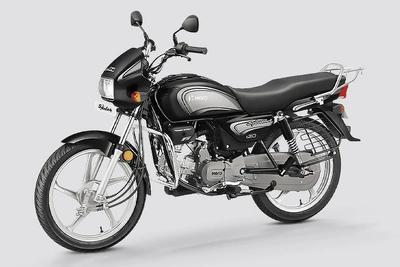
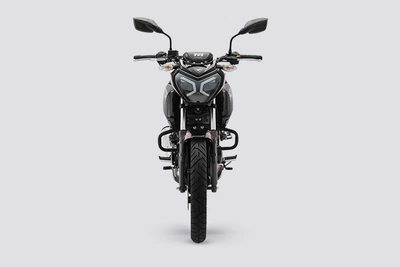
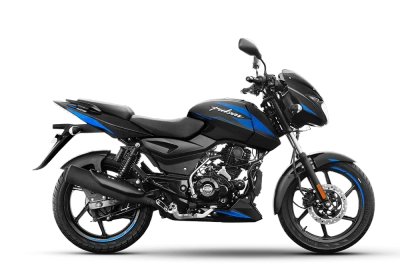
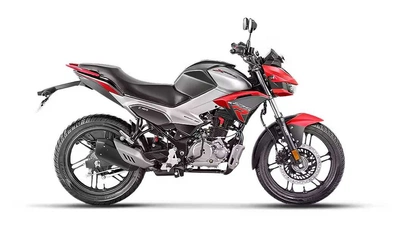
Honda SP160 Comparison with similar Bikes

Pros & Cons of Honda SP160
Things We Like
- Exceptionally refined and smooth 162.71cc engine performance.
- Strong low-end torque makes city commuting effortless.
Things We Don't Like
- Lacks a dual-channel ABS option, a key safety feature.
- Missing modern features like a USB port and Bluetooth connectivity.
Honda SP160 Overview

Engine, Performance and Mileage
Engine, Performance and Mileage
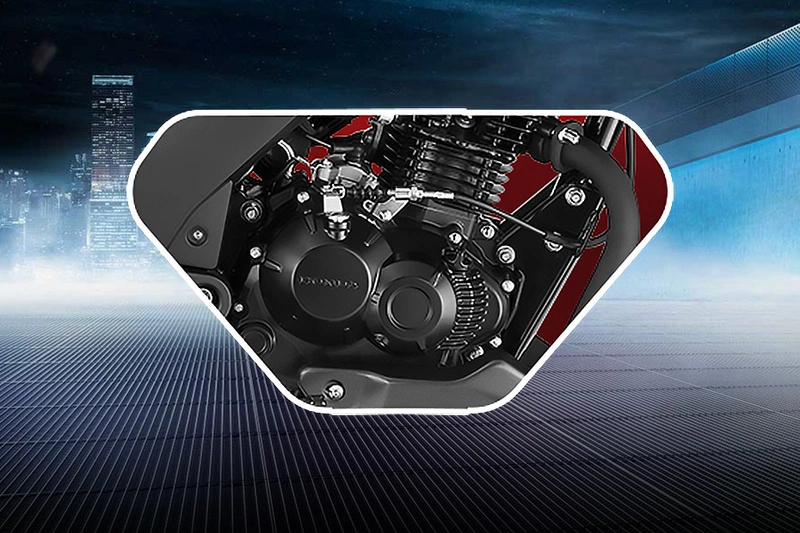
The heart of the Honda SP160 is its 162.71cc, single-cylinder, air-cooled engine, a direct derivative of the powertrain found in the venerable Honda Unicorn. This BS6 Phase 2 compliant motor produces 13.46 PS of power at 7,500 rpm and a substantial 14.58 Nm of torque at a low 5,500 rpm. Paired with a 5-speed transmission, this configuration clearly telegraphs its intended purpose. The performance is not about aggressive acceleration or a high top speed; instead, it's engineered for tractability. The early torque peak makes city commuting exceptionally manageable, allowing the rider to pull cleanly from low speeds in higher gears, reducing the need for frequent shifts in dense traffic.
Throttle response is linear and predictable, devoid of any jerky behaviour. Engine refinement is, without question, the standout characteristic. It operates with a level of smoothness that is a benchmark in this category, with vibrations only becoming a minor buzz in the footpegs and handlebars past 80 km/h. On the highway, the SP160 can comfortably cruise between 80-90 km/h. Pushing it further reveals the engine's comfort-oriented tuning, as it feels strained approaching its top end. In terms of fuel efficiency, real-world figures hover between 48-52 kmpl, a respectable number for a 160cc motorcycle focused on commuting.
posture comfort
posture comfort
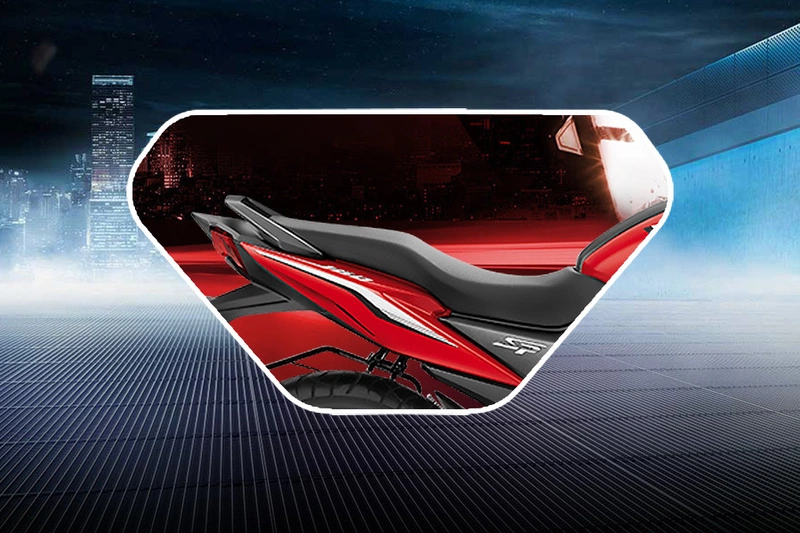
Ergonomics are a significant strength for the Honda SP160, aligning perfectly with its role as a premium commuter. The motorcycle offers a predominantly upright riding posture, with a wide, easy-to-reach handlebar and neutrally positioned footpegs. This posture minimizes strain on the rider's back and wrists, making it suitable for long hours in city traffic as well as moderate highway journeys. The single-piece seat is long, wide, and well-cushioned, providing excellent support for both the rider and the pillion. At 796mm, the seat height is accessible to a wide range of riders, allowing most to place their feet firmly on the ground.
Pillion comfort is commendable, thanks to the ample seating space and well-designed grab rails. In terms of practicality, the SP160 scores well with its 177mm of ground clearance, which is more than sufficient to tackle speed breakers and poor road surfaces without scraping the underbelly. The air-cooled engine manages heat efficiently, showing no signs of distress or excessive heat radiation onto the rider's legs during stop-and-go traffic. While it lacks dedicated luggage mounting points, the flat, long seat and robust grab rails make it easy to secure soft luggage for occasional touring.
handling ride quality
handling ride quality
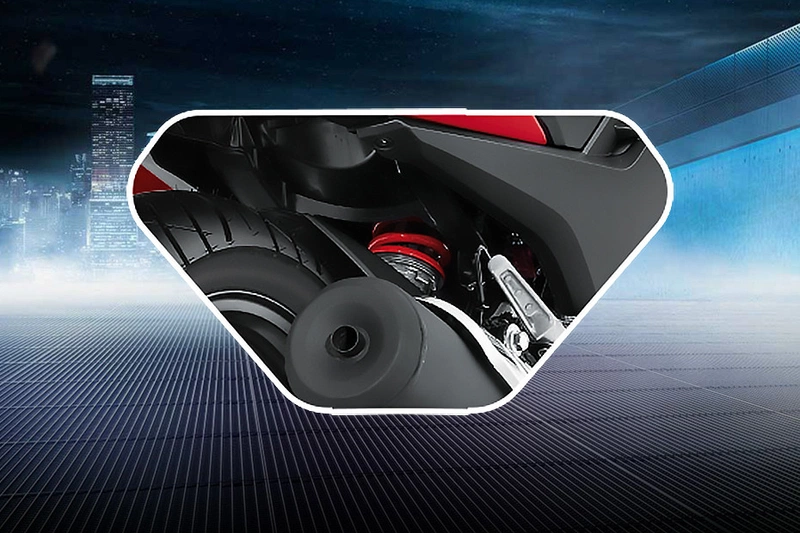
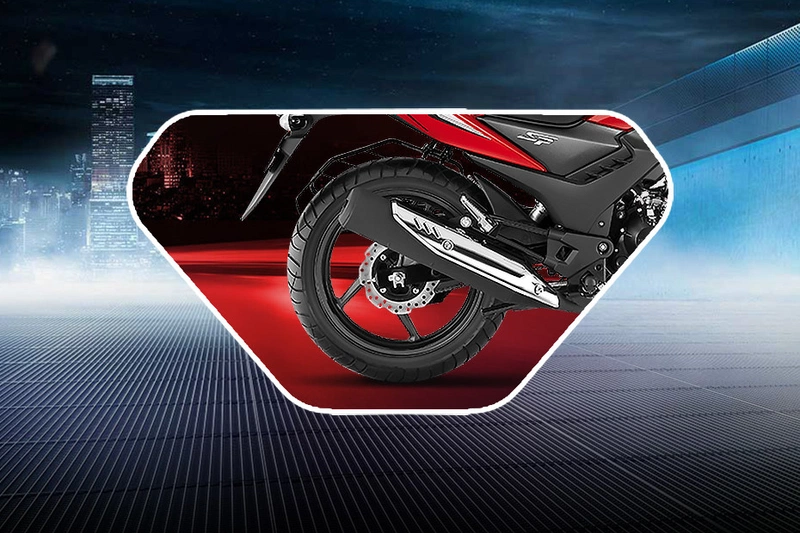
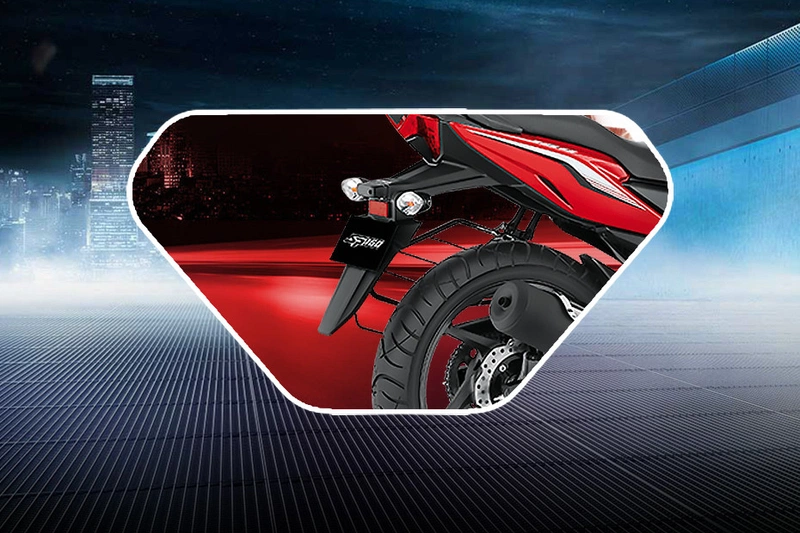
The SP160 is built on a diamond-type frame, with a suspension setup comprising conventional telescopic front forks and a monoshock at the rear. This hardware combination is tuned with a clear bias towards comfort. The motorcycle adeptly absorbs road imperfections, potholes, and undulations typical of Indian urban environments, delivering a plush and composed ride. This comfort-oriented setup, however, translates to handling that is best described as safe and predictable rather than sharp or engaging. In city traffic, its relatively light kerb weight of 141 kg (for the dual disc variant) and accessible 796mm seat height make it agile and easy to manoeuvre. On open roads and through corners, the SP160 remains stable, aided significantly by its wide 130/70-17 rear tyre, which provides a confident footprint. It is not, however, a machine that encourages aggressive cornering; the chassis communicates its limits clearly.
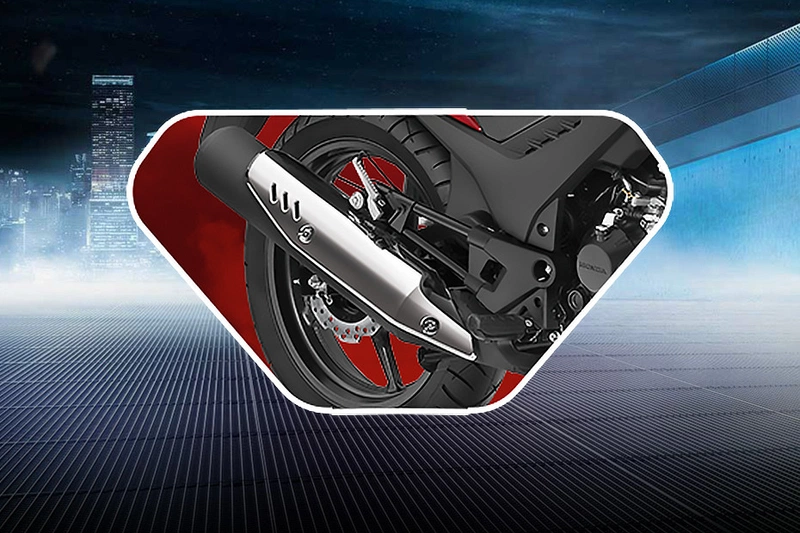
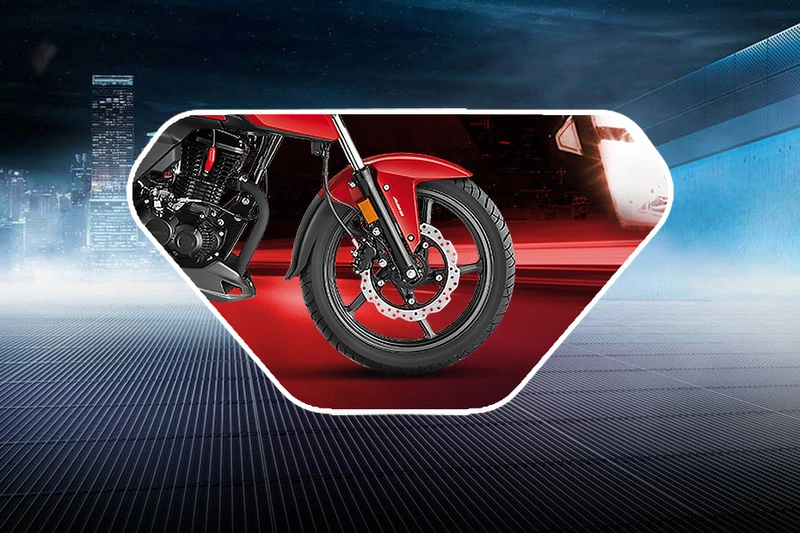
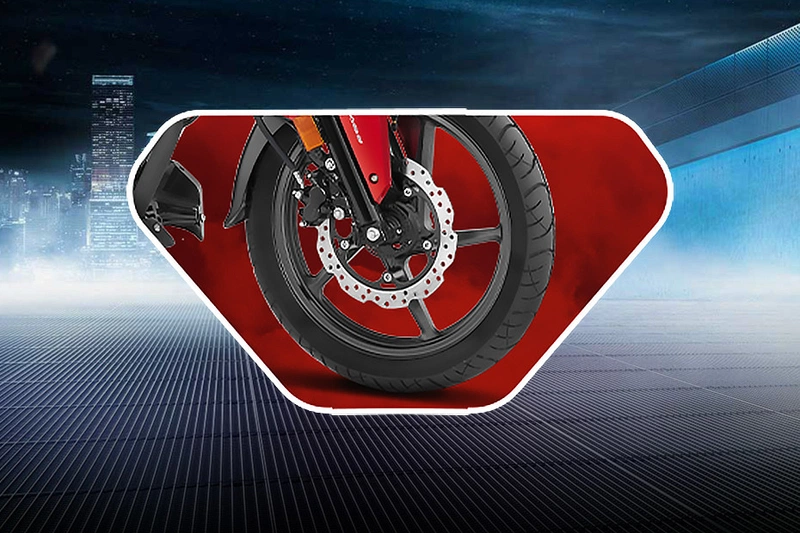
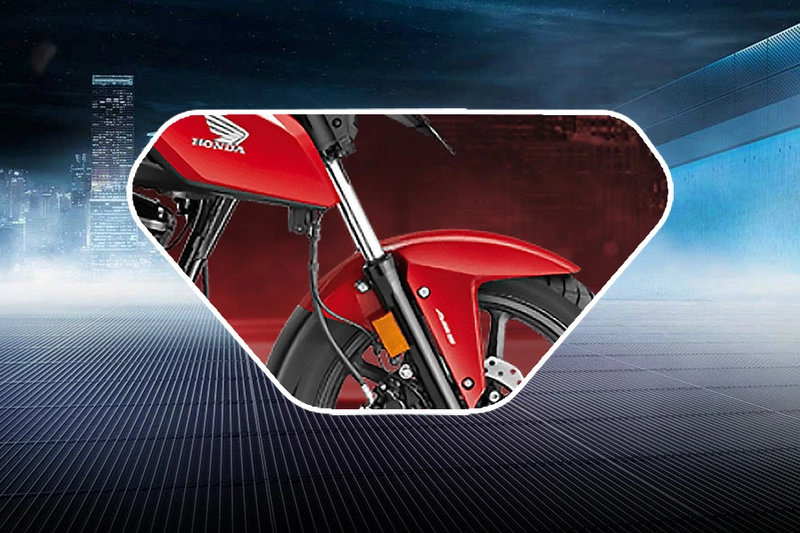
The braking system consists of a 276mm petal disc at the front and either a 220mm disc or a 130mm drum at the rear, governed by a single-channel Anti-lock Braking System (ABS). Braking performance is adequate, offering progressive bite and sufficient stopping power for its performance envelope. The critical point of comparison is the Bajaj Pulsar N160, which offers dual-channel ABS in this price bracket, a demonstrably superior safety feature that prevents rear-wheel lock-ups.
design
design
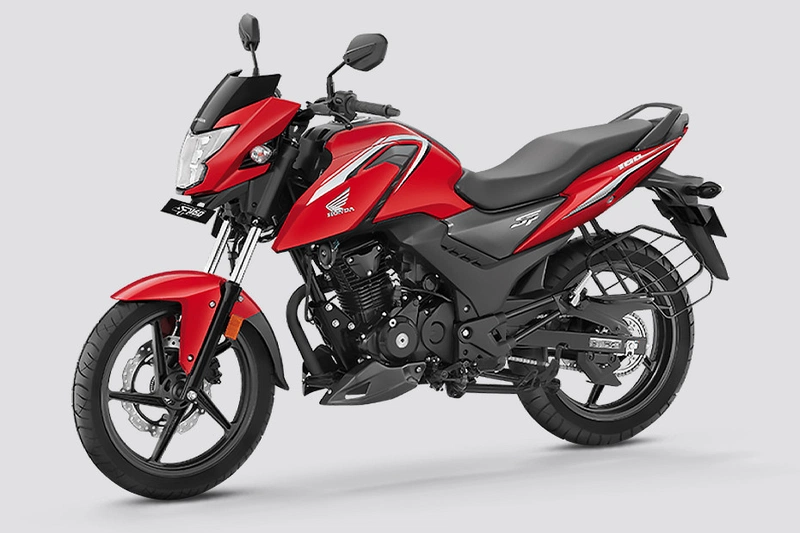
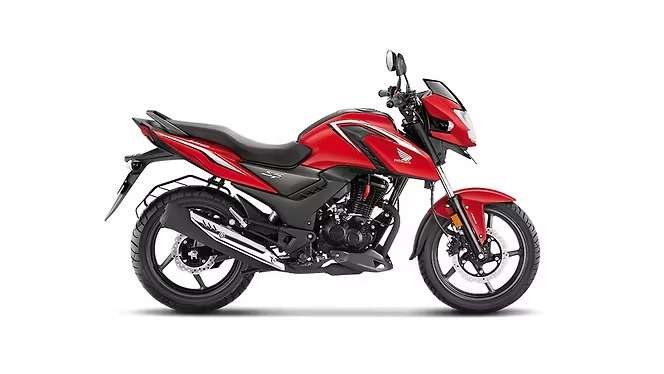
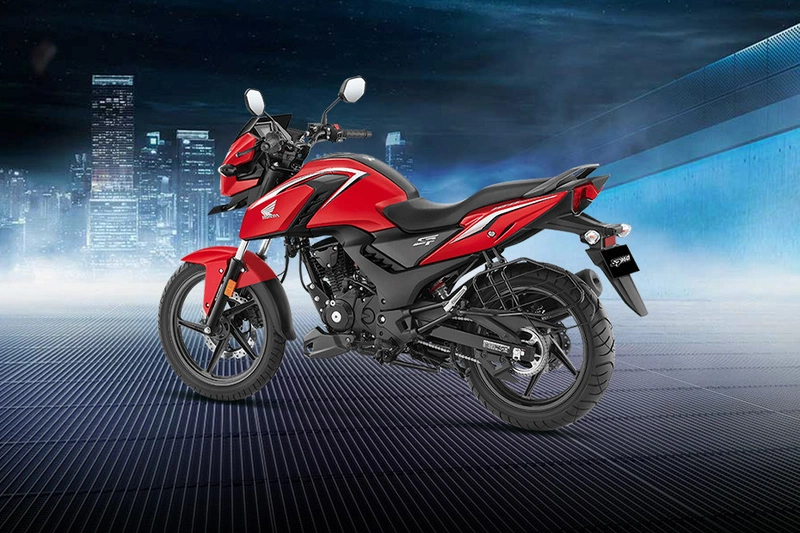
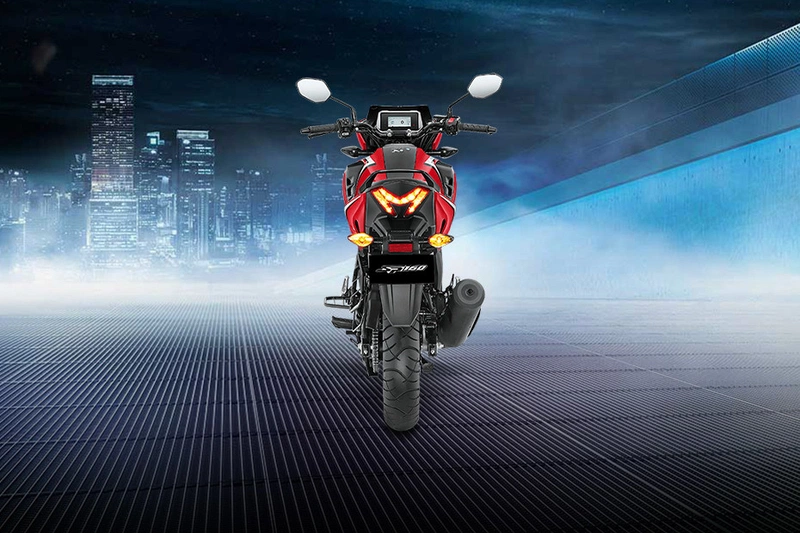
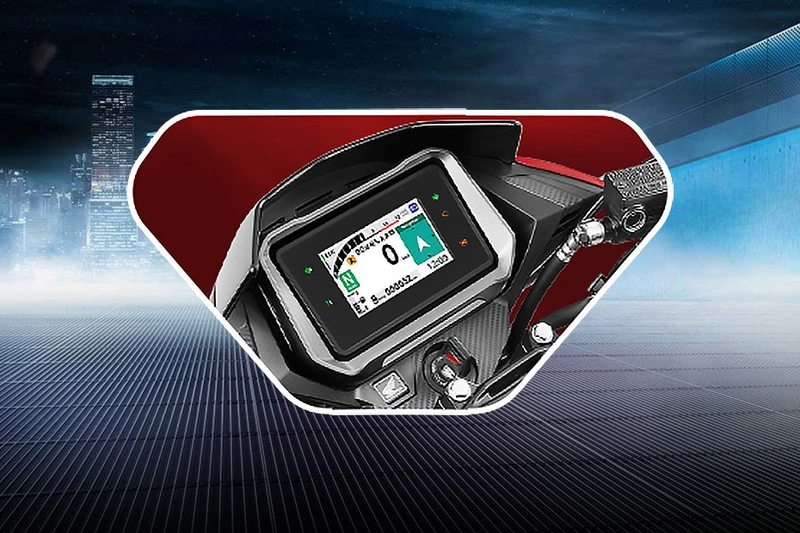
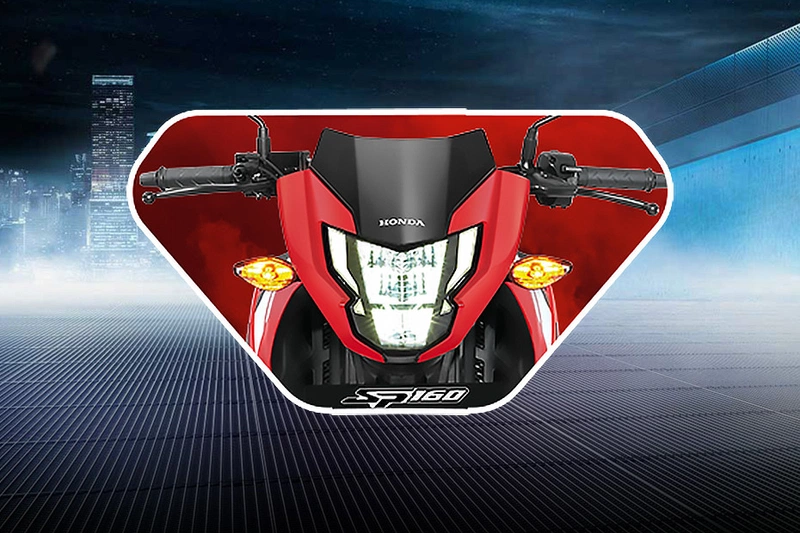
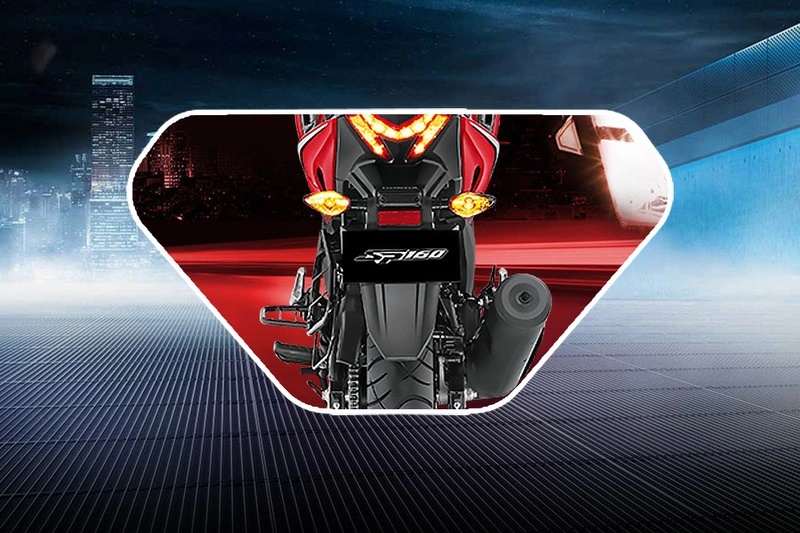
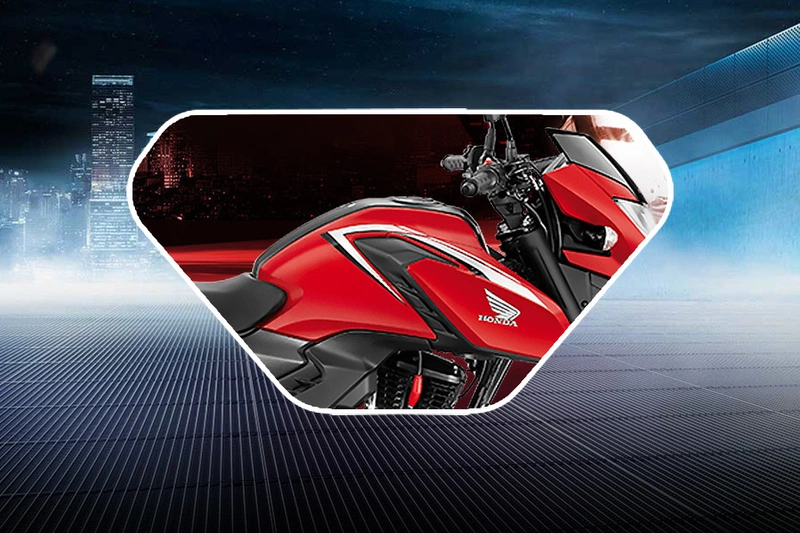
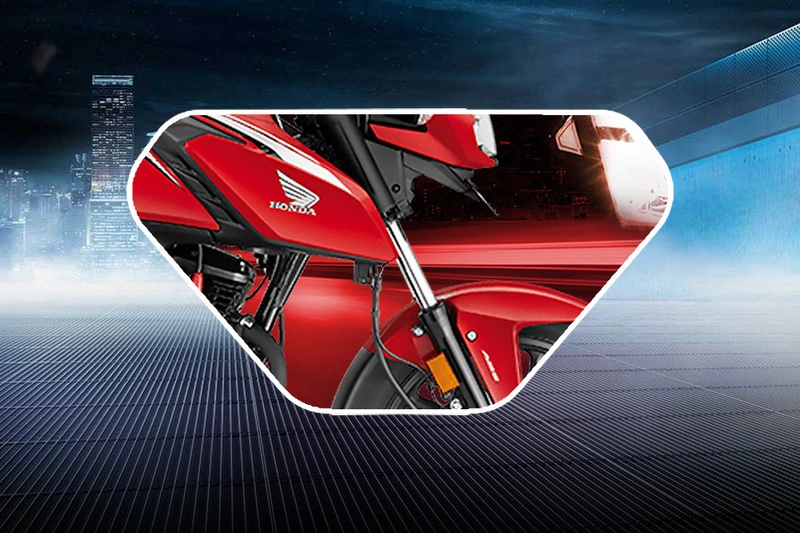
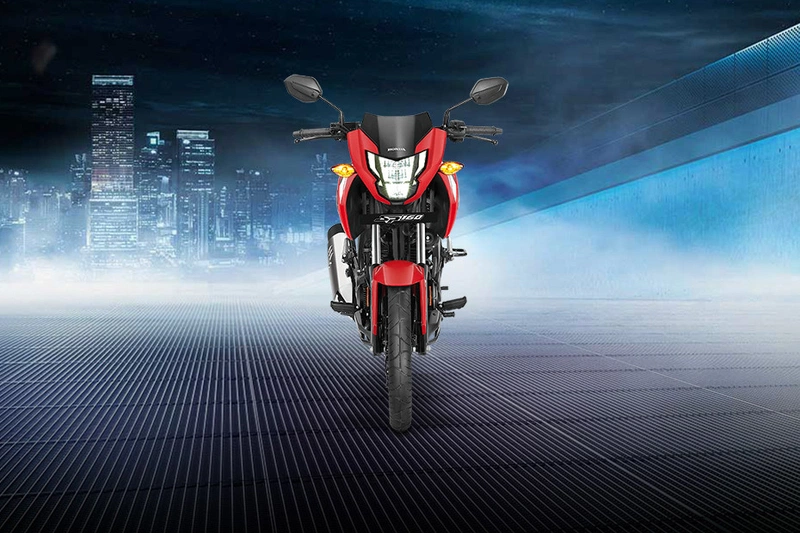
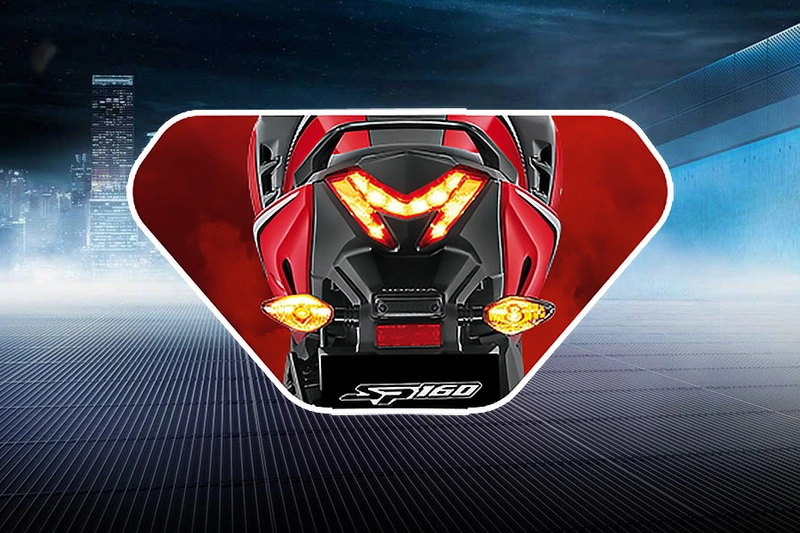
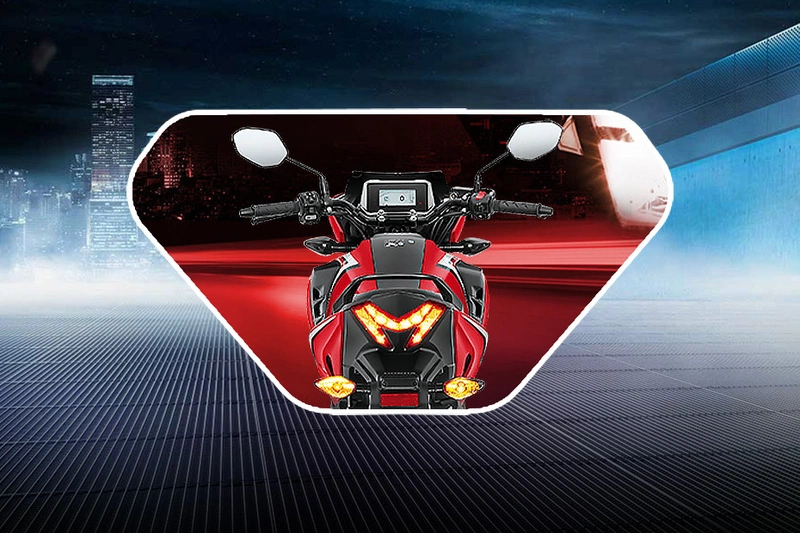
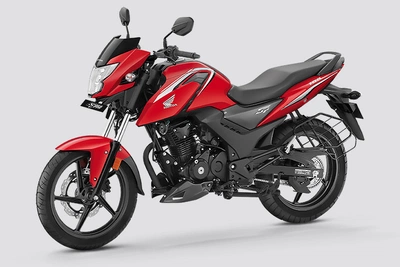
The design of the Honda SP160 is an evolutionary step up from its smaller sibling, the SP125. It presents a contemporary and muscular aesthetic without being overly aggressive. The sculpted fuel tank features sharp, aerodynamic shrouds, and the sharp tail section incorporates a split grab rail, culminating in a design that is modern yet unlikely to offend conservative tastes. The lighting package is all-LED, including the headlamp, tail lamp, and indicators, which enhances its premium positioning and improves visibility. The instrument cluster is a fully digital LCD unit that is logically laid out and easy to read. It displays essential information such as a speedometer, tachometer, fuel gauge, gear position indicator, two trip meters, and a clock.
Practical features include an engine start/stop switch and a hazard light switch, which is a useful addition for emergency stops. However, when evaluated against its direct competitors, the SP160's feature list appears dated. It conspicuously lacks modern conveniences such as a USB charging port, Bluetooth connectivity for call/SMS alerts, or turn-by-turn navigation—features that are increasingly becoming standard in this segment, offered by rivals like the TVS Apache RTR 160 4V and Yamaha FZ-S V4. This omission positions the SP160 as a functionally sound but technologically basic option.
safety
safety
The primary safety feature on the Honda SP160 is its single-channel Anti-lock Braking System (ABS). This system operates on the front wheel, preventing it from locking up during emergency braking manoeuvres, thereby allowing the rider to maintain steering control. While single-channel ABS is the mandated minimum for this segment and provides a crucial safety net, its implementation here feels like a missed opportunity for market leadership. The key competitor, the Bajaj Pulsar N160, offers a dual-channel ABS setup at a similar price point. Dual-channel ABS, which also works on the rear wheel, offers superior stability and shorter stopping distances, especially on inconsistent or wet surfaces where a rear-wheel skid is more likely. This gives the Pulsar a tangible safety advantage that discerning buyers cannot ignore.
Beyond ABS, the SP160 is equipped with a side-stand engine cut-off sensor, which prevents the motorcycle from being ridden with the side stand engaged—a simple but effective safety measure. The all-LED lighting system, including the headlamp and prominent tail lamp, significantly enhances the motorcycle's visibility to other road users, contributing to passive safety. Overall braking confidence is good in dry conditions, but the absence of dual-channel ABS is a notable compromise.
competition
competition
Bajaj Pulsar N160:
The most direct threat to the SP160. The Pulsar N160 boasts a more aggressive, streetfighter design, a smoother engine than previous Pulsars, and a tractable power delivery. Its definitive differentiator is the segment-first dual-channel ABS, offering a significant and undeniable safety advantage over the SP160's single-channel setup.
TVS Apache RTR 160 2V:
An enduring favorite in the segment, the Apache RTR 160 2V appeals to riders seeking a sportier experience. Its race-derived chassis and engine tuned for responsiveness provide a more engaging ride. Its key differentiator is its raw, visceral performance character and sharper handling dynamics compared to the comfort-focused SP160.
Yamaha FZ-S FI V4.0 DLX:
The Yamaha FZ-S V4 stakes its claim on technology and muscular styling. While its 149cc engine produces less power and torque than the SP160, it compensates with modern features. Its clear differentiator is the inclusion of a Traction Control System (TCS) and Bluetooth connectivity, offering a tech-forward package.
buying advice
buying advice
Who should buy it?
The ideal SP160 buyer is a mature commuter upgrading from a 100-125cc motorcycle. This individual prioritises Honda’s legendary engine refinement, reliability, and superior ride comfort over outright performance, aggressive styling, or the latest electronic features. It is for the no-nonsense, pragmatic buyer.
Who should skip it?
Enthusiasts seeking thrilling performance, sharp handling, or a feature-rich experience should look elsewhere. Buyers for whom safety is the absolute priority will find the dual-channel ABS on the Pulsar N160 a more compelling proposition, making the SP160 a less optimal choice.
Honda SP160 Specifications & Features
Engine & Transmission
| Starting | Self Start Only |
| Engine Type | 4 Storke, SI Engine |
| Displacement | 162.71 cc |
| Max Torque | 14.8 Nm @ 5250 rpm |
| Number of Cylinders | 1 |
| Cooling System | Air Cooled |
| Fuel Supply | Fuel Injection |
| Gear Box | 5 Speed |
| Bore | 57.3 mm |
| Stroke | 63.09 mm |
| Compression Ratio | 10.0:1 |
| Emission Type | BS6.2 |
| Clutch | Multiplate Wet Clutch |
| Valve Per Cylinder | |
| gear shifting pattern | 1 Down 4 Up |
| spark plugs per cylinder | 1 Per Cylinder |
Motor & Battery
| Drive Type | Chain Drive |
| Transmission | Manual |
| Peak Power | 13.18 PS @ 7500 rpm |
Mileage & Performance
| Overall Mileage | 50 kmpl |
Performance
| Top Speed | 110 kmph |
Chassis & Suspension
| Body Type | Commuter Bikes |
Tyres & Brakes
| Front Brake Diameter | 276 mm |
| Rear Brake Diameter | 130 mm |
| Radial Tyre | |
| Front Tyre Pressure Rider | 25 psi |
| Front Tyre Pressure Rider Pillion | 25 |
| Rear Tyre Pressure Rider | 29 psi |
| Rear Tyre Pressure Rider Pillion | 33 |
Dimensions & Capacity
| Width | 786 mm |
| Length | 2061 mm |
| Height | 1100 mm |
| Fuel Capacity | 12 L |
| Ground Clearance | 177 mm |
| Wheelbase | 1347 mm |
| Kerb Weight | 138 Kg |
| Fuel Reserve | 1.9 L |
| Seat Height | 796 mm |
| pillion grab rail | |
| pillion seat |
Electricals
| Headlight | LED |
| Taillight | LED |
| Turn Signal Lamp | Bulb |
| Low Battery Indicator | |
| Low Fuel Indicator | |
| Drls |
Features & Safety
| Pass Switch | |
| Additional Features | Honda RoadSync |
| Tachometer | Digital |
| Engine Kill Switch | |
| Real Time Mileage Indicator | |
| Service Due Indicator | |
| hazard warning indicator | |
| hazard warning lights | |
| high beam indicator | |
| malfunction indicator | |
| no of tripmeters | 2 |
| stand alarm |
Features
| Instrument Console | Digital |
| Speedometer | Digital |
| Tripmeter | Digital |
| Seat Type | Single |
| Clock | |
| Passenger Footrest | |
| Navigation | |
| Odometer | Digital |
| Body Graphics | |
| Usb Charging Port | |
| Call SMS Alerts | |
| Music Control | |
| Average Fuel Economy Indicator | |
| Distance To Empty Indicator | |
| digital display type | TFT |
| display size inch | 4.2 |
| gear indicator |
App Features
| Low Battery Alert | |
| Navigation Assist | |
| Calls & Messaging |
Underpinnings
| Suspension Front | Telescopic |
| Suspension Rear | Monoshock |
| Brakes Front | Disc |
| Brakes Rear | Drum |
| Tyre Size | Front :-80/100-17, Rear :-130/70-17 |
| Wheel Size | Front :-431.8 mm,Rear :-431.8 mm |
| Wheels Type | Alloy |
| Tubeless Tyre | 1 |
| ABS | Single Channel |
| Frame | Diamond |
| first service | 1000 Kms/30 Days |
| second service | 6000 Kms/180 Days |
| third service | 12000 Kms/365 Days |
| caliper front piston | 2 |
| caliper rear piston | 1 |
| Tyre Type | Tubeless |
Warranty
| Mobile Application | |
| Vehicle Warranty | 3 Years or 42,000 Km |
Honda SP160 Price in Cities
₹ 1.45 Lakh - 1.51 Lakh
₹ 1.40 Lakh - 1.46 Lakh
₹ 1.38 Lakh - 1.44 Lakh
₹ 1.39 Lakh - 1.45 Lakh
₹ 1.40 Lakh - 1.46 Lakh
₹ 1.40 Lakh - 1.47 Lakh
₹ 1.39 Lakh - 1.45 Lakh
₹ 1.38 Lakh - 1.44 Lakh
₹ 1.51 Lakh - 1.57 Lakh
₹ 1.49 Lakh - 1.56 Lakh
Popular Honda Bikes
Popular Brands




Honda SP160 Comparisons
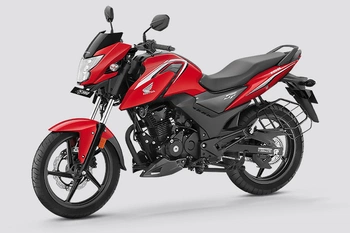
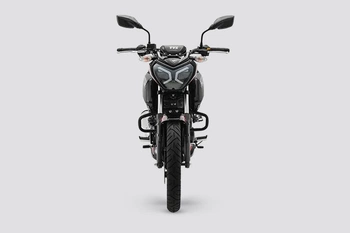
Honda SP160
₹1.16 - 1.21 Lakh
TVS Raider
₹82,860 - 99,070
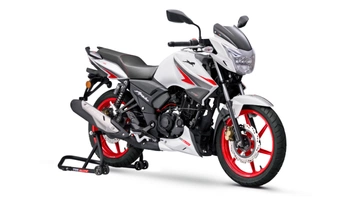
Honda SP160
₹1.16 - 1.21 Lakh
TVS Apache RTR 160
₹1.13 - 1.27 Lakh
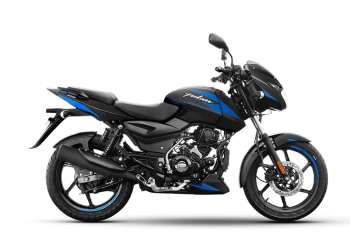
Honda SP160
₹1.16 - 1.21 Lakh
Bajaj Pulsar 125
₹87255 - 94,288
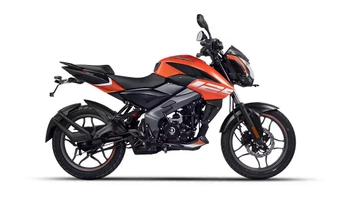
Honda SP160
₹1.16 - 1.21 Lakh
Bajaj Pulsar NS 125
₹94,188 - 1.04 Lakh
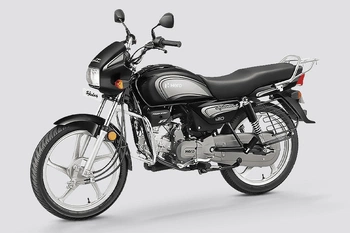
Honda SP160
₹1.16 - 1.21 Lakh
Hero Splendor Plus
₹77,557 - 80,331
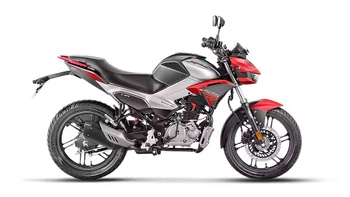
Honda SP160
₹1.16 - 1.21 Lakh
Hero Xtreme 125R
₹91,500 - 1.08 Lakh
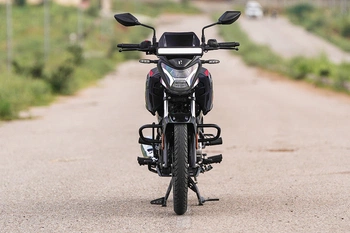
Honda SP160
₹1.16 - 1.21 Lakh
Hero Glamour X 125
₹87,767 - 96,086