
EMI Loading
Honda QC1 Key Specifications
Honda QC1 Variants & Prices
| Variant Details | Ex. Showroom Price | |
|---|---|---|
QC1 STD50 km/Hr | 80 km/charge | 6.5 Hr | ₹ 90,022* |
QC1 STD
Honda QC1 Comparison with similar Bikes
Pros & Cons of Honda QC1
Things We Like
- Lightweight & easy to handle
- Practical 26 L under‑seat storage
Things We Don't Like
- Restricted top speed (50 km/h)
- Slow charging time (4.3h - 80%, 6.5 h full)
Honda QC1 Overview

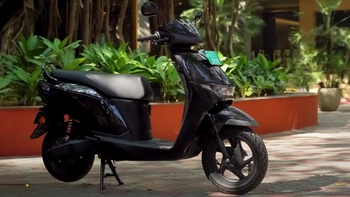
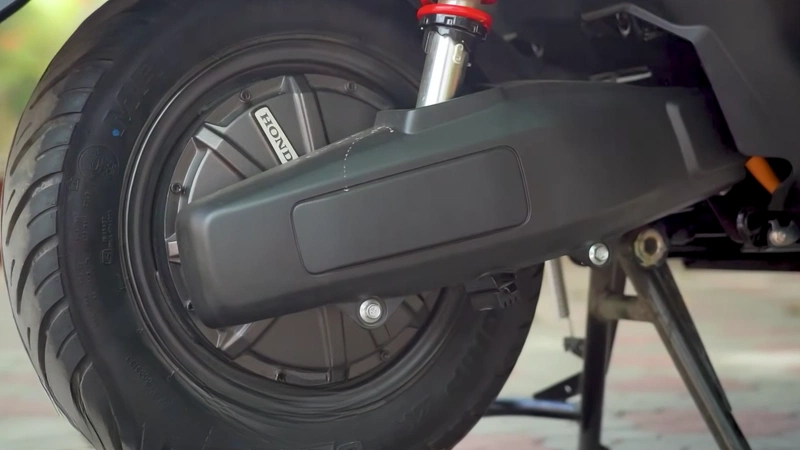
Honda’s QC1 offers a simple, straightforward approach to urban EV mobility. Priced at ₹90,000 ex-showroom in India, it uses a 1.5 kWh fixed lithium-ion battery delivering an IDC-rated range of 80 km. The hub-mounted BLDC motor peaks at 1.8 kW with 77 Nm torque, providing a modest top speed of 50 km/h. While this setup keeps costs low and keeps the scooter agile at only 89.5 kg, it also limits the QC1 to short hops in slow-paced traffic.
Battery and Motor
Battery and Motor
The hub motor’s 1.8 kW output delivers 0-40 km/h in approximately 9-10 seconds, with a capped top speed of just 50 km/h in Standard mode. Eco mode limits speed to 30 km/h. Acceleration is smooth but slow, making overtaking and merging in mixed traffic feel tentative and cautious.
design
design
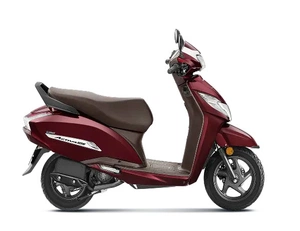
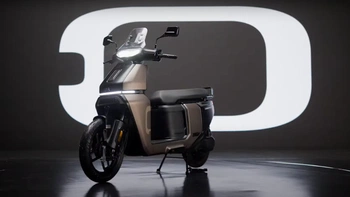
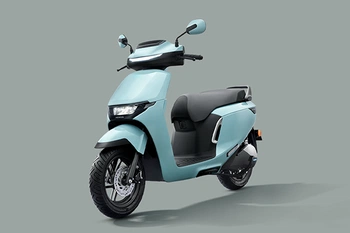
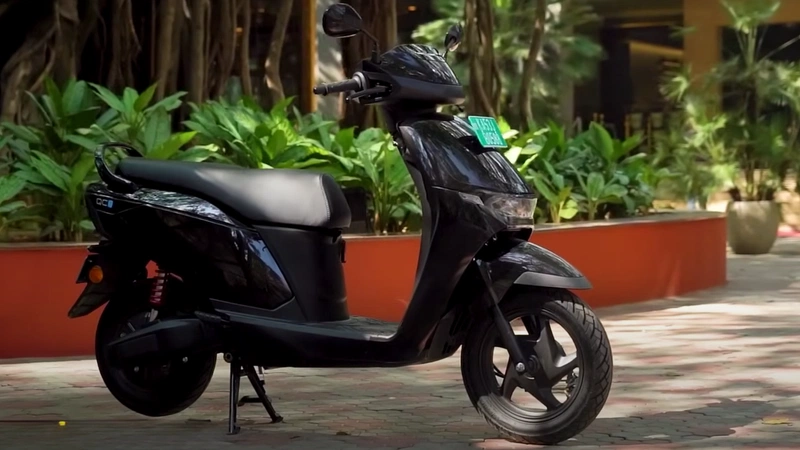
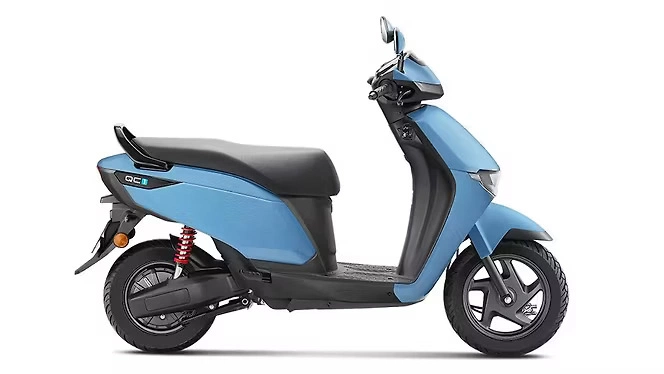
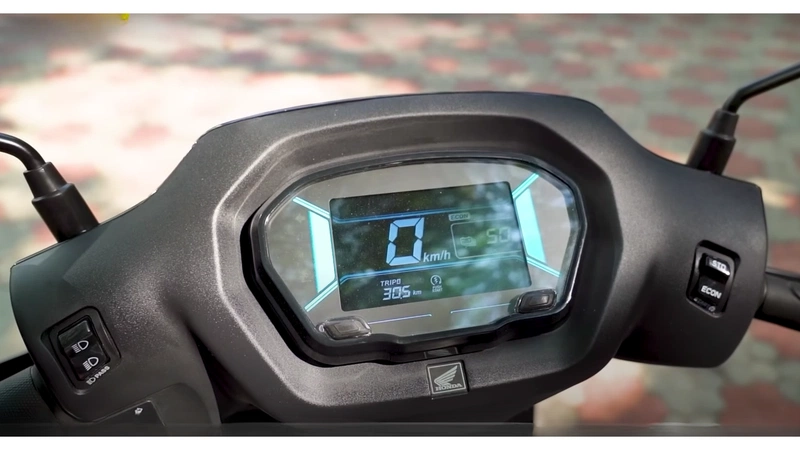
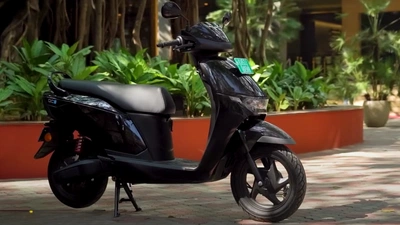
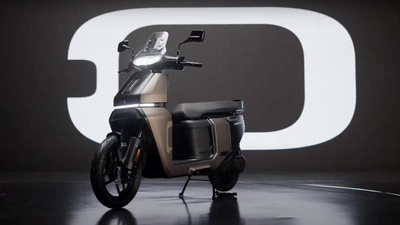
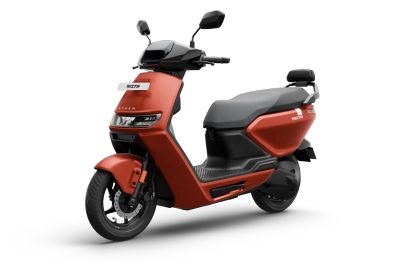
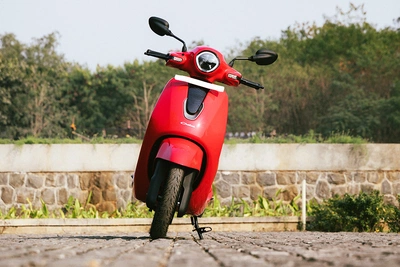
Drawing visible inspiration from Honda’s Activa e:, the QC1 pares down to essentials - LED headlights and tail light, a basic 5‑inch negative LCD, and painted black alloy wheels. Plastic quality is decent but lacks the refinement of pricier models. Storage includes a 26‑litre under-seat compartment, a tiny front cubby, and a bag hook, offering practical storage for daily errands.
safety
safety
Safety is basic yet adequate. The QC1 includes LED lighting, a side-stand cutoff, and a clear 5‑inch LCD with visibility even in bright sun. The battery is robustly built and IP67-rated, while the display is IP65-rated . Convenience features include a USB‑C port, a bag hook, and a parking brake clasp. However, it lacks advanced systems like ABS, connected tech, or a reverse gear.
competition
competition
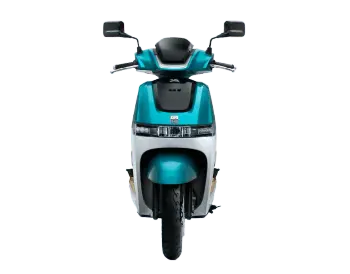
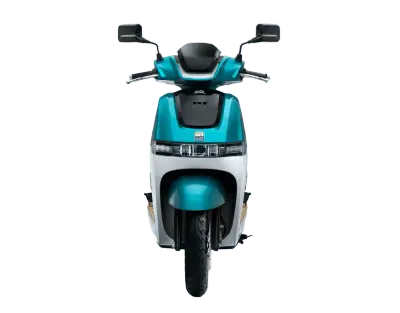
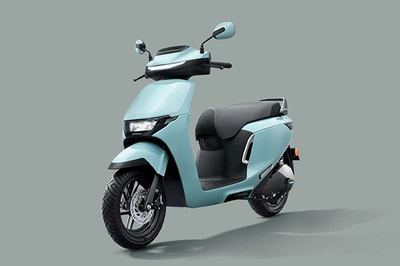
TVS iQube - The iQube outclasses the Honda QC1 in nearly every performance metric. It features a more powerful 2.2 kW motor as standard, and also offers a 3.4kW battery. It offers faster acceleration (0-40 km/h in 4.2 s), a top speed of 75 km/h, and offers up to 95 km of real-world range. Charging is quicker, with 0-80% in 2 hours, 45 minutes. The iQube gets a front disc brake for improved stopping power. Where the QC1 holds an edge is in its lighter weight (89.5 kg vs 118 kg) and lower price, making it more approachable for short-distance users.
Ola S1 Air - The S1 Air is another strong contender, offering a 2.7 kW motor and a top speed of 90 km/h. Its 3 kWh battery delivers nearly double the range of the QC1 (up to 151 km), and also supports faster charging. In addition, it boasts modern features like a TFT dashboard, Bluetooth connectivity, and larger under-seat storage. The QC1, in contrast, is simpler, slightly lighter, and more affordable, but lacks the Ola’s performance, features, and practicality for longer daily use.
Ather 450X and 450S - The Ather 450s are premium electric scooters offering rapid acceleration (0-40 km/h in 3.3–4.2 s), top speeds of 90 km/h, and real-world ranges of 115-150 km depending on the battery pack. They feature connected tech, disc brakes at both ends, and superior build quality. While the QC1 is more budget-friendly and easier to handle, it significantly trails behind in speed, tech, and overall refinement.
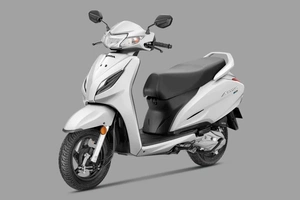
Honda Activa E - Even within Honda’s own lineup, the Activa E is positioned above the QC1. It uses swappable dual 1.5 kWh batteries for a superior, 100 km range. It offers a more powerful motor, and includes a front disc brake - none of which are found on the QC1. However, the QC1 undercuts it in pricing and targets a simpler use case for shorter rides and basic urban mobility.
While the QC1 offers the lowest entry price, light handling, and minimal design, making it suitable for short urban hops, it lags significantly in power, speed, range, charging, braking, and tech offerings when compared to its closest electric competitors.
final verdict
final verdict
The QC1 delivers on its promise as a lightweight, affordable urban commuter with Honda’s build quality and dealer support. The 3‑year/50,000 km warranty underscores its reliability. It works best for trips under 30 km at lower speeds. Yet, the limited speed, sluggish charging (0–80% in 4.5 h, full in 6.5 h), and modest range restrict its flexibility .
Honda QC1 Specifications & Features
Engine & Transmission
| Motor Power | 1.8 kW |
| Starting | Push Button Start |
| Number of Batteries | |
| Motor IP Rating | IP67 |
Motor & Battery
| Battery Type | Li-ion |
| Transmission | Automatic |
| Motor Type | BLDC |
| Battery Warranty | 3 Years or 50,000 Km |
| Torque Motor | 77 Nm |
| Water Proof Rating | IP65 |
Mileage & Performance
| zero to 40 kmph | 9.40 s |
Performance
| Top Speed | 50 kmph |
| Scooter Speed | High |
Chassis & Suspension
| Body Type | Electric Scooters |
Tyres & Brakes
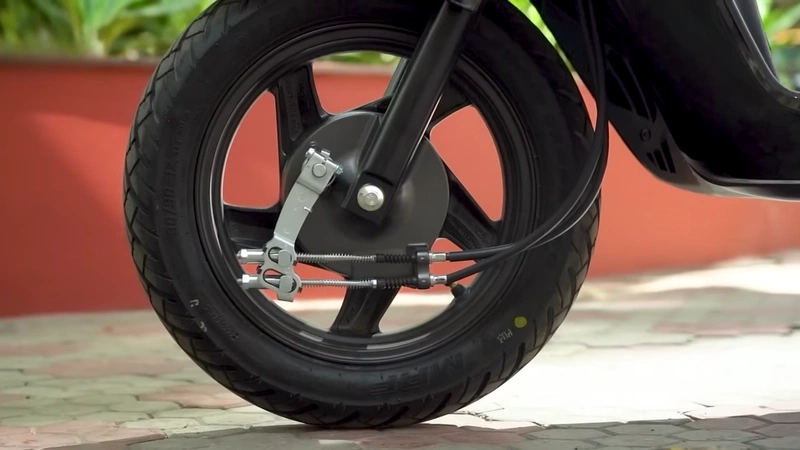
| Front Brake Diameter | 130 mm |
| Rear Brake Diameter | 110 mm |
Dimensions & Capacity
| Width | 701 mm |
| Length | 1826 mm |
| Height | 1129 mm |
| Ground Clearance | 169 mm |
| Wheelbase | 1275 mm |
| Kerb Weight | 89.5 Kg |
| pillion grab rail | |
| pillion seat |
Electricals
| Headlight | LED |
| Taillight | LED |
| Turn Signal Lamp | LED |
| Low Battery Indicator | |
| Drls |
Features & Safety
| Pass Switch | |
| Additional Features | Off Board Charger |
| Riding Modes | |
| Service Due Indicator | |
| Gradeability | 7 degree |
| Seat Opening Switch | |
| high beam indicator | |
| stand alarm |
Features
| Instrument Console | Digital |
| Speedometer | Digital |
| Tripmeter | Digital |
| Seat Type | Single |
| Clock | |
| Passenger Footrest | |
| Underseat Storage | 26 |
| Odometer | Digital |
| Usb Charging Port | |
| Call SMS Alerts | |
| Charger Output | 330 W |
| carry hook | |
| brightness control | |
| digital display type | LCD |
| display size inch | 5.0 |
App Features
| Low Battery Alert | |
| Calls & Messaging |
Charging Features
| Charging at Charging Station | |
| Charging Time 0-80 | 4 Hr 30 Min |
| Charging Time 0-100 | 6 Hr 50 Min |
Underpinnings
| Suspension Front | Telescopic |
| Suspension Rear | 5 Step Adjustable Hydraulic |
| Brakes Front | Drum |
| Brakes Rear | Drum |
| Tyre Size | Front :- 90/90-12,聽Rear :-聽90/100-10 |
| Wheel Size | Front :-304.8 mm,Rear :-254 mm |
| Wheels Type | Alloy |
| Tubeless Tyre | 1 |
| Frame | Under Bone |
| Tyre Type | Tubeless |
Warranty
| Vehicle Warranty | 3 Years or 50,000 Km |
| Charger Warranty | 3 |
Honda QC1 Price in Cities
₹ 0.96 Lakh - 0.96 Lakh
₹ 0.94 Lakh - 0.94 Lakh
₹ 0.97 Lakh - 0.97 Lakh
₹ 0.94 Lakh - 0.94 Lakh
₹ 0.99 Lakh - 0.99 Lakh
₹ 0.94 Lakh - 0.94 Lakh
₹ 0.96 Lakh - 0.96 Lakh
₹ 1.02 Lakh - 1.02 Lakh
₹ 0.94 Lakh - 0.94 Lakh
₹ 0.94 Lakh - 0.94 Lakh