
Honda CRF300L Variants & Prices
| Variant Details | Expected Price | |
|---|---|---|
CRF300L STD286cc | ₹ 3.30 Lakh* |
CRF300L STD
Pros & Cons of Honda CRF300L
Things We Like
- Exceptional lightweight handling at just 142 kg kerb weight.
- Superb long-travel Showa suspension soaks up rough terrain effortlessly.
Things We Don't Like
- Prohibitive 880mm seat height limits accessibility for many riders.
- Minimalist LCD console lacks modern features like navigation or Bluetooth.
Honda CRF300L Overview

Engine, Performance and Mileage
Engine, Performance and Mileage
The heart of the Honda CRF300L is its 286cc, DOHC, liquid-cooled single-cylinder engine, a unit compliant with BS6 Phase 2 and E20 fuel norms. It produces a modest but effective 27.3 PS of power at 8,500 rpm and 26.6 Nm of torque at 6,500 rpm. Mated to a 6-speed gearbox equipped with a slip and assist clutch, the powertrain is engineered for tractability rather than outright top-end performance. In urban environments, the engine's character shines. The low-end torque is delivered smoothly, allowing for effortless gap-shooting in traffic, while the light clutch action mitigates fatigue during long commutes.
Throttle response is linear and predictable, a crucial trait for technical off-road riding where precise inputs are necessary. On the highway, the CRF300L can maintain speeds of 100-110 km/h, but overtakes require planning. The engine feels strained beyond 120 km/h, highlighting its preference for trails over expressways. In terms of refinement, it operates with typical Honda smoothness in the low to mid-range, though some vibrations become noticeable at higher revs. Fuel efficiency is a strong point, with real-world figures expected to hover between 30-35 kmpl, but the small 7.8-litre fuel tank limits its touring range to approximately 250 km, necessitating frequent stops.
posture comfort
posture comfort
Evaluating the CRF300L on comfort and practicality requires a specific lens. For its intended purpose—trail riding and short-to-medium commutes—it is well-executed. The riding posture is upright and commanding, with a wide handlebar that provides excellent leverage for control, whether seated or standing on the pegs. Heat management from the single-cylinder engine is excellent, with heat directed away from the rider even in slow-moving traffic. However, for touring or daily two-up usage, its limitations become apparent.
The 880mm seat height will be a significant challenge for riders below 5'10", making it difficult to flat-foot the bike. The seat itself is narrow and firm, designed for active off-road riding, and can become uncomfortable on long highway stints exceeding two hours. Pillion comfort is an afterthought; the rear portion of the seat is minimal, and the grab rails are rudimentary straps. Luggage-carrying capacity is non-existent out of the box, requiring the installation of aftermarket racks to mount panniers or a top box. This makes it less practical as a sole vehicle for anyone who needs to carry a pillion or significant luggage regularly.
handling ride quality
handling ride quality
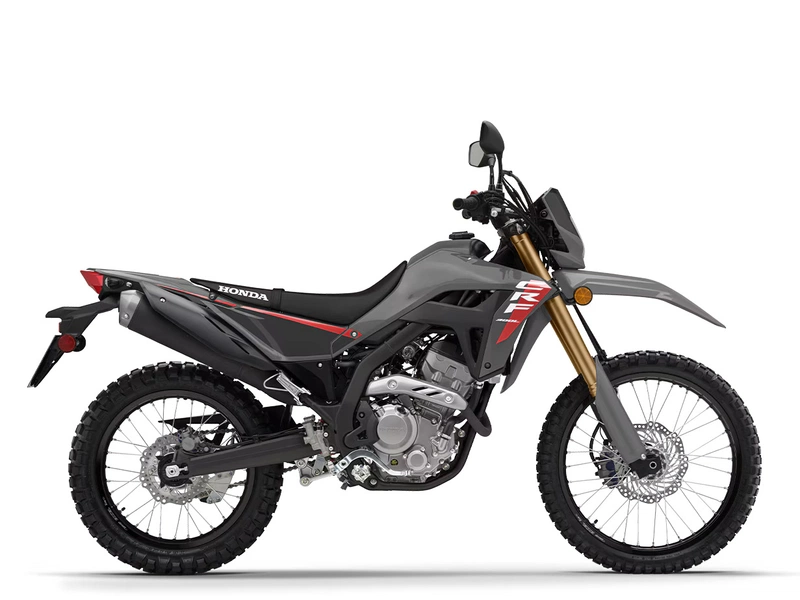
The CRF300L’s chassis and suspension are its defining attributes. The steel semi-double cradle frame provides a calculated balance of rigidity and flex, essential for off-road feedback. However, the standout components are the 43mm Showa upside-down front forks and the Pro-Link rear monoshock, offering a substantial 260mm of travel at both ends. This configuration transforms the way the motorcycle interacts with Indian road imperfections. Potholes, broken tarmac, and unmarked speed breakers that would unsettle road-biased motorcycles are absorbed with remarkable composure. In the city, its feather-light 142 kg kerb weight and narrow profile make it exceptionally agile for filtering through congested traffic. The primary limiting factor is its tall 880mm seat height.
While it's not a natural corner-carver due to its 21/18-inch wheel setup and dual-sport tyres, it handles sweeping bends with stability. Braking is managed by a 256mm single disc at the front and a 220mm disc at the rear, clamped by Nissin callipers. The setup provides adequate, progressive stopping power for the bike's mass and intended use, but lacks the sharp, initial bite found on competitors like the KTM 390 Adventure. The true value lies in the switchable rear ABS, which is a critical feature for experienced off-road riding.
design
design
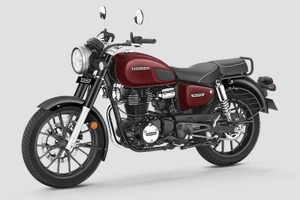
The CRF300L’s design is a direct descendant of Honda's competitive motocross lineup—unapologetically functional and minimalist. Every panel is sculpted for rider movement, from the slim fuel tank to the flat, narrow seat. There are no extraneous cosmetic elements; form strictly follows function. This purposeful aesthetic is a significant departure from the feature-packed offerings in the segment. The equipment list is spartan. Lighting is a mix of a modern, bright LED headlamp for good nocturnal visibility and conventional bulb indicators, a cost-conscious choice.
The instrument cluster is a basic negative LCD unit that displays essential information like speed, gear position, fuel level, and trip meters. However, it lacks a TFT display, Bluetooth connectivity, turn-by-turn navigation, and riding modes—features that are becoming standard on its rivals. There is no standard USB charging port, which would be an essential accessory for most buyers. This deliberate lack of electronic aids and creature comforts defines the CRF300L's character: it is a pure riding machine, demanding the rider's full engagement without the distraction of a complex interface. This will appeal to purists but may deter buyers accustomed to more modern conveniences.
safety
safety
The CRF300L’s safety suite is straightforward and aligned with its dual-sport purpose. The motorcycle is equipped with a dual-channel Anti-lock Braking System (ABS) as standard. The system's primary and most important feature is the ability to deactivate the ABS on the rear wheel via a dedicated button on the console. This is not a gimmick; it is a fundamental requirement for serious off-road riding, allowing the rider to intentionally lock the rear wheel to steer the bike on loose surfaces like gravel or dirt. This feature gives it a significant advantage over adventure bikes with non-switchable or road-only ABS modes. The braking hardware, while not class-leading in terms of outright power, offers good modulation and feel, providing confident stopping in both dry and wet conditions without being overly aggressive.
The bike's tall stance and bright LED headlamp contribute to its passive safety by enhancing its visibility to other road users. It includes a side-stand engine cut-off switch, a mandatory safety norm. While it lacks advanced electronic aids like traction control or cornering ABS found on the KTM 390 Adventure, its inherent low weight and predictable power delivery make it a manageable and fundamentally safe motorcycle.
competition
competition
The Honda CRF300L enters a competitive landscape, facing off against established and capable rivals. Each competitor offers a distinctly different proposition for the Indian buyer.
Royal Enfield Himalayan 450:
This is the CRF’s most direct rival in spirit. The Himalayan is a dedicated adventure tourer, not a dual-sport. Its key differentiator is its new 452cc ‘Sherpa’ engine, which provides superior low-end torque and highway cruising ability. It is significantly heavier but offers a much more comfortable saddle, better pillion accommodation, and integrated navigation, making it the superior choice for long-distance touring.
KTM 390 Adventure (Spoke Wheel):
The KTM represents the high-performance, technology-focused end of the spectrum. Its differentiator is its powerful 373cc engine producing over 43 PS, coupled with a suite of electronics including a quickshifter, lean-sensitive traction control, and a full-colour TFT display with smartphone connectivity. It is a far better road bike that is also competent off-road, appealing to riders who want performance and features above all else.
Hero Xpulse 200 4V Pro:
While in a different performance category, the Xpulse is the CRF’s ideological predecessor in India. Its clear differentiator is its exceptional value and accessibility. At a fraction of the CRF's expected price, it offers a similar lightweight, off-road-focused experience with long-travel suspension and a manageable seat height, making it the default choice for beginners and budget-conscious enthusiasts.
buying advice
buying advice
Who should buy it?
The ideal CRF300L owner is an experienced rider seeking a specialised second motorcycle for serious weekend trail riding. It also suits the purist who values mechanical simplicity, low weight, and genuine off-road capability over features and touring comfort.
Who should skip it?
Buyers looking for a single, do-it-all motorcycle for touring, commuting with a pillion, and highway sprints should look elsewhere. Riders intimidated by a tall seat height or those who prioritise modern tech features will find better value in its rivals.