
EMI Loading
Honda CB300F Flex-Fuel Key Specifications
Honda CB300F Flex-Fuel Variants & Prices
| Variant Details | Ex. Showroom Price | |
|---|---|---|
CB300F Flex-Fuel STD155 kmph | 33 kmpl | 293.52 cc | ₹ 1.55 Lakh* |
CB300F Flex-Fuel STD
Honda CB300F Flex-Fuel Comparison with similar Bikes
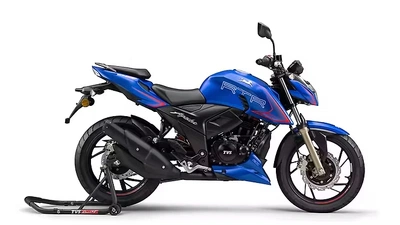
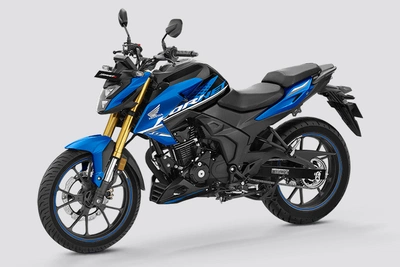
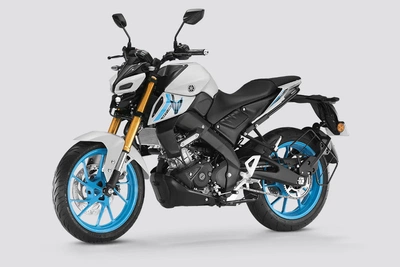
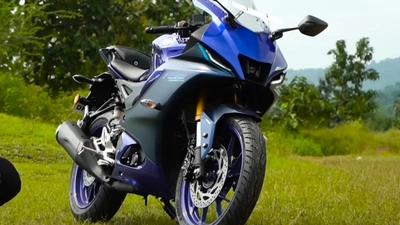
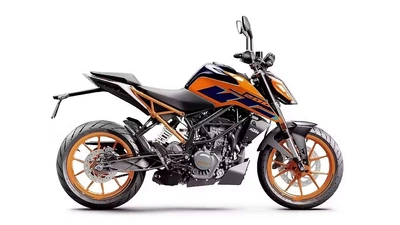
Pros & Cons of Honda CB300F Flex-Fuel
Things We Like
- Excellent city manoeuvrability due to its low 153 kg kerb weight.
- Segment-leading safety with traction control and dual-channel ABS.
Things We Don't Like
- Highway performance is adequate but lacks the top-end rush of rivals.
- Design, while sharp, lacks a unique identity in a crowded segment.
Honda CB300F Flex-Fuel Overview

Engine, Performance and Mileage
Engine, Performance and Mileage
The heart of the Honda CB300F is a 293.52cc, 4-valve, oil-cooled, single-cylinder engine. This BS6 Phase 2 unit is now configured for flex-fuel compatibility, allowing it to run on petrol blended with ethanol from 20% (E20) to 85% (E85). The power output is rated at 24.4 PS at 7500 rpm, while the peak torque of 25.6 Nm is delivered at a relatively low 5500 rpm. This torque delivery is the engine's defining characteristic. In urban traffic, it translates to a highly tractable nature, allowing the rider to pull cleanly from low speeds in higher gears, thereby reducing the need for frequent gear shifts. The 6-speed transmission, aided by a slip and assist clutch, further lightens the clutch action, making it a comfortable companion in stop-go conditions.
On the highway, the motorcycle can comfortably cruise between 100-110 kmph, with the sixth gear acting as an overdrive. However, vibrations become noticeable past this range, indicating the engine is operating outside its comfort zone. Fuel efficiency on standard E20 petrol is expected to be in the 30-35 kmpl range, though running on higher ethanol blends will likely result in a quantifiable decrease in this figure.
posture comfort
posture comfort
The ergonomics of the CB300F are engineered for the urban rider. The riding posture is upright with a slight forward lean, created by the wide, single-piece handlebar and moderately rear-set footpegs. This posture strikes a sensible balance, being comfortable for daily commutes without being too relaxed for spirited riding. The 789mm seat height is accessible to a wide range of riders, and the narrow profile of the seat-tank junction allows for an easy reach to the ground. The single-piece seat itself offers adequate cushioning for rides up to an hour or two, but its relatively compact size might feel restrictive on longer journeys.
Pillion comfort is acceptable for short city hops, with well-positioned grab rails, but the limited space and high-set footpegs make it less ideal for extended touring. With a 14.1-litre fuel tank, the motorcycle offers a practical range of over 400 kilometres on a full tank of petrol. The oil-cooled engine manages heat well in traffic, preventing excessive discomfort for the rider during prolonged stops.
handling ride quality
handling ride quality
The CB300F is built on a diamond-type frame, suspended by a non-adjustable golden USD (Up-Side Down) fork at the front and a 5-step preload-adjustable monoshock at the rear. This suspension is tuned for a balance between comfort and composure. It effectively absorbs most undulations and broken patches typical of Indian city roads without feeling overly soft or wallowy. The motorcycle’s most significant handling advantage is its low kerb weight of just 153 kg.
This makes it incredibly agile and effortless to manoeuvre through dense traffic, a trait where it scores significantly higher than heavier competitors like the 180 kg Bajaj Dominar 250. In corners, the chassis feels neutral and predictable, supported by the wide 150/60-R17 rear tyre which provides a stable contact patch. Braking duties are managed by Nissin callipers, with a 276mm disc at the front and a 220mm disc at the rear, governed by a dual-channel ABS system. The braking offers progressive feedback and sufficient stopping power for the motorcycle's performance envelope, inspiring confidence without the aggressive initial bite found on some of its European rivals.
design
design
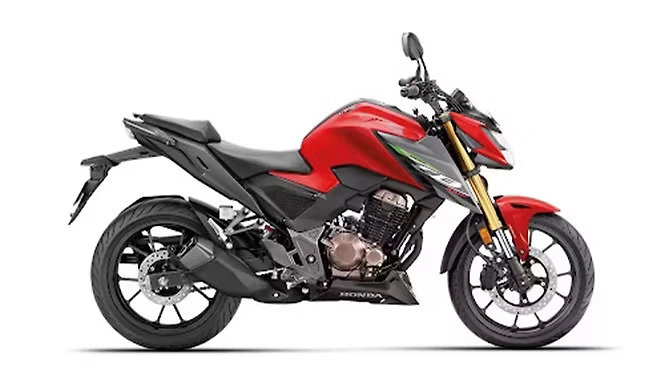
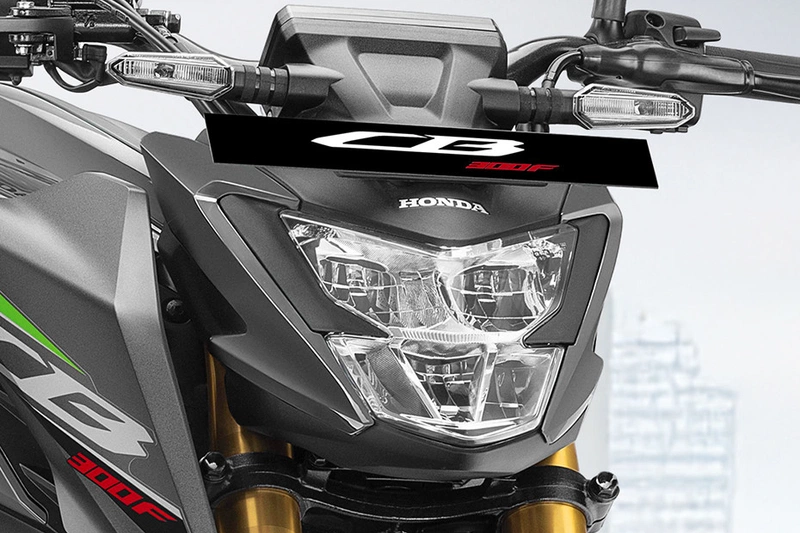
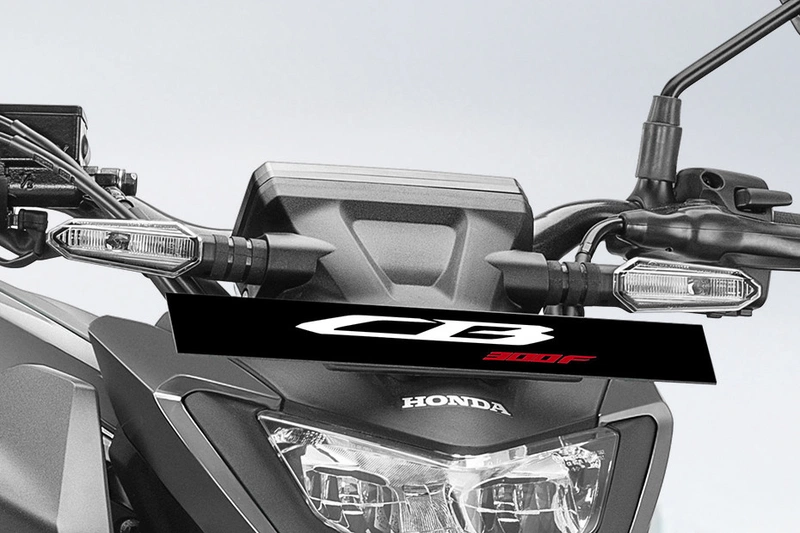
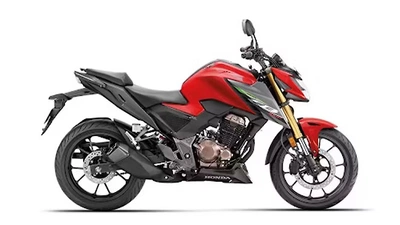
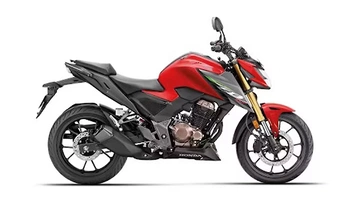
Visually, the CB300F adopts an aggressive, mass-forward streetfighter stance with sharp tank shrouds and a muscular fuel tank. The all-LED lighting package, including a sharp headlamp, sleek indicators, and a V-shaped tail lamp, lends it a modern and premium appeal. The rider’s interface is a fully digital, negative LCD instrument cluster that provides a comprehensive set of information, including a gear position indicator, trip meters, clock, and real-time fuel consumption data. The switchgear quality is functional and up to Honda standards. Where the CB300F stands out is its equipment list.
It features the Honda Smartphone Voice Control System (HSVCs), allowing Bluetooth-based turn-by-turn navigation, call alerts, and music controls when paired with a communication device. A Type-C USB charging port is conveniently located for on-the-go device charging. The inclusion of Honda Selectable Torque Control (HSTC), or traction control, is a segment-first feature at its price point, adding a significant layer of electronic safety. These features are not mere novelties; they offer tangible, real-world benefits for daily commuting and occasional touring.
safety
safety
Honda has equipped the CB300F with a robust safety package that surpasses many of its direct competitors. The primary safety net is the dual-channel Anti-lock Braking System (ABS), which prevents wheel lock-up during emergency braking on both the front and rear wheels. This system is crucial for Indian road conditions, where unpredictable obstacles and low-traction surfaces are common. The standout safety feature, however, is the Honda Selectable Torque Control (HSTC). This traction control system monitors front and rear wheel speeds and modulates engine torque to prevent the rear wheel from spinning under aggressive acceleration or on slippery surfaces like wet roads, gravel, or sand.
This feature, typically found in more expensive motorcycles, provides a significant safety advantage. Furthermore, the all-LED lighting ensures superior visibility for the rider at night and makes the motorcycle more conspicuous to other road users during the day. A side-stand engine cut-off switch is also standard. This combination of active electronic aids and passive safety elements makes the CB300F one of the most securely equipped motorcycles in its class.
competition
competition
The Honda CB300F enters a highly contested segment with several established players.
Suzuki Gixxer 250:
This motorcycle is renowned for its supremely refined 249cc oil-cooled engine and a well-sorted chassis that offers a brilliant blend of ride and handling.
Differentiator: The Gixxer 250’s primary advantage is its exceptional engine refinement and perceived premium build quality, which feels a notch above its immediate rivals.
Bajaj Dominar 250:
Positioned as a sports tourer, the Dominar 250 uses a liquid-cooled DOHC engine derived from the KTM 250 Duke, tuned for touring.
Differentiator: Its significant heft, comfortable ergonomics, and stable highway manners make it a far superior choice for riders focused exclusively on long-distance touring.
KTM 250 Duke:
The 250 Duke is the undisputed performance benchmark in this category, offering a high-revving liquid-cooled engine, premium WP suspension, and aggressive, razor-sharp handling.
Differentiator: It offers a significantly more engaging and thrilling riding experience, targeting the enthusiast who prioritises outright performance and handling dynamics above all else.
buying advice
buying advice
Who should buy it?
The ideal buyer is a city-centric rider seeking a lightweight, easy-to-manage, and feature-rich motorcycle. Someone who values a strong safety package (traction control), modern tech (Bluetooth), and the future-readiness of flex-fuel technology over raw top-end performance would find the CB300F very appealing.
Who should skip it?
Performance enthusiasts seeking class-leading power and aggressive handling should look towards the KTM 250 Duke. Similarly, dedicated long-distance tourers who require better highway comfort, stability, and luggage-carrying capacity would be better served by the Bajaj Dominar 250.
Honda CB300F Flex-Fuel Specifications & Features
Engine & Transmission
| Starting | Self Start Only |
| Engine Type | 4 Stroke, Sl, Oil Cooled Engine |
| Displacement | 293.52 cc |
| Max Torque | 25.9 Nm @ 5500 rpm |
| Number of Cylinders | 1 |
| Cooling System | Oil Cooled |
| Fuel Supply | Fuel Injection |
| Gear Box | 6 Speed |
| Bore | 77 mm |
| Stroke | 63.033 mm |
| Compression Ratio | 9.3:1 |
| Emission Type | BS6.2 |
| Clutch | Multiplate Wet clutch |
| Valve Per Cylinder | 4 |
| gear shifting pattern | 1 Down 5 Up |
| spark plugs per cylinder | 1 Per Cylinder |
Motor & Battery
| Drive Type | Chain Drive |
| Transmission | Manual |
| Peak Power | 24.8 PS @ 7500 rpm |
Mileage & Performance
| Overall Mileage | 33 kmpl |
Performance
| Top Speed | 155 kmph |
| average speed |
Chassis & Suspension
| Body Type | Sports Bikes |
Tyres & Brakes
| Front Brake Diameter | 276 mm |
| Rear Brake Diameter | 220 mm |
| Radial Tyre | |
| Front Tyre Pressure Rider | 29 psi |
| Front Tyre Pressure Rider Pillion | 29 |
| Rear Tyre Pressure Rider | 29 psi |
| Rear Tyre Pressure Rider Pillion | 33 |
Dimensions & Capacity
| Width | 765 mm |
| Length | 2084 mm |
| Height | 1075 mm |
| Fuel Capacity | 14.1 L |
| Ground Clearance | 177 mm |
| Wheelbase | 1390 mm |
| Kerb Weight | 153 Kg |
| Fuel Reserve | 2.8 L |
| Seat Height | 789 mm |
| pillion grab rail | |
| pillion seat |
Electricals
| Headlight | LED |
| Taillight | LED |
| Turn Signal Lamp | LED |
| Low Battery Indicator | |
| Low Oil Indicator | |
| Low Fuel Indicator | |
| Drls |
Features & Safety
| Pass Switch | |
| Additional Features |
|
| Tachometer | Digital |
| Traction Control | |
| Engine Kill Switch | |
| Real Time Mileage Indicator | |
| Service Due Indicator | |
| hazard warning indicator | |
| hazard warning lights | |
| high beam indicator | |
| malfunction indicator | |
| no of tripmeters | 2 |
| saree guard | |
| shift light | |
| stand alarm |
Features
| Instrument Console | Digital |
| Speedometer | Digital |
| Tripmeter | Digital |
| Seat Type | Split |
| Clock | |
| Passenger Footrest | |
| Navigation | |
| Odometer | Digital |
| Body Graphics | |
| Usb Charging Port | |
| Call SMS Alerts | |
| Music Control | |
| Average Fuel Economy Indicator | |
| digital display type | LCD |
| gear indicator |
App Features
| Low Battery Alert | |
| Navigation Assist | |
| Calls & Messaging |
Underpinnings
| Suspension Front | Telescopic (USD) |
| Suspension Rear | Monoshock |
| Brakes Front | Disc |
| Brakes Rear | Disc |
| Tyre Size | Front :-110/70-17 Rear :-150/60-17 |
| Wheel Size | Front :-431.8 mm,Rear :-431.8 mm |
| Wheels Type | Alloy |
| Tubeless Tyre | 1 |
| ABS | Dual Channel |
| Frame | Diamond Type |
| first service | 1000 Kms/30 Days |
| second service | 6000 Kms/180 Days |
| third service | 12000 Kms/365 Days |
| caliper front piston | 2 |
| caliper rear piston | 1 |
| Tyre Type | Tubeless |
Warranty
| Vehicle Warranty | 3 Years or 42,000 Km |
| Roadside Assistance |
Honda CB300F Flex-Fuel Price in Cities
₹ 1.84 Lakh - 1.84 Lakh
₹ 1.82 Lakh - 1.82 Lakh
₹ 1.79 Lakh - 1.79 Lakh
₹ 1.82 Lakh - 1.82 Lakh
₹ 1.77 Lakh - 1.77 Lakh
₹ 1.82 Lakh - 1.82 Lakh
₹ 1.91 Lakh - 1.91 Lakh
₹ 1.77 Lakh - 1.77 Lakh
₹ 1.85 Lakh - 1.85 Lakh
₹ 1.98 Lakh - 1.98 Lakh
Popular Honda Bikes
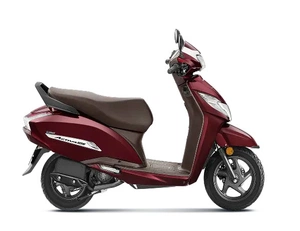
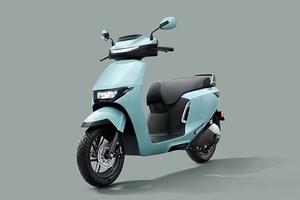
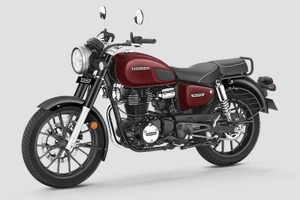
Popular Brands




Honda CB300F Flex-Fuel Comparisons
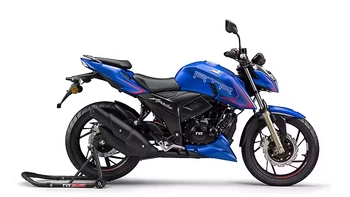
Honda CB300F Flex-Fuel
₹1.55 Lakh
TVS Apache RTR 200 4V
₹1.42 - 1.50 Lakh
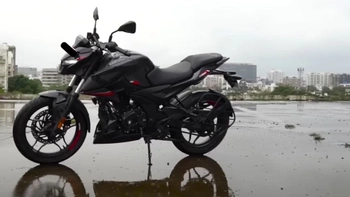
Honda CB300F Flex-Fuel
₹1.55 Lakh
Bajaj Pulsar N160
₹1.22 - 1.31 Lakh
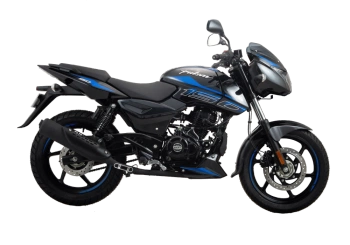
Honda CB300F Flex-Fuel
₹1.55 Lakh
Bajaj Pulsar 150
₹1.11 - 1.18 Lakh
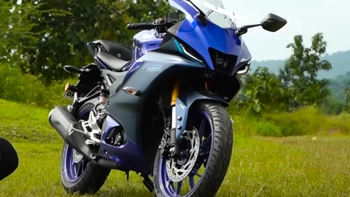
Honda CB300F Flex-Fuel
₹1.55 Lakh
Yamaha R15 V4
₹1.71 - 1.97 Lakh
Honda CB300F Flex-Fuel
₹1.55 Lakh
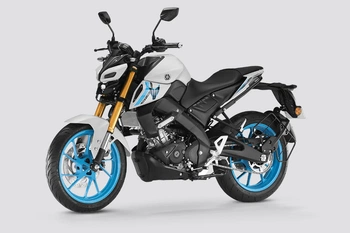
Yamaha MT 15 Version 2.0
₹1.63 - 1.72 Lakh
Honda CB300F Flex-Fuel
₹1.55 Lakh
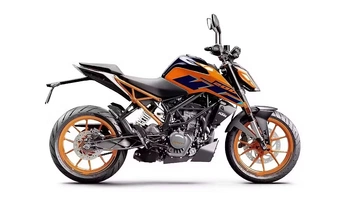
KTM 200 Duke
₹2 Lakh
Honda CB300F Flex-Fuel
₹1.55 Lakh
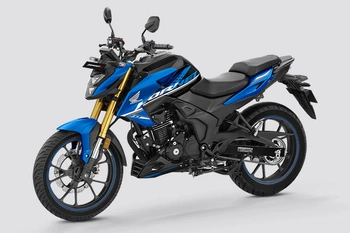
Honda Hornet 2.0
₹1.48 Lakh