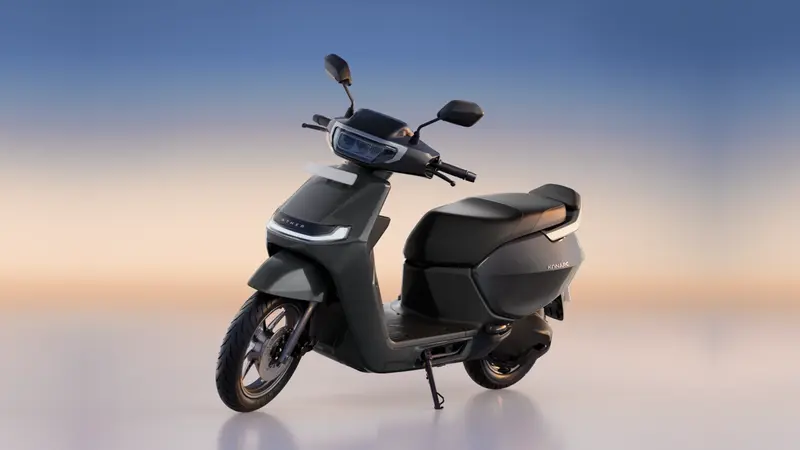

Ather Konarc Key Specifications
Ather Konarc Variants & Prices
| Variant Details | Ex. Showroom Price | |
|---|---|---|
Konarc S (IDC 200 Km)70 km/Hr | 200 km/charge | ₹ Price to be announced* | |
Konarc Z (IDC 125 Km)80 km/Hr | 125 km/charge | ₹ Price to be announced* | |
Konarc Z (IDC 161 Km)80 km/Hr | 161 km/charge | ₹ Price to be announced* |
Konarc S (IDC 200 Km)
Konarc Z (IDC 125 Km)
Konarc Z (IDC 161 Km)
Pros & Cons of Ather Konarc
Things We Like
- Steel unibody chassis is unique in this price segment, no direct rival offers it
- IP67 on both motor and battery across all three S variants
Things We Don't Like
- 70 km/h top speed is below the Ola S1 X and TVS iQube ST at similar prices
- S 100 km gets drum brakes at both ends, while rivals offer front discs
Ather Konarc Overview

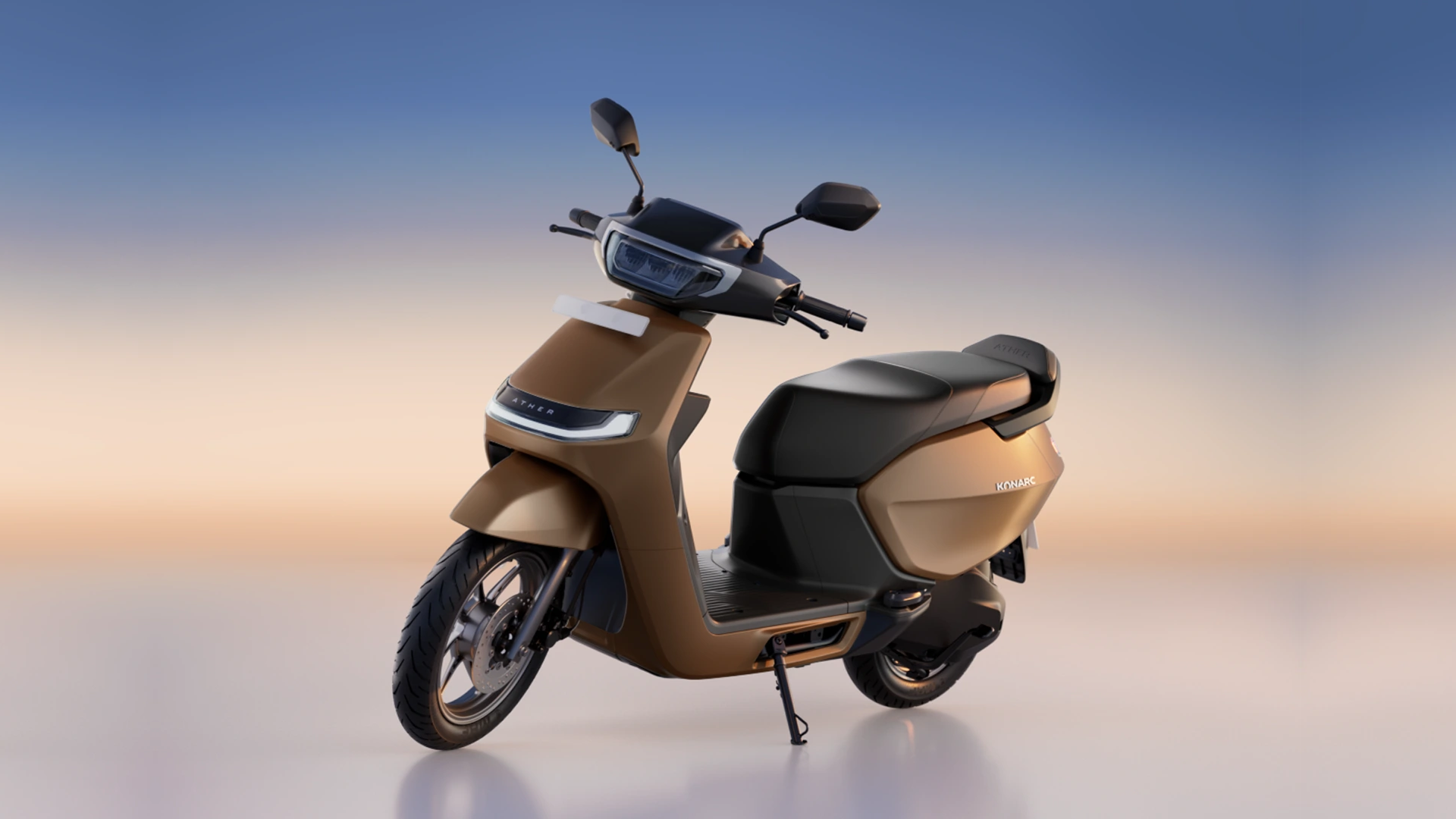
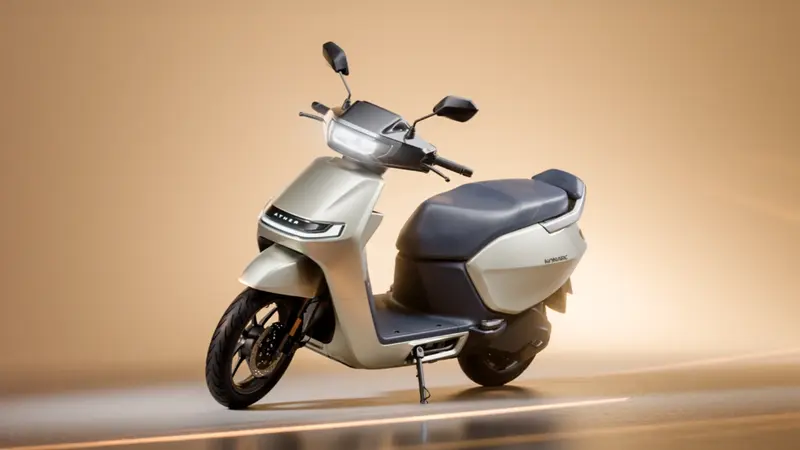
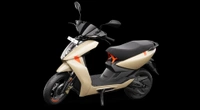
The Konarc is Ather Energy's entry into the mass-market electric scooter segment and the brand's most affordable model yet. It is the first Ather to use the new EL platform, which the company says was developed using 26 lakh kilometres of field data and will form the basis for several future products.
It sits below the 450 and Rizta families and is available in six variants across the S and Z trims. There are three battery options, with ARAI IDC-certified ranges of 100 km, 125 km and 161 km. A 200 km version has also been confirmed, although it is not due until Q3 2027. The S 125 km and S 161 km are scheduled to reach customers from mid-September in select cities, followed by the S 100 km from Q1 2027 and the Z variants from Q2 2027.
Ather has also taken a different approach to the chassis. The Konarc uses a steel unibody construction, making it the first Ather scooter with metal body panels. The company says this reduces component count, cuts assembly time by 15 percent and halves periodic servicing time. The recommended service interval is once a year or every 10,000 km.
Battery and Motor
Battery and Motor
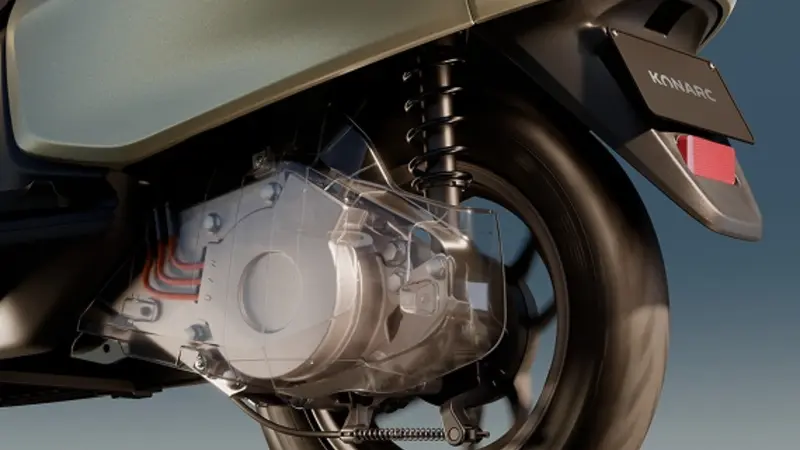
All Konarc variants use a swingarm-mounted electric motor, although output varies with the battery option. The S 100 km produces 4 kW or 5.4 hp and 16 Nm, while the S 125 km and S 161 km produce 4.7 kW or 6.4 hp with the same torque output. All versions have a 70 km/h top speed and 16-degree gradeability, while the motor is rated IP67 for water and dust resistance.
Battery capacities are 2.1 kWh, 2.7 kWh and 3.5 kWh for the three versions, corresponding to ARAI IDC ranges of 100 km, 125 km and 161 km. Ather's TrueRange figures, measured in SmartEco mode, are lower at 80 km, 100 km and 130 km respectively.
The S 100 km takes 5 seconds to accelerate from 0 to 40 km/h, while the S 125 km and S 161 km manage the same sprint in 4.7 seconds. Also, SmartEco, Eco and Power are the three riding modes available across the range.
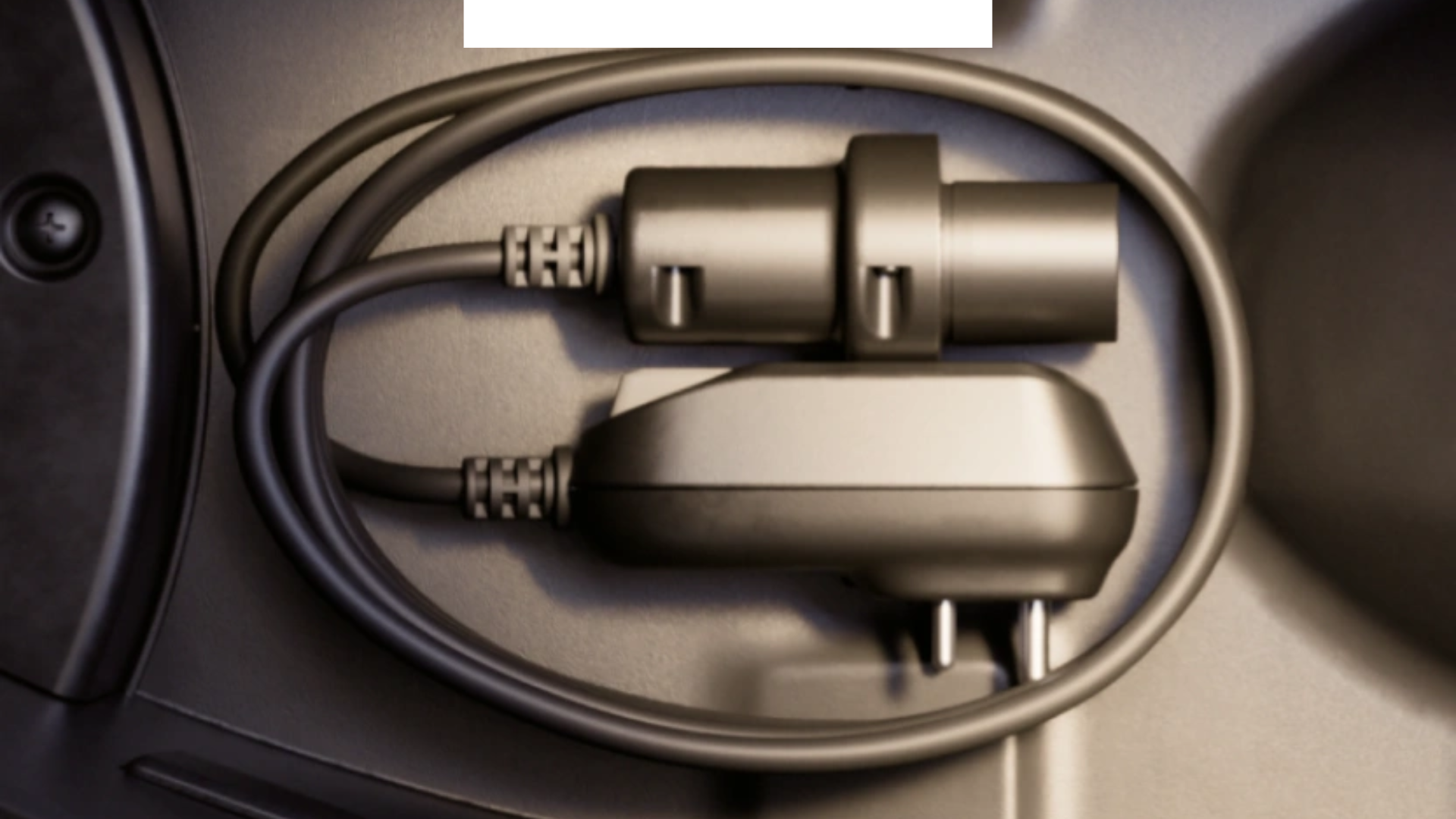
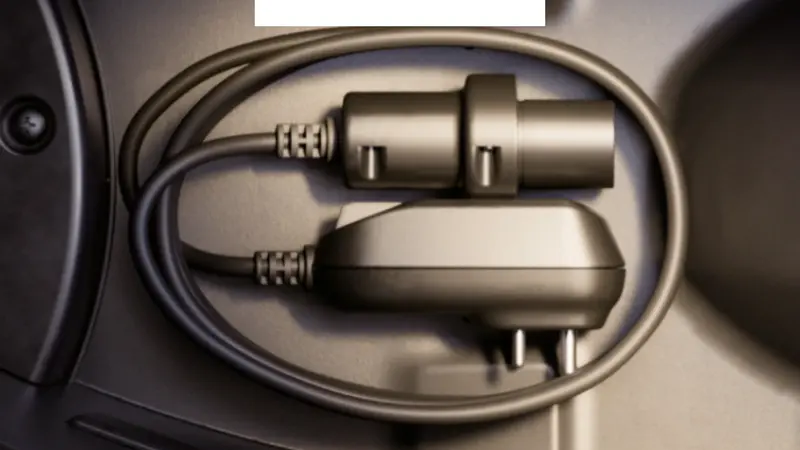
Charging times depend on both the battery and charger. With the standard 450 W on-board charger, the S 100 km takes around 4 hours to reach 80 percent, compared with 4 hours 30 minutes for the S 125 km and 5 hours 40 minutes for the S 161 km.
The S 161 km gets a 900 W charger as standard, while it is optional on the two smaller versions. With this charger, 80 percent charging takes around 2 hours, 2 hours 25 minutes and 3 hours 10 minutes respectively.
Ather Grid fast charging is standard from the S 125 km upwards and adds 15 km of range in 10 minutes. The S 100 km can access it as an option.
design
design
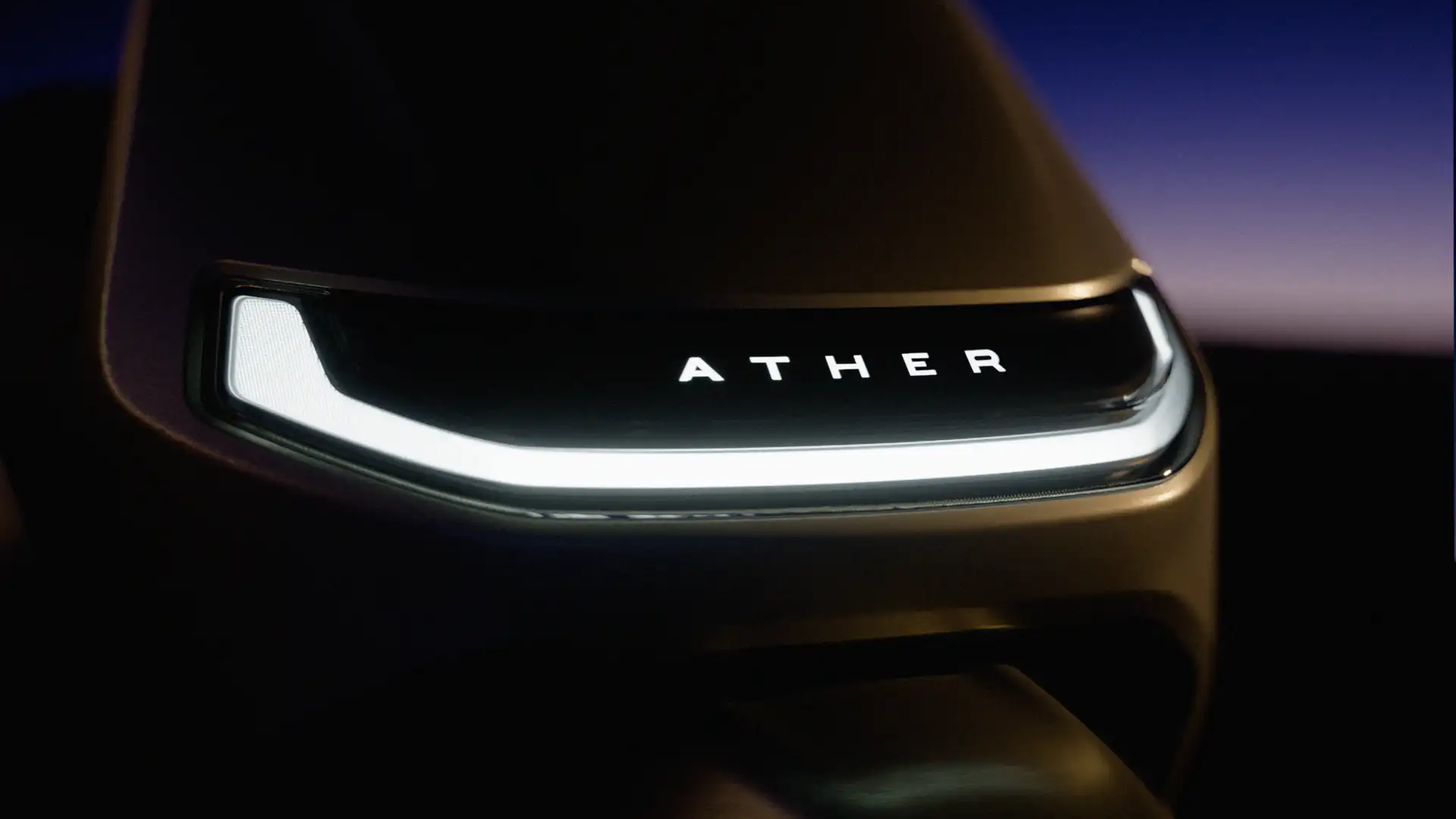
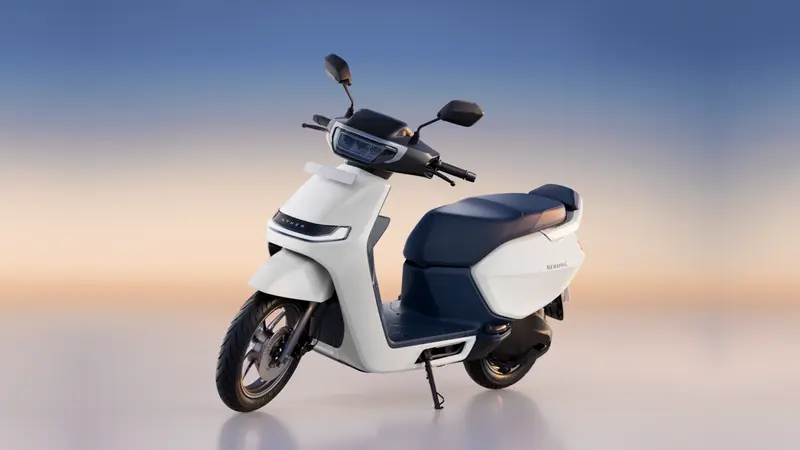
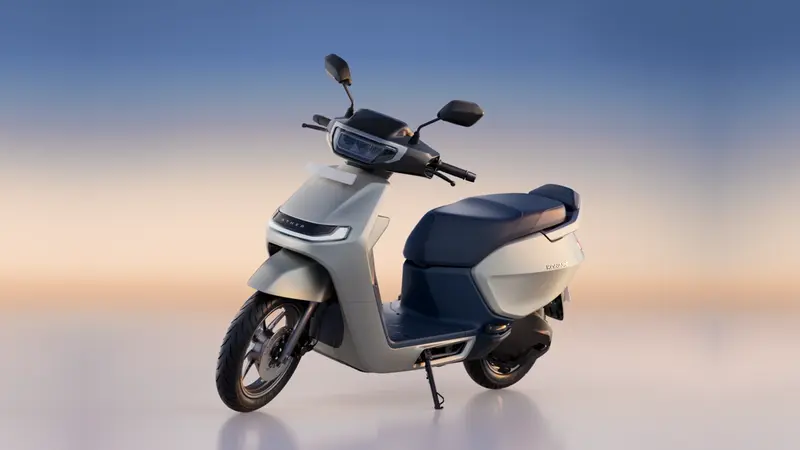
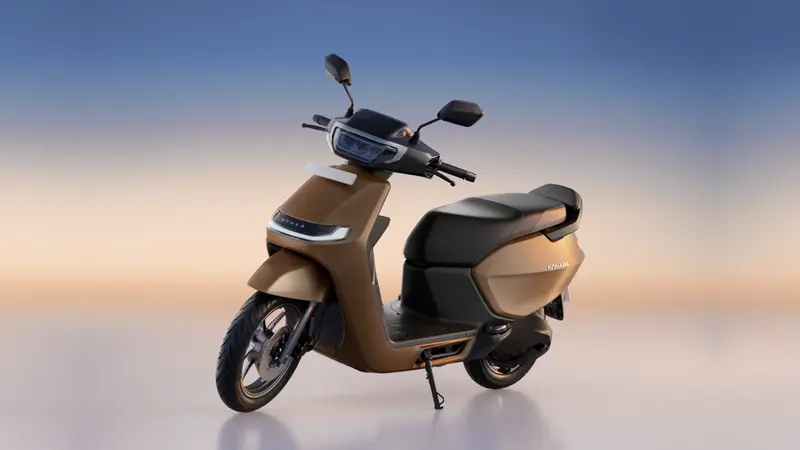
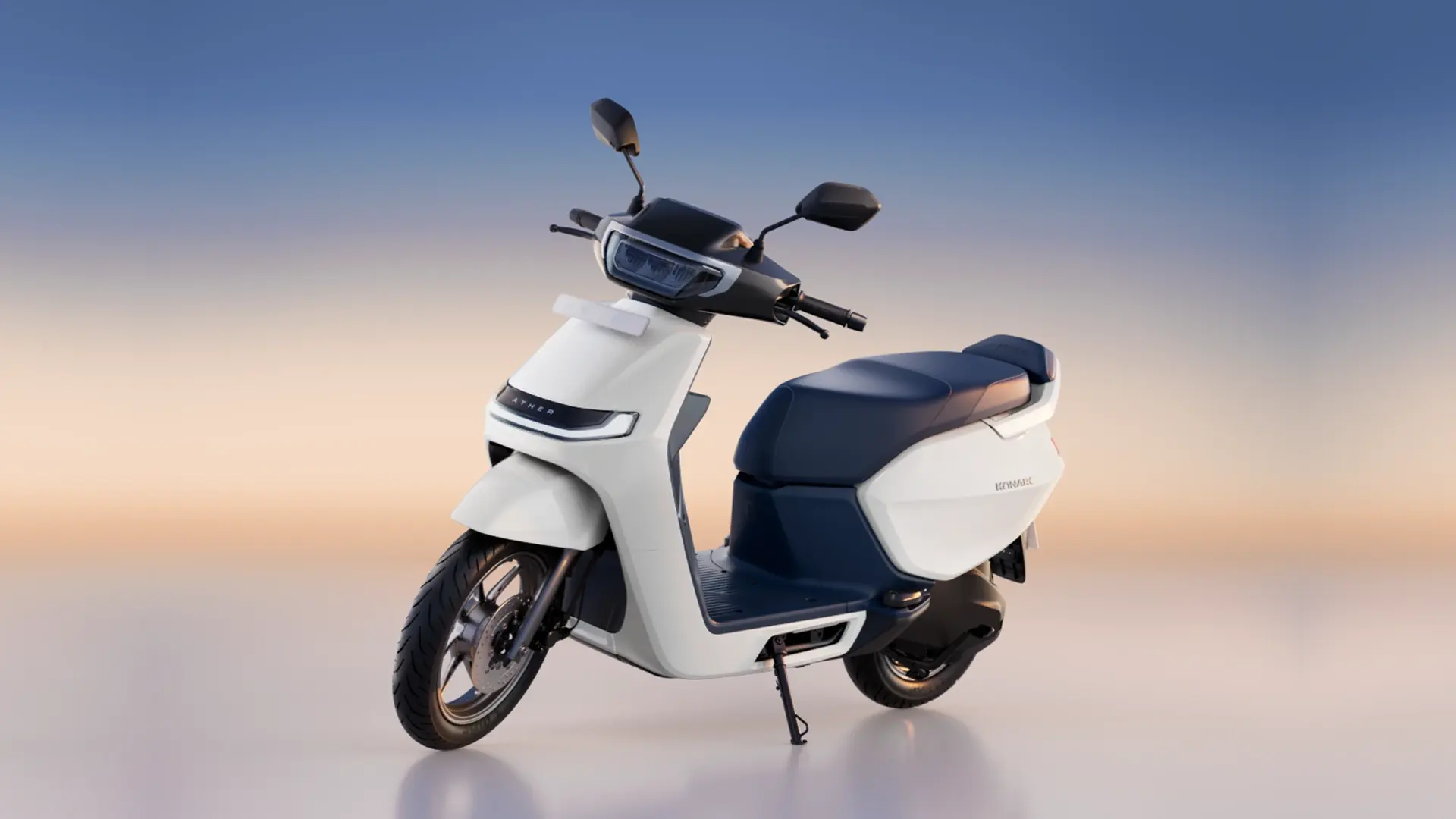
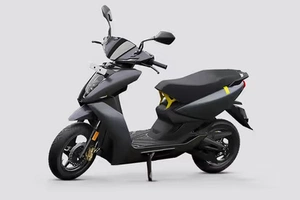
The Konarc has a more upright and straightforward design than Ather's 450 range. Its headlight is mounted on the handlebar and uses dual LED units, while a horizontal LED DRL runs across the front apron.
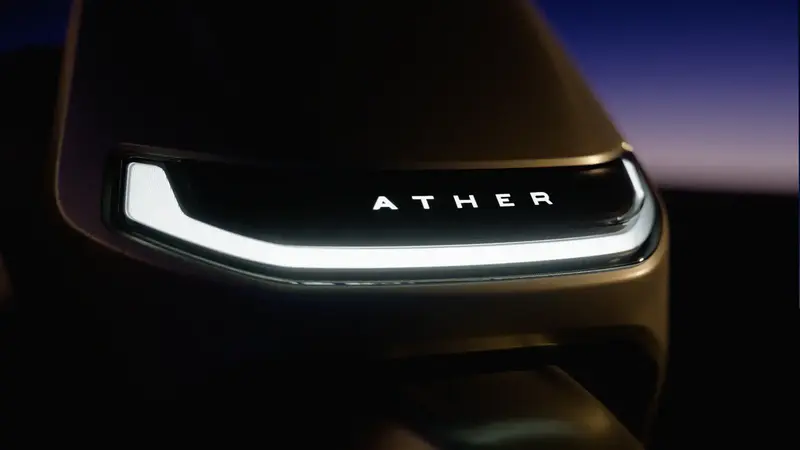
Illuminated Ather branding and animated wraparound lamps add some visual detail, but the overall shape is aimed more at everyday family use than sporty riding.
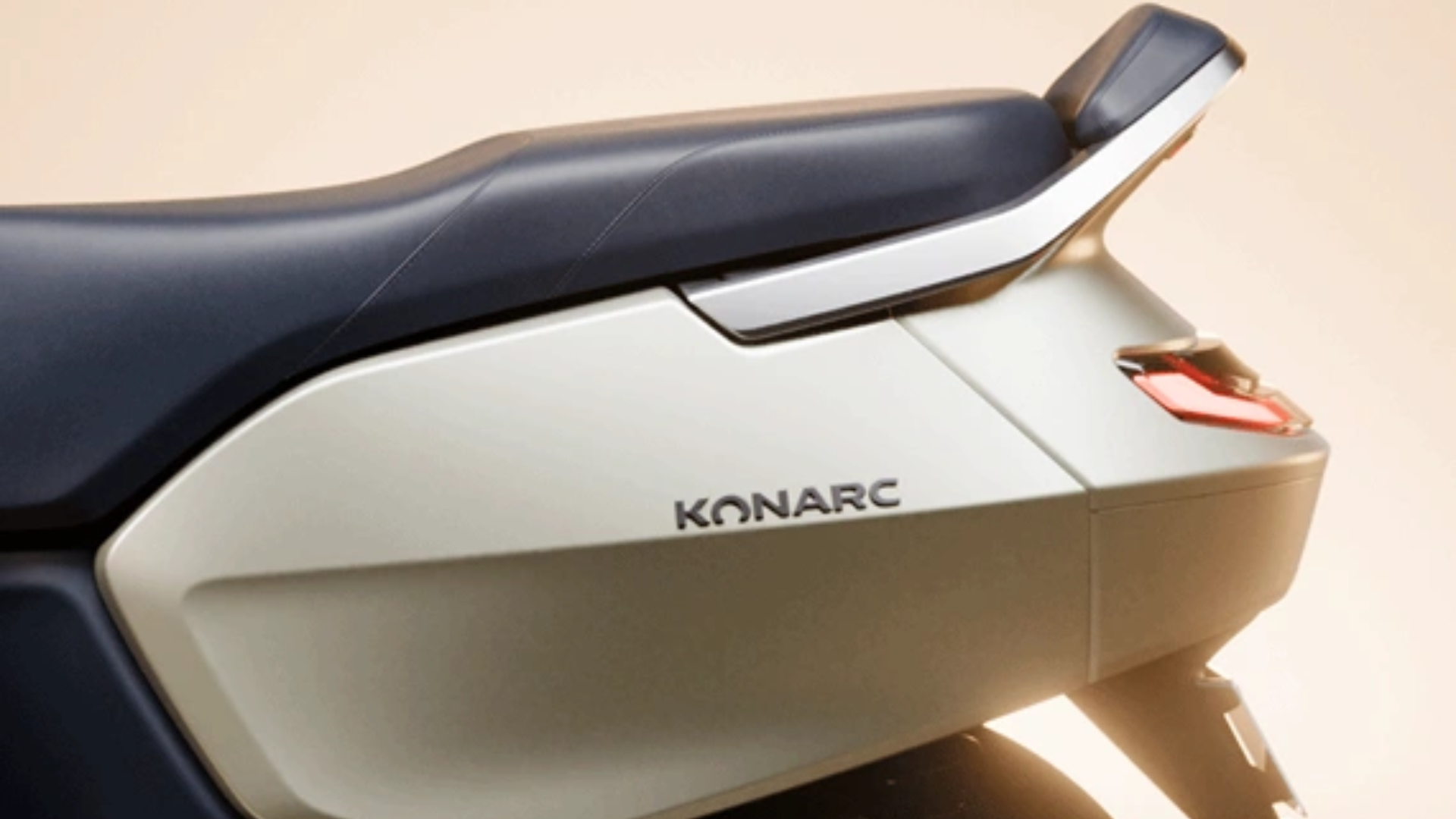
The steel unibody chassis is a notable departure for Ather and brings metal body panels to the range for the first time. The scooter uses a 14-inch alloy wheel at the front and a 12-inch unit at the rear, with 90/90-14 and 100/90-12 tyres respectively. Its 1,352 mm wheelbase is the longest among Ather scooters. Suspension comprises a telescopic front fork with 90 mm of travel and twin rear shocks offering 100 mm.
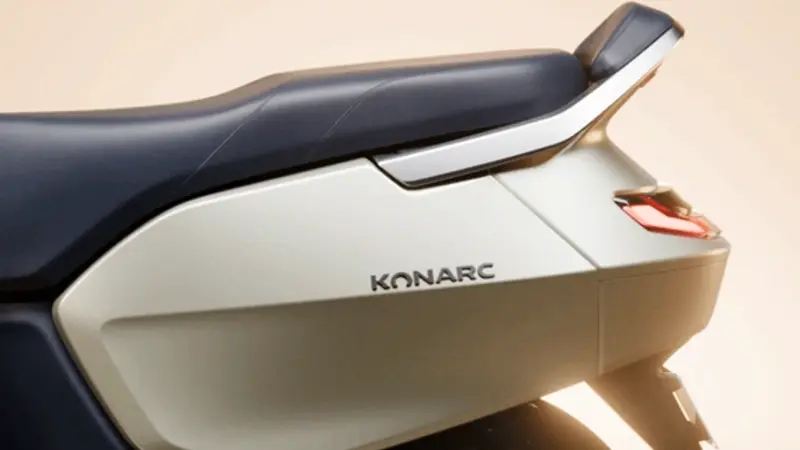
Storage is one of the more useful aspects of the Konarc, with 31 litres under the seat and another 2 litres in the glovebox. A centre stand and a mobile holder with USB charging are standard. The S 125 km and S 161 km also get a cushioned grab rail, while the Z adds an adjustable backrest with lumbar support.
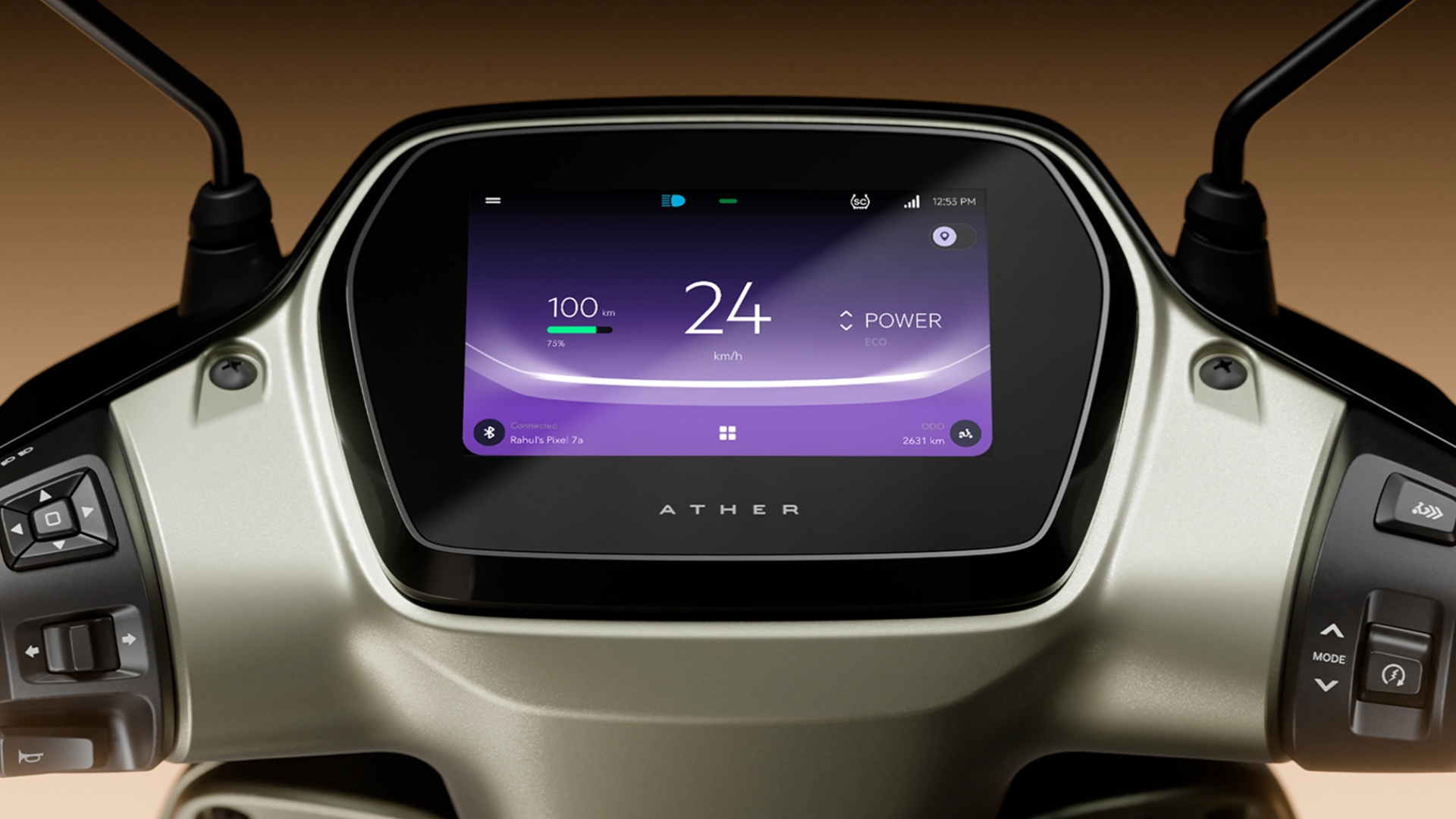
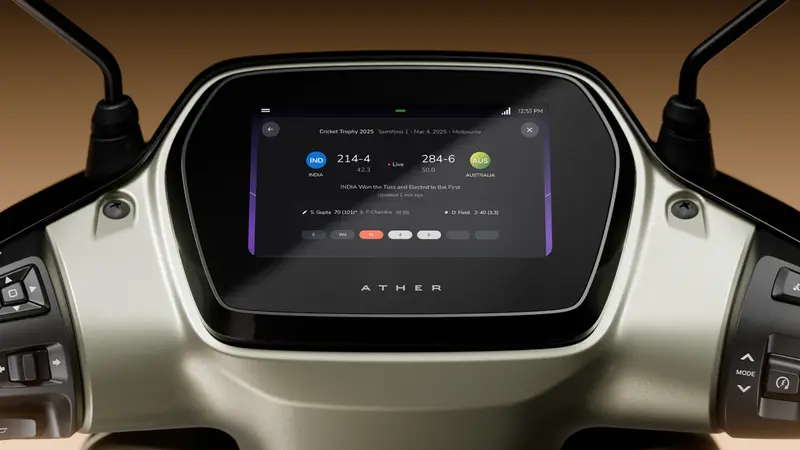
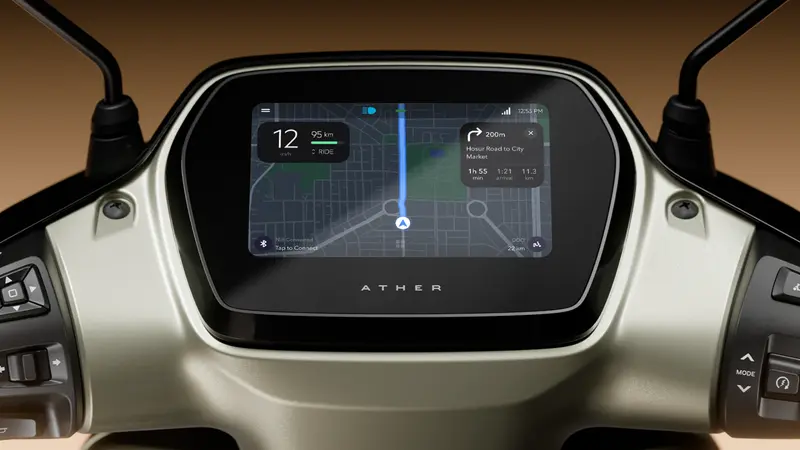
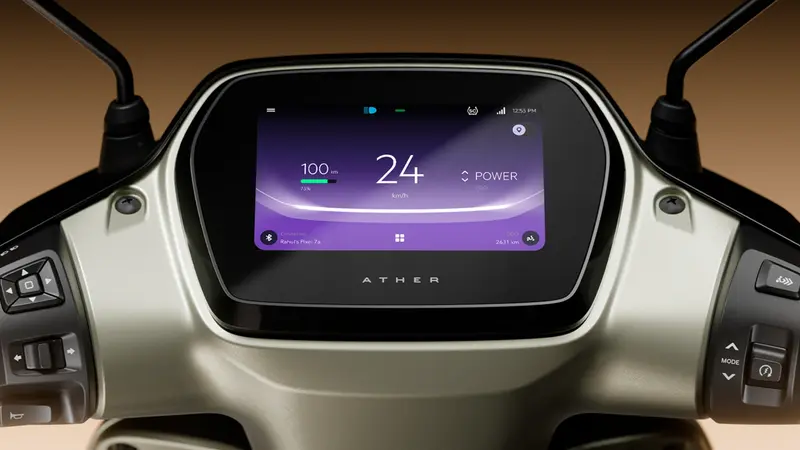
The S 100 km uses a smaller 4.2-inch LCD instrument console. The S 125 km and S 161 km get a 7-inch LCD display with Bluetooth connectivity and turn-by-turn navigation. Kerb weight is 126.5 kg for the S 125 km and 129 kg for the S 161 km.
safety
safety
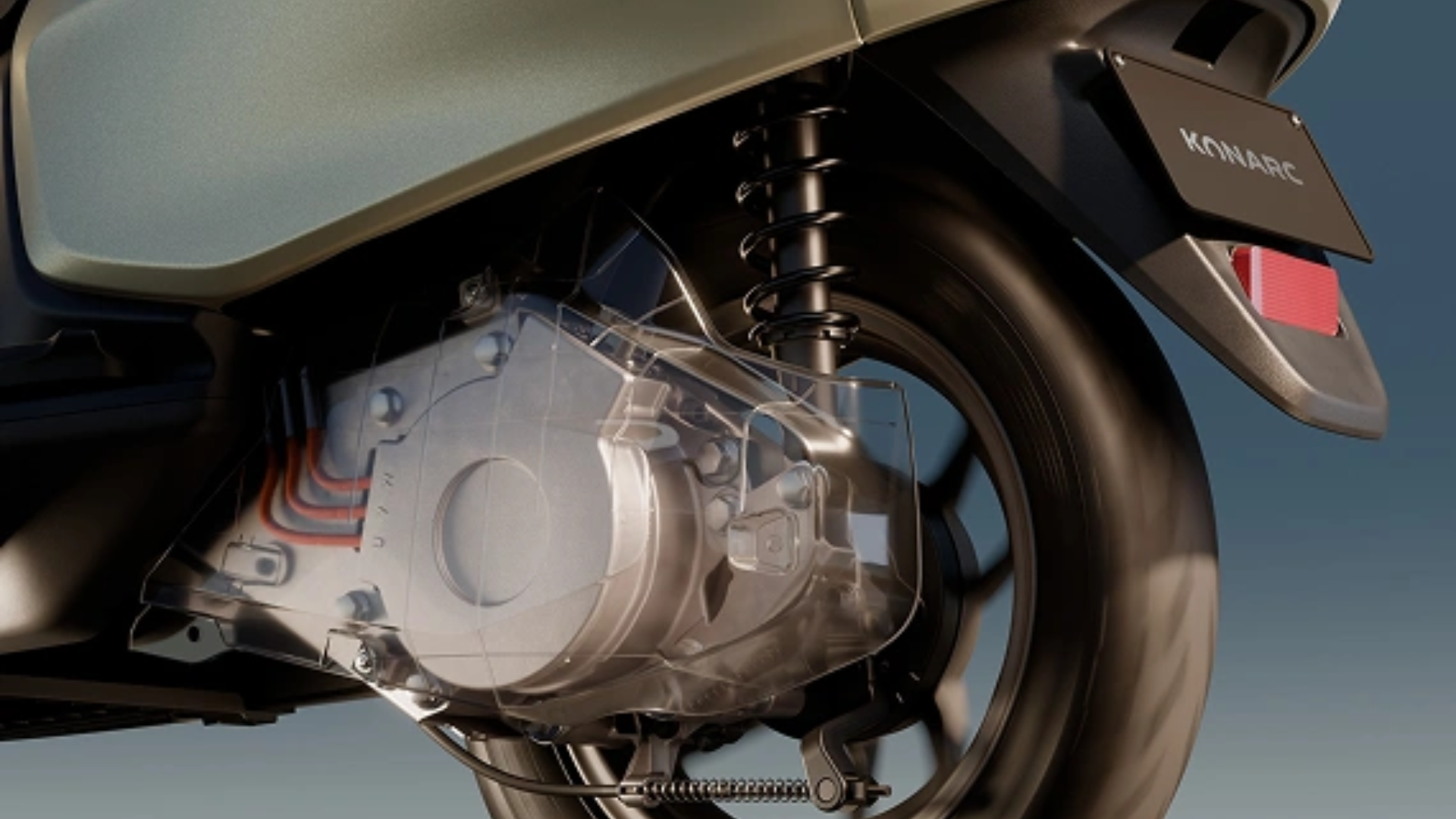
The Konarc's braking hardware varies by variant. The S 100 km uses 130 mm drum brakes at both ends, while the S 125 km and S 161 km get a 220 mm front disc with a 130 mm rear drum. All variants use Combined Braking System, but the Z adds Ather's Advanced Electronic Braking System.
AEBS uses electronic control to increase peak braking force and reduce the chances of the rear wheel locking during hard braking. Ather claims up to 20 percent more peak braking force than a conventional CBS setup. It is not available on the S variants.
AutoHold is standard across the range and helps keep the scooter stationary on inclines, while FallSafe, which cuts motor power if the scooter tips over, is available from the S 125 km upwards.
The motor and battery both carry IP67 ratings. The Konarc also uses a centre stand across all variants. The Z's AEBS is therefore the main safety distinction between the two trim lines, rather than a difference in basic braking hardware alone.
competition
competition
The Konarc's main alternatives include the Ola S1 X, TVS iQube ST and Bajaj Chetak. These scooters overlap with it in price and intended use, although each takes a slightly different approach to performance, range and equipment.
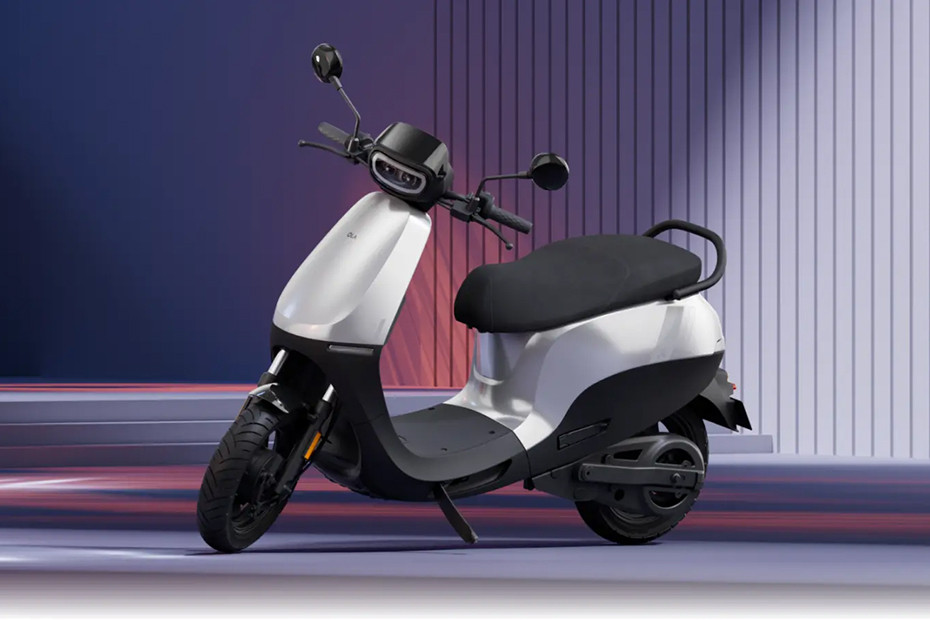
The S1 X has the performance advantage, with top speeds of up to 90 km/h compared with the Konarc's 70 km/h. Ola also has a wider delivery footprint at this price point. The Konarc's case rests more on its steel unibody construction, IP67-rated motor and battery, and Ather's established charging and service network.
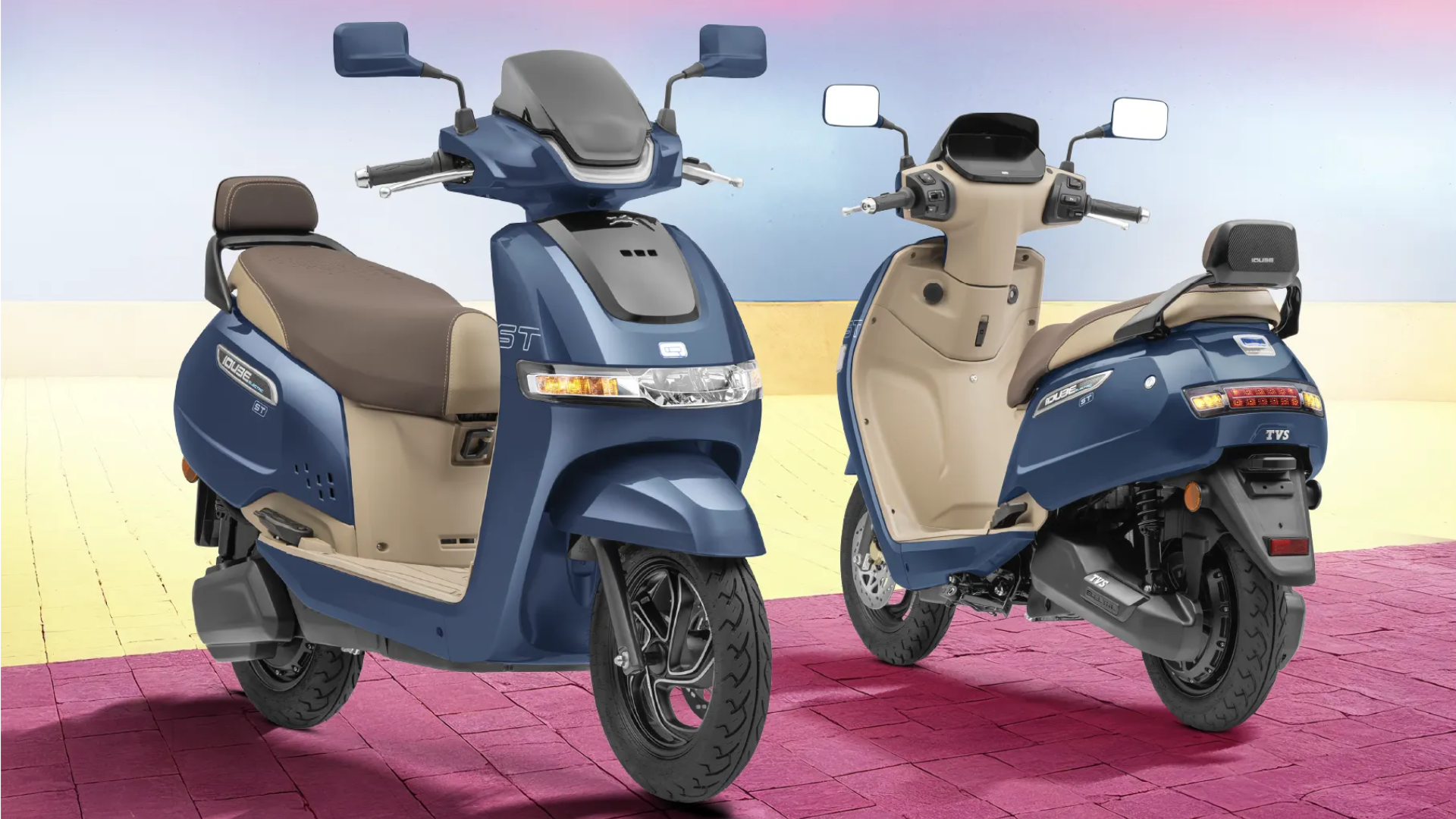
The iQube ST offers a larger battery option of 5.19 kWh and a claimed IDC range of up to 213 km, comfortably above the Konarc S 161 km. It also has TVS' SmartXonnect connected features. The Konarc's strongest differentiator is the AEBS available on the Z, along with its lower entry price through the S 100 km.
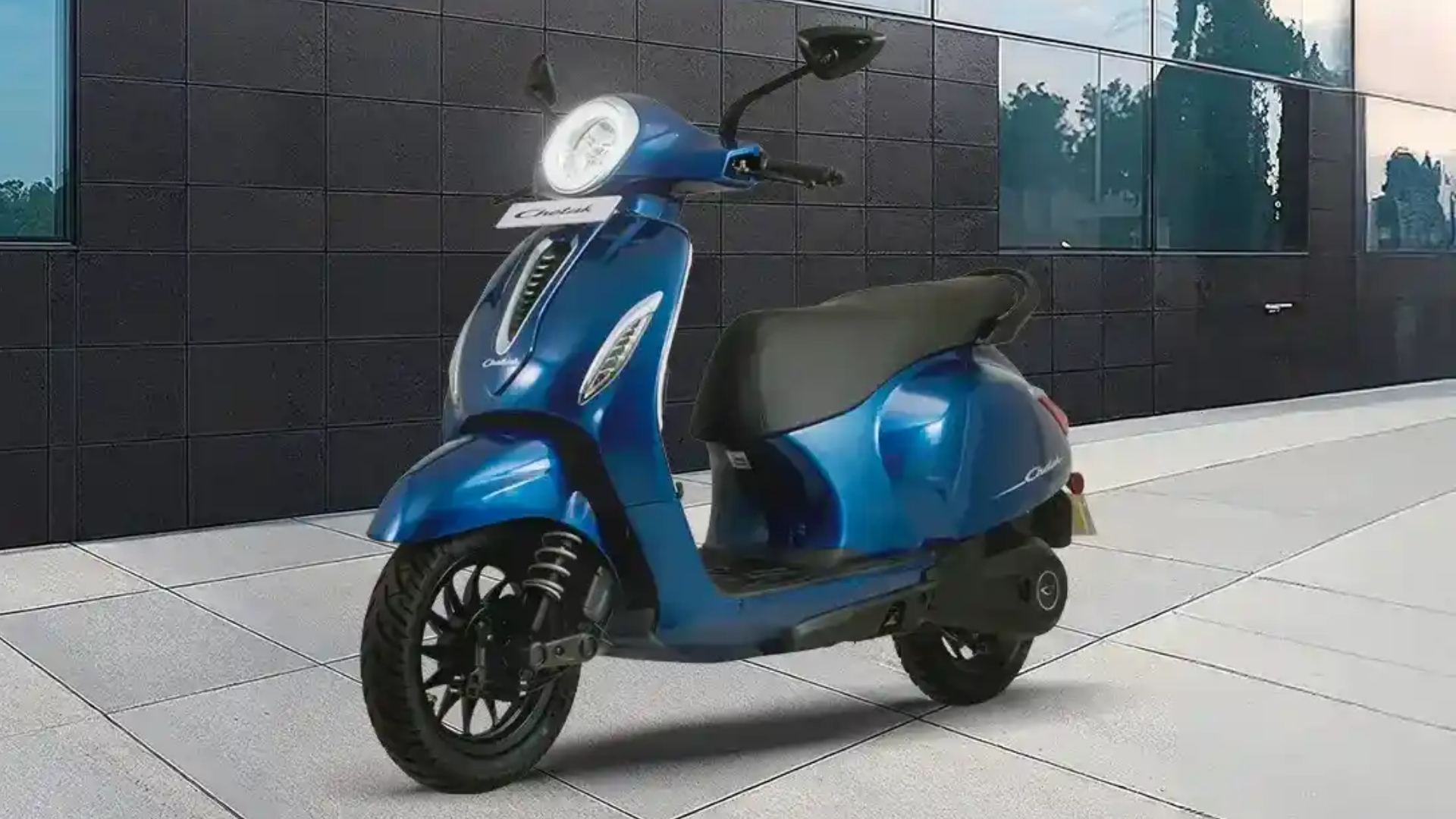
The Chetak benefits from Bajaj's extensive dealer network and familiarity among commuter buyers. The Konarc, however, offers a larger 7-inch display on the higher S variants, OTA updates, access to Ather Grid fast charging and 31 litres of underseat storage. These differences make the two scooters less interchangeable than their similar positioning might suggest.
Ather Konarc Colors
Ather Konarc FAQs
What is the Ather Konarc, and how does it fit into Ather's lineup?
−The Konarc is Ather's entry-level electric scooter and the most affordable product in its current range. It sits below the 450 and Rizta families and is built on an entirely new EL platform designed for mass-market buyers rather than performance enthusiasts.
How many variants does the Ather Konarc come in, and what are they called?
+Six variants are available across two trim lines: the S line and the Z line. The S line is offered with 100 km, 125 km, and 161 km IDC range options. The Z line adds more features including AEBS and MagicKey. A 200 km variant is also confirmed but not yet available at launch.
What is the ARAI IDC certified range of the Ather Konarc?
+The S 100 km delivers 100 km, the S 125 km delivers 125 km, and the S 161 km delivers 161 km as per ARAI IDC certification. Ather's own TrueRange figures in SmartEco mode are 80 km, 100 km, and 130 km respectively.
What are the battery and motor specs of the Ather Konarc?
+Battery capacities are 2.1 kWh, 2.7 kWh, and 3.5 kWh across the three S variants. The S 100 km produces 4 kW and 16 Nm, while the S 125 km and S 161 km produce 4.7 kW and 16 Nm. All use a swingarm-mounted PMSM motor with IP67 protection.
How fast does the Ather Konarc charge?
+With the default 450 W on-board charger, the S 161 km takes approximately 5 hours 40 minutes to reach 80 percent. A combined 900 W charger is included standard on the S 161 km and cuts this to around 3 hours 10 minutes. Ather Grid fast charging is included from the S 125 km upward, adding approximately 15 km of range in 10 minutes.
What is the top speed of the Ather Konarc?
+All S variants share a top speed of 70 km/h.
Does the Ather Konarc have ABS or any advanced braking system?
+The S variants do not have ABS. The top Z variants get Ather's Advanced Electronic Braking System, which uses electronic control to reduce stopping distances and minimise rear-wheel lock-up. The S 100 km uses drum brakes at both ends, while the S 125 km and S 161 km get a 220 mm front disc with a rear drum.
What display does the Ather Konarc get?
+The S 100 km gets a 4.2-inch DeepView display. The S 125 km and S 161 km step up to a 7-inch DeepView unit. The Z variants additionally get Google Maps and WhatsApp on the dashboard.
What connectivity features does the Ather Konarc offer?
+Ather Connect with theft and tow alerts, Find My Scooter, remote charging status, ride stories, and OTA updates are included from the S 125 km upward, complimentary for three years. The S 100 km gets only basic Ather App access without the connected features. AtherStack Pro is available as an optional upgrade across all variants.
What is AirWalk and AutoHold on the Ather Konarc?
+AutoHold prevents the scooter from rolling on inclines and is standard across all variants. AirWalk allows the rider to walk the scooter slowly without using the throttle, useful in parking lots, and is available from the S 125 km upward.
What is MagicKey on the Ather Konarc Z?
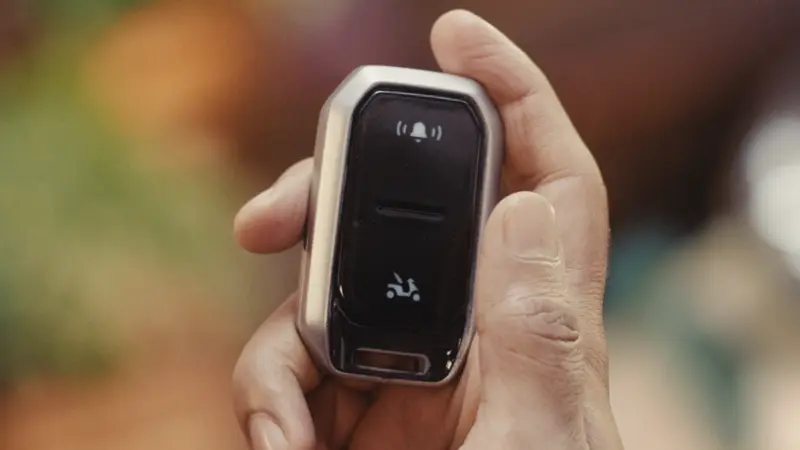
+MagicKey is a Z-exclusive feature that allows the rider to unlock the scooter's boot through the Ather app instead of using a physical key. On the Konarc Z 161, MagicKey works with the AutoPop function, which automatically pops the boot open without needing a physical interaction.
How much underseat storage does the Ather Konarc have?
+All variants offer a 31-litre boot, which is competitive in the segment and can accommodate most full-face helmets.
When do Ather Konarc deliveries begin, and which variants come first?
+The S 125 km and S 161 km begin deliveries in mid-September in select cities, expanding across India in phases. The S 100 km is scheduled for Q1 2027, Z variants for Q2 2027, and the 200 km variant for Q3 2027.
Electric Ather Bikes

Popular Brands





Ather Konarc News
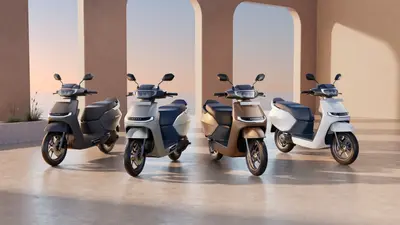
Ather Konarc Launched at Rs 99,999, New Platform and Up To 161 Km Range
Ather Energy has launched the Konarc, its first scooter on the new EL platform, starting at ₹99,999. It is a practical family scooter offering multiple battery options with claimed ranges from 100 to 200 km.
Arjun Nair
August 31, 2026