| Parameter | Details |
|---|---|
| Price (Ex-showroom) | ₹1.88–2.00 lakh |
| Battery & Capacity | LFP battery, 3.07 kWh |
| Motor & Output | 4.1 kW motor, 15 Nm torque |
| Range (Claimed / Real) | 95 km / ~70–80 km |
| Top Speed | ~71 kmph |
| Charging Time | 0–80%: ~4.5 hrs, Full: ~6.5 hrs |
| Riding Modes | Eco, Ride A, Ride B |
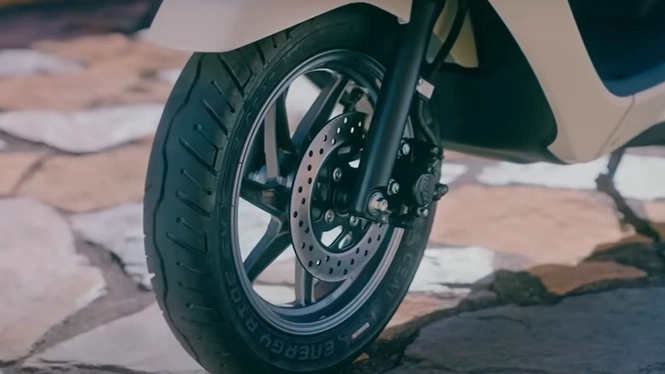
| Brakes & Suspension | Disc front, drum rear, telescopic fork, monoshock |
| Features | 4.2-inch TFT, Bluetooth, reverse mode, regen braking |
| Weight & Drive | ~115–120 kg, belt drive |
Suzuki e-Access Marks Suzuki’s Electric Debut in India
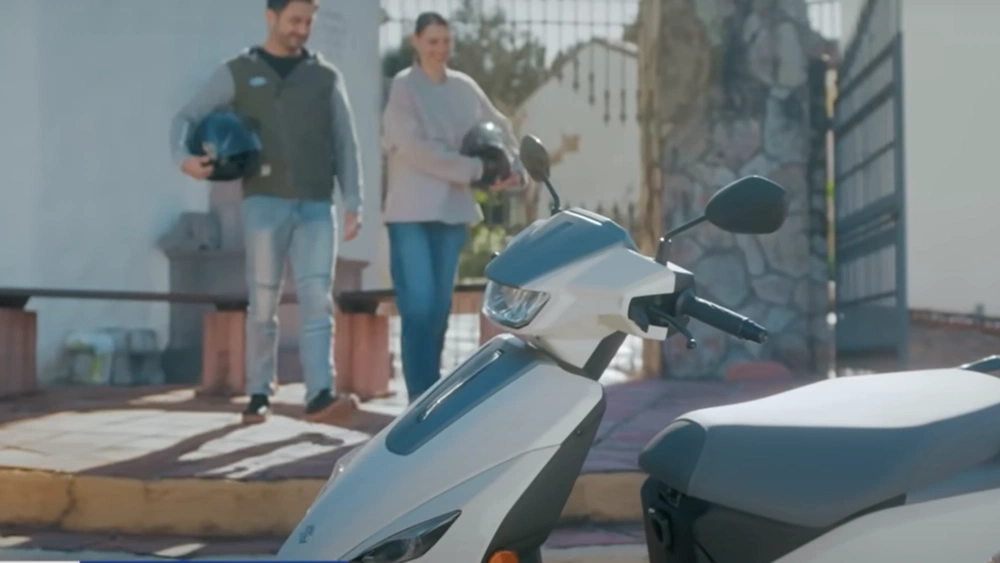
The Suzuki e-Access is Suzuki Motorcycle India’s first electric scooter and it has officially launched at ₹1.88 lakh ex-showroom. Built in India, it represents a serious long-term move into electric mobility rather than a trial product. Suzuki has focused on dependability, comfort and ownership confidence instead of chasing extreme performance numbers. Positioned in the premium electric scooter segment, the e-Access competes with models like the TVS iQube and Bajaj Chetak, targeting urban riders who want a familiar, stress-free electric transition.
LFP Battery Chosen for Safety and Long Life
The e-Access is powered by a 3.07 kWh lithium iron phosphate battery, a chemistry known for better heat resistance and slower degradation. This choice makes sense for Indian conditions where high temperatures and frequent charging are common. LFP batteries typically last longer than conventional lithium-ion packs, reducing long-term replacement worries. Suzuki has clearly prioritised battery life and safety over inflated range figures, making the e-Access a more reassuring option for first-time EV buyers.
Realistic Range for Daily City Use
Suzuki claims a range of 95 km on a single charge, which translates to around 70 to 80 km in real-world city riding. This is enough for several days of commuting for most urban users who travel 10 to 20 km daily. Instead of optimistic claims, Suzuki has gone with conservative figures that are easier to achieve in traffic. For office commutes, errands and short trips, the e-Access delivers practical and predictable usability without range anxiety.
Also Read: Upcoming Confirmed Bikes And Scooters In 2026
Smooth Motor Performance Tuned for Comfort
The electric motor produces 4.1 kW of power and 15 Nm of torque, delivering smooth and linear acceleration. Top speed is around 71 kmph, which is sufficient for city roads and occasional highway use. Instant torque makes it feel quicker than petrol scooters in traffic, especially during overtakes. Suzuki has avoided aggressive tuning, making the scooter easy to ride for beginners while remaining comfortable for daily commuting in dense urban environments.
Multiple Ride Modes for Everyday Flexibility
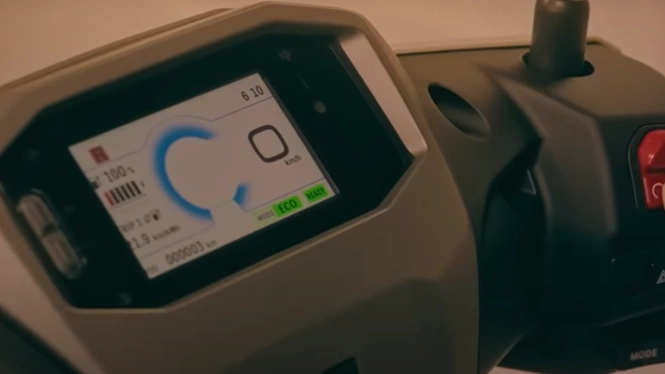
The e-Access offers three riding modes including Eco, Ride A and Ride B. Eco mode focuses on maximising range with softer throttle response, while Ride A and B provide stronger acceleration for open roads. Reverse assist is included to make parking easier in tight spaces. Regenerative braking helps recover energy during deceleration, slightly extending range without affecting ride comfort. These features improve daily usability rather than adding unnecessary complexity.
Charging Designed Around Daily Routines
Charging the Suzuki e-Access is simple and home-friendly. Using a standard AC charger, it takes about 4.5 hours to reach 80 percent and roughly 6.5 hours for a full charge. This makes overnight charging convenient for most owners. DC fast charging support reduces charging time further for those with access to public chargers. For typical city use, regular home charging is enough, keeping ownership practical and predictable.
Comfort-Focused Suspension and Ergonomics
Ride comfort is a key strength of the e-Access. Telescopic front suspension and a rear monoshock are tuned to handle broken city roads comfortably. The flat seat, upright riding posture and wide floorboard suit riders of all ages. With no engine vibration and minimal noise, the scooter feels relaxed even in slow traffic. Compared to sport-oriented electric scooters, the e-Access clearly prioritises comfort and ease of use.
Also Read: Bajaj Chetak C2501 Launched at ₹91,399
Useful Features Without Overdoing Technology
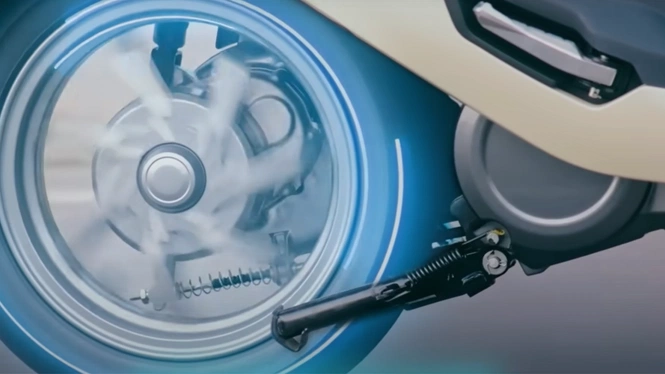
The scooter comes with a 4.2-inch TFT digital display showing range, battery status and riding modes. Bluetooth connectivity, USB charging and full LED lighting are included for everyday convenience. Suzuki has avoided excessive touchscreen dependence, keeping controls simple and reliable. A belt final drive replaces traditional chains, reducing maintenance needs and noise. These choices focus on long-term reliability rather than flashy features.
Lower Running Costs Than Petrol Scooters
Electric running costs give the e-Access a clear advantage over petrol scooters. A full charge costs roughly ₹15 to ₹20, covering close to 95 km under ideal conditions. In comparison, petrol scooters cost several times more per kilometre at current fuel prices. Maintenance is also cheaper due to fewer moving parts and no engine-related servicing. Over years of daily use, the savings become significant for regular commuters.
Who the Suzuki e-Access Is Best Suited For
The Suzuki e-Access, priced close to ₹2 lakh, is clearly not meant for the everyday middle-class city commuter who racks up heavy daily kilometres. It is positioned as a premium electric scooter for upper-income buyers, prioritising reliability over affordability. S
uzuki even claims the e-Access has undergone testing standards similar to the Hayabusa, which says a lot about its intent, if not its relevance to mass buyers.
Ultimately, the e-Access is for those who cannot tolerate the software glitches, bugs, and ownership headaches commonly linked with Ola and other mediocre EVs, and who have money to spare. For budget-conscious buyers like me, looking for a dependable electric scooter around ₹1 lakh or less, options like the new Chetak C2501 and TVS iQube make far more sense due to their strong dealer networks and consistently high sales year after year.
Image Source- Suzuki India/ Suzuki Youtube
Table of Contents
- Suzuki e-Access Marks Suzuki’s Electric Debut in India
- LFP Battery Chosen for Safety and Long Life
- Realistic Range for Daily City Use
- Smooth Motor Performance Tuned for Comfort
- Multiple Ride Modes for Everyday Flexibility
- Charging Designed Around Daily Routines
Join the Conversation
Trending
Bajaj Launches Pulsar NS400Z With New TFT Console at Rs 1.90 Lakh
Bajaj Pulsar NS400Z gets a new 5-inch TFT console, USB Type-C port and more features. Prices now start at Rs 1.90 lakh. Check for full details on the updated bike.
Salil Kumar
October 3, 2026
A Full List Of E20 Compliant Bikes and Scooters in India
Here is a list of every bike/scooty maker with E20 compatible 2-wheeler in their portfolio in 2026
Salil Kumar
October 2, 2026
A full list of Every Flex Fuel Bikes and Scooters Available
A definitive list of all flex-fuel motorcycles in India you can buy
Anmol Kumar
October 2, 2026
TVS Raider Price Hiked By Up To Rs 2,600, Now Starts At Rs 84,460
TVS has increased the Raider’s prices by up to Rs 2,600 in India, with the range now starting at Rs 84,460. The TFT Dual Disc variant gets the biggest hike, while the Doctor Doom edition remains unchanged.
Arjun Nair
October 1, 2026
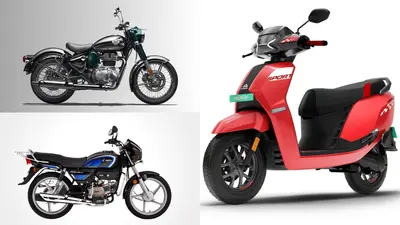
Two Wheeler Sales in September 2026 As Per Vahan
September 2026 saw interesting trends in all two-wheeler segments. Mass-market volume players bounced back after a weak August, premium manufacturers recorded a stronger growth than the mass-market ones, and EVs grew significantly since January.
Arjun Nair
October 1, 2026
Featured
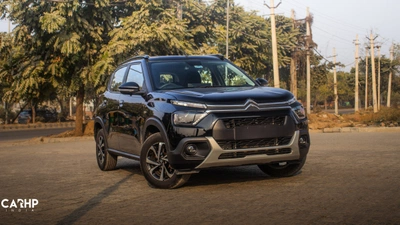
Citroen C3 Review: Who Should Consider This Car?
A few days ago, I took the Citroen C3X out for a spin in the city and on the highways. I travelled long distances and checked its fuel efficiency, features, comfort, and other factors. Today, I’ll briefly share my overall experience with the C3X and will tell you whether you should consider it or not and which is the most value-for-money variant of the lot.
Vatsal Agrawal
May 19, 2026
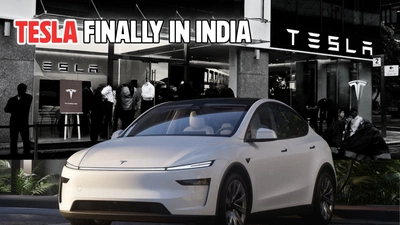
Tesla Finally In India Officially. Why Now And What Does It Mean For EVs?
The much-anticipated 2025 Tesla Model Y has officially arrived in India, marking a pivotal moment for the nation's burgeoning electric vehicle market. Launched on July 15, 2025, the Model Y Juniper facelift offers cutting-edge technology, impressive range, and signature Tesla performance. Positioned as a premium electric SUV, its entry will intensify competition and reshape consumer expectations for EVs across the subcontinent.
Charan Narain
July 17, 2025
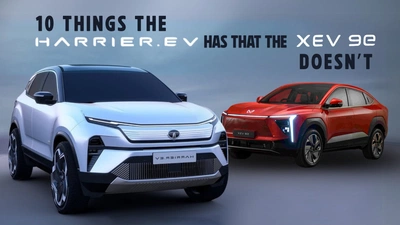
Here Are 10 Things The Harrier.EV Offers That The Mahindra XEV 9E Doesn't
The Harrier.EV is an incredible new offer from Tata. Its most popular competitor would be the Mahindra XEV 9E, priced similarly. With these two incredible offerings from home grown brands available, here is a list of everything the Harrier.EV offers that the XEV 9E doesn't.
Charan Narain
June 13, 2025
Write a comment
Comments
No comments yet. Be the first to comment!