Ola's 4680 Bharat Cell Is a Big Deal. So Is Everything That Could Go Wrong
By Salil Kumar
Updated September 3, 2026
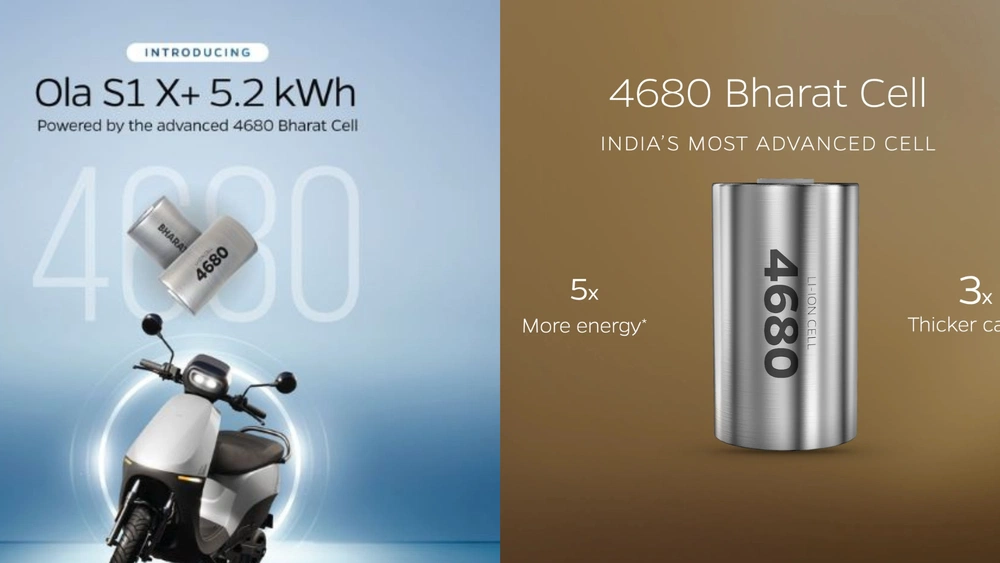
India's EV makers have always assembled vehicles around imported cells from China, South Korea, or Japan. Ola decided to take the matters into its own hands and launch 4690 Bharat cells, which recently got certified sending its shares by 4 percent.
So, what are these cells and will they really turn the tables for a massively deprecated and failing EV maker
| Spec | 4680 Bharat Cell |
|---|---|
| Format | Cylindrical 46×80 mm, Tabless |
| Chemistry | High-Nickel NMC (LFP variant in development) |
| Energy Density | 275 Wh/kg |
| vs. Previous 2170 Cell | 5× more energy dense |
| Charge Cycles | 1,000+ |
| 50% Charge Time | 13 minutes |
| Operating Temp | 10°C – 70°C |
| Patents | 70+ |
| Safety Certification | ARAI AIS-156 Amendment 4 |
What Makes the 4680 Format Different
The 4680 name is just 46 mm wide, 80 mm tall. The real innovation is the tabless electrode design. Conventional cells use a metal tab to carry current out of the cell, creating resistance and heat concentration.
In the 4680, electrodes connect directly to the cell's ends, shortening the current path, reducing resistance, and enabling faster, cooler charging. Fewer, larger cells per pack also means simpler, cheaper pack assembly.
Where and How It's Made
The cell is manufactured at the Ola “Gigafactory” in Krishnagiri, Tamil Nadu, a 115-acre facility adjacent to the Futurefactory. Construction began June 2023; Phase 1 was operational by March 2024.
The Gigafactory handles the full cell stack in-house: electrode production → cell assembly → cell formation. This is not pack assembly from imported cells. Ola is making the actual electrochemical cells. R&D happens at the Battery Innovation Centre (BIC) in Bengaluru, equipped with 165+ specialised instruments covering material synthesis, characterisation, and prototyping.
Which Vehicles Use It
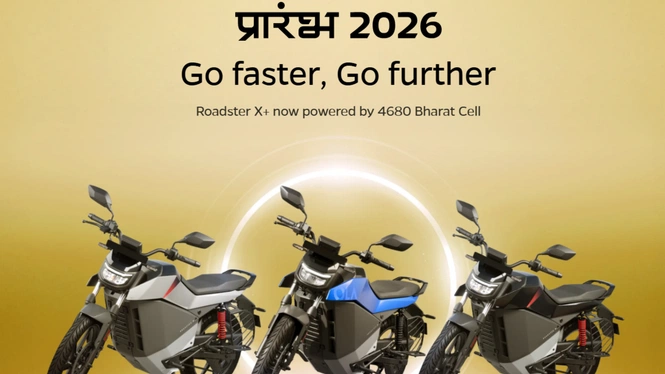
The Bharat Cell currently powers multiple Ola products across both mobility and energy storage segments. The Ola S1 Pro+ uses a 5.2 kWh battery pack and claims a 320 km IDC-certified range, with prices starting at ₹1,24,999. The Ola Roadster X+ features a 4.5 kWh Bharat Cell pack and is also PLI-certified.
Commercial-focused Ola Gig and Gig+ models use a smaller 1.5 kWh removable battery pack, while the Ola Shakti home energy storage system is offered in 1.5 kWh, 5.2 kWh, and 9.1 kWh variants.
Bharat Cell platform was opened to external startups and businesses in January 2026, targeting drones, medical devices, and automotive applications.
The Problems With Bharat Cells And OLA In General
Ola Electric currently has multiple challenges to deal with, the biggest being the growing number of complaints from thousands of dissatisfied customers regarding the poor quality and reliability of its scooters.
In some parts of South India, frustrated owners have even publicly set scooters on fire out of anger over recurring issues and unsatisfactory after-sales support.
At the same time, Ola's adoption of the 4680 cell format, one popularised by an equally embattled Elon Musk and Tesla, brings its own layer of concern. This isn't just about Ola's track record anymore.
Five years after Tesla's famous Battery Day, its in-house 4680 cells are delivering 13% less energy density, worse charging curves, and less real-world range than the LG and Panasonic cells they were supposed to replace.
Electrek recently reported how European buyers, among the most demanding and consumer-protection-savvy in the world, found Tesla's 4680-equipped models measurably inferior to their Korean cell-powered predecessors.
Also Read - Hero and Honda Lead April 2026 Two-Wheeler Sales
This isn't an apples-to-apples comparison. Ola's Bharat Cell uses a different NMC formulation, and the two-wheeler use case is far less punishing than a car.
But the point stands: if Tesla, a company valued at over a trillion dollars with years of dedicated cell R&D, a mature Gigafactory in Texas, and zero financial distress, is still struggling to match the performance of established cell suppliers, the questions that raises for Ola are uncomfortable ones.
Ola is a company that missed its own PLI capacity deadline, was credit-downgraded by ICRA, has Rs 2,829 crore of IPO funds parked in fixed deposits, and whose commercial 4680 production is less than a year old. The Bharat Cell may well prove itself over time, that's the trick here OVER TIME.
Given everything stacked against Ola right now, buyers and investors would be right to watch the next 12 months of real-world cell performance very closely before declaring the story a success.
Table of Contents
- What Makes the 4680 Format Different
- Where and How It's Made
- Which Vehicles Use It
- The Problems With Bharat Cells And OLA In General
Join the Conversation
Trending
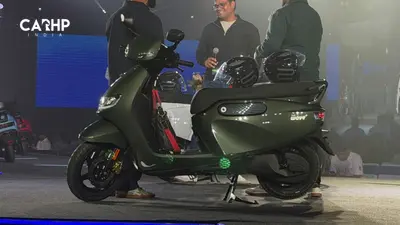
Simple Energy Wave Launched at Rs 1.10 Lakh With 243 km Range, Advanced Connected Features
Simple Energy has unveiled the Wave with four battery options, a 6.4 kW rare-earth-free motor, up to 243 km IDC range, a 920 mm seat claimed to be India's longest, and 70 litres of boot space.
Aman Kumar
September 3, 2026
Swiggy-Hero MotoCorp Tie-Up Lets Delivery Partners Buy Two-Wheelers With Up to 90% Financing
Swiggy and Hero MotoCorp have teamed up to give Food Marketplace and Instamart delivery partners access to two-wheelers, up to 90% financing, and road safety training, all initiated through the Swiggy app.
Arjun Nair
September 3, 2026
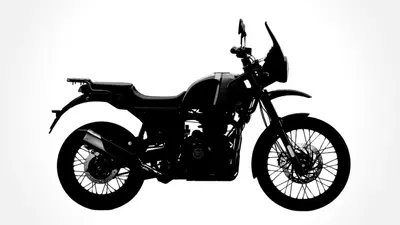
Royal Enfield Himalayan 440 Launches Tomorrow, Here's What to Expect
The Royal Enfield Himalayan 440 launches in India on 4 September, expected around Rs 2.50 lakh. Built on the Scram 440 platform, it gets a 443cc engine, 6-speed gearbox, and a 21-inch front wheel to fill the gap the discontinued Himalayan 411 left behind.
Anmol Kumar
September 3, 2026
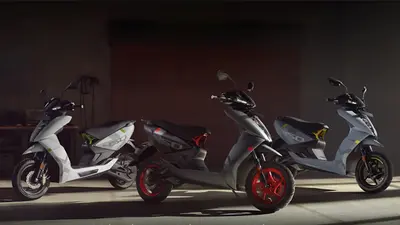
August 2026 Two Wheeler Sales As Per Vahan
Hero MotoCorp and Honda together sold more than 76 lakh two-wheelers in the first eight months of 2026, accounting for the bulk of the mass market. While Royal Enfield continues to dominate the premium segment, the real story is the growing push into electric two-wheelers by traditional manufacturers.
Arjun Nair
September 2, 2026
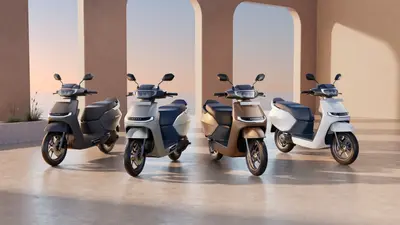
Ather Konarc Launched at Rs 99,999, New Platform and Up To 161 Km Range
Ather Energy has launched the Konarc, its first scooter on the new EL platform, starting at ₹99,999. It is a practical family scooter offering multiple battery options with claimed ranges from 100 to 200 km.
Arjun Nair
August 31, 2026
Featured
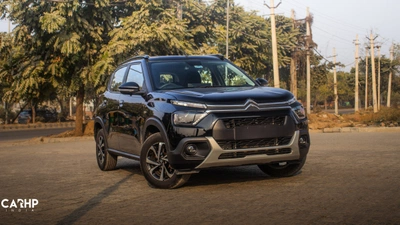
Citroen C3 Review: Who Should Consider This Car?
A few days ago, I took the Citroen C3X out for a spin in the city and on the highways. I travelled long distances and checked its fuel efficiency, features, comfort, and other factors. Today, I’ll briefly share my overall experience with the C3X and will tell you whether you should consider it or not and which is the most value-for-money variant of the lot.
Vatsal Agrawal
May 19, 2026
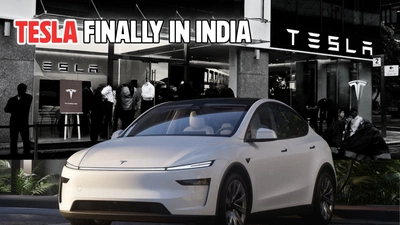
Tesla Finally In India Officially. Why Now And What Does It Mean For EVs?
The much-anticipated 2025 Tesla Model Y has officially arrived in India, marking a pivotal moment for the nation's burgeoning electric vehicle market. Launched on July 15, 2025, the Model Y Juniper facelift offers cutting-edge technology, impressive range, and signature Tesla performance. Positioned as a premium electric SUV, its entry will intensify competition and reshape consumer expectations for EVs across the subcontinent.
Charan Narain
July 17, 2025
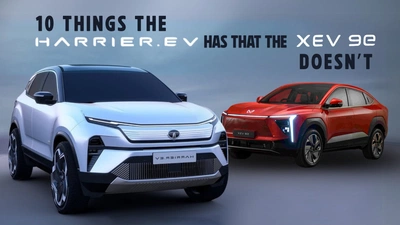
Here Are 10 Things The Harrier.EV Offers That The Mahindra XEV 9E Doesn't
The Harrier.EV is an incredible new offer from Tata. Its most popular competitor would be the Mahindra XEV 9E, priced similarly. With these two incredible offerings from home grown brands available, here is a list of everything the Harrier.EV offers that the XEV 9E doesn't.
Charan Narain
June 13, 2025
Write a comment
Comments
No comments yet. Be the first to comment!