Bajaj Pulsar N160 SS First Impressions: Why This 160cc Bike Has My Attention
By Sayan Paul
Published August 26, 2026
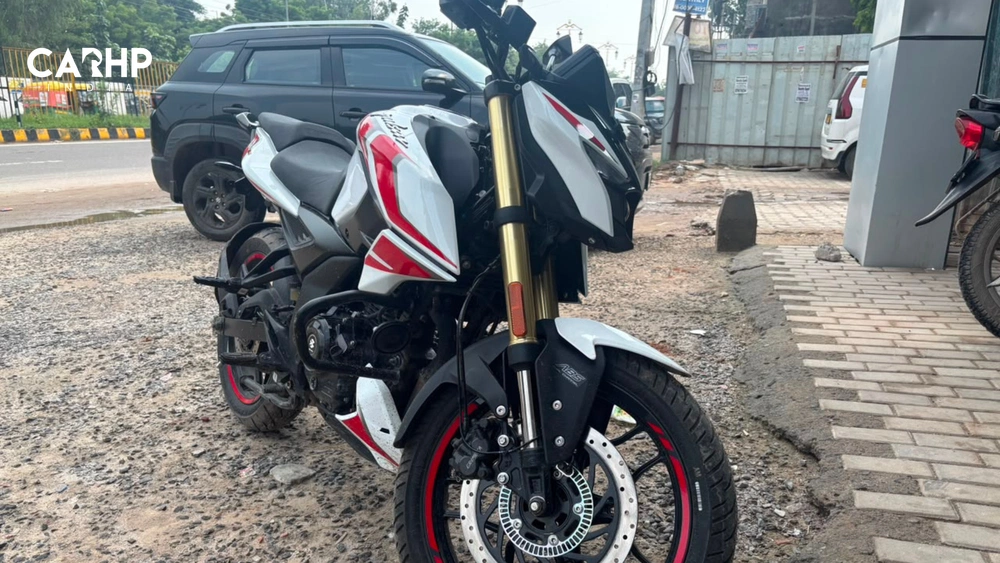
Bajaj Pulsar range is among the most confusing in the history of bikes. At any point in time, anywhere between 10-14 models are on sale, ranging from Classic 125 to RS 200. The company recently overhauled and introduced the new N160 S and SS mode
Just to give you a little context, I already have a Honda SP 125, which, to be frank, now feels underpowered, as I have to regularly go through expressways to get to different shooting locations in and around Delhi NCR as a photographer.
My natural upgrade was the SP 160, but that felt a bit too “uncle like” in terms of driving dynamics.
The 160cc may sound like a lot on paper, but while driving it, the number didn't really translate into the experience.
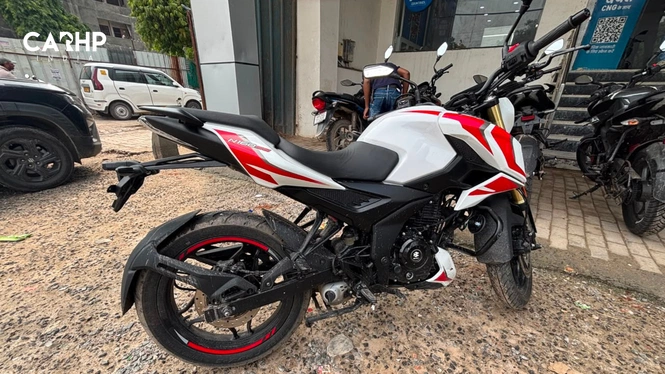
And then Bajaj came up with the N160. After calling multiple showrooms, I finally got a chance to try one, or at least look at one. The showroom guy was humble enough to let me spend a few minutes with it, but as they had some paperwork left, the test ride was sadly postponed till September end.
Regardless, here are my first impressions.
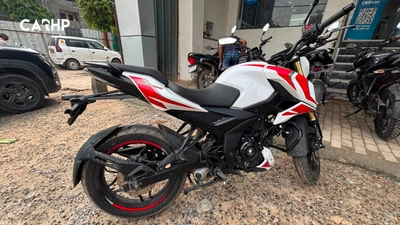
As I reached the showroom around late afternoon after lunch, the bike was already parked outside for me to check out. At first glance, it screamed street-sporty style. The red, black and gold colours dominated the whole styling and oddly reminded me of the first-gen R15 from back in 2013.
Let's start from the front. All N160 models now have a sharp projector lamp setup with LED indicators all around.
The red-and-white plastic light cover looks pretty awesome and is flanked by two gold colored solid-feeling USD (Upside Down) forks.
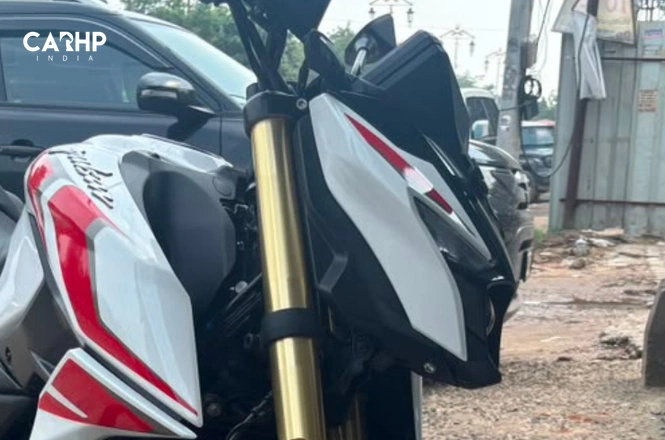
Another thing a potential buyer pointed out to me was that these forks were exclusive to the N160 S and SS models. The rest of the line gets smaller 33/34mm units.
The disc brake looked big but had a pretty small friction area in my opinion. I am judging by the look here and regardless, it has 18.5 hp, so I am sure the braking is more than adequate.
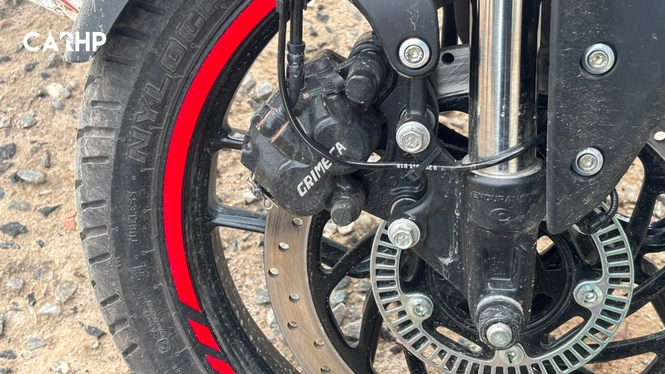
The caliper had Grimeca written on it. I was not aware of the brand, a quick Google search revealed that it is a pretty reputed Italian brake maker and is pretty famous across the Vespa lineup. The Italian thing instilled a bit of confidence that, yeah, the braking hardware can be top-notch without paying the hefty Brembo tax.
The dual-channel ABS (Anti-lock Braking System) sticker further highlighted that this ABS setup also makes the whole braking setup more wholesome. Not many bikes offer dual-channel ABS in that price range.
The tyre were MRFs on this particular unit, which was a bit of a disappointment as CEAT has softer and more performance-oriented vibes. If I purchase it, I will swap them out with some CEATs for sure.
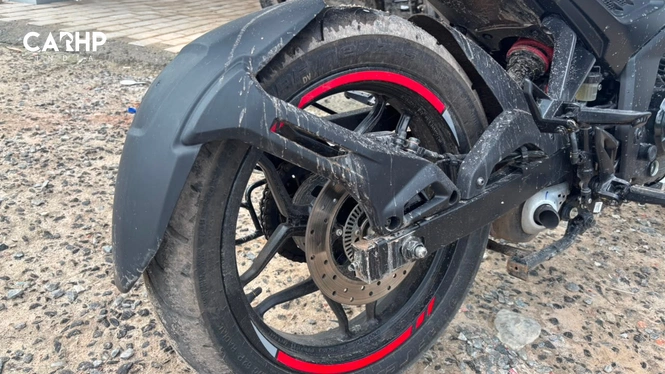
The alloy wheels are classic black, painted with red tape surrounding them, which I hope holds the test of time.
Just behind them was the engine underbelly guard with the same sporty looking red-and-white colour combination and an all-black engine.
A quick look at the brochure revealed that this is the first time around Bajaj has given the N160 SS throttle-by-wire, which means there is no mechanical linkage between the twist of the throttle and the engine. The throttle sends some instructions to the ECU (Engine Control Unit), which changes the engine speed in milliseconds.
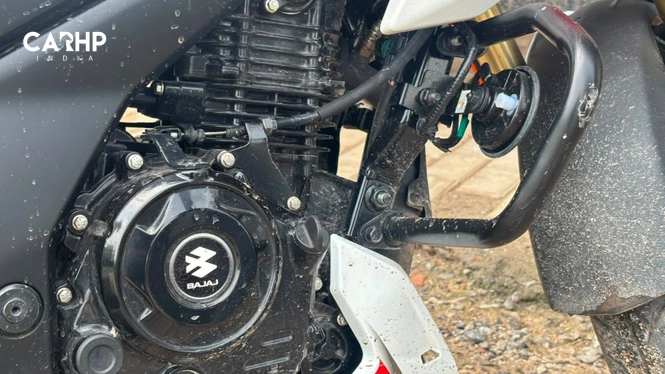
It is supposed to be more precise and more efficient. I guess I will tell you more when I drive it properly. Bajaj also claims that due to throttle-by-wire, they are able to give tech like Crawl Mode, which means that it can move forward at lower speeds in traffic without changing up to a higher gear.
Other than that, the engine gets four drive modes and supports a higher redline of 9,500 rpm compared to the 8750 rpm you get on the non-S variant of the new N160.
Further back, you can clearly see the underbelly exhaust and an almost-hidden red monoshock, which will be a pain to clean, I can already tell. There are a couple of blacked-out footpegs as well.
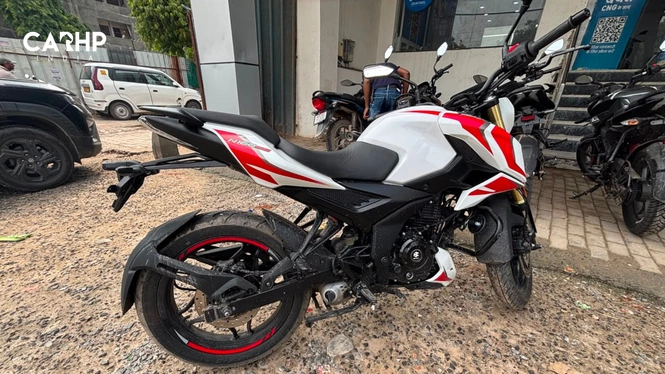
I noticed the split seat, and the showroom person was quick to point out that the single seat was also available for about 10k less(N160S), in case I wanted one.
The rear has a split-mudguard setup with the same red tape styling on the alloy wheels and 130 mm tires, I have driven my friends MT15. I can tell you for sure that 150 mm is a bare minimum with anything above 15 hp.
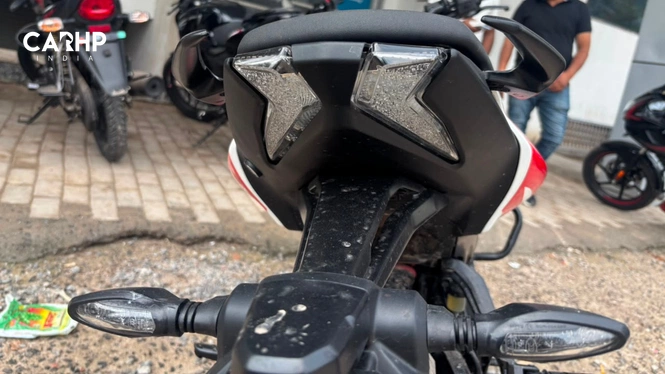
Why this cost-cutting on the tire front is beyond me, but at least all the LED rear indicators and taillamps serve as a minor consolation.
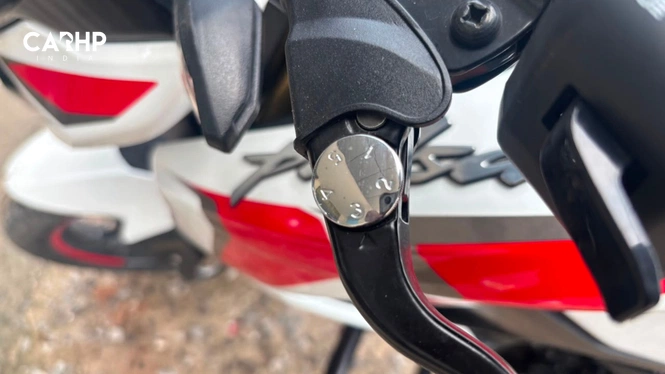
As I sat on it, the most surprising and impressive feature was the adjustable brake and clutch levers with five levels of adjustment. I have fairly medium-sized hands, and this is definitely one of the most sought-after features for most average-height riders.
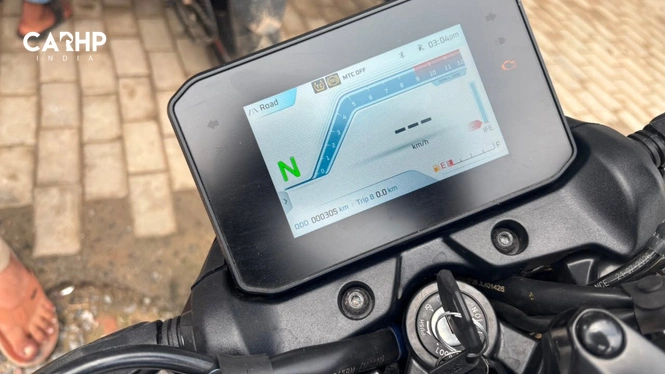
Another N160 SS exclusive is the 5-inch screen, with extremely thick bezels, why, I don't know. The screen is bright and clear but the bezel housing looked like a decade old prototype.
The screen has all kinds of notifications and WhatsApp features, as you can see in the image below
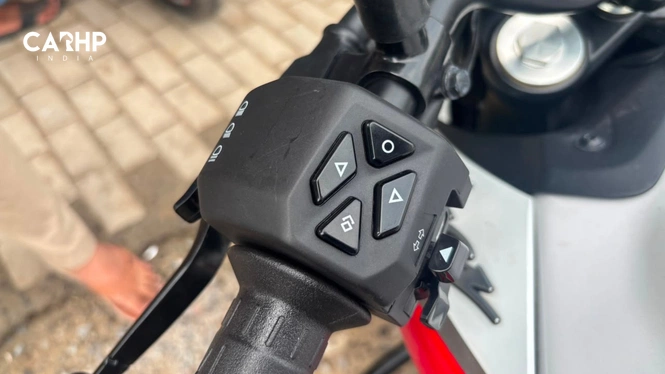
The controls feel superb. The cube that controls the screen has very nice and solid buttons with almost zero learning curve and will be easy to fiddle with even in a traffic jam. The right-side switchgear has the engine start and indicator switches, all pretty easy to understand and use.
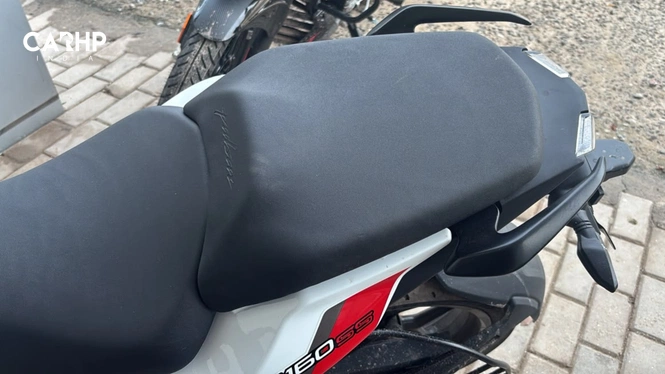
Getting off the bike, I noticed the Pulsar logo embossed on the small rear split seat, along with one of the smallest and most useless passenger grab rails I have ever seen. Speaking of the passenger seat, make sure whoever sits at the rear isn't an adult. That rear seat is good enough for maybe 5-6 km at max before the passenger starts complaining.
Okay, so far I genuinely think Bajaj has done a nice job with the N160. It came, and at the right time, with a long-overdue set of features. I would have gone with the top N160 S model, but Bajaj has intentionally crippled that one, as it only has smaller 280mm discs, single-channel ABS and no traction control. Likely to push buyers towards the N160 SS I showed you today.
I will update you on the engine and performance once I have test-ridden the N160 SS after a couple of weeks. Meanwhile, you can check out our TVS Ntorq review if you're interested Or watch TV Apache RR review below.
N160 SS USD Split Seat Full specs
Priced at approximately ₹1.43 lakh, the SS is the most feature-loaded N160 variant. It uses the same 164.9cc 4V oil-cooled engine, producing 18.5 PS and 14.4 Nm, along with Intelligent Throttle, Ride-by-Wire, Crawl Tech and the four riding modes. It gets 2-channel ABS, traction control, a 300mm front disc and 230mm rear disc. Suspension includes 37mm USD front forks and a 130mm-stroke monoshock.
It also gets the more premium 130/70 R17 radial rear tyre. The biggest technology upgrade is the 5-inch TFT (Thin-Film Transistor) display, which supports Google Maps mirroring, while connectivity is upgraded to Bluetooth + Wi-Fi. It also gets turn-by-turn navigation, RLP, assist and slipper clutch and USB Type-C charging.
Join the Conversation
Trending
Bajaj Pulsar N160 SS: First Impressions
The Pulsar N160 SS is the new fully loaded four-valve version of the popular 160cc street-fighter. With a more powerful engine, segment-first 5-inch TFT, multiple ride modes, traction control and dual-channel ABS, it brings a clear upgrade in performance and features while remaining practical for daily commutes.
Arjun Nair
August 26, 2026
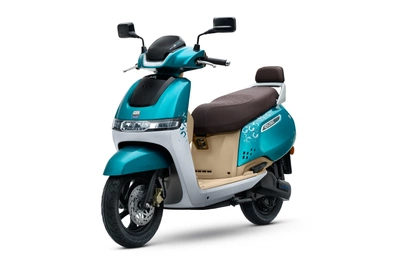
TVS iQube Base Variant Gets a Bigger Battery at Rs 1.16 Lakh, But There Are Catches
TVS has updated the base iQube with a 2.3 kWh battery at Rs 1.16 lakh, gaining 20 km of range but losing a disc brake, TFT screen, and 7 kmph of top speed in the process.
Arjun Nair
August 26, 2026
Yamaha R2 Teased Before Launch on August 27, Expected at Around Rs 2.20 Lakh
Yamaha has released another teaser of the upcoming R2 on its official Instagram, with the launch confirmed for August 27. Expected highlights include a 200cc liquid-cooled engine, a TFT display, quickshifter, and a price of around Rs 2.20 lakh.
Anmol Kumar
August 26, 2026
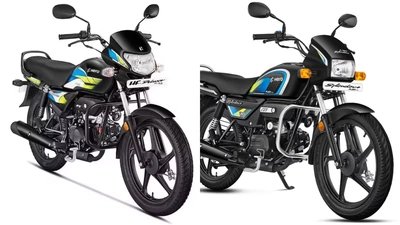
A full list of Every Flex Fuel Bikes and Scooters Available
A definitive list of all flex-fuel motorcycles in India you can buy
Anmol Kumar
August 26, 2026
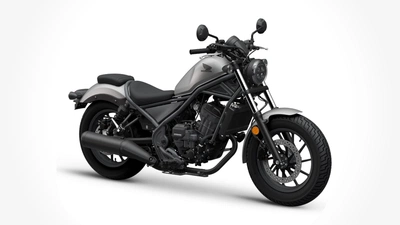
Honda Rebel 300 Launched in India at Rs 2.22 Lakh, with E-Clutch Option at Rs 2.62 Lakh
The Honda Rebel 300 is now on sale in India at Rs 2.22 lakh (ex-showroom). It comes with a 286cc liquid-cooled engine, a circular TFT display with RoadSync, and an optional E-Clutch variant at Rs 2.62 lakh.
Arjun Nair
August 25, 2026
Featured
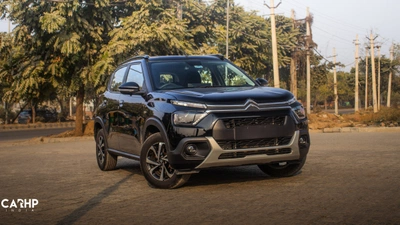
Citroen C3 Review: Who Should Consider This Car?
A few days ago, I took the Citroen C3X out for a spin in the city and on the highways. I travelled long distances and checked its fuel efficiency, features, comfort, and other factors. Today, I’ll briefly share my overall experience with the C3X and will tell you whether you should consider it or not and which is the most value-for-money variant of the lot.
Vatsal Agrawal
May 19, 2026
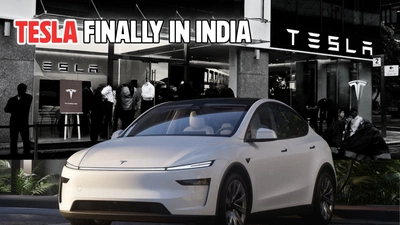
Tesla Finally In India Officially. Why Now And What Does It Mean For EVs?
The much-anticipated 2025 Tesla Model Y has officially arrived in India, marking a pivotal moment for the nation's burgeoning electric vehicle market. Launched on July 15, 2025, the Model Y Juniper facelift offers cutting-edge technology, impressive range, and signature Tesla performance. Positioned as a premium electric SUV, its entry will intensify competition and reshape consumer expectations for EVs across the subcontinent.
Charan Narain
July 17, 2025
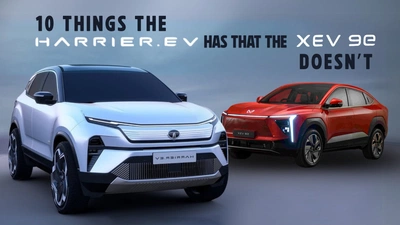
Here Are 10 Things The Harrier.EV Offers That The Mahindra XEV 9E Doesn't
The Harrier.EV is an incredible new offer from Tata. Its most popular competitor would be the Mahindra XEV 9E, priced similarly. With these two incredible offerings from home grown brands available, here is a list of everything the Harrier.EV offers that the XEV 9E doesn't.
Charan Narain
June 13, 2025
Write a comment
Comments
No comments yet. Be the first to comment!