
EMI Loading
Bajaj Pulsar N160 S Variants & Prices
| Variant Details | Ex. Showroom Price | |
|---|---|---|
STD Base Model | ₹ 1.33 Lakh* | |
S S114 kmph | 44 kmpl | 164.82 cc | ₹ 1.42 lakh* |
STD
S S
Pros & Cons of Bajaj Pulsar N160 S
Things We Like
- 18.5 bhp engine offers quick acceleration for daily city riding.
- Aggressive styling gives the bike a modern streetfighter appearance
Things We Don't Like
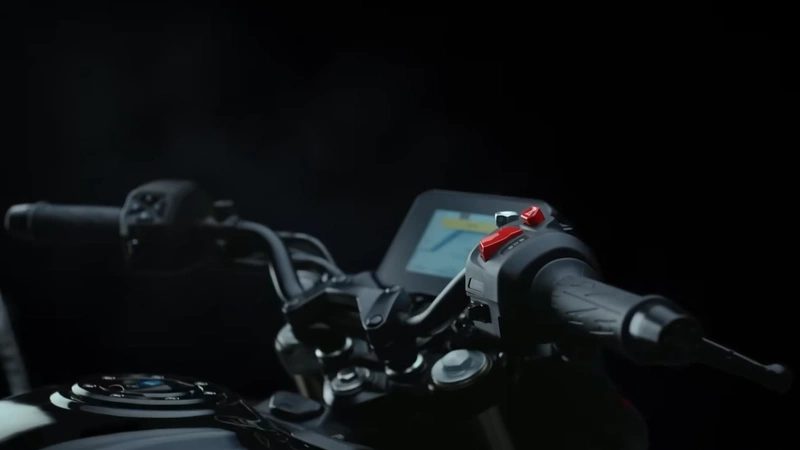
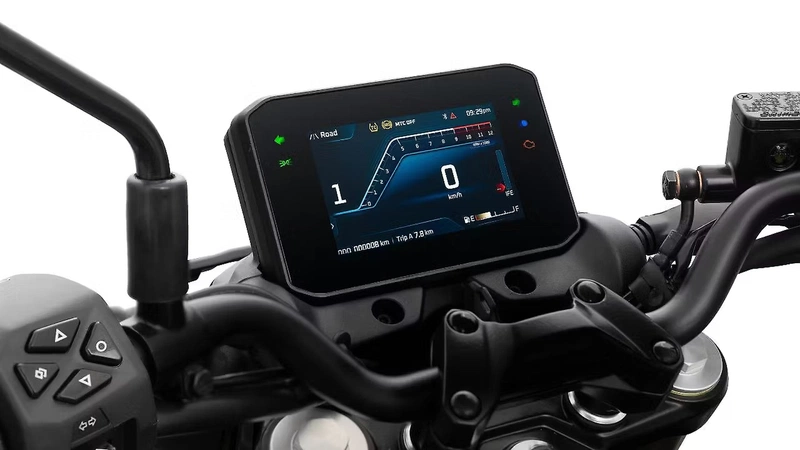
- No TFT screen: non SS Gets a simpler instrument cluster than the N160 SS.
- confusing bajaj line up as usual
Bajaj Pulsar N160 S Overview

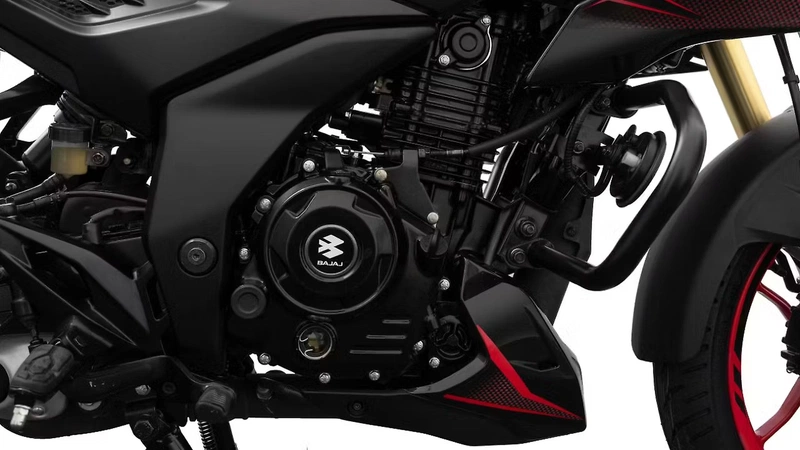
The N160 S serves as the base variant in Bajaj's new four-valve Pulsar lineup. It is powered by a 164.5cc, oil-cooled, single-cylinder engine delivering 18.5 PS at 9,500 rpm and 14.4 Nm at 8,000 rpm.
An electronic throttle body manages this performance, unlocking four active riding modes (Rain, Road, Sport, and Off-Road) alongside Crawl Technology for smooth, low-speed riding without constant clutch use.
The chassis hardware sees a matching upgrade with new 37mm USD front forks replacing the older 33mm units.
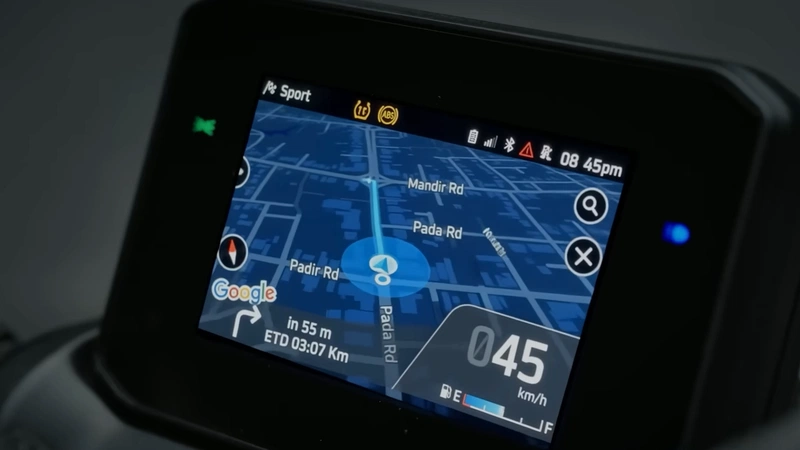
Stopping power comes from a 300mm front and 230mm rear disc setup equipped with single-channel ABS, while a digital LCD cluster completes the package with Bluetooth connectivity and turn-by-turn navigation.
Engine, Performance and Mileage
Engine, Performance and Mileage
The N160 S uses a 164.5cc, single-cylinder, oil-cooled, four-valve engine producing 18.5 PS at 9,500 rpm and 14.4 Nm at 8,000 rpm. The shift to oil cooling and a four-valve head over the older two-valve, air-cooled motor accounts for the jump in peak power from 15.5 bhp.
The engine pairs with a 5-speed gearbox and an electronic throttle body, which Bajaj calls Intelligent Throttle. This enables four riding modes, Rain, Road, Sport and Off-Road, each altering throttle mapping to suit conditions rather than simply changing what the instrument cluster displays. Bajaj claims a 0-60 kmph time of 4.5 seconds.
Crawl Technology allows the bike to move at low speeds in higher gears without the rider working the clutch repeatedly, reducing fatigue in stop-and-go traffic.
While the official ARAI mileage for the four-valve N160 S is not yet available, its higher-revving, oil-cooled setup is expected to deliver slightly lower real-world efficiency than the outgoing two-valve model's 51.6 kmpl. The fuel tank capacity remains unchanged at 14 litres.
design
design
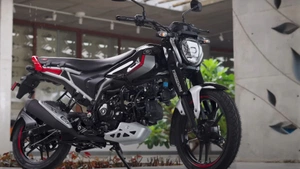
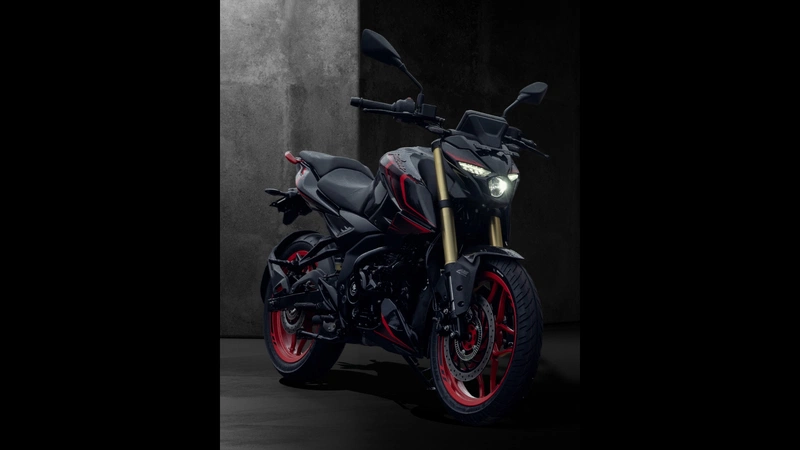
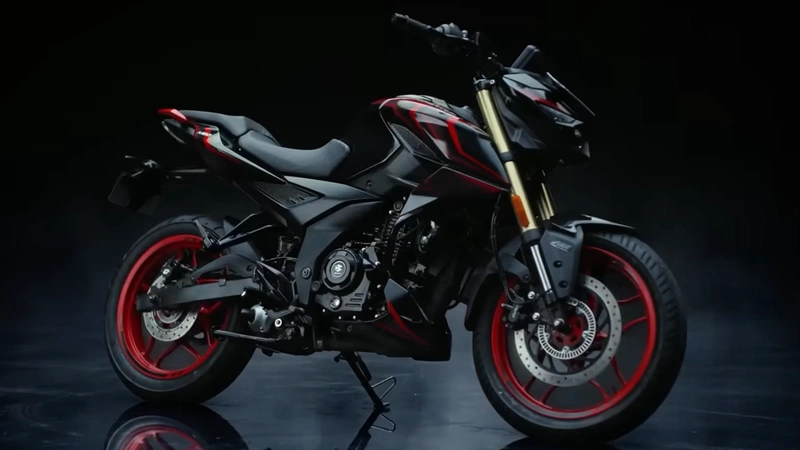
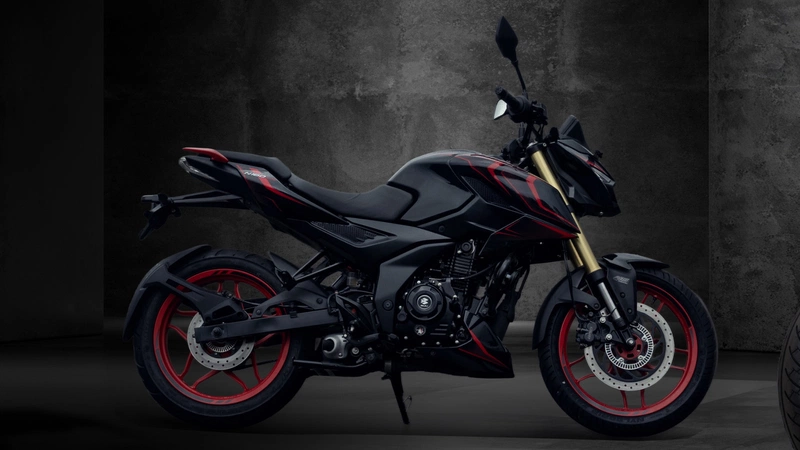
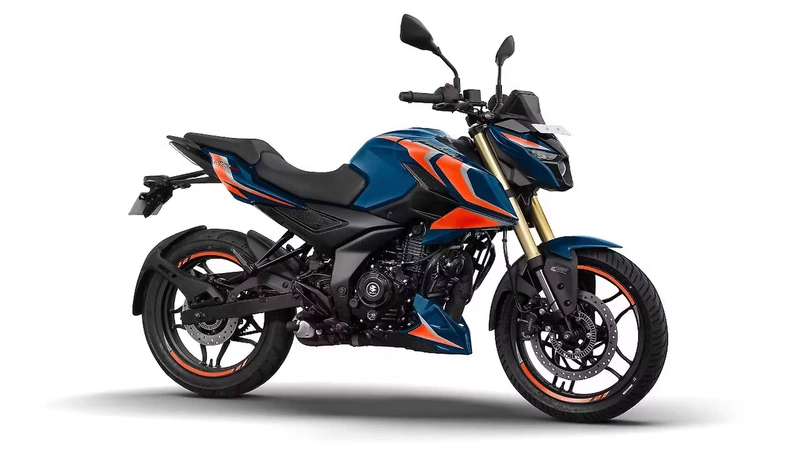
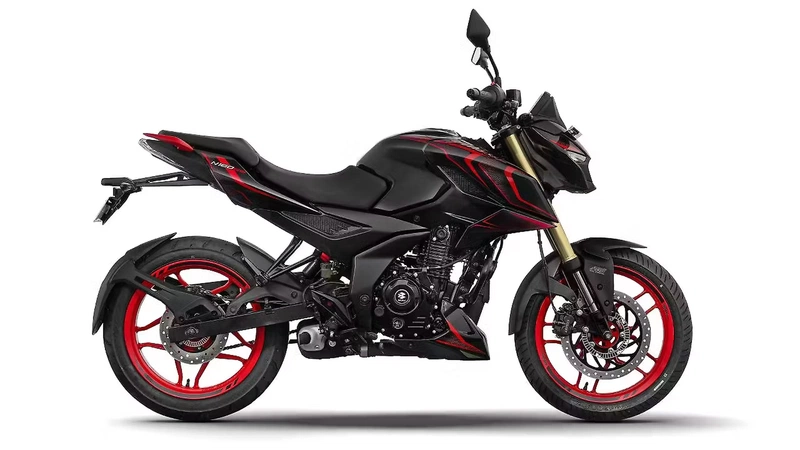
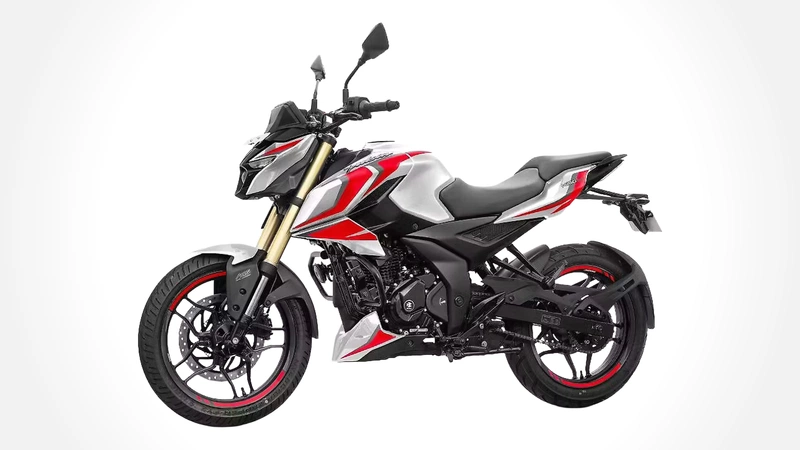
The N160 S retains the streetfighter profile of the existing Pulsar N160 but arrives with noticeably sharper, more angular graphics.
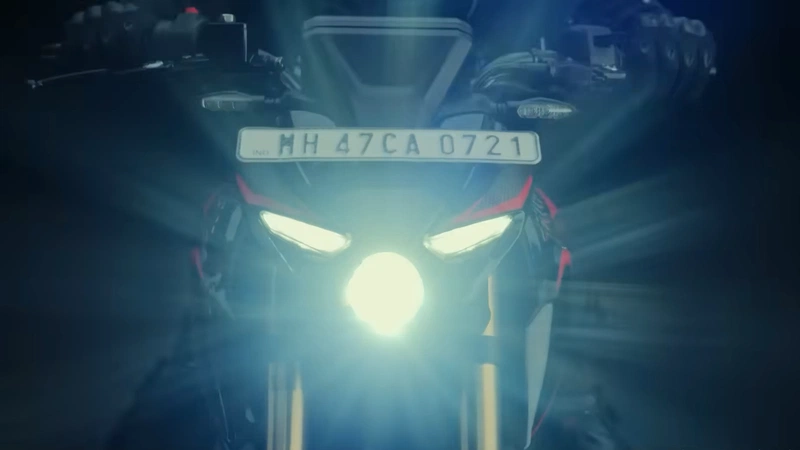
The front end features a bi-functional LED projector headlamp in an angular housing and a small wind deflector above the instrument cluster. The fuel tank carries pronounced knee recesses, and the graphic cuts across the body flow from the tank into the lower fairing panels.
The 37 mm gold-finished USD forks are prominent from the front. The tail section is compact with a split-style seat, and the exhaust is tucked along the right side.
safety
safety
The N160 S comes with single-channel ABS as standard, preventing front wheel lockup under hard braking. Braking hardware includes a 300 mm front disc and a 230 mm rear disc, both larger than what the two-valve N160 used.
The Rain riding mode softens throttle response to reduce wheel slip on slippery surfaces. The 37 mm USD forks are stiffer than the 33 mm units on the older model, improving predictability during sudden manoeuvres.
Standard equipment includes an LED headlamp, automatic headlight on, side stand indicator, and engine kill switch. Traction control and dual-channel ABS are not available on the S, while both are exclusive to the range-topping SS.
competition
competition
The Pulsar N160 S closely competes with the TVS Apache RTR 160 4V, Hero Xtreme 160R 4V, and Honda Hornet 2.0.
The Apache is the closest rival, offering a lighter kerb weight and a TFT display, but the N160 S leads with higher peak power at 18.5 PS, a larger fuel tank, and an exclusive Off-Road riding mode.
The Xtreme 160R 4V boasts strong hardware like KYB forks and cruise control but trails in outright performance.
Meanwhile, the Hornet 2.0 provides better low-end torque but completely lacks the modern riding modes and electronics found on the Bajaj.
Bajaj Pulsar N160 S Colors
Bajaj Pulsar N160 S FAQs
What is the difference between the Pulsar N160 and N160 S?
−The standard Pulsar N160 uses a 164.82cc 2-valve engine producing 16 PS, while the N160 S gets the newer 4-valve engine with higher power output
What is the difference between the Pulsar N160 S and N160 SS?
+The N160 S is the more affordable variant, while the N160 SS is the higher-spec version with additional technology and equipment, including features such as ride-by-wire, riding modes, traction control and a TFT display.
What is the ethanol fuel compatibility of the Pulsar N160 S?
+The N160 S is designed for the current Indian petrol standard, but the exact ethanol-blend compatibility should be confirmed from the variant-specific owner's manual or fuel label before stating a specific E20 claim.
What engine does the Pulsar N160 S use?
+The Pulsar N160 S is powered by a 164.5cc, 4-valve, single-cylinder engine, with the new motor producing around 18.5 bhp.
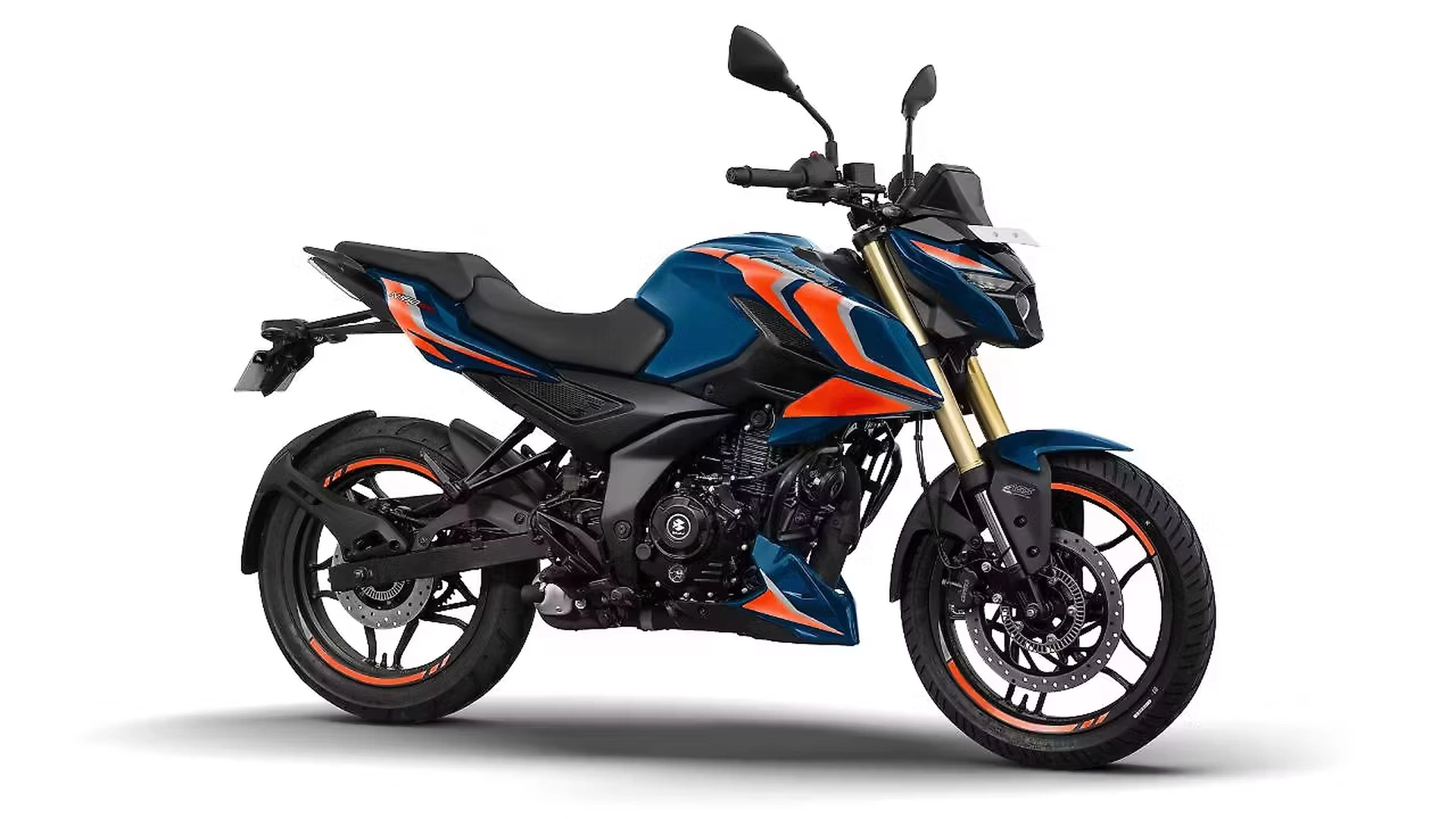
What colours are available with the Pulsar N160 S?
+N160 range is offered in multiple colours, including Pearl Metallic White, Racing Red,
Does the Pulsar N160 S get more power than the standard N160?
+Yes. The N160 S's new 4-valve engine produces about 18.5 bhp, compared with 16 PS from the standard N160's 164.82cc engine
What is the warranty with the Pulsar N160 S?
+The Pulsar N160 comes with a 5-year or 75,000 km warranty, whichever comes earlier, subject to Bajaj Auto's warranty terms and conditions.
What is the approximate on-road price of the Pulsar N160 S?
+The N160 S starts at around ₹1.34 lakh ex-showroom, while the higher variant is priced at around ₹1.43 lakh ex-showroom. The on-road price will vary depending on the city, registration, insurance and other charges