MG Hector vs Tata Harrier - Which One Should You Buy
MG Hector vs Tata Harrier Comparison at CarHP India. Compare MG Hector and Tata Harrier Prices, Mileage, Features, Specs, Colours and much more.
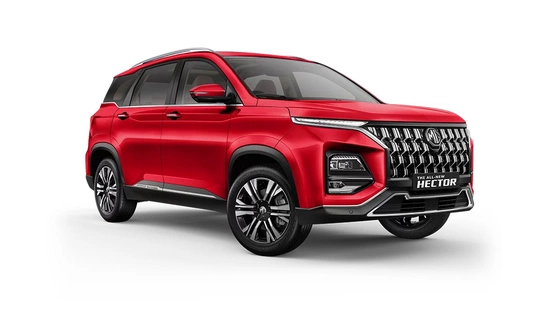
The MG Hector comes in 8 variants. Engine options include Petrol and Diesel as per the selected variant, paired with manual or automatic transmissions. The selected variant is priced at ₹11.99 Lakh. The cheapest variant, Style, costs ₹11.99 Lakh, while the top-end variant, Savvy Pro CVT, is priced at ₹19.19 Lakh. The Tata Harrier comes in 49 variants. Engine options include Petrol and Diesel as per the selected variant, paired with manual or automatic transmissions. The selected variant is priced at ₹12.89 Lakh. The cheapest variant, Petrol Smart, costs ₹12.89 Lakh, while the top-end variant, Fearless Ultra Red Dark AT, is priced at ₹25.95 Lakh.
₹ 11.99 Lakh
₹ 12.89 Lakh
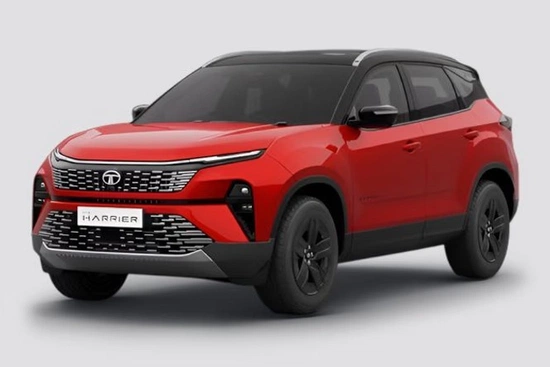
Compare Minimum 2 Cars At Once — Tap To Activate / Deactivate
Smart Summary for Car Selection
 Why Choose MG Hector?
Why choose
- One of the largest cabins in the segment, with rear seat space that few rivals at this size match
- Level 2 driver assistance on upper versions, covering adaptive cruise, lane keep assist, emergency braking and blind spot detection
- Six airbags, stability control, all-round disc brakes and tyre pressure monitoring fitted across the range
Why not choose
- The Hector has not been crash tested by Bharat NCAP or Global NCAP, so there is no independent structural evidence, while the Harrier holds five stars across its range
- The turbo petrol is thirsty, with a claimed figure in the low teens that becomes a real running cost over years
- The service network is smaller than Tata's in most of the country
- Level 2 driver assistance sits only at the top of the range, which is an expensive route to it
- Its weight and size make tight urban parking harder work
- Resale demand is thinner than the Harrier's in most markets
Why Choose Tata Harrier?Why choose
- A five-star Bharat NCAP result that now applies across the whole range, petrol and diesel alike
- Two engines, a 1.5-litre turbo petrol and a 2.0-litre diesel, both making 170hp, and each available with a manual or an automatic
- The petrol automatic is quicker to 100kph than the diesel automatic, helped by being lighter over the front axle
- A 445-litre boot with room for three adults across the rear bench
- Ride quality absorbs city bumps well and stays settled at highway cruising speeds
- A large touchscreen, a digital driver's display, ventilated seats, a panoramic sunroof and a powered tailgate on upper versions
Why not choose
- Five seats only, so buyers who need six or seven should be looking at its longer sibling instead
- No four-wheel drive is offered on either engine
- Cabin electronics and software have historically been the weak point of Tata's larger SUVs, so test every screen function during the drive
- The most desirable equipment is concentrated at the top of the range
 Our Recommendation For Most Buyers
MG Hector
Cabin space is what the Hector does better than almost anything at this size, and for a family that spends time in the back seat that is not a small thing. The Level 2 driver assistance suite on upper versions is well specified too. Two things should be weighed hard before deciding. The first is that the Hector has no published crash test result from Bharat NCAP or Global NCAP, while the Harrier carries five stars across its entire range, so there is nothing independent to compare.
The second is the turbo petrol's fuel consumption, which is heavy enough to change the ownership maths over five years. Buyers doing long annual distances should be careful about that engine specifically rather than assuming the difference will be marginal.
Tata Harrier
Two engines, each offered with a manual or an automatic, is a wider set of choices than the Hector gives you, and it means the powertrain can follow how you actually drive rather than the other way round. The petrol is the lighter and quicker of the two, while the diesel suits genuinely high annual distances. A five-star Bharat NCAP result now covers the entire range, which is the clearest evidence advantage the Harrier holds here.
The constraints are worth stating plainly. There is no four-wheel drive on either engine, and the Harrier seats five, so buyers who need a third row should look at its longer sibling. Spend the test drive working through the screens and connected features rather than only driving.
Engine and Performance
Performance Specifications
Fuel Specifications
Dimensions and Design
Interior Specifications
Wheels & Tires
Suspension, Brakes & Steering
Safety Features
Interior Features
Comfort & Convenience
Infotainment Features
Exterior Features
Brochure

EMI Cost Comparison
Assuming 20% down payment, 9.5% interest, 60-month tenure
 Loan Amount
 Interest: 9.5%
 Down Payment (20%)
 Loan TenureLoan AmountInterest: 9.5%Down Payment (20%)Loan Tenure
Pros & Cons Comparison
Things We Like in MG Hector
- The new starting price is almost 2 lakhs off
- Swipe based gestures are way more safer than touch screens, if they work
Things We Like in Tata Harrier
- Land Rover–derived architecture and styling
- Massive occupant and boot space
Things We Don't Like in MG Hector
- Diesel without automatic does not make sense
- Despite refresh it looks aged compared to Sierra, new Seltos and upcoming 7XO
Things We Don't Like in Tata Harrier
- Feature distribution across variants is erratic
- No central locking, parcel tray, or armrest on the base Smart model, which costs around ₹17 lakh on-road
MG Hector Comparisons
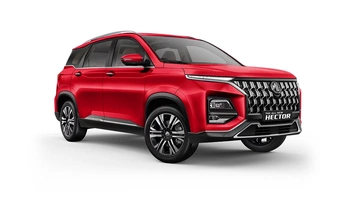
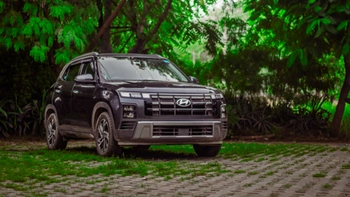
MG Hector
₹11.99 - 19.19 Lakh
Hyundai Creta
₹10.91 - 20.46 Lakh
MG Hector
₹11.99 - 19.19 Lakh
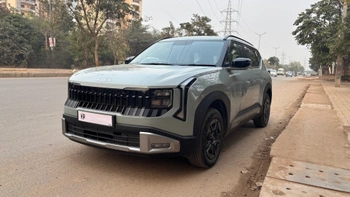
Kia Seltos
₹11 - 21.82 Lakh
MG Hector
₹11.99 - 19.19 Lakh
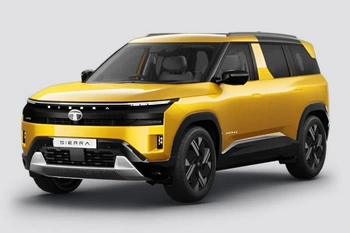
Tata Sierra
₹11.49 - 21.29 Lakh
MG Hector
₹11.99 - 19.19 Lakh
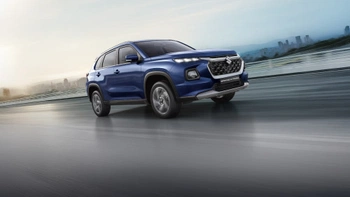
Maruti Suzuki Grand Vitara
₹10.77 - 19.72 Lakh
MG Hector
₹11.99 - 19.19 Lakh
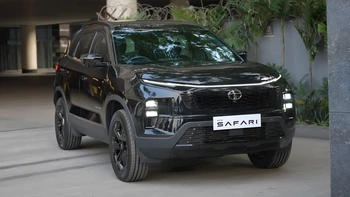
Tata Safari
₹13.40 - 26.76 Lakh
MG Hector
₹11.99 - 19.19 Lakh
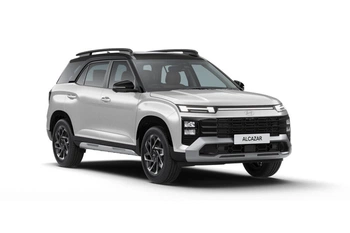
Hyundai Alcazar
₹14.51 - 21.96 Lakh
MG Hector
₹11.99 - 19.19 Lakh
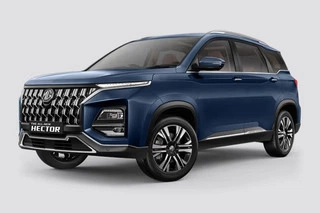
MG Hector Plus
₹17.49 - 19.69 Lakh
MG Hector
₹11.99 - 19.19 Lakh
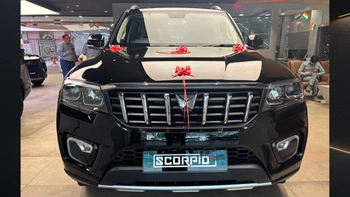
Mahindra Scorpio N
₹13.50 - 25.49 Lakh
Tata Harrier Comparisons
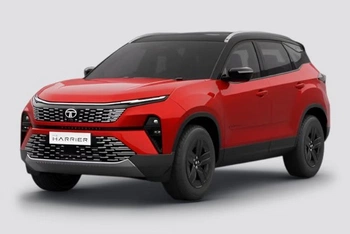
Tata Harrier
₹12.89 - 25.95 Lakh
Tata Safari
₹13.40 - 26.76 Lakh
Tata Harrier
₹12.89 - 25.95 Lakh
Hyundai Creta
₹10.91 - 20.46 Lakh
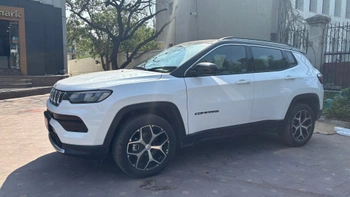
Tata Harrier
₹12.89 - 25.95 Lakh
Jeep Compass
₹17.99 - 30.70 Lakh
Tata Harrier
₹12.89 - 25.95 Lakh
Tata Sierra
₹11.49 - 21.29 Lakh
Tata Harrier
₹12.89 - 25.95 Lakh
Kia Seltos
₹11 - 21.82 Lakh
Tata Harrier
₹12.89 - 25.95 Lakh
Mahindra Scorpio N
₹13.50 - 25.49 Lakh
Car News
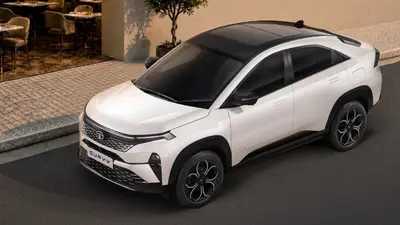
Tata Motors Offering Up to Rs. 1.25 Lakh Benefits in September 2026
Tata Motors September 2026 offers cover seven models, with the Curvv getting up to Rs. 1.25 lakh and the Nexon up to Rs. 75,000. The Punch and 2026 Tiago carry no offers, and petrol Harrier and Safari variants are also excluded.
Anmol Kumar
September 9, 2026
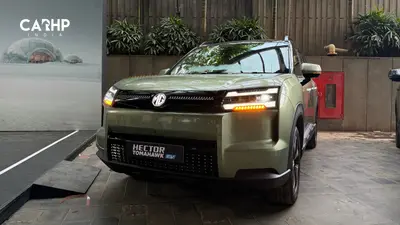
MG Hector Tomahawk EV: First Impressions
MG has launched the Hector Tomahawk EV in India starting at ₹19.49 lakh. Built on the new ADAPT architecture, the electric SUV offers a claimed 517 km range, five and seven-seat layouts, a strong feature list and a BaaS option that brings the entry price down to ₹13.99 lakh.
Arjun Nair
August 31, 2026