Tata to Begin 2 Percent Isobutanol-Diesel Blend Trials in Q2 FY2027
By Arjun Nair
Published June 26, 2026
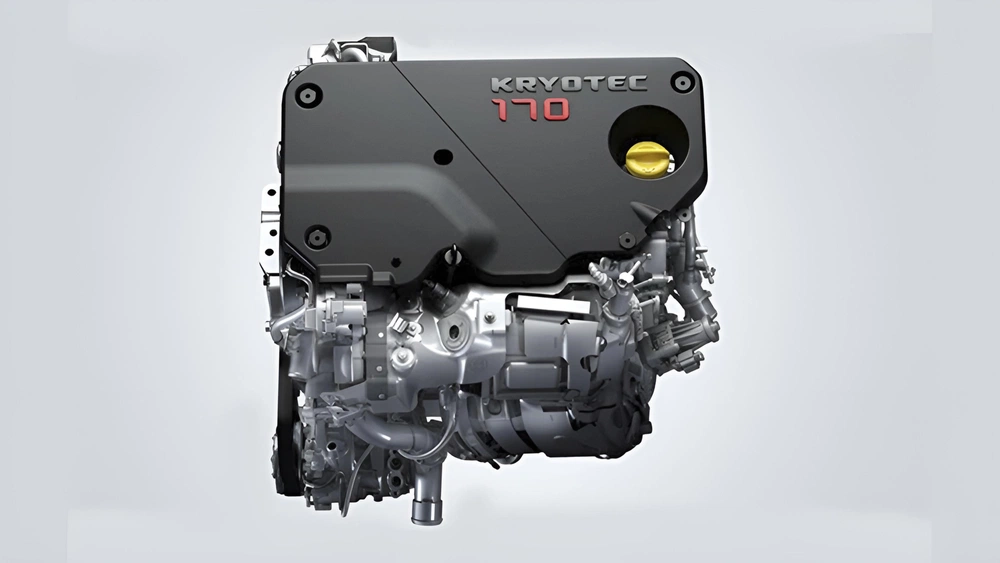
Tata Motors MD and CEO Girish Wagh confirmed that the company will begin pilot trials using a 2% isobutanol-diesel blend in Q2 FY27, coordinating with HPCL to procure the blended fuel before testing commences.
Ethanol-diesel blending was attempted for years and went nowhere, not due to lack of intent but basic chemistry.
Ethanol and diesel separate in the tank without expensive chemical binders, and ethanol's flashpoint of around 12-13 degrees Celsius makes it a genuine fire hazard in a diesel environment. Isobutanol sidesteps both problems.
Also Read - Isobutanol Blended Diesel Could Be Mandated This Year
As a four-carbon alcohol it behaves far closer to diesel, carries a flashpoint between 27 and 30 degrees Celsius, and early studies indicate stability at blends up to 10% for over 40 days without separation.
The scale of the opportunity is hard to overstate. India consumed roughly 91.4 million tonnes of diesel in FY25, the single largest petroleum product by volume in the country. A 2% displacement across that base is already a meaningful crude import reduction before any scale-up is considered.
ARAI will lead a 10-month technical assessment alongside Praj Industries to determine whether isobutanol qualifies as a genuine drop-in replacement, with nearly all major OEMs expected to participate.
Also Read - ISMA DG: Ethanol Conversion Kits Likely To Cost Around Rs 15,000
BPCL has been quietly running isobutanol tests for two years and recently completed a three-month stationary engine trial on Cummins hardware, now expanding validation across 33 vehicle types. The programme is further along than the announcement implies.
Wagh was candid about the 2% starting point being conservative by design. At that blend ratio the lower calorific value of isobutanol relative to diesel produces negligible performance impact.
The real commercial question opens up if blending ratios step toward 5-10%, where fleet operators running tight margins on fuel costs will need concrete efficiency data before accepting any mandated blend.
Image Source: Tata Motors
Join the Conversation
Trending
MG Windsor EV Indulge Limited Edition Teased, Here’s What to Expect
MG has teased a limited edition Windsor EV called Indulge. Expect cosmetic updates to the exterior and cabin, though power figures are likely to stay put on both battery options.
Anmol Kumar
October 8, 2026
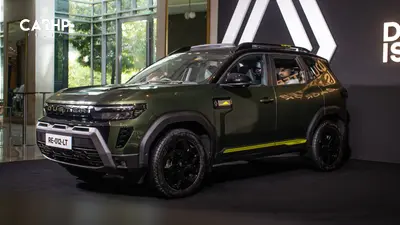
Renault Duster Strong Hybrid to Launch on October 17
Renault has locked 17 October at Fairmont Mumbai for the Duster strong hybrid, a 160hp E-Tech setup that answers the missing diesel. Prices are still under wraps, though early expectations point well above the current range.
Arjun Nair
October 8, 2026
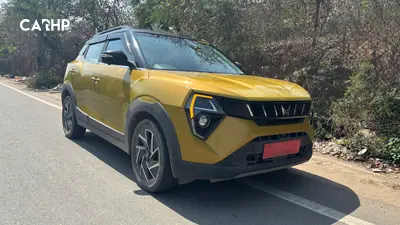
Mahindra XUV 3XO CNG Set For 15 October Debut As Its Fourth Powertrain
Mahindra has teased a CNG version of the XUV 3XO ahead of a 15 October debut. It adds a fourth powertrain to the brand's most affordable SUV and enters a segment where CNG options remain rare.
Anmol Kumar
October 8, 2026
Featured
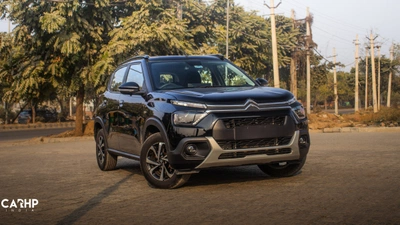
Citroen C3 Review: Who Should Consider This Car?
A few days ago, I took the Citroen C3X out for a spin in the city and on the highways. I travelled long distances and checked its fuel efficiency, features, comfort, and other factors. Today, I’ll briefly share my overall experience with the C3X and will tell you whether you should consider it or not and which is the most value-for-money variant of the lot.
Vatsal Agrawal
May 19, 2026
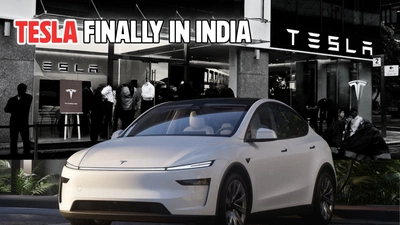
Tesla Finally In India Officially. Why Now And What Does It Mean For EVs?
The much-anticipated 2025 Tesla Model Y has officially arrived in India, marking a pivotal moment for the nation's burgeoning electric vehicle market. Launched on July 15, 2025, the Model Y Juniper facelift offers cutting-edge technology, impressive range, and signature Tesla performance. Positioned as a premium electric SUV, its entry will intensify competition and reshape consumer expectations for EVs across the subcontinent.
Author
July 17, 2025
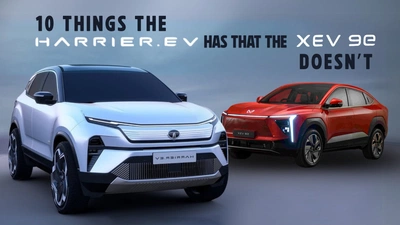
Here Are 10 Things The Harrier.EV Offers That The Mahindra XEV 9E Doesn't
The Harrier.EV is an incredible new offer from Tata. Its most popular competitor would be the Mahindra XEV 9E, priced similarly. With these two incredible offerings from home grown brands available, here is a list of everything the Harrier.EV offers that the XEV 9E doesn't.
Author
June 13, 2025
Write a comment
Comments
No comments yet. Be the first to comment!