Hyundai i20
Overall Rating

Hyundai i20
Overall Rating
EMI Loading
Hyundai i20 Key Specifications
Hyundai i20 Highlights

10.25-inch touchscreen.

Electric sunroof.

Wireless phone charger.
Hyundai i20 Overview

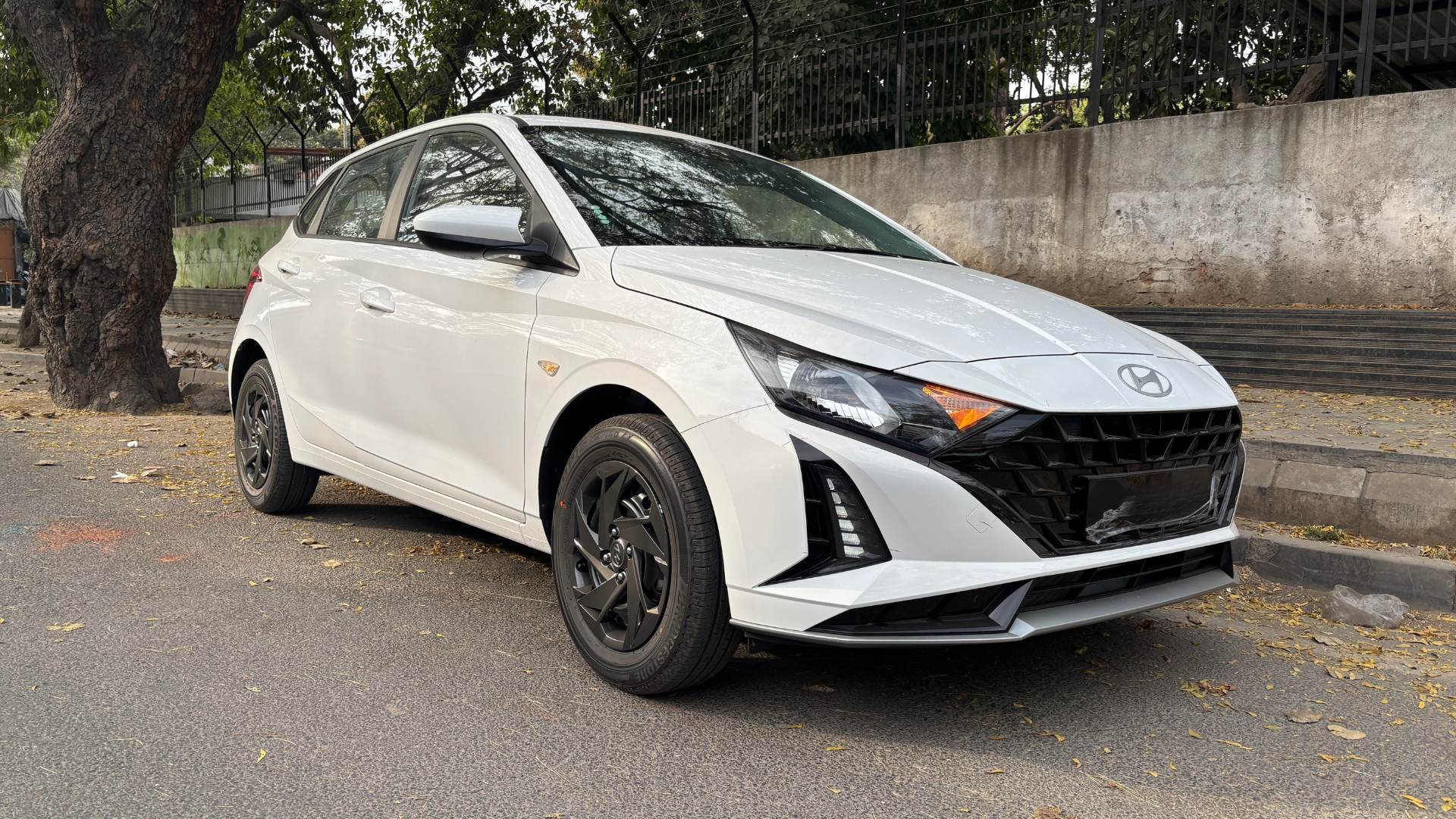
The Hyundai i20 has been the benchmark for the premium hatchback segment on feature content and interior quality for most of its time in India, and the current car maintains that position despite the market having moved considerably since its launch. A wide variant range allows buyers to choose the precise level of equipment they want, with meaningful additions at each trim rather than superficial differentiation.
The range is built entirely around the 1.2-litre naturally aspirated Kappa petrol, which is available with either a 5-speed manual or an IVT (CVT). The diesel is no longer on offer, and the turbo petrol engine is now reserved exclusively for the i20 N Line that is covered separately. For buyers in the standard i20 range, the 1.2-litre delivers a smooth, refined experience well-suited to urban commuting and moderate highway use.
The feature ladder is the i20's strongest selling point. Sunroof availability from the Magna, the 10.25-inch touchscreen from the Sportz with wireless connectivity on IVT variants, drive modes (IVT only), Bose audio from the Asta (O), and ventilated front seats and a 360-degree camera at the top make the i20 one of the more generously equipped hatchbacks across its full price range. The Knight Edition adds a blacked-out exterior treatment on select variants for buyers who want a more assertive visual identity.
Its major limitations include a 311-litre boot that is below the segment average, and a 3 star Global NCAP safety rating in which its structure was noted to be unstable. None of these are significant concerns for the majority of i20 buyers, but they are worth knowing before comparing with rivals and making the final buying decision.
Engine and Performance
Engine and Performance
| Specification | 1.2L Petrol (MT) | 1.2L Petrol (IVT) |
|---|---|---|
| Engine | 1.2L Kappa four-cylinder | 1.2L Kappa four-cylinder |
| Displacement | 1197 cc | 1197 cc |
| Power | 82 bhp at 6000 rpm | 87 bhp at 6000 rpm |
| Torque | 114.7 Nm at 4000 rpm | 114.7 Nm at 4200 rpm |
| Transmission | 5-speed manual | IVT (CVT) |
The 1.2-litre Kappa is a four-cylinder naturally aspirated petrol that prioritises smoothness and refinement over outright performance. The IVT's slightly higher tune at 87 bhp compared to the manual's 82 bhp reflects a different engine mapping suited to the continuously variable transmission's delivery characteristics. In both configurations, the engine pulls cleanly from low revs, the power builds progressively, and the unit is quiet at moderate loads. Above 5,000 rpm the engine note rises noticeably, but the i20's primary use case rarely demands extended high-rev operation.
The 5-speed manual is a well-executed unit with light, positive gear changes that make it genuinely enjoyable in city conditions. The clutch is light and easy to modulate, and the gear throws are short and slick to make the i20 more engaging to drive than some naturally aspirated rivals whose manual gearboxes feel heavier and less precise.
The IVT (Hyundai's name for its CVT) delivers smooth, seamless power delivery without the stepped gear changes of a conventional automatic. In Normal mode it is relaxed, while Sport mode sharpens the throttle map and adjusts the ratio spread for a more responsive feel. The CVT's rubber-band characteristic under hard acceleration, where engine revs climb without a corresponding surge in forward momentum, is the one aspect of the unit that buyers from conventional automatics will need to adjust to.
Ride and Handling
The suspension is tuned with a clear comfort bias. Potholes, road joints, and broken surfaces at city speeds are absorbed without passing excessive harshness into the cabin.
At highway speeds, the i20 is composed and settled, tracking confidently on well-maintained roads. Rear seat passengers notice the occasional sharp impact over poor surfaces more than the front occupants do, which is consistent with the torsion beam rear axle's behaviour.
The steering is effortlessly light for city use, but weighs up to offer enough confidence at higher speeds. Feel and feedback, though improved from previous generations, still remains unexciting.
The 170 mm ground clearance is on par with most rivals and clears most city road conditions without issues, but demands careful navigation over steep speed breakers and rough rural surfaces.
fuel economy
fuel economy

The 1.2-litre Kappa's 20.35 km/l ARAI figure is competitive for a naturally aspirated petrol hatchback.
Real-world returns depend significantly on driving conditions. In typical Indian city use with regular stops, 13 km/l is a consistent outcome for the manual and marginally lower for the IVT.
On open highways at moderate speeds, figures around 17-18 km/l are achievable with disciplined driving.
The 37-litre fuel tank is competitive in the segment, but the lower mileage as compared to its rivals results in a lower a real-world range of approximately 500 to 600 km per fill in mixed conditions.
interior
interior

The i20's cabin has consistently been one of the most thoughtfully designed in the premium hatchback segment.
The dual-tone colour scheme in upper variants, the quality of the dashboard materials with soft-touch surfaces on the upper portions, and the overall fit and finish give the i20 a premium impression that holds up on close inspection. The 10.25-inch touchscreen is exclusive to the top-end Asta (O) and Asta (O) Knight trims is well-positioned and responsive, and its interface is among the more polished in the segment.
An 8-inch touchscreen with wireless Android Auto and Apple CarPlay are available from the Sportz. Interestingly, the top-end Asta (O) offers wireless smartphone connectivity only in the IVT variant, with the manual requiring a wired connection.
Front seat comfort is one of the i20's most appreciated attributes. The cushioning is well-judged, the side bolstering is adequate without being restrictive, and longer journeys are comfortable.

The rear seat is comfortable for two adults, with adequate legroom behind an average-height driver and good headroom. Three adults across the rear is possible for short trips, though shoulder room for three is tighter as compared to the Baleno, Glanza and Altroz.
The Bose 8-speaker audio from the Sportz (O) is among the better factory audio installations in the premium hatchback segment.

Materials are a mixed bag, soft-touch surfaces up top blend with harder plastics lower down, but it’s well-built and feels durable.
The 311-litre boot is functional for one large suitcase or a medium-sized one with small bags, but is below average for the segment. The Tata Altroz's 345 litres and the Maruti Baleno's slightly better 318 litres both offer more loading space.
exterior
exterior

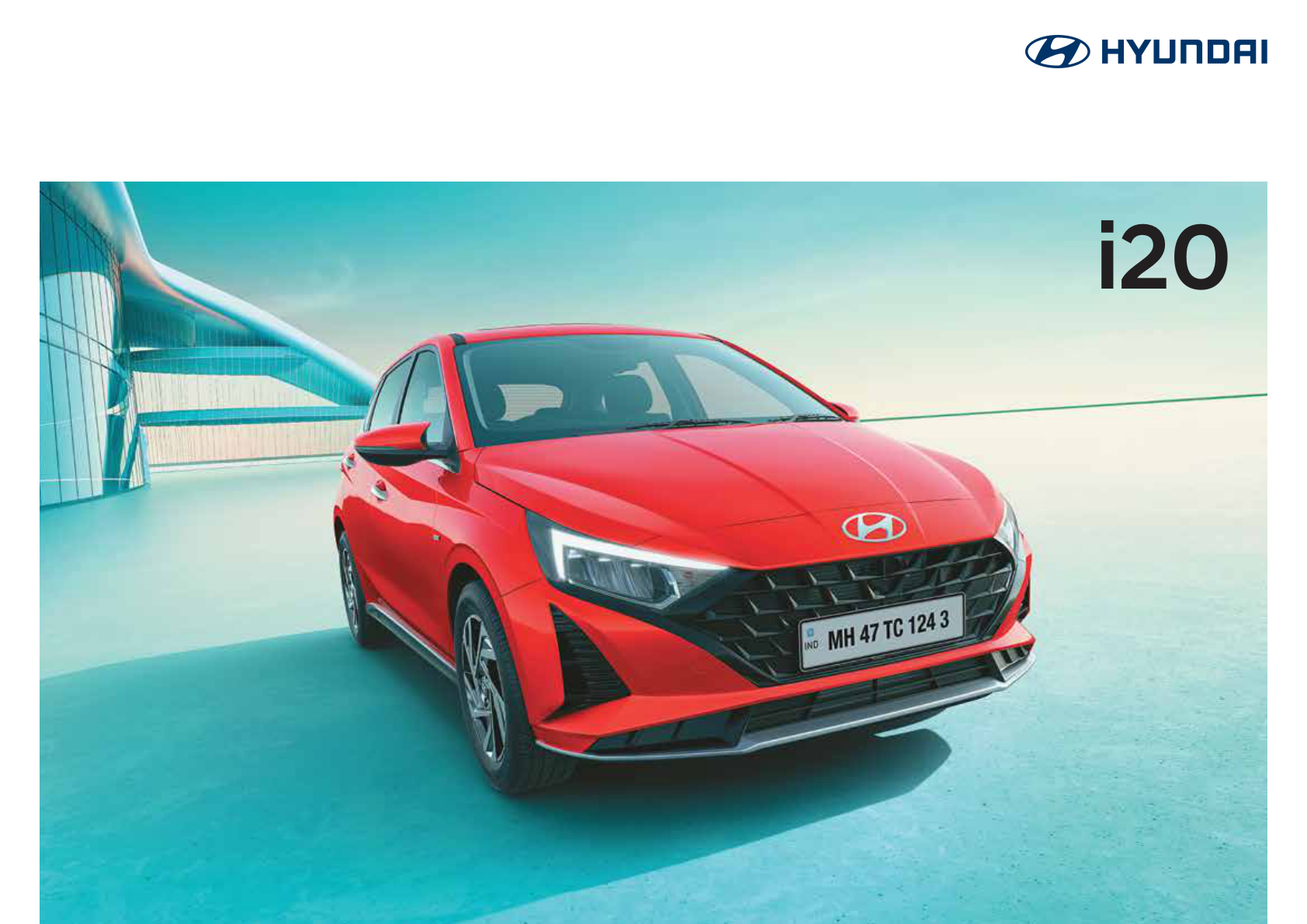
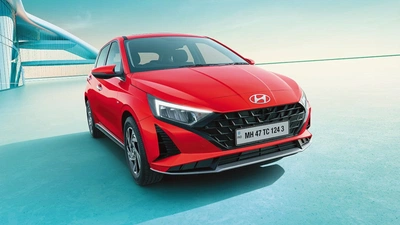
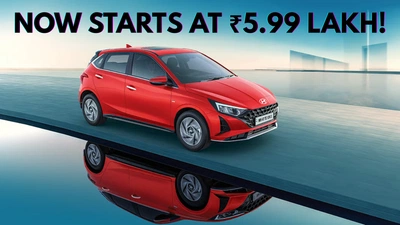
The i20 is a head-turner, no doubt about it. It sports a sleek, aggressive stance.
The front grille, with its parametric jewel pattern, pairs with sharp LED headlights to create a bold face, while the sculpted bonnet adds a touch of dynamism.
From the side, the creased lines and 16-inch alloy wheels (on higher trims) give it a muscular look, and the sloping roofline keeps it sporty without sacrificing practicality.

The rear, with connected LED taillights and a subtle spoiler, wraps up the package neatly.
Available in eight shades, including Fiery Red with Abyss Black and Atlas White, it’s got options to match any personality.

Overall, this one of the sharper designs in the premium hatchback segment along with the Altroz.
safety
safety
Six airbags, ESP with vehicle stability management, ABS with EBD, hill assist, and ISOFIX mounts are standard across the i20's variant range, giving it a strong passive and active safety baseline.
TPMS is available from the Magna variant, and emergency stop signal from the Sportz variant.
The 3-star Global NCAP rating is an honest assessment of the i20's structural safety, and it is notably below the Tata Altroz's 5-star result under GNCAP's previous testing protocols.
For buyers who want their car to have a published crash rating, this is a major factor worth considering.
competition
competition
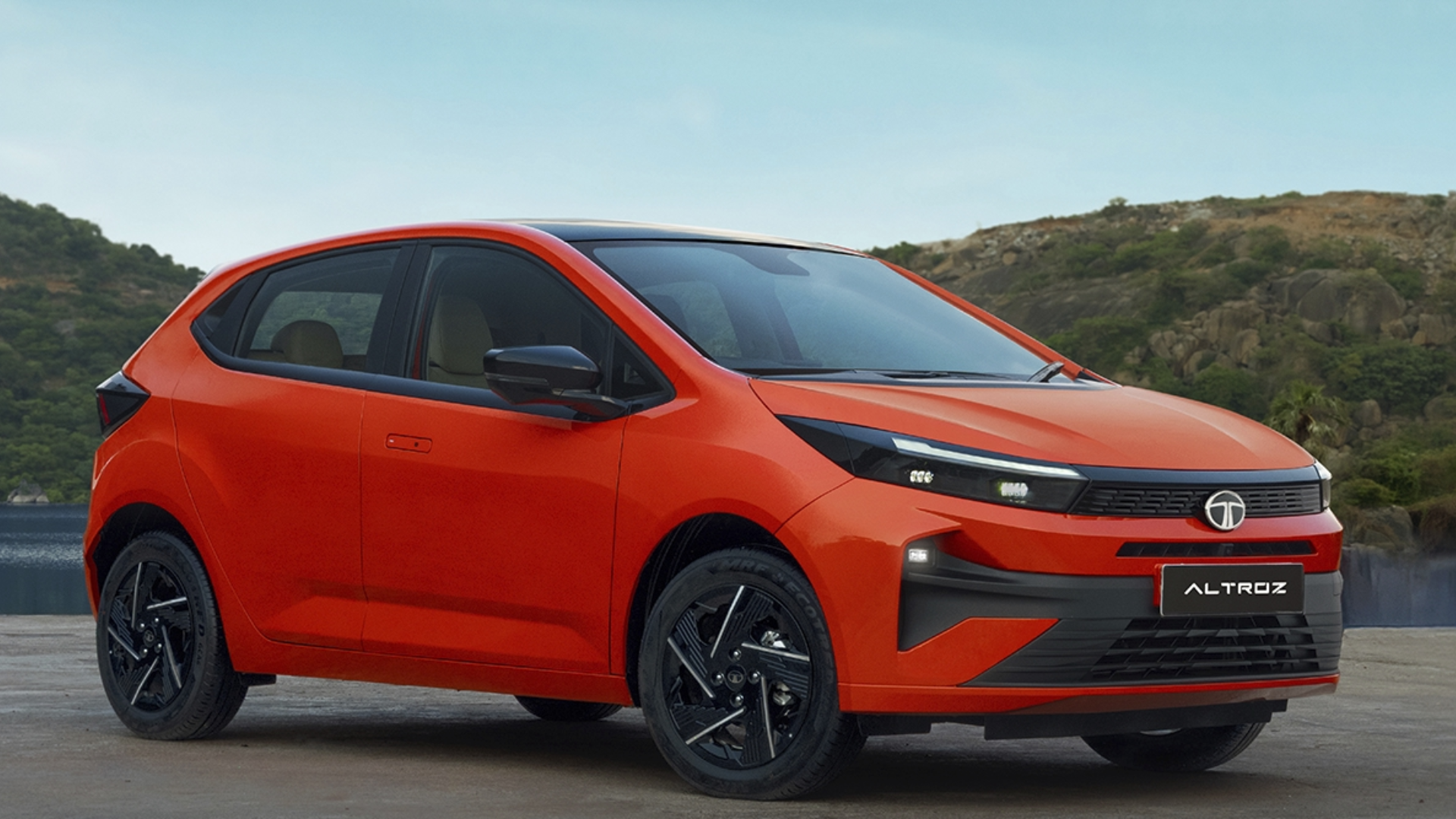
The Tata Altroz is the most direct rival and offers the segment's strongest crash safety credentials with a 5-star Bharat NCAP rating (and a older 5-star Global NCAP rating under its previous protocols), a diesel engine, a large 345-litre boot, and a 360-degree camera and ventilated seats from the Creative variant.
The i20 leads on interior refinement, the IVT's smooth driving character, and a smoother 4-cylinder petrol engine.
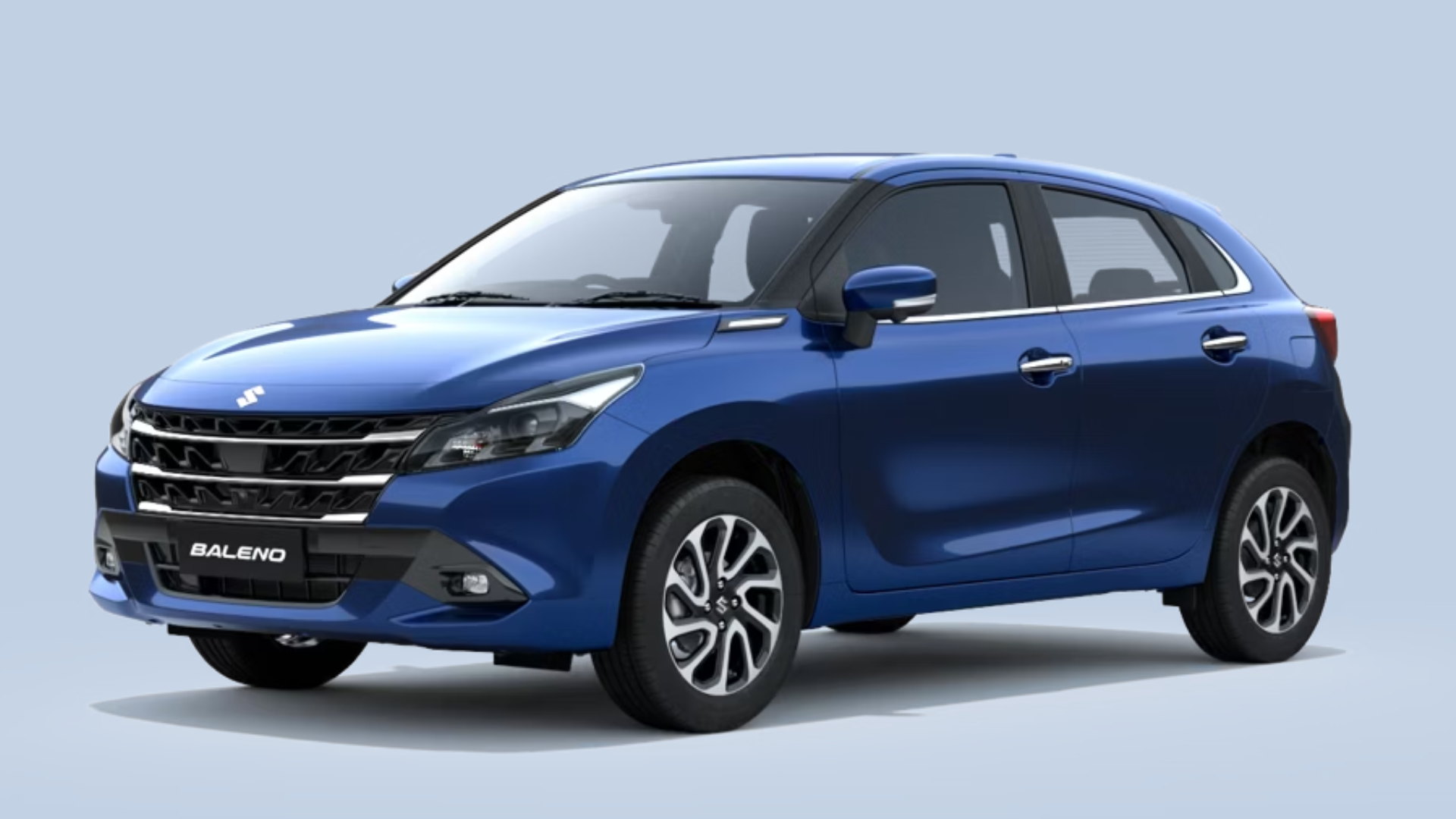
The Maruti Suzuki Baleno is the segment's volume leader and offers a 5-speed AMT, a sunroof, Maruti's unmatched service network, and competitive pricing. Its recent facelift added features like ventilated seats and Level 2 ADAS, that the i20 misses out. The pre-facelift Baleno with 6 airbags had scored 4 stars at BNCAP.
The i20 leads the Baleno on engine refinement, cabin quality and the Bose audio experience at the top trim.
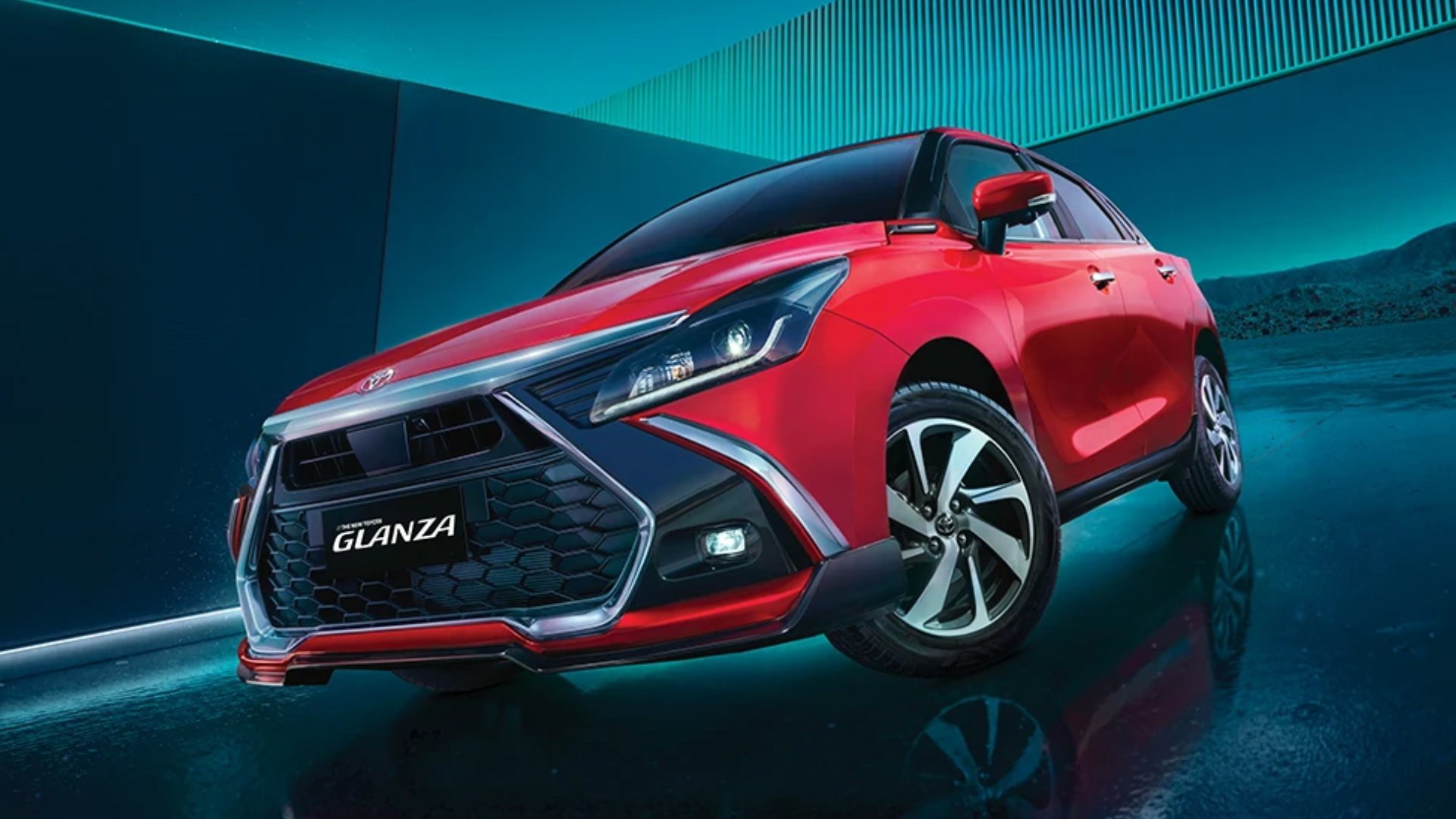
The Toyota Glanza shares the Baleno's platform and engine and also received its facelift following the Baleno's. It is essentially the same car as the Baleno, but with Toyota's ownership assurance.
final verdict
final verdict
The Hyundai i20 remains a strong, well-rounded choice in the premium hatchback segment, particularly for buyers who value cabin quality, the IVT's smooth automatic experience, and features like Bose audio and ventilated seats at the top end.
Six airbags as standard from the base Era, a sunroof from the Magna, and a well-executed feature ladder make the i20 easy to recommend across a wide budget range.
The i20's major limitations are the 311-litre boot and the 3-star GNCAP safety rating.
For buyers who can stretch to the Sportz (O) IVT or Asta (O) IVT, the combination of wireless connectivity, drive modes, climate control, sunroof, and the IVT's convenience makes the i20 one of the more rewarding premium hatchbacks to use daily.
pricing and features
pricing and features
| Variant | Transmission | Price (₹ lakh) |
| Era | Manual | 7.04 |
| Magna | Manual | 7.79 |
| Sportz | Manual | 8.42 |
| Sportz DT | Manual | 8.57 |
| Sportz IVT | Automatic | 9.47 |
| Asta | Manual | 9.38 |
| Asta Opt Manual | Manual | 10.00 |
| Asta Opt IVT | Automatic | 11.10 |
DT = Dual-tone color options cost a slight premium.
buying advice
buying advice
- Best Value Variant – Sportz Manual (₹8.42 lakh) – Gets most features without being too expensive.
- Best for Comfort & Convenience – Asta Opt IVT (₹11.10 lakh) – Offers automatic transmission + premium features.
- Not for – Buyers who prioritize fuel efficiency (Baleno/Glanza are better) or 5-star safety (Altroz is stronger).
Hyundai i20 News

Hyundai i20 FAQs
What engine does the Hyundai i20 currently offer?
−The i20 is currently available with a single, 1.2-litre Kappa four-cylinder naturally aspirated petrol producing 82 bhp (manual variants) or 87 bhp (IVT variants), with 114.7 Nm of torque across both.
Does the Hyundai i20 come with a sunroof?
+A single-pane electric sunroof is available on the Magna, Sportz (O), Sportz (O) Knight, and Asta (O) variants. The top-end Asta (O) and Asta (O) Knight variants get a voice enabled sunroof..
Does the i20 have wireless Android Auto and Apple CarPlay?
+Yes, the i20 offers wireless Android Auto and Apple CarPlay from its Sportz variant. However, the manual Asta (O) variant gets wired connectivity, with only the IVT getting a wireless setup.
Has the Hyundai i20 been crash tested?
+The Hyundai i20 was tested by Global NCAP in 2022. It scored 3 stars for both adult and child occupant protection.
What standard safety features does the Hyundai i20 offer?
+The Hyundai i20 comes with six airbags, ESP with vehicle stability management, ABS with EBD, hill hold assist, and ISOFIX mounts from its base Era variant.
What is the boot space of the Hyundai i20?
+311 litres
What is the fuel tank capacity of the Hyundai i20?
+37 litres
Is the Hyundai i20 available in petrol, CNG, electric or diesel engines?
+The i20 is currently available with Petrol engines.
What are the key safety features in the i20 ?
+The i20 comes equipped with several safety features including Anti-lock Braking System (ABS), Central Locking, Electronic Brakeforce Distribution (EBD), Electronic Stability Control (ESC) and Hill Assist.
What are the boot space and dimensions of the Hyundai i20?
+The i20 offers 311 Litres of boot space. Its dimensions are 3995 mm in length, 1775 mm in width, and it has a wheelbase of 2580 mm.
What colours does the Hyundai i20 come in?
+The Hyundai i20 is available in the following colours: Fiery Red, Typhoon Silver, Fiery Red With Abyss Black, Starry Night, Atlas White, Atlas White With Abyss Black, Titan Grey and Amazon Grey.