Which States Produce the Most Ethanol in India: Price, Distribution And Problems
By Arjun Nair
Updated June 11, 2026
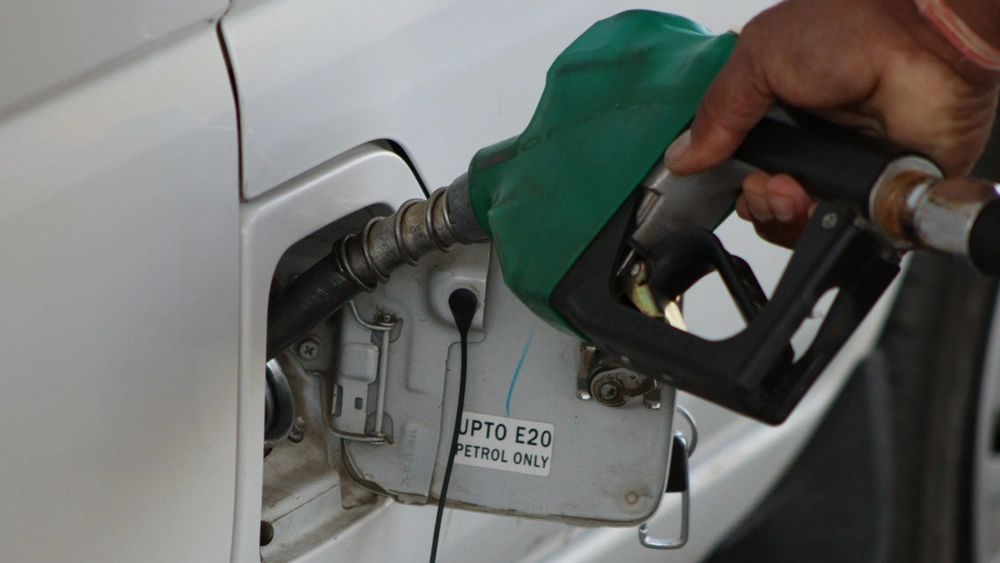
Which States Produce the Most Ethanol in India?
India's ethanol industry was traditionally concentrated in sugarcane-growing states, but recent policy changes have created a more diversified and resilient supply chain, reducing dependence on a handful of sugarcane-producing states and helping maintain supply even during regional crop failures or adverse weather conditions.
Today, Maharashtra and Uttar Pradesh remain the country's largest ethanol producers. Maharashtra benefits from its extensive cooperative sugar mill network and has the highest distillation capacity, while Uttar Pradesh relies on a large network of private and integrated sugar mills that produce ethanol from sugarcane juice and molasses.
Karnataka serves as a major ethanol production hub in southern India, hosting several large biofuel refineries.
Also Read - Government Notifies Standards for Higher Ethanol Blends Up to E30
Meanwhile, Punjab and Bihar have become important centres for grain-based ethanol production, using maize and surplus or damaged food grains as feedstock.
The rise of grain-based ethanol has reduced the dominance of traditional sugarcane states and enabled oil marketing companies to source ethanol from a wider range of locations across the country.
| State | Primary Feedstock Type | Production Characteristics |
|---|---|---|
| Maharashtra | Sugarcane & B-Heavy Molasses | High operational footprint driven by an expansive cooperative milling structure. |
| Uttar Pradesh | Sugarcane Syrup & Molasses | Consistent high-volume provider leveraging vast sugarcane cultivation acreage. |
| Karnataka | Sugarcane Juice & Syrups | Core production base for the southern states, running large corporate refineries. |
| Punjab | Maize & Broken Food Grains | Rapidly growing hub utilizing regional grain surpluses to diversify the supply. |
| Bihar | Maize & Damaged Rice | Leading eastern hub focused entirely on standalone grain-based distillation plants. |
How Is Ethanol Produced?
India now uses a multi-feedstock approach to ensure a steady supply of fuel-grade ethanol throughout the year.
Instead of relying solely on sugarcane, production is divided between sugarcane-based and grain-based distilleries. This reduces seasonal supply risks and allows ethanol plants to operate efficiently year-round.
Among grain-based feedstocks, maize has emerged as one of the most important sources of ethanol. It requires significantly less water than sugarcane and can be stored for long periods, making it ideal for continuous production.
Distilleries also process damaged food grains and broken rice that are unsuitable for human consumption.
Sugarcane remains the backbone of India's ethanol industry. Ethanol can be produced directly from sugarcane juice and heavy syrups, which offer high yields but reduce the amount of sugar a mill can produce.
To balance fuel and sugar production, many mills use B-heavy and C-heavy molasses, which are byproducts generated during different stages of sugar crystallisation.
This allows manufacturers to produce both commercial sugar and fuel-grade ethanol from the same crop.
| Feedstock Classification | Specific Source Crop | Industrial Advantage |
|---|---|---|
| Grain-Based Extraction | Maize (Field Corn) | High starch content, low water footprint, and excellent year-round storage life. |
| Grain-Based Extraction | Broken Rice & Damaged Grains | Diverts low-grade, non-edible crop surpluses directly into industrial energy markets. |
| Sugarcane Subproducts | Direct Sugarcane Juice / Syrup | Maximizes pure ethanol output per ton of feedstock but reduces total sugar manufacturing. |
| Sugarcane Subproducts | B-Heavy Molasses | Optimal operational compromise retaining high sugar content for fermentation. |
| Sugarcane Subproducts | C-Heavy Molasses | The final residual byproduct after maximum sugar extraction; highly cost-efficient. |
What Is the Price of Ethanol?
Ethanol prices in India are not determined by market forces. Instead, they are fixed by the Central Government through the Cabinet Committee on Economic Affairs (CCEA), which revises procurement rates for different feedstocks before each production cycle.
The pricing system varies depending on the raw material used to produce ethanol. Higher rates are typically offered for feedstocks such as maize and sugarcane juice, which have higher production costs.
Lower rates are assigned to feedstocks like C-heavy molasses, a byproduct of sugar manufacturing that is relatively inexpensive to process.
This tiered pricing structure also helps the government influence feedstock usage based on factors such as crop availability, food security and agricultural output.
Public-sector oil marketing companies are required to purchase ethanol at these government-approved ex-mill prices.
In addition, they separately bear GST and transportation costs, ensuring that distilleries in remote agricultural regions are not disadvantaged when supplying ethanol to blending facilities located far away.
| Feedstock Source Type | Administered Ex-Mill Price (Per Litre) | Targeted Policy Objective |
|---|---|---|
| Maize (Corn) | ~₹71.86 to ₹72.00 | Incentivizes grain processing and provides a lucrative alternative market for farmers. |
| Damaged Grains / Broken Rice | ~₹64.00 to ₹67.30 | Encourages the efficient utilization of agricultural food waste and surplus stocks. |
| Sugarcane Juice / Pure Syrup | ~₹65.61 | Compensates sugar mills for the direct loss of commercial sugar production volumes. |
| B-Heavy Molasses | ~₹60.73 | Balances standard sugar production with baseline distillery raw material requirements. |
| C-Heavy Molasses | ~₹57.97 | Provides a baseline minimum floor price for the lowest-grade manufacturing byproducts. |
What's the Point Behind India's Ethanol Push?
India's ethanol blending programme is primarily aimed at improving energy security and reducing the country's dependence on imported crude oil. India currently imports around 85% of its crude oil requirements, making the economy highly vulnerable to global oil price spikes, geopolitical tensions and supply disruptions.
By replacing a portion of petrol with domestically produced ethanol, the government can reduce crude oil imports and lower foreign exchange outflows. Since the ethanol blending programme began in 2014, India has saved ₹1.84 lakh crore in foreign exchange and substituted approximately 302 lakh metric tonnes of crude oil imports.
The programme also helps keep more money within the country. According to government data, ethanol blending has generated ₹1.58 lakh crore in additional income for farmers through demand for sugarcane, maize and other feedstocks.
Also Read - Isubutanol Blended Diesel Could Be Mandated This Year
Beyond reducing import dependence, ethanol creates a large domestic market for agricultural produce and by-products.
Money that would otherwise be spent on imported crude oil flows to sugar mills, grain distilleries and farmers, improving rural incomes, supporting local industries and ensuring more stable payments across the agricultural value chain. With nationwide E20 fuel now in place, the government expects these economic and energy-security benefits to grow further.
So far, you now understand where ethanol comes from, how it is produced, and how it is priced.
But there are also some real-world challenges in this entire ethanol push that will become increasingly important as higher blends like E85 move closer to rollout by the end of this year.
So far, you now understand where ethanol comes from, how it is produced, and how it is priced. But there are also some real-world challenges in this entire ethanol push that will become increasingly important as higher blends like E85 move closer to rollout by the end of this year.
If Ethanol Demand Increases, Will It Affect Food Supply?
The rapid growth of ethanol production has raised concerns about the potential impact on food security. Since feedstocks such as maize, rice and sugarcane can also be used for food and livestock feed, diverting larger quantities towards fuel production could put pressure on food supplies and contribute to higher prices if not managed carefully.
To address this, the government closely regulates the ethanol programme and regularly adjusts feedstock policies based on crop availability.
During years of poor harvests or lower sugarcane production, authorities can restrict or temporarily ban the use of sugarcane juice for ethanol production to ensure sufficient sugar supplies for domestic consumption.
The shift towards grain-based ethanol is also being managed carefully. A significant portion of grain-based ethanol is produced using broken rice and damaged food grains that are unsuitable for human consumption, helping reduce direct competition with the food sector.
However, challenges remain. Maize has become a key feedstock for ethanol production, but it is also widely used by the poultry, dairy and livestock industries. As ethanol demand grows, policymakers will need to balance the requirements of fuel producers, food processors and animal feed manufacturers to prevent supply shortages and price increases.
E85 And Your Car!

Ethanol burns cleaner than petrol, but it behaves differently. It absorbs moisture more easily and can be more corrosive to certain materials, creating challenges for older vehicles that were not designed for ethanol-blended fuels.
Older engines may experience wear in rubber hoses, seals, gaskets and some metal components when exposed to high ethanol concentrations over long periods.
Since ethanol also contains less energy than petrol, vehicles with older fuel injection systems may see a slight drop in fuel efficiency and performance.
To address these issues, automakers have upgraded vehicle components and fuel systems. Today, virtually all new passenger vehicles and two-wheelers sold in India are certified to run on E20 fuel (20% ethanol blend) without any modifications.
Also Read - Indian Fuel Stations May Soon Offer Multiple Ethanol Blends
Manufacturers use ethanol-resistant materials such as advanced polymers and specialised rubber compounds that can withstand prolonged exposure to blended fuels.
The real problem with upcoming flex fuel vehicles will be the lack of independent large-scale testing (those done by the government are a bit questionable, to be honest) as to what effect it will have on mileage, engine internals won’t be an issue if car makers have used proper materials and fueling components.
Recent reports also indicate that the government is planning to introduce multiple blends of ethanol fuel like E20, E27 and E85. If true, that would be a relief for vehicles made after 2023. However, vehicles made before 2023 are still in trouble, as most of them are only E10 compatible.
Transporting Ethanol
Even though India has successfully expanded ethanol production capacity, distribution across the country remains a major challenge.
The core issue is a geographic imbalance between where ethanol is produced and where it is actually consumed. Most distillation capacity is concentrated in agricultural states like Uttar Pradesh and Maharashtra, while many urban and industrial regions in the south, east, and parts of the north have limited local production.
To Top That, Since ethanol has lower energy density than petrol, vehicles travel fewer kilometres per litre, which means overall fuel consumption increases. This can indirectly raise total fuel demand for the same level of mobility.
On a national scale, it also adds pressure on transport and distribution systems, as more fuel volume needs to be moved to deliver the same driving range.
Source- Niti Aayog, NSWS, PIB, PIB,
Image- Maruti And Gemini
Table of Contents
- Which States Produce the Most Ethanol in India?
- How Is Ethanol Produced?
- What Is the Price of Ethanol?
- What's the Point Behind India's Ethanol Push?
- If Ethanol Demand Increases, Will It Affect Food Supply?
- E85 And Your Car!
Join the Conversation
Trending

MG Windsor EV Indulge Limited Edition Teased, Here’s What to Expect
MG has teased a limited edition Windsor EV called Indulge. Expect cosmetic updates to the exterior and cabin, though power figures are likely to stay put on both battery options.
Anmol Kumar
October 8, 2026

Renault Duster Strong Hybrid to Launch on October 17
Renault has locked 17 October at Fairmont Mumbai for the Duster strong hybrid, a 160hp E-Tech setup that answers the missing diesel. Prices are still under wraps, though early expectations point well above the current range.
Arjun Nair
October 8, 2026

Mahindra XUV 3XO CNG Set For 15 October Debut As Its Fourth Powertrain
Mahindra has teased a CNG version of the XUV 3XO ahead of a 15 October debut. It adds a fourth powertrain to the brand's most affordable SUV and enters a segment where CNG options remain rare.
Anmol Kumar
October 8, 2026

Featured

Citroen C3 Review: Who Should Consider This Car?
A few days ago, I took the Citroen C3X out for a spin in the city and on the highways. I travelled long distances and checked its fuel efficiency, features, comfort, and other factors. Today, I’ll briefly share my overall experience with the C3X and will tell you whether you should consider it or not and which is the most value-for-money variant of the lot.
Vatsal Agrawal
May 19, 2026

Tesla Finally In India Officially. Why Now And What Does It Mean For EVs?
The much-anticipated 2025 Tesla Model Y has officially arrived in India, marking a pivotal moment for the nation's burgeoning electric vehicle market. Launched on July 15, 2025, the Model Y Juniper facelift offers cutting-edge technology, impressive range, and signature Tesla performance. Positioned as a premium electric SUV, its entry will intensify competition and reshape consumer expectations for EVs across the subcontinent.
Author
July 17, 2025

Here Are 10 Things The Harrier.EV Offers That The Mahindra XEV 9E Doesn't
The Harrier.EV is an incredible new offer from Tata. Its most popular competitor would be the Mahindra XEV 9E, priced similarly. With these two incredible offerings from home grown brands available, here is a list of everything the Harrier.EV offers that the XEV 9E doesn't.
Author
June 13, 2025

Write a comment
Comments
No comments yet. Be the first to comment!