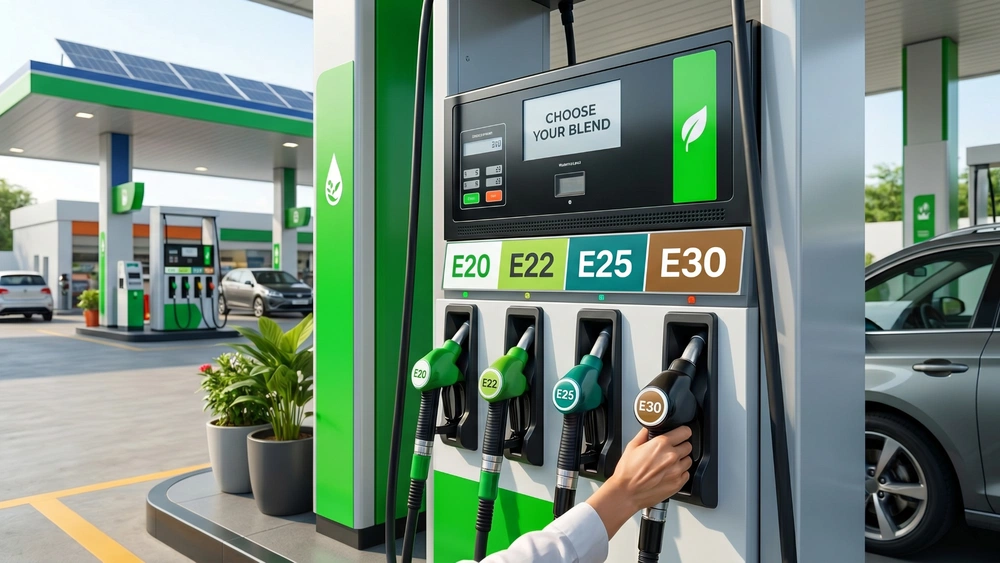
The government has advised six major fuel retailers - IOC, BPCL, HPCL, Jio-bp Mobility, Nayara Energy and Shell to begin preparing infrastructure for E20, E22, E25 and E30 petrol variants at pumps. The move follows new Bureau of Indian Standards norms for these blends and the government's April 2026 proposal to allow fully ethanol-powered vehicles.
In practical terms, motorists may eventually be able to choose an ethanol blend based on thier car's compatibility. Each variant will be labelled on the dispenser, and prices are expected to vary across blends.
The rollout will require investments in dispensing infrastructure, storage systems, blending controls and fuel-quality monitoring. However, the change is less disruptive than it sounds, as existing dispensers already carry separate nozzles for diesel, premium petrol and E20.
Moreover, the underground storage tanks, which hold around 15,000 litres, already have internal divisions for different fuel grades.
Also, oil companies are expected to bear the cost of expanding these, not dealers. Dispensers will need replacement, but they carry a 10-15 year service life.
Also Read – Delhi Petrol Price Crosses ₹102 Per Litre After Multiple Hikes
The push is partly driven by a crude supply crunch linked to the West Asia conflict and the partial closure of the Strait of Hormuz, through which 20% of global oil passes.
India imported $123.1 billion worth of crude in FY26, and policymakers are keen to reduce dependence on imported fuel.
Meanwhile, the ethanol blending programme has already saved ₹1.7 trillion and cut 87 million tonnes of carbon emissions since 2014: a reduction equivalent to planting about 350 million trees.
There is also a supply-side reason: India currently produces 20 billion litres of ethanol annually against a blending demand of only 11 billion litres, leaving nearly half the capacity sitting idle.
Source: Livemint
Image Source: AI-generated illustration
Join the Conversation
Trending
MG Windsor EV Indulge Limited Edition Teased, Here’s What to Expect
MG has teased a limited edition Windsor EV called Indulge. Expect cosmetic updates to the exterior and cabin, though power figures are likely to stay put on both battery options.
Anmol Kumar
October 8, 2026
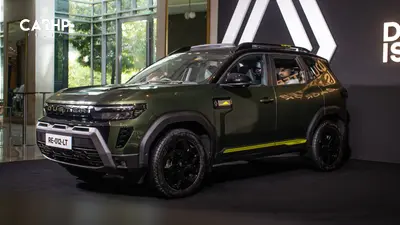
Renault Duster Strong Hybrid to Launch on October 17
Renault has locked 17 October at Fairmont Mumbai for the Duster strong hybrid, a 160hp E-Tech setup that answers the missing diesel. Prices are still under wraps, though early expectations point well above the current range.
Arjun Nair
October 8, 2026
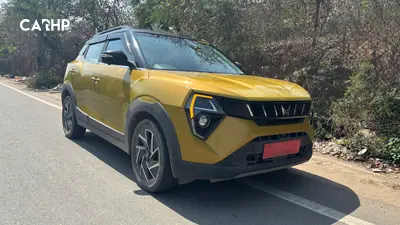
Mahindra XUV 3XO CNG Set For 15 October Debut As Its Fourth Powertrain
Mahindra has teased a CNG version of the XUV 3XO ahead of a 15 October debut. It adds a fourth powertrain to the brand's most affordable SUV and enters a segment where CNG options remain rare.
Anmol Kumar
October 8, 2026
Featured
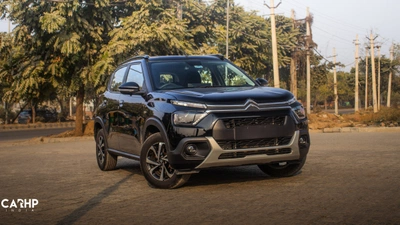
Citroen C3 Review: Who Should Consider This Car?
A few days ago, I took the Citroen C3X out for a spin in the city and on the highways. I travelled long distances and checked its fuel efficiency, features, comfort, and other factors. Today, I’ll briefly share my overall experience with the C3X and will tell you whether you should consider it or not and which is the most value-for-money variant of the lot.
Vatsal Agrawal
May 19, 2026
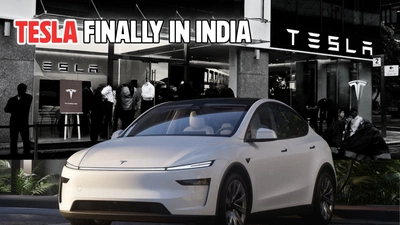
Tesla Finally In India Officially. Why Now And What Does It Mean For EVs?
The much-anticipated 2025 Tesla Model Y has officially arrived in India, marking a pivotal moment for the nation's burgeoning electric vehicle market. Launched on July 15, 2025, the Model Y Juniper facelift offers cutting-edge technology, impressive range, and signature Tesla performance. Positioned as a premium electric SUV, its entry will intensify competition and reshape consumer expectations for EVs across the subcontinent.
Author
July 17, 2025
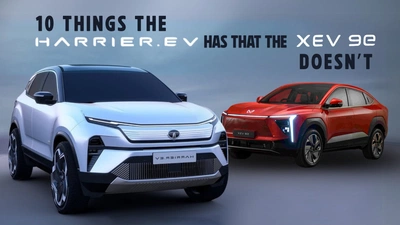
Here Are 10 Things The Harrier.EV Offers That The Mahindra XEV 9E Doesn't
The Harrier.EV is an incredible new offer from Tata. Its most popular competitor would be the Mahindra XEV 9E, priced similarly. With these two incredible offerings from home grown brands available, here is a list of everything the Harrier.EV offers that the XEV 9E doesn't.
Author
June 13, 2025
Write a comment
Comments
No comments yet. Be the first to comment!