Different Segments of Cars in India Explained
By Arjun Nair
Updated June 12, 2026
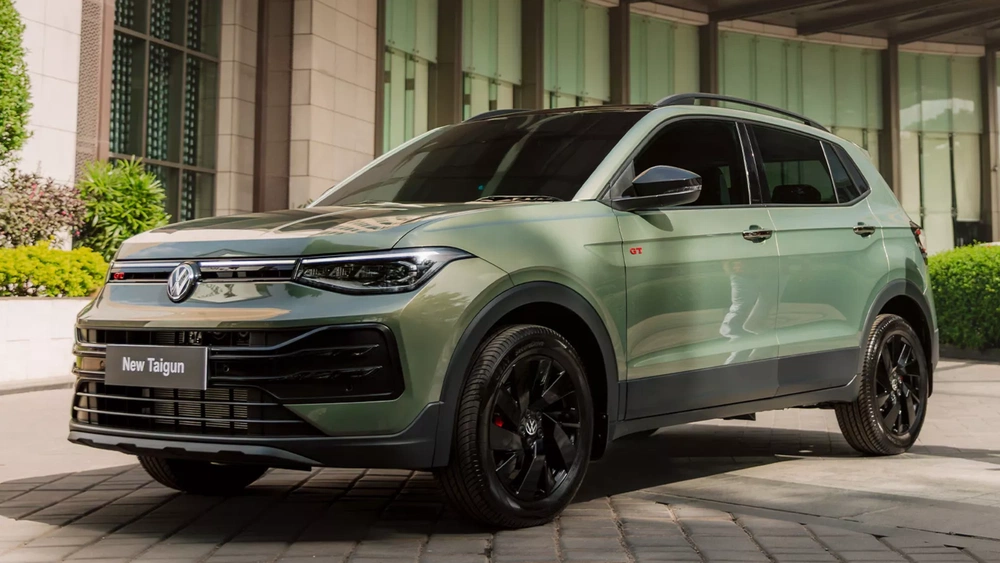
Considering India's large population, our car market offers a wide range of vehicles suited to different needs, budgets, and lifestyles.
Below, we explore the key segments from small city cars to luxury models.
| Segment | Type of Cars | Popular Models | GST % Applied |
|---|---|---|---|
| A-Segment | Entry-Level Hatchbacks (Under 3.6m) | Maruti Alto K10, Celerio, S-Presso, Renault Kwid | 18% |
| B-Segment | Small & Premium Hatchbacks, Compact Sedans (3.7-4.0m) | Maruti Swift, Baleno, Hyundai i10, i20, Tata Tiago, Altroz | 18% |
| Sub-4m SUVs | Compact Crossovers/Mini SUVs (Under 4.0m) | Tata Punch, Hyundai Venue, Kia Sonet, Nexon | 18% |
| C-Segment | Mid-Size Cars & Compact SUVs (4.3-4.6m) | Honda City, Hyundai Verna, Creta, Kia Seltos, Volkswagen Virtus, Taigun, Skoda Kushaq, Slavia | 40% |
| D-Segment | Full-Size & Premium (Over 4.6m) | Toyota Camry, Volkswagen Tayron R Line, Toyota Fortuner, MG Majestor | 40% |
| E & F Segments | Luxury & Performance Cars | Mercedes E-Class, BMW 5/7 Series, Audi A6/Q7, Porsche, Range Rover | 40% |
Note: EVs, regardless of their segment, attract a fixed 5% GST.
A-Segment: Smallest, Entry-Level Cars (Under 3.6 meters)
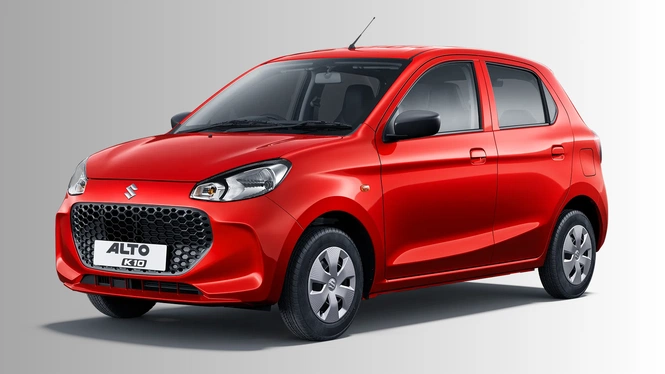
A-segment cars are the smallest and most affordable vehicles in India, including entry-level hatchbacks cars ideal for crowded city roads and tight parking spots.
These cars are lightweight, easy to drive, affordable to maintain, and deliver excellent fuel efficiency, making them perfect for first-time buyers or daily commuters in urban areas. They usually seat four people comfortably with basic features and small engines focused on low running costs.
Though limited in space and power for highways, the low price and easy handling make them a strong choice for city use. These cars generally fall under the 18% GST category.
Popular models include the Maruti Suzuki S-Presso, Alto K10 Celerio, and the Renault Kwid.
Also Read - Maruti Suzuki Offers Protection Against Price Hike on Select Models
B-Segment: Small & Premium Hatchbacks and Sedans (3.7 - 4.0 metre)
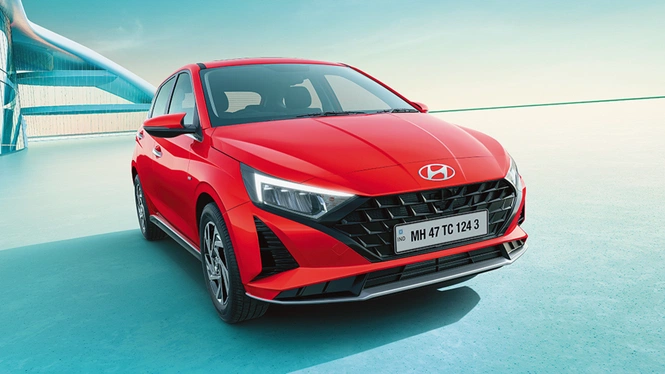
B-segment cars strike a fine balance between size, comfort, and features.
They are larger than A-segment cars and provide more cabin space, better equipment and quality inside and out, more power, a refined driving experience in both city and highway conditions, and are significantly more safer.
Cars like the Maruti Suzuki Swift, Baleno, Dzire, Honda Amaze, Hyundai i20, Tata Tiago and Altroz fall in this segment. They come with petrol, diesel, or CNG options and deliver strong performance for both city traffic and short highway trips.
Sub-4 Metre Crossovers/SUVs (Under 4.0 meters)
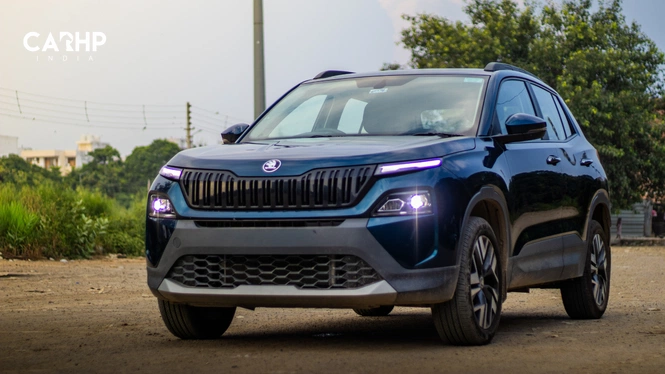
This is a booming segment in India, arguably the most popular, featuring compact crossovers and SUVs that offer an SUV-like stance within the sub-4 metre limit for tax benefits.
These vehicles provide higher ground clearance, a commanding driving position, and better ride quality for our roads with potholes and varied conditions. They offer a wide variety of engine options like naturally aspirated petrol, turbo petrol, and turbo diesel, with manual and automatic transmission options.
Popular models are Tata Punch, Maruti Suzuki Brezza and Fronx, Hyundai Venue, Kia Sonet, Skoda Kylaq, and Tata Nexon.
It is worth noting that despite being under 4 metres in length, the Maruti Brezza falls under the 40% GST due to its higher displacement 1.5-litre petrol engine, unlike its rivals which offer 1.0-1.2-litre units.
Also Read - Skoda Kylaq Prestige Automatic Detailed Review
C-Segment: Mid-Size Sedans & Compact SUVs (4.3 - 4.6 meters)
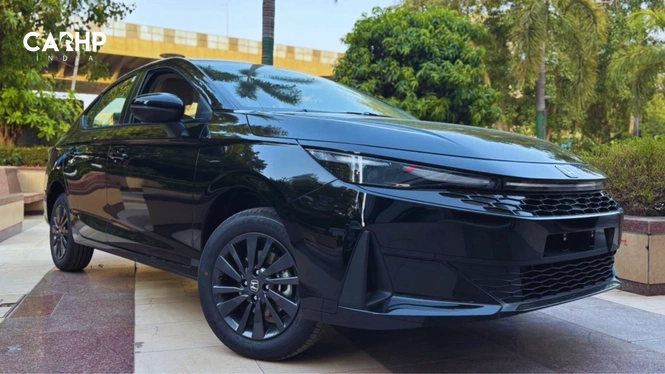
C-segment cars include mid-size sedans and compact SUVs that offer more space, comfort, and a premium feel.
They are longer than B-segment models and provide generous legroom, large boot space, powerful refined engines for comfortable highway and expressway cruising, and advanced features like ADAS in top variants.
Crossing the 4 metre threshold, these cars demand 40% GST.
Notable examples among sedans include the Honda City, Hyundai Verna, Volkswagen Virtus, and Skoda Slavia. Popular compact SUVs like Hyundai Creta, Kia Seltos, Renault Duster, Tata Sierra, and Maruti Victoris are also a part of this segment.
D-Segment: Full-Size & Premium (Over 4.6 meters)
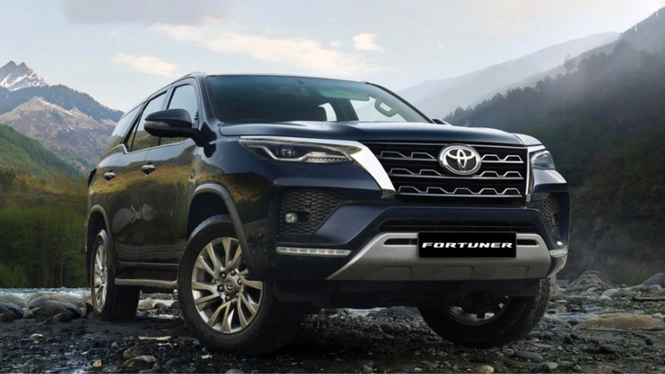
D-segment cars are one of the largest and most premium cars we encounter on our roads. They are aimed at buyers seeking luxury, power, and presence.
They include executive sedans and full-size SUVs with spacious and feature rich cabins, powerful engines, high-quality materials, and advanced safety systems. These cars excel on highways and offer superior comfort for long journeys or chauffeur-driven use.
Popular choices include the Skoda Kodiaq, Volkswagen Tayron R Line, Toyota Camry, Toyota Fortuner, MG Majestor, and Jeep Meridian.
Also Read - MG Majestor First Impressions: Great Off-Roader, But Not For Everyone
Luxury & Performance Focused Cars
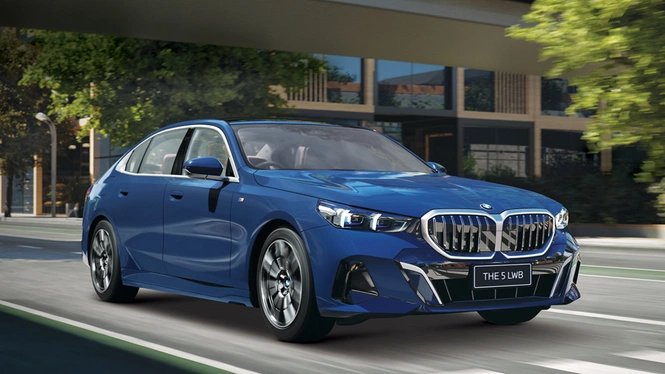
The E and F segments represent the top end of the market with luxury sedans, SUVs, and high-performance cars.
These vehicles offer exceptional comfort, cutting-edge technology, powerful engines, and exclusive designs, catering to to affluent buyers looking for luxury, advanced driver aids, superior ride quality, and thrilling performance.
Major examples include Mercedes-Benz E-Class, BMW 5 Series or 7 Series, Audi A6 or Q7, Porsche models, and Range Rover.
Image Source: Respective Carmakers
Table of Contents
- A-Segment: Smallest, Entry-Level Cars (Under 3.6 meters)
- B-Segment: Small & Premium Hatchbacks and Sedans (3.7 - 4.0 metre)
- Sub-4 Metre Crossovers/SUVs (Under 4.0 meters)
- C-Segment: Mid-Size Sedans & Compact SUVs (4.3 - 4.6 meters)
- D-Segment: Full-Size & Premium (Over 4.6 meters)
- Luxury & Performance Focused Cars
Join the Conversation
Trending
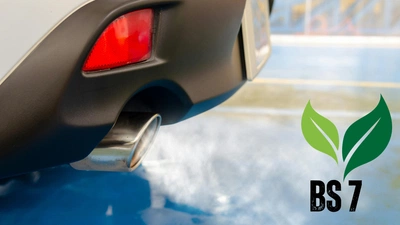
Everything You Need To Know About BS7 Emission Norms
India is gearing up for the next major leap in vehicle emission standards with Bharat Stage 7.
Arjun Nair
July 23, 2026
Which EV Charging Companies in India Have the Most Chargers?
EV adoption in any country is largely dependant on the availability of charging infrastructure.
Arjun Nair
July 21, 2026
Essential Features Every Car Should Have as Standard
Essential Features Every Car Should Have as Standard
Arjun Nair
July 13, 2026
Featured
Citroen C3 Review: Who Should Consider This Car?
A few days ago, I took the Citroen C3X out for a spin in the city and on the highways. I travelled long distances and checked its fuel efficiency, features, comfort, and other factors. Today, I’ll briefly share my overall experience with the C3X and will tell you whether you should consider it or not and which is the most value-for-money variant of the lot.
Vatsal Agrawal
May 19, 2026
Tesla Finally In India Officially. Why Now And What Does It Mean For EVs?
The much-anticipated 2025 Tesla Model Y has officially arrived in India, marking a pivotal moment for the nation's burgeoning electric vehicle market. Launched on July 15, 2025, the Model Y Juniper facelift offers cutting-edge technology, impressive range, and signature Tesla performance. Positioned as a premium electric SUV, its entry will intensify competition and reshape consumer expectations for EVs across the subcontinent.
Charan Narain
July 17, 2025
Here Are 10 Things The Harrier.EV Offers That The Mahindra XEV 9E Doesn't
The Harrier.EV is an incredible new offer from Tata. Its most popular competitor would be the Mahindra XEV 9E, priced similarly. With these two incredible offerings from home grown brands available, here is a list of everything the Harrier.EV offers that the XEV 9E doesn't.
Charan Narain
June 13, 2025
Write a comment
Comments
No comments yet. Be the first to comment!