
EMI Loading
Honda Dio 125 Key Specifications
Honda Dio 125 Variants & Prices
| Variant Details | Ex. Showroom Price | |
|---|---|---|
Dio 125 STD95 kmph | 48 kmpl | 123.92 cc | ₹ 87,258* | |
Dio 125 X-Edition95 kmph | 48 kmpl | 123.92 cc | ₹ 87,883* | |
Dio 125 H-Smart Top Model | ₹ 92,208* |
Dio 125 STD
Dio 125 X-Edition
Dio 125 H-Smart
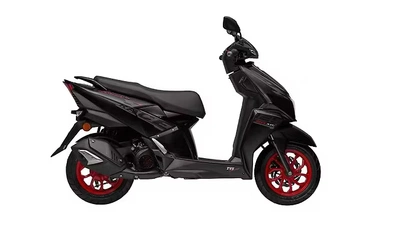
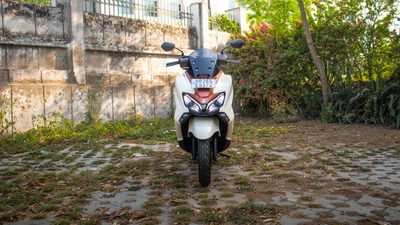
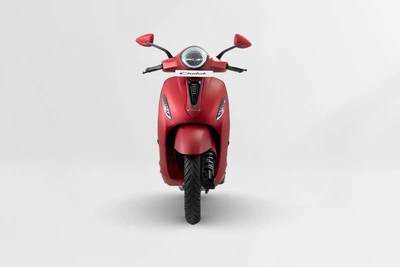
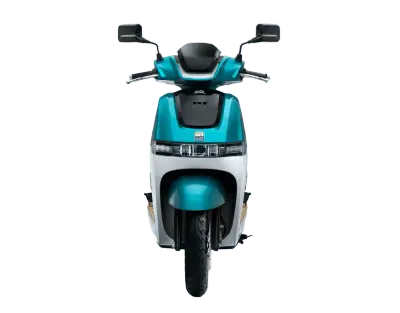
Honda Dio 125 Comparison with similar Bikes
Pros & Cons of Honda Dio 125
Things We Like
- Supremely refined engine with smooth, linear power delivery for city use.
- H-Smart keyless technology offers excellent convenience and security at this price.
Things We Don't Like
- Engine performance is conservative compared to its direct sporty rivals.
- Misses out on Bluetooth connectivity and a standard USB charging port.
Honda Dio 125 Overview

Engine, Performance and Mileage
Engine, Performance and Mileage
The heart of the Honda Dio 125 is its 123.92cc, single-cylinder, air-cooled engine, a unit familiar from the dependable Activa 125. Compliant with BS6 Phase 2 and E20 fuel norms, it produces 8.28 PS at 6250 rpm and 10.4 Nm of torque at 5000 rpm. These figures are not class-leading; the TVS Ntorq 125 Race XP, for instance, generates a significantly higher 10.2 PS. However, Honda’s engineering focus is clearly on refinement and urban tractability rather than outright top-end performance. The power delivery is exceptionally smooth and linear from a standstill, with torque peaking early in the rev range.
This translates to effortless initial acceleration in stop-and-go city traffic, making urban commutes feel brisk and manageable. The scooter feels comfortable cruising between 60-70 km/h, but overtakes on the highway require careful planning as the engine begins to feel strained past 80 km/h. Honda’s PGM-FI system ensures crisp throttle response, and the inclusion of the Idling Start-Stop System contributes to fuel efficiency, which in real-world city conditions hovers between 42-47 kmpl, a respectable figure for this segment.
posture comfort
posture comfort
Honda has engineered the Dio 125 with a strong focus on rider ergonomics and daily usability. The seat height is a very accessible 708mm, allowing riders of various heights to comfortably place their feet on the ground. The riding posture is upright and neutral, with a spacious and flat floorboard that offers ample legroom and the ability to carry small bags or groceries. The seat itself is well-cushioned and sufficiently long to accommodate a rider and pillion without feeling cramped. For the pillion, the split grab rails are stylish but functionally less practical for gripping than a single-piece unit.
The external fuel filler cap, operable via a switch near the ignition, is a major convenience, eliminating the need to dismount and lift the seat during refueling. Underseat storage is rated at 18 litres, which is adequate for a half-face helmet and some small items, but it struggles to accommodate most full-face helmets—a common limitation in this segment. There is no front glove box or USB charging port offered as standard fitment, which feels like an oversight when compared to competitors that provide these practical amenities.
handling ride quality
handling ride quality
The Dio 125 is built on a conventional underbone frame, supported by a telescopic fork at the front and a 3-step preload-adjustable monoshock at the rear. This setup is a significant improvement over the trailing-link suspension found on smaller 110cc models, offering better composure over undulations and broken tarmac. The ride quality is slightly on the firmer side, which aligns with its sporty positioning but doesn't compromise heavily on comfort for daily commutes. Its agility is a key strength, thanks to a low kerb weight of 104 kg and a compact wheelbase.
Navigating through dense traffic is intuitive and requires minimal effort. However, its handling dynamics are somewhat constrained by its wheel configuration: a 12-inch front wheel paired with a smaller 10-inch rear wheel. While this setup aids initial turn-in, it lacks the high-speed stability and cornering confidence offered by rivals like the Ntorq 125 or Aprilia SR 125, both of which feature 12-inch wheels at both ends. The braking hardware consists of a 190mm petal disc upfront (on the Smart variant) and a 130mm drum at the rear, linked by a Combi-Brake System (CBS). Braking feel is progressive and adequate for city speeds, but lacks the sharp initial bite found on competitors.
design
design
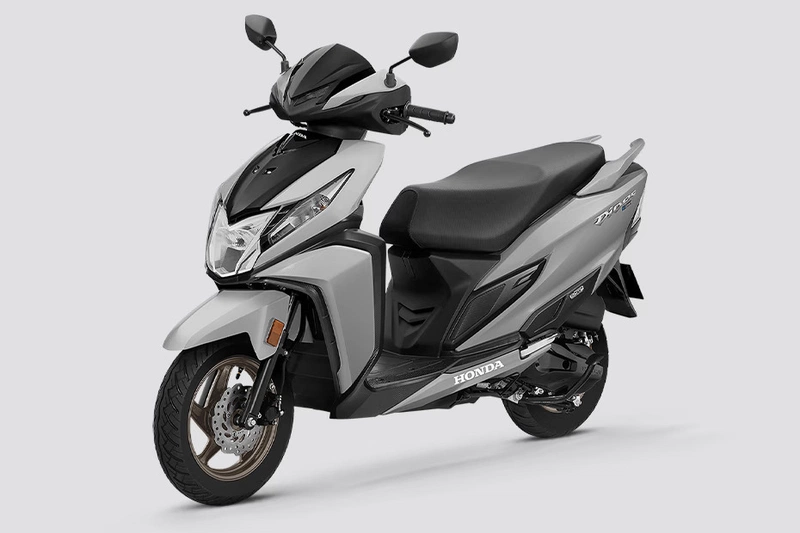
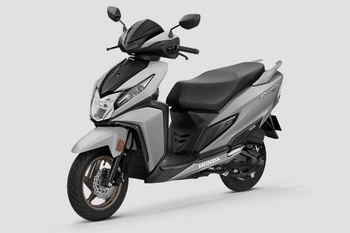
Visually, the Dio 125 is an aggressive evolution of its 110cc sibling, retaining the sharp, angular body panels and sporty stance that appeal to a younger demographic. The dual-tone colour schemes, faux carbon fibre textures, and split grab rail accentuate its dynamic intentions. The all-LED headlamp and tail lamp not only look modern but also offer superior illumination and visibility compared to halogen units. The instrumentation is a fully digital LCD unit, which is cleanly laid out and displays essential information such as speed, fuel level, time, and trip meters. It also includes real-time fuel efficiency and distance-to-empty readouts, which are genuinely useful for managing fuel stops.
The top-spec Smart variant introduces Honda’s H-Smart key system, a standout feature in this price bracket. This allows for keyless operation, including handle lock, ignition start, and seat/fuel lid opening. It also incorporates an anti-theft immobilizer and a "find-my-scooter" function, where the indicators blink on command—a practical tool in crowded parking lots. However, it misses out on Bluetooth connectivity and turn-by-turn navigation, features that are becoming increasingly standard on rivals like the TVS Ntorq 125 and Suzuki Avenis 125.
safety
safety
The safety suite on the Honda Dio 125 is standard for the segment, adhering to current government regulations. The primary safety net is the Combi-Brake System (CBS), which automatically applies a portion of the front brake when the rear brake lever is engaged. This system is effective in balancing braking forces and preventing rear-wheel lock-up under typical city braking conditions, particularly for novice riders. The top variant's 190mm front disc brake provides superior stopping power and heat dissipation compared to the drum-only base model. Another crucial safety feature is the side-stand engine cut-off switch, which prevents the engine from starting if the stand is engaged, mitigating the risk of accidental starts.
The scooter’s all-LED headlamp provides a clear, white light beam, significantly improving nighttime visibility over traditional halogen bulbs. While the braking system is competent for its intended use, the absence of an Anti-lock Braking System (ABS), even as a single-channel option, is a missed opportunity. While not mandated for sub-125cc scooters, competitors in the broader 125cc space are beginning to offer this superior safety technology, which provides a definitive advantage during panic braking on wet or loose surfaces.
competition
competition
The 125cc sporty scooter segment is fiercely contested, and the Dio 125 faces three formidable rivals.
TVS Ntorq 125:
This remains the undisputed performance benchmark. Its 3-valve engine is more powerful, delivering aggressive acceleration and a distinctive exhaust note. It also boasts a feature-packed digital console with segment-first Bluetooth connectivity offering turn-by-turn navigation and caller ID.
Clear Differentiator: Unmatched engine performance and advanced connected technology.
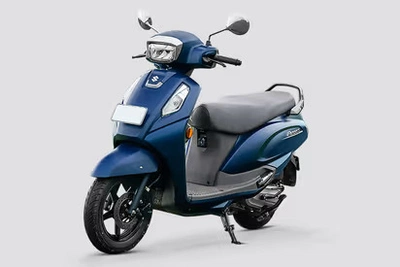
Suzuki Avenis 125:
Sharing its powertrain with the Access 125, the Avenis offers a near-perfect balance of brisk performance and excellent fuel efficiency. Its lightweight chassis makes it incredibly agile, and it comes equipped with features like a USB charger and an external fuel filler as standard.
Clear Differentiator: A superior blend of refinement, fuel efficiency, and practical features.
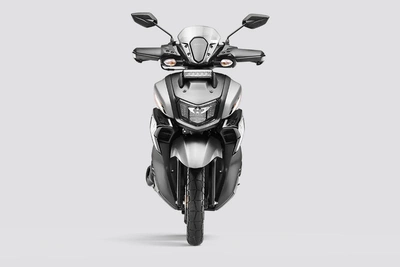
Yamaha RayZR 125 Fi Hybrid:
The RayZR’s primary advantage is its low kerb weight of just 99 kg, combined with a mild-hybrid system that provides a momentary power assist from a standstill. This translates to peppy city acceleration and class-leading fuel economy, making it a highly efficient urban commuter.
Clear Differentiator: Exceptional fuel efficiency and an ultra-lightweight design for nimble handling.
buying advice
buying advice
Who should buy it?
The ideal buyer is a daily commuter seeking a stylish, reliable, and hassle-free scooter with the trusted Honda badge. They prioritize engine refinement, urban practicality like the Smart Key, and brand-assured service over outright performance or a long list of digital features.
Who should skip it?
Performance enthusiasts and tech-savvy riders should look elsewhere. Those who crave aggressive acceleration, a sporty exhaust note, and features like Bluetooth navigation will find the TVS Ntorq 125 a more engaging and fulfilling choice for a similar price.
Honda Dio 125 Specifications & Features
Engine & Transmission
| Starting | Self Start Only,Remote Start |
| Engine Type | 4 Stroke, SI Engine |
| Displacement | 123.92 cc |
| Max Torque | 10.5 Nm @ 5000 rpm |
| Number of Cylinders | 1 |
| Cooling System | Air Cooled |
| Fuel Supply | Fuel Injection |
| Bore | 50 mm |
| Stroke | 63.113 mm |
| Compression Ratio | 10:00.1 |
| Emission Type | BS6.2 |
| Clutch | Automatic Centrifugal Clutch Dry Type |
| Valve Per Cylinder | 2 |
| spark plugs per cylinder | 1 Per Cylinder |
Motor & Battery
| Drive Type | Belt Drive |
| Transmission | Automatic |
| Peak Power | 8.30 PS @ 6250 rpm |
Mileage & Performance
| Overall Mileage | 48 kmpl |
Performance
| Top Speed | 95 kmph |
Tyres & Brakes
| Front Brake Diameter | 190 mm |
| Rear Brake Diameter | 130 mm |
| Front Tyre Pressure Rider | 22 psi |
| Front Tyre Pressure Rider Pillion | 22 |
| Rear Tyre Pressure Rider | 29 psi |
| Rear Tyre Pressure Rider Pillion | 36 |
Dimensions & Capacity
| Width | 707 mm |
| Length | 1830 mm |
| Height | 1172 mm |
| Fuel Capacity | 5.3 L |
| Ground Clearance | 171 mm |
| Wheelbase | 1260 mm |
| Kerb Weight | 104 Kg |
| Fuel Reserve | 1.3 L |
| Seat Height | 708 mm |
| pillion grab rail | |
| pillion seat |
Electricals
| Headlight | LED |
| Taillight | LED |
| Turn Signal Lamp | LED |
| Low Battery Indicator | |
| Low Fuel Indicator | |
| Drls |
Features & Safety
| Pass Switch | |
| Additional Features |
|
| Tachometer | Digital |
| Engine Kill Switch | |
| Real Time Mileage Indicator | |
| Service Due Indicator | |
| Braking Type | Combi Brake System |
| External Fuel Filling | |
| Seat Opening Switch | |
| hazard warning indicator | |
| high beam indicator | |
| malfunction indicator | |
| no of tripmeters | 1 |
| stand alarm | |
| vehicle location tracking |
Features
| Instrument Console | Digital |
| Speedometer | Digital |
| Tripmeter | Digital |
| Seat Type | Single |
| Clock | |
| Passenger Footrest | |
| Underseat Storage | |
| Navigation | |
| Odometer | Digital |
| Body Graphics | |
| Usb Charging Port | |
| Call SMS Alerts | |
| Music Control | |
| Keyless Ignition | |
| Average Fuel Economy Indicator | |
| carry hook | |
| Distance To Empty Indicator | |
| digital display type | TFT |
| display size inch | 4.2 |
| voice assist |
App Features
| Low Battery Alert | |
| Navigation Assist | |
| Calls & Messaging |
Underpinnings
| Suspension Front | Telescopic |
| Suspension Rear | 3 Step Adjustable Spring Loaded Hydraulic |
| Brakes Front | Disc |
| Brakes Rear | Drum |
| Tyre Size | Front :-90/90-12 Rear :- 90/100-10 |
| Wheel Size | Front :-304.8 mm,Rear :-254 mm |
| Wheels Type | Alloy |
| Tubeless Tyre | 1 |
| Frame | Underbone |
| first service | 750-1000 Kms/15-30 Days |
| second service | 5500-6000 Kms/165-180 Days |
| third service | 11500-12000 Kms/350-365 Days |
| caliper front piston | 1 |
| Tyre Type | Tubeless |
Warranty
| Mobile Application | |
| Vehicle Warranty | 3 Years or 36,000 Km |
Honda Dio 125 Price in Cities
₹ 1.17 Lakh - 1.22 Lakh
₹ 1.09 Lakh - 1.14 Lakh
₹ 1.04 Lakh - 1.06 Lakh
₹ 1.08 Lakh - 1.13 Lakh
₹ 1.10 Lakh - 1.15 Lakh
₹ 1.09 Lakh - 1.14 Lakh
₹ 1.12 Lakh - 1.17 Lakh
₹ 1.09 Lakh - 1.16 Lakh
₹ 1.18 Lakh - 1.23 Lakh
₹ 1.12 Lakh - 1.17 Lakh
Popular Honda Bikes
Popular Brands




Honda Dio 125 Comparisons
Honda Dio 125
₹87,258 - 92,208
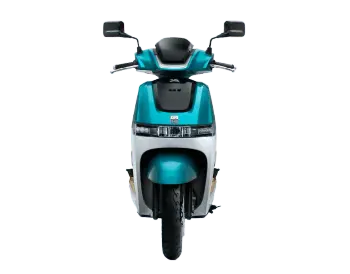
TVS iQube
₹1.15 - 1.48 Lakh
Honda Dio 125
₹87,258 - 92,208
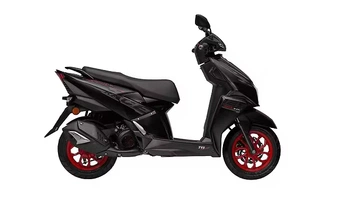
TVS NTORQ 125
₹82500 - 1.01 Lakh
Honda Dio 125
₹87,258 - 92,208
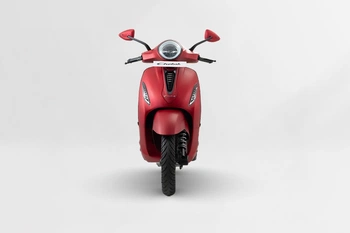
Bajaj Chetak
₹1.11 - 1.48 Lakh
Honda Dio 125
₹87,258 - 92,208
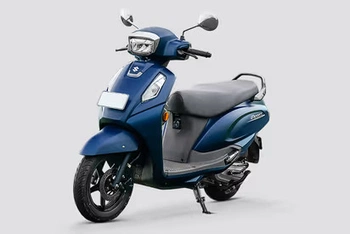
Suzuki Access 125
₹80585 - 1 Lakh
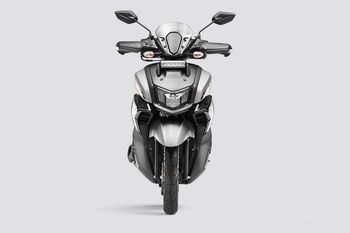
Honda Dio 125
₹87,258 - 92,208
Yamaha RayZR 125 Fi Hybrid
₹76,960 - 89,760
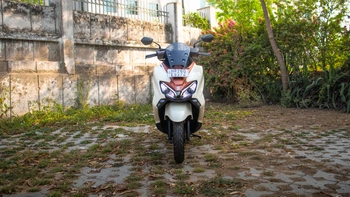
Honda Dio 125
₹87,258 - 92,208
Suzuki Burgman Street
₹1.03 - 1.14 Lakh
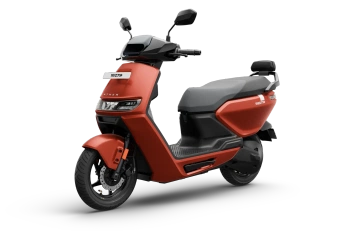
Honda Dio 125
₹87,258 - 92,208
Ather Rizta
₹1.21 - 1.85 Lakh