Honda XR300L vs XR300 Rally: Design, Features, Engine and Key Differences
By Arjun Nair
Published October 12, 2026
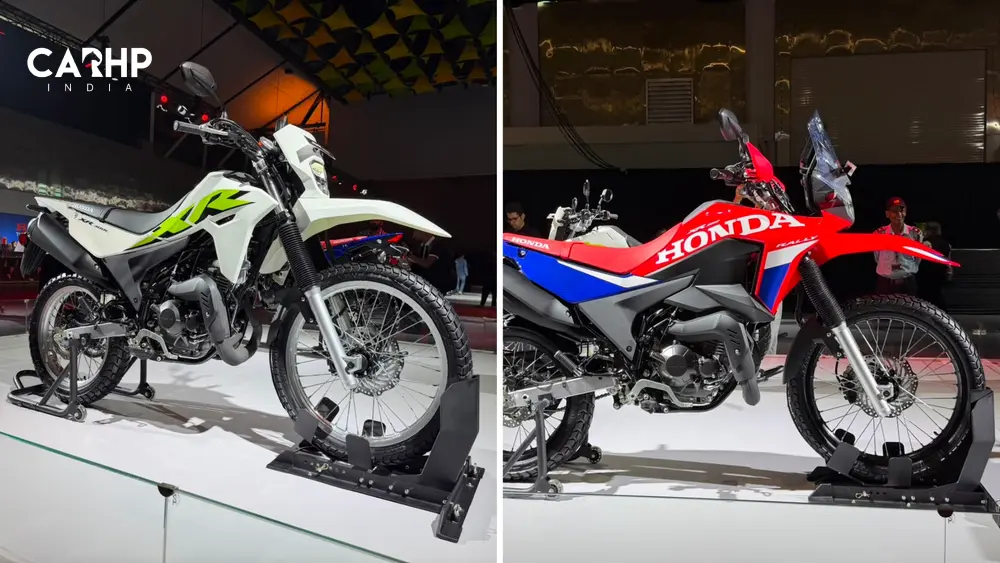
Quick Read - The Honda XR300L gets a 7.8-litre fuel tank and a simpler instrument console, while the XR300 Rally adds a 13-litre tank, 5-inch TFT display, RoadSync connectivity and a taller windscreen. Both use 21-inch front and 18-inch rear wheels.
Honda has introduced the XR300L and XR300 Rally in India, expanding its dual-sport motorcycle lineup with two models designed for riders who want to explore beyond paved roads. Priced at ₹1.83 lakh and ₹2.08 lakh, respectively, the motorcycles share the same 293.5cc engine platform but differ in their equipment and intended use.
The XR300L focuses on trail riding and everyday versatility, while the XR300 Rally adds touring-oriented features such as a larger fuel tank, a taller windscreen and a more advanced instrument console. The ₹25,000 price difference makes the choice less about engine performance and more about how riders plan to use their motorcycles.
Also Read - Royal Enfield Himalayan 750 Showcased for the First Time
Honda XR300L vs XR300 Rally: Key Differences
| Specification | Honda XR300L | Honda XR300 Rally |
|---|---|---|
| Ex-showroom price | ₹1.83 lakh | ₹2.08 lakh |
| Engine | 293.5cc, single-cylinder | 293.5cc, single-cylinder |
| Cooling system | Air- and oil-cooled | Air- and oil-cooled |
| Fuel tank capacity | 7.8 litres | 13 litres |
| Instrument console | Simpler instrument setup | 5-inch TFT display |
| Smartphone connectivity | Not confirmed for the India-spec model | Honda RoadSync connectivity |
| Windscreen | Minimal wind protection | Taller windscreen |
| Hand protection | Basic configuration | Knuckle guards |
| Front and rear wheels | 21-inch and 18-inch | 21-inch and 18-inch |
| Primary purpose | Trail riding and dual-sport use | Adventure riding and longer journeys |
India-specific specifications and equipment may vary from international models. Prices are ex-showroom and may vary by location.
Design and Styling: Trail-Focused vs Rally-Inspired
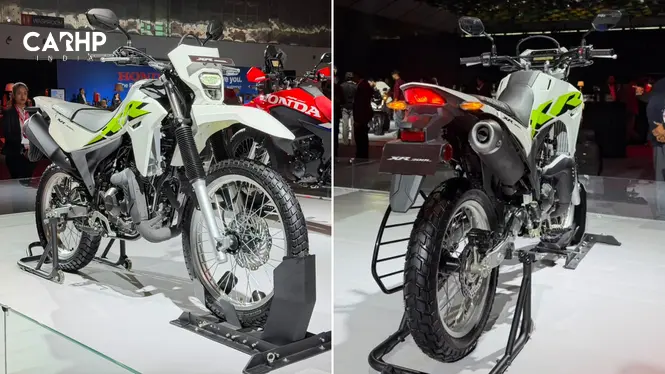
The Honda XR300L follows a slim, functional design that prioritises manoeuvrability on trails. Its high-mounted front mudguard, narrow bodywork, upright riding position and minimal touring equipment reflect its off-road-focused character.
The relatively uncluttered design also gives riders more freedom to move their bodies when standing on the footpegs, which can be useful on rocky paths, gravel roads and uneven terrain.
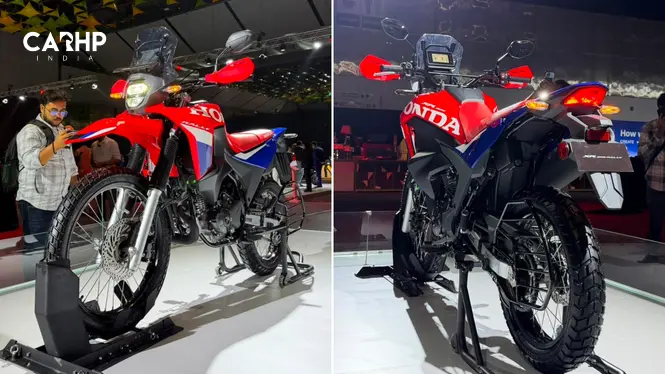
The XR300 Rally adopts a more adventure-oriented appearance, with a taller windscreen and additional bodywork that provide better protection during longer rides. Knuckle guards add protection against wind and flying debris, while the overall styling gives the motorcycle a stronger rally-inspired identity.
These additions are practical rather than purely cosmetic, particularly for riders who regularly travel between cities or explore remote destinations.
Also Read - Royal Enfield Himalayan 440 Accessories: Prices, Features & Full List
Engine and Performance: What Both Motorcycles Share
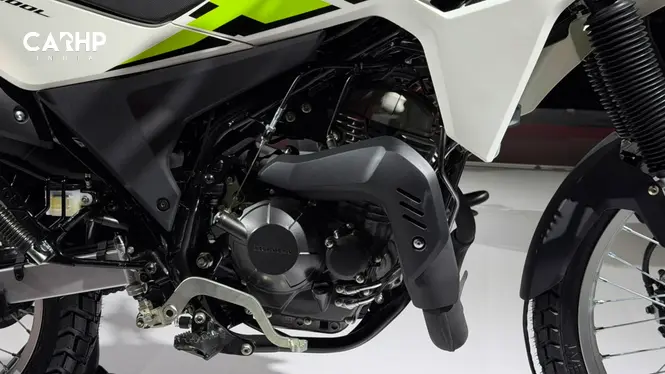
Both motorcycles use a 293.5cc, single-cylinder, air- and oil-cooled engine derived from the unit used in Honda's CB300F. Their shared engine platform means the XR300 Rally is not positioned as a more powerful alternative to the XR300L. Instead, the main differences revolve around equipment, fuel capacity and touring convenience.
The engine's single-cylinder configuration suits the dual-sport segment, where manageable dimensions and everyday usability are important alongside off-road capability. However, India-specific power and torque figures, along with the complete technical specifications, have not yet been fully disclosed. Buyers should therefore avoid assuming that international performance figures will translate directly to the Indian models.
For most prospective owners, the more important question is whether they need a lightweight motorcycle for trail exploration or a better-equipped machine for mixed-terrain touring.
Suspension and Off-Road Capability
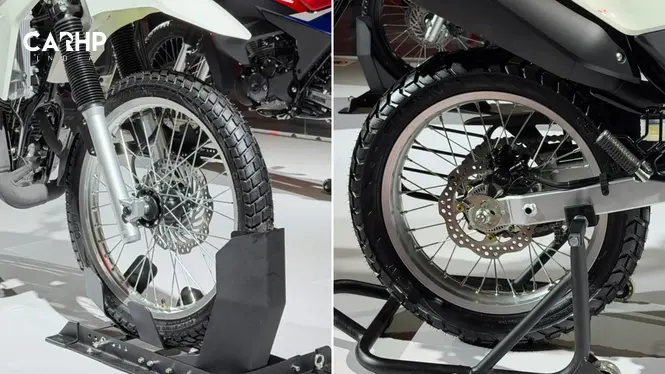
The XR300L and XR300 Rally share a dual-sport foundation, with a 21-inch front wheel and an 18-inch rear wheel. This combination is well suited to uneven terrain, as the larger front wheel helps negotiate obstacles while the rear supports traction on loose surfaces. Wire-spoke wheels and long-travel suspension further reflect the motorcycles' emphasis on off-road usability.
Also Read - A Full List Of E20 Compliant Bikes and Scooters in India
The suspension setup is intended to handle rough roads, gravel tracks and trails more comfortably than conventional road-focused motorcycles. Both models also feature disc brakes, with off-road-oriented electronic safety features forming part of their equipment.
The distinction is primarily in how each motorcycle is equipped for its intended role. The XR300L keeps the package focused on trail riding, whereas the Rally adds features that make extended journeys more convenient. Neither should automatically be considered the better off-road performer without comparing ground clearance, suspension travel, kerb weight and the final India-spec configurations.
Technology and Features: The Rally Offers More Convenience
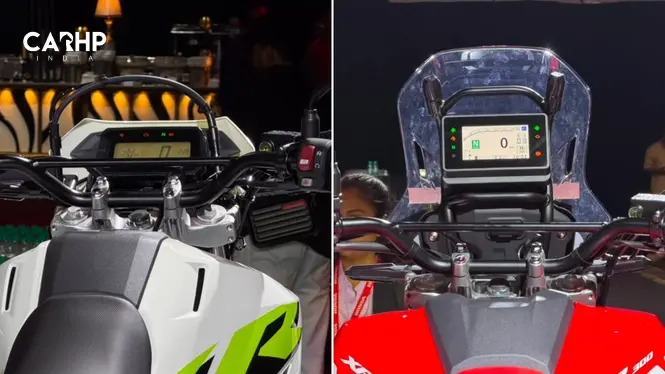
Technology is one of the clearest areas of differentiation between the two motorcycles. The XR300 Rally features a 5-inch TFT instrument display and Honda RoadSync smartphone connectivity. Depending on phone compatibility and the connected functions supported, the system can provide navigation assistance and access to selected smartphone features.
The XR300L follows a simpler approach, keeping the emphasis on its dual-sport purpose rather than touring-oriented technology. For riders who primarily explore trails close to home, a more basic instrument setup may be sufficient. Those undertaking unfamiliar routes or longer journeys are more likely to appreciate the Rally's larger display and connected features.
The Rally's additional equipment also contributes to its higher price. However, buyers should consider whether these features will genuinely improve their riding experience rather than choosing the more expensive model simply because it has a longer feature list.
Also Read - Cheapest Bikes With Fully Digital Display In 2026 Under 1 Lakh
Fuel Tank Capacity and Touring Range
Fuel capacity is another significant difference between the Honda XR300L and XR300 Rally. The XR300L has a reported 7.8-litre fuel tank, while the Rally gets a larger 13-litre tank. The additional 5.2 litres could make a substantial difference for riders travelling through areas where fuel stations are less frequent.
The larger tank is particularly useful on long-distance trips, where frequent stops can interrupt the ride. It also gives riders more flexibility when planning routes that combine highways, rural roads and off-road sections.
Actual riding range will depend on fuel efficiency, road conditions, speed, terrain and luggage. A reliable range comparison requires confirmed India-spec fuel-economy figures, which are not yet available. Nevertheless, the Rally's larger tank gives it a clear advantage for riders who prioritise extended journeys.
Honda XR300L vs XR300 Rally: Which One Should You Buy?
The Honda XR300L is the more suitable choice for riders who primarily want a dual-sport motorcycle for trail riding, rural roads and occasional commuting. Its simpler equipment package and lower price make it attractive to buyers who value off-road practicality over touring accessories. The ₹25,000 saving could also be put towards protective riding gear, tyres or luggage suited to the rider's needs.
The Honda XR300 Rally makes more sense for riders who expect to combine off-road exploration with highway travel and longer adventures. Its larger fuel tank, taller windscreen, knuckle guards and TFT display offer practical benefits when spending several hours in the saddle. Honda RoadSync connectivity is another useful addition for those navigating unfamiliar routes.
The decision ultimately depends on usage rather than engine performance. Riders who mostly tackle local trails may not need the Rally's extra equipment, while those planning multi-day trips could find the additional investment worthwhile. Seat height, kerb weight, suspension specifications and the availability of accessories should also be considered before making a purchase.
Conclusion
The Honda XR300L and XR300 Rally share the same 293.5cc engine platform and dual-sport foundations, but each is designed around a different kind of riding experience. At ₹1.83 lakh, the XR300L offers a more focused and affordable option for trail enthusiasts. The XR300 Rally, priced at ₹2.08 lakh, adds touring-oriented equipment, a larger fuel tank and connected technology for riders who want greater versatility on longer journeys.
For buyers who prioritise simplicity and trail riding, the XR300L is the more logical starting point. Those who regularly travel long distances or explore unfamiliar routes may find the Rally's additional features more useful. Comparing the final India-specific specifications and arranging a test ride will help determine which motorcycle offers the right balance of practicality, comfort and value.
Table of Contents
- Honda XR300L vs XR300 Rally: Key Differences
- Design and Styling: Trail-Focused vs Rally-Inspired
- Engine and Performance: What Both Motorcycles Share
- Suspension and Off-Road Capability
- Technology and Features: The Rally Offers More Convenience
- Fuel Tank Capacity and Touring Range
Join the Conversation
Trending
2026 Honda ADV160 Full Specs Revealed
The Honda ADV160's brochure reveals its engine specifications, TFT display, safety features, storage capacity and fuel compatibility.
Arjun Nair
October 12, 2026
2026 TVS Radeon Launched At Rs 67,100 With LED Lighting and New LCD Console
TVS has launched the 2026 Radeon in India with a revamped front end, full LED lighting, and a new LCD console on the Digi Drum and Digi Disc variants. Three variants are on sale, starting at Rs 67,100 ex-showroom Delhi.
Salil Kumar
October 12, 2026
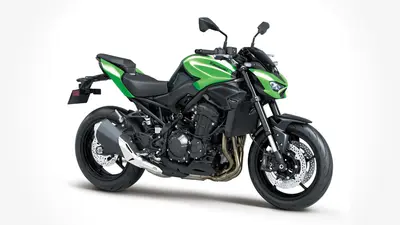
Kawasaki Z300 Unveiled In India, Bookings Starting 19th October
Kawasaki has unveiled the Z300 streetfighter in India. Based on the Ninja 300, it uses a 296cc parallel-twin engine and is expected to sit below Rs 3 lakh to compete with the KTM 390 Duke. Bookings open 19th October.
Arjun Nair
October 12, 2026

Featured
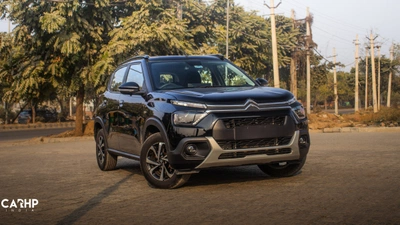
Citroen C3 Review: Who Should Consider This Car?
A few days ago, I took the Citroen C3X out for a spin in the city and on the highways. I travelled long distances and checked its fuel efficiency, features, comfort, and other factors. Today, I’ll briefly share my overall experience with the C3X and will tell you whether you should consider it or not and which is the most value-for-money variant of the lot.
Vatsal Agrawal
May 19, 2026
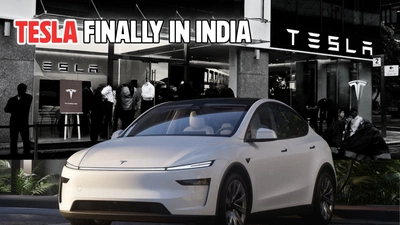
Tesla Finally In India Officially. Why Now And What Does It Mean For EVs?
The much-anticipated 2025 Tesla Model Y has officially arrived in India, marking a pivotal moment for the nation's burgeoning electric vehicle market. Launched on July 15, 2025, the Model Y Juniper facelift offers cutting-edge technology, impressive range, and signature Tesla performance. Positioned as a premium electric SUV, its entry will intensify competition and reshape consumer expectations for EVs across the subcontinent.
Author
July 17, 2025
Here Are 10 Things The Harrier.EV Offers That The Mahindra XEV 9E Doesn't
The Harrier.EV is an incredible new offer from Tata. Its most popular competitor would be the Mahindra XEV 9E, priced similarly. With these two incredible offerings from home grown brands available, here is a list of everything the Harrier.EV offers that the XEV 9E doesn't.
Author
June 13, 2025
Write a comment
Comments
No comments yet. Be the first to comment!