Toyota Fortuner vs Skoda Kodiaq - Which One Should You Buy
Toyota Fortuner vs Skoda Kodiaq Comparison at CarHP India. Compare Toyota Fortuner and Skoda Kodiaq Prices, Mileage, Features, Specs, Colours and much more.
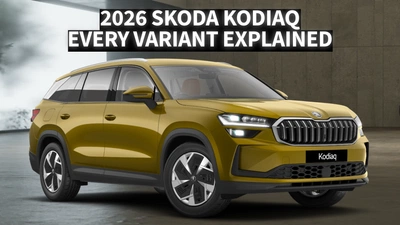
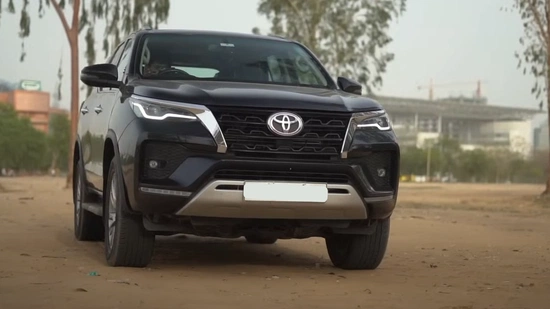
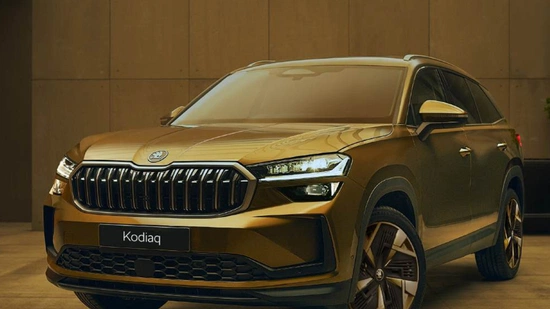
The Toyota Fortuner is available in 8 variants, while the Skoda Kodiaq comes in 3 variants. The Fortuner price ranges from ₹33.78 Lakh to ₹49.59 Lakh. The Kodiaq is priced between ₹39.99 Lakh and ₹48.69 Lakh. Under the hood, the Fortuner has a 2755cc diesel engine. This motor produces 201.15bhp and a very strong 500Nm of torque. It uses a 6-speed automatic gearbox with 4WD. The Kodiaq uses a 1984cc petrol engine with 201bhp and 320Nm of torque. It comes with a 7-speed DSG automatic and 4WD. The Kodiaq gives a mileage of 13.3 kmpl, while the Fortuner diesel mileage is not officially rated here. Both SUVs offer 7 seats for the family. The Fortuner has a boot space of 296 litres, while the Kodiaq offers 270 litres. For comfort, both cars have automatic climate control, cruise control, and keyless entry. The Fortuner features LED headlamps and 11 premium JBL speakers including a subwoofer. The Kodiaq interior feels premium with a leather-wrapped steering wheel and a 12-speaker CANTON sound system. It also has a 20.32 cm infotainment system with a proximity sensor. Safety is a big focus for both. The Fortuner comes with 7 airbags and hill assist. The Kodiaq offers 9 airbags and a 5-star safety rating. It also includes a tyre pressure monitoring system for extra peace of mind. Driving in a metro city involves heavy traffic and tight turns. The Kodiaq is smoother for daily city commutes because of its refined petrol engine and quick DSG gearbox. It feels more like a luxury car to drive. The Fortuner is very tough and has a massive road presence. It is excellent for rough roads but can feel heavy in narrow city lanes. For buyers wanting a rugged and highly reliable SUV, the Toyota is the top choice. For those who want luxury, high safety, and a smooth city drive, the Skoda is the better recommendation. Book a test drive through this platform before making a final decision to get exclusive benefits, special discounts, and the best available offers.
₹ 34.76 Lakh
₹ 36.99 Lakh

Compare Minimum 2 Cars At Once — Tap To Activate / Deactivate
Smart Summary for Car Selection
 Why Choose Toyota Fortuner?
Why choose
- A diesel is offered and the Kodiaq is petrol only, so anyone who wants diesel running costs or diesel torque has exactly one option between these two
- A manual gearbox is available, and the Kodiaq offers only a seven-speed dual-clutch, so a driver who prefers to shift gears has one choice here
- The 2.8-litre diesel makes up to 420Nm, and the 48-volt mild hybrid version raises that to 500Nm, comfortably beyond the Kodiaq's 320Nm
- Ladder-frame construction with a low-range transfer case suits buyers who tow regularly or use badly broken tracks, which a monocoque SUV cannot match
- Toyota's resale values and service network depth in this segment are both stronger than Skoda's, and on a vehicle kept a long time that is a large sum
- Ground clearance and approach angles favour it on broken surfaces
Why not choose
- The 2.7-litre petrol makes 164bhp and 245Nm in rear-wheel drive only, so the entry Fortuner is both slow and less capable than its looks imply
- Petrol economy of around 10.3kmpl is poor, and the diesel is not much better in city use
- The Kodiaq has 9 airbags against the Fortuner's fewer, so occupant protection on paper favours the Skoda
- Ladder-frame construction means more body movement over uneven surfaces, so it is the less comfortable of the two on a normal road
- Feature content trails the Kodiaq's, with no massage seats, no extendable thigh support and a less sophisticated audio system
Why Choose Skoda Kodiaq?Why choose
- Nine airbags are fitted along with stability control, ISOFIX mounts and hill hold assist, and it holds a five-star Euro NCAP rating, which is a stronger safety package than the Fortuner offers
- All-wheel drive is standard on every version rather than an upgrade you have to reach for
- The 2.0-litre four-cylinder turbo-petrol makes 201bhp and 320Nm and feels effortless in city driving, with instant response that means you rarely need to push it
- Monocoque construction means far less body movement than the Fortuner's ladder frame, so on ordinary roads it is the more settled and comfortable vehicle
- Front seats get ventilation, heating, massage, extendable thigh support and power adjustment with memory, none of which the Fortuner offers
- A 13-speaker 725-watt audio system, a 360-degree camera, park assist that takes over steering, and a tinted panoramic sunroof are all included
- Five-seat and seven-seat configurations are both offered, so a buyer who does not need the third row is not forced to pay for it
Why not choose
- Petrol is the only fuel, so there is no diesel anywhere in the range and no route to diesel running costs or torque
- The seven-speed dual-clutch is the only gearbox, so a manual is not available at any price
- Peak torque of 320Nm trails the Fortuner diesel's 420Nm and the mild hybrid's 500Nm, which matters when towing
- The third row is cramped, so seven seats work for children rather than adults
- Claimed economy of 14.86kmpl on a petrol this size means high fuel bills on long runs
- Monocoque construction and no low-range transfer case mean badly broken tracks are outside its scope
 Our Recommendation For Most Buyers
Fortuner
Buy the Fortuner if you need diesel, a manual, or the ability to tow and use rough tracks, because the Kodiaq offers none of the three. Up to 500Nm from the mild hybrid diesel and a ladder frame with low-range gearing are capability the Skoda cannot replicate, and Toyota's resale strength means the ownership sum works out better than the purchase price suggests.
The compromise is comfort and safety kit. The ladder frame moves around more than the Kodiaq's monocoque on ordinary roads, and 9 airbags with a five-star Euro NCAP rating is a stronger package than the Toyota puts up. Skip the 2.7-litre petrol, because in rear-wheel drive at around 10.3kmpl it delivers neither capability nor economy.
Kodiaq
The Kodiaq is the better vehicle for someone whose driving is on roads rather than off them. Nine airbags, a five-star Euro NCAP rating, standard all-wheel drive and a monocoque body make it both safer on paper and more comfortable in practice than the Fortuner. Massage seats with extendable thigh support and a 13-speaker system are equipment the Toyota has no answer to, and the five-seat option means you can skip a third row you would never use.
What you are giving up is fuel choice and towing ability. Petrol is the only engine, the dual-clutch the only gearbox, and 320Nm is well short of the Fortuner diesel when there is weight behind you.
Engine and Performance
Performance Specifications
Fuel Specifications
Dimensions and Design
Interior Specifications
Wheels & Tires
Suspension, Brakes & Steering
Safety Features
Interior Features
Comfort & Convenience
Infotainment Features
Exterior Features
Brochure

EMI Cost Comparison
Assuming 20% down payment, 9.5% interest, 60-month tenure
 Loan Amount
 Interest: 9.5%
 Down Payment (20%)
 Loan TenureLoan AmountInterest: 9.5%Down Payment (20%)Loan Tenure
Pros & Cons Comparison
Things We Like in Toyota Fortuner
- Diesel AT’s 500 Nm torque is best-in-class among body-on-frame SUVs at this price.
- Lockable differential and low range 4WD support serious off-road capability.
Things We Like in Skoda Kodiaq
- 9 airbags are fitted as standard.
- Boot capacity expands to 1,976 litres with all rear seats folded.
Things We Don't Like in Toyota Fortuner
- Petrol variant is 2WD only with no AWD option available.
- ADAS features such as lane assist and AEB are not offered.
Things We Don't Like in Skoda Kodiaq
- Only a petrol powertrain is available.
Toyota Fortuner Comparisons
Skoda Kodiaq Comparisons
Skoda Kodiaq
₹36.99 - 46.99 Lakh
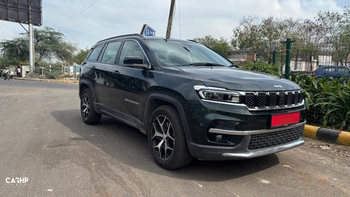
Jeep Meridian
₹23.33 - 38.26 Lakh
Skoda Kodiaq
₹36.99 - 46.99 Lakh
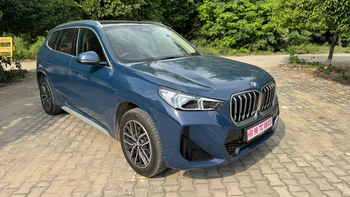
BMW X1
₹50.90 - 52.20 Lakh
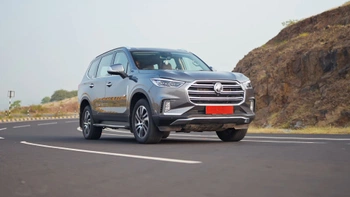
Skoda Kodiaq
₹36.99 - 46.99 Lakh
MG Gloster
₹32.60 - 44.74 Lakh
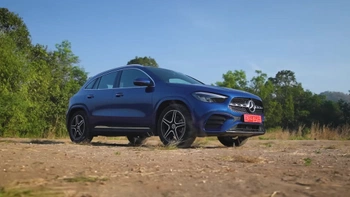
Skoda Kodiaq
₹36.99 - 46.99 Lakh
Mercedes-Benz GLA
₹51.80 - 55 Lakh
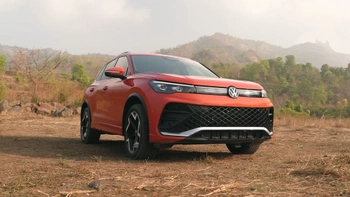
Skoda Kodiaq
₹36.99 - 46.99 Lakh
Volkswagen Tiguan R-Line
₹47.11 Lakh
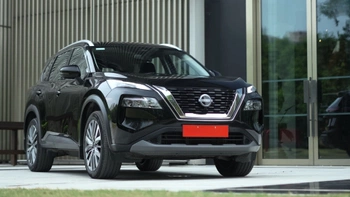
Skoda Kodiaq
₹36.99 - 46.99 Lakh
Nissan X-Trail
₹48.20 Lakh
Skoda Kodiaq
₹36.99 - 46.99 Lakh
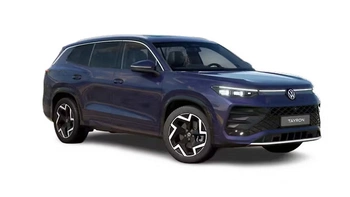
Volkswagen Tayron R-Line
₹41.99 - 46.99 Lakh
SUV Comparisons
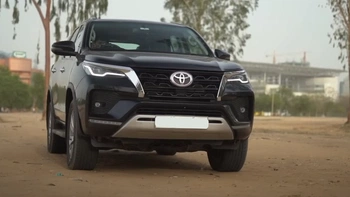
Toyota Fortuner
₹34.76 - 50.46 Lakh
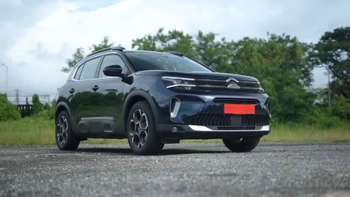
Citroen C5 Aircross
₹37.32 Lakh
Toyota Fortuner
₹34.76 - 50.46 Lakh
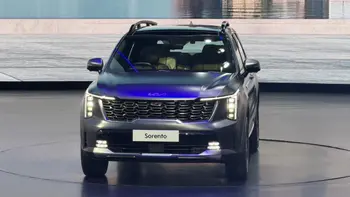
Kia Sorento
₹27.99 - 40.39 Lakh
Toyota Fortuner
₹34.76 - 50.46 Lakh
JSW Combat
₹20 - 25 Lakh
Toyota Fortuner
₹34.76 - 50.46 Lakh
Volkswagen Tayron R-Line
₹41.99 - 46.99 Lakh
Toyota Fortuner
₹34.76 - 50.46 Lakh
Volkswagen Tiguan R-Line
₹47.11 Lakh
Toyota Fortuner
₹34.76 - 50.46 Lakh
BYD Sealion 7
₹49.40 - 55.90 Lakh
Toyota Fortuner
₹34.76 - 50.46 Lakh
Pravaig DEFY
₹39.50 Lakh

Toyota Fortuner
₹34.76 - 50.46 Lakh
Isuzu MU-X
₹34.53 - 37.71 Lakh
Toyota Fortuner
₹34.76 - 50.46 Lakh
Audi Q3
₹43.67 - 52.31 Lakh
Car News
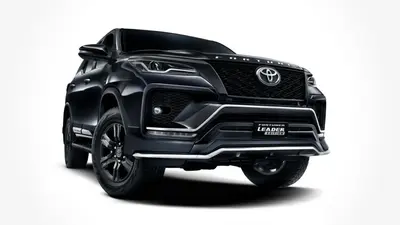
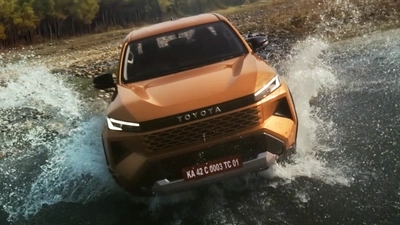
Toyota Updates Fortuner Leader Edition With New Emblem And Blacked Out details
The 2026 Toyota Fortuner Leader Edition has launched in India with prices starting at ₹36.51 lakh. It adds exclusive styling elements, ambient lighting and convenience features, with 4x2 manual and automatic variants on offer.
Anmol Kumar
October 9, 2026
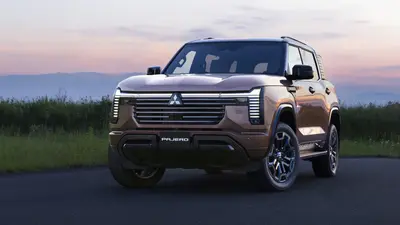
New-Gen Mitsubishi Pajero Unveiled With 480 Nm Diesel, 7 Seats and 4WD
The fifth-generation Mitsubishi Pajero has been officially unveiled at a world premiere in Tokyo on September 2, 2026. It is a body-on-frame 7-seat diesel SUV with a fresh cabin, updated 4WD, and a phased global launch beginning in Thailand.
Anmol Kumar
September 2, 2026
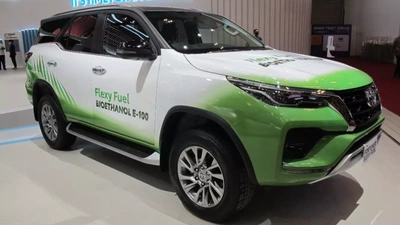
Toyota Fortuner Flex Fuel Concept Returns At GIIAS 2026 With E100 Bioethanol Engine
Toyota has re-shown the Fortuner Flex Fuel Concept at the 2026 Indonesia Motor Show. The E100 bioethanol-powered SUV is still a prototype, but with India's ethanol push accelerating, a market launch looks closer than before.
Arjun Nair
August 1, 2026