

EMI Loading
Renault KWID Key Specifications
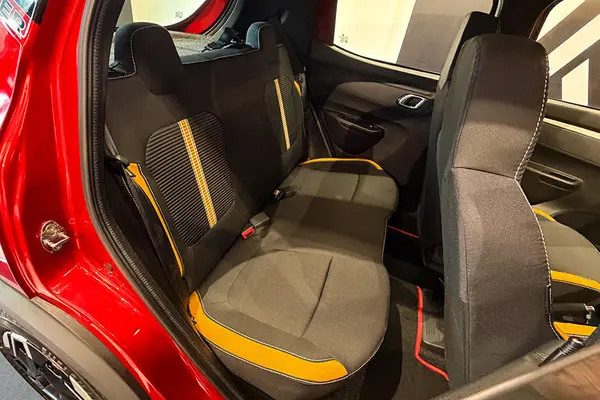
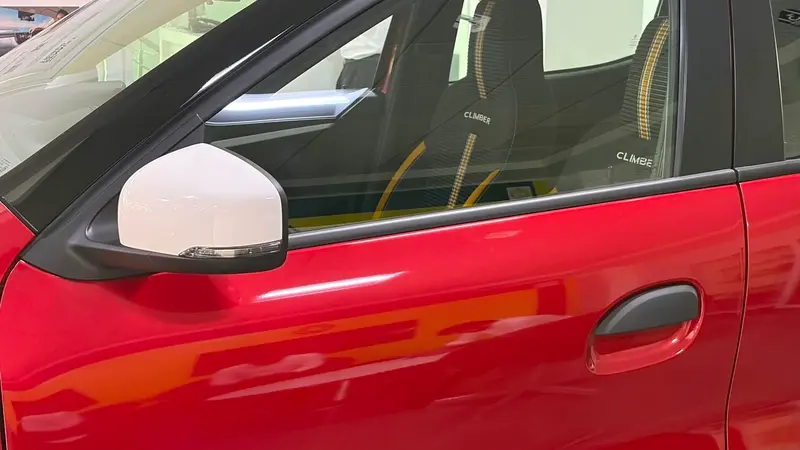
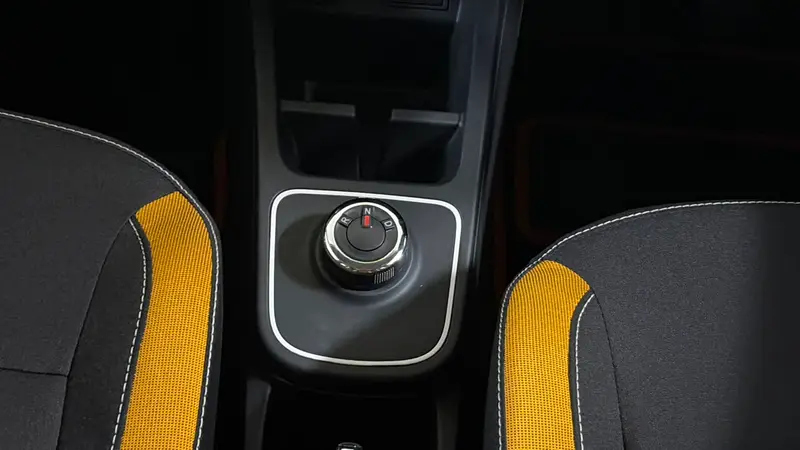
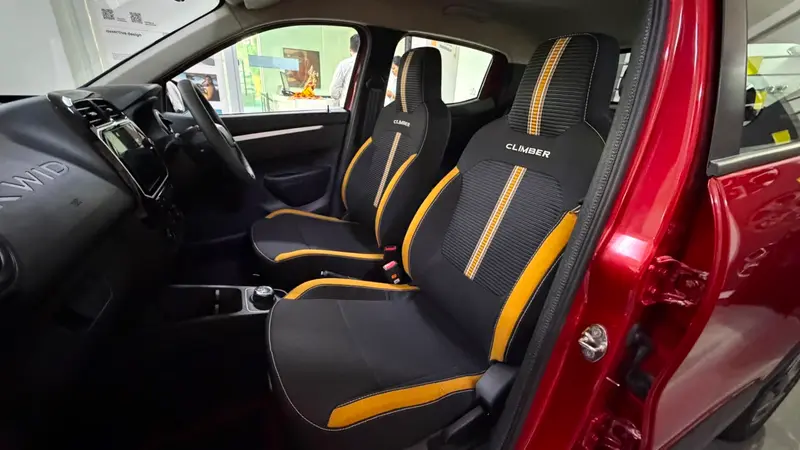
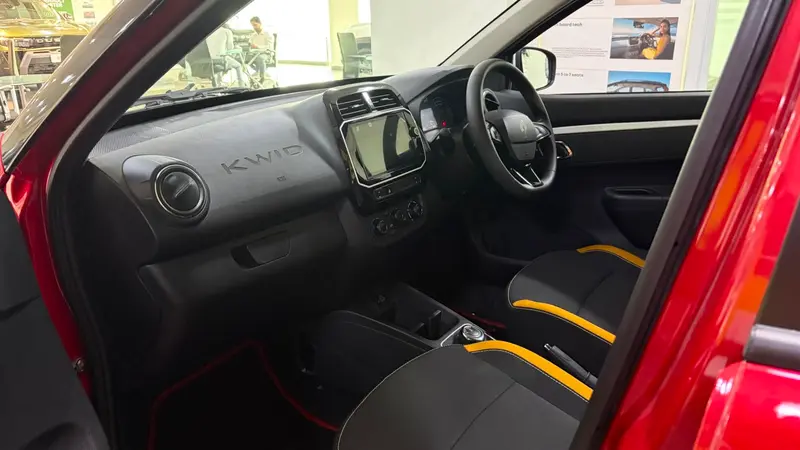
It gets a new grey-yellow dual-tone upholstery.
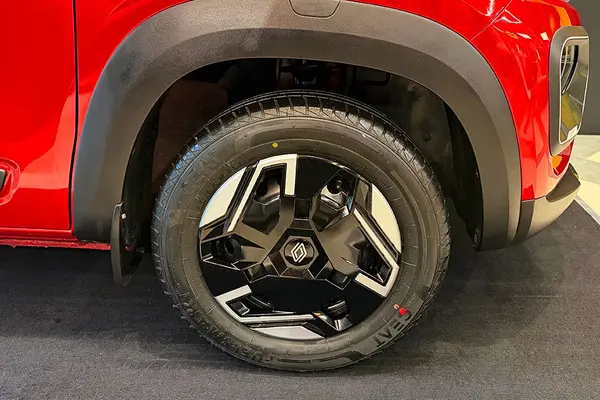
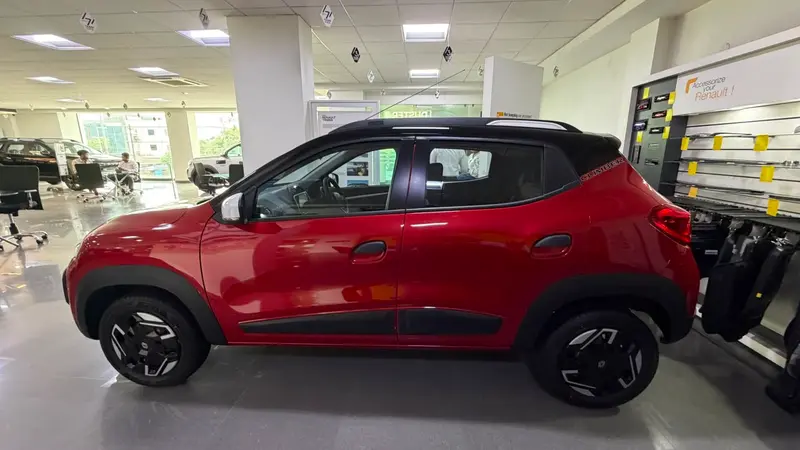
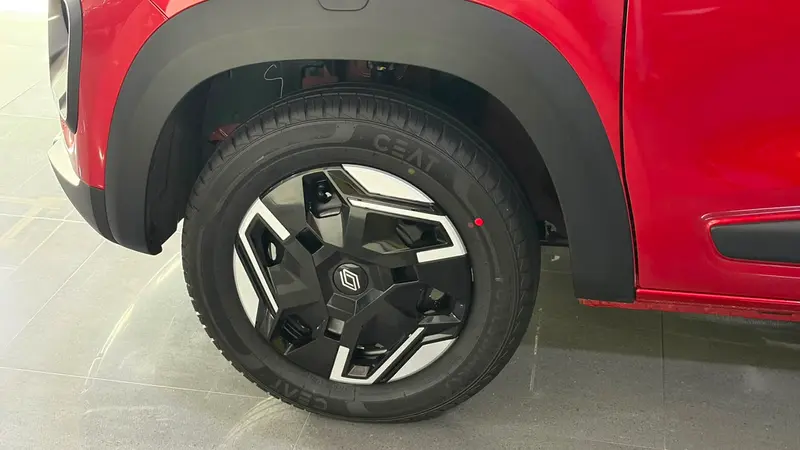
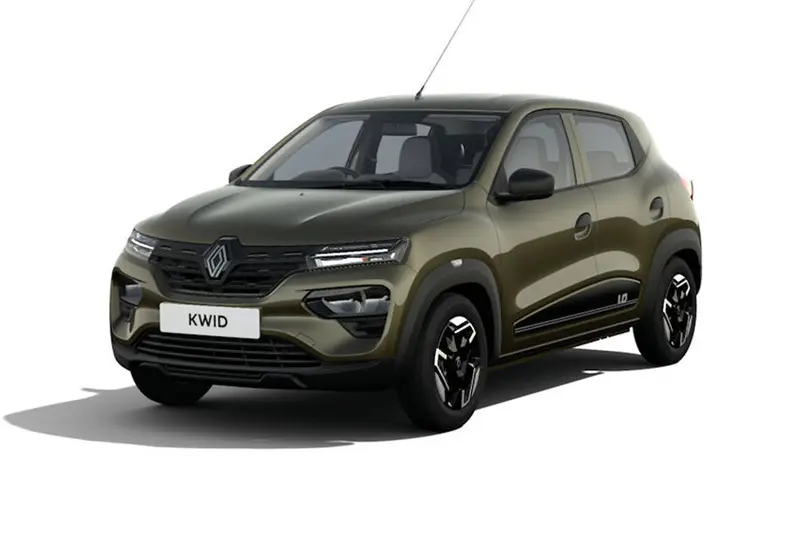
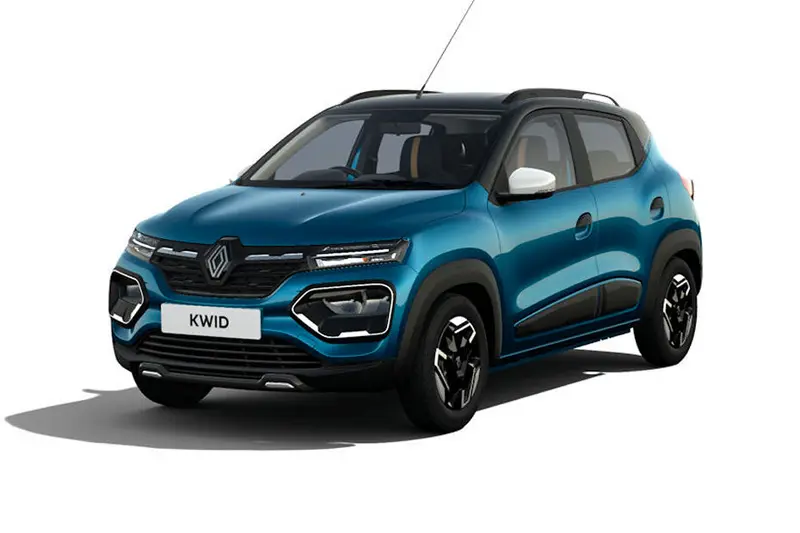
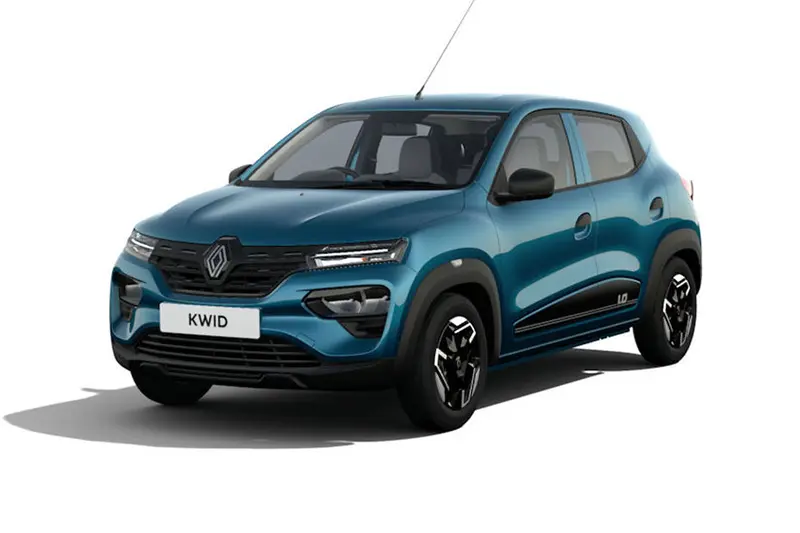
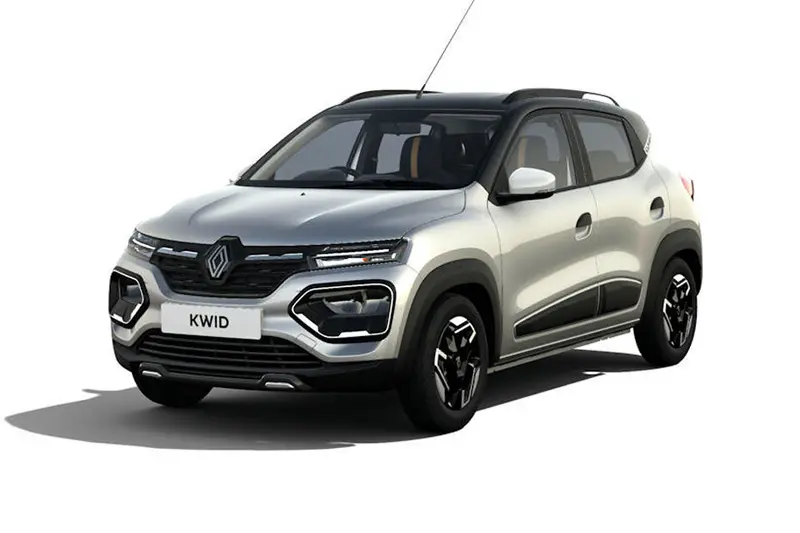
Its alloy wheel design has undergone some changes.
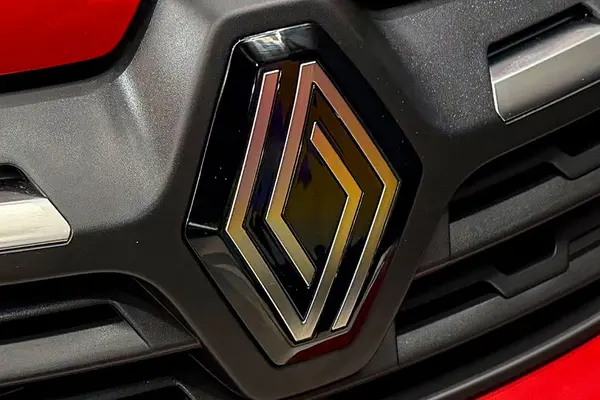
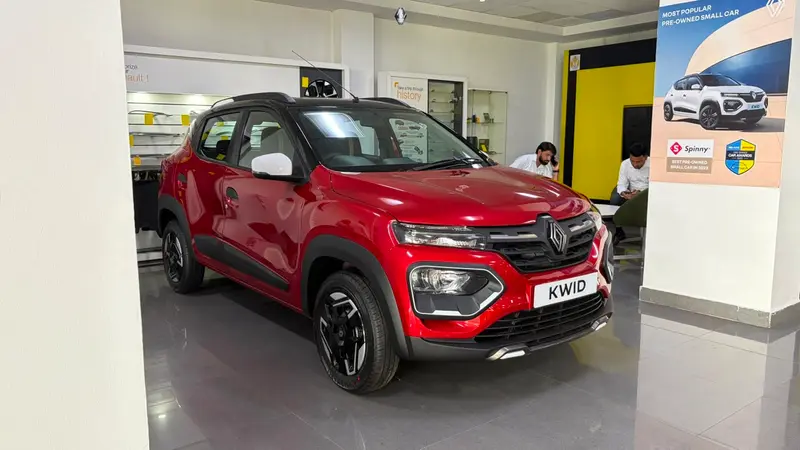
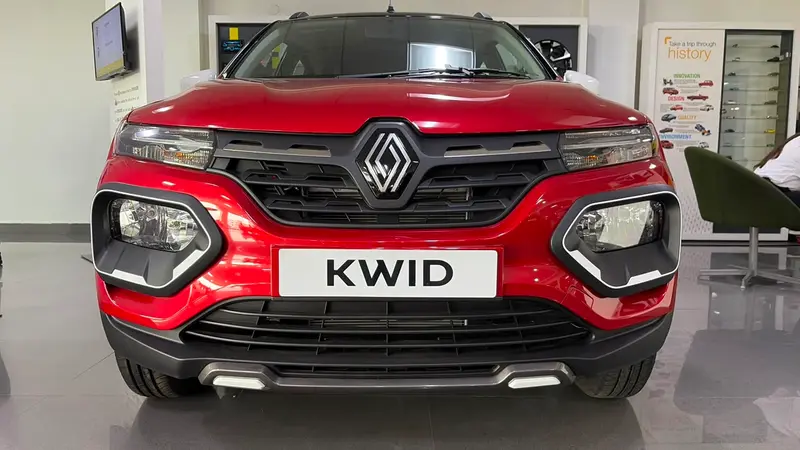
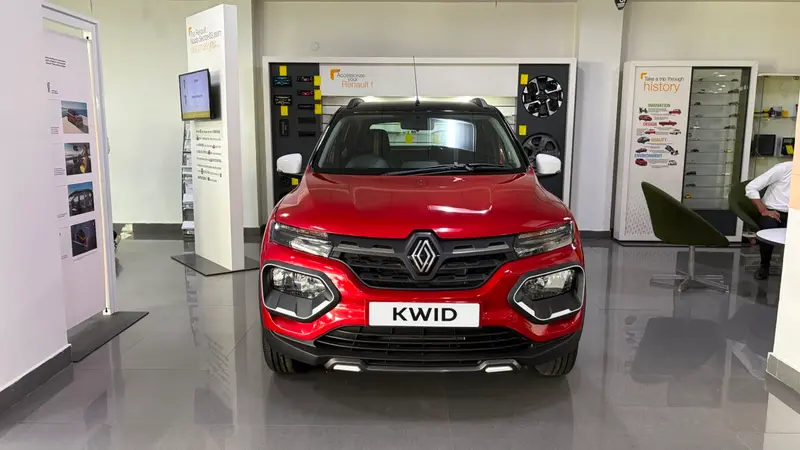
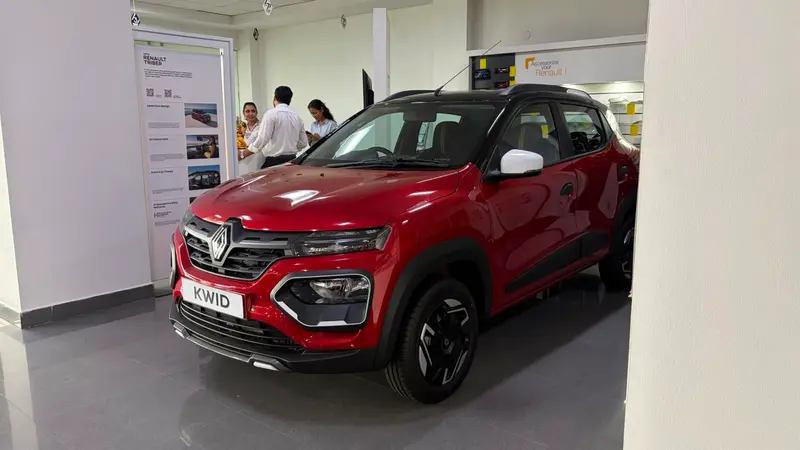
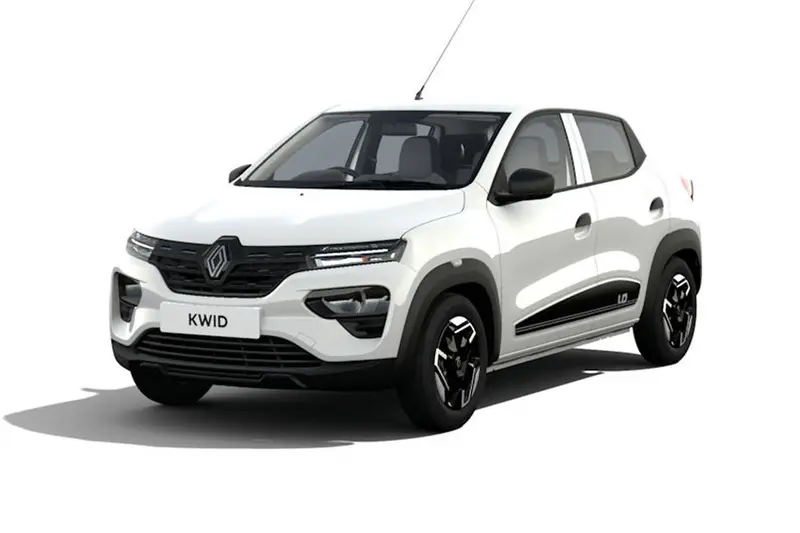
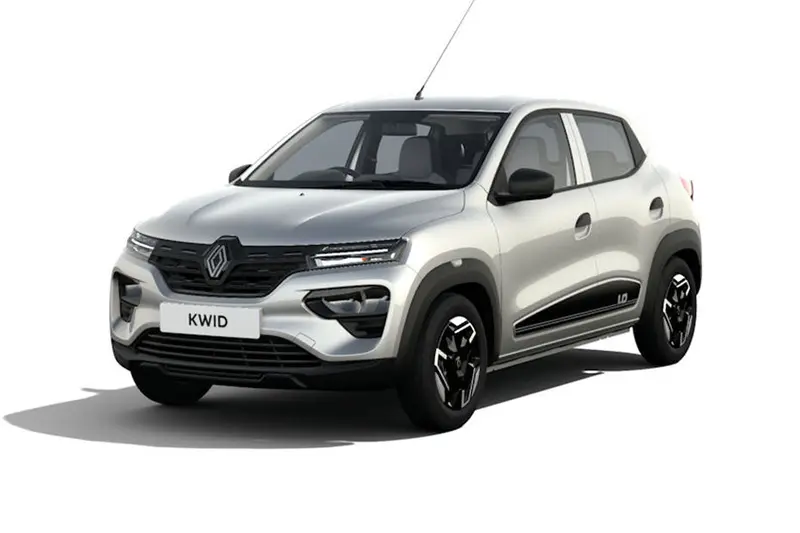
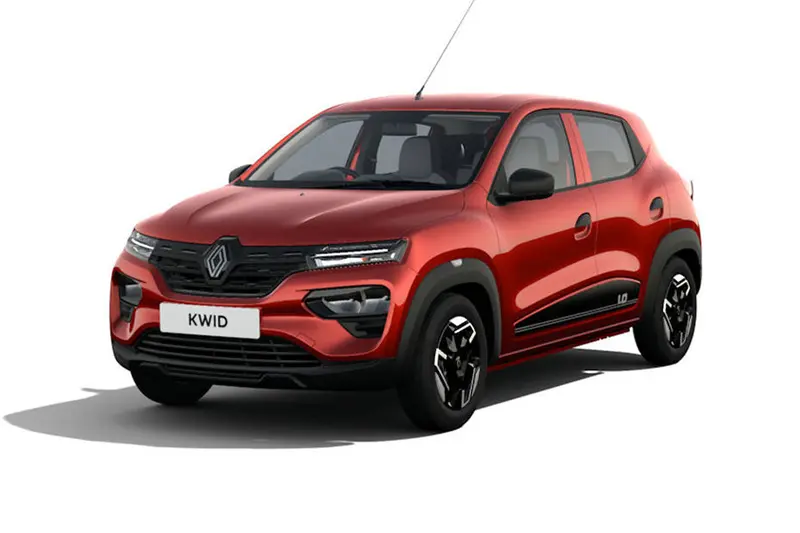
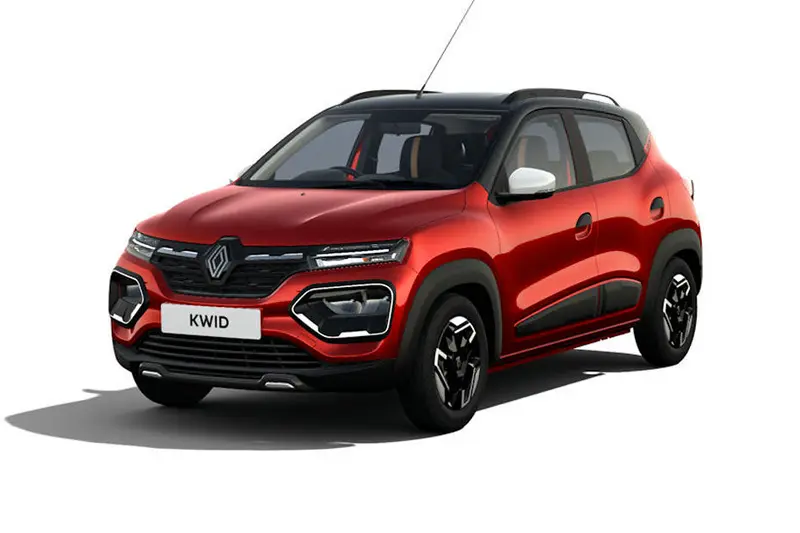
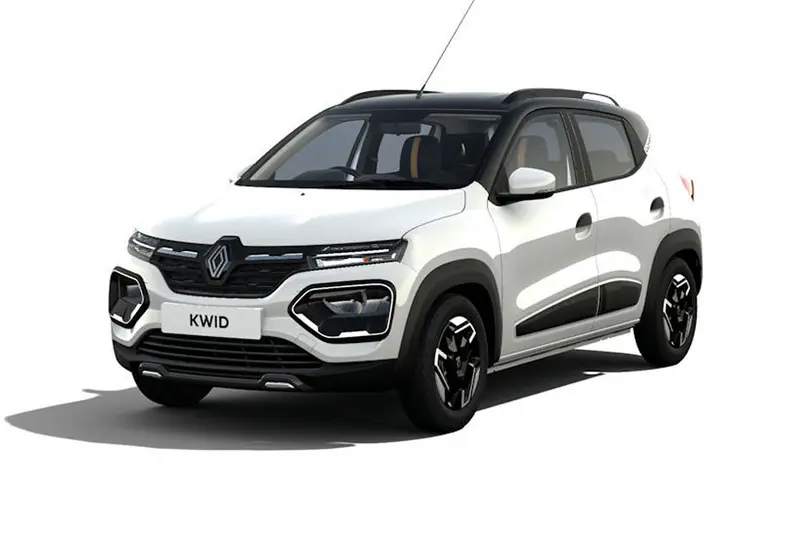
The new Kwid features a large Renault badge in its grille.
Renault KWID Overview

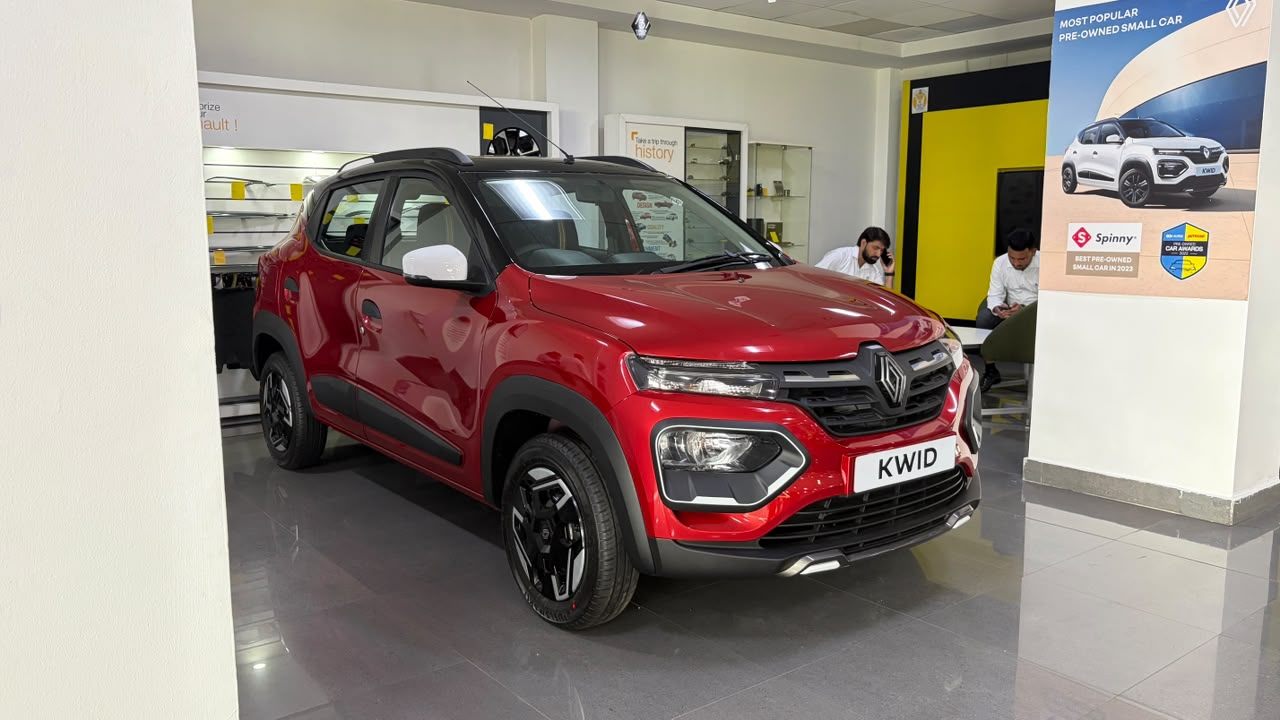
The Renault Kwid arrived in India in 2015 and gave entry-level car buyers an SUV-like appearance, a commanding driving position, a usable boot, and a modern cabin, all within a price comparable to an Alto.
Unsurprisingly, it worked, and the Kwid sold in large numbers, establishing Renault as a relevant player in the entry-level car market, previously dominated by Maruti Suzuki.
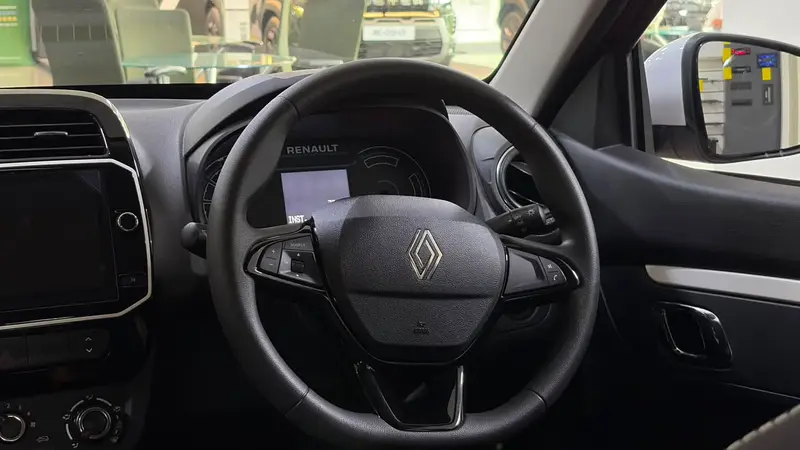
More than a decade on, the Kwid's formula is familiar but it remains functional. The recent 2026 facelift introduced a new logo, revised wheel covers, a new steering wheel sourced from the Kiger, updated badging, and a fresh interior colour scheme.
The simplified two-variant lineup, Evolution and Climber, makes the decision easier than it used to be. Mechanically, nothing has changed since the previous update, and structurally the car is now over a decade old.
That age shows in specific ways. The 1.0-litre three-cylinder engine is neither particularly smooth nor quiet at higher revs, and the AMT gearbox, while genuinely convenient, can be jerky at low speeds and hesitant in situations that require quick responses.
The cabin has limited rear legroom for taller occupants, and rear-seat passengers sit closer to the floor than ideal. The safety rating, a 1-star Global NCAP score from an older test, remains a significant concern for family buyers.
What the Kwid still does well is deliver on its core premise. The driving position is elevated and confidence-inspiring for a car this size, helping new drivers. The 184 mm ground clearance means most urban road imperfections, speed breakers, and poorly maintained surfaces are handled without drama.
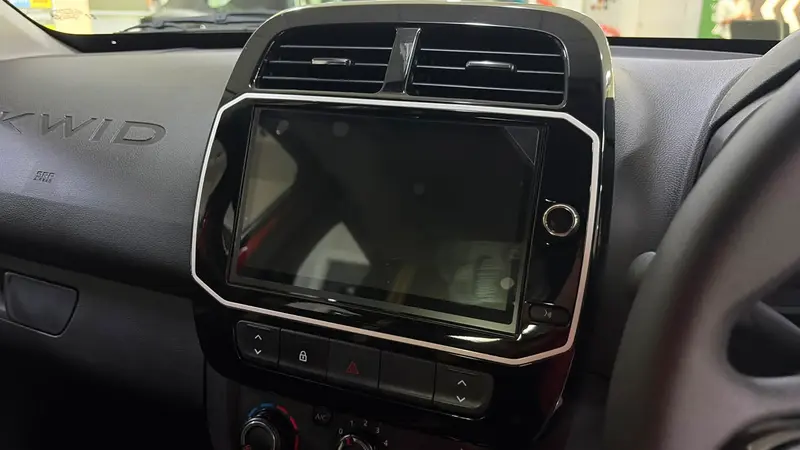
The 279-litre boot is a practical advantage over similarly priced rivals. The 8-inch touchscreen with smartphone connectivity is now standard even on the base variant, which would have been unthinkable at this price point five years ago. Running costs, both in terms of fuel and servicing, remains one of the lowest among new cars available in India.
The Kwid is best understood as a car for a very specific buyer, i.e. someone purchasing their first vehicle, upgrading from a two-wheeler, or looking for the lowest possible entry into new-car ownership without sacrificing basic modern comforts.
For that buyer, it continues to make a sensible argument. For anyone who regularly carries four adult passengers on highways, or for whom crash safety is a primary concern, stepping up to a segment higher makes more sense.
Engine and Performance
Engine and Performance
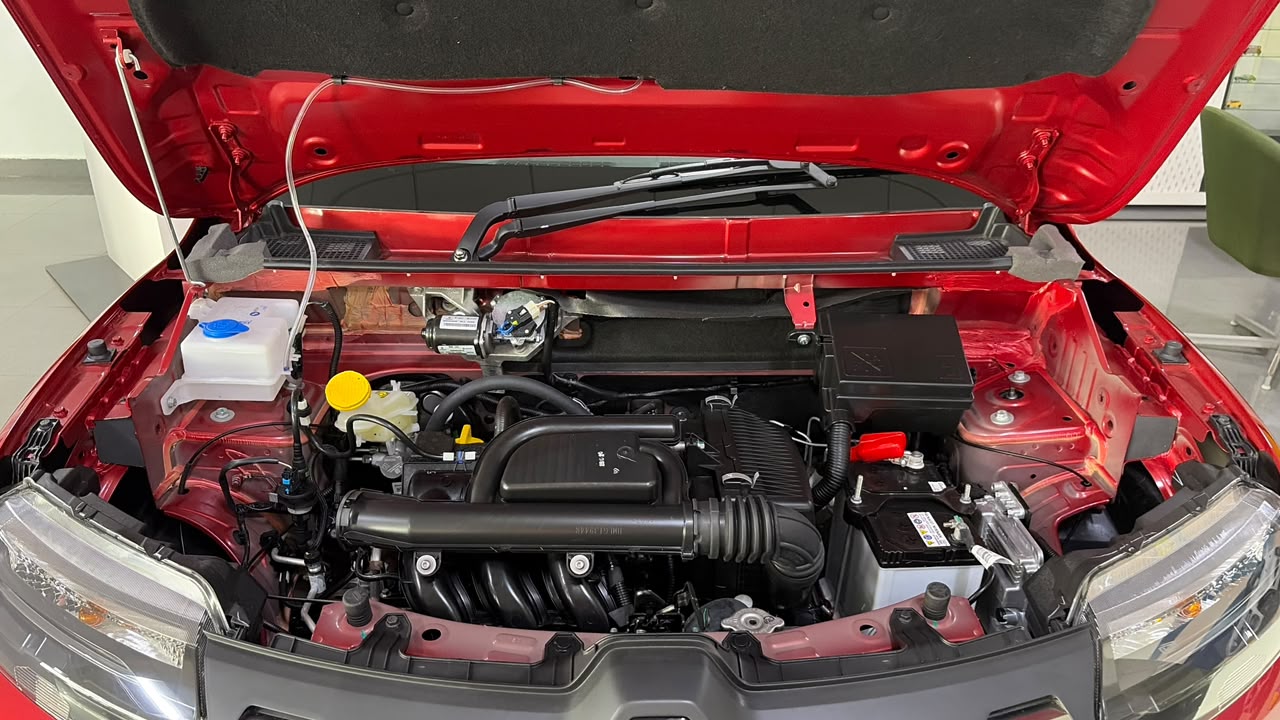
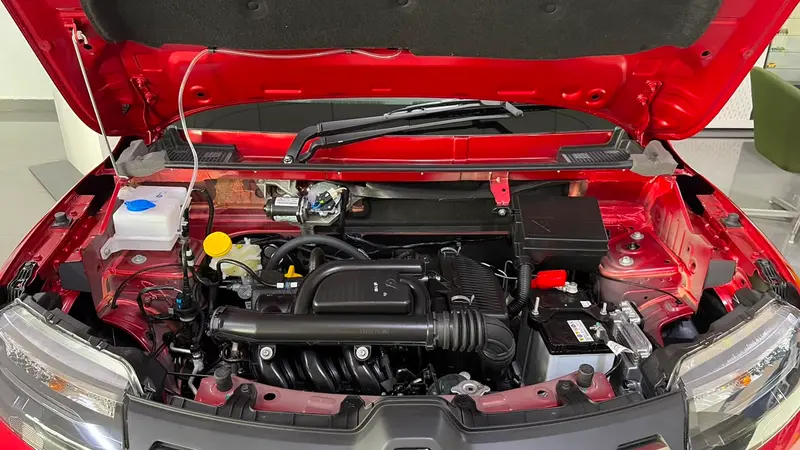
The 1.0-litre three-cylinder engine was introduced in the Kwid nearly a year after the car's launch as a more powerful alternative to the then-standard 800cc engine. However, with 800 CC engines having been phased out entirely, the 1.0-litre remains the default choice for the Kwid.
| Specification | Details |
|---|---|
| Engine | 1.0L 3-cylinder NA Petrol (999 cc) |
| Power | 67 bhp @ 5500 rpm |
| Torque | 91 Nm @ 4250 rpm |
| Transmission | 5-speed Manual / 5-speed AMT |
| Drivetrain | FWD |
At 67 bhp and 91 Nm, the numbers are modest but adequate for a car that weighs under 800 kg. In city driving at moderate speeds, the engine is responsive and pulls willingly from low revs.
The character of the engine changes considerably once revs rise above 4,000 rpm. The three-cylinder configuration produces a noticeable vibration that transmits through the steering wheel and floor, and the exhaust note becomes coarser. Cabin insulation is minimal, so these sensations are always present at higher engine loads.
Maruti’s three-cylinder K10 engine offers a superior experience, both in terms of performance and refinement, despite delivering similar power figures.
For buyers who will spend most of their time in city traffic at moderate speeds, the three-cylinder's limitations are rarely encountered frequently enough to become tiresome. However, those who regularly use open highways or frequently overtake at higher speeds will feel these limitations well. Quick overtakes even in the city will demand downshifts.
The 5-speed manual gearbox has a light clutch that suits city driving well, though the gear shift action is slightly notchy and imprecise compared to more modern units.
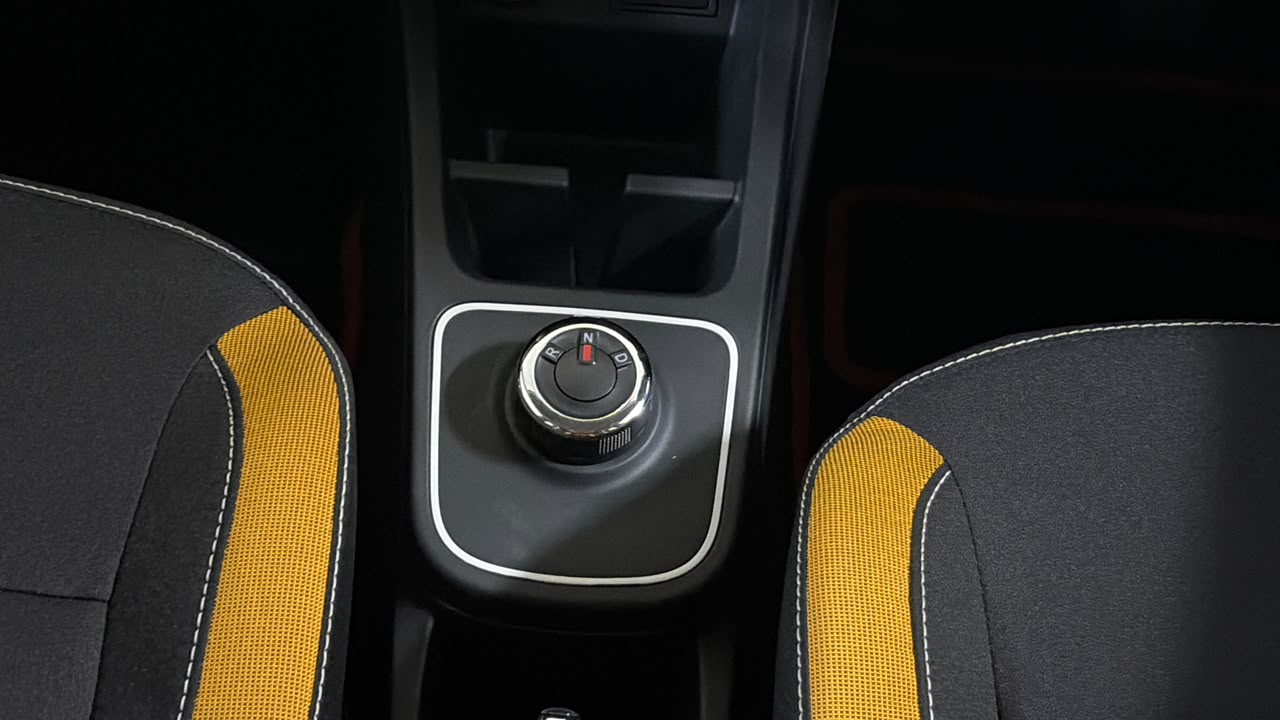
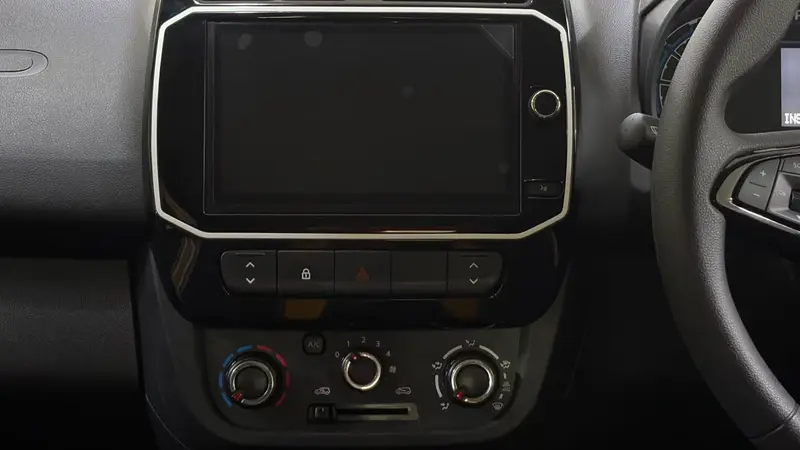
The AMT, which Renault calls Easy-R, can be best described as functional. In steady city traffic at consistent speeds, it works smoothly enough. In stop-and-go conditions, it can lurch slightly during the transition between creep and movement, and its responses to sudden throttle inputs are slow. The rotary gear selector on AMT variants is a neat ergonomic touch that frees up dashboard space and feels intuitive quickly.
Ride and Handling
The suspension is tuned for comfort over urban surfaces, which it handles well. Speed breakers and potholes at city speeds are absorbed without sending shock through the cabin, and the ride is generally settled.
At higher speeds, the light body becomes more susceptible to crosswinds and lateral movement, and the car requires more steering correction than heavier vehicles on open roads. The 184 mm ground clearance genuinely makes a difference in Indian conditions, clearing most urban obstacles without the need for approach-angle caution that lower-riding cars demand.
The steering is light, direct, and easy to place in tight spaces. The turning radius is small enough to make U-turns and parking in congested urban areas genuinely stress-free.
At higher speeds, the steering does not weigh up, and provides limited feedback, which is typical for the class.
fuel economy
fuel economy
The Kwid's ARAI figures of 22.0 km/l (manual) and 21.0 km/l (AMT) are among the highest for any petrol car in India. Real-world returns depend significantly on driving style and traffic conditions.
In dense city use with frequent stops, 15 to 16 km/l is a typical outcome. On mixed driving with reasonable highway sections, 17 to 19 km/l is achievable with a calm driving style. On open highway runs at moderate speeds, some owners report figures close to 20 km/l.
At 28 litres, the fuel tank is small, but on par with segment rivals. At city fuel efficiency figures, a full tank provides roughly 420 to 450 km of range.
For buyers who opt for the CNG retrofit kit, the combination of low CNG prices and the Kwid's light weight makes running costs even lower. The dealer-fitted kit is available only on the manual variants. Range on CNG will vary depending on the capacity of the cylinder fitted.
Running costs beyond fuel are consistently low. The 1.0 SCe engine has a straightforward design, service intervals are reasonable, and Renault's service costs for the Kwid are among the most affordable in the segment. Long-term ownership feedback generally confirms low maintenance expenditure.
interior
interior
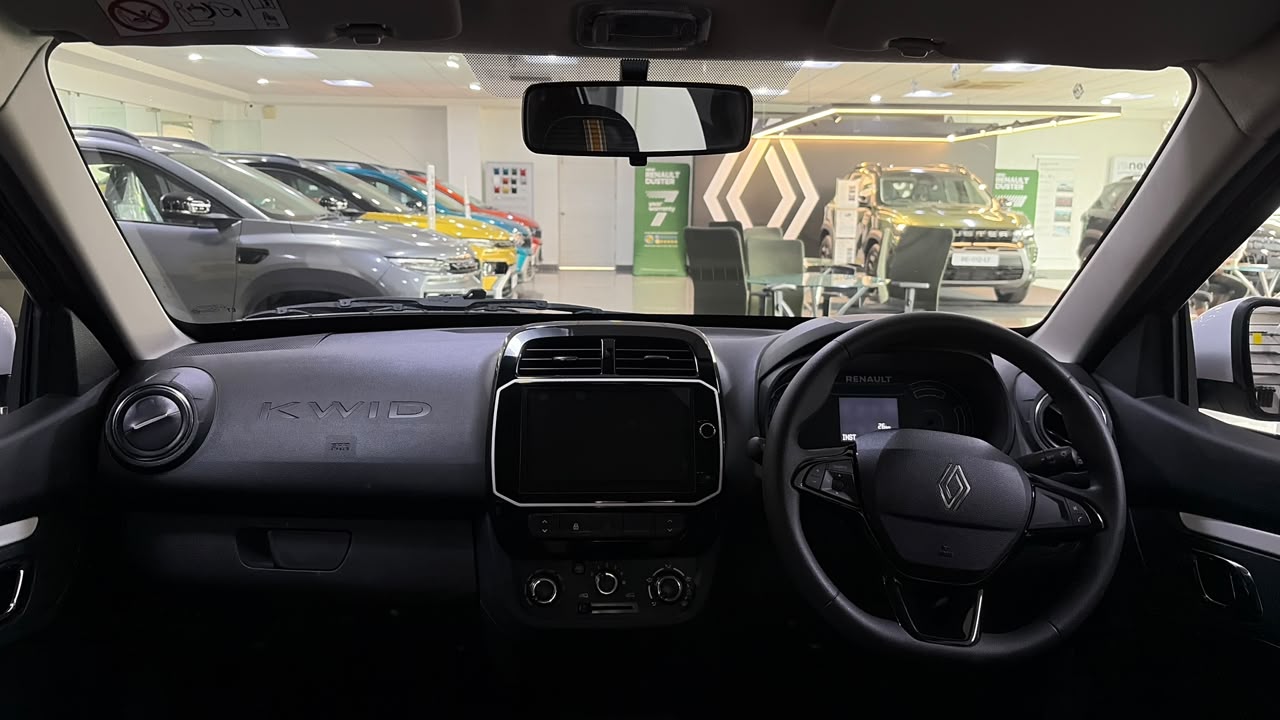
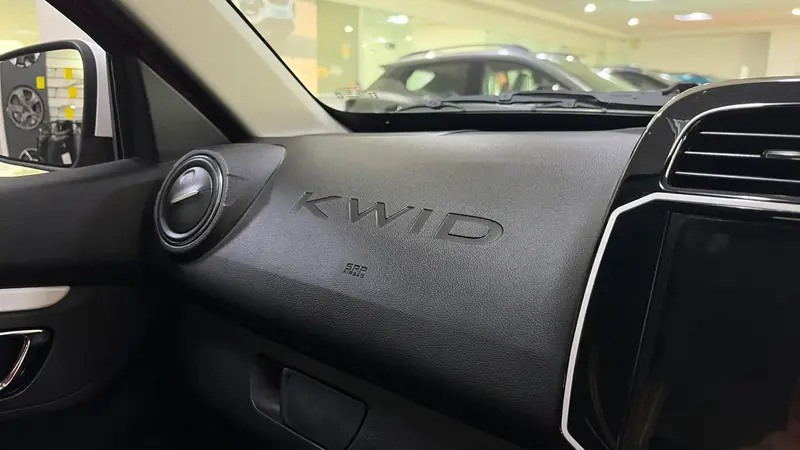
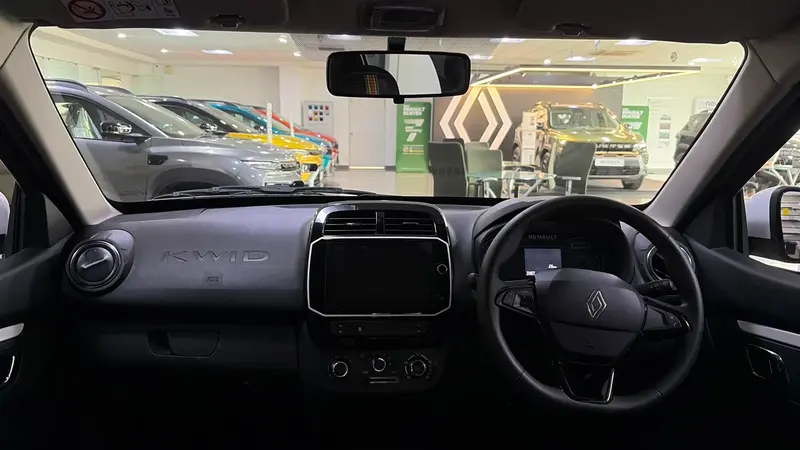
The Kwid's cabin is one of its genuine strengths relative to its price and segment, and the space inside feels more generous than the exterior dimensions suggest.
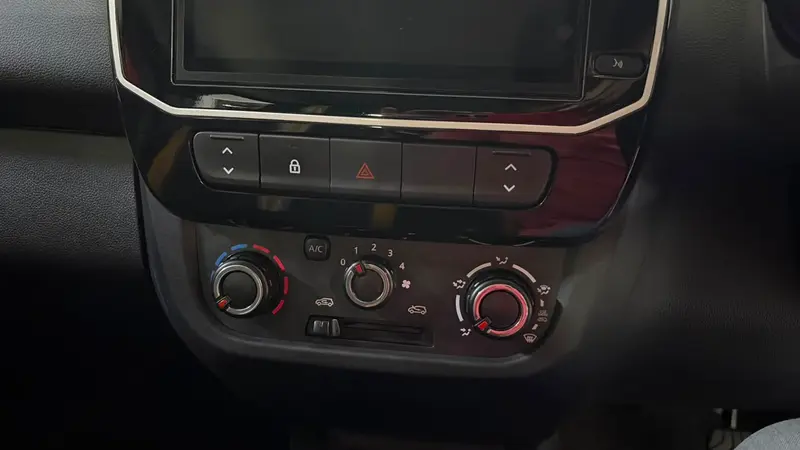
The dashboard is simple and neatly organised, with the 8-inch touchscreen as its focal point. The screen supports wired Android Auto and Apple CarPlay, which are the primary means of navigation and music for most owners. The interface quality and graphics are not impressive by modern standards but are functional.
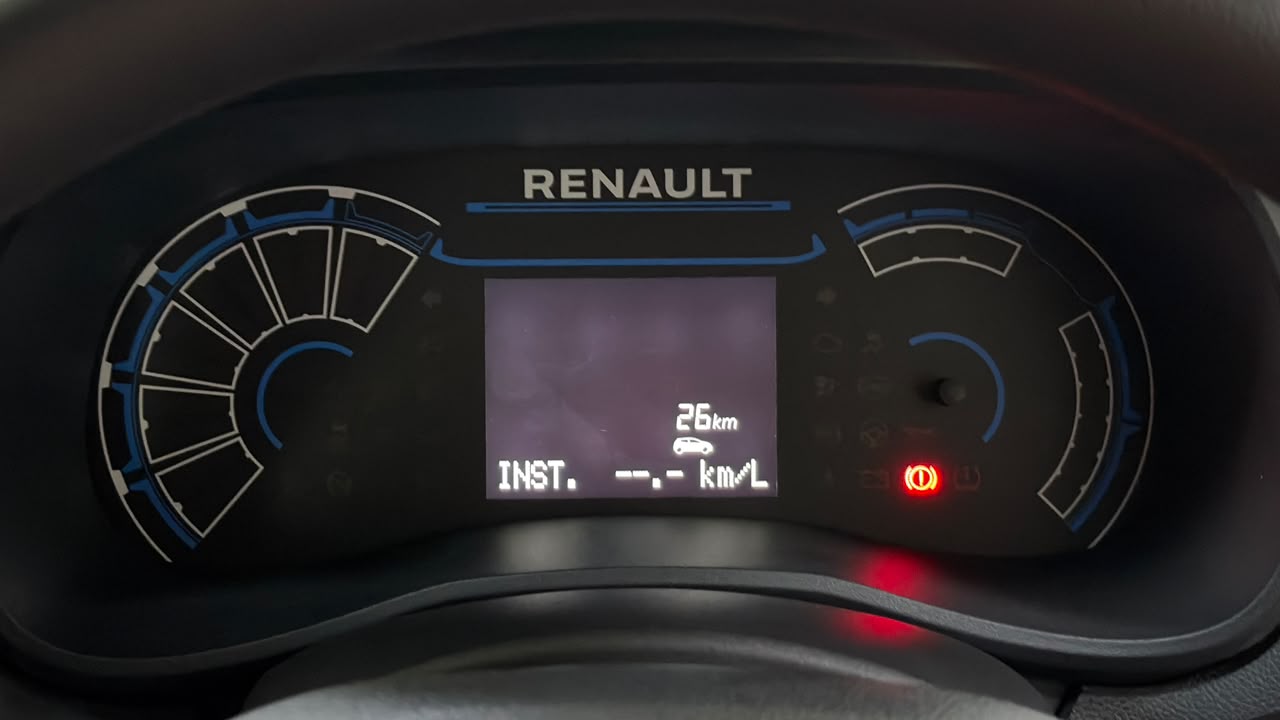
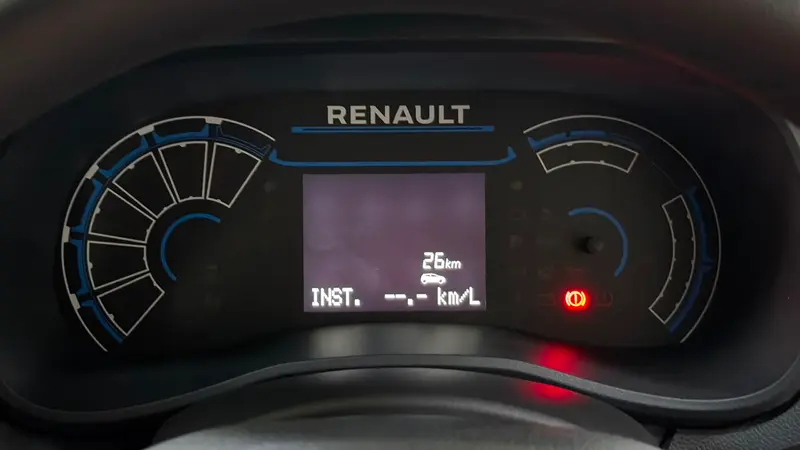
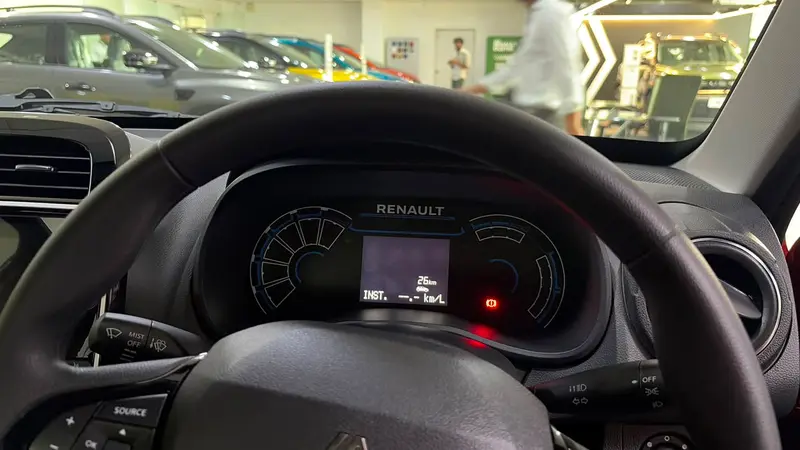
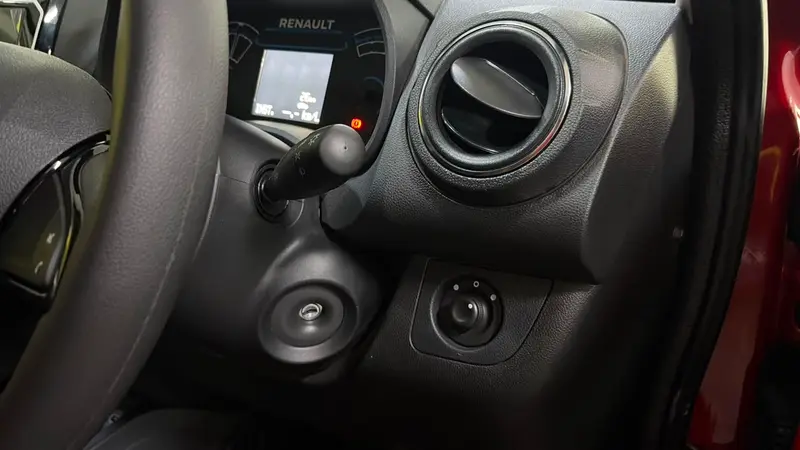
The semi-digital instrument cluster provides clear speed and trip information through its multi-information display.
The Kiger-sourced three-spoke multifunction steering wheel added with the 2026 facelift is a meaningful ergonomic update over the previous item, bringing audio and basic controls within reach without requiring the driver to move to the dashboard. It also feels sportier to hold.
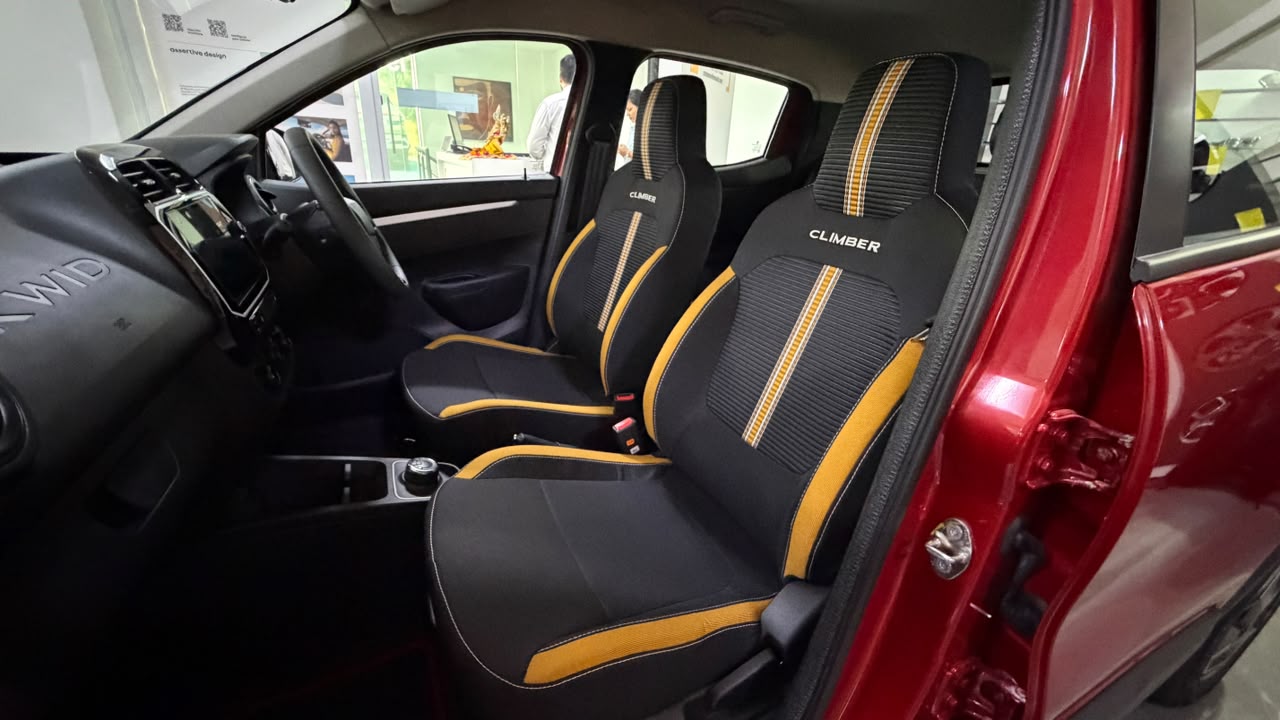
Front seat comfort is reasonable for the class, and the cushioning is adequate for city use and short trips. Though, bolstering is limited, making longer journeys feel uncomfortable and requiring more frequent breaks.
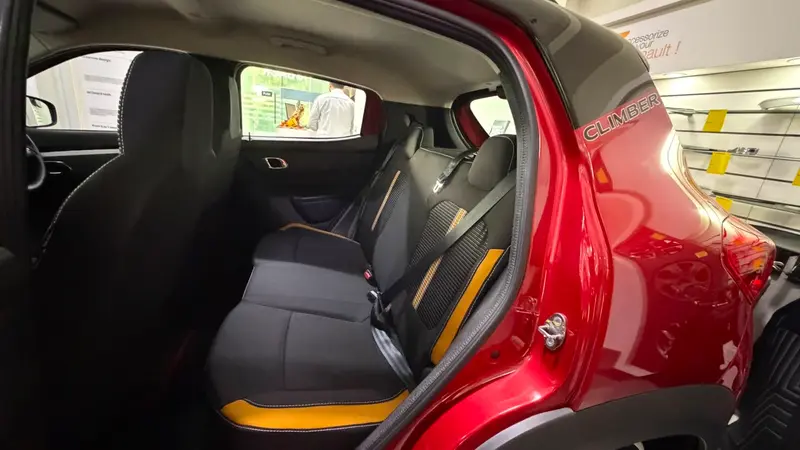
Rear seat space is where the Kwid's size constraints become most apparent.
Legroom is workable for shorter adults and children but tight for taller passengers with a tall driver/passenger sitting at the front. The floor is relatively flat for a car with a front-wheel-drive layout, which helps the centre rear passenger marginally.
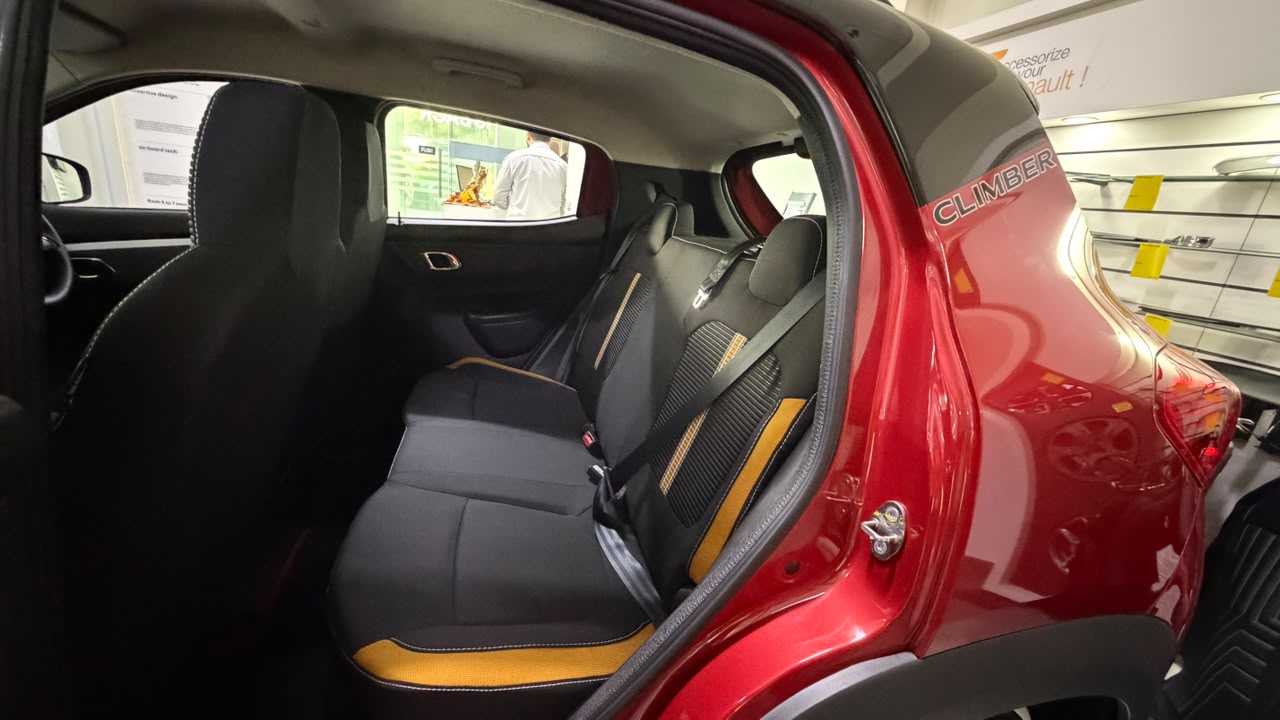
The seating position itself is lower than the front row relative to the floor, which makes the rear feel more like a conventional hatchback than the elevated driving position at the front suggests.
Three adults across the rear bench are possible for short trips, though it is not comfortable over longer distances.
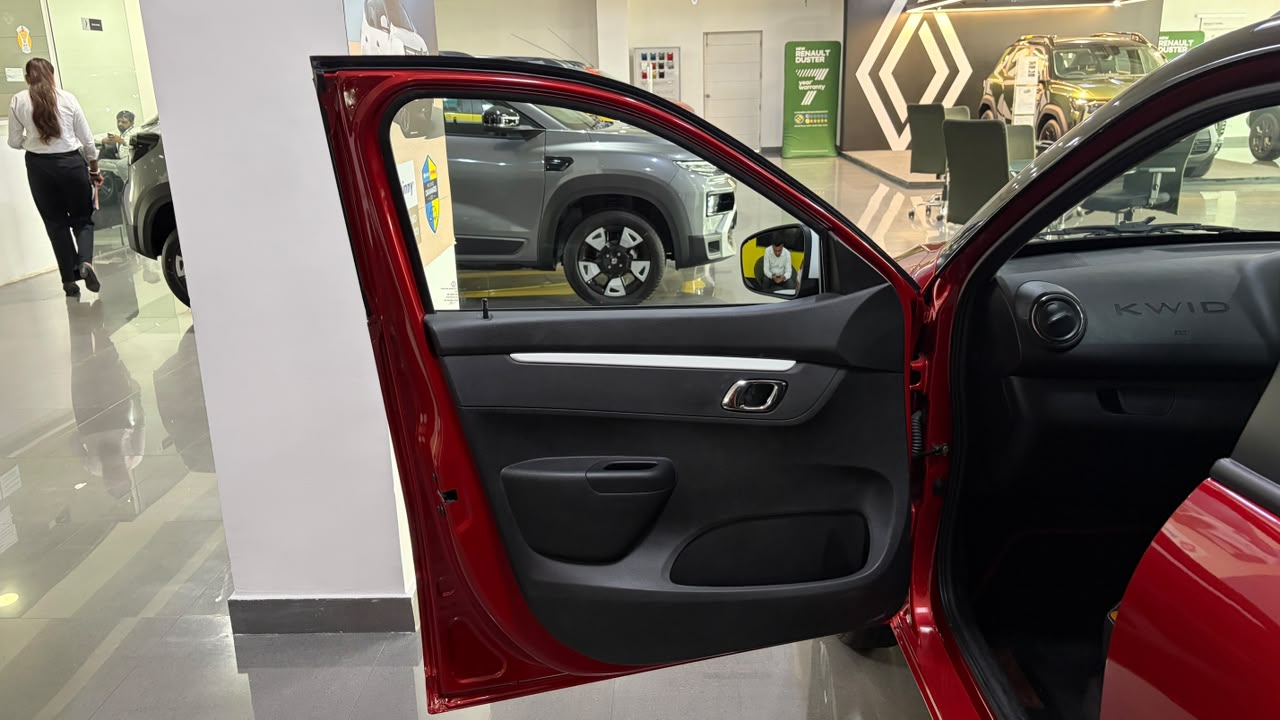
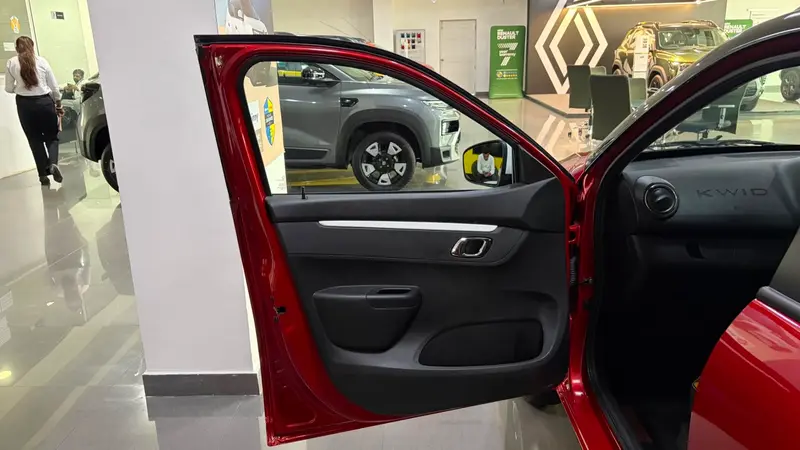
Storage provision is practical and thoughtful for the price. Deep door pockets at the front and rear, a cooled glove box, a centre console tray, and cup holders cover the daily requirements of most buyers.
The absence of USB charging ports is a significant omission at this point in time, particularly for a car marketed at younger first-time buyers. The 12V outlet in the front is the only in-car charging option.
The Kwid’s 279-litre boot is the biggest in this segment, and it is genuinely usable, fitting a couple of medium-sized bags, a pram, or a week's worth of grocery shopping without difficulty. Folding the rear bench in a 60:40 split opens up 620 litres of flat floor space..
NVH levels are the cabin's most notable weakness, and a consistent reminder of the Kwid's budget category. Though, its Japanese rivals are more refined.
exterior
exterior
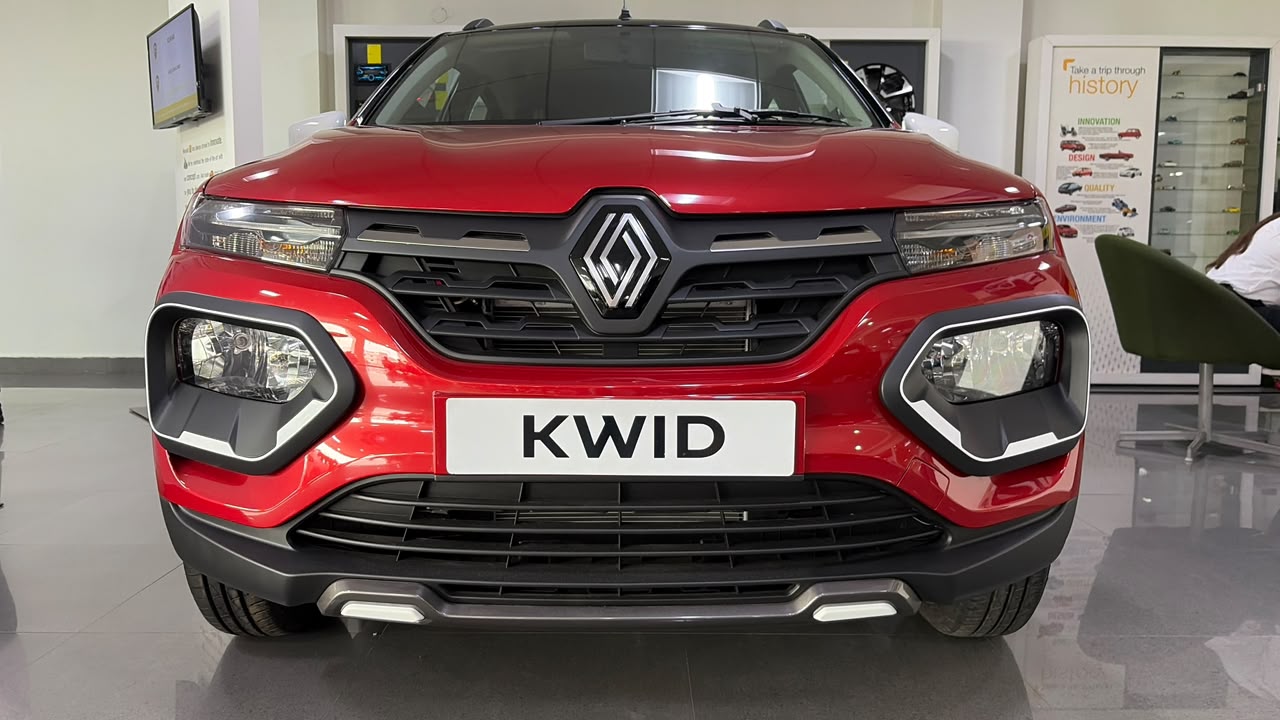
The Kwid's design ethos has been consistent since its launch.
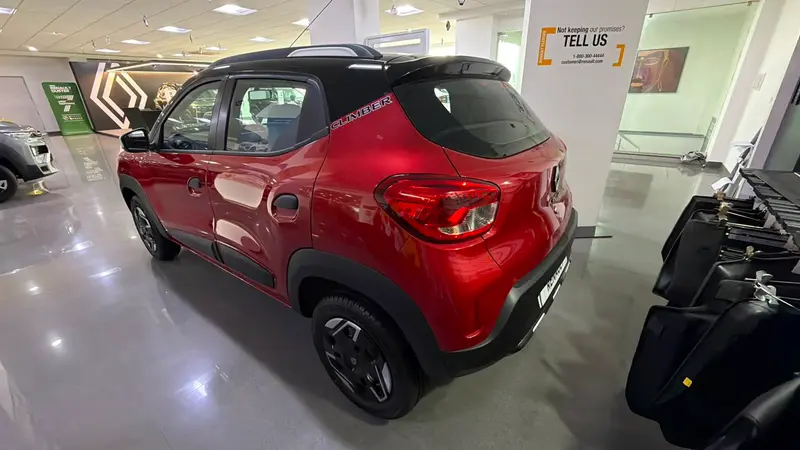
It is a compact footprint presented with SUV-inspired visual cues. Wheel arch cladding, a raised ride height, a high bonnet line, skid plate elements at the front and rear bumpers, and prominent body-coloured bumpers give the Kwid a more assertive presence than its 3731 mm length suggests. It is an effective design trick and one that has aged reasonably well over the decade the car has been on sale.
| Dimension / Spec | Value |
|---|---|
| Length | 3731 mm |
| Width | 1579 mm |
| Height | 1474 mm |
| Wheelbase | 2422 mm |
| Ground Clearance | 184 mm |
| Turning Radius | Approx. 4.9-5.0 m |
Exterior changes on the recent facelift are minimal.
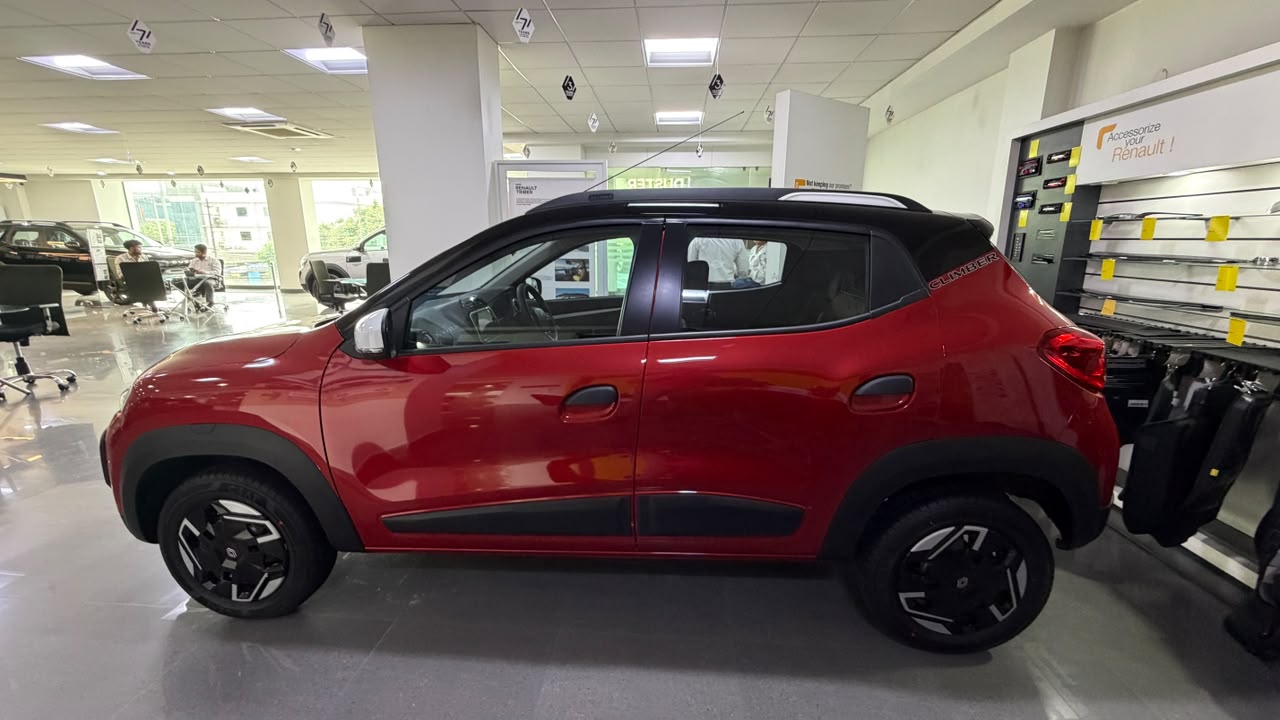
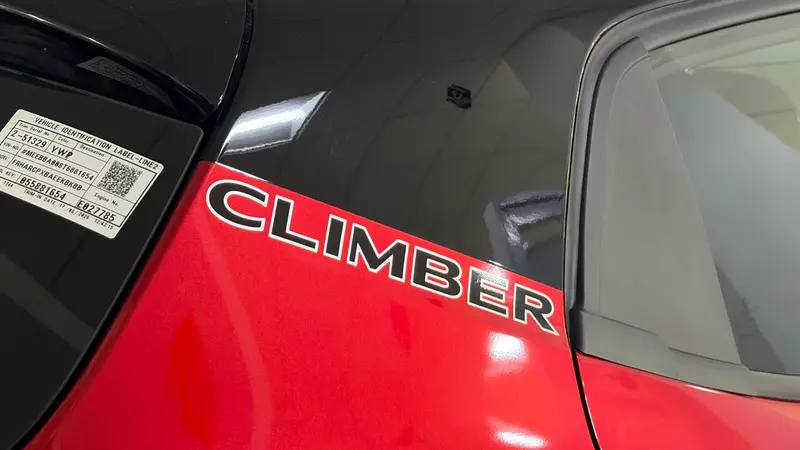
The most visible updates are the new 3D diamond Renault logo at the front and rear replacing the previous badge, redesigned dual-tone plastic wheel covers for the 14-inch steel wheels on the Climber, revised Kwid lettering in silver at the tailgate, and the Climber's new contrast black roof option that makes the top trim visually more distinctive on the road.
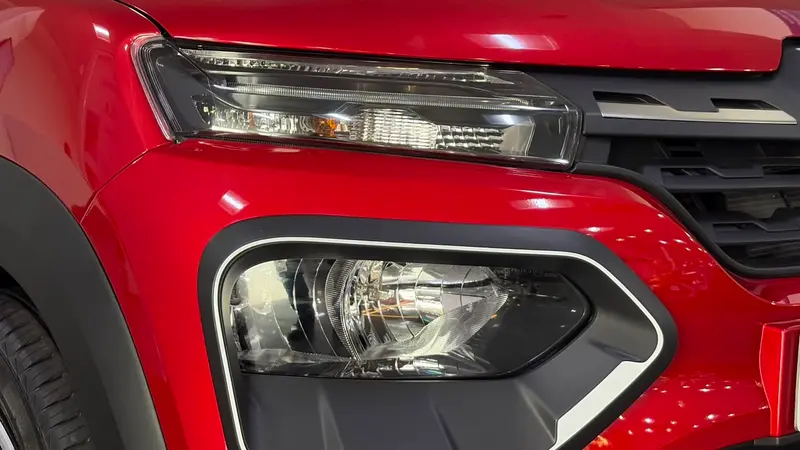
Carry-over elements include the eyebrow-shaped LED daytime running lights integrated into the front bumper, halogen headlamps, black body cladding along the lower sides and wheel arches, and a relatively high roofline that contributes to the cabin's airy feeling. The taillamps are halogen as well.
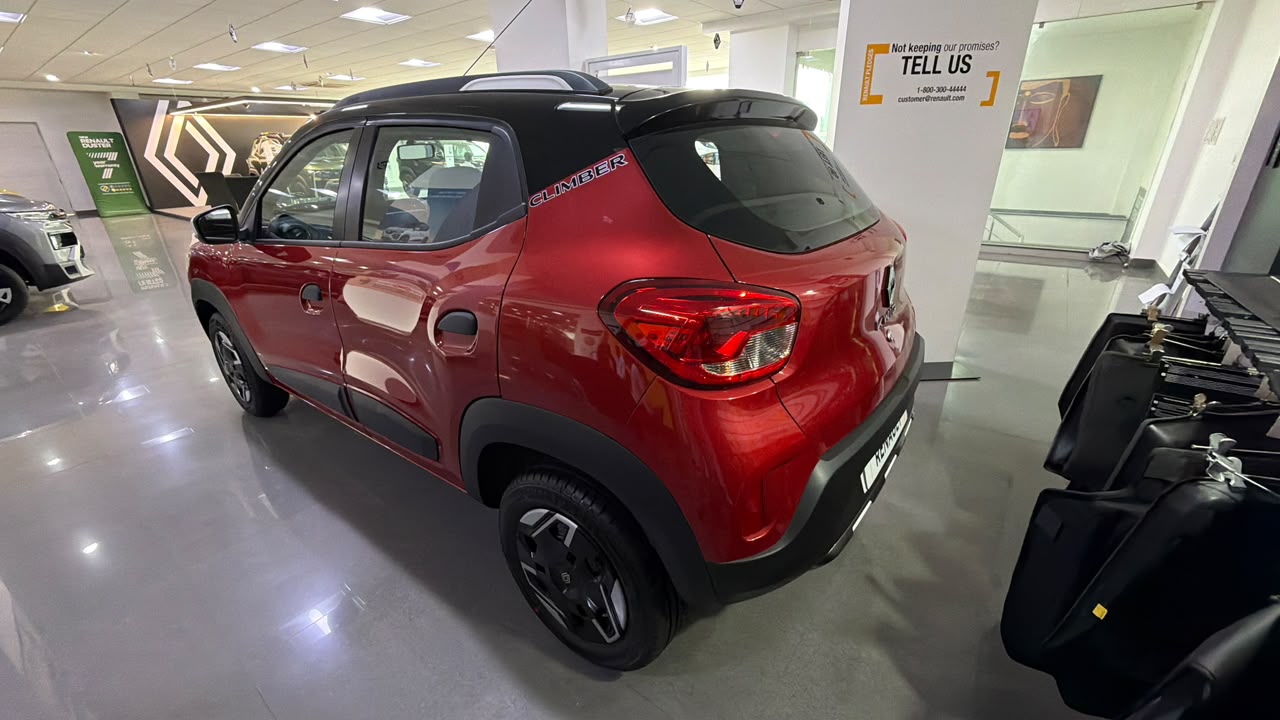
The narrow 1579 mm width means the Kwid is genuinely easy to thread through tight urban traffic and fits comfortably in narrow parking spaces. For a first-time buyer navigating crowded Indian city streets, this width advantage is a practical benefit that is easy to underestimate until experienced.
Build quality is functional for the price. Panel gaps are acceptable and body panel rigidity is adequate, though the plastic trim elements, wheel arch cladding, and bumper surfaces are built to a cost.
This is appropriate for the price bracket but is something buyers who already own a higher-segment car will notice.
safety
safety
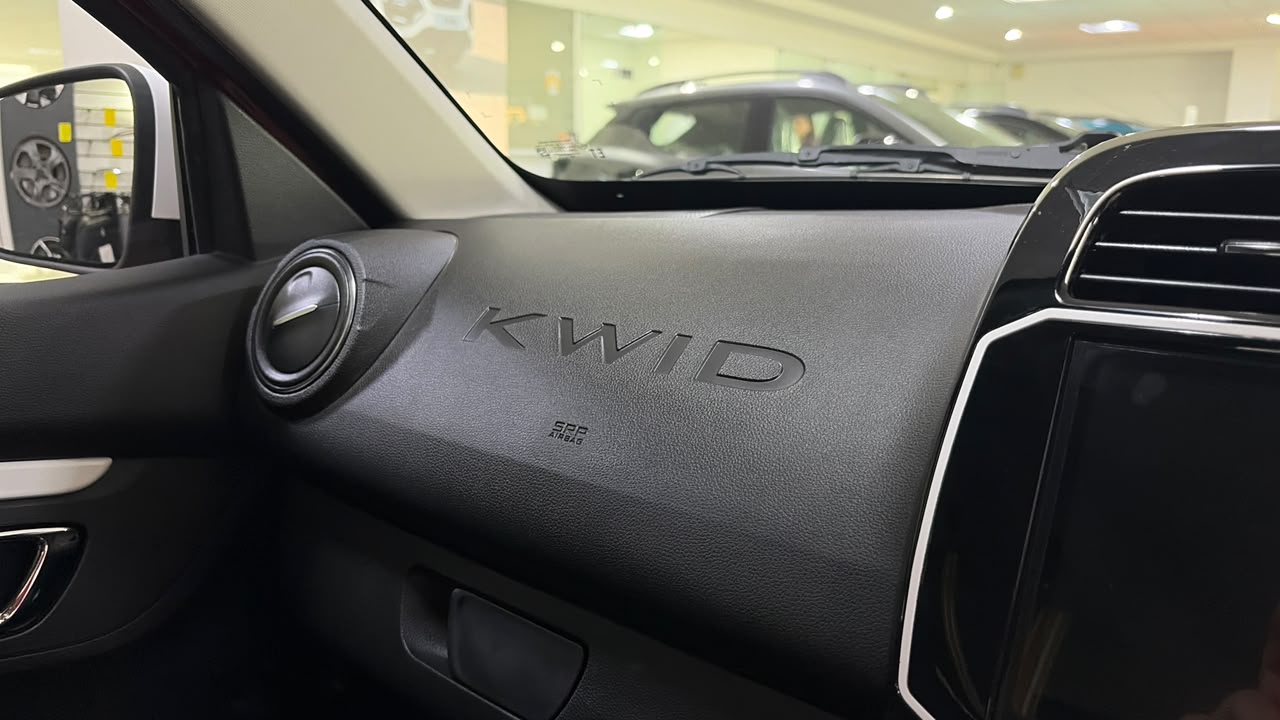
Safety is the area where the Kwid's age and price category are most clearly visible.
The most recent Global NCAP test of the Kwid returned a 1-star adult occupant protection rating. The testing found that the body shell was not stable and could not withstand additional loading, the footwell area was not stable, and while the driver's airbag provided adequate head and neck protection, chest protection was weak.
The current India-spec model with dual airbags in the Evolution and six airbags in the Climber has not been independently re-tested, so the structural concerns raised in the original assessment remain the most current independent data available.
The addition of six airbags in the Climber is a meaningful step that improves occupant protection in a collision scenario. ABS with EBD, ESP, a rear camera, and TPMS are now standard across both variants, which brings the Kwid broadly in line with regulatory requirements and provides a reasonable baseline of active safety.
Hill start assist is standard on AMT variants, which is practically useful on inclines and in dense traffic with slopes.
The Kwid skips ISOFIX child seat mounts across the range, making certified child seat installation impossible without an aftermarket solution.
For a buyer purchasing the Kwid as a second vehicle just for the city, or for two-wheeler-to-car upgraders who will primarily navigate city traffic at low speeds, the safety package is a manageable trade-off.
For buyers who intend to use the car as the primary family vehicle, the safety gaps relative to hatchbacks from a higher segment are significant and should be a primary consideration.
competition
competition
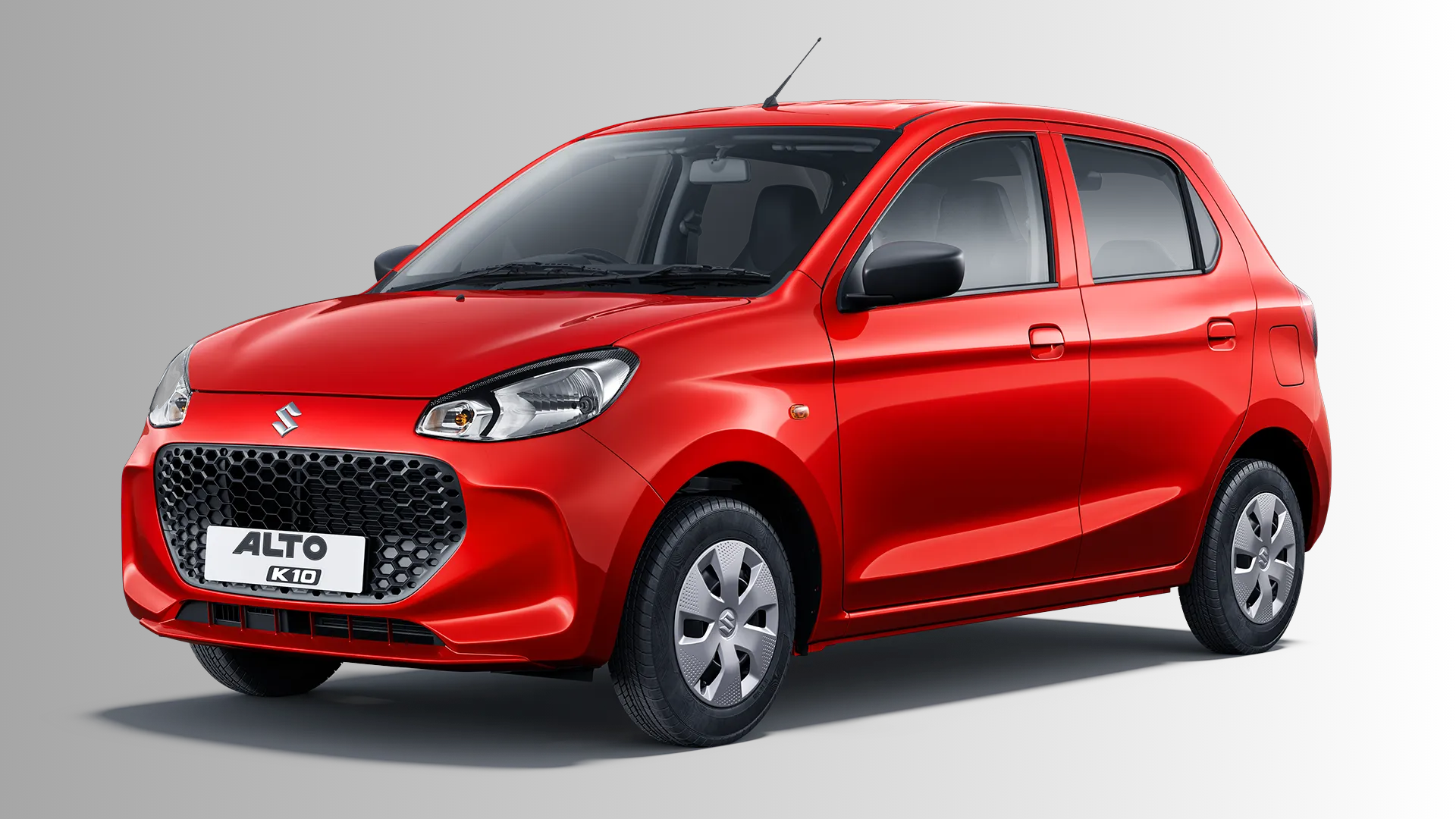
The Maruti Suzuki Alto K10 is the Kwid's oldest and most persistent rival.
It is priced slightly lower in base trim, uses a more refined four-cylinder 1.0-litre engine, and offers a more polished driving experience with less vibration. The Alto K10 has a lower driving position and a more conventional hatchback appearance, which some buyers prefer and others do not.
The Kwid counters with better road presence, more ground clearance, a larger boot, and a more modern-looking interior. For buyers who value refinement and brand trust, the Alto K10 remains a strong alternative.

The Maruti Suzuki S-Presso is a more direct rival in terms of design approach.
It shares the Kwid's, crossover-inspired design and similarly targets first-time buyers. The S-Presso uses the same K10C engine as the Alto K10, which is smoother and less noisy than the Kwid's three-cylinder unit. Maruti's service network is significantly wider than Renault's.
However, the S-Presso does not match the Kwid on interior quality, features, and boot space, and holds a similarly modest 1 star GNCAP safety rating.
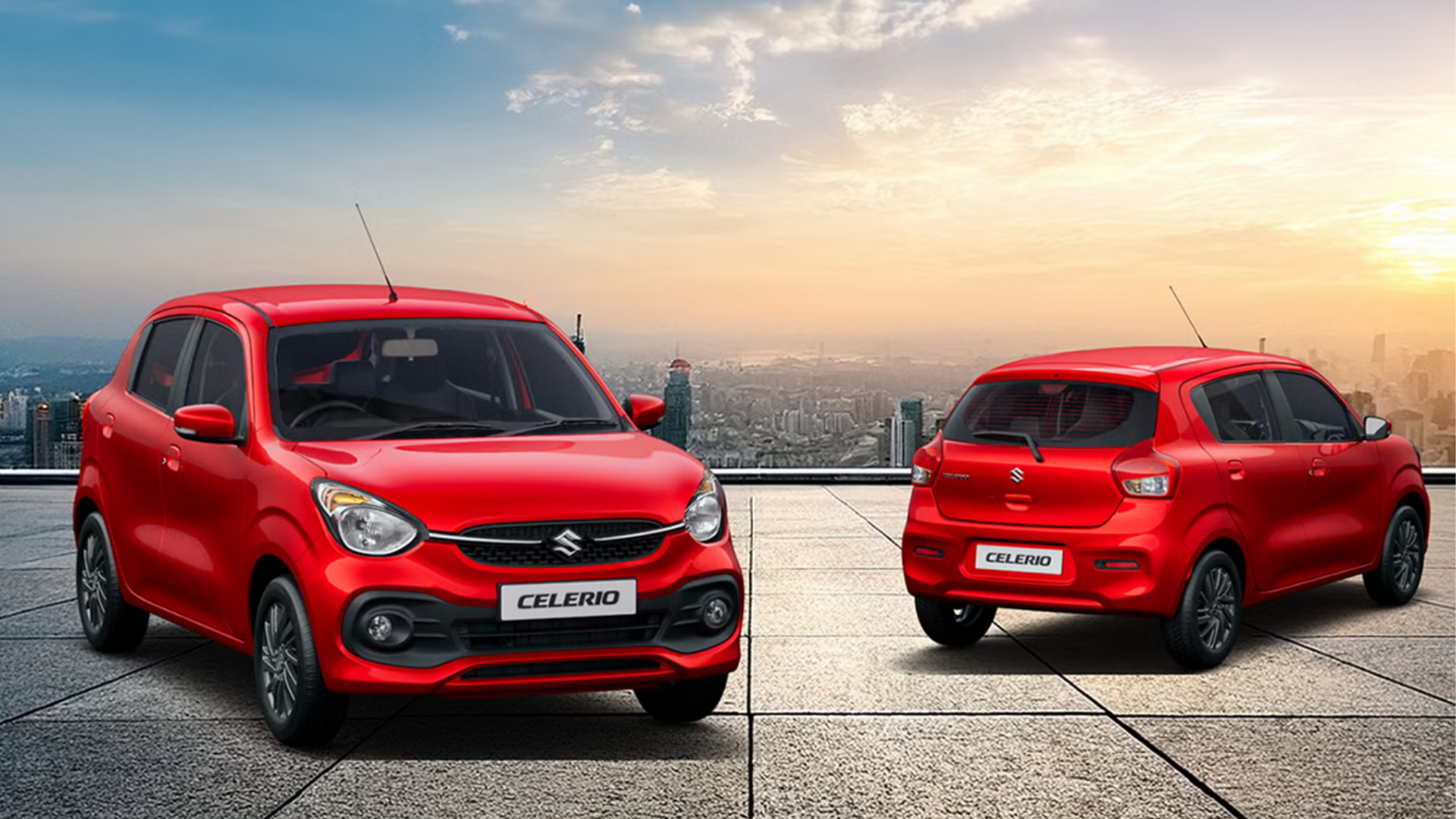
The Maruti Suzuki Celerio is a step up from the Alto and S-Presso and Alto K10 in terms of interior refinement and fuel efficiency, and it competes with the Kwid at a broadly similar price point.
It uses the same 1.0-litre engine from its siblings, and thus holds the same refinement and performance advantage over the Kwid. It is also more spacious and comfortable, and offers a bigger 313-litre boot.
Crucially, the Celerio earned a 3-star Global NCAP rating, which is a clear step above the Kwid's 1-star result and an important consideration for safety-conscious buyers.
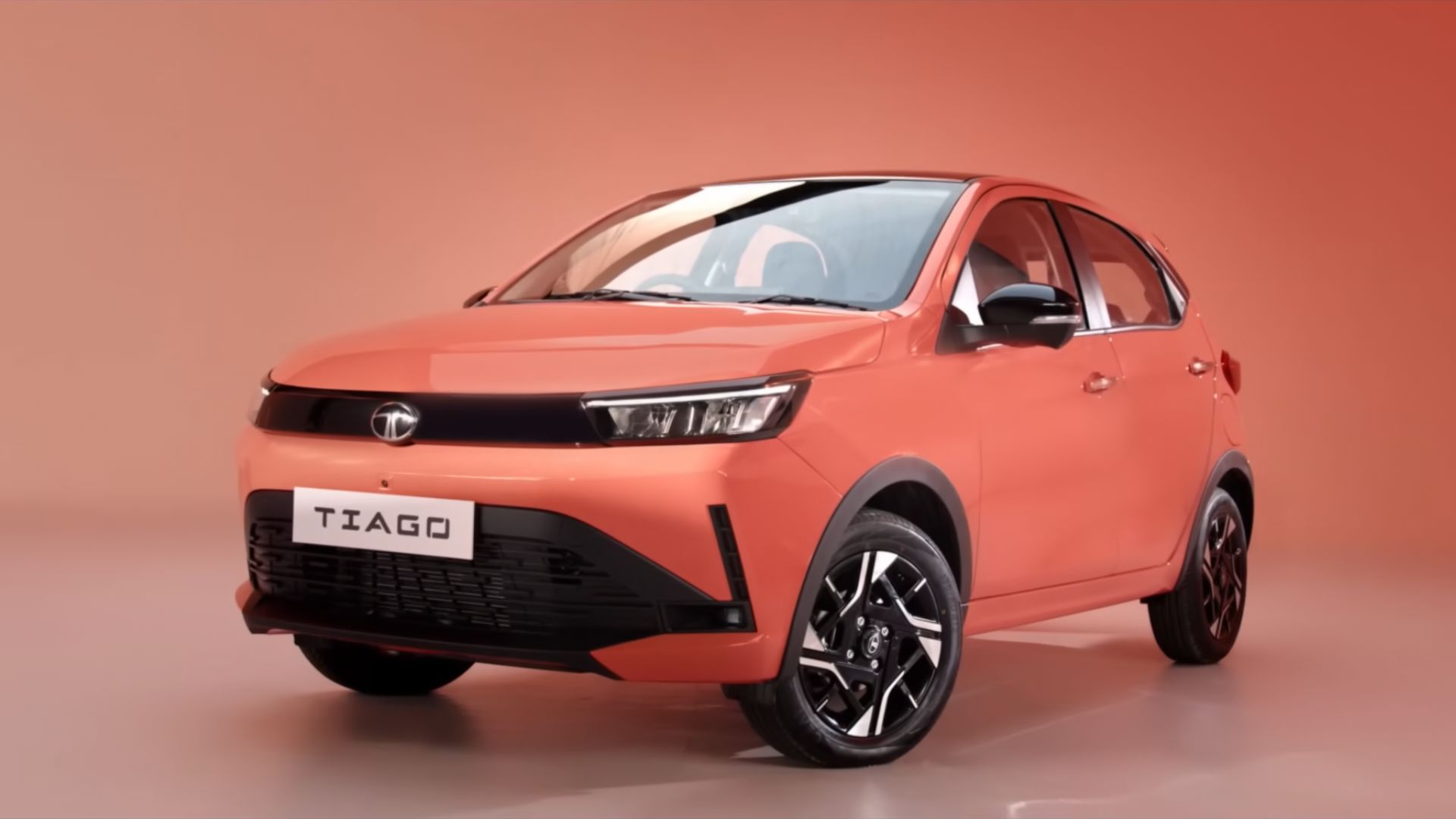
The Tata Tiago sits a segment higher, but overlaps with the Kwid's upper price range and offers a meaningfully more rounded package on several fronts.
Its 1.2-litre three-cylinder petrol engine produces 85 bhp and 113 Nm, giving it a clear power and torque advantage over the Kwid. The Tiago's interior is more premium in feel, with better-quality plastics and a more polished dashboard finish.
Boot space at 242 litres is smaller than the Kwid's 279 litres, and ground clearance is lower, but the Tiago compensates with a wider cabin and better rear-seat comfort for adults.
The Tiago is also the only car in this bracket to offer a CNG AMT powertrain combination.
A major highlight is its 4 star Global NCAP rating, making it one of the safest cars in its price range.
For buyers who find the Kwid's safety credentials and engine refinement insufficient and can stretch a small amount further, the Tiago is the most logical next alternative.
final verdict
final verdict
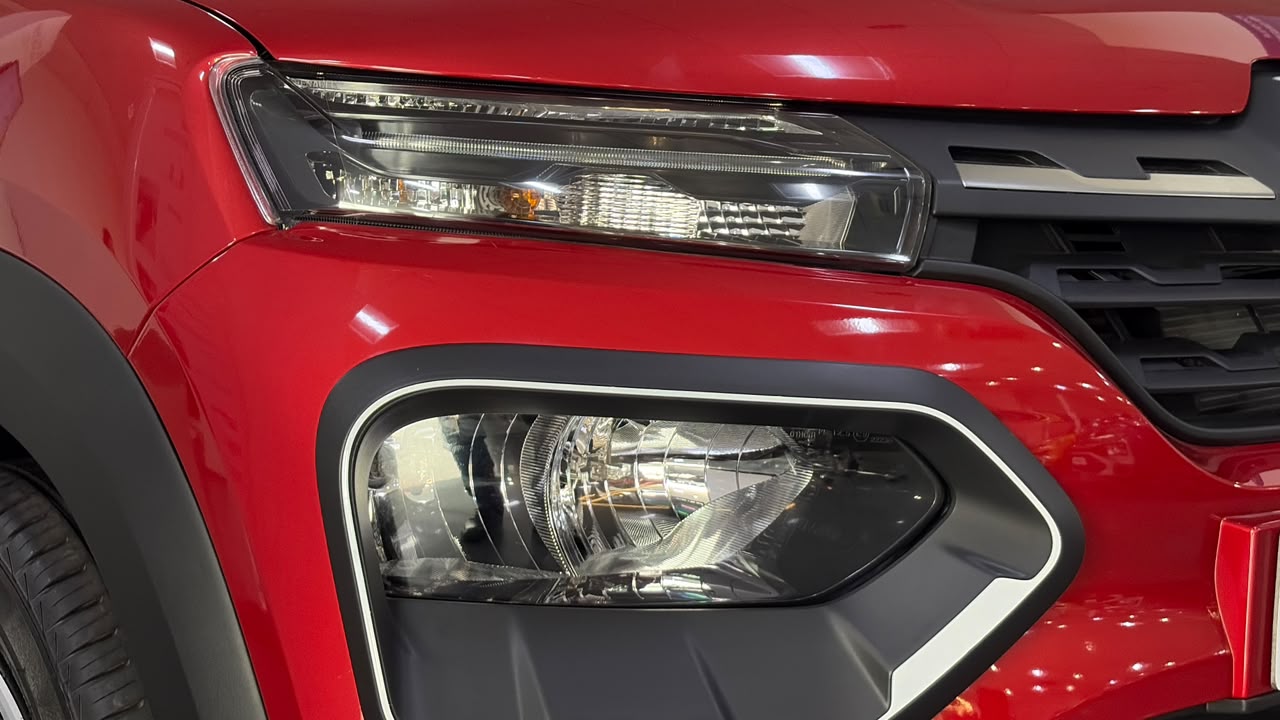
The Renault Kwid occupies a specific and honest position in the Indian market.
It is one of the most affordable ways to own a new car on a budget but with decent tech like a touchscreen, Android Auto and Apple CarPlay, six airbags in the top trim, an automatic option, and more ground clearance than anything else at this price.
For a first-time buyer, a two-wheeler upgrader, or someone looking for a second city runabout on a tight budget, these are compelling credentials.
The weaknesses are a noisy, vibration-prone three-cylinder engine, a jerky AMT in demanding conditions, limited rear legroom for taller adults, no USB charging ports, and a 1-star Global NCAP rating from an older test that leaves the current car's crash performance in question despite having more airbags.
The 2026 facelift addresses almost none of these underlying issues. It updates the logo, revises the steering wheel, freshens the interior colour scheme, and adds six airbags to the Climber. These are incremental improvements on a platform that is now over a decade old, and at some point Renault will need to make a more fundamental decision about the Kwid's future.
For now, the Climber AMT represents the best combination within the Kwid range, with six airbags, the full feature set, and the convenience of the AMT.
Renault KWID News
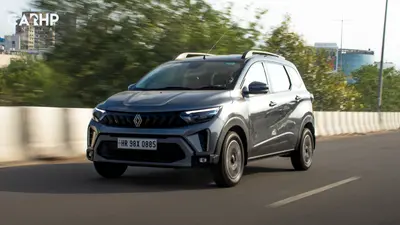
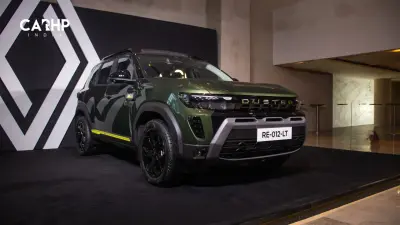
Renault Offering Up to Rs. 1.30 Lakh Benefits in September 2026
Renault India's September 2026 offers cover all four models in its lineup, with benefits ranging from Rs. 40,000 on the Kwid to Rs. 1.30 lakh on the Duster. Here is the full breakdown for every model, including state-wise differences where applicable.
Anmol Kumar
September 7, 2026


Renault KWID FAQs
What engine does the Renault Kwid use?
−The Kwid is powered by a 1.0-litre three-cylinder naturally aspirated petrol engine producing 67 bhp and 91 Nm, paired with a 5-speed manual or a 5-speed AMT.
What is the difference between the Kwid Evolution and Climber variants?
+Both Both variants share the same mechanicals and many features. The Climber adds six airbags (vs. two in the Evolution), rear parking sensors, a contrast black roof option, and Climber-specific exterior styling elements including additional body cladding accents.
What is the fuel efficiency of the Renault Kwid?
+ARAI-certified figures are 22.0 km/l for the manual and 21.0 km/l for the AMT. Real-world returns range broadly between 14 and 19 km/l depending on driving conditions.
What is the boot space of the Renault Kwid?
+Boot space is a segment-best 279 litres with the rear seats up, expandable to 620 litres with the rear seats folded flat.
Does the Renault Kwid come with a CNG option?
+Yes, but it is not a factory fitted setup. A dealer-fitted CNG retrofit kit is available for manual variants.
What is the Renault Kwid's safety rating?
+The Kwid carries a 1-star Global NCAP adult occupant rating from an earlier test of the car with a driver airbag. The current specification with dual airbags (Evolution) and six airbags (Climber) has not been independently re-tested. The original assessment found the body shell to be structurally unstable and unable to withstand additional loading, which is the primary concern.
