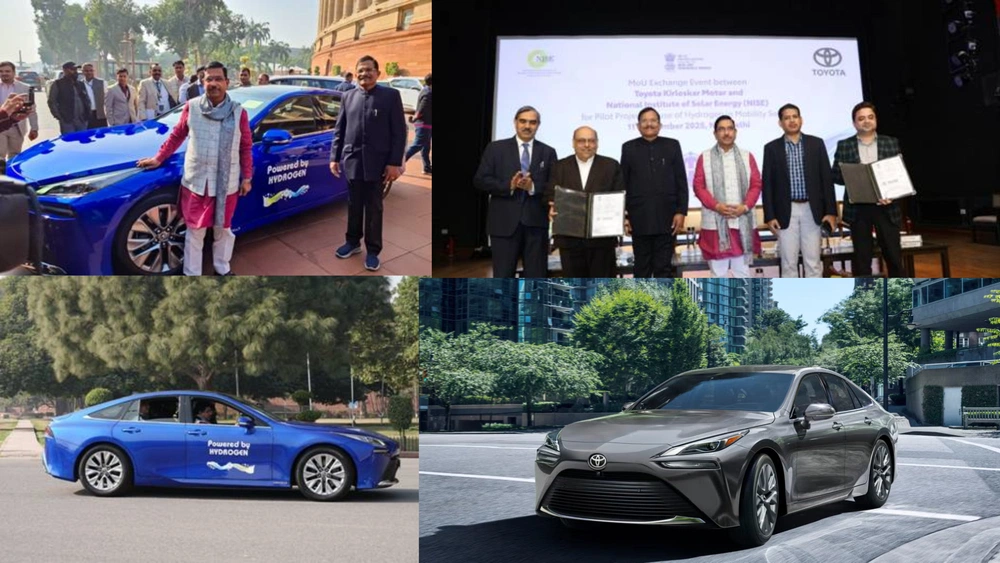
Toyota Kirloskar Motor has handed over its second-generation hydrogen fuel-cell electric vehicle, the Toyota Mirai, to the National Institute of Solar Energy for real-world performance evaluation under Indian conditions. This marks an important step in introducing hydrogen powered mobility to India’s roads.
The Mirai generates electricity through a chemical reaction between hydrogen and oxygen, and the only emission is water vapor. It delivers a 650 km driving range and refuels in under five minutes, offering a practical alternative to conventional fuels and battery electric vehicles
The Handover and Testing Initiative
The evaluation will measure fuel efficiency, driving range, ease of operation, and the vehicle’s adaptability to India’s varied terrains and climate conditions. Insights from the real-world tests will guide the clean mobility roadmap and encourage greater hydrogen adoption.
Over the next two years, the National Institute of Solar Energy will conduct field trials across environments marked by heat, dust, traffic congestion, and a wide mix of urban and rural roads. Launched on December 11, 2025, this pilot introduces the Mirai as India’s first hydrogen fuel-cell vehicle to undergo extensive on-road testing, generating data on feasibility and deployment
Toyota Mirai Specs
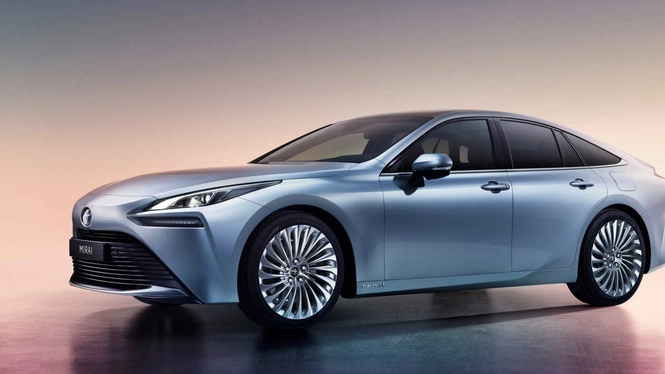
The second-generation Mirai, launched globally in 2021, uses a refined fuel-cell stack that produces 174 horsepower and 300 Nm of torque through a single electric motor. Its three tank storage system holds 5.6 kilograms of hydrogen, which delivers a certified WLTP range of 650 km, with real-world performance expected around 500 km.
Refueling takes only three to five minutes at a 700-bar station. The Mirai includes Toyota Safety Sense 2.5, a 12.3-inch infotainment display, and a premium interior. It also filters incoming air and captures PM2.5 particles, creating a negative emissions effect in urban environments. Positioned as a luxury sedan, it combines ecofriendly innovation with high end build quality.
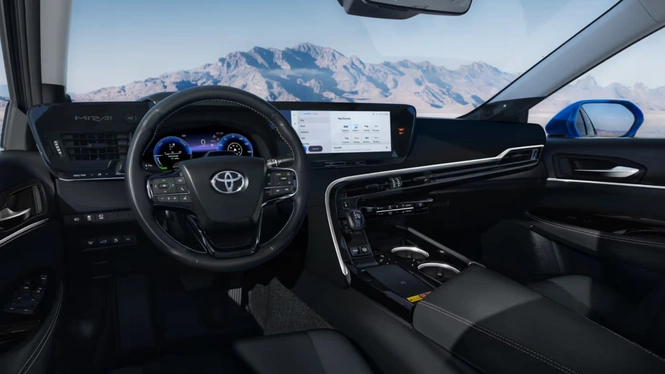
The Mirai is available in Japan since 2014, in the United States since 2016, and in several European markets such as the United Kingdom, Germany, and France. it's also held the record of travelling 800m miles plus on a single tank, easily dwarfing the best of EVs available in India.
Why Hydrogen Push In India?
India’s National Green Hydrogen Mission, supported by investments of 2.3 billion dollars, aims to reach 125 gigawatts of renewable energy by 2030. Current hydrogen infrastructure includes four public refueling stations, with plans for around 50 stations along the Delhi to Mumbai corridor by 2027. The Mirai’s fast refueling and long range suit long distance routes and heavy traffic conditions.
Hydrogen is also gaining traction in commercial applications with 37 hydrogen powered buses and trucks supported by 208 crore rupees in funding. With operating costs of around three to four rupees per kilometer compared to five to six rupees for diesel, and a price of about 60 lakh rupees, future incentives under FAME III could help premium fleet operators adopt hydrogen vehicles.
Trials initiated by Minister Nitin Gadkari show clear policy support, contributing to reduced reliance on imported fossil fuels valued at roughly 22 lakh crore rupees each year.
The Issue With Hydrogen
Hydrogen fuel cell vehicles (FCEVs) in India currently face a critical issue primarily due to virtually non-existent refueling infrastructure and prohibitive costs. With green hydrogen production costing roughly ₹360–₹542 per kg (significantly higher than diesel or electric charging), and vehicles priced nearly double their battery-electric counterparts, potential buyers are deterred by both range anxiety and high capital expenditure.
The technology also demands complex, high-pressure storage systems to manage hydrogen’s flammability, adding another layer of engineering difficulty. But the silver lining here is our decades of experience in high pressure fuels like CNG and LPG which gives us a upper hand if this Hydrogen push becomes a reality.
The high cost I previously mention will take care of itself as demand and supply rises, stabilizing prices, Another crucial but overlooked factor is where will we source the Hydrogen form? It has to be green ideally coming form a carbon neutral supply chain, otherwise it won't work. Much like how we are pushing EVs but most of our electricity comes form coal powered powered plants negating any EV benefit
(Word count: 498)
Table of Contents
- The Handover and Testing Initiative
- Toyota Mirai Specs
- Why Hydrogen Push In India?
- The Issue With Hydrogen
Join the Conversation
Trending
Every Dark/Black Edition Car On Sale From 8 to 35 Lakhs
These cars, with their blacked-out paint themes, stand out from their standard variants.
Arjun Nair
September 21, 2026
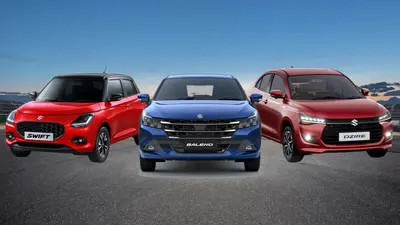
Maruti Suzuki Brings CNG-AMT Options To The Swift, Baleno and Dzire
Maruti has finally paired CNG with an automatic gearbox on the Swift, Dzire and Baleno, priced from Rs 7.92 lakh. The AMT trims share a 1.2 litre engine, a 55 litre boot-mounted tank and cost around Rs 35,000 more than the manual versions.
Anmol Kumar
September 21, 2026
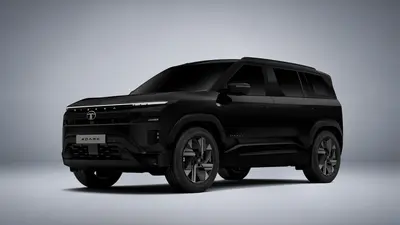
Tata Sierra Dark Launched At Rs 13.99 Lakh, Check Prices
Tata Sierra #DARK launched from Rs 13.99 lakh with Friesian Black exterior, Violet Eclipse interior and Purple Chrome accents. Here is the full price list, features and powertrain details.
Arjun Nair
September 21, 2026
Tata Aeris To Debut On September 25, Expected To Replace Tigor
Tata has officially confirmed the Aeris name and a 25 September launch for its new compact sedan that replaces the Tigor. Here is everything known so far about the design, engine options, features, and expected pricing.
Anmol Kumar
September 21, 2026
Featured
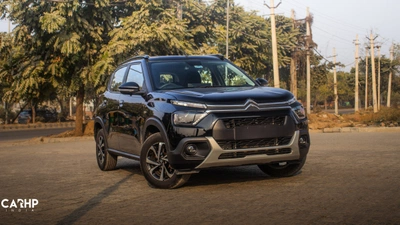
Citroen C3 Review: Who Should Consider This Car?
A few days ago, I took the Citroen C3X out for a spin in the city and on the highways. I travelled long distances and checked its fuel efficiency, features, comfort, and other factors. Today, I’ll briefly share my overall experience with the C3X and will tell you whether you should consider it or not and which is the most value-for-money variant of the lot.
Vatsal Agrawal
May 19, 2026
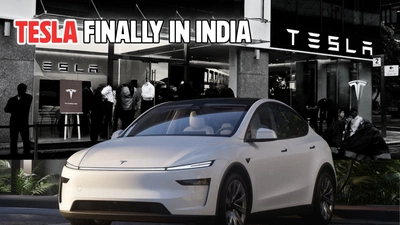
Tesla Finally In India Officially. Why Now And What Does It Mean For EVs?
The much-anticipated 2025 Tesla Model Y has officially arrived in India, marking a pivotal moment for the nation's burgeoning electric vehicle market. Launched on July 15, 2025, the Model Y Juniper facelift offers cutting-edge technology, impressive range, and signature Tesla performance. Positioned as a premium electric SUV, its entry will intensify competition and reshape consumer expectations for EVs across the subcontinent.
Charan Narain
July 17, 2025
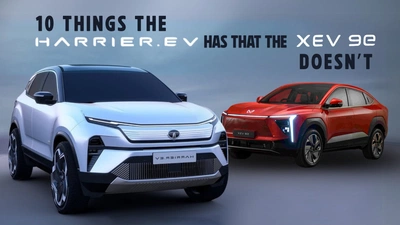
Here Are 10 Things The Harrier.EV Offers That The Mahindra XEV 9E Doesn't
The Harrier.EV is an incredible new offer from Tata. Its most popular competitor would be the Mahindra XEV 9E, priced similarly. With these two incredible offerings from home grown brands available, here is a list of everything the Harrier.EV offers that the XEV 9E doesn't.
Charan Narain
June 13, 2025
Write a comment
Comments
No comments yet. Be the first to comment!