Bajaj CFO Says This Quarter's Commodity Inflation Exceeded the Last 2 Years Combined. Here's What That Means for Your Next Bike or EV
By Arjun Nair
Published July 24, 2026
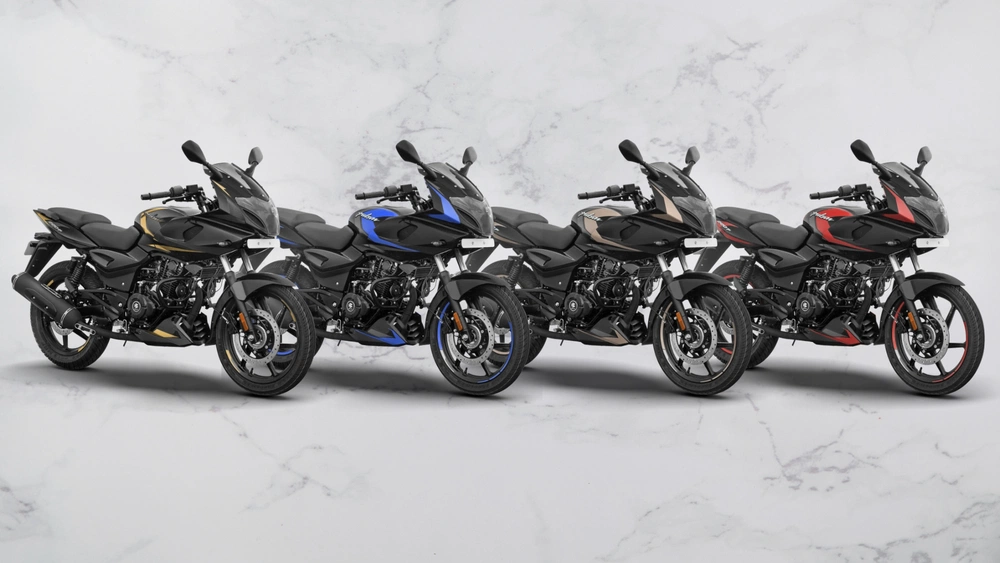
Bajaj Auto's Q1 FY27 numbers were exceptional by every measure. Revenue crossed Rs 17,000 crore for the first time, profit after tax grew 42%, and volumes hit 1.4 million units in a single quarter.
But it was something CFO Dinesh Thapar said in an interview with Investing.com that got my attention.
"The commodity inflation we absorbed in this single quarter was greater than the totality of the inflation that we've experienced over the previous two financial years put together."
He added,
“Steel rose by upwards of 10%, aluminum and platinum by nearly 40%, rhodium as well by 40%, while ABS, copper, nickel, and natural rubber also moved up quite substantially through the quarter.”
To understand why that statement matters to anyone buying a bike or a car in the next few months, you need to know what materials he was talking about, where they come from, and how they are used in your vehicle.
Also Read - Bajaj Is Adding 2 More Chetaks in 6 Months, and an Electric Motorcycle Is Coming
Steel: The One Nobody Talks About
Steel is the most common material in any vehicle. It goes into the frame, subframe, chassis, swing arm, fuel tank, exhaust, and dozens of structural brackets. It is not glamorous, but it is foundational. Thapar confirmed steel rose over 10% through Q1.
India produces substantial amounts of steel domestically, but the global price is still set by export markets, and the West Asia conflict disrupted both freight rates and raw material flows through the Red Sea corridor. When shipping gets expensive, everything tied to global commodity prices moves up.
Aluminium: Where EVs Feel It the Most
Aluminium rose nearly 40% in the quarter. This matters differently depending on whether you are buying an ICE bike or an EV.
On a petrol motorcycle, aluminium appears in the engine block, cylinder head, wheel rims, and some body panels. On an electric scooter, it does all of that and more.
The battery pack casing, motor housing, heat sink for power electronics, and significant structural components are all aluminium. The material content per vehicle is substantially higher on an EV, which means a 40% surge in aluminium costs hits an electric scooter harder in absolute rupee terms than it hits a comparable petrol bike.
Most of India's aluminium is produced domestically, primarily through Hindalco and Vedanta, but they price against global LME benchmarks. The West Asia conflict added freight pressure on bauxite imports and raised energy costs at smelters, both of which feed into the final price.
Also Read - Every Chetak EV Variant Explained
Platinum and Rhodium: The Hidden ICE Cost
These two materials sit inside the catalytic converter of every petrol and CNG vehicle. A catalytic converter uses platinum and rhodium to convert harmful exhaust gases like carbon monoxide and hydrocarbons into less harmful compounds before they leave the exhaust pipe.
Both rose nearly 40% in Q1. The reason is supply geography. Over 70% of the world's rhodium comes from South Africa, and a significant portion of platinum supply runs through South Africa and Russia. Neither region is immune to geopolitical disruption, and when supply gets uncertain, prices spike quickly because there is no scalable substitute for rhodium in this application.
EV buyers are not exposed to this one at all since EVs have no catalytic converters.
Copper, Nickel, ABS and Natural Rubber
Copper carries electricity. In an ICE bike, the wiring harness uses a relatively modest amount. In an electric scooter, the motor alone can require several kilograms of copper, and the power electronics add more. EV charging cables add further. Copper rose sharply in Q1, and again, EVs take a bigger hit per vehicle.
Nickel is a core component of NMC battery chemistry, which is what most Indian electric scooters and electric cars currently use. Indonesia and Russia together supply the majority of global nickel. Supply tightness from geopolitical pressures and higher freight costs pushed nickel prices up significantly.
ABS plastic, used in body panels, fairings, and interior components across all vehicle types, is a petrochemical derivative. When crude oil prices rise, ABS follows. Natural rubber goes into tyres, seals, and hoses on every vehicle. Both moved up substantially through the quarter.
Also Read - Bajaj Says Every Motorcycle Sold In The Last Decade Is E20 Fuel Compliant
Are Price Hikes Coming?
Bajaj absorbed roughly half of the Q1 inflation through price increases in April and June, and managed the rest through cost controls and the benefit of rupee depreciation cushioning export realisation. That rebalancing act worked in Q1, but Thapar flagged that Q2 will be harder.
The inflation has now spread beyond base metals into electronics components, logistics costs, labour and energy. These are slower-moving cost lines that tend to be stickier. Once they move, they do not reverse quickly.
Whether you are buying a petrol motorcycle, a CNG three-wheeler or an electric scooter, the raw material picture heading into Q2 FY27 is not cheaper than Q1. Bajaj has already passed on what it could.
If costs continue climbing and the rupee does not provide further cover, another round of price adjustments across the industry becomes more likely than not.
Source: Bajaj Auto Q1 FY27 Earnings Call via Investing.com
Table of Contents
- Steel: The One Nobody Talks About
- Aluminium: Where EVs Feel It the Most
- Platinum and Rhodium: The Hidden ICE Cost
- Copper, Nickel, ABS and Natural Rubber
- Are Price Hikes Coming?
Join the Conversation
Trending
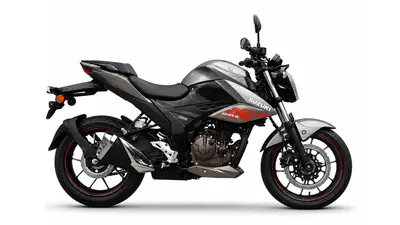
Suzuki Gixxer and Gixxer 250 Series Get New Colour Options, Starting at Rs 1.37 Lakh
Suzuki has added new colour options across the Gixxer, Gixxer SF, Gixxer 250, Gixxer SF 250, and Gixxer SF 250 FFV. The 155cc models get a Metallic Oort Gray and Pearl Blaze Orange combination, while the 250cc range picks up a Glass Sparkle Black and Metallic Oort Gray option.
Anmol Kumar
September 8, 2026
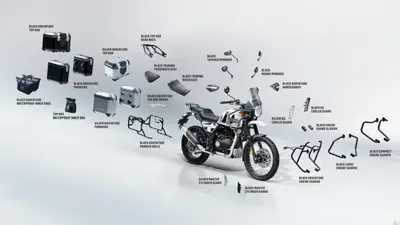
Royal Enfield Himalayan 750 Showcased for the First Time
Royal Enfield brought out the near-production Himalayan 750 at the inaugural Himalayan Base Camp in Leh, Ladakh. It gets a new 750cc parallel-twin, fully adjustable USD forks, dual front discs, and a Himalayan 450-shared TFT console.
Anmol Kumar
September 7, 2026
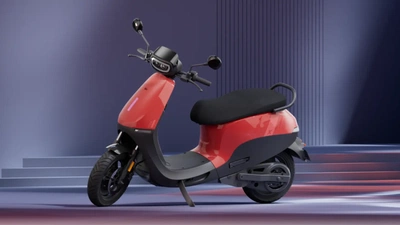
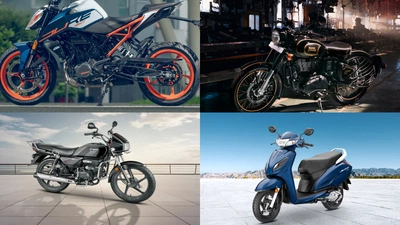
EV Scooters Under 1 Lakhs with atleast 100 KM Of Range
Here is every electric scooters under 1 lakh with at least 100 km of real-world range that you can buy outright or through BaaS, with IDC range, pricing, and what each one actually offers.
Salil Kumar
September 5, 2026
Featured
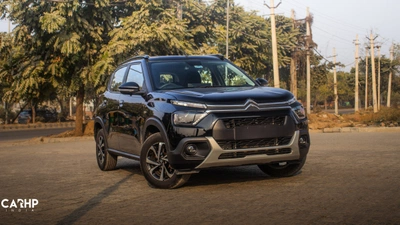
Citroen C3 Review: Who Should Consider This Car?
A few days ago, I took the Citroen C3X out for a spin in the city and on the highways. I travelled long distances and checked its fuel efficiency, features, comfort, and other factors. Today, I’ll briefly share my overall experience with the C3X and will tell you whether you should consider it or not and which is the most value-for-money variant of the lot.
Vatsal Agrawal
May 19, 2026
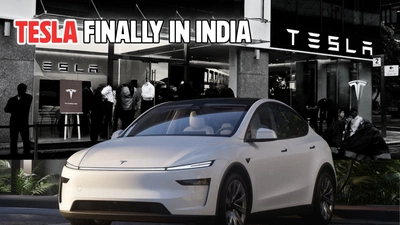
Tesla Finally In India Officially. Why Now And What Does It Mean For EVs?
The much-anticipated 2025 Tesla Model Y has officially arrived in India, marking a pivotal moment for the nation's burgeoning electric vehicle market. Launched on July 15, 2025, the Model Y Juniper facelift offers cutting-edge technology, impressive range, and signature Tesla performance. Positioned as a premium electric SUV, its entry will intensify competition and reshape consumer expectations for EVs across the subcontinent.
Charan Narain
July 17, 2025
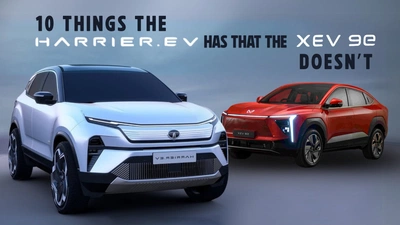
Here Are 10 Things The Harrier.EV Offers That The Mahindra XEV 9E Doesn't
The Harrier.EV is an incredible new offer from Tata. Its most popular competitor would be the Mahindra XEV 9E, priced similarly. With these two incredible offerings from home grown brands available, here is a list of everything the Harrier.EV offers that the XEV 9E doesn't.
Charan Narain
June 13, 2025
Write a comment
Comments
No comments yet. Be the first to comment!