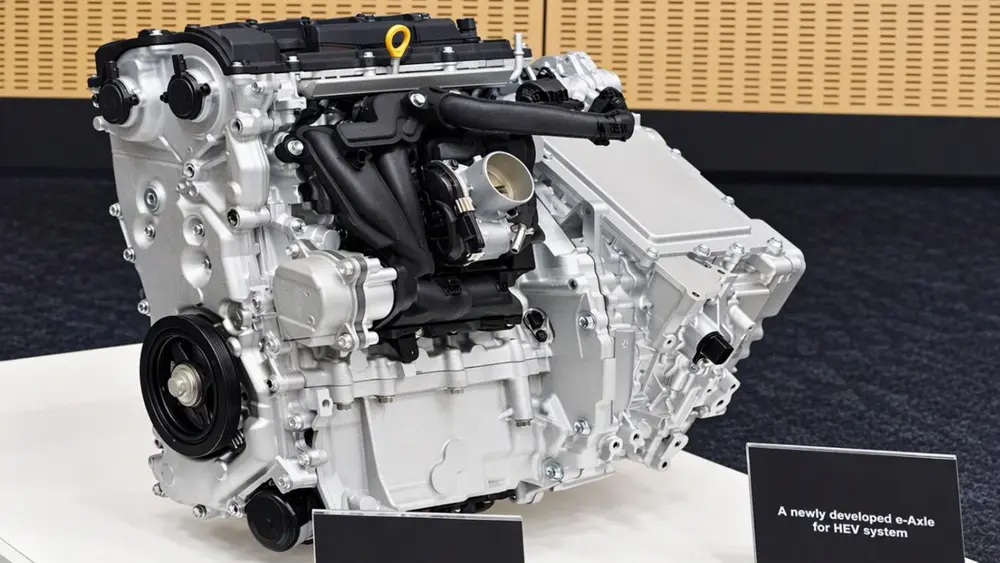
Quick Read - Toyota's next-generation hybrid system will use a new 1.5-litre four-cylinder engine family, smaller electric components and a shared vehicle architecture designed to accommodate hybrids, plug-in hybrids and EVs.
Toyota is developing a new 1.5-litre four-cylinder petrol engine family for its upcoming hybrid vehicles, and will be offered in both naturally aspirated and turbo configurations. The naturally aspirated will deliver comparable performance to Toyota's 1.8-litre and 1.5-litre three-cylinder engines.
This does not necessarily mean that either of the existing engines will be discontinued. Instead, the new unit is being developed to cover a broader range of hybrid applications.
Toyota has not disclosed the power and torque figures of either engine or specified which production models will receive them first.
Also Read - All You Need to Know About Suzuki's New Turbo Engine for India
Smaller Hybrid Components To Improve Efficiency
The new petrol engines will work alongside redesigned electric motors, power control units and inverters. Toyota is also targeting improvements in mechanical friction, heat management and electrical energy losses, while accounting for aerodynamic drag at the vehicle level.
The combined development is expected to deliver the following improvements:
| Development | Intended benefit |
|---|---|
| Revised engine design | Lower mechanical friction |
| Improved thermal management | Better heat management |
| Redesigned electric components | Reduced electrical losses |
| Improved aerodynamics | Lower aerodynamic drag |
Toyota is targeting a fuel-efficiency improvement of more than 15%, although it has not specified the reference powertrain or testing conditions behind this target. The figure should therefore not be interpreted as a confirmed mileage improvement for any particular model.
Toyota's Future EVs And Hybrids To Share A Common Architecture
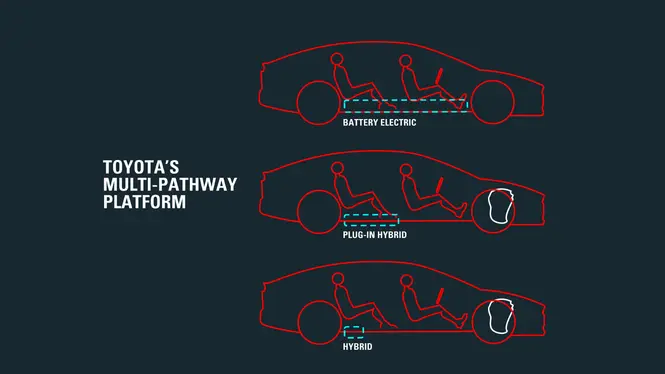
The smaller hybrid package is also important for Toyota's upcoming vehicle architecture, which is being developed to accommodate three different electrification options: conventional hybrids, plug-in hybrids and battery-electric vehicles.
This means Toyota can develop different powertrain versions of a vehicle around a common underlying architecture rather than requiring entirely separate vehicle foundations for each technology. The company expects this approach to reduce duplicated development and production investments while allowing factories to adjust their manufacturing mix according to customer demand.
For designers, the smaller hybrid hardware also creates more freedom in vehicle packaging, including the possibility of lower bonnet profiles without compromising cabin space or vehicle functionality.
Also Read - All You Need To Know About Honda-Horse Powertrain's 1.2-Litre Engine
Could The New Hybrid Technology Come To India?
Toyota has not announced which markets or production models will receive the new powertrain first. It also hasn't confirmed whether the technology will eventually make its way into its Indian hybrid lineup, which currently includes models such as the Urban Cruiser Hyryder and Innova Hycross.
The company does, however, plan to expand external sales of its new engine and hybrid technologies in the coming years. It is also developing the system for compatibility with renewable and carbon-neutral fuels.
For now, the new 1.5-litre hybrid engine remains under development, with its final specifications, production timeline and first vehicle applications yet to be announced.
Image Source: Toyota Europe Newsroom
Table of Contents
- Smaller Hybrid Components To Improve Efficiency
- Toyota's Future EVs And Hybrids To Share A Common Architecture
- Could The New Hybrid Technology Come To India?
Join the Conversation
Trending
Mahindra XUV 3XO ZNG Scores 5 Stars in Bharat NCAP
Mahindra's CNG-powered XUV 3XO ZNG has received a 5-star Bharat NCAP rating, scoring 29.36 points in adult protection and 45 points in child protection.
Anmol Kumar
November 6, 2026
Nissan Magnite, Gravite Get Free CNG Kits Under Diwali Offer, Check Eligible Variants
Nissan is offering complimentary CNG retrofitment on select Magnite and Gravite variants until November 16, with kit benefits worth up to Rs 85,999.
Anmol Kumar
November 6, 2026
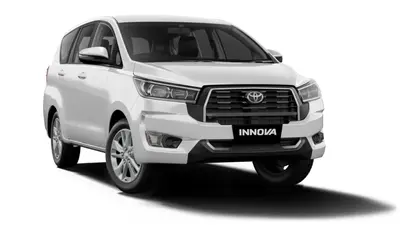
Toyota Innova Crysta LIMO Launched At Rs 19.95 Lakh For Fleet Buyers
Toyota has introduced the Innova Crysta LIMO as a dedicated fleet offering, featuring a distinct identity, a red-and-black cabin theme and the familiar 2.4-litre diesel engine.
Anmol Kumar
November 5, 2026

Featured
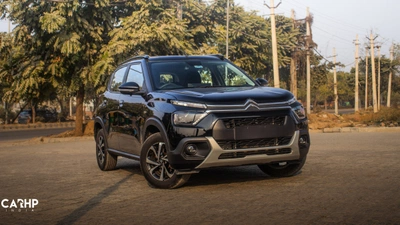
Citroen C3 Review: Who Should Consider This Car?
A few days ago, I took the Citroen C3X out for a spin in the city and on the highways. I travelled long distances and checked its fuel efficiency, features, comfort, and other factors. Today, I’ll briefly share my overall experience with the C3X and will tell you whether you should consider it or not and which is the most value-for-money variant of the lot.
Vatsal Agrawal
May 19, 2026
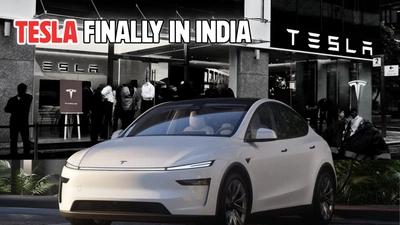
Tesla Finally In India Officially. Why Now And What Does It Mean For EVs?
The much-anticipated 2025 Tesla Model Y has officially arrived in India, marking a pivotal moment for the nation's burgeoning electric vehicle market. Launched on July 15, 2025, the Model Y Juniper facelift offers cutting-edge technology, impressive range, and signature Tesla performance. Positioned as a premium electric SUV, its entry will intensify competition and reshape consumer expectations for EVs across the subcontinent.
Author
July 17, 2025
Here Are 10 Things The Harrier.EV Offers That The Mahindra XEV 9E Doesn't
The Harrier.EV is an incredible new offer from Tata. Its most popular competitor would be the Mahindra XEV 9E, priced similarly. With these two incredible offerings from home grown brands available, here is a list of everything the Harrier.EV offers that the XEV 9E doesn't.
Author
June 13, 2025
Write a comment
Comments
No comments yet. Be the first to comment!