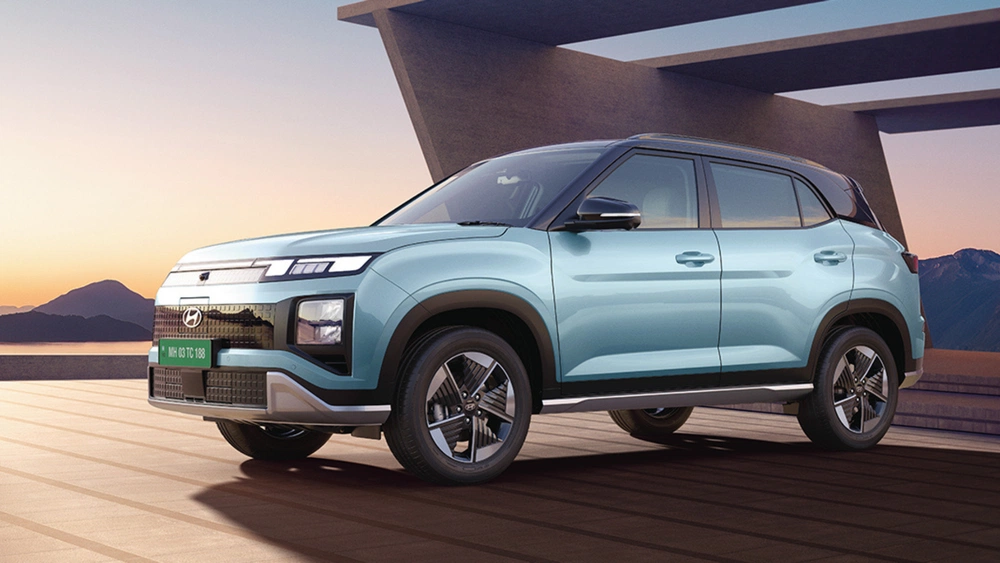
Regeneration, or regen for short, is a smart technology that helps cars recover energy when drivers lift off the accelerator or apply the brakes.
In traditional petrol or diesel cars, braking turns the vehicle's kinetic energy into heat, which simply gets wasted through the brake pads. But in hybrid and electric vehicles, regen captures much of this energy and stores it back in the battery, improving fuel efficiency or in case of EVs, extending the driving range.
We explain this process in simple terms and see how it works differently in mild hybrids, strong hybrids, and electric vehicles.
What is Regen in Cars and How Does it Work?
When you press the brake pedal or simply lift your foot off the accelerator, the car needs to slow down. In vehicles with regenerative braking (regen), the electric motor becomes very clever.
Normally, the motor uses electricity from the battery to turn the wheels and move the car. But when slowing down, the motor works as a generator. The spinning wheels turn the motor, and this action produces electricity. This electricity is sent back to the battery to be stored for later use.
Also Read - Every Electric Car You Can Buy Under ₹10 Lakh
At the same time, this generator action creates resistance, which naturally helps slow down the car, just like engine braking in a normal petrol car.
Regen works together with the regular friction brakes (brake pads). For light or normal braking, regen does most of the work. For sudden or hard braking, the normal brakes can always be used to stop the car safely and quickly.
The amount of energy recovered depends on three main things: the battery size, the power of the electric motor, and the driving conditions (like speed, traffic, and road slope).
Regen in Mild Hybrid Cars
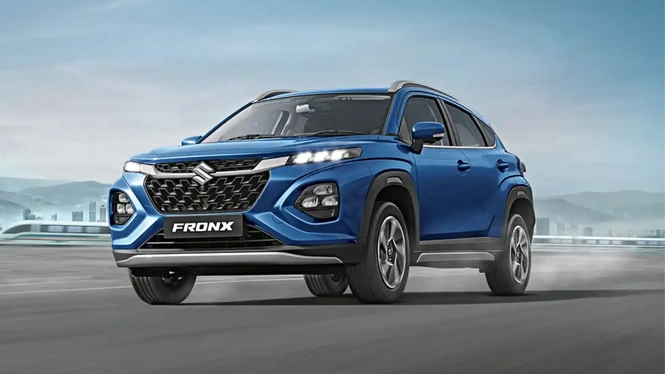
Mild hybrids are the simplest type of hybrid vehicles. They have a small electric motor and a compact battery, usually 48-volt systems.
These cars cannot run on electric power alone, with the electric motor mainly assisting the petrol engine slightly during acceleration and aiding the auto start-stop system.
When you brake or coast downhill, the electric motor switches to generator mode. It produces a small amount of electricity to recharge the 48-volt battery. This recovered energy is later used to support the engine during takeoff or to power small electrical systems like air conditioning and lights.
Also Read - Maruti Suzuki Fronx Hybrid Spotted Testing in Gurugram - Facelift On The Way?
Because the battery is small, mild hybrids cannot store a lot of energy from regen, and the braking feel is usually identical to a normal ICE car.
You may notice a slight increase in fuel efficiency, maybe 10 to 15 percent better than a regular petrol car in city driving.
Popular examples in India include certain models from Maruti Suzuki with their mild hybrid technology.
Regen in Strong Hybrid Cars
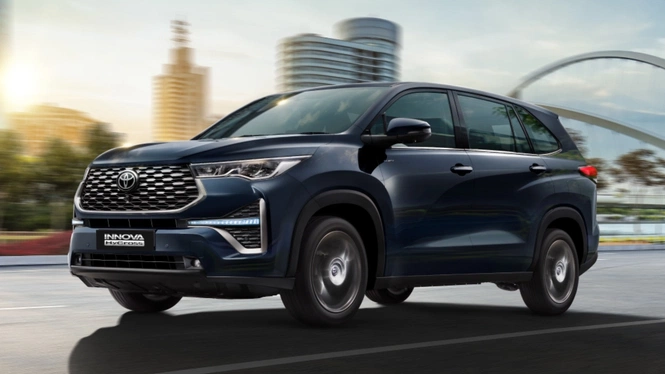
Strong hybrids have a more powerful electric motor and a larger high-voltage battery. These vehicles can drive short distances on electric power alone, especially at low speeds.
When you lift your foot off the accelerator or apply the brakes gently in a strong hybrid car, the electric motor becomes a generator and captures a good amount of kinetic energy. This energy charges the bigger battery quickly. The system is smart and decides how much regen to use based on battery charge level, speed, and driving situation.
Also Read - Check Out These Upcoming Hybrid Cars In India
Some cars have a "B" mode or paddle shifters that increase regenerative braking, allowing you to slow down more noticeably without touching the brake pedal much. This is helpful in city traffic.
Because of the larger battery and stronger motor, strong hybrids can recover more energy, often improving mileage by 30 to 50 percent compared to non-hybrid cars in stop-and-go traffic. The transition between engine and electric power feels seamless while driving.
Models like the Honda City e:HEV and Toyota Innova Hycross are some models with good strong hybrid systems.
Regen in Electric Vehicles (EVs)
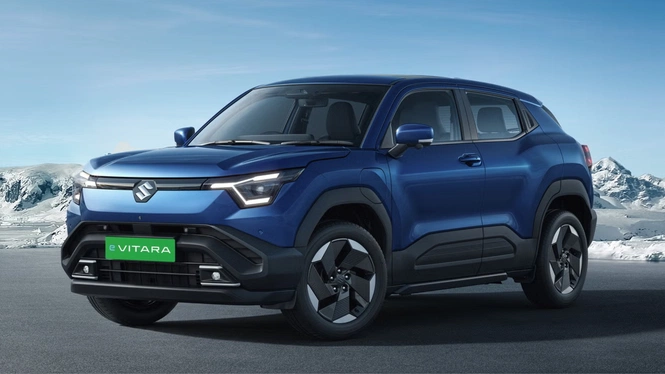
Electric cars have large battery packs and powerful electric motors, making regenerative braking one of their biggest advantages.
When you release the accelerator pedal, the motor immediately starts acting as a generator, slowing the car and sending a large amount of energy back to the battery. Many EVs offer one-pedal driving, where you hardly need to use the brake pedal in normal city driving. The car slows down significantly just by lifting off the throttle.
Also Read - Best EVs Under ₹30 Lakh With 400 Km Real World Range
The regen strength can often be adjusted through driving modes (like Eco, Normal, or Sport) or specific settings. In some cars, you can set it to low for a coasting feel like a normal car, or high for maximum energy recovery. Modern, luxury EVs also use predictive systems that adjust regen based on navigation data, such as approaching traffic lights or downhill sections.
Because EVs have only electric components, nearly all braking energy can be recovered in ideal conditions, though some is still lost due to physics and heat.
In India, popular EVs like the Tata Nexon EV, MG ZS EV, or Hyundai Ioniq 5 use advanced regen systems. Owners often report that careful use of regen can add several kilometres to their range, especially in city conditions with frequent braking.
Common Issues and Limitations of Regenerative Braking
Different Braking Feel: Regen makes the car slow down differently. EVs with strong regen can feel jerky when you lift off the accelerator. New drivers need time to adjust, especially in city traffic.
Reduced Performance in Certain Conditions: Regen weakens in cold weather as the battery accepts less charge. It also reduces when the battery is nearly full or at very low speeds. Normal brakes then do more work.
Limited Energy Recovery: Not all energy is recovered. Some is always lost as heat. Mild hybrids recover the least due to their small battery.
Brake Maintenance Issues: Less use of friction brakes can cause rust or uneven wear on pads and rotors, especially in humid Indian conditions. Drivers may need to brake normally sometimes to maintain them.
Safety Considerations: In emergencies, friction brakes work with regen for safe stopping. However, strong regen on slippery roads can slightly affect stability, and brake lights may not always activate clearly.
Other Minor Issues: Constant strong regen can feel tiring in heavy traffic or hills. Repairs, though rare, can be costly due to added complexity.
Image Source: Hyundai, Maruti Suzuki, Toyota
Table of Contents
- What is Regen in Cars and How Does it Work?
- Regen in Mild Hybrid Cars
- Regen in Strong Hybrid Cars
- Regen in Electric Vehicles (EVs)
- Common Issues and Limitations of Regenerative Braking
Join the Conversation
Trending
Everything You Need To Know About BS7 Emission Norms
India is gearing up for the next major leap in vehicle emission standards with Bharat Stage 7.
Arjun Nair
July 23, 2026
Which EV Charging Companies in India Have the Most Chargers?
EV adoption in any country is largely dependant on the availability of charging infrastructure.
Arjun Nair
July 21, 2026
Essential Features Every Car Should Have as Standard
Essential Features Every Car Should Have as Standard
Arjun Nair
July 13, 2026

Featured
Citroen C3 Review: Who Should Consider This Car?
A few days ago, I took the Citroen C3X out for a spin in the city and on the highways. I travelled long distances and checked its fuel efficiency, features, comfort, and other factors. Today, I’ll briefly share my overall experience with the C3X and will tell you whether you should consider it or not and which is the most value-for-money variant of the lot.
Vatsal Agrawal
May 19, 2026
Tesla Finally In India Officially. Why Now And What Does It Mean For EVs?
The much-anticipated 2025 Tesla Model Y has officially arrived in India, marking a pivotal moment for the nation's burgeoning electric vehicle market. Launched on July 15, 2025, the Model Y Juniper facelift offers cutting-edge technology, impressive range, and signature Tesla performance. Positioned as a premium electric SUV, its entry will intensify competition and reshape consumer expectations for EVs across the subcontinent.
Charan Narain
July 17, 2025
Here Are 10 Things The Harrier.EV Offers That The Mahindra XEV 9E Doesn't
The Harrier.EV is an incredible new offer from Tata. Its most popular competitor would be the Mahindra XEV 9E, priced similarly. With these two incredible offerings from home grown brands available, here is a list of everything the Harrier.EV offers that the XEV 9E doesn't.
Charan Narain
June 13, 2025
Write a comment
Comments
No comments yet. Be the first to comment!