Everything You Need To Know About BS7 Emission Norms
By Arjun Nair
Updated July 23, 2026
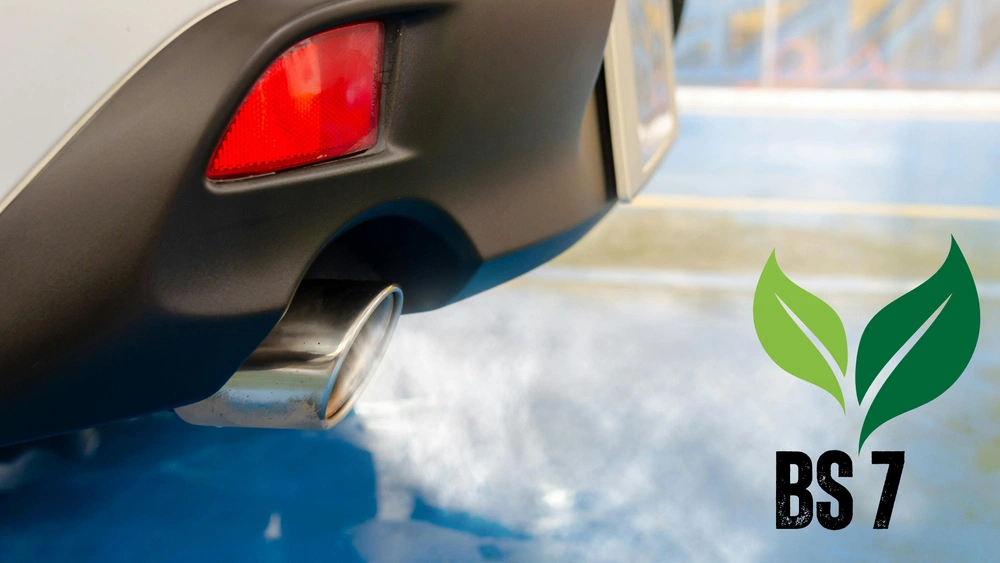
India continues its efforts to reduce vehicle pollution through Bharat Stage emission norms. After BS6 in 2020, attention has now turned to Bharat Stage 7 (BS7 or BS VII). These norms are expected to introduce stricter controls on pollutants.
As of July 2026, while there is no final official notification, reports suggest a possible rollout for new vehicles from 2027 onwards.
A Brief History of Emission Norms in India
| Year/Period | Key Norms and Developments |
|---|---|
| 1991-1992 | Mass emission regulations introduced for petrol and diesel vehicles. |
| 1995 | Mandatory catalytic converters in new petrol cars in major cities. |
| 2000 | India 2000 norms (equivalent to Euro 1) for passenger and commercial vehicles. |
| 2001 | BS2 norms in Delhi, Mumbai, Chennai, and Kolkata. |
| 2005 | BS3 norms rolled out in 13 metro cities. |
| 2010 | BS4 norms in 13 metro cities (BS3 continued elsewhere). |
| 2014-2017 | BS4 expanded to more cities; full nationwide rollout followed. |
| 2020 | BS6 norms implemented nationwide, skipping BS5. The government chose a direct jump for faster and more meaningful pollution reduction. BS6 included two phases with major cuts in NOx and PM, plus Real Driving Emissions (RDE) testing. |
Also Read - India’s Adoption of WLTP Emission Testing Cycle from 2027
What Are BS7 Norms?
BS7 is expected to draw from Euro 7 standards, adapted to Indian road and fuel conditions. It is likely to set uniform emission limits across all fuel types, such as petrol, diesel, CNG, and others.
The introduction of BS 7 could lead to the following changes:
Stricter Emission Limits: Significantly reduced levels of NOx, hydrocarbons (HC), carbon monoxide (CO), and particulate matter (PM) under real-world conditions.
On-Board Monitoring (OBM): Advanced systems to track and report emissions throughout the vehicle's life, going beyond current On-Board Diagnostics (OBD).
Non-Exhaust Emissions: New rules for particles from brakes and tyres, such as microplastics and brake dust.
CNG and Other Fuels: Tighter controls on natural gas vehicles, including ammonia emissions. Ammonia from certain exhaust treatments can contribute to secondary particulate matter formation and urban smog.
EV Considerations: Possible requirements for battery durability in electric and hybrid vehicles.
Testing is expected to emphasise real-world driving even more than before.
BS6 vs BS7: Projected Key Differences
| Aspect | BS6 | BS7 (Expected) |
|---|---|---|
| Emission Limits | Major cuts in NOx and PM | Further tightened, uniform across fuels |
| Monitoring | OBD with RDE testing | Lifetime on-board monitoring (OBM) |
| Scope | Mainly tailpipe emissions | Tailpipe + brakes, tyres, ammonia |
| Fuel Type Rules | Varied by fuel | Uniform limits |
| Technology | DPF, SCR, advanced catalysts | Enhanced systems + real-time sensors |
Relation to Fuel Blends
BS7 is expected to work alongside India's ethanol blending programme.
The country has already moved to E20 (20% ethanol in petrol). New vehicles under BS7 will need to perform well with these blends while meeting tighter emission rules.
Ethanol helps reduce some pollutants due to better combustion, but higher blends can raise NOx levels, which BS7 aims to control strictly. Manufacturers are working on suitable engine tuning and after-treatment systems.
Also Read - Govt Plans Up To 15% Isobutanol Blending in Diesel to Cut Oil Imports
Implementation Timeline
Reports point to a possible start in 2027, likely in phases beginning with major cities.
Unlike the shift from BS4 to BS6, BS7 is not expected to need major upgrades in fuel quality from refineries. Automakers have been preparing, but the exact timeline will depend on the final government notification.
Impact on Vehicles
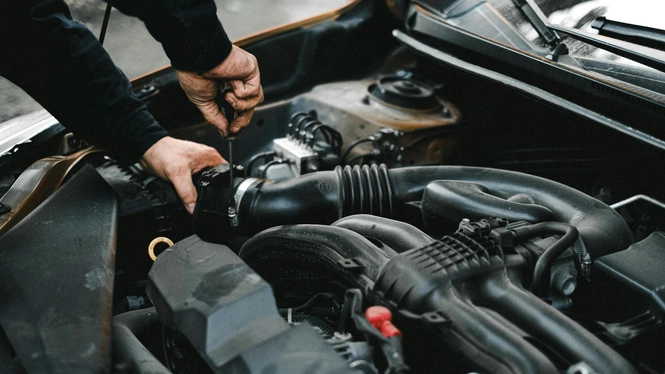
New technology such as extra sensors and emission systems will raise costs. Industry estimates suggest price increases of Rs 20,000 to Rs 60,000 or more per vehicle.
Small entry-level hatchbacks which have already seen their market share drop over the years due to rising costs, could be affected even more.
Diesel models could face more challenges due to strict NOx limits, leading to possible phasing out of some models just like during the transition to BS6. This will result in a faster shift towards petrol, hybrids, and electric vehicles.
Existing BS6 vehicles will not be affected and will remain fully legal. You may notice better fuel efficiency and lower real-world emissions in compliant new cars.
Also Read - Do Entry-Level Hatchbacks Still Make Sense To Buy in India?
Challenges in Implementation
Automakers will need significant investment in research and new parts. This could strain smaller companies and reduce model choices initially.
Higher prices may affect affordability, but the long-term gains in air quality and health are important. Expect a gradual, city-wise rollout, with higher polluting regions seeing the implementation early.
Environmental Benefits
BS7 should bring cleaner air by cutting key pollutants. This will particularly help reduce respiratory problems in polluted cities.
It forms part of India's wider efforts towards sustainable transport and lower dependence on imported fuels.
Also Read - ARAI Mileage Claims: Why They Disappoint, and How WLTP Could Fix It
What Should You Consider as a Buyer?
If you need a vehicle soon, BS6 models remain a good choice as they meet current standards and are likely to stay compliant for years. Those planning long-term ownership may prefer to wait for early BS7 vehicles for advanced features, though they will cost more.
Diesel buyers should watch developments closely, as some popular SUVs might see changes. Check official updates from the Ministry of Road Transport and Highways before buying.
As details become final, these norms will shape the future of vehicles in the country.
Source: GoMechanic, AckoDrive, ICICI Lombard
Table of Contents
- A Brief History of Emission Norms in India
- What Are BS7 Norms?
- BS6 vs BS7: Projected Key Differences
- Relation to Fuel Blends
- Implementation Timeline
- Impact on Vehicles
Join the Conversation
Trending
Which EV Charging Companies in India Have the Most Chargers?
EV adoption in any country is largely dependant on the availability of charging infrastructure.
Arjun Nair
July 21, 2026
Essential Features Every Car Should Have as Standard
Essential Features Every Car Should Have as Standard
Arjun Nair
July 13, 2026
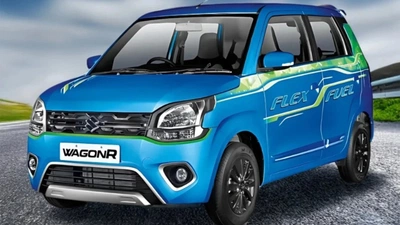
Your Guide To Flex Fuel Vehicles In India
FFVs are the future of every carmaker, so what do they mean and when will the arrive, lets find out
Salil Kumar
July 13, 2026
Featured
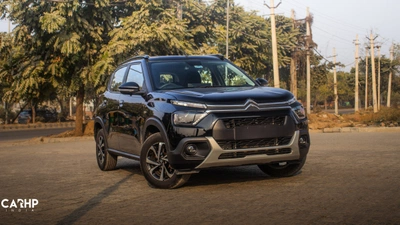
Citroen C3 Review: Who Should Consider This Car?
A few days ago, I took the Citroen C3X out for a spin in the city and on the highways. I travelled long distances and checked its fuel efficiency, features, comfort, and other factors. Today, I’ll briefly share my overall experience with the C3X and will tell you whether you should consider it or not and which is the most value-for-money variant of the lot.
Vatsal Agrawal
May 19, 2026
Tesla Finally In India Officially. Why Now And What Does It Mean For EVs?
The much-anticipated 2025 Tesla Model Y has officially arrived in India, marking a pivotal moment for the nation's burgeoning electric vehicle market. Launched on July 15, 2025, the Model Y Juniper facelift offers cutting-edge technology, impressive range, and signature Tesla performance. Positioned as a premium electric SUV, its entry will intensify competition and reshape consumer expectations for EVs across the subcontinent.
Author
July 17, 2025
Here Are 10 Things The Harrier.EV Offers That The Mahindra XEV 9E Doesn't
The Harrier.EV is an incredible new offer from Tata. Its most popular competitor would be the Mahindra XEV 9E, priced similarly. With these two incredible offerings from home grown brands available, here is a list of everything the Harrier.EV offers that the XEV 9E doesn't.
Author
June 13, 2025
Write a comment
Comments
No comments yet. Be the first to comment!