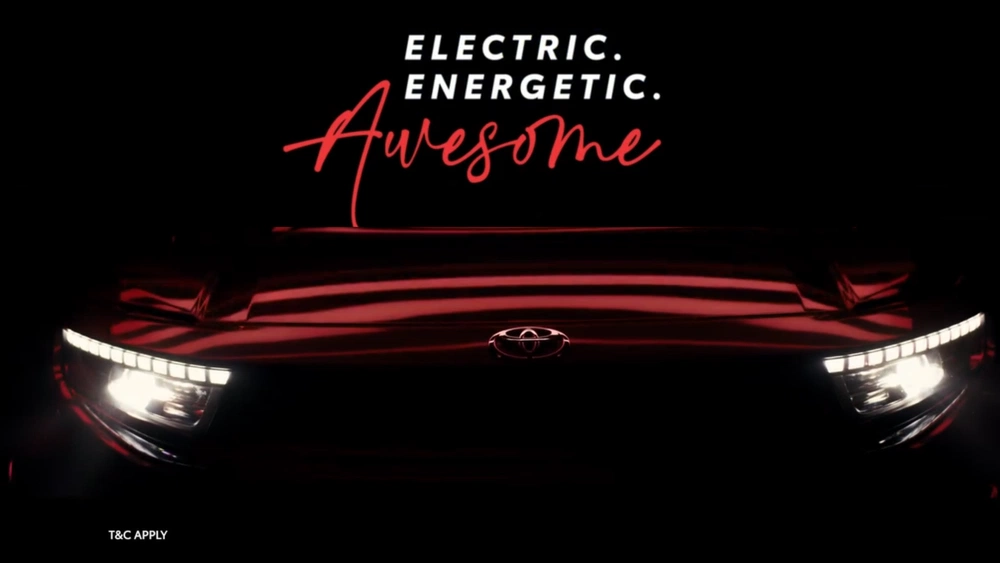
Toyota’s teased Urban Cruiser EV is best understood as a rebadged Maruti Suzuki e-Vitara, at least until Toyota confirms otherwise. It is expected to share the same platform, batteries and drivetrain, while wearing Toyota specific styling and trim. Early teasers suggest cosmetic changes at the front and rear, unique badging and a different variant mix, but the mechanicals, packaging and core cabin layout should closely mirror the e-Vitara.
On the outside, the Urban Cruiser EV is likely to retain the e-Vitara’s compact, upright proportions and practical stance. Toyota should differentiate it with revised bumpers, a distinct grille design, unique alloy wheels and different cladding to give it its own visual identity. Inside, the cabin layout, space and overall versatility are expected to remain unchanged.
The long wheelbase should continue to offer comfortable front and rear legroom, along with a flexible rear seat setup that helps expand luggage space when required. Toyota will probably add its own upholstery choices, trim finishes and infotainment interface to create a familiar Toyota cabin feel without altering the basic architecture.
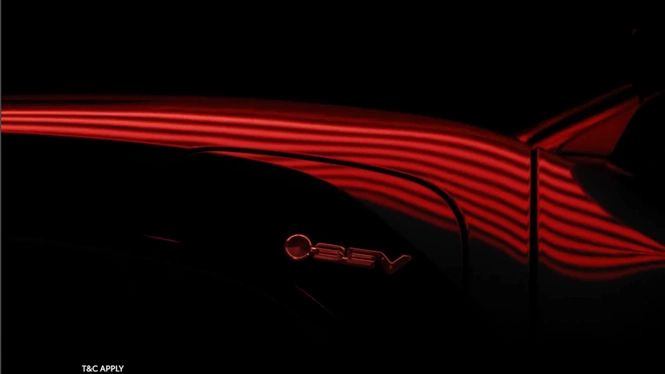
Mechanically, the Urban Cruiser EV is expected to carry over the same two battery options offered on the e-Vitara, a smaller pack and a larger one. Single motor front wheel drive should be standard, with higher variants delivering more power. In production form, the e-Vitara delivers around 142 hp with the smaller battery and about 172 hp with the larger pack. Performance is tuned for smooth, city friendly driving rather than outright sportiness, and the Toyota version should offer the same relaxed and usable character.
Range and charging are also expected to match the e-Vitara closely. The larger battery should deliver a practical real world range suitable for daily commuting as well as weekend trips. DC fast charging support will make public charging convenient, while AC home charging will handle everyday use. Final ARAI figures for India will depend on Toyota’s local calibration and testing, but real world range and charging behaviour should remain in line with the e-Vitara.
Safety and technology are likely to be carried over almost entirely. Expect multiple airbags, stability control and advanced driver assistance features similar to those offered on the e-Vitara. Toyota may reshuffle features across variants or offer different safety packs, but the underlying structure and safety systems should remain the same, ensuring strong crash protection and modern driver aids.
Source- Toyota Instagram
Join the Conversation
Trending
Top 10 EVs Under Rs 30 Lakh with the Longest Warranty
Electric vehicles under Rs 30 lakh in India come with extensive warranty protection. Here is a look at the top 10 EVs offering the longest standard, battery, and extended warranty coverage in the market today.
Anmol Kumar
July 30, 2026
2026 Toyota Hilux Every Variant Explained
The Toyota Hilux comes in three variants in India. All three share the same 2.8-litre diesel, 6-speed automatic, and 80-litre tank. But the differences in 4WD hardware, off-road features, and cabin tech make the variant decision far from straightforward.
Anmol Kumar
July 30, 2026
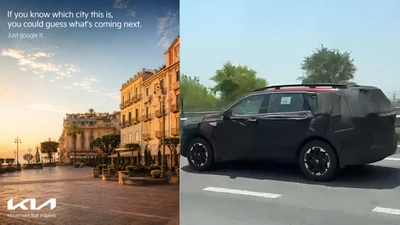
Kia Teases The New Sorento Ahead Of Its Launch
The Sorento will become Kia's new flagship SUV, positioned above the Seltos.
Arjun Nair
July 30, 2026
Featured
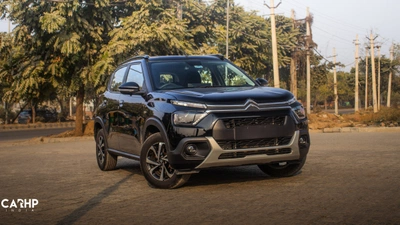
Citroen C3 Review: Who Should Consider This Car?
A few days ago, I took the Citroen C3X out for a spin in the city and on the highways. I travelled long distances and checked its fuel efficiency, features, comfort, and other factors. Today, I’ll briefly share my overall experience with the C3X and will tell you whether you should consider it or not and which is the most value-for-money variant of the lot.
Vatsal Agrawal
May 19, 2026
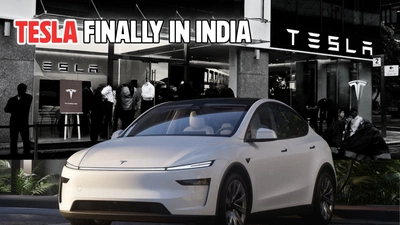
Tesla Finally In India Officially. Why Now And What Does It Mean For EVs?
The much-anticipated 2025 Tesla Model Y has officially arrived in India, marking a pivotal moment for the nation's burgeoning electric vehicle market. Launched on July 15, 2025, the Model Y Juniper facelift offers cutting-edge technology, impressive range, and signature Tesla performance. Positioned as a premium electric SUV, its entry will intensify competition and reshape consumer expectations for EVs across the subcontinent.
Charan Narain
July 17, 2025
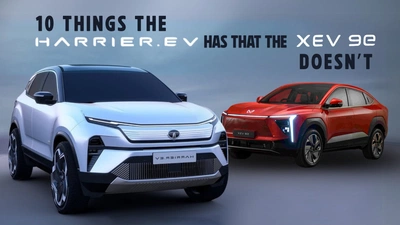
Here Are 10 Things The Harrier.EV Offers That The Mahindra XEV 9E Doesn't
The Harrier.EV is an incredible new offer from Tata. Its most popular competitor would be the Mahindra XEV 9E, priced similarly. With these two incredible offerings from home grown brands available, here is a list of everything the Harrier.EV offers that the XEV 9E doesn't.
Charan Narain
June 13, 2025
Write a comment
Comments
No comments yet. Be the first to comment!