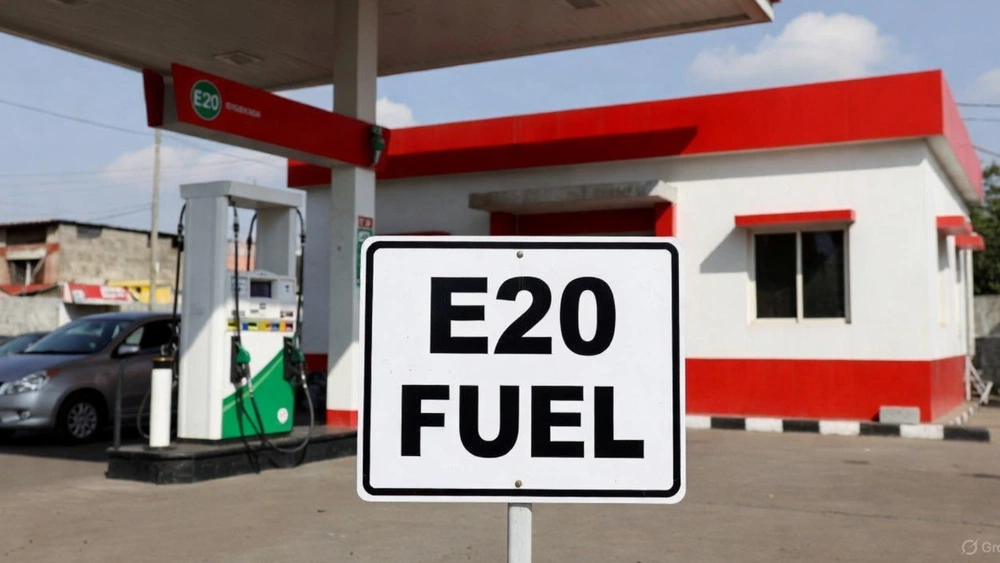
The government has announced that starting April 1, 2026, all petrol sold across India must be E20 grade with a minimum octane rating of 95, according to a report by The Economic Times.
This means fuel pumps across every state and Union Territory will dispense petrol blended with 20 percent ethanol, and it must meet at least 95 RON to ensure engine performance and efficiency.
The move is part of India’s broader push to accelerate ethanol adoption, reduce dependence on crude oil imports, and cut tailpipe emissions. A higher octane rating is intended to safeguard engines against knocking while maintaining smoother combustion, particularly in newer vehicles that are already calibrated for E20 compatibility.
“The central government hereby directs that oil companies shall sell ethanol-blended motor spirit (petrol) with percentage of ethanol up to 20% as per the Bureau of Indian Standards specifications and having a minimum Research Octane Number (RON) of 95 in states and the Union Territories.” -Ministry of Petroleum and Natural Gas of India
Over the past few years, carmakers have been updating engines and fuel systems to handle higher ethanol blends, with most recent petrol models designed to run on E20 without mechanical changes. However, older vehicles may experience marginal differences in fuel efficiency or component wear if not specifically tuned for higher ethanol content.
Also Read-
The mandate is also expected to benefit the agricultural sector, as ethanol production primarily relies on sugarcane and grain-based feedstock, creating stronger demand and supporting farmer incomes.
How will this mandate affect Pre E20 Cars?
For cars and bikes made before 2023, running on E20 petrol can have mixed outcomes. Older vehicles were not originally designed for a 20 % ethanol blend, so they might show a slight drop in fuel efficiency (typically around 3 – 7 %) and some owners report faster wear of rubber and plastic fuel system parts like seals, hoses and gaskets which to make matters worse might not covered in insurance.
Higher ethanol content can also attract moisture and could, over time, lead to corrosion or premature ageing of components in non-E20-ready vehicles. Industry sources say major engine damage isn’t common and warranties are generally honoured, but real-world experiences vary. Owners of classic bikes and older cars sometimes need ethanol-resistant replacement parts or retrofit options to improve long-term reliability
Image- Grok AI
Table of Contents
- How will this mandate affect Pre E20 Cars?
Join the Conversation
Trending
Land Rover Defender Gets Cheaper by Up to Rs 34 Lakh After Local Assembly
The Land Rover Defender 110 is now locally assembled in India, with prices starting at Rs 99 lakh. Here are the revised variant prices, engine options and key changes.
Anmol Kumar
October 27, 2026
Centre Approves E100 Fuel for Flex-Fuel Vehicles in India
India has approved E100 fuel for certified flex-fuel vehicles. Here is what the new rules mean for petrol car owners, mileage, fuel availability and upcoming flex-fuel cars.
Salil Kumar
October 27, 2026
Every Car With a Sunroof Under ₹15 Lakh
This list includes a variety of models, from premium hatchbacks to compact SUVs.
Arjun Nair
October 27, 2026
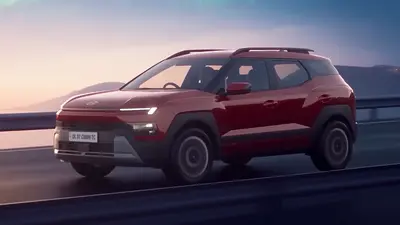
2026 Hyundai Bayon Every Variant Explained
The Hyundai Bayon gets seven variants priced from ₹9.99 lakh to ₹18 lakh. The HX5 offers the best balance, while the HX8 adds ventilated seats and the HX10 gets dual 12.3-inch displays and ADAS. Here’s what each variant offers and whether it’s worth the price.
Anmol Kumar
October 27, 2026

Universo Ferrari 2026 New Delhi: First India Exhibition Featuring Ferrari Luce EV, F80, F50, 12Cilindri, and More
Ferrari has brought Universo Ferrari to India for the first time at Yashobhoomi in Dwarka, New Delhi. The exhibition features the India debut of the all-electric Luce, the F80 hypercar, 12Cilindri models, Purosangue, racing cars like the 499P and SF-26, and classics including the F50. The show aims to connect with Indian enthusiasts and strengthen Ferrari’s presence in the luxury market.
Arjun Nair
October 27, 2026
Featured
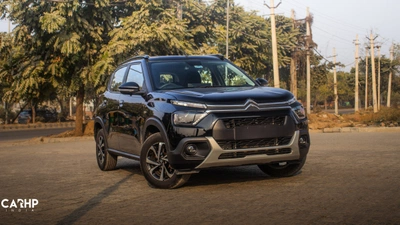
Citroen C3 Review: Who Should Consider This Car?
A few days ago, I took the Citroen C3X out for a spin in the city and on the highways. I travelled long distances and checked its fuel efficiency, features, comfort, and other factors. Today, I’ll briefly share my overall experience with the C3X and will tell you whether you should consider it or not and which is the most value-for-money variant of the lot.
Vatsal Agrawal
May 19, 2026
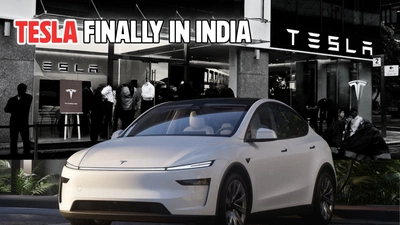
Tesla Finally In India Officially. Why Now And What Does It Mean For EVs?
The much-anticipated 2025 Tesla Model Y has officially arrived in India, marking a pivotal moment for the nation's burgeoning electric vehicle market. Launched on July 15, 2025, the Model Y Juniper facelift offers cutting-edge technology, impressive range, and signature Tesla performance. Positioned as a premium electric SUV, its entry will intensify competition and reshape consumer expectations for EVs across the subcontinent.
Author
July 17, 2025
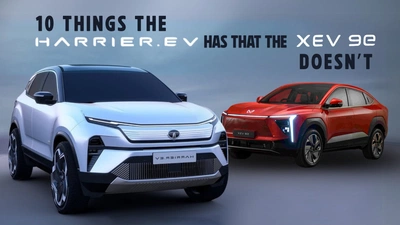
Here Are 10 Things The Harrier.EV Offers That The Mahindra XEV 9E Doesn't
The Harrier.EV is an incredible new offer from Tata. Its most popular competitor would be the Mahindra XEV 9E, priced similarly. With these two incredible offerings from home grown brands available, here is a list of everything the Harrier.EV offers that the XEV 9E doesn't.
Author
June 13, 2025
Write a comment
Comments
No comments yet. Be the first to comment!