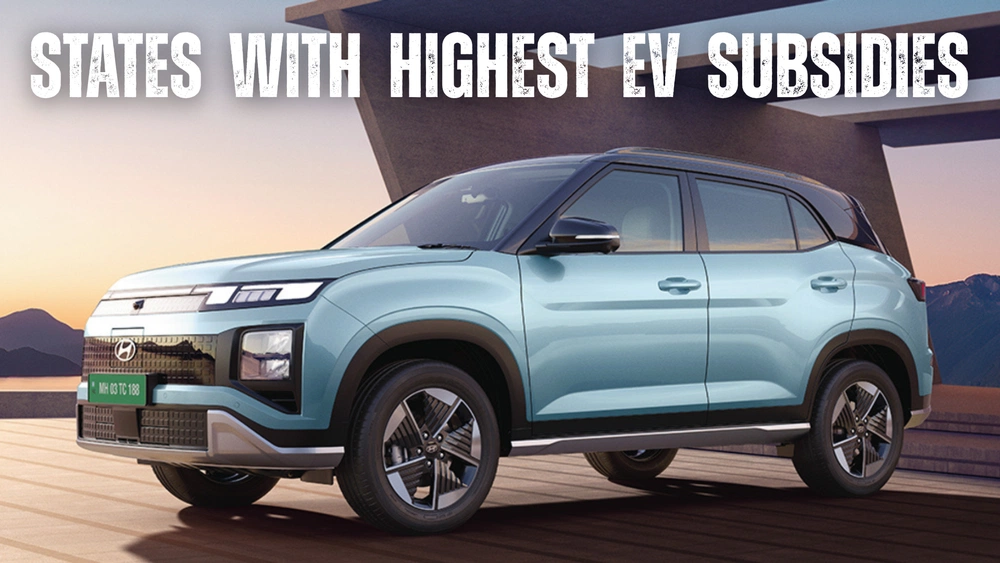
Electric vehicles are rapidly gaining popularity across India.
As of 2026, both the central government and many state governments are providing subsidies and incentives, with benefits including direct cash support, road tax exemptions, and registration fee waivers.
How Do EV Subsidies Work?
EV subsidies in India generally work in two layers. The central government offers incentives (PM E-DRIVE) based on battery capacity (usually per kWh), which are directly deducted from the vehicle price.
On top of this, state governments add their own benefits, such as cash subsidies (with a cap), full or partial exemptions from road tax, and waivers of registration fees. The total savings depend on the vehicle type, battery size, and the state where the vehicle is registered.
These incentives are usually applied at the time of purchase through authorised dealers.
Here is a clear look at the states offering the best EV subsidies in 2026.
| State | Electric Cars (Max Subsidy) | Electric Two-Wheelers (Max Benefit) | Road Tax Exemption | Registration Fee Waiver | Key Highlights |
|---|---|---|---|---|---|
| Maharashtra | Up to ₹1.5 lakh | Around ₹10,000 - ₹25,000 | 100% | Yes | High overall cap + toll waivers |
| Delhi | Up to ₹1.5 lakh | Up to ₹30,000 | 100% | Yes | Scrappage incentives |
| Gujarat | Up to ₹1.5 lakh | Up to ₹20,000 | 100% | Partial/Yes | Highest per kWh subsidy |
| Tamil Nadu | Varies (battery-based) | Up to ₹5,000 per kWh | 100% (limited period) | Yes | Strong manufacturing hub |
| Karnataka | Lower direct subsidy | Varies | 100% | Yes | Excellent charging network |
| Uttar Pradesh | Limited direct | Varies | 100% | Yes | Good tax waivers |
| Telangana | Limited direct | Varies | 100% | Yes | Benefits till end of 2026 |
| Assam/WB/Bihar | Up to ₹1.5 lakh | Up to ₹20,000 | 100% | Yes | Competitive per kWh support |
Maharashtra
Maharashtra offers strong incentives and leads in overall support for many EV buyers.
For electric cars, subsidies can reach up to Rs 1.5 lakh, along with benefits on two-wheelers of around Rs 10,000 to Rs 25,000 depending on the model. The state also provides full exemptions on road tax and registration fees.
Additional advantages, like toll waivers in some cases and support for charging infrastructure make it attractive, especially in cities like Mumbai and Pune.
Delhi
Delhi continues to provide attractive direct subsidies.
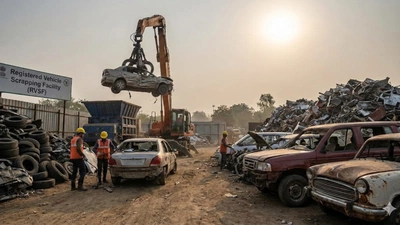
Buyers can get up to Rs 1.5 lakh for electric cars and around Rs 30,000 for two-wheelers. The policy also includes major scrappage incentives for those who replace old vehicles. Road tax exemptions and other benefits add further value.
This makes Delhi one of the top choices for personal EV buyers in the capital region.
Also Read - A Guide On How To get Your Vehicle Scrapped In 2026
Gujarat
Gujarat offers one of the highest per kWh subsidies in several categories, which can go up to Rs 1.5 lakh for cars.
Two-wheeler buyers may get benefits up to Rs 20,000. The state pairs these with good investment in charging stations across urban and rural areas.
This combination of purchase support and infrastructure helps buyers enjoy lower running costs.
Honourable Mentions
Tamil Nadu: It focuses on exemptions like road tax (often 100 per cent until certain periods) and registration benefits. As an EV manufacturing hub, it supports buyers through better availability and related incentives based on battery capacity.
Karnataka: The state provides exemptions on road tax and registration fees. While direct cash subsidies may be lower, its strong charging network in places like Bengaluru and long-term ecosystem support make ownership practical.
Uttar Pradesh and Telangana: These states offer full waivers on road tax and registration fees, which can significantly reduce the on-road price without direct subsidies. Telangana's benefits extend till the end of 2026 in many cases.
Other states like Assam, West Bengal, and Bihar also provide competitive per kWh subsidies (often around Rs 10,000) with caps up to Rs 1.5 lakh in some segments, along with tax exemptions.
Also Read - All You Need To Know About Vehicle Fitness Fees Increase
Common Doubts Regarding EV Subsidies
Can I register my EV in another state and use it in my state?
Unless you actually live in the state with the higher subsidy, your savings will likely be wiped out by travel costs, legal fees, and the risk of paying double road tax later for re-registration in your state. It is usually better to buy and register the vehicle in your own state, or wherever you actually intend to use it, to avoid unnecessary hassles.
Will EV rebate be credited to my bank account?
Yes, the state-specific cash incentive will be credited to your bank account through DBT (Direct Bank Transfer), especially if you are a resident of Delhi, Maharashtra, or Gujarat. The amount is credited once all your documents are verified and approved by the state's RTO.
If you have any other questions, feel free to ask in the comments below!
Note: Before buying, use an EV subsidy calculator or visit official government portals to get exact figures for your chosen model. This information is based on available policies in 2026. Confirm with authorised dealers or state offices for the latest and most accurate details, as policies can get updated.
Image Credits: Magnific
Table of Contents
- How Do EV Subsidies Work?
- Maharashtra
- Delhi
- Gujarat
- Honourable Mentions
- Common Doubts Regarding EV Subsidies
Join the Conversation
Trending
Everything You Need To Know About BS7 Emission Norms
India is gearing up for the next major leap in vehicle emission standards with Bharat Stage 7.
Arjun Nair
July 23, 2026
Which EV Charging Companies in India Have the Most Chargers?
EV adoption in any country is largely dependant on the availability of charging infrastructure.
Arjun Nair
July 21, 2026
Essential Features Every Car Should Have as Standard
Essential Features Every Car Should Have as Standard
Arjun Nair
July 13, 2026
Featured
Citroen C3 Review: Who Should Consider This Car?
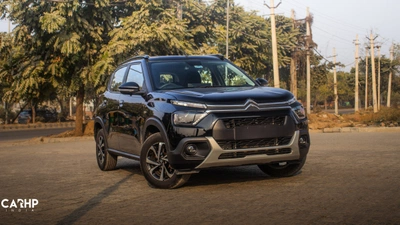
A few days ago, I took the Citroen C3X out for a spin in the city and on the highways. I travelled long distances and checked its fuel efficiency, features, comfort, and other factors. Today, I’ll briefly share my overall experience with the C3X and will tell you whether you should consider it or not and which is the most value-for-money variant of the lot.
Vatsal Agrawal
May 19, 2026
Tesla Finally In India Officially. Why Now And What Does It Mean For EVs?
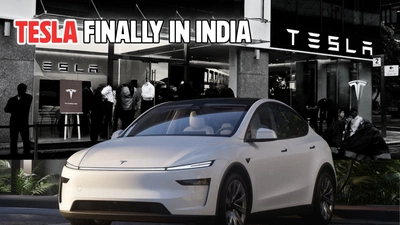
The much-anticipated 2025 Tesla Model Y has officially arrived in India, marking a pivotal moment for the nation's burgeoning electric vehicle market. Launched on July 15, 2025, the Model Y Juniper facelift offers cutting-edge technology, impressive range, and signature Tesla performance. Positioned as a premium electric SUV, its entry will intensify competition and reshape consumer expectations for EVs across the subcontinent.
Author
July 17, 2025
Here Are 10 Things The Harrier.EV Offers That The Mahindra XEV 9E Doesn't
The Harrier.EV is an incredible new offer from Tata. Its most popular competitor would be the Mahindra XEV 9E, priced similarly. With these two incredible offerings from home grown brands available, here is a list of everything the Harrier.EV offers that the XEV 9E doesn't.
Author
June 13, 2025
Write a comment
Comments
No comments yet. Be the first to comment!