How Much GST Do You Have To Pay On Vehicle Insurance in 2026?
By Salil Kumar
Published February 23, 2026
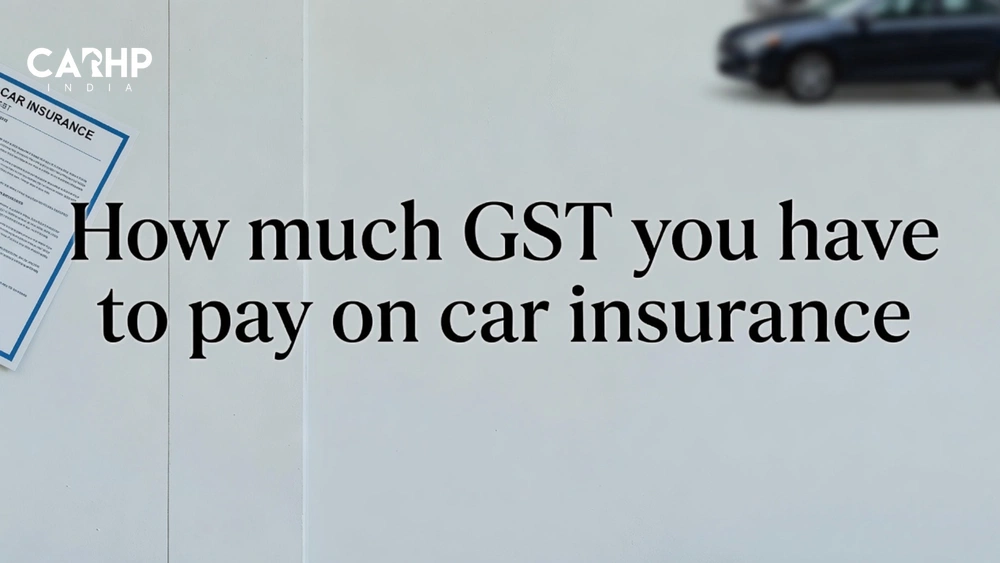
Goods and Services Tax (GST) significantly impacts various financial products in India, including car insurance.
Since the implementation of GST in 2017, motor insurance premiums for both cars and other vehicles have been subject to a uniform tax rate. As of 2026, the GST rate on car insurance remains 18% for most policies, including third party liability, comprehensive coverage, standalone own damage policies, and add on covers like zero depreciation, engine protection, or roadside assistance.
This 18% GST is applied to the entire base premium, which means the net premium before tax. It consists of 9% Central GST and 9% State GST for intra state transactions, or 18% Integrated GST for inter state ones. Unlike health and life insurance premiums, which were exempted from GST starting September 22, 2025 and reduced to 0% for individual policies, motor insurance including car insurance has not seen any reduction.
Recent GST reforms often referred to as GST 2.0 focused on rationalizing rates for goods like cars, for example small cars reduced to 18% and luxury cars increased up to 40%, but general insurance services like car and motor insurance continue at the standard 18% slab.
How Much GST Do You Pay on Car Insurance?
The GST amount is straightforward. It is 18% of the base premium. For example, if your car's annual comprehensive insurance premium excluding GST is ₹20,000, the GST will be ₹3,600, making the total payable ₹23,600 This applies equally to new purchases, renewals, and add ons. Third party premiums, which are mandated by law under the Motor Vehicles Act, also attract 18% GST.
Indirectly, recent changes in GST on cars themselves can slightly affect insurance costs. Lower GST on small and mid size cars reduces ex showroom prices, which in turn lowers the Insured Declared Value or IDV, the basis for own damage premiums. This can lead to marginally lower base premiums for new car buyers, although the 18% GST rate remains unchanged.
Can You Avoid Paying GST on Car Insurance?
There is no legal way for individual car owners to avoid or bypass the 18% GST on car insurance premiums. It is a mandatory tax on the service provided by insurers and premiums are always quoted inclusive of GST. Some misconceptions exist, such as delaying purchases or choosing specific insurers, but these do not eliminate GST.
The only limited exception applies in specific commercial or business contexts. In certain reforms, GST on third party insurance for goods carriages was rationalized, but this does not apply to private passenger cars. For personal use vehicles, GST is unavoidable and must be paid as part of the premium.
Can You Reclaim or Claim Back the GST?
For most individual owners using cars for personal purposes, the answer is no. You cannot reclaim the GST paid on car insurance. Under Section 17(5) of the Central Goods and Services Tax Act, input tax credit on motor vehicle related services including insurance is blocked for passenger vehicles with seating capacity up to 13 persons, which covers typical private cars.
However, businesses or GST registered entities may claim input tax credit in specific cases. If the car is used for business purposes such as transportation of passengers, goods delivery, driver training, or resale of vehicles, the GST paid on insurance premiums may qualify as input tax credit. Similarly, commercial vehicles or passenger vehicles with more than 13 seats may also be eligible. In these situations, the GST paid on premiums can be adjusted against output tax liability while filing GST returns.
For salaried individuals and personal car users, the GST component remains a final cost. There is no provision for refund or reclamation
Image Source- GROK(own work)
Table of Contents
- How Much GST Do You Pay on Car Insurance?
- Can You Avoid Paying GST on Car Insurance?
- Can You Reclaim or Claim Back the GST?
Join the Conversation
Trending
Everything You Need To Know About BS7 Emission Norms
India is gearing up for the next major leap in vehicle emission standards with Bharat Stage 7.
Arjun Nair
July 23, 2026
Which EV Charging Companies in India Have the Most Chargers?
EV adoption in any country is largely dependant on the availability of charging infrastructure.
Arjun Nair
July 21, 2026
Essential Features Every Car Should Have as Standard
Essential Features Every Car Should Have as Standard
Arjun Nair
July 13, 2026

Featured
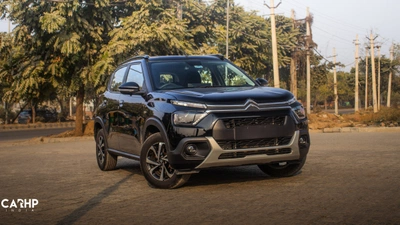
Citroen C3 Review: Who Should Consider This Car?
A few days ago, I took the Citroen C3X out for a spin in the city and on the highways. I travelled long distances and checked its fuel efficiency, features, comfort, and other factors. Today, I’ll briefly share my overall experience with the C3X and will tell you whether you should consider it or not and which is the most value-for-money variant of the lot.
Vatsal Agrawal
May 19, 2026
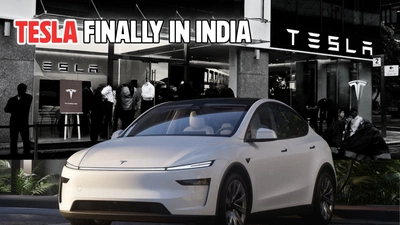
Tesla Finally In India Officially. Why Now And What Does It Mean For EVs?
The much-anticipated 2025 Tesla Model Y has officially arrived in India, marking a pivotal moment for the nation's burgeoning electric vehicle market. Launched on July 15, 2025, the Model Y Juniper facelift offers cutting-edge technology, impressive range, and signature Tesla performance. Positioned as a premium electric SUV, its entry will intensify competition and reshape consumer expectations for EVs across the subcontinent.
Author
July 17, 2025
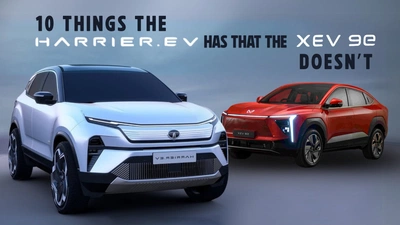
Here Are 10 Things The Harrier.EV Offers That The Mahindra XEV 9E Doesn't
The Harrier.EV is an incredible new offer from Tata. Its most popular competitor would be the Mahindra XEV 9E, priced similarly. With these two incredible offerings from home grown brands available, here is a list of everything the Harrier.EV offers that the XEV 9E doesn't.
Author
June 13, 2025
Write a comment
Comments
No comments yet. Be the first to comment!