
EMI Loading
Yamaha FZS-FI V4 Key Specifications
Yamaha FZS-FI V4 Variants & Prices
| Variant Details | Ex. Showroom Price | |
|---|---|---|
FZS-FI V4 STD Base Model | ₹ 1.20 Lakh* | |
FZS-FI V4 Deluxe Top Model | ₹ 1.20 Lakh* |
FZS-FI V4 STD
FZS-FI V4 Deluxe
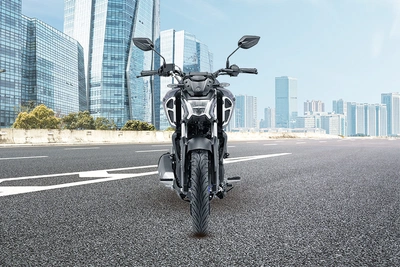
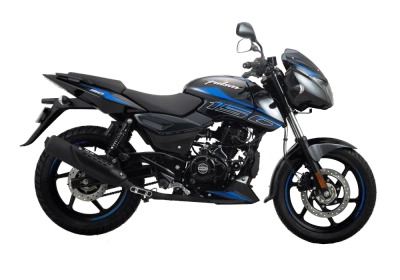
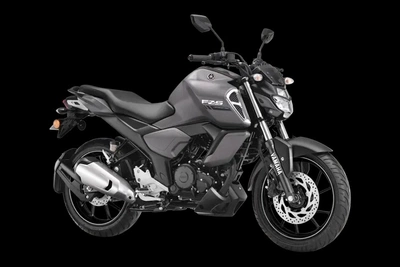
Yamaha FZS-FI V4 Comparison with similar Bikes
Pros & Cons of Yamaha FZS-FI V4
Things We Like
- Exceptionally refined and smooth engine, ideal for city commuting.
- Segment-first Traction Control System provides an excellent safety feature.
Things We Don't Like
- Engine performance is noticeably lower than all key competitors.
- Lacks dual-channel ABS, a feature offered by rivals.
Yamaha FZS-FI V4 Overview

Engine, Performance and Mileage
Engine, Performance and Mileage
The heart of the Yamaha FZS-FI V4 is its 149cc, single-cylinder, air-cooled, SOHC, fuel-injected engine, compliant with the latest emission norms. The specifications sheet reveals a power output of 12.4 PS at 7,250 rpm and a peak torque of 13.3 Nm at 5,500 rpm, paired with a 5-speed transmission. These figures are conservative when compared to key rivals in the 160cc category, which often produce 3-5 PS more power.
However, to evaluate this engine on raw numbers alone would be a misinterpretation of its intended purpose. In urban environments, its performance is characterized by exceptional refinement and tractability. The torque is accessible low in the rev range, facilitating smooth, clutch-light progress through dense traffic. The throttle response is linear and devoid of any abruptness, making it a forgiving motorcycle for new riders. On the highway, the engine feels most comfortable cruising between 70-85 km/h. Pushing beyond 90 km/h introduces noticeable strain and vibrations. The primary strength of this powertrain is its fuel efficiency; real-world figures consistently hover between 46-52 km/l, a crucial metric for the daily commuter.
posture comfort
posture comfort
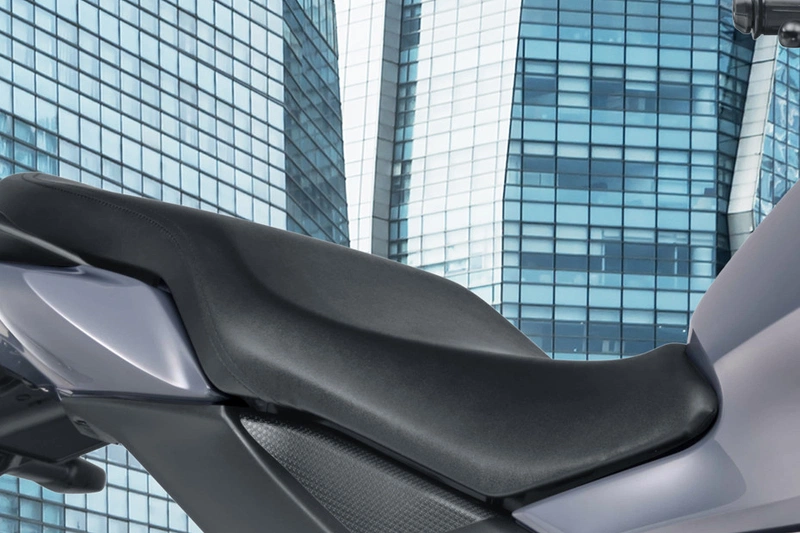
For a daily commuter, ergonomic comfort is a non-negotiable parameter. The FZS-FI V4 excels in this regard with its upright riding posture, facilitated by a single-piece handlebar and mid-set footpegs. This rider triangle minimizes strain on the wrists and back, making it suitable for long hours in the saddle. The single-piece seat is well-cushioned and spacious, providing ample comfort for both the rider and the pillion. At 790 mm, the seat height is accessible to a wide range of riders.
Pillion comfort is further addressed by practical grab rails and appropriately positioned footpegs. Heat management from the air-cooled engine is efficient, with no excessive heat directed towards the rider’s legs, even in stop-and-go traffic. The 13-litre fuel tank, combined with its commendable fuel efficiency, translates to a realistic range of over 550 kilometres, reducing the frequency of fuel stops. While there are no dedicated luggage mounting points, the flat and wide pillion seat allows for easy mounting of tail bags for occasional touring or carrying larger items. The overall package is thoughtfully designed for the realities of daily urban commuting.
handling ride quality
handling ride quality
Yamaha’s chassis engineering has historically been a strong point, and the FZS-FI V4 upholds this reputation. It is built on a diamond frame, supported by 41mm telescopic front forks and a 7-step adjustable monocross rear suspension. This setup is tuned for a compliant ride, effectively absorbing most urban road imperfections like potholes and expansion joints without unsettling the rider. The ride quality strikes a competent balance between plushness and stability. In city traffic, the motorcycle feels remarkably light and agile, with a kerb weight of 136 kg and a well-distributed centre of gravity, enabling quick directional changes. The wide, 140/60-R17 rear radial tyre provides a substantial contact patch, inspiring confidence during cornering and enhancing high-speed stability.
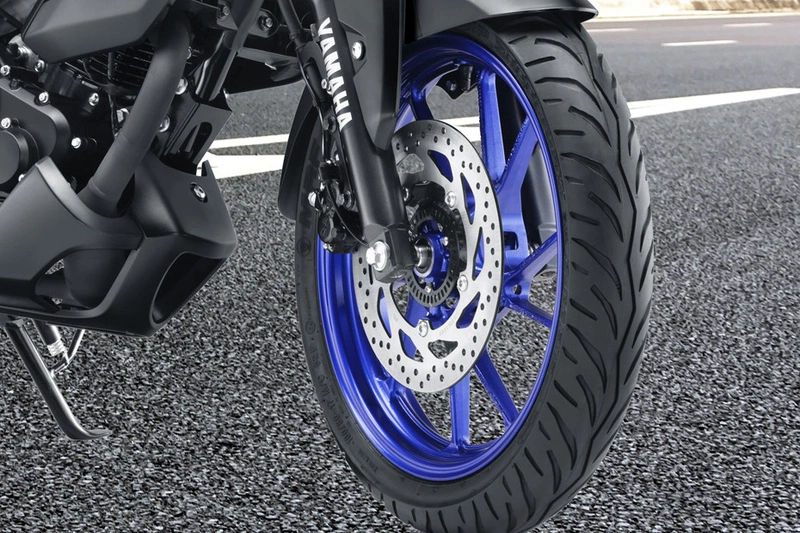
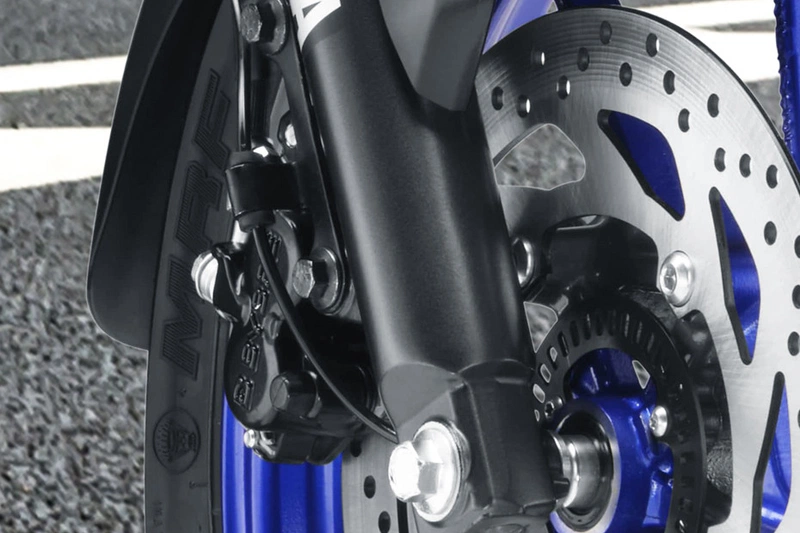
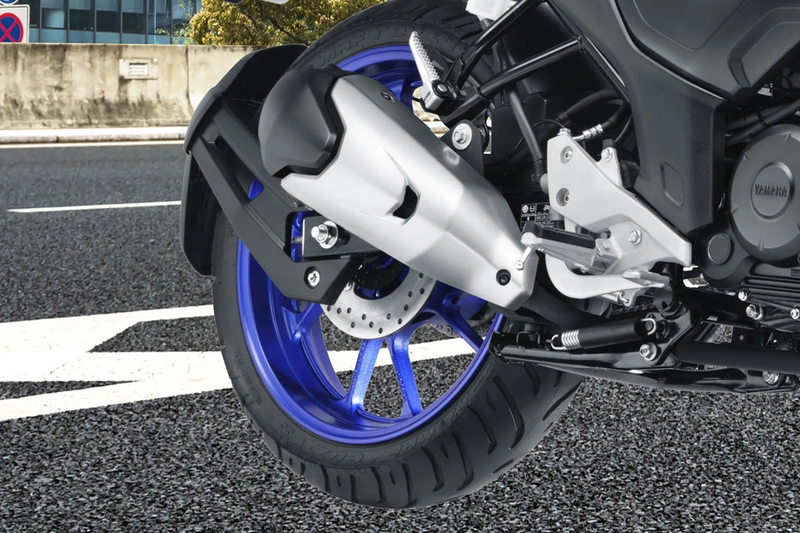
Braking duties are managed by a 282mm front disc and a 220mm rear disc. While the stopping power is adequate for the motorcycle’s performance envelope, the system is equipped only with single-channel ABS. This is a point of contention, as key competitors like the Bajaj Pulsar N160 now offer the superior safety net of dual-channel ABS in the same price bracket, providing better control during panic braking on compromised surfaces.
design
design
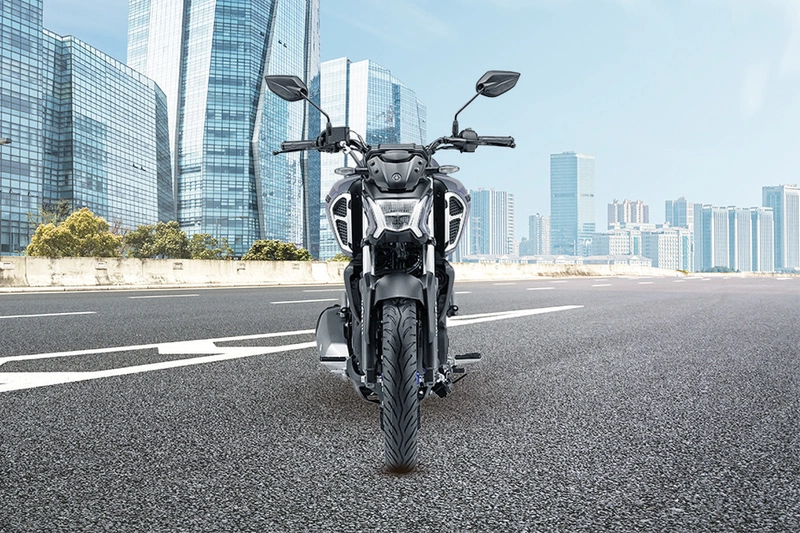
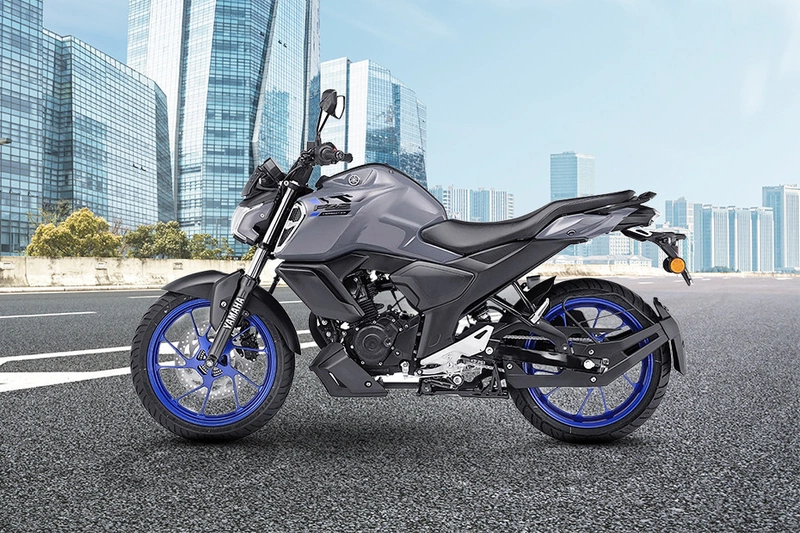
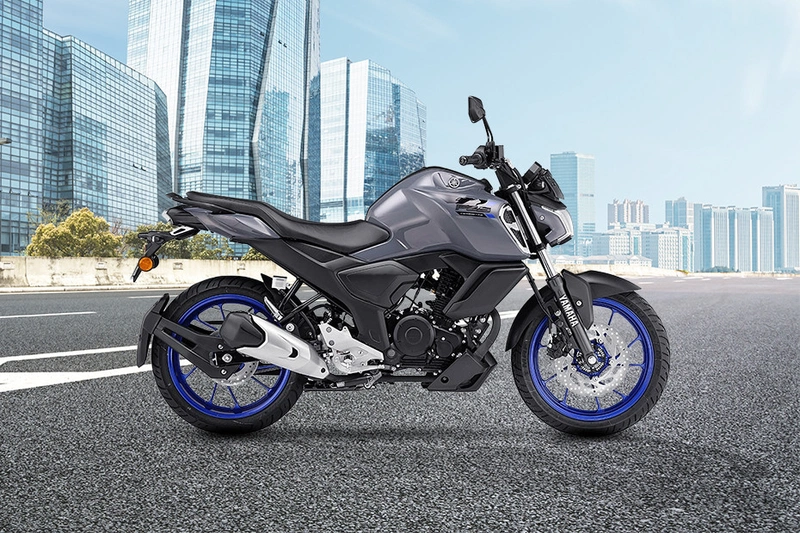
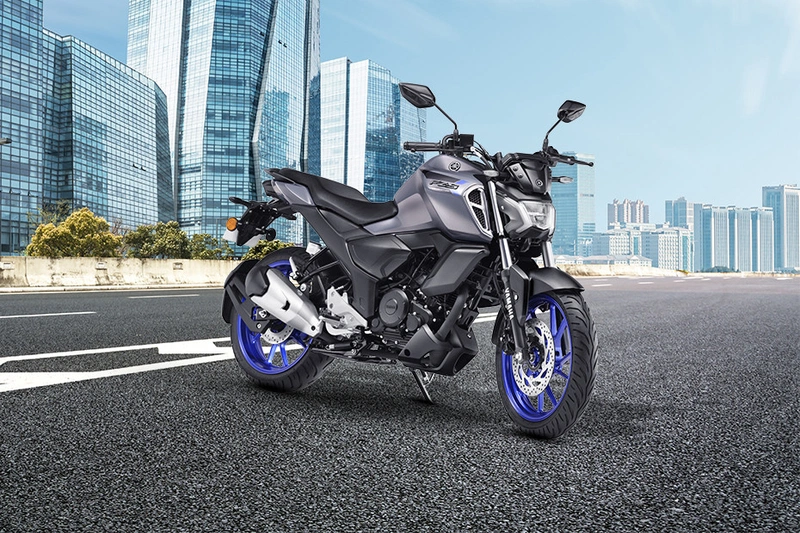
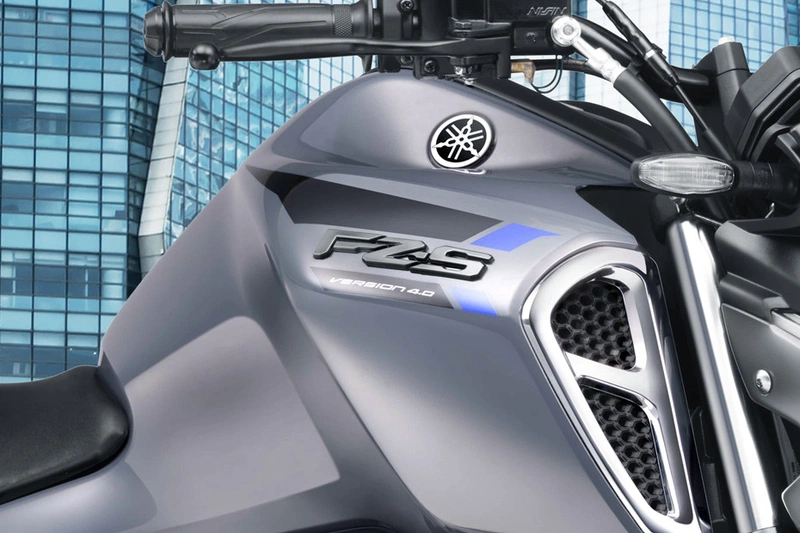
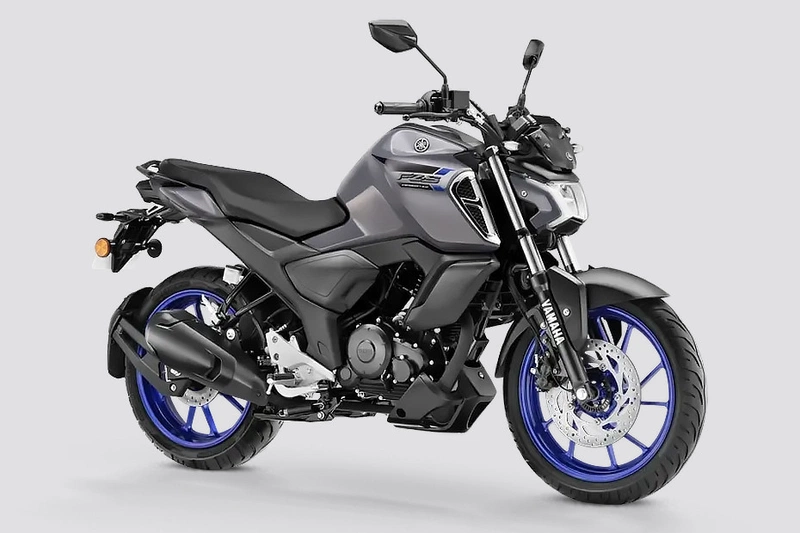
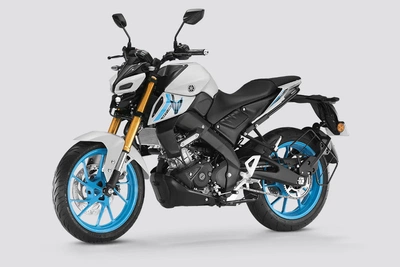
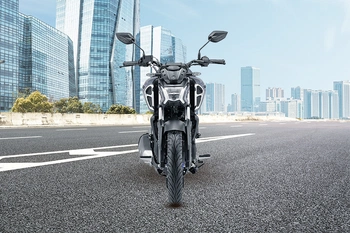
The FZS-FI V4 retains the familiar muscular FZ silhouette but incorporates several modern updates. The redesigned front fascia features a new LED headlamp with integrated LED DRLs, offering improved illumination and a more contemporary look. The sculpted 13-litre fuel tank with its pronounced shrouds lends the bike a substantial presence. A significant upgrade is the full-LCD negative display instrument cluster. While clear and legible, it omits a gear position indicator, a surprising oversight for a motorcycle in this segment. The cluster integrates Yamaha’s Y-Connect Bluetooth module, enabling smartphone connectivity.
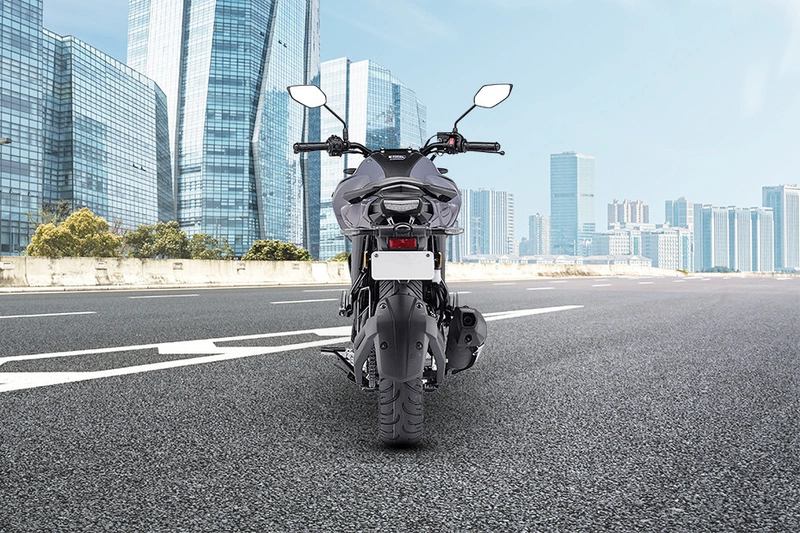
This system provides practical features such as call/SMS alerts, phone battery level, last parked location, and fuel consumption tracking via a dedicated app. These features are genuinely useful for the modern commuter. The taillight is also an LED unit, enhancing rear visibility. Further differentiating itself, the FZS-FI V4 is the first in its class to offer a Traction Control System (TCS), a feature typically reserved for higher-capacity motorcycles. This system electronically mitigates rear-wheel spin, adding a crucial layer of safety on unpredictable Indian road surfaces.
safety
safety
Yamaha has made a significant statement by equipping the FZS-FI V4 with a segment-first Traction Control System (TCS). While the engine's modest 12.4 PS output may not seem to warrant such technology, its inclusion is a proactive safety measure. On India’s often-unpredictable road surfaces—replete with loose gravel, sand, water patches, and oil spills—TCS provides a tangible safety benefit by preventing the rear wheel from spinning under acceleration, thereby averting a potential loss of control. This is particularly beneficial for riders of varying skill levels.
The primary braking system is supported by a single-channel Anti-lock Braking System (ABS), which acts only on the front wheel. While effective in preventing front-wheel lock-up during emergency braking, it falls short of the dual-channel ABS offered by some rivals, which provides more comprehensive anti-lock protection. Standard safety features include a side-stand engine cut-off switch. The full LED headlamp provides superior visibility during night rides compared to older halogen units, and the wide radial rear tyre contributes to better grip and stability, completing a safety package that is strong on electronic aids but standard on braking hardware.
competition
competition
The 150-160cc segment is fiercely contested, and the FZS-FI V4 faces several formidable rivals.
TVS Apache RTR 160 4V:
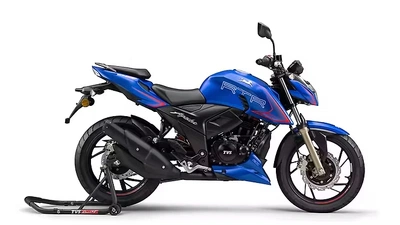
The Apache's primary differentiator is its performance-centric approach. Its 159.7cc, 4-valve, oil-cooled engine produces a significantly higher 17.55 PS. It also offers ride modes (Urban, Sport, Rain) and advanced features like TVS’s SmartXonnect system with turn-by-turn navigation, making it the choice for buyers seeking a sportier, more powerful, and feature-rich experience.
Bajaj Pulsar N160:
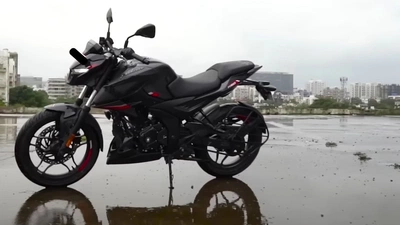
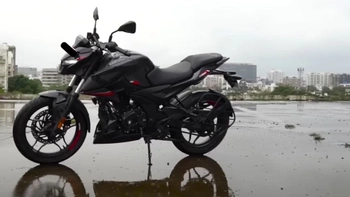
The Pulsar N160's key differentiator is its superior braking system. It is one of the few motorcycles in this class to offer dual-channel ABS, providing a significant safety advantage over the FZS-FI V4's single-channel setup. Its engine also delivers more power (16 PS) and torque, offering a punchier riding experience.
Hero Xtreme 160R 4V:
The Xtreme 160R 4V distinguishes itself with its aggressive styling and nimble handling. It is one of the lightest motorcycles in its category, making it an exceptionally agile city performer. Its 4-valve engine also produces a competitive 16.9 PS, offering a clear performance advantage over the Yamaha for spirited urban riding.
buying advice
buying advice
Who should buy it?
The urban commuter prioritizing engine refinement, build quality, comfortable ergonomics, and high fuel efficiency. It is ideal for riders who value the added safety net of Traction Control and brand reliability over outright performance and top-end speed.
Who should skip it?
Performance enthusiasts and highway tourers should look elsewhere. Riders who prioritize superior braking hardware will find competitors offering dual-channel ABS a more compelling option. The lack of a gear position indicator may also deter some buyers seeking modern conveniences.
Yamaha FZS-FI V4 Specifications & Features
Engine & Transmission
| Starting | Self Start Only |
| Engine Type | Air Cooled, 4-stroke, SOHC, 2-valve |
| Displacement | 149 cc |
| Max Torque | 13.3 Nm @ 5500 rpm |
| Number of Cylinders | 1 |
| Cooling System | Air Cooled |
| Fuel Supply | Fuel Injection |
| Gear Box | 5 Speed |
| Bore | 57.3 mm |
| Stroke | 57.9 mm |
| Compression Ratio | 9.6 : 1 |
| Emission Type | BS6.2 |
| Clutch | Wet, Multi-disc |
| Valve Per Cylinder | 2 |
| gear shifting pattern | 1 Down 4 Up |
| spark plugs per cylinder | 1 Per Cylinder |
Motor & Battery
| Drive Type | Chain Drive |
| Transmission | Manual |
| Peak Power | 12.4 PS @ 7250 rpm |
Mileage & Performance
| Overall Mileage | 46 kmpl |
Performance
| Top Speed | 115 kmph |
Chassis & Suspension
| Body Type | Sports Bikes |
Tyres & Brakes
| Front Brake Diameter | 282 mm |
| Rear Brake Diameter | 220 mm |
| Radial Tyre | |
| Front Tyre Pressure Rider | 28 psi |
| Front Tyre Pressure Rider Pillion | 28 |
| Rear Tyre Pressure Rider | 28 psi |
| Rear Tyre Pressure Rider Pillion | 28 |
Dimensions & Capacity
| Width | 780 mm |
| Length | 2000 mm |
| Height | 1080 mm |
| Fuel Capacity | 13 L |
| Ground Clearance | 165 mm |
| Wheelbase | 1330 mm |
| Kerb Weight | 136 Kg |
| Fuel Reserve | 2 L |
| Seat Height | 790 mm |
| pillion grab rail | |
| pillion seat |
Electricals
| Headlight | LED |
| Taillight | LED |
| Turn Signal Lamp | LED |
| Low Oil Indicator | |
| Low Fuel Indicator | |
| Drls |
Features & Safety
| Pass Switch | |
| Tachometer | Digital |
| Traction Control | |
| Engine Kill Switch | |
| hazard warning indicator | |
| high beam indicator | |
| malfunction indicator | |
| no of tripmeters | 2 |
| saree guard | |
| stand alarm | |
| vehicle location tracking |
Features
| Instrument Console | Digital |
| Speedometer | Digital |
| Tripmeter | Digital |
| Seat Type | Single |
| Clock | |
| Passenger Footrest | |
| Odometer | Digital |
| Call SMS Alerts | |
| brightness control | |
| digital display type | LCD |
App Features
| Calls & Messaging |
Underpinnings
| Suspension Front | Telescopic Fork |
| Suspension Rear | 7-Step Adjustable Monocross Suspension |
| Brakes Front | Disc |
| Brakes Rear | Disc |
| Tyre Size | Front :-100/80-17 Rear :-140/60-17 |
| Wheel Size | Front :-431.8 mm,Rear :-431.8 mm |
| Wheels Type | Alloy |
| Tubeless Tyre | 1 |
| ABS | Single Channel |
| Frame | Diamond Type |
| first service | 1000 Kms / 1 Month |
| second service | 4000 Kms / 5 Months |
| third service | 7000 Kms / 9 Months |
| fourth service | 10000 Kms |
| caliper front piston | 2 |
| caliper rear piston | 1 |
| Tyre Type | Tubeless |
Warranty
| Mobile Application | |
| Vehicle Warranty | 2 Years or 30,000 Km |
Yamaha FZS-FI V4 Price in Cities
₹ 1.41 Lakh - 1.41 Lakh
₹ 1.39 Lakh - 1.39 Lakh
₹ 1.36 Lakh - 1.37 Lakh
₹ 1.39 Lakh - 1.39 Lakh
₹ 1.35 Lakh - 1.35 Lakh
₹ 1.38 Lakh - 1.39 Lakh
₹ 1.39 Lakh - 1.39 Lakh
₹ 1.35 Lakh - 1.35 Lakh
₹ 1.41 Lakh - 1.42 Lakh
₹ 1.51 Lakh - 1.51 Lakh
Popular Brands





Yamaha FZS-FI V4 Comparisons
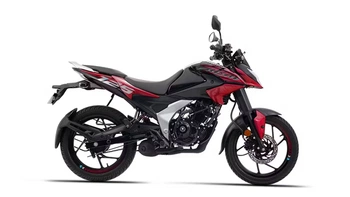
Yamaha FZS-FI V4
₹1.20 Lakh
Bajaj Pulsar N125
₹92,270
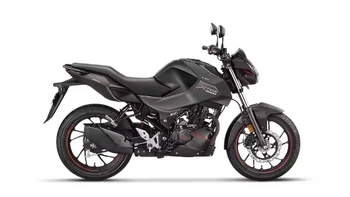
Yamaha FZS-FI V4
₹1.20 Lakh
Hero Xtreme 160R
₹1.09 Lakh
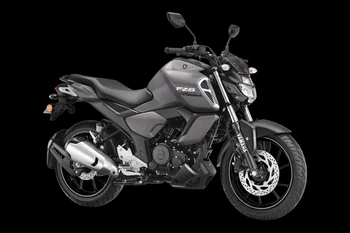
Yamaha FZS-FI V4
₹1.20 Lakh
Yamaha FZS-FI V3
₹1.13 - 1.14 Lakh
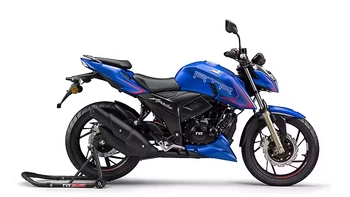
Yamaha FZS-FI V4
₹1.20 Lakh
TVS Apache RTR 200 4V
₹1.42 - 1.50 Lakh
Yamaha FZS-FI V4
₹1.20 Lakh
Bajaj Pulsar N160
₹1.22 - 1.31 Lakh
Yamaha FZS-FI V4
₹1.20 Lakh
Bajaj Pulsar 150
₹1.11 - 1.18 Lakh
Yamaha FZS-FI V4
₹1.20 Lakh
Yamaha MT 15 Version 2.0
₹1.63 - 1.72 Lakh
Yamaha FZS-FI V4
₹1.20 Lakh
Honda Hornet 2.0
₹1.48 Lakh
Yamaha FZS-FI V4
₹1.20 Lakh
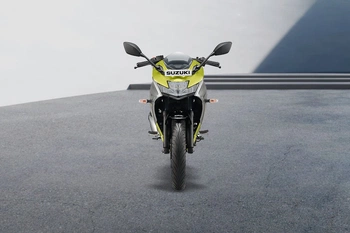
Suzuki Gixxer SF
₹1.39 Lakh
Yamaha FZS-FI V4
₹1.20 Lakh
Yamaha FZS-FI V3
₹1.13 - 1.14 Lakh