Delhi's No PUC, No Fuel Rule is a Good Effort, but is it Practical?
By Arjun Nair
Updated December 23, 2025
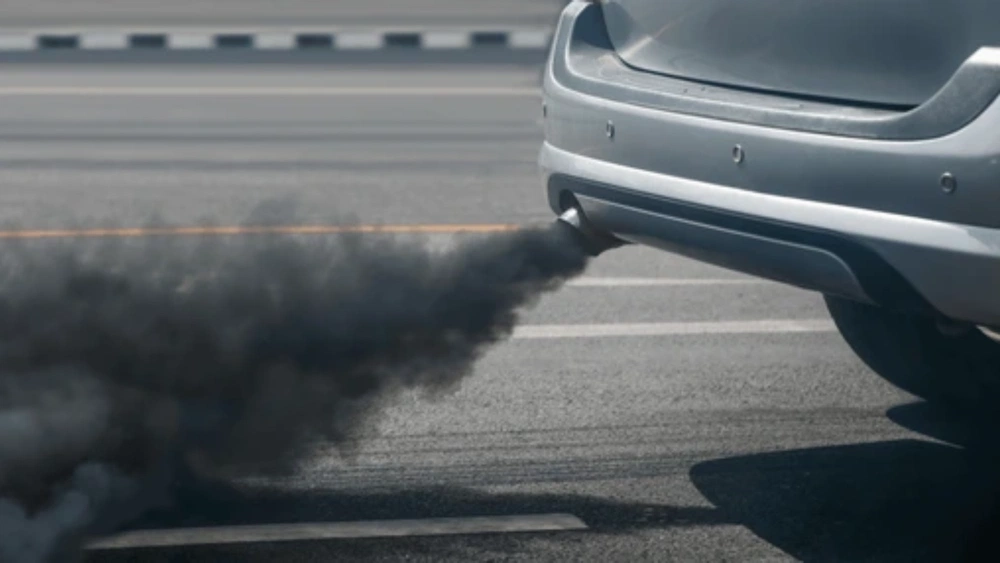
As Delhi chokes in smog, the Government has taken a bold step to make the air breathable, implementing a "No PUC, No Fuel" rule across the national capital. Under this initiative, motorists cannot get fuel refilled at any petrol pump without a valid Pollution Under Control (PUC) certificate.
This measure aims to cut down on emissions from old and unchecked vehicles, which add to the city's worsening air quality.
Why This Rule Matters
Air pollution in Delhi has reached alarming levels, with vehicles also playing a role in the problem. By making PUC checks mandatory before refuelling, the government hopes to force drivers to keep their vehicles emission-free. It also bars non-BS VI vehicles registered outside Delhi from entering the city, adding another layer of control.
Environment Minister Manjinder Singh Sirsa has led the charge. He held meetings with petrol pump owners and top traffic police officers to ensure everyone follows the rules from the very first day. The idea is simple: cleaner vehicles mean less smoke in the air, and less smoke means healthier lungs for millions of residents.
How the Rule Works in Practice
Enforcement starts right at the fuel stations. Petrol pump staff must check for a valid PUC certificate before filling up any tank. If a driver lacks one, they will be denied any fuel and have to drive away empty-handed.
To back this up, the Delhi government has set up 126 checkpoints, including at border points. Over 580 police officers man these spots, with help from 37 special Prakhar Vans equipped for quick checks. Transport department teams patrol petrol pumps and key entry roads. They use tools like Automatic Number Plate Recognition (ANPR) cameras and voice alerts at stations to spot violators fast. Police stand ready to step in, and fuel dealers face penalties if they ignore the rules.
On paper, this setup looks strong. It creates a web of checks that should catch most non-compliant vehicles and push owners to get their PUC renewed regularly.
Also Read: A List Of All The E20 Compatible Cars On Sale
Challenges on the Ground
While the rule sounds promising, putting it into action has not been the smoothest. The Delhi Petrol Dealers' Association (DPDA) backs the effort but points out real hurdles that could trip it up.
Firstly, petrol pump workers are supposed to handle fuel sales, and are not trained for law-enforcing duties. Denying fuel to impatient drivers could spark fights and cause law-and-order problems, as staff lack the authority to back their decisions.
Legal issues add to the worry. Fuel is an essential good under the Essential Commodities Act of 1955. Refusing it without clear legal cover might lead to court battles. The DPDA calls for changes to the law to protect dealers from such risks. They have also asked the government to skip fines for pump owners who try to follow the rule in good faith.
The tech side needs work too. The emission checking system feels outdated, with no live dashboard for ANPR cameras at fuel outlets. Past trial runs gave shaky data, and no solid test phase has happened yet. Moreover, pollution does not stop at Delhi's borders. It drifts in from nearby areas, so a Delhi-only rule might not fix the full picture without help from the entire National Capital Region (NCR).
The No PUC, No Fuel rule shows Delhi's will to fight back against air pollution. Yet, success depends on fixing the gaps. Upgrading systems, training staff, and teaming up with neighbouring regions could make it stronger.
Sources: NewsOnAir India, NDTV Auto
Table of Contents
- Why This Rule Matters
- How the Rule Works in Practice
- Challenges on the Ground
Join the Conversation
Trending
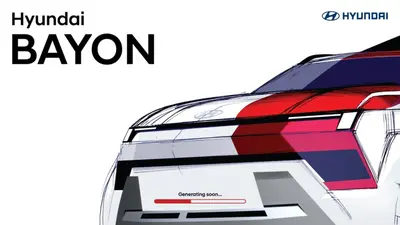
Hyundai BAYON Design Sketches Revealed Ahead of India Launch
Hyundai India has released the first design sketches of the BAYON, its upcoming mid-size SUV. The renders preview a sculpted exterior with H-Edge lighting and a tech-focused cabin ahead of what is expected to be a launch later this year.
Anmol Kumar
September 16, 2026
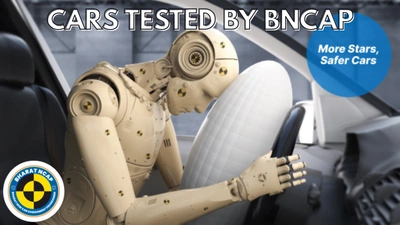
Safest Cars In India To Buy in 2026
A complete list of Bharat NCAP tested models, their adult and child occupant protection scores, and star ratings.
Salil Kumar
September 15, 2026
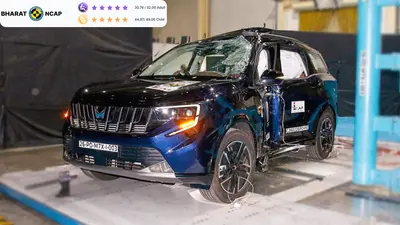
Mahindra XUV 7XO Scores 5 Stars in Bharat NCAP, Gets Near-Perfect Adult Safety Score
The Mahindra XUV 7XO has been awarded a 5-star Bharat NCAP rating, scoring 30.76 out of 32 for adult occupant protection and 44.97 out of 49 for child safety. The rating covers the full variant range, petrol and diesel both.
Arjun Nair
September 15, 2026
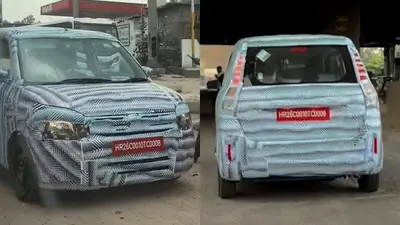
Maruti Wagon R Facelift Spied Testing With New Head and Tail Lights
The Wagon R facelift has been spotted testing in CNG and heavy camouflage. A fresh face, reworked rear, and a bigger touchscreen can be expected on one of India's best-selling hatchbacks.
Anmol Kumar
September 15, 2026
Maruti Suzuki Offering Up to Rs. 1.35 Lakh Benefits in September 2026
Maruti Suzuki's September 2026 Arena offers cover seven models, with the Victoris strong hybrid getting the highest benefits at Rs. 1.35 lakh. Here is the full breakdown, including fuel-type differences on the Wagon R, Alto K10, Swift, and Eeco.
Anmol Kumar
September 11, 2026
Featured
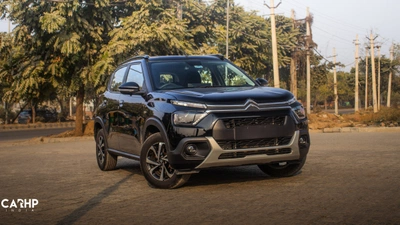
Citroen C3 Review: Who Should Consider This Car?
A few days ago, I took the Citroen C3X out for a spin in the city and on the highways. I travelled long distances and checked its fuel efficiency, features, comfort, and other factors. Today, I’ll briefly share my overall experience with the C3X and will tell you whether you should consider it or not and which is the most value-for-money variant of the lot.
Vatsal Agrawal
May 19, 2026
Tesla Finally In India Officially. Why Now And What Does It Mean For EVs?
The much-anticipated 2025 Tesla Model Y has officially arrived in India, marking a pivotal moment for the nation's burgeoning electric vehicle market. Launched on July 15, 2025, the Model Y Juniper facelift offers cutting-edge technology, impressive range, and signature Tesla performance. Positioned as a premium electric SUV, its entry will intensify competition and reshape consumer expectations for EVs across the subcontinent.
Charan Narain
July 17, 2025
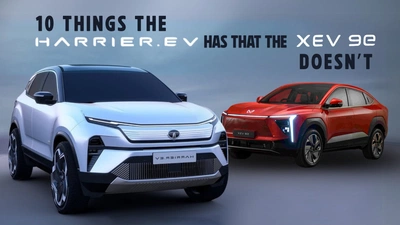
Here Are 10 Things The Harrier.EV Offers That The Mahindra XEV 9E Doesn't
The Harrier.EV is an incredible new offer from Tata. Its most popular competitor would be the Mahindra XEV 9E, priced similarly. With these two incredible offerings from home grown brands available, here is a list of everything the Harrier.EV offers that the XEV 9E doesn't.
Charan Narain
June 13, 2025
Write a comment
Comments
No comments yet. Be the first to comment!