
EMI Loading
Yamaha FZ-FI Version 3.0 Key Specifications
Yamaha FZ-FI Version 3.0 Variants & Prices
| Variant Details | Ex. Showroom Price | |
|---|---|---|
FZ-FI Version 3.0 STD115 kmph | 49.3 kmpl | 149 cc | ₹ 1.11 Lakh* |
FZ-FI Version 3.0 STD
Pros & Cons of Yamaha FZ-FI Version 3.0
Things We Like
- Excellent chassis and suspension setup offer superb handling and stability.
- Highly refined engine with linear power delivery for city riding.
Things We Don't Like
- Engine performance figures are among the lowest in the 160cc class.
- Lacks dual-channel ABS, a feature offered by key competitors.
Yamaha FZ-FI Version 3.0 Overview

Engine, Performance and Mileage
Engine, Performance and Mileage
The heart of the Yamaha FZ-FI V3.0 is its 149cc, single-cylinder, air-cooled, fuel-injected engine, now compliant with BS6 Phase 2 and E20 fuel norms. The specifications, however, are a point of contention for enthusiasts. It produces a modest 12.4 PS at 7,250 rpm and 13.3 Nm of torque at 5,500 rpm. These figures are significantly lower than competitors like the TVS Apache RTR 160 4V, which offers over 17 PS. On paper, the FZ appears underpowered, a departure from the original 14 PS FZ16 that defined the segment.
However, real-world performance is dictated by power delivery, not just peak numbers. The engine's strength is its tractability. The torque is accessible low in the rev range, making city commuting effortless. The throttle response is crisp and linear, and the 5-speed gearbox is smooth, requiring minimal gear changes in dense traffic. Refinement is exceptional, with negligible vibrations at city speeds. On the highway, the engine feels strained beyond 85-90 km/h, making it suitable for occasional short tours rather than long-distance cruising. Fuel efficiency is a strong suit, with real-world figures consistently hovering between 45-50 kmpl, a direct benefit of its de-tuned, efficiency-focused engineering.
posture comfort
posture comfort
Yamaha has engineered the FZ-FI V3.0 with a clear focus on rider and pillion comfort for daily commutes. The riding posture is upright and relaxed, thanks to a well-positioned, single-piece handlebar and mid-set footpegs. This rider triangle minimises strain on the back and wrists, making it suitable for long hours in traffic. A significant improvement over the V2 model is the single-piece seat. It is wide, well-cushioned, and spacious for both the rider and the pillion, eliminating the cramped and often uncomfortable perch of the previous split-seat design. The seat height is an accessible 790mm, allowing riders of average height to plant their feet firmly on the ground.
The pillion is provided with a practical and easy-to-use grab rail. As an air-cooled engine, heat management is generally excellent, with no excessive heat directed towards the rider's legs even in stop-and-go traffic conditions. For a motorcycle, practicality is adequate for its intended use case. While it lacks built-in storage, the flat and long pillion seat makes it relatively easy to mount a tail bag for short trips. The overall package is a well-thought-out commuter that prioritises ergonomic comfort over aggressive, sporty posturing.
handling ride quality
handling ride quality
Where the FZ-FI V3.0 lags in engine output, it decisively leads in ride and handling dynamics. The motorcycle is built around a diamond frame, complemented by a robust suspension setup: 41mm telescopic front forks and a 7-step adjustable monocross rear suspension. The front forks are the thickest in the segment, providing excellent front-end feel and rigidity, which translates to superior stability during braking and cornering. In the city, the ride is firm but compliant, absorbing minor road imperfections without unsettling the rider. It is not as plush as some rivals, but it never feels harsh. This firmness pays dividends on open roads, where the FZ remains incredibly planted at higher speeds. Its agility is noteworthy; the wide handlebar and well-balanced chassis make filtering through traffic intuitive.
The braking hardware consists of a 282mm front disc and a 220mm rear disc, governed by a single-channel ABS on the front wheel. While braking is progressive and offers adequate stopping power, the absence of a dual-channel ABS option is a significant omission, especially when key rivals like the Bajaj Pulsar N160 offer it as standard, providing superior safety by preventing rear-wheel lock-ups during panic braking situations. The wide 140/60-R17 rear radial tyre further aids stability and grip.
design
design
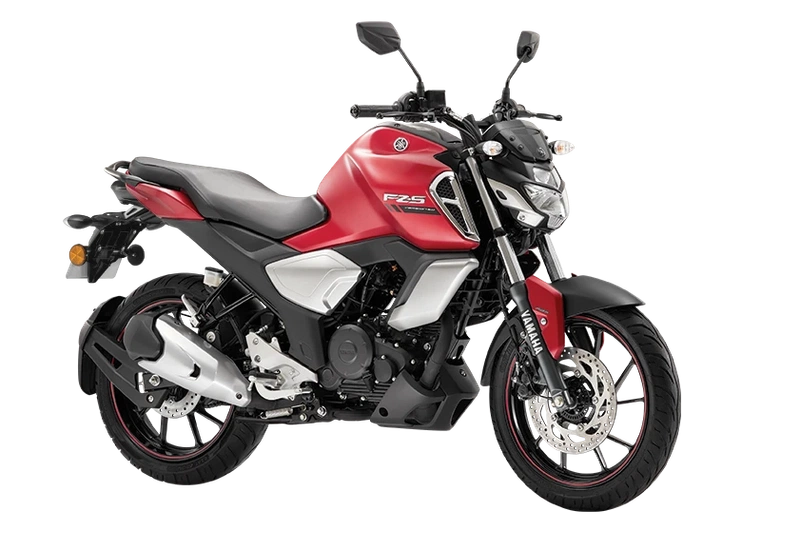
The FZ-FI V3.0 retains the muscular, forward-mass design language that has been its hallmark since its inception. The sculpted fuel tank with its faux air intakes gives the motorcycle a substantial presence that belies its 149cc displacement. The build quality, fit, and finish are of a high standard, with consistent panel gaps and quality materials used throughout. The lighting system is all-LED, including the headlamp and tail lamp, which provides good illumination and a modern aesthetic. The instrument cluster is a negative LCD unit that displays essential information like speed, RPM, a trip meter, and a fuel gauge. However, it notably omits a gear position indicator, a feature that is becoming standard in this segment and is highly useful for new riders.
The FZ-S FI variant introduces Yamaha's Y-Connect Bluetooth connectivity. This system pairs with a smartphone to offer features such as call and SMS alerts on the dash, last parked location, fuel consumption tracking, and maintenance recommendations. While useful, these features feel more supplementary than essential. The core equipment level is functional but falls short of competitors who offer ride modes, adjustable levers, or integrated USB charging ports, positioning the FZ as a motorcycle focused more on core engineering than an exhaustive feature list.
safety
safety
The safety suite on the Yamaha FZ-FI V3.0 is a mixed bag, meeting regulatory standards while leaving room for improvement. The primary safety feature is a single-channel Anti-lock Braking System (ABS), which operates only on the front wheel. This system effectively prevents the front wheel from locking up during hard braking, a critical safety net that significantly reduces the risk of a frontal skid, especially on wet or loose surfaces. However, as competitors increasingly offer dual-channel ABS, which also prevents rear-wheel lock-up, the FZ's single-channel setup feels like a cost-cutting measure.
A crucial addition to the BS6 Phase 2 model is the Traction Control System (TCS). This system monitors wheel speed and cuts engine power to prevent the rear wheel from spinning during aggressive acceleration on low-grip surfaces like gravel or wet patches. While its utility on a 12.4 PS motorcycle is debatable, it adds an extra layer of safety for inexperienced riders. Other standard safety features include a side-stand engine cut-off switch. Visibility is enhanced by the bright LED headlamp and tail lamp. The bike's inherent stability, aided by its robust chassis and wide 140-section rear tyre, also contributes passively to rider safety by providing a predictable and confident handling experience.
competition
competition
The 150-160cc segment is fiercely contested, and the FZ-FI V3.0 faces several formidable rivals. Each competitor offers a distinct advantage, catering to different buyer priorities.
TVS Apache RTR 160 4V:
This motorcycle is the undisputed performance benchmark in this category. Its 159.7cc, 4-valve, oil-cooled engine produces over 17.6 PS, offering significantly stronger acceleration and a higher top speed than the FZ. It also comes equipped with ride modes (Urban, Sport, Rain) and a SmartXonnect system with more comprehensive features, making it the clear choice for buyers prioritising outright performance and technology.
Bajaj Pulsar N160:
The Pulsar N160's key differentiator is its focus on safety and value. It is one of the few motorcycles in this class to offer dual-channel ABS as standard on its top variant, providing superior braking safety. Combined with a competitive price, a modern design, a torque-rich engine, and features like a USB charging port, it presents a very strong value-for-money proposition.
Honda Hornet 2.0:
Positioned as a more premium offering, the Hornet 2.0 distinguishes itself with superior hardware. It features a larger 184.4cc engine that delivers more torque, and more notably, premium golden upside-down (USD) front forks. This hardware not only enhances its visual appeal but also provides a more sophisticated ride and handling experience, appealing to buyers who are willing to pay a premium for better components.
buying advice
buying advice
Who should buy it?
The ideal buyer is a city-based commuter who values engine refinement, build quality, and exceptional handling stability above all else. This rider prioritises a comfortable, reliable, and confidence-inspiring daily machine from a reputable brand and is not focused on winning traffic-light sprints.
Who should skip it?
Performance-focused riders or those seeking the latest features like dual-channel ABS and riding modes should look elsewhere. Competitors like the TVS Apache RTR 160 4V or Bajaj Pulsar N160 offer more power and superior safety features for a similar or lower price.
Yamaha FZ-FI Version 3.0 Specifications & Features
Engine & Transmission
| Starting | Self Start Only |
| Engine Type | Air cooled, 4-stroke, SOHC, 2-valve |
| Displacement | 149 cc |
| Max Torque | 13.3 Nm @ 5500 rpm |
| Number of Cylinders | 1 |
| Cooling System | Air Cooled |
| Fuel Supply | Fuel Injection |
| Gear Box | 5 Speed |
| Bore | 57.3 mm |
| Stroke | 57.9 mm |
| Compression Ratio | 9.6 : 1 |
| Emission Type | BS6.2 |
| Clutch | Wet, multi-disc |
| Valve Per Cylinder | 2 |
| gear shifting pattern | 1 Down 4 Up |
| spark plugs per cylinder | 1 Per Cylinder |
Motor & Battery
| Drive Type | Chain Drive |
| Transmission | Manual |
| Peak Power | 12.4 PS @ 7250 rpm |
Mileage & Performance
| Overall Mileage | 49.3 kmpl |
Performance
| Top Speed | 115 kmph |
Chassis & Suspension
| Body Type | Sports Bikes |
Tyres & Brakes
| Front Brake Diameter | 282 mm |
| Rear Brake Diameter | 220 mm |
| Front Tyre Pressure Rider | 26 psi |
| Front Tyre Pressure Rider Pillion | 26 |
| Rear Tyre Pressure Rider | 30 psi |
| Rear Tyre Pressure Rider Pillion | 30 |
Dimensions & Capacity
| Width | 790 mm |
| Length | 1990 mm |
| Height | 1080 mm |
| Fuel Capacity | 13 L |
| Ground Clearance | 165 mm |
| Wheelbase | 1330 mm |
| Kerb Weight | 135 Kg |
| Fuel Reserve | 2 L |
| Seat Height | 790 mm |
| pillion grab rail | |
| pillion seat |
Electricals
| Headlight | LED |
| Taillight | Bulb |
| Turn Signal Lamp | Bulb |
| Low Fuel Indicator | |
| Drls |
Features & Safety
| Pass Switch | |
| Additional Features | ECO Indicator |
| Tachometer | Digital |
| Engine Kill Switch | |
| hazard warning indicator | |
| high beam indicator | |
| malfunction indicator | |
| no of tripmeters | 2 |
| saree guard | |
| stand alarm |
Features
| Instrument Console | Digital |
| Speedometer | Digital |
| Tripmeter | Digital |
| Seat Type | Split |
| Clock | |
| Anti Theft Alarm | |
| Passenger Footrest | |
| Navigation | |
| Odometer | Digital |
| digital display type | LCD Connectivity |
App Features
| Navigation Assist |
Underpinnings
| Suspension Front | Telescopic fork |
| Suspension Rear | 7-Step Adjustable Monocross Suspension |
| Brakes Front | Disc |
| Brakes Rear | Disc |
| Tyre Size | Front :-100/80-17,Rear :-140/60-17 |
| Wheel Size | Front :-431.8 mm,Rear :-431.8 mm |
| Wheels Type | Alloy |
| Tubeless Tyre | 1 |
| ABS | Single Channel |
| Frame | Diamond |
| first service | 1000 Kms/30 Days |
| second service | 4000 Kms/150 Days |
| third service | 7000 Kms/270 Days |
| fourth service | 10000 Kms |
| caliper front piston | 2 |
| caliper rear piston | 1 |
| Tyre Type | Tubeless |
Warranty
| Vehicle Warranty | 2 Years or 30,000 Km |