
EMI Loading
Honda Unicorn Key Specifications
Honda Unicorn Variants & Prices
| Variant Details | Ex. Showroom Price | |
|---|---|---|
Unicorn STD106 kmph | 50 kmpl | 162.71 cc | ₹ 1.14 Lakh* |
Unicorn STD
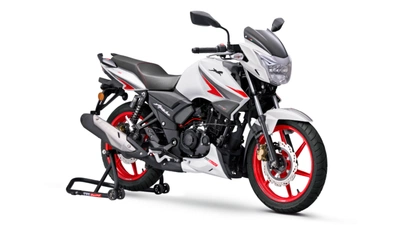
Honda Unicorn Comparison with similar Bikes

Pros & Cons of Honda Unicorn
Things We Like
- Exceptionally refined and butter-smooth 162.7cc engine performance.
- Superior ride quality with a well-tuned monoshock suspension.
Things We Don't Like
- Completely dated design that has seen minimal updates over years.
- Lacks essential modern features like LED lights and a digital console.
Honda Unicorn Overview

Engine, Performance and Mileage
Engine, Performance and Mileage
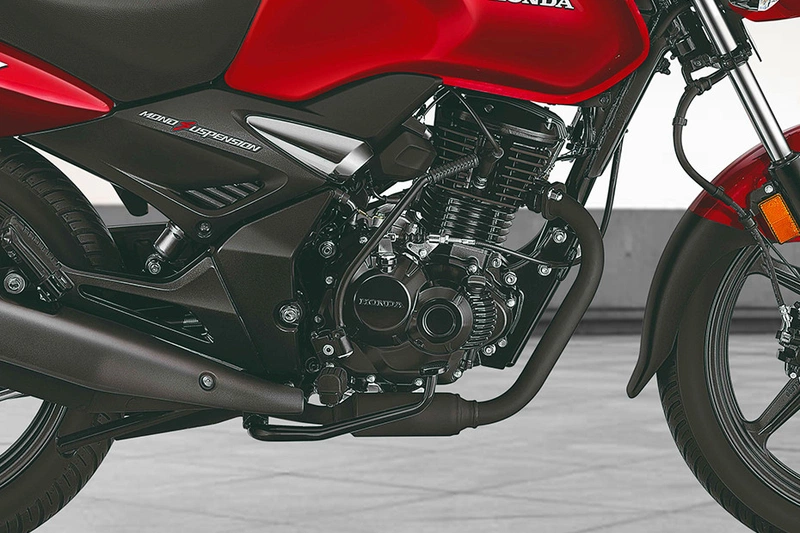
The Honda Unicorn is powered by a 162.7cc, single-cylinder, air-cooled engine compliant with BS6 Phase 2 norms. This fuel-injected motor produces 13.46 PS of power at 7,500 rpm and a substantial 14.58 Nm of torque at a low 5,500 rpm. It is mated to a 5-speed transmission. The specifications themselves do not lead the segment in peak power; for instance, the TVS Apache RTR 160 2V produces a higher 16.04 PS. However, the Unicorn’s engineering focus is not on outright performance but on tractability and refinement. The early torque delivery makes it exceptionally well-suited for urban commuting. In city traffic, minimal gear changes are required, as the engine provides a smooth, linear pull from low revs without any shuddering. Throttle response is crisp yet forgiving, a hallmark of Honda’s PGM-Fi system.
On the highway, the motorcycle comfortably maintains speeds of 80-90 km/h, but feels strained beyond this. The true standout characteristic is its refinement. Vibrations are almost non-existent through the handlebars and footpegs, even at higher revs, setting a benchmark in the segment. In terms of fuel efficiency, real-world figures consistently hover between 50-55 kmpl, which, combined with a 13-litre fuel tank, offers a practical range of over 650 km.
posture comfort
posture comfort
Comfort is arguably the Unicorn’s most compelling selling point. The ergonomics are dictated by a tall, wide handlebar and neutrally positioned footpegs, which result in a completely upright and relaxed riding posture. This rider triangle minimises strain on the back and wrists, making it ideal for long daily commutes. The single-piece seat is a standout feature; it is long, wide, and exceptionally well-cushioned for both the rider and the pillion. With a seat height of 798mm, it is accessible to a wide range of riders. Pillion comfort is further enhanced by a practical and easy-to-hold grab rail. From a practical perspective, the 13-litre fuel tank is a major advantage, providing excellent tank range and reducing the frequency of fuel stops.
The ground clearance of 187mm is generous and more than sufficient to clear the tallest speed-breakers and navigate broken roads without scraping the underbelly. Heat management from the simple air-cooled engine is efficient, with no noticeable heat directed towards the rider’s legs, even in dense, slow-moving traffic. The Unicorn is a fundamentally practical machine, designed to make the daily commute as comfortable and hassle-free as possible.
handling ride quality
handling ride quality
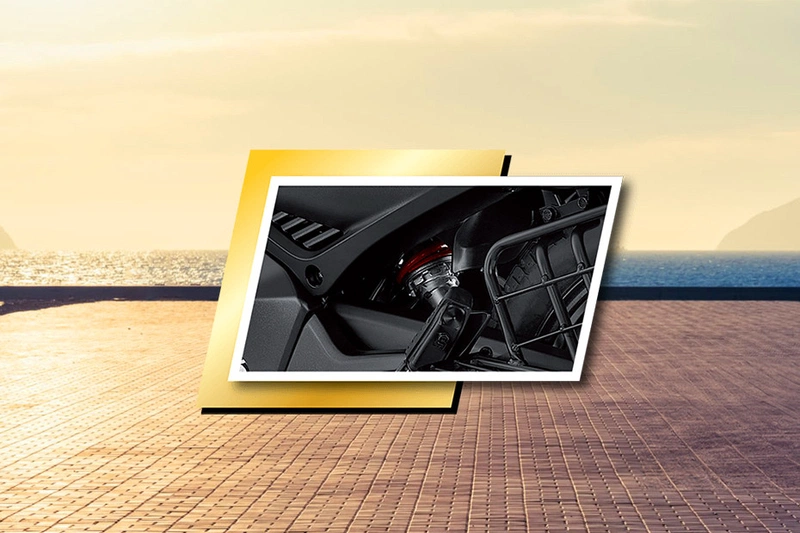
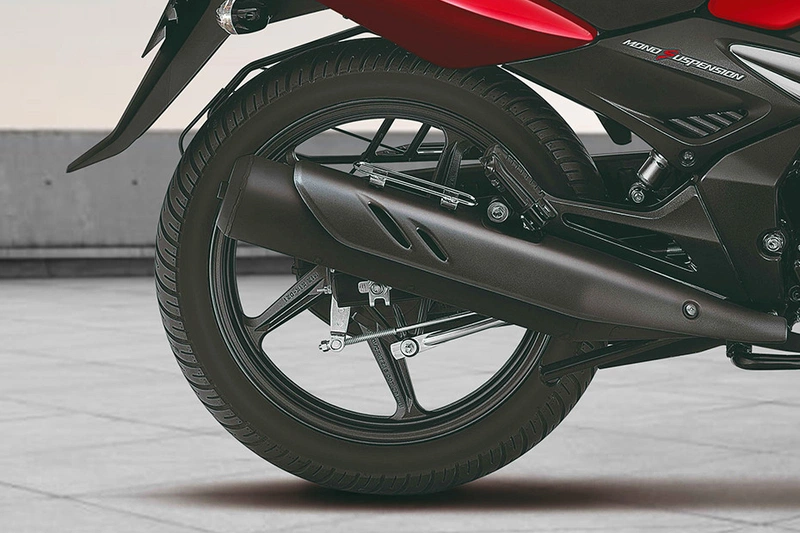
The Unicorn’s chassis and suspension setup is engineered explicitly for ride comfort. It is built on a diamond-type frame, with a conventional telescopic fork at the front and a monoshock at the rear. This monoshock setup, a feature it pioneered in the segment, is a significant contributor to its composed ride quality. The suspension is tuned on the softer side, allowing it to absorb road imperfections, potholes, and undulations with remarkable efficiency. This makes it an excellent choice for navigating the often-poor road conditions in Indian cities.
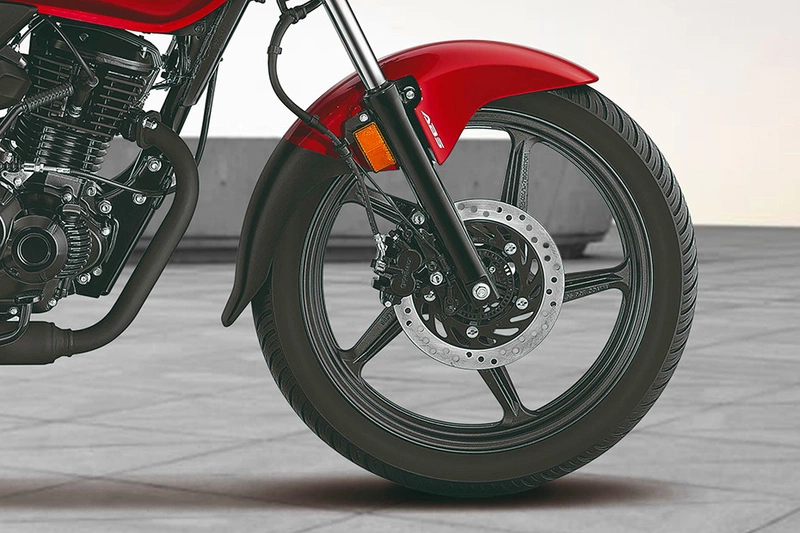
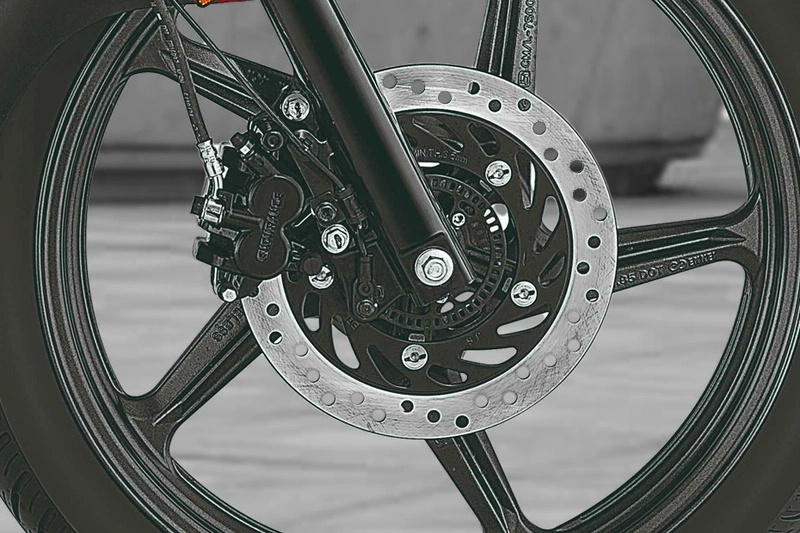
In terms of handling, the Unicorn is predictable and stable rather than agile or sporty. Its 140 kg kerb weight and long wheelbase provide excellent straight-line stability at highway speeds. However, it does not inspire aggressive cornering; it feels planted and secure but lacks the sharp turn-in of rivals like the Yamaha FZ-S. Braking duties are managed by a 240mm disc at the front and a 130mm drum at the rear, supplemented by single-channel ABS. The braking performance is adequate and progressive, providing sufficient stopping power for its performance envelope. The feedback from the front brake lever is predictable, but the setup is basic when competitors are beginning to offer larger discs or, in higher segments, dual-channel ABS.
design
design
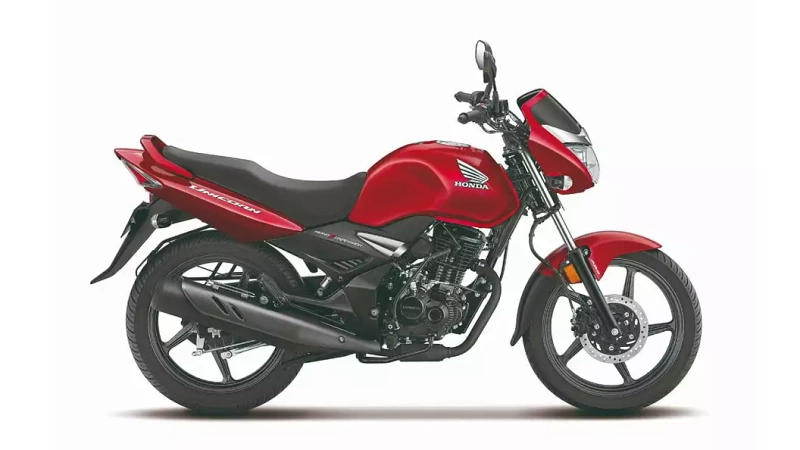
In an era of aggressive styling and feature-laden motorcycles, the Honda Unicorn’s design remains conservative and largely unchanged from its earlier iterations. It maintains a functional, inoffensive aesthetic that appeals to a mature demographic rather than younger buyers seeking flair. The body panels are simple, the fuel tank is well-sculpted, and the overall silhouette is familiar. This is where the motorcycle shows its age most significantly. The equipment list is sparse and functional at best. The headlamp is a conventional halogen unit, which offers mediocre illumination compared to the LED setups now standard on most competitors.
The instrument cluster is a fully analogue, three-pod unit displaying the speedometer, tachometer, and fuel gauge, with basic tell-tale lights. There are no digital elements, Bluetooth connectivity, gear position indicator, or distance-to-empty readouts. Practical features are limited to an engine kill switch and a side-stand engine cut-off. While this simplicity may appeal to those who prefer a no-frills experience, it stands in stark contrast to rivals that offer digital consoles, smartphone connectivity, ride modes, and USB charging ports, making the Unicorn feel decidedly dated from a technological standpoint.
safety
safety
The safety package on the Honda Unicorn is functional but basic, meeting the mandatory government regulations without offering any segment-leading innovations. The primary safety feature is the single-channel Anti-lock Braking System (ABS), which operates on the front wheel. This system prevents the front wheel from locking up during emergency braking, thereby preventing skids and maintaining steering control. While effective and essential, it is the minimum standard in this category. Competitors are increasingly offering dual-channel ABS in slightly higher price brackets, providing a more comprehensive safety net by also preventing rear-wheel lock-ups. The Unicorn is also equipped with a side-stand engine cut-off sensor, a crucial safety feature that prevents the rider from moving with the side stand engaged.
One of the most significant drawbacks in its safety credentials is its lighting. The halogen headlamp provides subpar illumination on unlit roads, which compromises nighttime visibility and rider confidence. Rivals equipped with LED or projector headlamps offer a clear advantage in this regard. Overall braking confidence in dry conditions is adequate for its commuter role, but the lack of dual-channel ABS and a powerful headlamp means its safety suite is merely compliant rather than comprehensive.
competition
competition
The 160cc commuter segment is highly contested, and the Honda Unicorn faces stiff competition from several well-established rivals. Each competitor offers a distinct value proposition that challenges the Unicorn's traditional strengths.
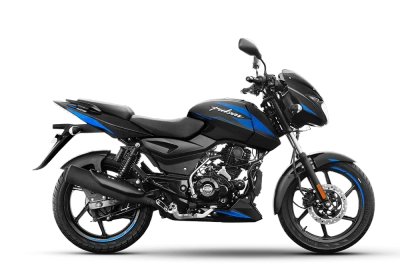
Bajaj Pulsar 150:
An icon in the Indian market, the Pulsar 150 (Twin Disc variant) offers a more aggressive and muscular design language that appeals to younger buyers. It produces similar power (14 PS) but packages it with features like a part-digital instrument cluster and backlit switchgear, providing a more modern feel for a comparable price.
Differentiator: Aggressive styling and stronger brand recall among enthusiasts.
TVS Apache RTR 160 2V:
This motorcycle is aimed squarely at buyers seeking a sportier commuting experience. It produces a class-leading 16.04 PS of power, has a firmer, more communicative chassis, and offers a racier riding position. It provides a more engaging ride, albeit at the slight expense of the Unicorn’s plush comfort.
Differentiator: Superior engine performance and sportier handling dynamics.
Yamaha FZ-S FI V4:
The FZ-S focuses on premium appeal, build quality, and advanced technology. While its 12.4 PS power output is lower, it compensates with a lighter kerb weight (135 kg) and a sophisticated chassis for excellent handling. Critically, it offers a Traction Control System (TCS) and a full-LED headlamp, setting a new safety benchmark.
Differentiator: Advanced safety features (TCS) and superior handling agility.
buying advice
buying advice
Who should buy it?
The ideal buyer is a mature commuter who prioritises engine refinement, ride comfort, and long-term reliability above all else. This individual values a stress-free, no-nonsense ownership experience and is not swayed by modern features or aggressive styling.
Who should skip it?
Younger or tech-savvy riders seeking performance, modern features like LED lighting and digital displays, or a more engaging riding experience should look elsewhere. Competitors offer more power and technology for a similar or marginally higher investment.
Honda Unicorn Specifications & Features
Engine & Transmission
| Starting | Kick and Self Start |
| Engine Type | 4 Stroke, SI Engine |
| Displacement | 162.71 cc |
| Max Torque | 14.8 Nm @ 5250 rpm |
| Number of Cylinders | 1 |
| Cooling System | Air Cooled |
| Fuel Supply | Fuel Injection |
| Gear Box | 5 Speed |
| Bore | 57.3 mm |
| Stroke | 63.1 mm |
| Compression Ratio | 10.0:0.1 |
| Emission Type | BS6.2 |
| Clutch | Multiplate Wet Clutch |
| Valve Per Cylinder | 2 |
| gear shifting pattern | 1 Down 4 Up |
| spark plugs per cylinder | 1 Per Cylinder |
Motor & Battery
| Drive Type | Chain Drive |
| Transmission | Manual |
| Peak Power | 13.18 PS @ 7500 rpm |
Mileage & Performance
| Overall Mileage | 50 kmpl |
Performance
| Top Speed | 106 kmph |
Chassis & Suspension
| Body Type | Commuter Bikes |
Tyres & Brakes
| Front Brake Diameter | 240 mm |
| Rear Brake Diameter | 130 mm |
| Front Tyre Pressure Rider | 25 psi |
| Front Tyre Pressure Rider Pillion | 25 |
| Rear Tyre Pressure Rider | 29 psi |
| Rear Tyre Pressure Rider Pillion | 33 |
Dimensions & Capacity
| Width | 756 mm |
| Length | 2081 mm |
| Height | 1103 mm |
| Fuel Capacity | 13 L |
| Ground Clearance | 187 mm |
| Wheelbase | 1335 mm |
| Kerb Weight | 139 Kg |
| Fuel Reserve | 2 L |
| Seat Height | 798 mm |
| pillion grab rail | |
| pillion seat |
Electricals
| Headlight | LED |
| Taillight | Bulb |
| Turn Signal Lamp | Bulb |
| Low Fuel Indicator |
Features & Safety
| Pass Switch | |
| Tachometer | Digital |
| Engine Kill Switch | |
| Real Time Mileage Indicator | |
| Service Due Indicator | |
| hazard warning indicator | |
| high beam indicator | |
| malfunction indicator | |
| no of tripmeters | 1 |
| stand alarm |
Features
| Instrument Console | Digital |
| Speedometer | Digital |
| Tripmeter | Digital |
| Seat Type | Single |
| Clock | |
| Passenger Footrest | |
| Odometer | Digital |
| Usb Charging Port | |
| Average Fuel Economy Indicator | |
| digital display type | LCD |
| gear indicator |
Underpinnings
| Suspension Front | Telescopic |
| Suspension Rear | Hydraulic Type (Monoshock) |
| Brakes Front | Disc |
| Brakes Rear | Drum |
| Tyre Size | Front :-80/100-18 Rear :-100/90-18 |
| Wheel Size | Front :-457.2 mm,Rear :-457.2 mm |
| Wheels Type | Alloy |
| Tubeless Tyre | 1 |
| ABS | Single Channel |
| Frame | Diamond Type |
| first service | 1000 Kms/30 Days |
| second service | 6000 Kms/180 Days |
| third service | 12000 Kms/365 Days |
| caliper front piston | 2 |
| Tyre Type | Tubeless |
Warranty
| Vehicle Warranty | 3 Years or 42,000 Km |
Honda Unicorn Price in Cities
₹ 1.42 Lakh - 1.42 Lakh
₹ 1.37 Lakh - 1.37 Lakh
₹ 1.36 Lakh - 1.36 Lakh
₹ 1.36 Lakh - 1.36 Lakh
₹ 1.36 Lakh - 1.36 Lakh
₹ 1.38 Lakh - 1.38 Lakh
₹ 1.35 Lakh - 1.35 Lakh
₹ 1.35 Lakh - 1.35 Lakh
₹ 1.47 Lakh - 1.47 Lakh
₹ 1.47 Lakh - 1.47 Lakh
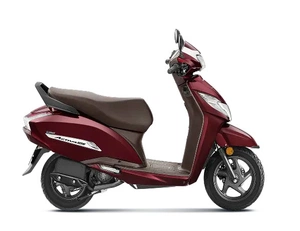
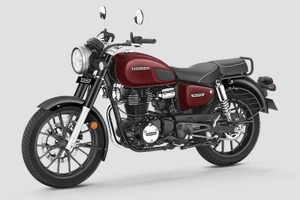
Popular Honda Bikes
Popular Brands




Honda Unicorn Comparisons
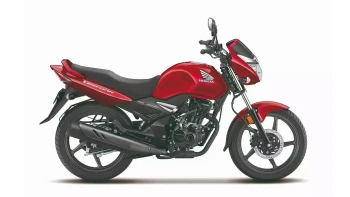
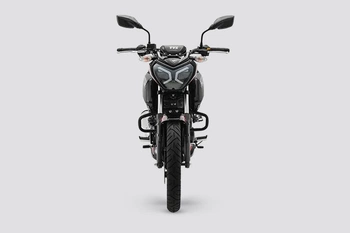
Honda Unicorn
₹1.14 Lakh
TVS Raider
₹82,860 - 99,070
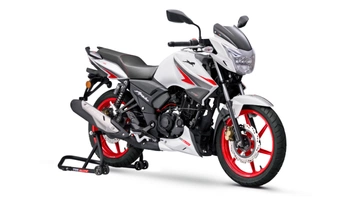
Honda Unicorn
₹1.14 Lakh
TVS Apache RTR 160
₹1.13 - 1.27 Lakh
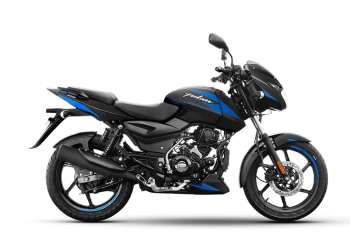
Honda Unicorn
₹1.14 Lakh
Bajaj Pulsar 125
₹87255 - 94,288
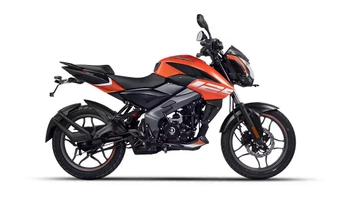
Honda Unicorn
₹1.14 Lakh
Bajaj Pulsar NS 125
₹94,188 - 1.04 Lakh
Honda Unicorn
₹1.14 Lakh
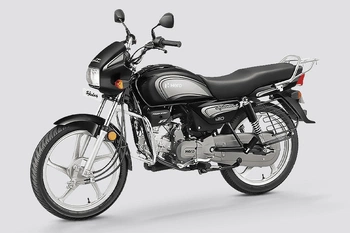
Hero Splendor Plus
₹77,557 - 80,331
Honda Unicorn
₹1.14 Lakh
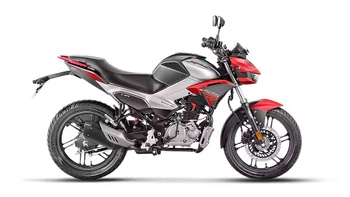
Hero Xtreme 125R
₹91,500 - 1.08 Lakh
Honda Unicorn
₹1.14 Lakh
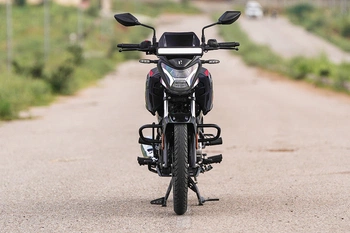
Hero Glamour X 125
₹87,767 - 96,086
Honda Unicorn
₹1.14 Lakh
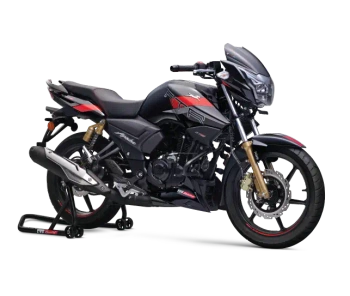
TVS Apache RTR 180
₹1.26 - 1.28 Lakh
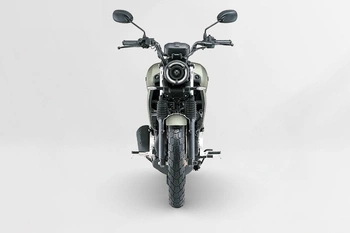
Honda Unicorn
₹1.14 Lakh
Yamaha FZ X Hybrid
₹1.43 Lakh