
EMI Loading
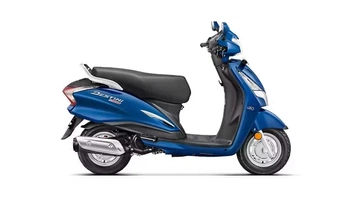
Hero Destini Prime Key Specifications
Hero Destini Prime Variants & Prices
| Variant Details | Ex. Showroom Price | |
|---|---|---|
Destini Prime Standard85 kmph | 56 kmpl | 124.6 cc | ₹ 73,060* |
Destini Prime Standard
Hero Destini Prime Comparison with similar Bikes
Pros & Cons of Hero Destini Prime
Things We Like
- Extremely competitive pricing offers an excellent value-for-money proposition.
- Durable full-metal body construction appeals to long-term owners.
Things We Don't Like
- Dated design with a basic halogen headlamp and bulb indicators.
- Absence of a front disc brake option compromises braking safety.
Hero Destini Prime Overview

Engine, Performance and Mileage
Engine, Performance and Mileage
The Hero Destini Prime is powered by a 124.6cc, single-cylinder, air-cooled engine compliant with BS6 Phase 2 norms. This unit produces a modest 9.1 PS of power at 7,000 rpm and 10.4 Nm of torque at 5,500 rpm, delivered to the rear wheel via a Continuously Variable Transmission (CVT). The powertrain is engineered for urban efficiency rather than outright performance.
At idle, the engine is relatively refined, with minimal vibrations. Throttle response is linear and gentle, making it easy for new riders to manage in dense traffic. Its key highlight is the i3S (Idle Stop-Start System) technology, which cuts the engine during prolonged halts and restarts it with a simple twist of the throttle, contributing to fuel savings. The claimed ARAI mileage is around 50 kmpl from its 5-litre fuel tank. In real-world city conditions, users can expect a practical 40-45 kmpl. While performance is adequate for city speeds up to 60 km/h, the engine feels strained beyond 70 km/h, with noticeable vibrations creeping in, making it less suitable for sustained highway cruising. It’s a workhorse motor designed to be reliable and economical.
posture comfort
posture comfort
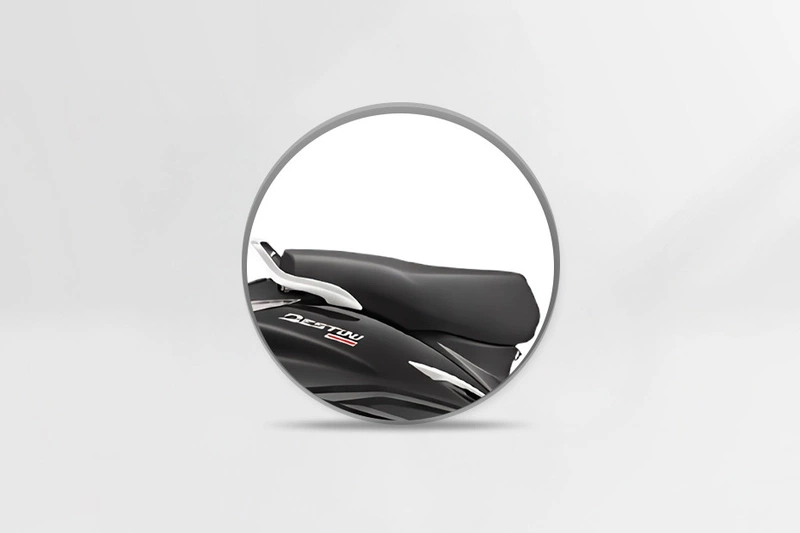
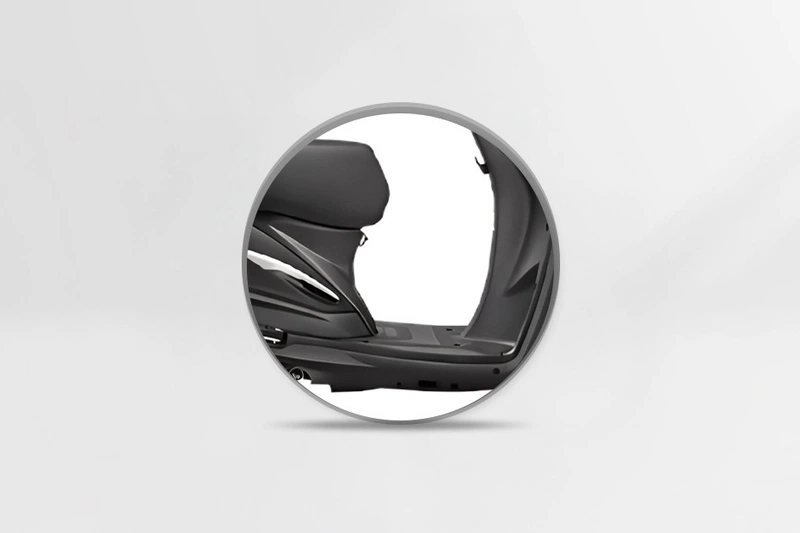
The Destini Prime excels in providing a comfortable and practical user experience for daily commutes. The ergonomics are defined by an upright riding posture and a spacious, flat floorboard that offers ample legroom. Its seat is long, wide, and well-cushioned, ensuring comfort for both the rider and the pillion over short to medium distances. With a seat height of 778mm, it is accessible to a wide range of riders, and its 115 kg kerb weight makes it manageable in tight parking spots.
The underseat storage capacity is 18 litres, which is sufficient for a small bag or groceries but will not accommodate most full-face helmets—a common limitation in this class, though rivals like the TVS Jupiter 125 offer significantly more space. The inclusion of a sturdy luggage hook on the front apron adds to its utility. For family use, the scooter is well-suited for city-based tasks like school runs and grocery shopping. However, its engine character and basic suspension setup make it a less-than-ideal choice for long-distance touring, where it would feel out of its element.
handling ride quality
handling ride quality
The Destini Prime employs a conventional underbone frame suspended by a telescopic front fork and a single coil spring hydraulic shock at the rear. This setup is unequivocally tuned for comfort. It manages to absorb minor road imperfections, potholes, and speed breakers with a composed softness, prioritizing a plush ride for the daily commute. However, this comfort-oriented tuning comes at the cost of handling precision.
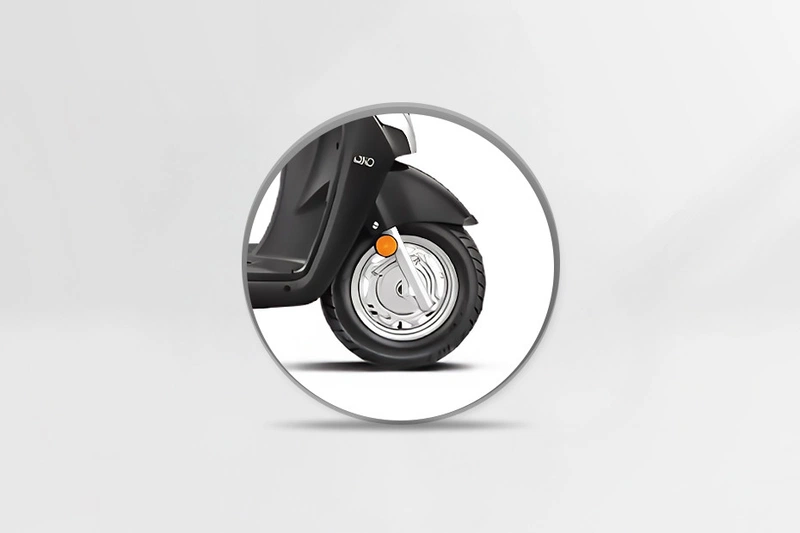
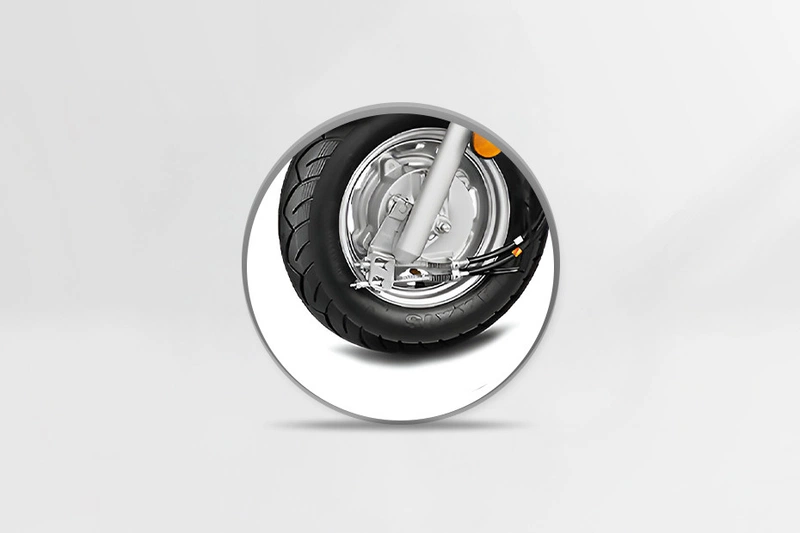
The scooter feels agile enough for filtering through city traffic, aided by its 115 kg kerb weight, but it lacks the planted feel of some rivals during high-speed manoeuvres or spirited cornering. The 10-inch steel wheels at both ends contribute to its nimble city character but are a clear compromise compared to the 12-inch wheels on competitors like the TVS Jupiter 125, which offer better stability over broken surfaces. Braking duties are handled by 130mm drum brakes at both ends, governed by an Integrated Braking System (IBS/CBS). The braking performance is adequate for its intended speed range, but the absence of a front disc brake option, even as a variant, is a significant miss. The lever feel is progressive but lacks the sharp bite required for emergency stops.
design
design
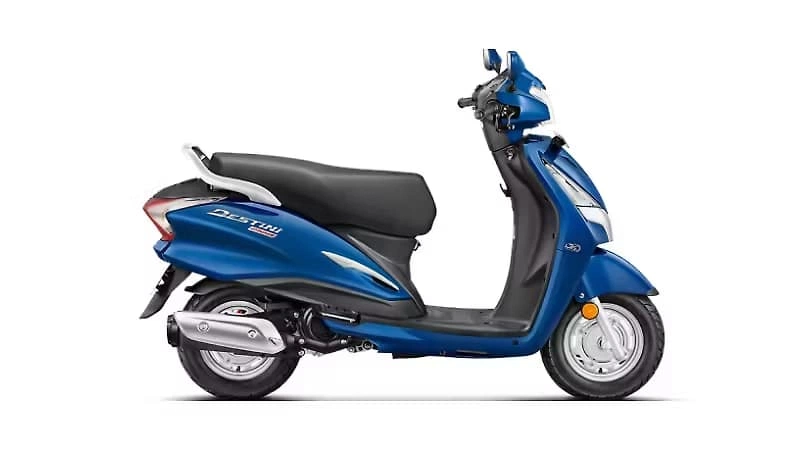
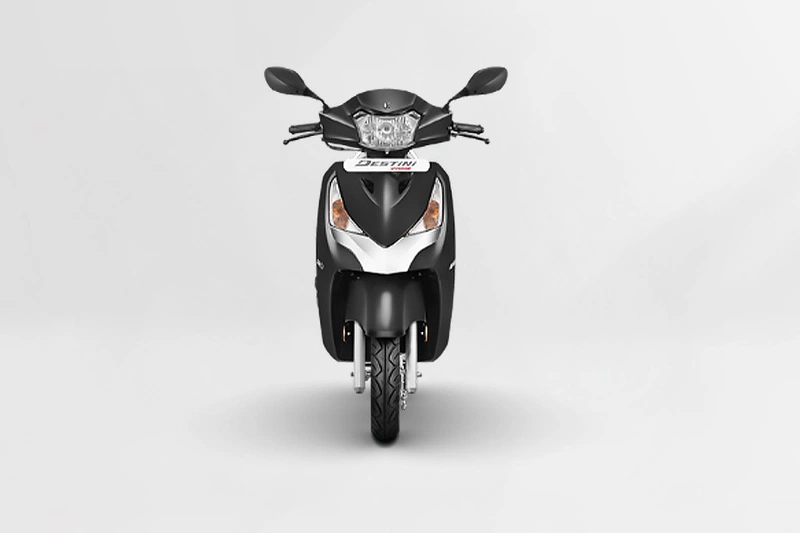
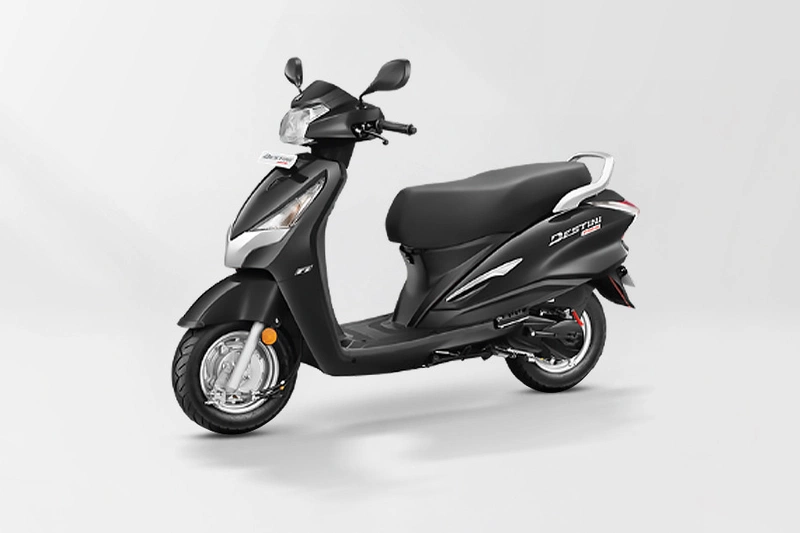
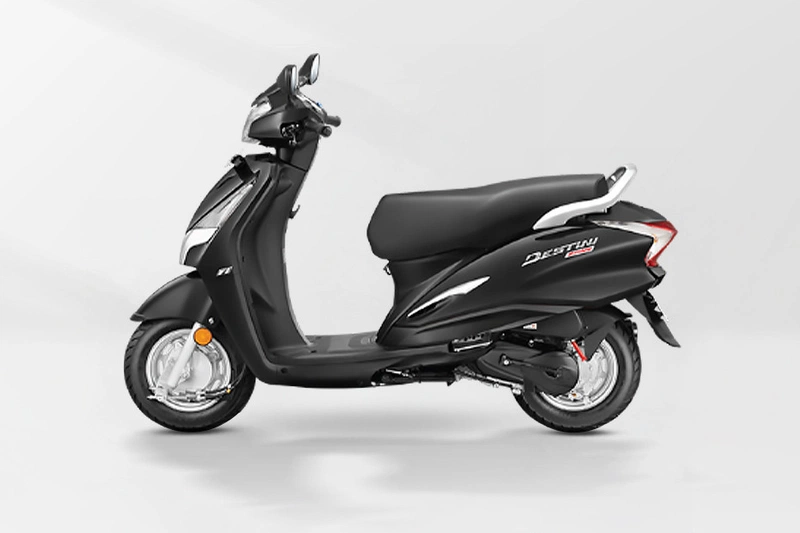
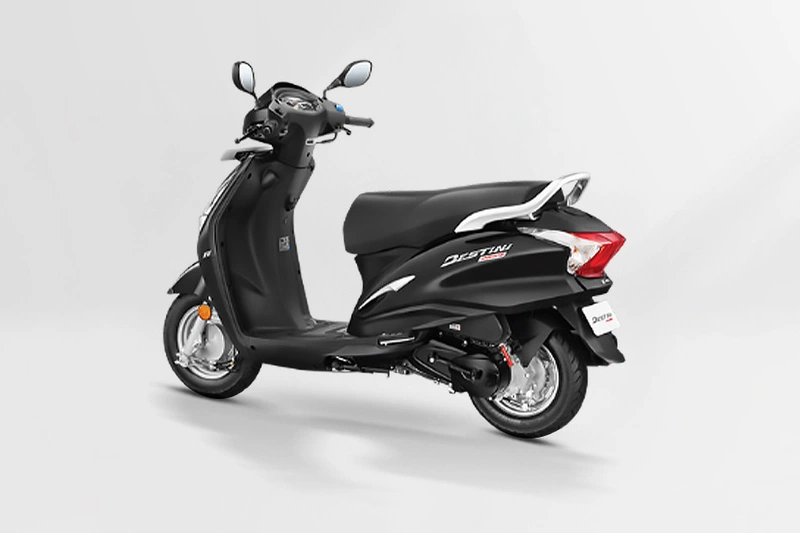
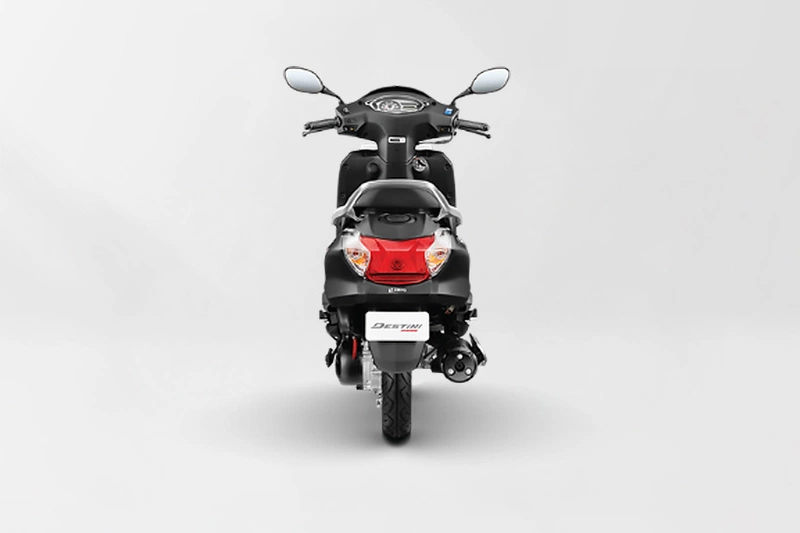
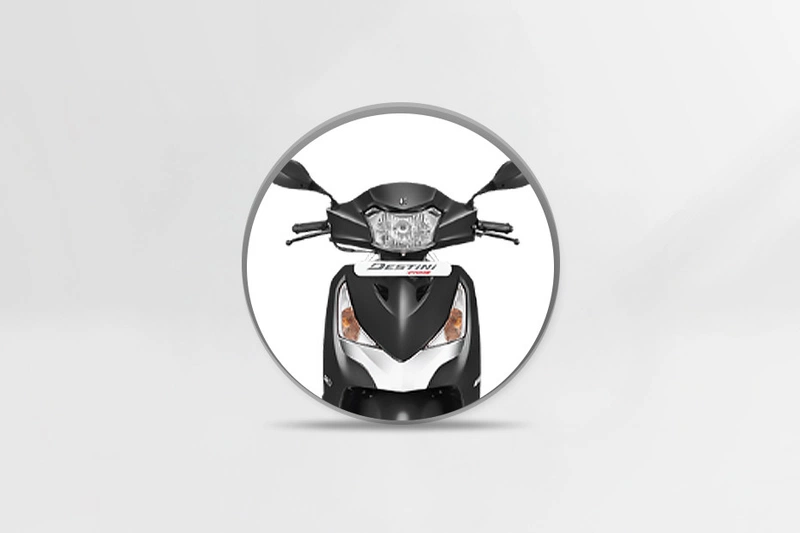
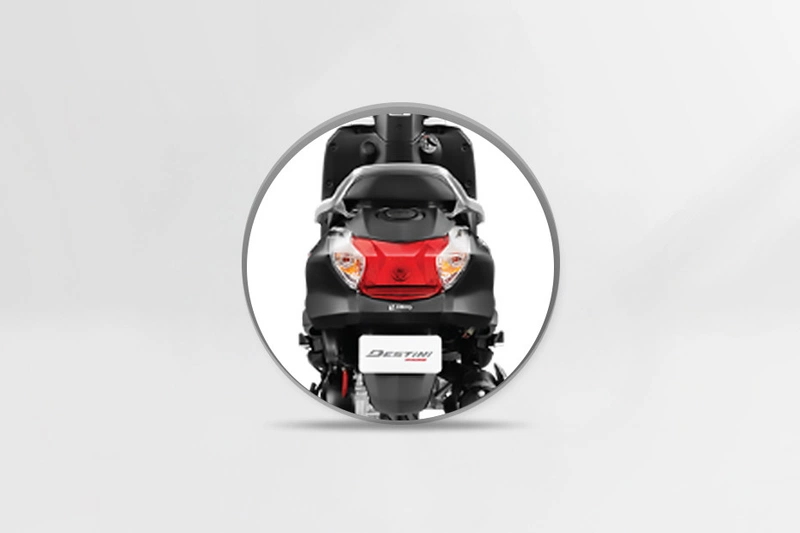
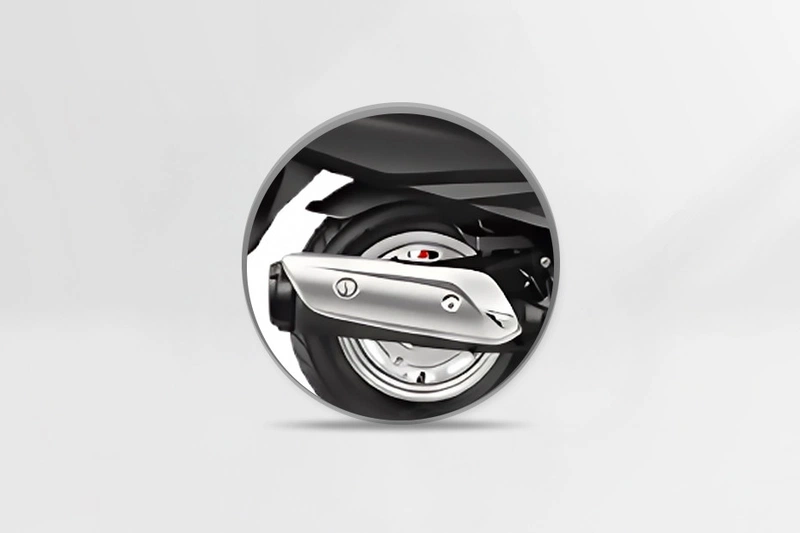
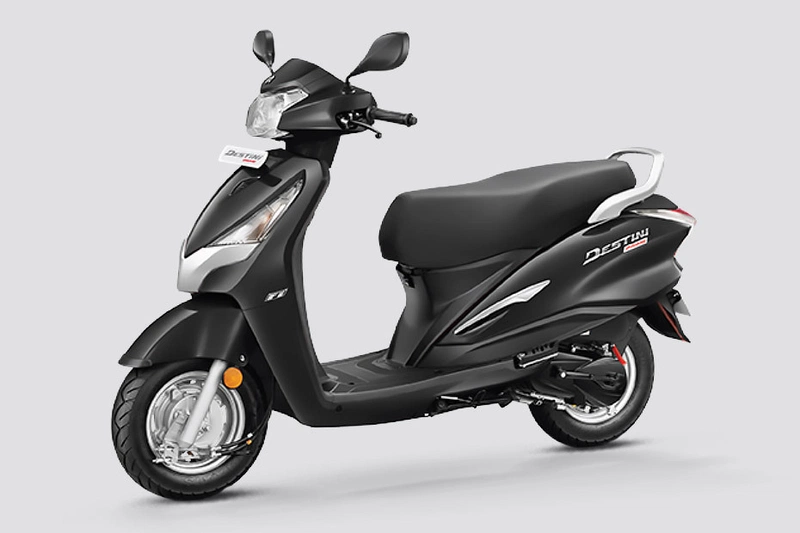
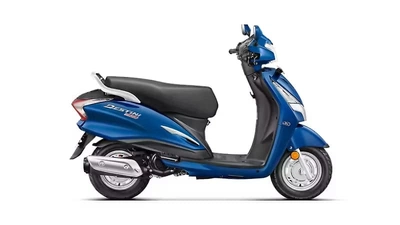
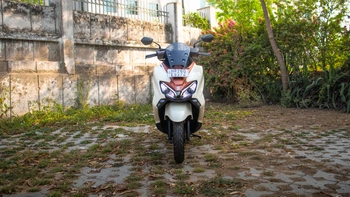
Visually, the Destini Prime adopts a conservative, family-friendly design language that aims for broad appeal rather than setting trends. A key differentiator in this price bracket is its use of metal body panels, which adds a sense of durability and heft that many Indian buyers prefer over fibre panels. The lighting system is entirely conventional, with a halogen headlamp and bulb-type indicators and tail lamp; this is a clear cost-cutting measure where rivals are moving towards full-LED setups.
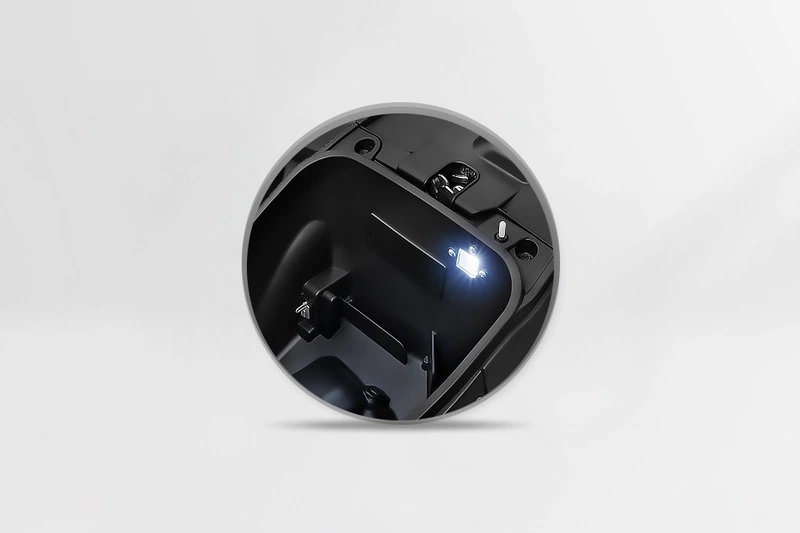
The instrument cluster is a semi-digital unit, featuring an analogue speedometer complemented by a small LCD screen that displays the fuel gauge, odometer, and trip meter. While functional, it appears dated. The features list, however, focuses on practicality: it includes Hero's i3S technology, an external fuel filler cap (a major convenience), a USB charging port located in the 18-litre underseat storage bay, a boot light for visibility, and a side-stand engine cut-off. These additions, while not technologically advanced, directly address the daily pain points of a scooter user, making the Prime a functionally sound package despite its lack of modern flair.
safety
safety
The safety suite on the Hero Destini Prime is basic, meeting the government-mandated regulations without offering any segment-leading features. The primary safety net is the Integrated Braking System (IBS), which automatically applies a portion of the front brake when the rear brake is engaged. This helps in stabilising the scooter and reducing stopping distances, particularly for novice riders, but it is not a substitute for the superior performance of an Anti-lock Braking System (ABS).
A major safety concern is the lack of a front disc brake option on the Prime variant. Drum brakes are prone to fading under heavy or prolonged use and offer less feedback and stopping power compared to a disc setup. The side-stand engine cut-off function is a crucial addition that prevents accidental starts with the stand engaged. From a visibility standpoint, the halogen headlamp provides adequate illumination for well-lit city streets but falls short on poorly lit roads or highways when compared to the brighter, wider spread of the LED headlamps found on many competitors. The scooter’s predictable handling adds a layer of confidence, but its overall safety package is merely adequate, not exceptional.
competition
competition
The 125cc scooter segment is fiercely contested, and the Destini Prime faces formidable rivals.
Honda Activa 125:
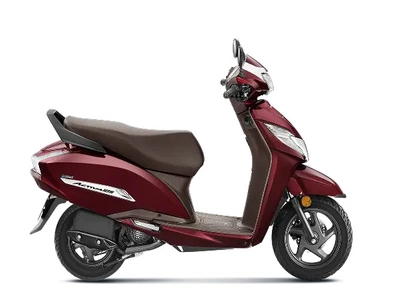
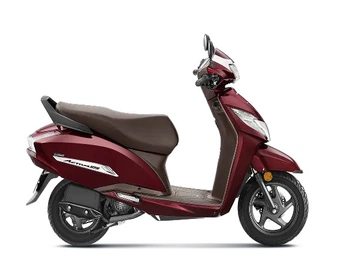
Positioned as the benchmark for reliability and refinement, the Activa 125’s key differentiator is its exceptionally smooth engine and ACG silent starter technology. It appeals to buyers who prioritise a fuss-free ownership experience and the unparalleled brand trust associated with the Activa name, even if it means paying a premium.
TVS Jupiter 125:
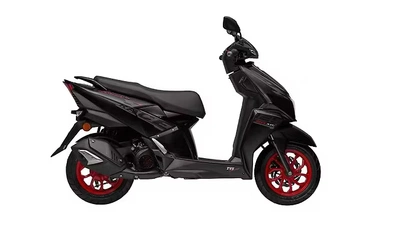
The Jupiter 125 champions practicality and innovation. Its standout feature is its class-leading 33-litre underseat storage, capable of holding two helmets, and a unique front-mounted fuel filler cap. These features make it the undisputed choice for buyers who place maximum emphasis on utility and storage convenience for family use.
Suzuki Access 125:
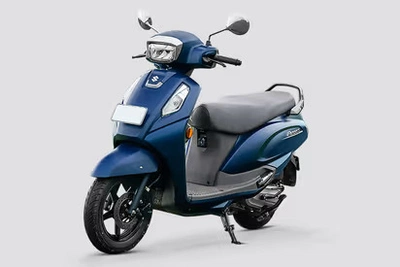
Renowned for its peppy performance and lightweight construction, the Access 125 offers a zippy and engaging ride. Its primary differentiator is its punchy engine character combined with a low kerb weight, making it feel quicker and more agile than its competitors. It targets riders who seek a blend of practicality and riding fun.
final verdict
final verdict
The Hero Destini Prime is an unapologetically pragmatic machine, engineered to a specific price point. As a BS6 Phase 2 compliant model on sale today, its core proposition is clear: to offer the essentials of a 125cc family scooter at a price that challenges even some 110cc models. Its strengths lie in its durable metal body, a fuel-efficient engine enhanced by i3S technology, and genuinely useful features like an external fuel filler and a USB port. It delivers on the promise of being a reliable, low-cost-of-ownership vehicle for daily urban mobility. However, these savings come through visible compromises. The design is dated, the halogen headlamp is underwhelming, and the instrument cluster is basic. Most critically, the absence of a front disc brake option is a significant safety and performance drawback compared to every major rival in its segment.
buying advice
buying advice
Who should buy it?
This scooter is the ideal choice for the highly budget-conscious buyer who prioritises low initial cost, durability, and practical features over modern aesthetics and performance. It is perfect for families needing a reliable workhorse for city errands.
Who should skip it?
Riders who prioritise safety (requiring a disc brake), seek modern features like LED lighting and a fully digital console, or desire a more engaging and powerful riding experience should look at alternatives like the Suzuki Access 125 or TVS Jupiter 125.
Hero Destini Prime Specifications & Features
Engine & Transmission
| Starting | Self Start Only |
| Engine Type | Air Cooled, 4-Stroke, SI Engine |
| Displacement | 124.6 cc |
| Max Torque | 10.38 Nm @ 5500 rpm |
| Number of Cylinders | 1 |
| Cooling System | Air Cooled |
| Fuel Supply | Fuel Injection |
| Ignition | Electronic Control Unit (ECU) |
| Gear Box | Variomatic Drive |
| Emission Type | BS6.2 |
| Clutch | Dry, Centrifugal |
| spark plugs per cylinder | 1 Per Cylinder |
Motor & Battery
| Drive Type | Belt Drive |
| Transmission | Automatic |
| Peak Power | 9.09 PS @ 7000 rpm |
Mileage & Performance
| Overall Mileage | 56 kmpl |
| Arai Mileage | 56 |
Performance
| Top Speed | 85 kmph |
Tyres & Brakes
| Front Brake Diameter | 130 mm |
| Rear Brake Diameter | 130 mm |
Dimensions & Capacity
| Width | 729 mm |
| Length | 1809 mm |
| Height | 1154 mm |
| Fuel Capacity | 5 L |
| Ground Clearance | 155 mm |
| Wheelbase | 1245 mm |
| Kerb Weight | 115 Kg |
| Boot Space | Yes Litres |
| Seat Height | 778 mm |
| pillion grab rail | |
| pillion seat |
Electricals
| Headlight | Halogen |
| Taillight | LED |
| Turn Signal Lamp | Bulb |
| Low Fuel Indicator |
Features & Safety
| Pass Switch | |
| Fuel Gauge | Digital |
| Engine Kill Switch | |
| External Fuel Filling | |
| I3S Technology | |
| hazard warning indicator | |
| high beam indicator | |
| malfunction indicator | |
| no of tripmeters | 1 |
| stand alarm |
Features
| Instrument Console | Analogue and Digital |
| Speedometer | Analogue |
| Tripmeter | Digital |
| Seat Type | Single |
| Clock | |
| Passenger Footrest | |
| Underseat Storage | |
| Odometer | Digital |
| Usb Charging Port | |
| carry hook |
Underpinnings
| Suspension Front | Telescopic Fork |
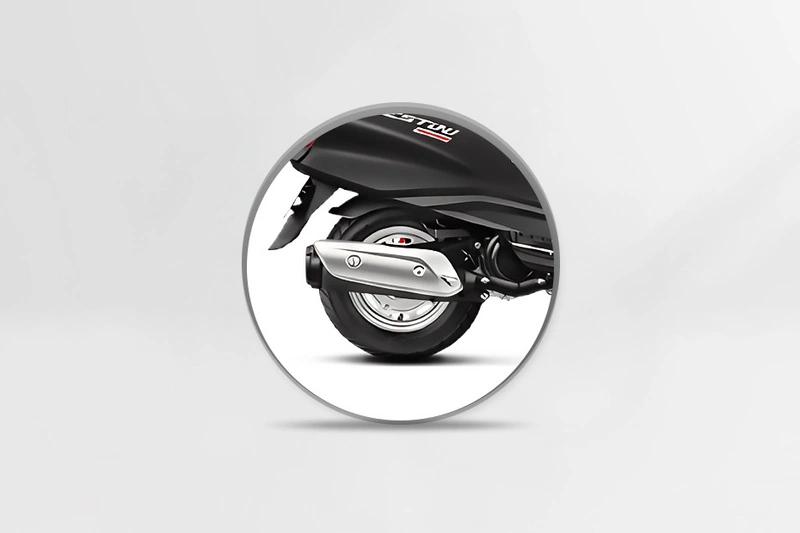
| Suspension Rear | Single Coil Spring Hydraulic type |
| Brakes Front | Drum |
| Brakes Rear | Drum |
| Tyre Size | Front :-90/100-10 Rear :-90/100-10 |
| Wheel Size | Front :-254 mm,Rear :-254 mm |
| Wheels Type | Steel Metal |
| Tubeless Tyre | 1 |
| first service | 750 Kms/60 Days |
| second service | 3500 Kms/160 Days |
| third service | 6500 Kms/260 Days |
| fourth service | 9500 Kms |
| Tyre Type | Tubeless |
Hero Destini Prime Price in Cities
₹ 0.91 Lakh - 0.91 Lakh
₹ 0.89 Lakh - 0.89 Lakh
₹ 0.87 Lakh - 0.87 Lakh
₹ 0.89 Lakh - 0.89 Lakh
₹ 0.88 Lakh - 0.88 Lakh
₹ 0.90 Lakh - 0.90 Lakh
₹ 0.92 Lakh - 0.92 Lakh
₹ 0.87 Lakh - 0.87 Lakh
₹ 0.93 Lakh - 0.93 Lakh
₹ 0.95 Lakh - 0.95 Lakh
Popular Hero Bikes
Popular Brands





Hero Destini Prime Comparisons
Hero Destini Prime
₹73,060
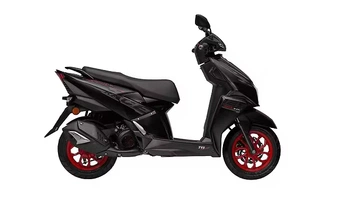
TVS NTORQ 125
₹82500 - 1.01 Lakh
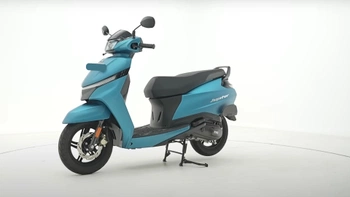
Hero Destini Prime
₹73,060
TVS Jupiter
₹73,550 - 88,050
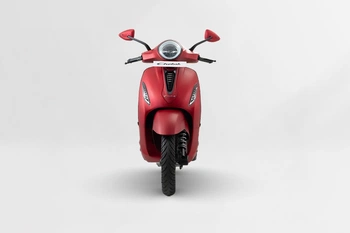
Hero Destini Prime
₹73,060
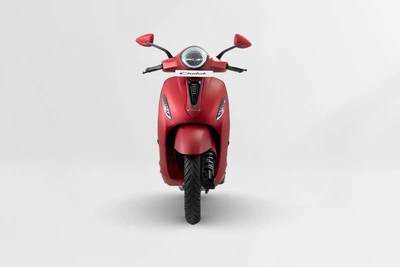
Bajaj Chetak
₹1.11 - 1.48 Lakh
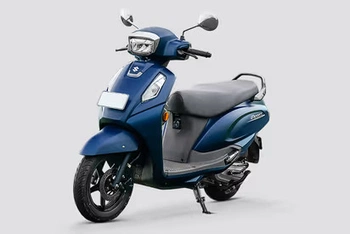
Hero Destini Prime
₹73,060
Suzuki Access 125
₹80585 - 1 Lakh
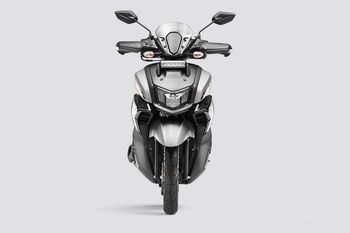
Hero Destini Prime
₹73,060
Yamaha RayZR 125 Fi Hybrid
₹76,960 - 89,760
Hero Destini Prime
₹73,060
Suzuki Burgman Street
₹1.03 - 1.14 Lakh
Hero Destini Prime
₹73,060
Honda Activa 125
₹89,406 - 94,621