1 Images
Exterior

Honda Zero SUV

The ZERO SUV and sedan was cancelled by Honda. The Alpha SUV however is on track
60 Lakh*
Honda Zero SUV Key Specs
Fuel Type
Petrol

Honda Zero SUV Variants & Prices

Filter By Fuel type & Transmission type

Zero SUV Base

60 Lakh*
Petrol

Honda Zero SUV Overview

user avatar
Salil Kumar
Updated on March 24, 2026

The Honda Zero SUV is expected to arrive in India by July 2027, likely positioning itself within the premium segment with prices ranging from ₹20 to 60 Lakh. This internal combustion engine model could offer a sophisticated alternative to mid-size competitors, blending signature reliability with engineering excellence. Industry projections suggest it likely targets urban buyers seeking robust performance. Features like a multi-zone climate control system and a 12-volt start-stop system should enhance its daily driving efficiency.

Battery and Motor

The Honda Zero SUV will likely feature a robust 12V lead-acid battery to power its extensive cabin electronics and high-definition infotainment displays. Integration of a 48V mild-hybrid system is expected to support fuel-efficient idling through advanced start-stop technology. This electrical setup could manage significant power draws from ADAS sensors and premium lighting systems. Furthermore, the regenerative braking system will likely recover energy to maintain battery health, ensuring consistent performance across various Indian climate conditions during its 2027 debut.

interior

The Honda Zero SUV likely features a premium 5 seater cabin centered around a 10 to 12 inch touchscreen infotainment system. Drivers could benefit from a 7 inch digital instrument cluster and a multifunctional steering wheel. Dual zone climate control and a panoramic sunroof will probably be standard across higher trims. Expect 400 to 450 litres of boot space for luggage. Soft touch materials and 6 to 8 speakers likely enhance the interior experience for 5 passengers.

exterior

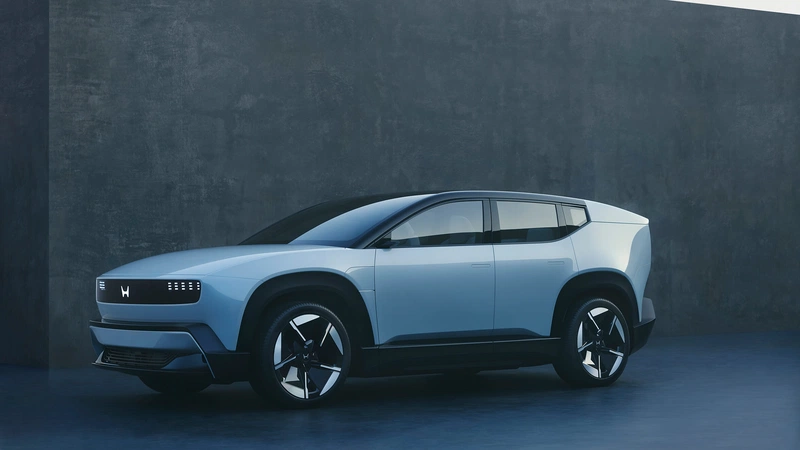
The Honda Zero SUV is expected to feature a futuristic design language with sleek 4400-4500 mm dimensions. Its front profile likely showcases thin LED light strips and a distinct 3D-effect grille. Buyers could see 18-19 inch alloy wheels filling the arches, while ground clearance should sit between 185-200 mm for Indian roads. The rear likely integrates a sharp full-width light bar. This compact SUV could also offer a 2650-2700 mm wheelbase, ensuring a planted stance and premium presence.

competition

The Honda Zero SUV is expected to challenge premium contenders in the ₹20 lakh to ₹60 lakh price bracket. It will likely face stiff competition from the Mahindra XUV700 and Tata Safari, which offer robust 2.0-litre engines. Higher-spec trims could also rival the Toyota Fortuner and MG Gloster. These models provide 170 to 200 PS of power. This new flagship might also compete with the Hyundai Tucson, targeting buyers looking for high-end features and superior performance.

Honda Zero SUV Car FAQs

The Honda Zero SUV likely hits the Indian market between January 2027 and July 2027. This premium internal combustion engine model is expected to debut globally before arriving locally. Industry analysts suggest a launch window around March 2027, with pricing expected to range from 20 Lakh to 60 Lakh. This timeline ensures Honda positions its new flagship SUV competitively. Potential buyers could witness a mid-year 2027 release, following a strategic rollout across various regional dealerships nationwide.
The upcoming Honda Zero SUV will likely command a premium position in the Indian market with an expected price tag starting around ₹60 lakh. Analysts anticipate this high-end ICE model could target luxury buyers looking for advanced performance. Depending on the final trim levels and features, the top-spec variants might even touch higher price bands. Potential customers should prepare for a launch around July 2027, as the brand positions this vehicle against established premium internal combustion competitors.
The Honda Zero SUV will likely utilize a high-capacity 12V auxiliary battery to manage advanced onboard electronics. This setup is expected to support an efficient start-stop system, potentially improving city mileage by 5 to 8 percent. Additionally, a 48V mild-hybrid battery could be integrated to handle electrical loads from the infotainment display and safety sensors. This system likely ensures reliable power delivery for cabin features while providing a minor torque boost during initial acceleration.
Honda Zero SUV