ARAI Report Says E20 Fuel May Damage Rubber Parts in E10-Compliant Vehicles
By Arjun Nair
Published July 7, 2026
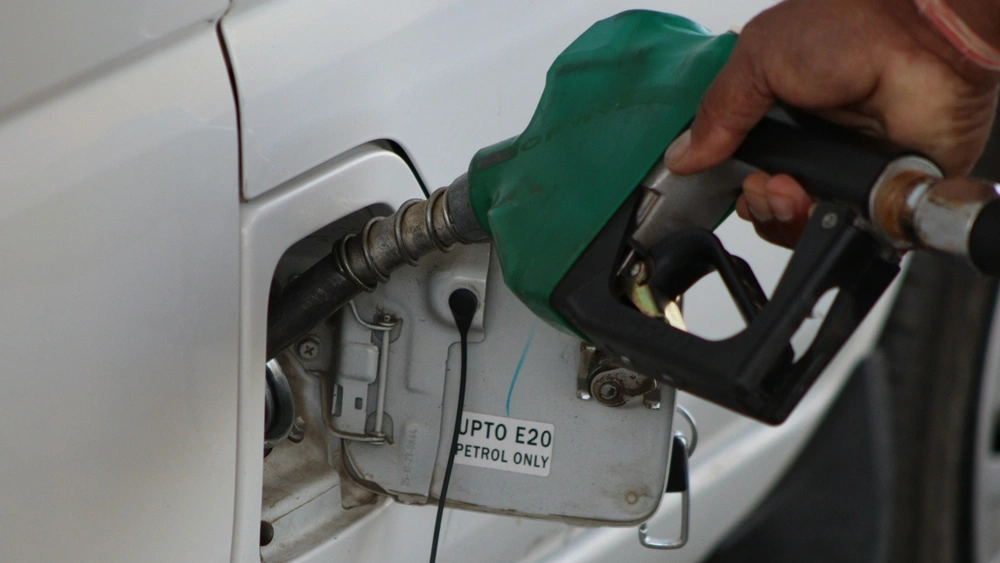
India's countrywide transition to E20 petrol has reignited concerns about the effects of increased ethanol blending on older cars, particularly after a recent report from the Automotive Research Association of India (ARAI) highlighted possible risks to rubber fuel-system parts in vehicles designed for E10.
The ARAI report advocating for the introduction of E20 has not been released to the public, yet it has been an important reference for the government and vehicle manufacturers. It suggested that these rubber parts may need replacement.
What Happens If You Accidentally Fill E20 in an Older Car?
The ARAI findings relate to prolonged use in vehicles designed only for E10, where material wear becomes a long-term concern.
There is a high risk of damaging rubber parts like hoses, O-rings, Gaskets, and seals. Unfortunately, with no option left, everyone who has a car that is not compatible with E20 petrol is also having to refuel with E20.
E20's Lower Energy Content Explained
One reason some older vehicles may experience a slight drop in fuel efficiency on E20 is that ethanol contains around 30-35% less energy per litre than petrol.
Although modern engine control units (ECUs) can compensate by adjusting fuel injection and ignition timing, vehicles not calibrated for E20 may consume marginally more fuel under similar driving conditions.
Also Read - Govt Plans Up To 15% Isobutanol Blending in Diesel to Cut Oil Imports
Mileage Is Expected To Drop Slightly
Another finding from the study was a 2-6 percent increase in fuel consumption when vehicles ran on E20 instead of E10 petrol. This is primarily because ethanol contains less energy per litre than conventional petrol.
The exact reduction in fuel economy depends on the vehicle, engine calibration and driving conditions, meaning some owners may notice only a marginal difference while others could experience a more noticeable drop.
Which Cars In India Are Already E20-Ready?
Most cars manufactured since April 2023, and all petrol cars sold today are E20 compatible. Automakers have upgraded fuel-system components, engine calibration, and material compatibility to support the higher ethanol content.
Also Read - A List Of All The E20 Compatible Cars On Sale
Why India Is Pushing E20 Fuel
The Indian Government’s goal is to reduce crude oil imports, support sugarcane farmers, and lower tailpipe emissions. India has achieved the 20% blending target well ahead of its previously planned 2030 timeline.
Source: Times Of India
Join the Conversation
Trending
How 2027 Traffic Rule Changes Will Affect Drivers in India
India’s traffic rules are tightening, with repeat offenders facing possible driving licence disqualification and stricter deadlines for paying or disputing e-challans. New vehicle safety requirements will also affect specified commercial vehicles from 2027. Check the latest 2027 Indian traffic rules here.
Anmol Kumar
October 22, 2026
Check Out These Upcoming Hybrid Cars In India
Hybrid cars are gaining serious interest in India as more affordable options start appearing and real-world city mileage figures impress owners.
Salil Kumar
October 22, 2026

What Is CBG? Know About Its Production, Engine Performance, Prices and Future in India
Compressed biogas (CBG) is gaining attention in India as a renewable alternative to CNG. Here's how it is produced, its impact on engine performance and mileage, current pricing factors, and its future in India's automotive sector.
Salil Kumar
October 21, 2026

Hyundai Bayon Safety Features Revealed Ahead of October 26 Launch
Hyundai has revealed the safety package of the upcoming Bayon ahead of its October 26 launch in India. The compact SUV gets Level 2 Pro ADAS with 23 functions, six airbags as standard and a body structure made using 69% advanced multi-grade high-strength steel.
Anmol Kumar
October 21, 2026
Featured
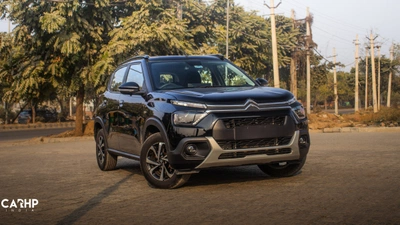
Citroen C3 Review: Who Should Consider This Car?
A few days ago, I took the Citroen C3X out for a spin in the city and on the highways. I travelled long distances and checked its fuel efficiency, features, comfort, and other factors. Today, I’ll briefly share my overall experience with the C3X and will tell you whether you should consider it or not and which is the most value-for-money variant of the lot.
Vatsal Agrawal
May 19, 2026
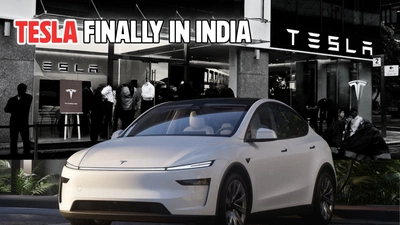
Tesla Finally In India Officially. Why Now And What Does It Mean For EVs?
The much-anticipated 2025 Tesla Model Y has officially arrived in India, marking a pivotal moment for the nation's burgeoning electric vehicle market. Launched on July 15, 2025, the Model Y Juniper facelift offers cutting-edge technology, impressive range, and signature Tesla performance. Positioned as a premium electric SUV, its entry will intensify competition and reshape consumer expectations for EVs across the subcontinent.
Author
July 17, 2025
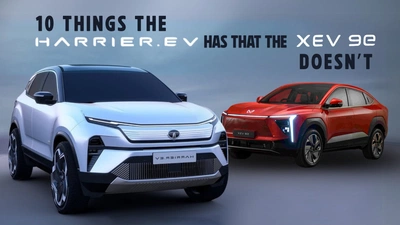
Here Are 10 Things The Harrier.EV Offers That The Mahindra XEV 9E Doesn't
The Harrier.EV is an incredible new offer from Tata. Its most popular competitor would be the Mahindra XEV 9E, priced similarly. With these two incredible offerings from home grown brands available, here is a list of everything the Harrier.EV offers that the XEV 9E doesn't.
Author
June 13, 2025
Write a comment
Comments
No comments yet. Be the first to comment!