Pollution Control Certificates Could Be Valid For 3 Years For New Vehicles
By Anmol Kumar
Published June 23, 2026
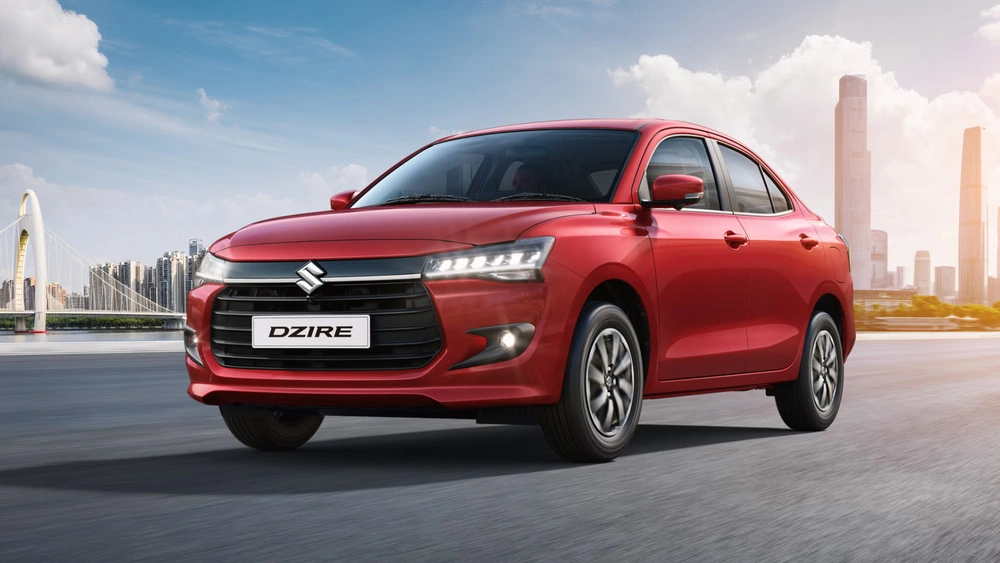
The government is planning to extend the validity of Pollution Under Control Certificates (PUCC) for newer, cleaner vehicles. The proposed change would mean less frequent visits to PUC centres for most car and bike owners.
What Is Being Proposed
New vehicles, up to six years old, may get a PUCC validity of three years instead of the current requirement. This applies to BS-VI compliant vehicles.
Here is how the proposed schedule breaks down by vehicle age and emission standard:
| Vehicle Type | Age | Proposed PUCC Frequency |
|---|---|---|
| BS-VI private/commercial | 0-6 years | Every 3 years |
| BS-VI private/commercial | 6-10 years | Every year |
| BS-VI private/commercial | Over 10 years | Every 6 months |
| BS-IV private vehicles (made before March 2020) | Any | Every 6 months |
| BS-I to BS-III vehicles | Any | Every 3 months |
Note: BS-I to BS-III vehicles currently require renewal every six months. Under this proposal, that frequency would increase to every three months.
Also Read – ISMA DG: Ethanol Conversion Kits Likely To Cost Around Rs 15,000
Why BS-VI Vehicles Are Getting Longer Validity
BS-VI fuel and engine standards, introduced in April 2020, are much cleaner than what came before. Compared to BS-IV vehicles, BS-VI vehicles emit 82% less particulate matter and 25% less nitrogen oxides.
Given that, requiring annual PUC checks on a nearly-new BS-VI car does not add much practical value from an emissions monitoring standpoint.
The government has also stated that the PUC process itself is being overhauled. As per the official statement:
“The process for PUCC is also being improved to ensure there is no manipulation in readings.”
Also Read – E100 Fuel Regulations Approved By Nitin Gadkari
The Downsides Worth Noting
Longer validity periods come with trade-offs.
PUC centres will see a direct drop in revenue. A three-year cycle means far fewer visits per vehicle, which hits smaller standalone centres the hardest.
For used car buyers, the situation is trickier. A vehicle with a three-year PUCC may have drifted from its original emissions performance, especially if it has not been serviced regularly.
Buyers will have no recent emissions data to go by when evaluating a second-hand car.
Image Source: Maruti Suzuki
Table of Contents
- What Is Being Proposed
- Why BS-VI Vehicles Are Getting Longer Validity
- The Downsides Worth Noting
Join the Conversation
Trending
2026 Maruti Suzuki Brezza LXI CNG: First Impressions
The 2026 Maruti Suzuki Brezza LXI CNG is the entry-level factory-fitted CNG version of the compact SUV. With an underbody tank, big boot space, six airbags and strong claimed efficiency, it targets buyers looking for low running costs without sacrificing practicality.
Arjun Nair
August 25, 2026
Mahindra to Push SPORTEQ Features to Existing BE 6, XEV 9e and XEV 9S Owners via OTA From January 2027
Mahindra has confirmed that several software features from the new BE 6 SPORTEQ will reach existing BE 6, XEV 9e, and XEV 9S owners via OTA updates, rolling out in phases from January 2027.
Anmol Kumar
August 24, 2026
Mid-Size SUVs Overtake Compact SUVs in India for the First Time
Mid-size SUVs have quietly eaten into compact SUVs' slice of the Indian passenger vehicle market, climbing to 18.2% share in Q1 FY27 from 12.4% two years ago, as buyers prioritise cabin space and features over size-driven tax savings.
Anmol Kumar
August 24, 2026

Featured
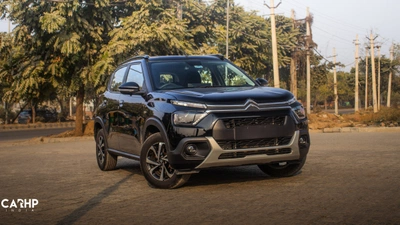
Citroen C3 Review: Who Should Consider This Car?
A few days ago, I took the Citroen C3X out for a spin in the city and on the highways. I travelled long distances and checked its fuel efficiency, features, comfort, and other factors. Today, I’ll briefly share my overall experience with the C3X and will tell you whether you should consider it or not and which is the most value-for-money variant of the lot.
Vatsal Agrawal
May 19, 2026
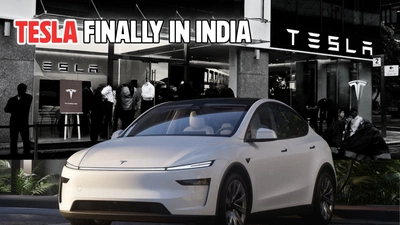
Tesla Finally In India Officially. Why Now And What Does It Mean For EVs?
The much-anticipated 2025 Tesla Model Y has officially arrived in India, marking a pivotal moment for the nation's burgeoning electric vehicle market. Launched on July 15, 2025, the Model Y Juniper facelift offers cutting-edge technology, impressive range, and signature Tesla performance. Positioned as a premium electric SUV, its entry will intensify competition and reshape consumer expectations for EVs across the subcontinent.
Charan Narain
July 17, 2025
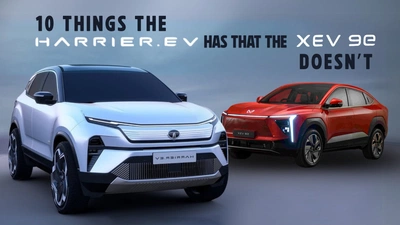
Here Are 10 Things The Harrier.EV Offers That The Mahindra XEV 9E Doesn't
The Harrier.EV is an incredible new offer from Tata. Its most popular competitor would be the Mahindra XEV 9E, priced similarly. With these two incredible offerings from home grown brands available, here is a list of everything the Harrier.EV offers that the XEV 9E doesn't.
Charan Narain
June 13, 2025
Write a comment
Comments
No comments yet. Be the first to comment!