Commercial Car PUC Rules Revised: New Validity Periods Explained
By Anmol Kumar
Published November 20, 2026

The Ministry of Road Transport and Highways (MoRTH) has revised the validity periods of Pollution Under Control (PUC) certificates across India. The changes have been introduced under the Central Motor Vehicles (Sixteenth Amendment) Rules, 2026, which amend Rule 115(7) of the Central Motor Vehicles Rules, 1989.
The revised rules came into effect on November 19, 2026, and link PUC certificate validity to a vehicle's Bharat Stage (BS) emission standard, age and registration category.
The biggest change for commercial cars concerns newer BS-VI transport vehicles, which can now receive PUC certificates valid for up to two years instead of the earlier 12 months.
Also Read - Check the New PUC Validity Periods for Private Cars in India
New PUC Certificate Validity Periods For Commercial Cars
The revised validity periods for commercial cars registered as transport vehicles are as follows.
| Commercial car category | PUC certificate validity |
|---|---|
| BS-I, BS-II and BS-III cars | 3 months |
| BS-IV cars | 6 months |
| BS-VI transport cars up to 6 years old | 2 years |
| BS-VI transport cars over 6 and up to 10 years old | 1 year |
| BS-VI transport cars over 10 years old | 6 months |
The age of a BS-VI car is calculated from its date of first registration. A car that is exactly six years old falls under the first category, while one that is exactly 10 years old falls under the second category.
Newer BS-VI Commercial Cars Get Longer PUC Validity

Previously, commercial cars complying with BS-VI emission standards generally received PUC certificates valid for 12 months, irrespective of their age. Under the revised rules, BS-VI transport cars up to six years old will receive certificates valid for two years.
Those aged more than six years but not exceeding 10 years will require annual renewal. Once a BS-VI transport car crosses the 10-year mark, its PUC certificate will be valid for only six months.
This is slightly different from the schedule for private BS-VI cars. While newer non-transport cars receive three-year PUC certificate validity, transport cars of the same age receive two-year validity.
Also Read - New PUC Rules For Bikes And Scooters Explained
BS-I To BS-IV Commercial Cars Face More Frequent Renewals
Older emission categories will have shorter PUC certificate validity periods under the revised rules.
BS-I, BS-II and BS-III cars will now receive certificates valid for three months, irrespective of their age or registration category. Meanwhile, BS-IV cars will have a uniform six-month validity period.
Previously, the central rules generally allowed six months for BS-I to BS-III vehicles and 12 months for BS-IV vehicles. However, certain states and regions already had shorter renewal requirements. Delhi, for instance, had mandated emission testing every three months for BS-I to BS-III vehicles.
These revised intervals apply to both transport and non-transport vehicles, meaning commercial cars complying with these older emission standards will follow the same renewal schedule as private cars.
What Happens To Existing PUC Certificates?
Existing PUC certificates issued before the amendment came into force will remain valid until their original expiry dates. Commercial car owners do not need to obtain a new certificate immediately.
The revised validity schedule will apply when an existing certificate undergoes its first renewal after November 19, 2026.
There is also a clarification regarding the effective date of renewed certificates.
| Renewal situation | When the new certificate becomes valid |
|---|---|
| Within 10 days before the existing certificate expires | From the previous certificate's expiry date |
| After the existing certificate has expired | From the date of renewal |
This means owners who renew their certificates after expiry will not receive validity credit for the period during which their previous certificate had already lapsed.
Also Read - How 2027 Traffic Rule Changes Will Affect Drivers in India
Under the amended Rule 115, every motor vehicle must carry a valid PUC certificate issued or renewed by an agency authorised by the state government. Commercial car owners must also produce the certificate before the authorised officers when requested.
The revised framework aims to align emission testing frequency with vehicle age, reduce the compliance burden on owners of newer and cleaner vehicles, and ensure continued monitoring of emissions from older transport vehicles.
Table of Contents
- New PUC Certificate Validity Periods For Commercial Cars
- Newer BS-VI Commercial Cars Get Longer PUC Validity
- BS-I To BS-IV Commercial Cars Face More Frequent Renewals
- What Happens To Existing PUC Certificates?
Join the Conversation
Trending
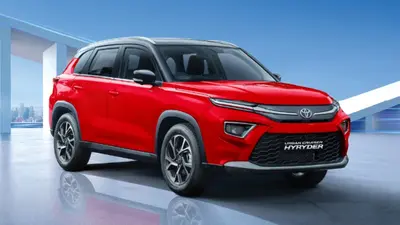
Toyota Hyryder Base E Variant Discontinued, Entry Price Rises To Rs 12.82 Lakh
Toyota has discontinued the base E variant of the Urban Cruiser Hyryder, pushing its starting price up by Rs 1.51 lakh. The S variant now serves as the entry-level trim.
Anmol Kumar
November 20, 2026

Check the New PUC Validity Periods for Private Cars in India
The new PUC rules introduce revised certificate validity periods for private cars in India based on their Bharat Stage emission standards and age. While newer BS-VI cars can now receive PUC certificates valid for three years, older vehicles will require more frequent emission testing.
Anmol Kumar
November 20, 2026

Toyota Innova Hycross Facelift Teased Again Ahead Of November 25 Launch
Toyota has teased the Innova Hycross facelift ahead of its November 25 launch in India. The updated MPV gets revised LED DRLs and is expected to offer larger displays and a flex-fuel hybrid powertrain.
Anmol Kumar
November 20, 2026
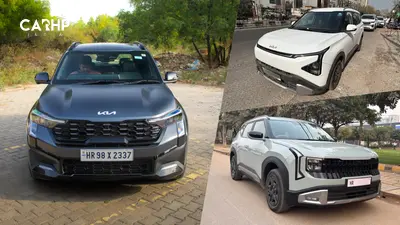
Kia Discontinues Seltos iMT and Revises Carens Clavis and Sonet Lineups
Kia has revised the Seltos, Carens Clavis and Sonet line-ups in India in 2026, discontinuing several variants and limiting the availability of select gearbox and seating options.
Anmol Kumar
November 20, 2026
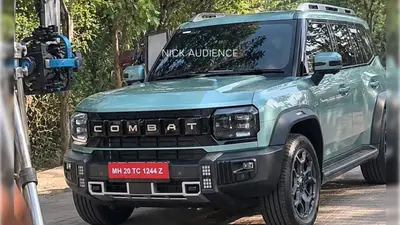
JSW Combat Leaked Ahead Of December Debut In India
The JSW Combat has been spotted without camouflage during a TVC shoot in Daman ahead of its December 3, 2026 India debut. Based on the Jetour T2, the upcoming SUV features rugged styling, a plug-in hybrid powertrain and an expected price of around Rs 40 lakh.
Anmol Kumar
November 19, 2026
Featured
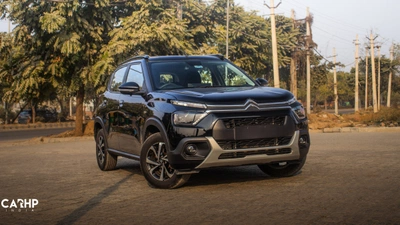
Citroen C3 Review: Who Should Consider This Car?
A few days ago, I took the Citroen C3X out for a spin in the city and on the highways. I travelled long distances and checked its fuel efficiency, features, comfort, and other factors. Today, I’ll briefly share my overall experience with the C3X and will tell you whether you should consider it or not and which is the most value-for-money variant of the lot.
Vatsal Agrawal
May 19, 2026

Tesla Finally In India Officially. Why Now And What Does It Mean For EVs?
The much-anticipated 2025 Tesla Model Y has officially arrived in India, marking a pivotal moment for the nation's burgeoning electric vehicle market. Launched on July 15, 2025, the Model Y Juniper facelift offers cutting-edge technology, impressive range, and signature Tesla performance. Positioned as a premium electric SUV, its entry will intensify competition and reshape consumer expectations for EVs across the subcontinent.
Author
July 17, 2025
Here Are 10 Things The Harrier.EV Offers That The Mahindra XEV 9E Doesn't
The Harrier.EV is an incredible new offer from Tata. Its most popular competitor would be the Mahindra XEV 9E, priced similarly. With these two incredible offerings from home grown brands available, here is a list of everything the Harrier.EV offers that the XEV 9E doesn't.
Author
June 13, 2025

Write a comment
Comments
No comments yet. Be the first to comment!