
EMI Loading
Yamaha FZ-X Variants & Prices
| Variant Details | Ex. Showroom Price | |
|---|---|---|
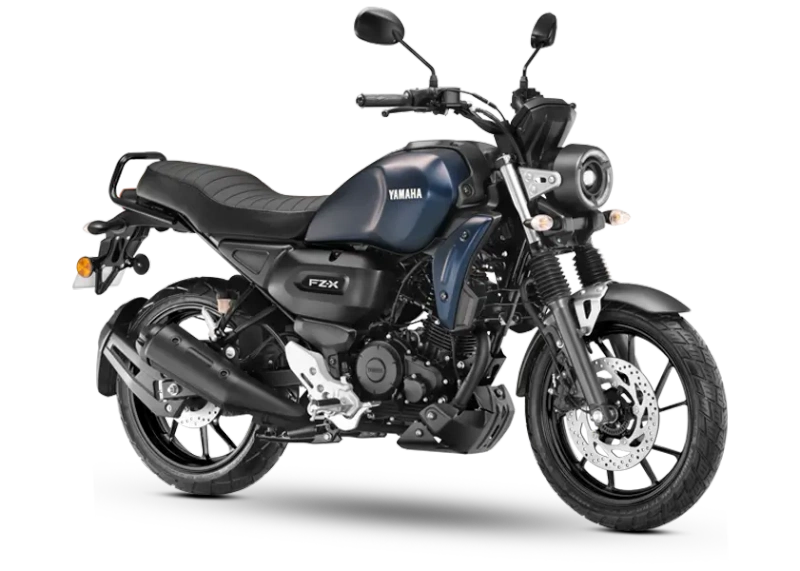
FZ X Dark Matte Blue96 kmph | 55.11 kmpl | 149 cc | ₹ 1.30 Lakh* |
FZ X Dark Matte Blue
Pros & Cons of Yamaha FZ-X
Things We Like
- Exceptionally comfortable and upright riding posture reduces rider fatigue
- Refined and tractable engine is perfect for city traffic conditions.
Things We Don't Like
- Engine performance is underwhelming, especially on open highways.
- Lack of dual-channel ABS is a major safety compromise.
Yamaha FZ-X Overview

Engine, Performance and Mileage
Engine, Performance and Mileage
The powertrain of the Yamaha FZ-X is the familiar 149cc, single-cylinder, air-cooled, SOHC, 2-valve engine from the FZ-S V3 series, now updated to meet BS6 Phase 2 and E20 fuel norms. Its specifications are modest for the segment, producing 12.4 PS at 7,250 rpm and 13.3 Nm of torque at a low 5,500 rpm. Paired with a 5-speed transmission, this engine's character is heavily skewed towards urban tractability rather than outright performance. In city traffic, this tuning proves to be a significant asset. The early torque delivery ensures brisk acceleration from a standstill up to 60 kmph, minimizing the need for frequent gear changes.
The throttle response is linear and forgiving, making it an excellent tool for navigating congested road conditions. Refinement is a hallmark of this Yamaha unit; vibrations are well-contained below 80 kmph, providing a smooth commuting experience. However, its limitations become apparent on the highway. The engine feels strained beyond 90 kmph, and overtakes require careful planning. In terms of fuel efficiency, real-world testing indicates figures between 45-50 kmpl, which is competitive but not class-leading. This performance profile makes the FZ-X a competent city machine but an underwhelming highway companion when compared to its more powerful rivals.
posture comfort
posture comfort
Comfort is arguably the FZ-X's strongest suit. The ergonomics are dictated by a tall, wide handlebar and neutrally positioned footpegs, resulting in a completely upright and relaxed riding posture. This geometry significantly reduces strain on the rider's back and wrists, making it ideal for long hours of city commuting. The single-piece seat is wide, long, and well-cushioned for both the rider and the pillion. At 810mm, the seat height might be a concern for riders below 5'6", but the motorcycle's slim profile helps in managing it. Pillion comfort is commendable, thanks to the generous seating area and a sturdy, functional grab rail that is easy to hold.
The 149cc air-cooled engine manages heat exceptionally well, with no noticeable warmth directed towards the rider's legs even in dense, slow-moving traffic. From a practical standpoint, the 10-litre fuel tank is adequate for a weekly commuting cycle. While the motorcycle lacks dedicated luggage mounting points, the flat and long pillion seat allows for strapping on a small bag or tail pack for occasional short trips. The overall package is designed with the daily user in mind, prioritizing ease of use and physical comfort over outright dynamic capability.
handling ride quality
handling ride quality
The FZ-X is built upon the same diamond frame that underpins the FZ series, a chassis known for its inherent stability. However, Yamaha has tuned the suspension and ergonomics for comfort above all else. The front features a 41mm telescopic fork with gaiters, while the rear employs a 7-step adjustable monoshock. This setup is noticeably softer than its FZ-S sibling, designed to absorb the imperfections of Indian urban roads with composure. Potholes and undulations are handled effectively, preventing jolts from being transferred to the rider. This comfort-oriented tuning, combined with an upright riding posture, results in a relaxed handling character. It is agile in city traffic, aided by its 139 kg kerb weight and wide handlebar, allowing for easy filtering. However, it lacks the cornering sharpness of sportier alternatives like the Suzuki Gixxer.
The block-pattern MRF Revz tyres (100/80-17 front, 140/60-17 rear) offer adequate grip in dry conditions but do not inspire the same level of confidence as road-biased tyres during aggressive cornering or in the wet. The braking hardware consists of a 282mm front disc and a 220mm rear disc. While the braking feel is progressive and offers sufficient stopping power for its performance level, the provision of only single-channel ABS is a notable compromise in this segment.
design
design
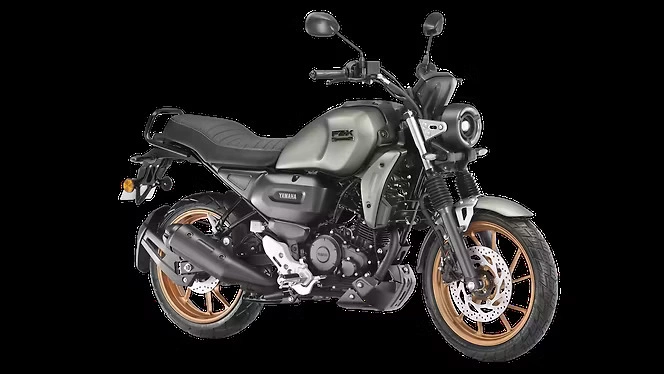
The primary differentiator for the FZ-X is its neo-retro design. It borrows styling cues from Yamaha’s global XSR series, featuring a round bi-functional LED headlamp with DRLs, a muscular tear-drop shaped fuel tank, a tuck-and-roll single-piece seat, and rugged fork gaiters. While the design is distinctive, some may argue it appears more like a cosmetic overhaul of the FZ platform rather than a ground-up retro design. The equipment list, however, is contemporary. The negative LCD instrument cluster is easy to read and displays all necessary information. Its standout feature is the Yamaha Motorcycle Connect (Y-Connect) system, which offers Bluetooth connectivity for call, SMS, and email alerts, as well as practical functions like locating your parked bike and checking fuel consumption records.
The addition of a Traction Control System (TCS) is a segment-first, though its utility on a 12.4 PS motorcycle is debatable except on extremely slippery surfaces. Other practical inclusions are a standard USB charging socket near the handlebar, an all-LED lighting setup (headlamp, DRL, and tail lamp), and a side-stand engine cut-off switch. These features collectively enhance the daily usability of the motorcycle, positioning it as a modern, feature-equipped commuter despite its retro aesthetic.
safety
safety
The safety suite on the Yamaha FZ-X is a mixed offering. On one hand, it introduces a segment-first Traction Control System (TCS), an electronic aid designed to prevent rear-wheel slip during aggressive acceleration on low-traction surfaces. While a commendable addition on paper, its real-world intervention on a motorcycle with modest power and torque figures is minimal for the average rider. Its primary benefit would be as a psychological safety net on gravel or wet roads. The more critical safety component, the Anti-lock Braking System (ABS), is present only in a single-channel configuration. This means only the front wheel is protected from locking up under hard braking.
In a segment where competitors like the Bajaj Pulsar N160 and TVS Ronin offer dual-channel ABS, this is a significant disadvantage. Dual-channel ABS provides superior stability and control during emergency braking, especially in wet conditions, by preventing both wheels from skidding. The FZ-X does feature a side-stand engine cut-off switch, a mandatory and effective safety feature. Visibility is enhanced by the bright bi-functional LED headlamp and LED tail lamp, making the motorcycle easily noticeable to other road users. Overall, while the braking performance is adequate, the lack of dual-channel ABS holds the FZ-X back from being a segment leader in safety.
competition
competition
The Yamaha FZ-X competes in a fiercely contested space. Its primary rivals offer distinct advantages that potential buyers must consider.
Bajaj Pulsar N160:
The Pulsar N160 presents a compelling performance and safety proposition. Its 164.8cc engine produces a healthier 16 PS and 14.65 Nm of torque. Its key differentiator is the availability of dual-channel ABS in its top variant, offering a clear safety advantage over the FZ-X for a marginal price increase.
Ronin 225:
Positioned as a more premium retro-scrambler, the Ronin brings a larger 225.9cc engine with a strong torque output of 19.93 Nm. Its key differentiator is its superior hardware, including Showa upside-down (USD) front forks, a slip-and-assist clutch, and standard dual-channel ABS, making it feel like a more substantial motorcycle.
Suzuki Gixxer:
For those leaning towards a sportier experience, the Suzuki Gixxer remains a strong contender. Its 155cc engine is tuned for better top-end performance, and its chassis is renowned for its sharp, engaging handling dynamics. Its differentiator is its outright sporty character, appealing to riders who prioritize performance over relaxed cruising.
buying advice
buying advice
Who should buy it?
The ideal FZ-X buyer is a daily city commuter who prioritizes a relaxed, upright riding posture and a refined, stress-free engine over high performance. They value modern features like Bluetooth connectivity and appreciate the neo-retro styling as a unique statement in the commuter segment.
Who should skip it?
Riders who frequently venture onto the highway, demand a higher level of braking safety from dual-channel ABS, or seek an engaging, performance-oriented ride should consider alternatives. The Pulsar N160 and Gixxer offer more performance and better safety features for a similar investment.