
EMI Loading
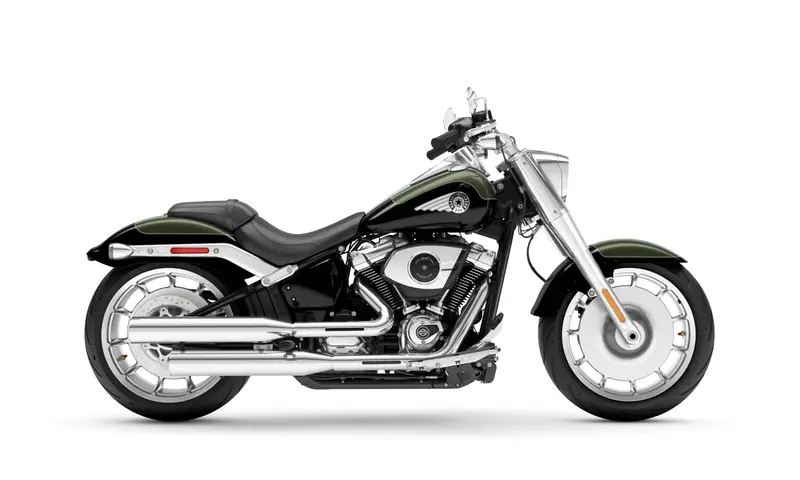
Harley Davidson Fat Boy Key Specifications
Harley Davidson Fat Boy Variants & Prices
| Variant Details | Ex. Showroom Price | |
|---|---|---|
Harley-Davidson Fat Boy STD177 kmph | 18.18 kmpl | 1923 cc | ₹ 28.03 Lakh* |
Harley-Davidson Fat Boy STD
Harley Davidson Fat Boy Comparison with similar Bikes

Harley Davidson Fat Boy Overview

The Harley Davidson Fat Boy is more than just a motorcycle and it is a cultural phenomenon that has dominated the cruiser segment for decades. Originally introduced in the early nineties, it gained global fame through its cinematic appearances and unmistakable silhouette. Today, the modern iteration continues to uphold that legacy by blending the classic Softail frame with high performance engineering. This bike is designed for riders who want to make a bold statement while enjoying the rhythmic pulse of a large displacement V twin engine.
The current model features significant weight reductions compared to its predecessors, making it more agile than its muscular appearance suggests. It caters to enthusiasts who appreciate the finer details of chrome finishes and high quality craftsmanship. Whether cruising through city streets or embarking on long distance highway journeys, the Fat Boy provides a stable platform. It remains a top choice for those seeking a premium motorcycling experience that prioritizes comfort, prestige, and freedom.
Engine, Performance and Mileage
Engine, Performance and Mileage
At the heart of the Harley Davidson Fat Boy lies the formidable Milwaukee Eight 114 engine, a powerhouse that defines the character of the bike. This 1868cc V twin motor is engineered to deliver a visceral riding experience characterized by immense low end torque and a soul stirring exhaust note. With four valves per cylinder and a dual spark configuration, the engine provides efficient combustion and crisp throttle response across the entire rev range. It produces approximately 155 Newton meters of torque, allowing the rider to accelerate with authority regardless of the gear selection or road conditions.
The engine utilizes a precision oil and air cooling system to manage temperatures effectively, ensuring consistent performance during long rides or in heavy traffic. A counter balancing system is integrated into the design to reduce primary vibrations, providing a smoother ride at highway speeds while still retaining the classic Harley Davidson pulse that riders crave. This balance allows for long distance touring without the fatigue often associated with high displacement twins. The power is delivered to the rear wheel through a smooth shifting six speed Cruise Drive transmission, which features a tall top gear for relaxed cruising at lower engine speeds.
The intake and exhaust systems are tuned to optimize airflow and enhance the auditory experience. The high performance ventilator air intake not only looks aggressive but also ensures the engine breathes deeply under load. The two into two staggered exhaust system is finished in satin chrome and emits a deep, guttural rumble that is synonymous with the brand. Electronic Sequential Port Fuel Injection ensures that the engine starts reliably in various climates and maintains optimal fuel delivery for both performance and efficiency. This combination of traditional V twin architecture and modern electronic management makes the Milwaukee Eight 114 one of the most capable and enjoyable engines in the cruiser world today.
design
design
The design of the Harley Davidson Fat Boy is centered around a massive and muscular aesthetic that is instantly recognizable. Its most defining characteristic is the set of Lakester cast aluminum disc wheels, which are wrapped in the widest tires ever offered by the factory. The front tire measures 160mm while the rear is a staggering 240mm, giving the bike its signature steamroller look. This wide stance is complemented by the beefy front forks and a large LED headlamp enclosed in a classic nacelle, creating a front end that looks incredibly imposing.
Every line on the Fat Boy is intended to convey strength and solidity. The fuel tank is wide and features the iconic winged logo, flowing seamlessly into a sculpted seat that provides a low slung riding position. The use of satin chrome finishes across the engine covers, exhaust, and trim gives the bike a premium and sophisticated appearance without being overly flashy. This finish provides a subtle contrast to the deep paint options available, highlighting the mechanical beauty of the Milwaukee Eight powertrain. The rear fender is chopped to expose more of that massive rear tire, emphasizing the custom inspired roots of the bike.
Ergonomics are also a key part of the design philosophy. The floorboards are positioned to allow for a relaxed leg stretch, while the wide handlebars offer excellent leverage for steering this heavyweight machine. Despite its bulk, the design incorporates a hidden rear monoshock suspension system within the Softail frame. This allows the bike to maintain the clean lines of a vintage hardtail while providing the comfort and handling of a modern suspension setup. The overall result is a motorcycle that looks like a piece of rolling industrial art, balancing heritage with contemporary manufacturing techniques to ensure it remains the benchmark for heavyweight cruisers in the global market.
safety
safety
Safety is a paramount consideration for a motorcycle of the size and power of the Fat Boy. Harley Davidson has integrated several mechanical and electronic systems to ensure the rider remains in control at all times. The primary safety feature is the standard Anti lock Braking System, which prevents the wheels from locking up during hard braking maneuvers. This is particularly important given the heavy weight of the bike and the massive contact patches of its tires. The ABS works silently in the background to provide consistent stopping power on various surfaces, including wet or slippery roads, reducing the risk of skidding.
The braking hardware itself consists of high performance calipers and large diameter discs that are designed to dissipate heat effectively. This ensures that the brakes do not fade during prolonged use, such as when descending long mountain passes. The wide 160mm front and 240mm rear tires also contribute to safety by providing an enormous amount of mechanical grip and stability. This wide footprint helps the bike track straight and true, offering a planted feel that inspires confidence in the rider. The low center of gravity, achieved through the Softail frame design, further enhances stability and makes the bike easier to manage at low speeds.
Visibility is another critical aspect of the safety package of the Fat Boy. The Signature LED headlamp provides a powerful and wide beam pattern that illuminates the road far ahead, making night riding much safer. The rear LED lighting and bright turn signals ensure that the motorcycle is easily visible to other motorists from all angles. Additionally, the bike features a robust security system that includes a hands free fob. This system automatically arms and disarms the electronic security functions of the vehicle as the rider approaches or leaves the motorcycle, preventing unauthorized use. Together, these features create a comprehensive safety net that allows the rider to focus on the enjoyment of the journey, knowing that the machine is equipped to handle unexpected situations with poise and reliability.
competition
competition
The Harley Davidson Fat Boy operates in a competitive segment of heavyweight cruisers where style and presence are just as important as performance. Its most direct rival is the Indian Chief Bobber Dark Horse. The Indian offers a similar American V twin heritage with its Thunderstroke 116 engine and a stripped down, muscular aesthetic. It features modern technology like a touchscreen display and multiple ride modes, appealing to those who want a blend of classic looks and high tech features.
Another significant competitor is the Triumph Rocket 3. While it follows a different design philosophy with its massive 2500cc triple cylinder engine, it competes for the same audience that desires ultimate road presence and torque. The Rocket 3 offers more advanced electronics and sportier handling but lacks the traditional air cooled V twin character of the Fat Boy.
The BMW R 18 is also a strong contender, bringing German engineering to the heritage cruiser market. With its massive 1802cc boxer engine and exposed driveshaft, the R 18 offers a unique alternative to the American cruisers. It focuses heavily on customization and historical design cues from the early twentieth century. Despite these rivals, the Fat Boy remains a unique proposition due to its specific wheel design and the cultural weight of the Harley Davidson brand, maintaining a loyal following that values its specific blend of muscle and tradition.
pricing and features
pricing and features
The Harley Davidson Fat Boy is equipped with a suite of features that enhance both its functionality and its premium feel. One of the standout technological additions is the Signature LED forward lighting system. This includes a bright LED headlamp that provides superior visibility at night while giving the bike a modern face. The instrumentation is mounted on the tank console, featuring a five inch analog speedometer combined with a digital display. This screen provides essential information such as gear indicator, odometer, fuel level, clock, trip meters, and range to empty, all easily accessible while riding.
For rider convenience, the bike includes a keyless ignition system and a standard security system with a proximity based immobilizer. This allows the rider to start the motorcycle simply by having the key fob nearby, adding a layer of modern luxury to the experience. A USB charging port is also discreetly integrated, allowing for the charging of mobile devices or GPS units during long journeys. The seat is designed with high quality materials to provide long distance comfort for both the rider and a passenger, featuring a wide base and supportive cushioning that complements the relaxed geometry of the bike.
The suspension system is another highlight of the feature list. The front uses high performance dual bending valve technology, which provides the performance of a racing style cartridge fork with linear damping characteristics. At the rear, an easily adjustable mono shock allows riders to fine tune the preload based on their weight or whether they are carrying a passenger. This adjustment can be made without removing any bodywork, making it highly practical for different riding scenarios. Furthermore, the bike features high performance braking components designed to bring the heavy machine to a controlled stop. The combination of these mechanical and electronic features ensures that the Fat Boy is not just a showpiece, but a highly capable and user friendly motorcycle.
Harley Davidson Fat Boy Specifications & Features
Engine & Transmission
| Starting | Self Start Only |
| Engine Type | Milwaukee-Eight閳 117 Custom |
| Displacement | 1923 cc |
| Max Torque | 168 Nm @ 3000 rpm |
| Number of Cylinders | 2 |
| Cooling System | Air Cooled |
| Fuel Supply | Fuel Injection |
| Gear Box | 6 Speed |
| Bore | 103.5 mm |
| Stroke | 114.3 mm |
| Compression Ratio | 10.3:1 |
| Emission Type | BS6.2 |
| Valve Per Cylinder | 4 |
Motor & Battery
| Drive Type | Chain Drive |
| Transmission | Manual |
| Peak Power | 104.69 PS @ 5020 rpm |
Mileage & Performance
| Overall Mileage | 18.18 kmpl |
Performance
| Top Speed | 177 kmph |
Chassis & Suspension
| Body Type | Cruiser Bikes |
Tyres & Brakes
| Radial Tyre | |
| Tyre Brand | Michelin |
Dimensions & Capacity
| Width | 965 mm |
| Length | 2365 mm |
| Fuel Capacity | 18.9 L |
| Ground Clearance | 125 mm |
| Wheelbase | 1650 mm |
| Kerb Weight | 315 Kg |
| Dry Weight | 304 Kg |
| Engine Oil | 4.7 L |
| Seat Height | 675 mm |
Electricals
| Headlight | LED |
| Taillight | LED |
| Turn Signal Lamp | LED |
| Low Battery Indicator | |
| Low Oil Indicator | |
| Low Fuel Indicator |
Features & Safety
| Pass Switch | |
| Additional Features |
|
| Tachometer | Digital |
| Fuel Gauge | Digital |
| Riding Modes | |
| Traction Control | |
| Engine Kill Switch | |
| Switchable ABS |
Features
| Instrument Console | Analogue and Digital |
| Speedometer | Analogue |
| Tripmeter | Digital |
| Seat Type | Split |
| Clock | |
| Passenger Footrest | |
| Cruise Control | |
| Odometer | Digital |
| Usb Charging Port | |
| display size inch | 5.0 |
| gear indicator |
App Features
| Low Battery Alert |
Underpinnings
| Suspension Front | Dual-bending valve 49 mm telescopic with aluminum fork triple clamps; dual rate spring; "beer can" covers |
| Suspension Rear | Hidden, free piston, coil-over monoshock; 43mm stroke; hydraulic preload adjustment |
| Brakes Front | Disc |
| Brakes Rear | Disc |
| Tyre Size | Front :-160/60-R18 Rear :-240/40-R18 |
| Wheel Size | Front :-457.2 mm,Rear :-457.2 mm |
| Wheels Type | Cast Aluminum |
| Tubeless Tyre | 1 |
| ABS | Dual Channel |
| Frame | Stiffer Frame |
| caliper front piston | 4 |
| caliper rear piston | 4 |
| Tyre Type | Tubeless |