
EMI Loading
Aprilia RSV4 Key Specifications
Aprilia RSV4 Variants & Prices
| Variant Details | Ex. Showroom Price | |
|---|---|---|
RSV4 Factory305 kmph | 15.4 kmpl | 1099 cc | ₹ 31.26 Lakh* |
RSV4 Factory
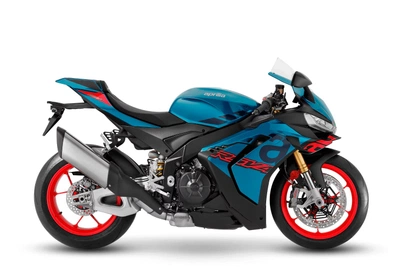
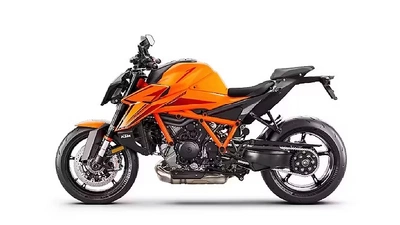
Aprilia RSV4 Comparison with similar Bikes
Pros & Cons of Aprilia RSV4
Things We Like
- Exceptional V4 engine performance with a unique acoustic signature.
- Superlative chassis dynamics offering unparalleled feedback and track-focused handling.
Things We Don't Like
- Extremely committed ergonomics make it profoundly uncomfortable for street riding.
- Significant engine heat becomes a major issue in city traffic.
Aprilia RSV4 Overview

Engine, Performance and Mileage
Engine, Performance and Mileage
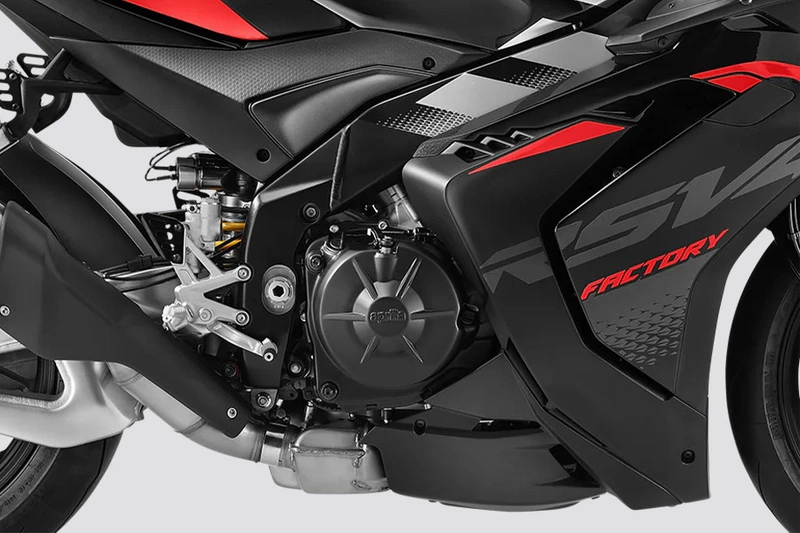
The heart of the Aprilia RSV4 is its 1,099cc, 65-degree V4 engine, now updated to meet BS6 Phase 2 emission norms without a significant compromise in output. This unit produces a formidable 217 hp at 13,000 rpm and 125 Nm of torque at 10,500 rpm. The power delivery is uniquely aggressive yet linear, a characteristic trait of its V4 configuration that distinguishes it from the peaky nature of some inline-four rivals. Throttle response, managed by a sophisticated ride-by-wire system, is exceptionally precise, translating minute wrist inputs into direct forward momentum. The six-speed cassette-type gearbox, equipped with an up-and-down quickshifter, facilitates seamless gear changes under hard acceleration.
In urban environments, the engine's race-bred nature is a liability; it generates considerable heat and feels restless below 4,000 rpm. On the highway, it settles into a high-strung cruise, but its true potential is only unlocked on a racetrack. Fuel efficiency is, as expected, a low priority, with real-world figures likely hovering around 10-12 km/l under mixed usage, demanding frequent refuelling from its 17.9-litre tank. This is not a machine for economical touring but a purpose-built instrument for speed.
posture comfort
posture comfort
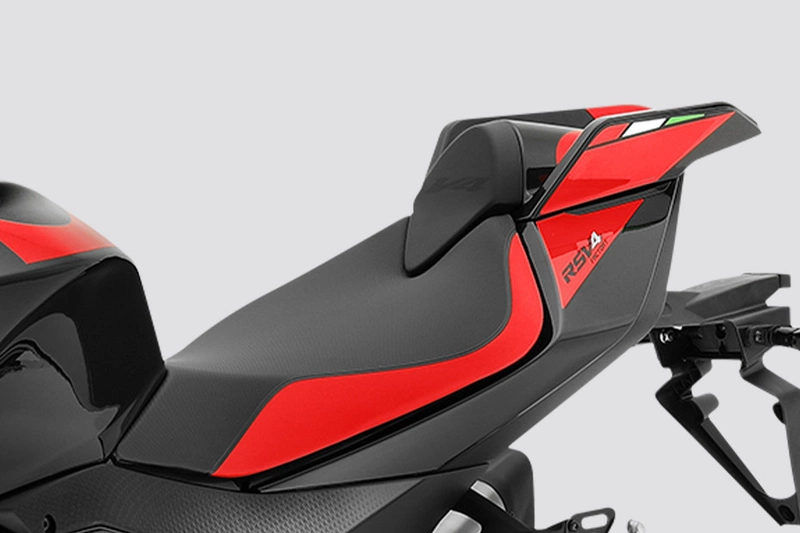
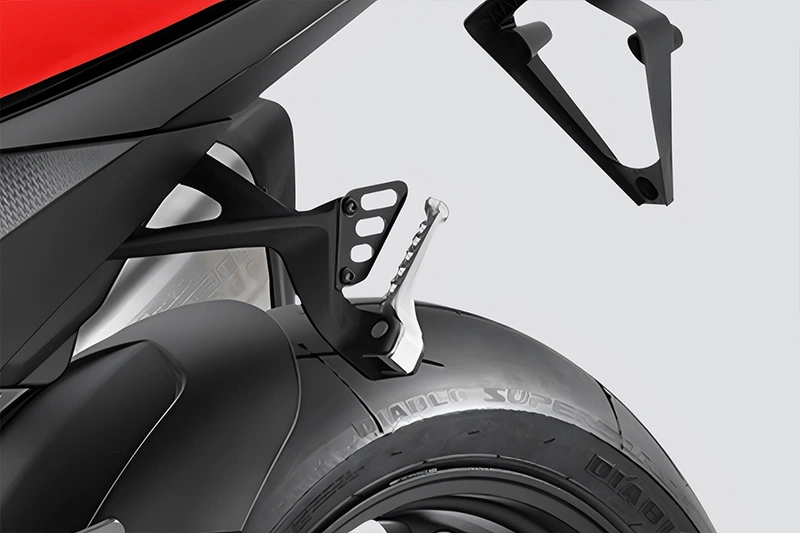
Evaluating the RSV4 on comfort and practicality is to assess it outside its intended environment. The riding posture is one of the most aggressive in the superbike class. The low-slung clip-on handlebars and high, rear-set footpegs place the rider in a committed tuck, putting significant strain on the wrists, back, and neck during street riding. The rider's seat is firm and narrow, designed for body movement on a track rather than long-distance comfort.
With a seat height of 845mm, it can be challenging for riders of average height to comfortably place both feet on the ground. Pillion accommodation is purely an afterthought; the rear seat is a small, thinly padded perch unsuitable for anything more than a brief trip.
Heat management is a critical issue, particularly in India's stop-and-go traffic. The V4 engine radiates a substantial amount of heat, which is directed towards the rider's legs, making slow-speed commutes highly uncomfortable. Practical features are virtually non-existent. There is no underseat storage, and fitting luggage requires aftermarket solutions like tail packs, which disrupt the bike’s aerodynamic profile and purpose.
handling ride quality
handling ride quality
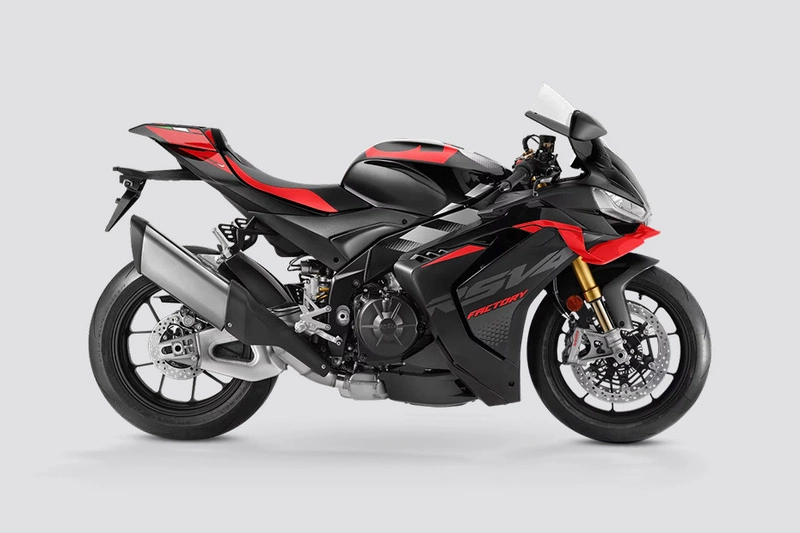
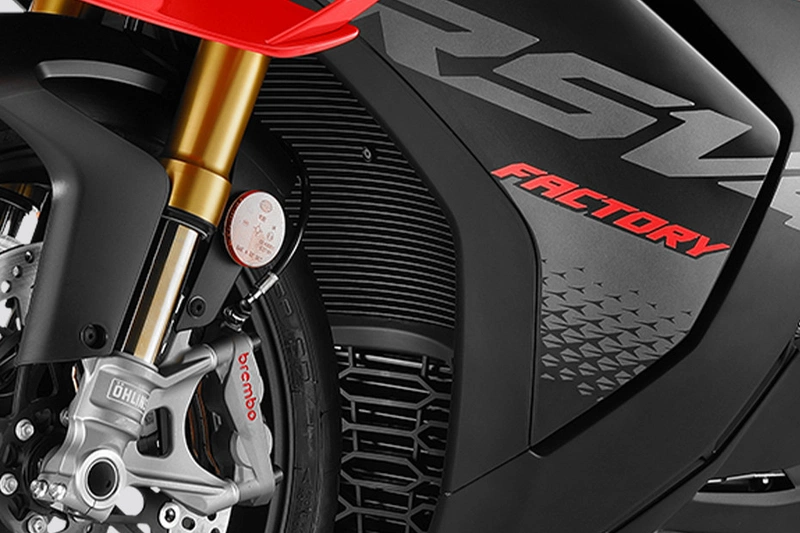
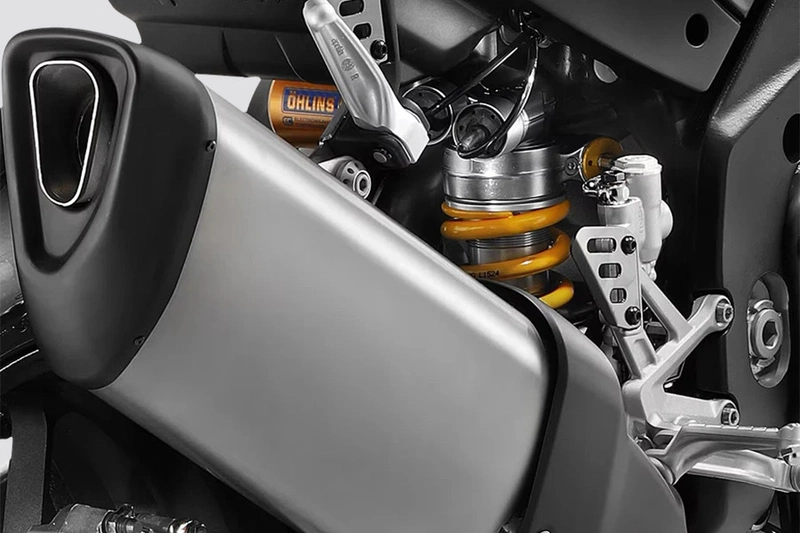
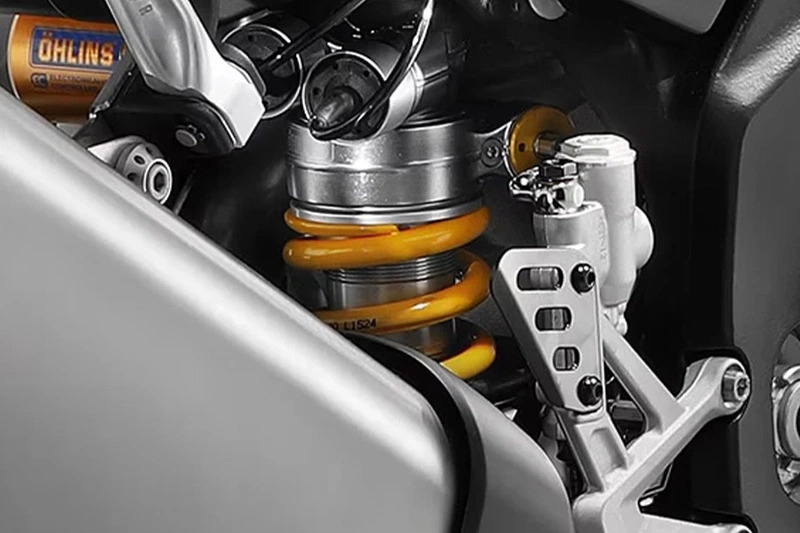
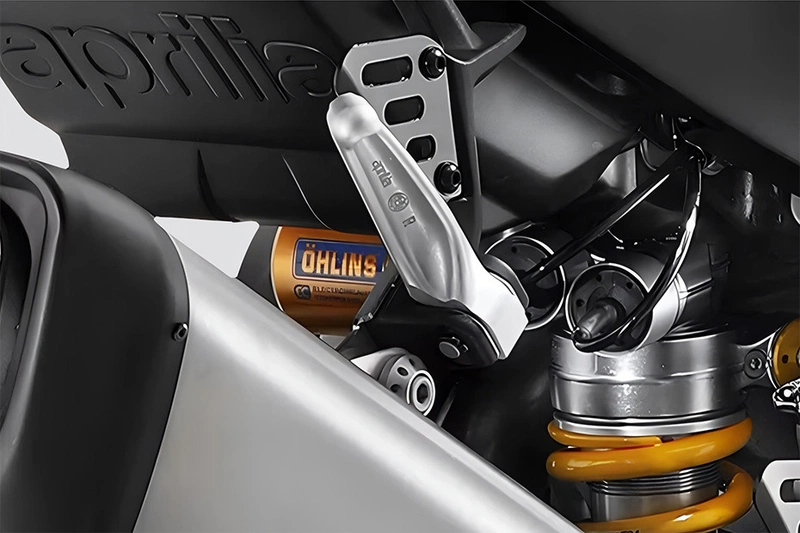
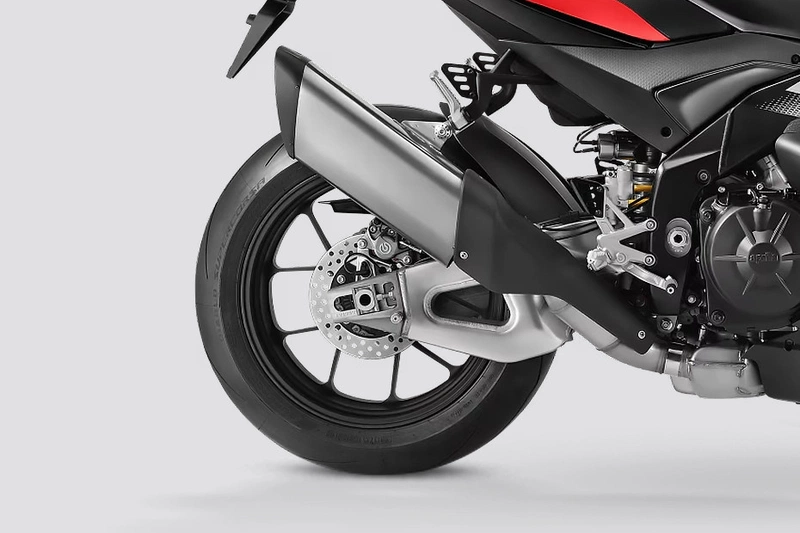
The RSV4’s dynamic prowess is anchored by its race-derived twin-spar aluminium frame, which offers adjustable headstock position and swingarm pivot height—a feature typically reserved for professional racing machines. The standard model is equipped with fully adjustable Sachs suspension components, while the premium 'Factory' variant features semi-active Öhlins Smart EC 2.0 suspension. This chassis provides an unfiltered connection to the tarmac, delivering immense feedback to the rider. High-speed stability is absolute, a result of its aerodynamic design with integrated winglets and a focused chassis geometry.
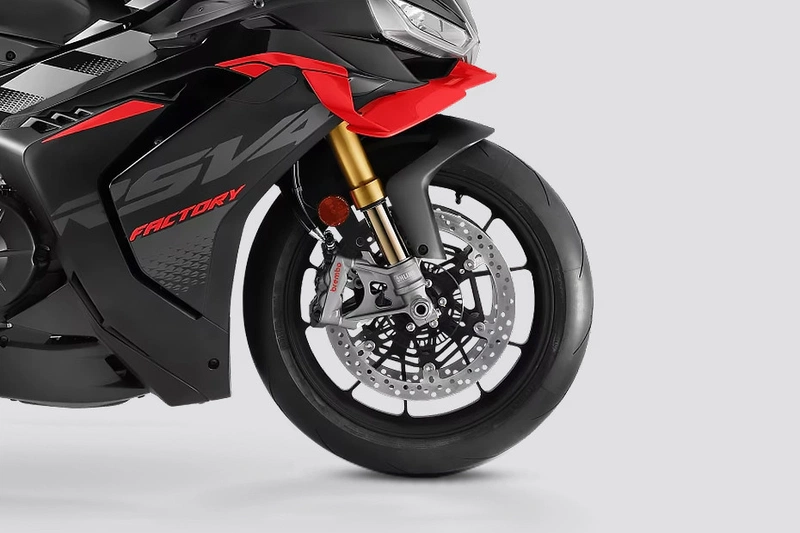
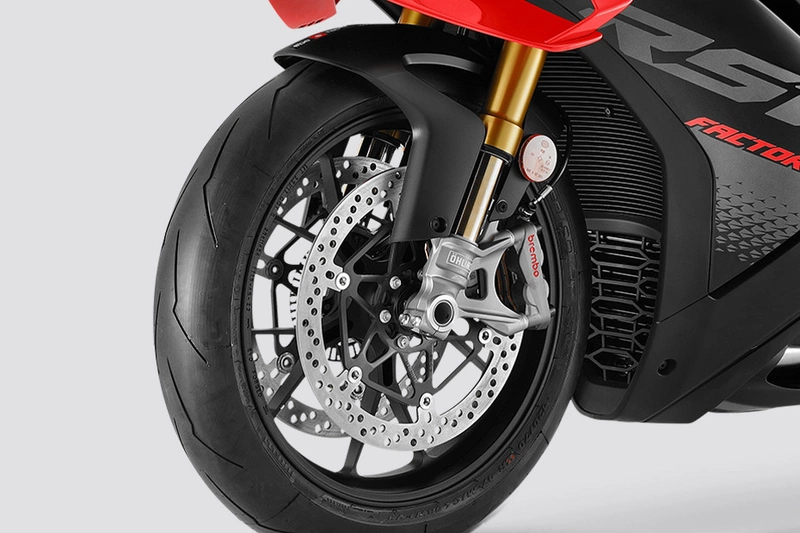
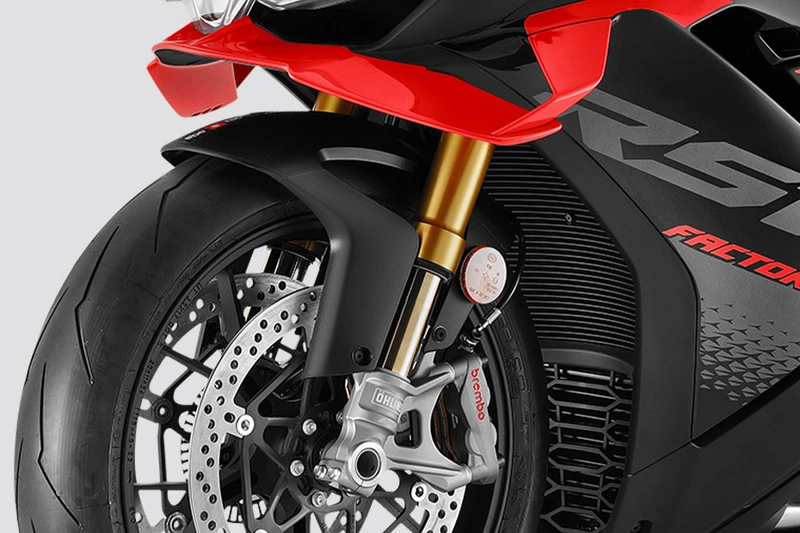
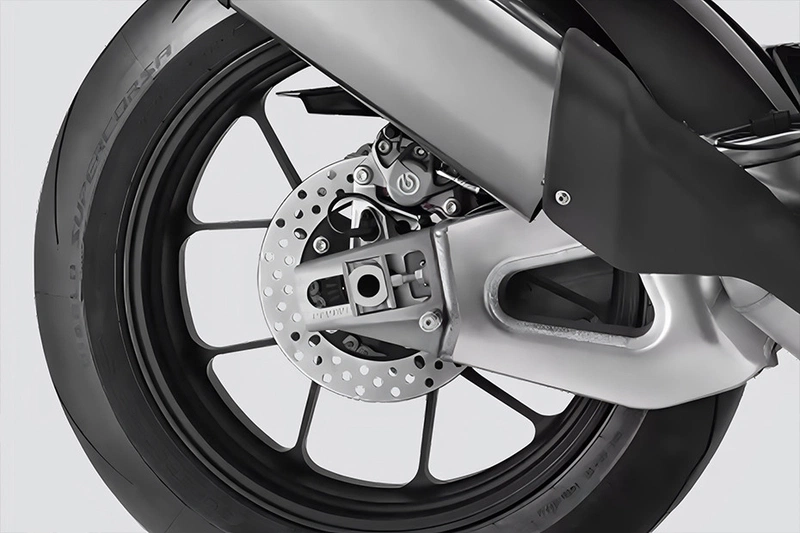
However, this track-oriented setup translates to limited agility in dense city traffic, with a demanding turning radius and a stiff ride quality that transmits every road imperfection. Cornering is where the RSV4 excels; turn-in is immediate and precise, allowing riders to hold a line with surgical accuracy. The braking system is equally impressive, featuring dual 330mm floating discs with Brembo Stylema monobloc calipers at the front.
This setup provides phenomenal stopping power with exceptional feel and modulation, offering a level of confidence under braking that is on par with, if not superior to, key rivals like the Ducati Panigale V4.
design
design
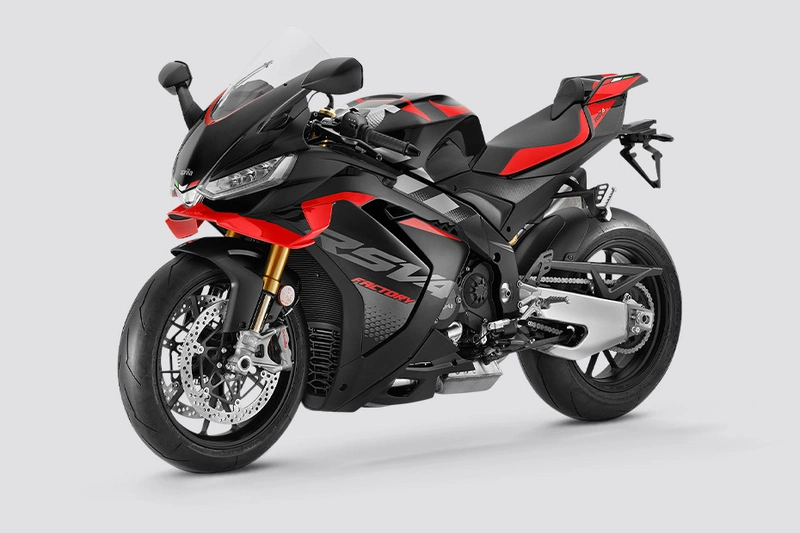
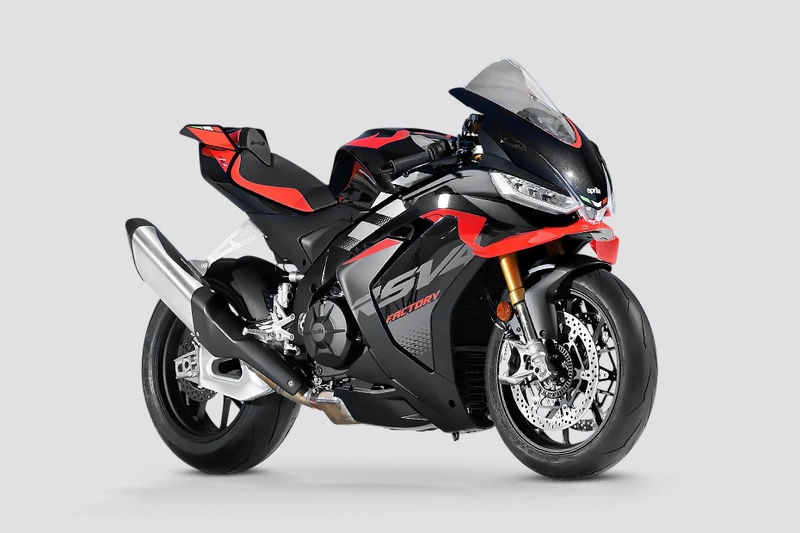
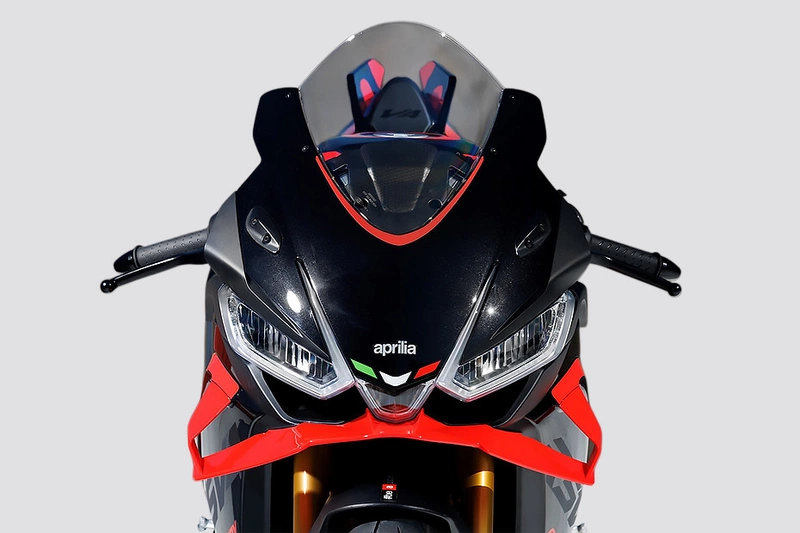
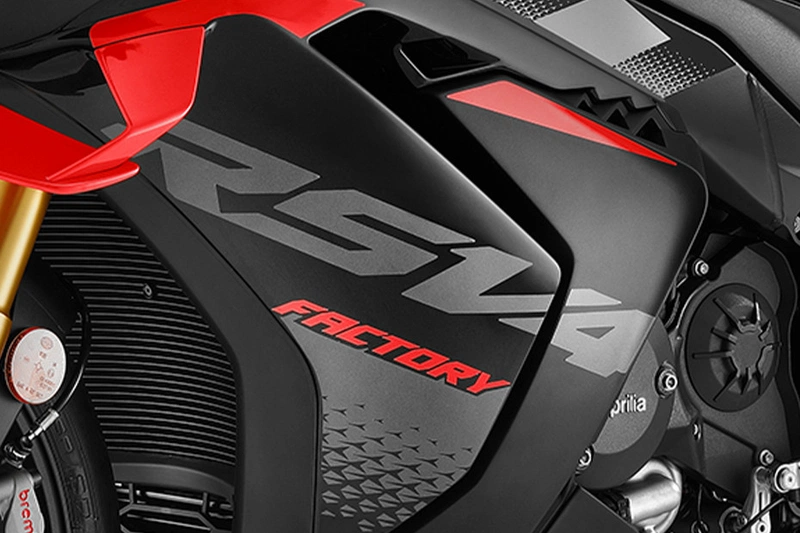
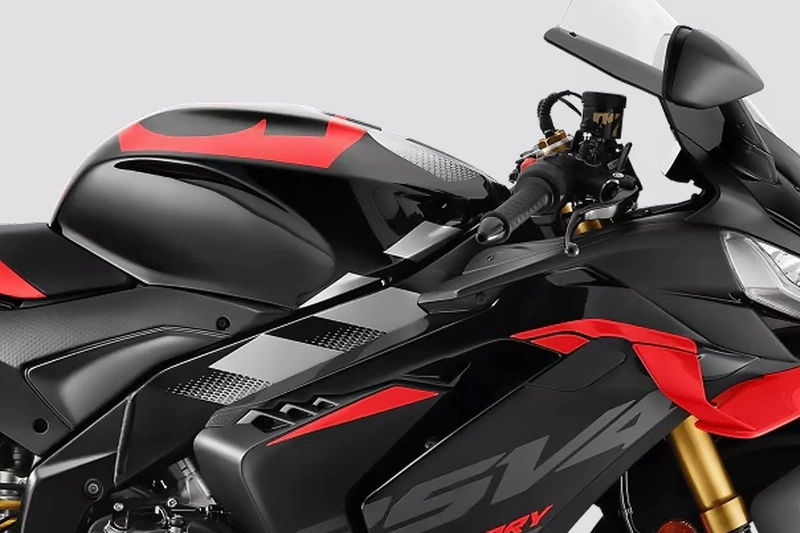
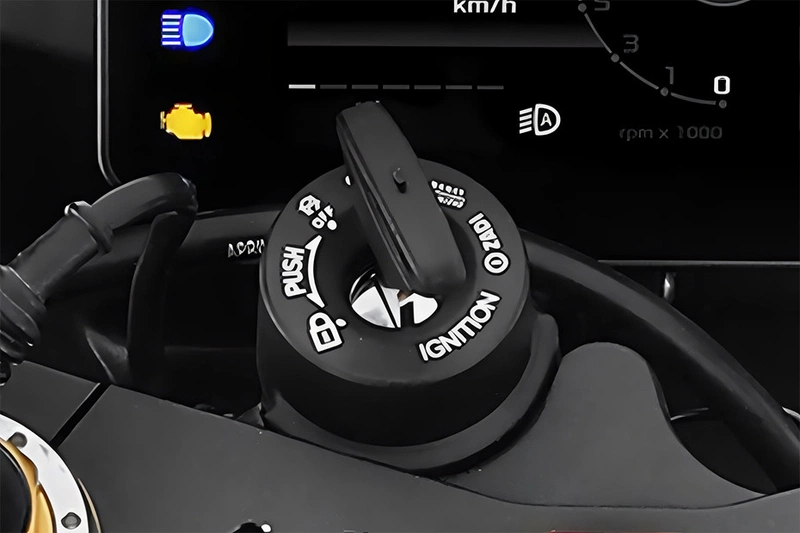
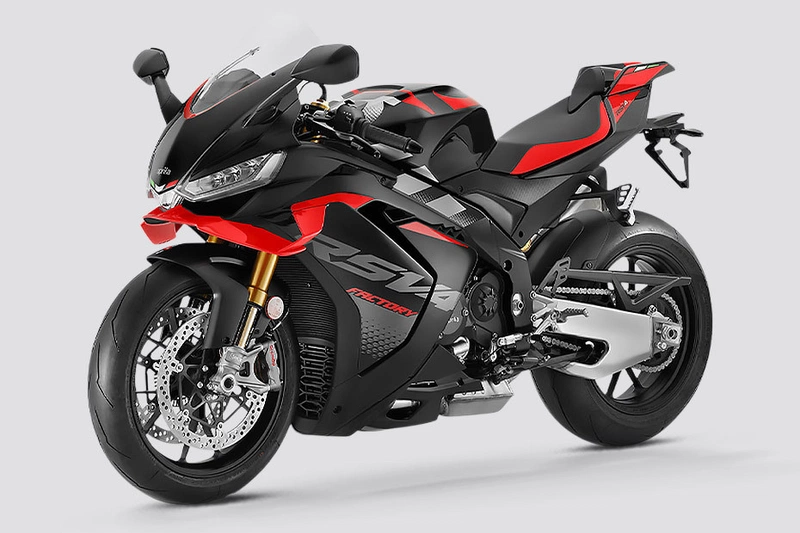
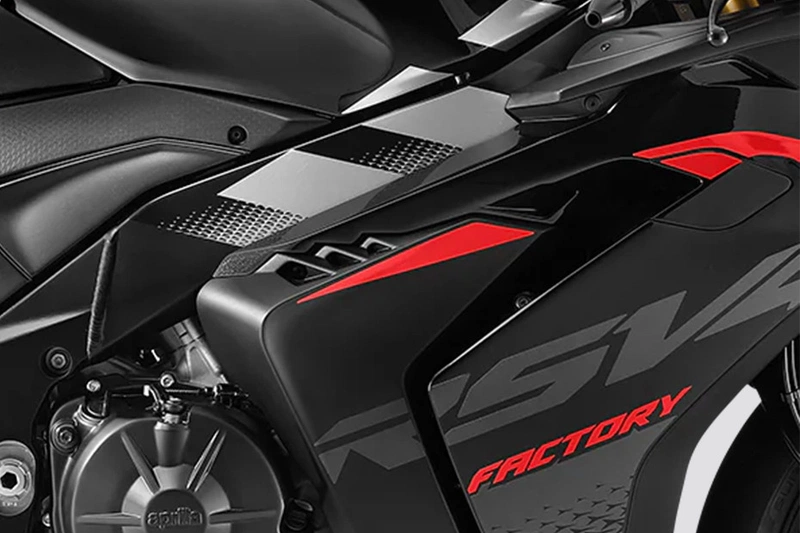
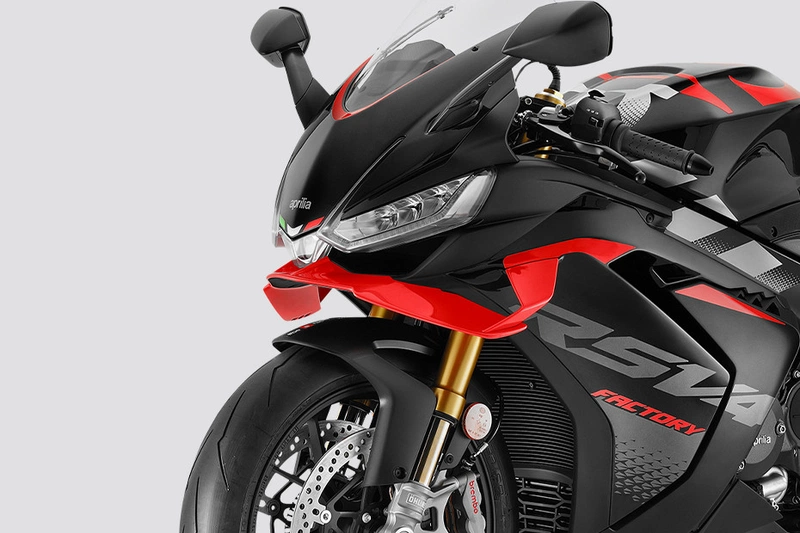
The latest iteration of the RSV4 adopts the design language first seen on the RS 660, featuring a triple-LED headlight assembly with integrated DRLs and cornering lights that enhance visibility during night-time manoeuvres. The most significant design update is the integration of aerodynamic winglets directly into the double-walled fairing, a solution Aprilia claims improves high-speed stability and engine cooling. The instrumentation is a modern 5-inch full-colour TFT display that is legible even in direct sunlight and offers extensive customisation.
The RSV4 is equipped with the comprehensive Aprilia Performance Ride Control (APRC) system, which serves as its electronic brain. Key features include multiple riding modes (3 for road, 3 for track), lean-sensitive traction control, wheelie control, and engine brake management. It also comes with cruise control and a pit limiter, underscoring its track focus. The optional Aprilia MIA multimedia platform enables Bluetooth connectivity for smartphone integration, providing call management and turn-by-turn navigation directly on the TFT dash. These features are not mere novelties; they are functional tools that allow a rider to safely manage the motorcycle's immense performance envelope across varying conditions.
safety
safety
Safety on the Aprilia RSV4 is not merely about braking hardware but is deeply integrated into its advanced electronic architecture. The motorcycle is built around a six-axis Magneti Marelli Marelli 11MP Inertial Measurement Unit (IMU), which constantly monitors the bike’s pitch, roll, and yaw angles. This data feeds into the comprehensive APRC suite, enabling a host of lean-sensitive safety functions. The multi-level Cornering ABS, developed in collaboration with Continental, modulates brake pressure even at full lean, preventing wheel lock-up during mid-corner braking. The Aprilia Traction Control (ATC) offers eight levels of intervention, allowing the rider to fine-tune rear-wheel slip based on track conditions and tyre wear.
Further safety nets include Aprilia Wheelie Control (AWC), Aprilia Launch Control (ALC), and Aprilia Engine Brake Control (AEB). The powerful Brembo Stylema braking system ensures exceptional stopping power and stability in both dry and wet conditions. Visibility is also a key safety component, addressed by the bright, triple-pod LED headlamp with cornering functionality, ensuring the road ahead is well-illuminated through turns. This level of electronic intervention is the current benchmark for the superbike segment.
competition
competition
The litre-class superbike segment is fiercely contested, with each manufacturer offering a unique philosophy. The Aprilia RSV4 faces formidable rivals in India.
Ducati Panigale V4:
The Panigale V4 is the RSV4’s primary Italian adversary. Its key differentiator is the 1,103cc Desmosedici Stradale V4 engine with a counter-rotating crankshaft, delivering a uniquely raw and explosive character. It offers a slightly more premium brand cachet and an equally potent electronics package, often at a higher price point.
BMW S 1000 RR:
The German contender focuses on clinical efficiency and accessible performance. Its differentiating factor is the 999cc inline-four engine with ShiftCam technology, which provides a broader and more manageable torque spread, making it a comparatively better road bike than its V4 rivals while still being a track weapon.
Kawasaki Ninja ZX-10R:
Representing the Japanese approach, the ZX-10R’s most significant differentiator is its value proposition. It offers world-superbike-championship-winning performance, a robust inline-four engine, and advanced electronics at a price point that significantly undercuts its European counterparts, making it the most accessible track tool in the segment.
buying advice
buying advice
Who should buy it?
The RSV4 is for the seasoned track-day enthusiast or the experienced rider who prioritises raw chassis feedback, a characterful V4 engine, and a top-tier electronics suite above all else. It is an uncompromising tool built for the singular purpose of chasing lap times.
Who should skip it?
Riders looking for a superbike with any semblance of road usability, touring comfort, or practicality should look elsewhere. Those concerned with high ownership costs and the sparse Aprilia service network in India may find the BMW S 1000 RR or Kawasaki ZX-10R more suitable choices.
Aprilia RSV4 Specifications & Features
Engine & Transmission
| Starting | Self Start Only |
| Engine Type | V4 (65鎺), 4 valves per cylinder, liquid-cooled with Ride-By-Wire |
| Displacement | 1099 cc |
| Max Torque | 127 Nm @ 10800 rpm |
| Number of Cylinders | 4 |
| Cooling System | Liquid Cooled |
| Fuel Supply | Fuel Injection |
| Gear Box | 6 speed |
| Bore | 81 mm |
| Stroke | 53.32 mm |
| Compression Ratio | 13.6:1 |
| Emission Type | BS6.2 |
| Clutch | Multiplate wet clutch with slipper system |
| Valve Per Cylinder | 4 |
| gear shifting pattern | 1 Down 5 Up |
| spark plugs per cylinder | 1 Per Cylinder |
Motor & Battery
| Drive Type | Chain Drive |
| Transmission | Manual |
| Peak Power | 219.98 PS @ 13000 rpm |
Mileage & Performance
| Overall Mileage | 15.4 kmpl |
Performance
| Top Speed | 305 kmph |
| average speed |
Chassis & Suspension
| Body Type | Super Bikes, Sports Bikes |
Tyres & Brakes
| Front Brake Diameter | 330 mm |
| Rear Brake Diameter | 220 mm |
| Radial Tyre | |
| Front Tyre Pressure Rider | 36 psi |
| Front Tyre Pressure Rider Pillion | 36 |
| Rear Tyre Pressure Rider | 42 psi |
| Rear Tyre Pressure Rider Pillion | 42 |
Dimensions & Capacity
| Width | 735 mm |
| Length | 2055 mm |
| Height | 1150 mm |
| Fuel Capacity | 18 L |
| Ground Clearance | 130 mm |
| Wheelbase | 1435.8 mm |
| Kerb Weight | 204 Kg |
| Fuel Reserve | 4 L |
| Seat Height | 840 mm |
| pillion grab rail | |
| pillion seat |
Electricals
| Headlight | LED |
| Taillight | LED |
| Turn Signal Lamp | LED |
| Low Battery Indicator | |
| Low Oil Indicator | |
| Low Fuel Indicator | |
| Drls |
Features & Safety
| Additional Features |
|
| Tachometer | Digital |
| Riding Modes | |
| Traction Control | |
| Launch Control | |
| Quick Shifter | |
| Engine Kill Switch | |
| Service Due Indicator | |
| hazard warning indicator | |
| hazard warning lights | |
| high beam indicator | |
| malfunction indicator | |
| no of tripmeters | 2 |
| saree guard | |
| shift light | |
| stand alarm |
Features
| Instrument Console | Digital |
| Speedometer | Digital |
| Tripmeter | Digital |
| Seat Type | Split |
| Clock | |
| Navigation | |
| Cruise Control | |
| Odometer | Digital |
| Usb Charging Port | |
| Call SMS Alerts | |
| Distance To Empty Indicator | |
| digital display type | TFT |
| display size inch | 5.0 |
| engine temperature indicator | |
| gear indicator |
App Features
| Low Battery Alert | |
| Navigation Assist | |
| Calls & Messaging |
Underpinnings
| Suspension Front | hlins 43 mm electronically controlled USD fork, fully adjustable, Travel - 125 mm |
| Suspension Rear | hlins electronically controlled monoshock, fully adjustable, Travel - 115 mm |
| Brakes Front | Disc |
| Brakes Rear | Disc |
| Tyre Size | Front :-3.5 x 17, Rear :-6 x 17 |
| Wheel Size | Front :-431.8 mm,Rear :-431.8 mm |
| Wheels Type | Alloy |
| Tubeless Tyre | 1 |
| ABS | Dual Channel |
| Frame | Twin spar aluminum frame |
| caliper front piston | 4 |
| caliper rear piston | 2 |
| Tyre Type | Tubeless |
Warranty
| Vehicle Warranty | 2 Years |
Aprilia RSV4 Price in Cities
₹ 35.68 Lakh - 35.68 Lakh
₹ 35.02 Lakh - 35.02 Lakh
₹ 34.43 Lakh - 34.43 Lakh
₹ 35.02 Lakh - 35.02 Lakh
₹ 33.80 Lakh - 33.80 Lakh
₹ 35.05 Lakh - 35.05 Lakh
₹ 37.18 Lakh - 37.18 Lakh
₹ 34.39 Lakh - 34.39 Lakh
₹ 35.68 Lakh - 35.68 Lakh
₹ 38.17 Lakh - 38.17 Lakh